Attractions and Places To See around Camino Al Tagliamento - Top 20
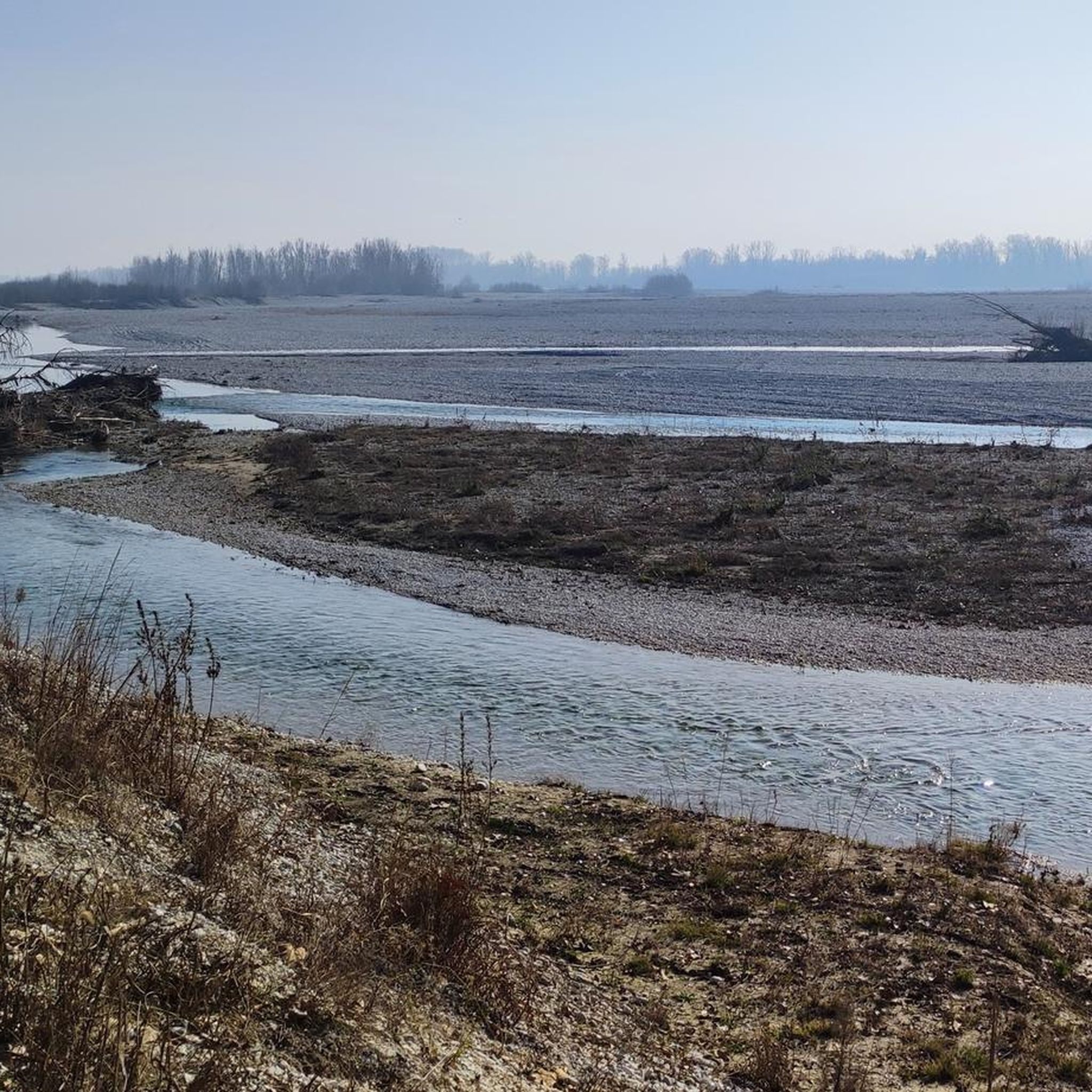
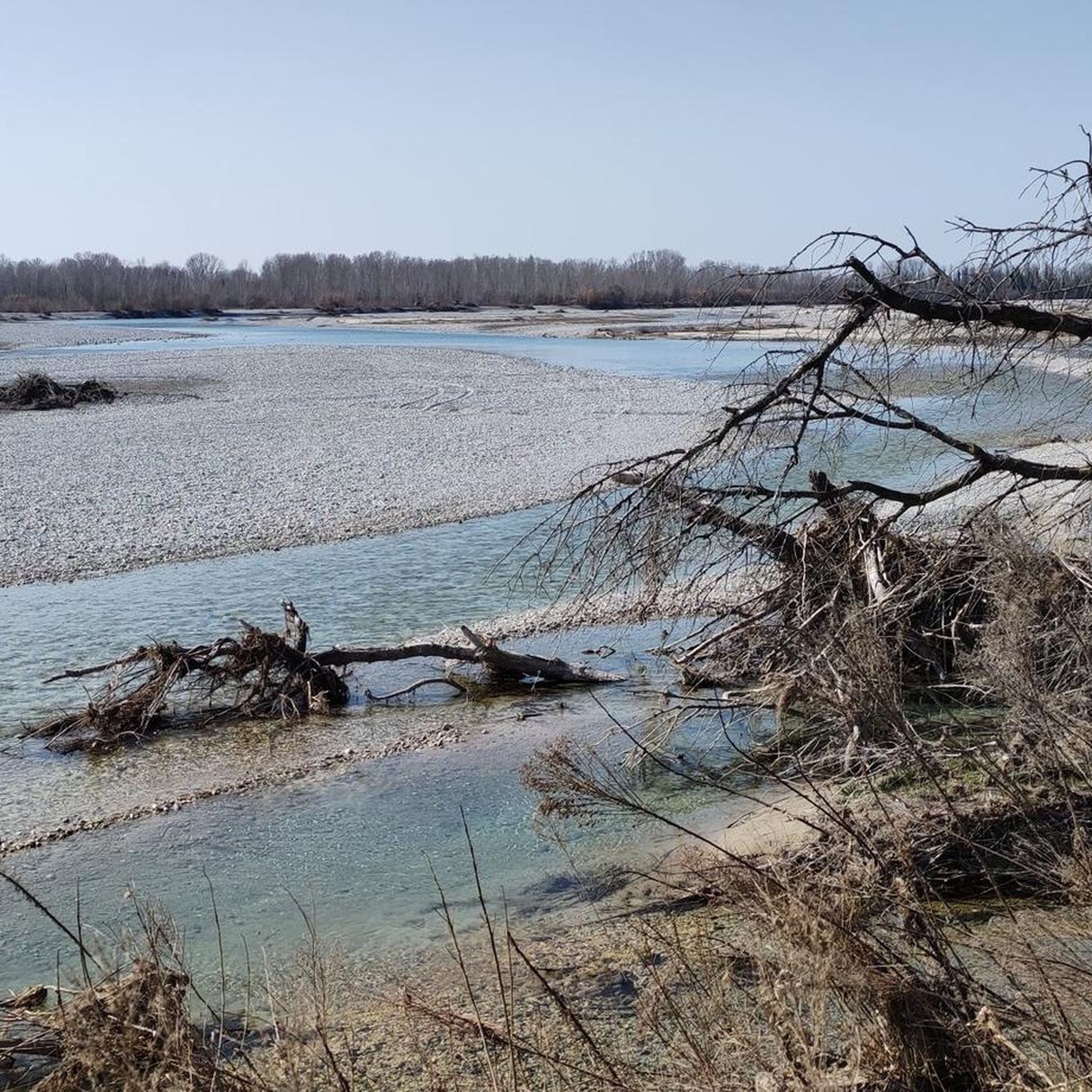
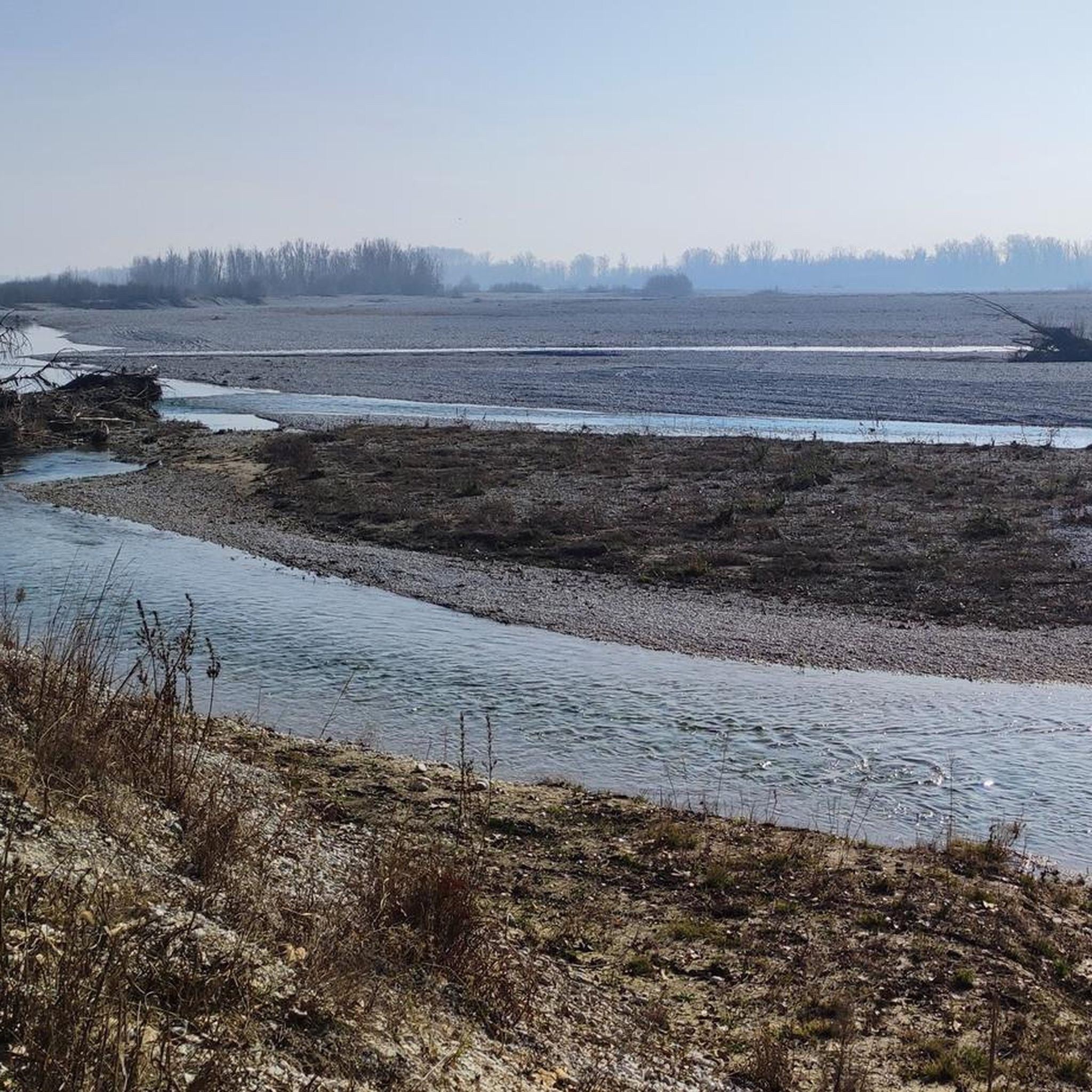
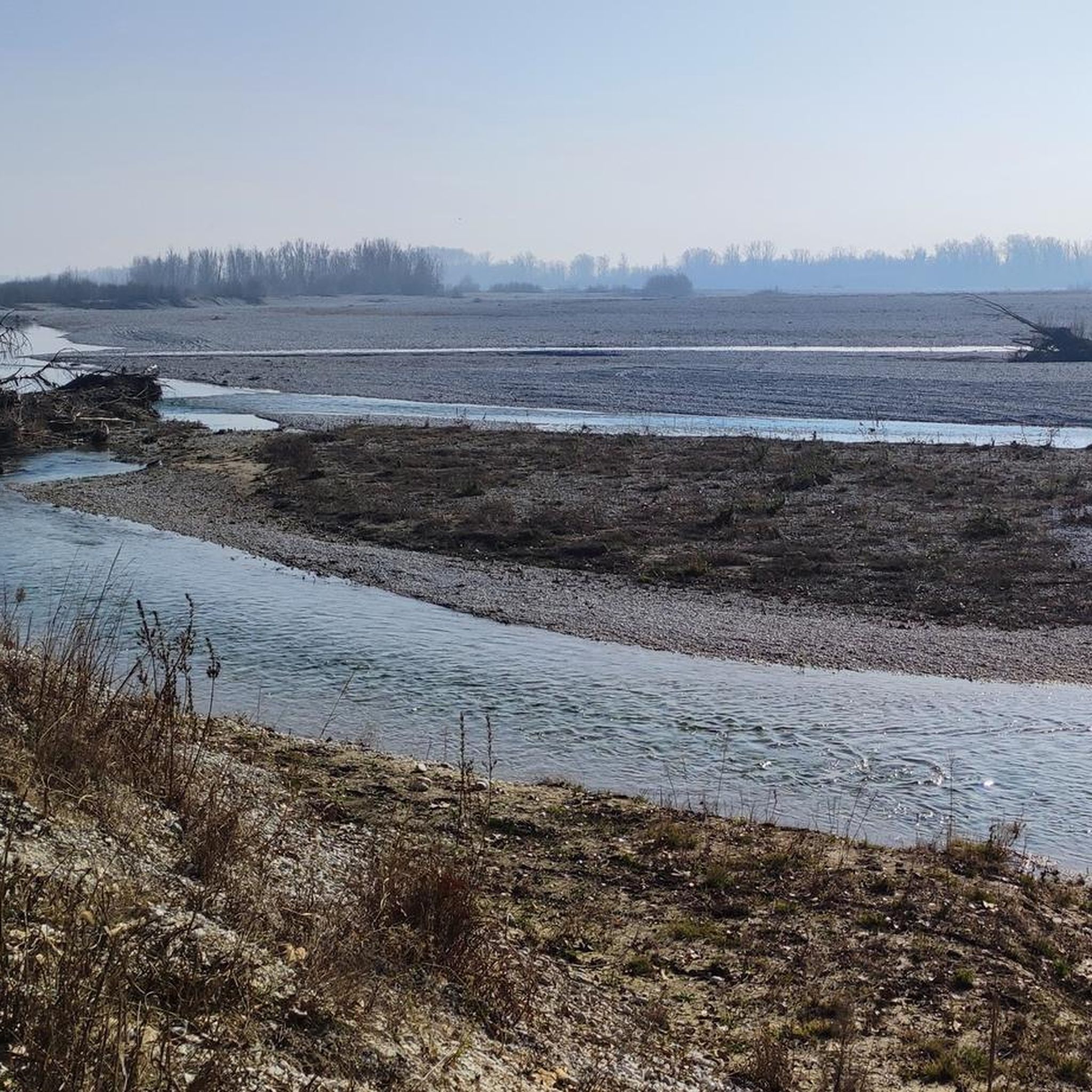
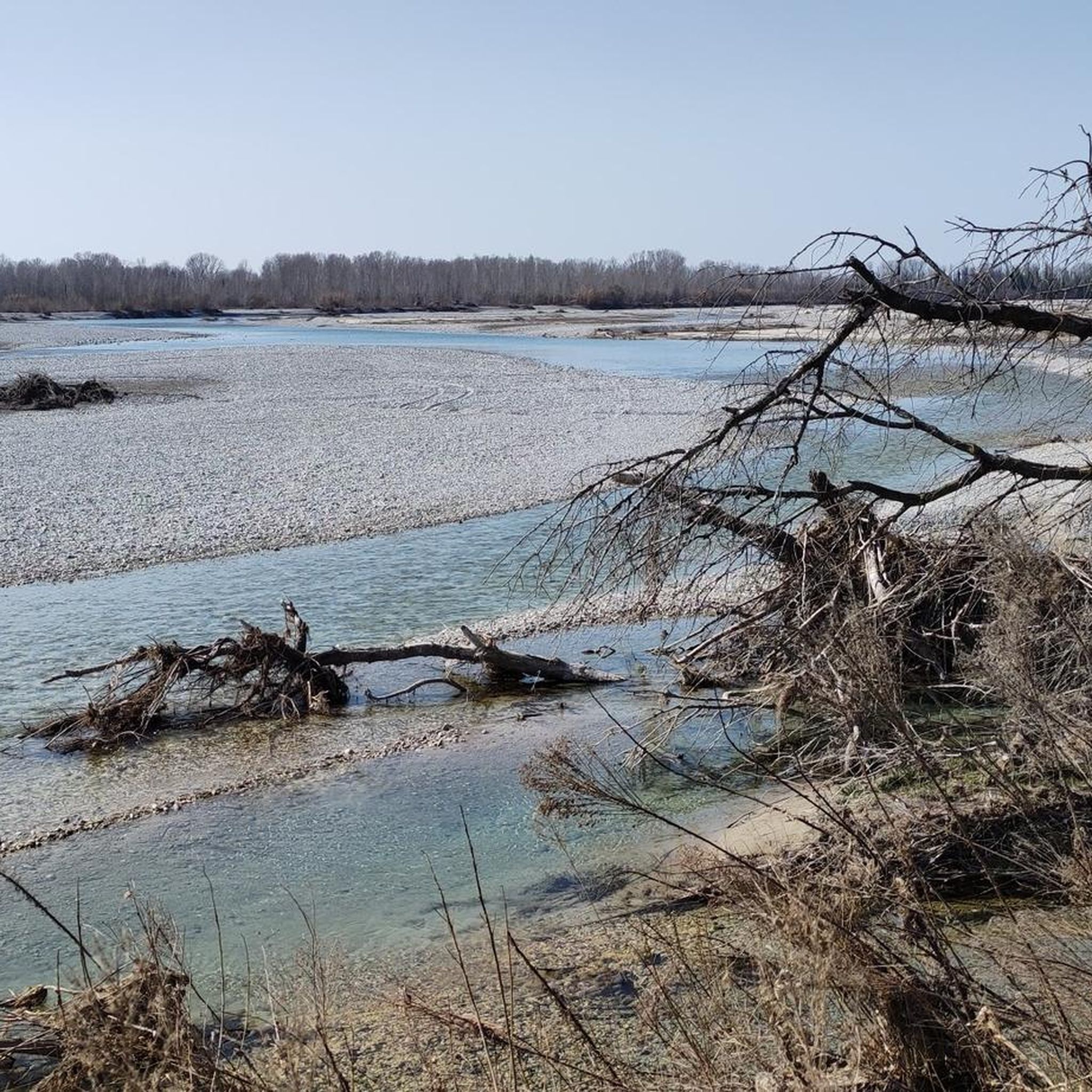
Best attractions and places to see around Camino Al Tagliamento include a blend of historical landmarks, cultural sites, and natural features within the Friuli-Venezia Giulia region of Italy. The area is characterized by its medieval villages and the Tagliamento River, known for its primitive state. Visitors can explore a variety of sites, from grand villas to ancient mills, offering insights into the region's heritage and natural beauty.
Best attractions and places to see around Camino Al Tagliamento
- The most popular attractions is Valvasone, a settlement that retains its medieval appearance with picturesque streets and ancient porticoed homes. Its imposing castle features late Gothic and Renaissance frescoes and an 18th-century wooden theater.
- Another must-see spot is Braida Mill and Flambro Springs, a man-made monument located in an area of high naturalistic value. This ancient water mill, with origins before the 12th century, is now a site for cultural events and outdoor activities.
- Visitors also love Villa Manin, a historical site and one of the largest Venetian villas in Italy. This 18th-century complex was once the home of the Manin nobles and now hosts international art exhibitions.
- Camino Al Tagliamento is known for its historical sites, medieval villages, and natural features like the Tagliamento River. The region offers a variety of attractions to see and explore, from grand villas to ancient mills and natural biotopes.
- The attractions around Camino Al Tagliamento are appreciated by the komoot community, with over 360 upvotes and 190 photos shared by visitors.
Last updated: May 26, 2026
Villa Manin
Highlight • Historical Site
Translated by Google •
Tip by

Valvasone
Highlight • Settlement
Valvasone is one of the most beautiful villages in Italy.
Translated by Google •
Tip by
Sign up now to discover places like this
Get recommendations on the best single tracks, peaks, & plenty of other exciting outdoor places.
Sign up for free
Villa Kechler
Highlight • Historical Site
Translated by Google •
Tip by
Alvisopoli
Highlight • Settlement

San Vito al Tagliamento
Highlight • Settlement
Translated by Google •
Tip by

Sign up for free to discover even more attractions around Camino Al Tagliamento.
Sign up for free
Already have an account?
Start today with a free account
Your next adventure awaits.
Login or Signup

Tips from the Community

A very interesting 17th-century settlement. In the 19th century, Count Alvise Mocenigo decided to build an "ideal city" bearing his name. Unlike similar projects, Mocenigo designed a settlement with infrastructure intended to make the community self-sufficient. Therefore, in addition to traditional agriculture (which was expanded by introducing innovative techniques, for example in rice and sugar beet cultivation), he attempted to integrate an industrial sector (particularly the textile industry) that could draw on locally produced resources. The landscape was thus reshaped and reclaimed, alternating dry areas with humid soils, regulated by an efficient canal system that is still in operation today. In terms of urban planning, buildings were erected for residential purposes (the low farmhouses can still be seen today) and for industrial purposes (bakery, rice mill, blast furnace, mill). Added to this were cultural activities with the founding of a famous printing house, which operated in Alvisopoli until 1814 before being moved to Venice. Source: Wikipedia
1
0
Villa Kechler was probably built at the end of the 16th century by the powerful Manin family. It was sold in the middle of the following century to complete the far more ambitious project of Villa di Passariano. The village of San Martino slowly grew around the villa. In the 19th century, the villa was acquired by the Kechler family, who then decided to open a silk mill in the western barchessa. The villa consists of a central section with a large Venetian-style manor house featuring a central hall, four side rooms, a double staircase, and three central windows in the center of the façade. Two lower buildings are located on either side. Two long, completely independent red barns (barchesse) line the large garden decorated with neoclassical statues, while the extensive park extends behind the house to the north. In 1975, the villa was remodeled and restored by the architect Edgardo Pinto Guerra, allowing it to be divided into two independent living units for two small families of the same extended family.
1
0
The municipality of Valvasone Arzene is listed among the most beautiful towns in Italy thanks to the excellent state of preservation of its historic center, which boasts several stately homes dating from the 14th to 17th centuries. The most important architectural feature is the castle, surrounded by a moat and the old city walls. Also worth seeing is an old mill, which still retains its 15th-century wheel.
1
0

The beautiful main square of San Vito al Tagliamento.
14
0
Beautiful city with historical and cultural value, absolutely worth a visit.
20
0
San Vito al Tagliamento is a city rich in history and natural and artistic beauty that is definitely worth a visit.
21
0


A pretty and elegant medieval town with a richly frescoed castle, San Vito al Tagliamento still retains its medieval moat and three access towers. Worthy of note are the beautiful buildings with elegant architecture and religious monuments including the Duomo, the Church of Santa Maria dei Battuti and the Church of the Annunciata with a cycle of frescoes from the second half of the fourteenth century.
7
0
Frequently Asked Questions
What historical sites can I explore around Camino al Tagliamento?
The region is rich in history. You can visit Villa Manin, a grandiose 18th-century complex that was once the home of the last Doge of Venice and now hosts international art exhibitions. Another significant site is Valvasone, a medieval village with a castle featuring Gothic and Renaissance frescoes. Don't miss Villa Kechler, a late 16th-century residence known for its gardens and as a former retreat for Ernest Hemingway. The ancient Braida Mill, dating back before the 12th century, also offers a glimpse into the area's past.
Are there any notable natural attractions in the area?
Absolutely. The Flambro Springs, located near the Braida Mill, form a natural biotope of high naturalistic value. The Tagliamento River itself is considered an authentic natural wonder, known for its primitive state and diverse natural environments along its course. You can explore these areas through various walking and cycling paths.
What kind of cycling routes are available near Camino al Tagliamento?
The region offers a variety of cycling experiences. For road cycling, you can find routes like the 'View of the Tagliamento River loop' or the 'Codroipo – San Daniele loop'. If you prefer gravel biking, options include the 'Stradone Manin – Bosa Mill loop' or the 'Ragogna Castle – Villa Manin loop'. You can find more details and routes on the Road Cycling Routes around Camino Al Tagliamento and Gravel biking around Camino Al Tagliamento guide pages.
Can I find hiking or running trails around the attractions?
Yes, there are several options for walking and running. The area around the Braida Mill and Flambro Springs features a nice pedestrian/cycle path. For dedicated running, you can explore routes like the 'Running loop from Parco delle risorgive' or the 'Villa Kechler loop'. More running trails are detailed in the Running Trails around Camino Al Tagliamento guide.
Are there family-friendly places to visit in the area?
Many attractions are suitable for families. Valvasone, with its medieval charm and castle, offers an engaging historical experience. Villa Manin, with its vast historical park, provides ample space for exploration. The Braida Mill and Flambro Springs area is also family-friendly, offering scenic spots for outdoor snacks and gentle walks.
What makes Valvasone a special place to visit?
Valvasone is recognized as one of the most beautiful villages in Italy. It has remarkably preserved its medieval appearance, with picturesque streets, ancient porticoed homes, and a dominating castle. The castle itself houses late Gothic and Renaissance frescoes and an 18th-century wooden theater. The village's historic center boasts stately homes from the 14th to 17th centuries, and an old mill with a 15th-century wheel, offering a truly immersive historical experience.
What is the significance of Villa Manin?
Villa Manin is a historically significant site, being one of the largest Venetian villas in Italy. This grandiose 18th-century complex was the prestigious home of the Manin nobles, including Lodovico, the last Doge of the Republic of Venice. Today, it serves as an important cultural center, hosting major international art exhibitions within its beautiful architecture and extensive historical park.
Is the Braida Mill worth visiting, and what can I expect there?
Yes, the Braida Mill (Mulin di Tilio) is a unique attraction. This ancient water mill, with origins before the 12th century, is situated in the natural biotope of the Flambro Springs. It has been restored and now hosts various cultural events, making it a scenic spot for outdoor activities, cultural experiences, and enjoying a packed lunch amidst nature.
What do visitors particularly enjoy about the attractions in Camino al Tagliamento?
Visitors appreciate the blend of historical richness and natural beauty. The well-preserved medieval charm of Valvasone and the grandeur of Villa Manin are frequently highlighted. The serene natural setting around the Braida Mill and Flambro Springs is also a favorite for its peaceful atmosphere and cultural events. The komoot community has shared over 190 photos and given more than 360 upvotes, indicating a strong positive reception for the area's diverse offerings.
Are there any other historical villas to visit besides Villa Manin?
Beyond Villa Manin, you can explore Villa Kechler in the small village of San Martino. This late 16th-century residence is notable for its grand 18th-century statues, a long avenue, and a garden adorned with neoclassical sculptures. It also has a fascinating history, having once belonged to the Venetian Manin family and later hosting Ernest Hemingway during his hunting trips in the region.
What is the Tagliamento River known for?
The Tagliamento River is renowned as an authentic natural wonder and a model for European study due to its remarkably primitive and unspoiled state. Unlike many other European rivers, it retains much of its natural character, offering diverse natural environments along its course. The 'Via del Tagliamento' pilgrimage route follows its path, allowing visitors to experience its unique ecological value.
Are there any cultural events or unique experiences in the region?
Yes, the Braida Mill is a hub for cultural activities, hosting multiple and diverse events throughout the year. Additionally, the village of Valvasone often evokes its medieval past, particularly during September, offering a unique historical atmosphere. The broader Friuli-Venezia Giulia region is also known for its wine production, providing opportunities for related activities.
Most popular routes around Camino Al Tagliamento
Most popular attractions around Camino Al Tagliamento

Get inspired with the komoot mobile app


Explore more
Still not found the Highlight you’re looking for? See guides of the top attractions in other regions:
