The best cycling routes around Filattiera
4.4
(151)
2,116
riders
56
rides
Touring cycling routes around Filattiera are situated in the historical Lunigiana region of Tuscany, nestled between the Tuscan-Emilian Apennines and the Apuan Alps. This area features a diverse topography, offering routes with significant elevation changes and sections traversing the flatter Magra River Valley. Cyclists can expect to encounter medieval villages, dense chestnut woods, and green beech forests, providing varied landscapes for exploration.
Best touring cycling routes around Filattiera
- The most popular touring cycling route is Cycle path to Aulla –…
Last updated: June 30, 2026
3.7
(6)
73
riders
65.3km
04:04
580m
580m
Hard bike ride. Very good fitness required. Mostly paved surfaces. Suitable for all skill levels.
4.4
(5)
56
riders
52.5km
03:44
1,070m
1,070m
Hard bike ride. Very good fitness required. Mostly paved surfaces. Suitable for all skill levels.

Sign up for free
4.7
(6)
65
riders
Moderate bike ride. Good fitness required. Mostly paved surfaces. Suitable for all skill levels.
5.0
(1)
60
riders
37.8km
03:25
850m
850m
Hard bike ride. Very good fitness required. Mostly paved surfaces. Suitable for all skill levels.
3.7
(3)
55
riders
43.0km
02:56
700m
700m
Hard bike ride. Very good fitness required. Mostly paved surfaces. Suitable for all skill levels.
Get access to more routes and recommendations from other explorers.
Sign up for free
Already have an account?
Our route recommendations are based on thousands of hikes, rides, and runs completed by other people on komoot.
Start today with a free account
Your next adventure awaits.
Login or Signup
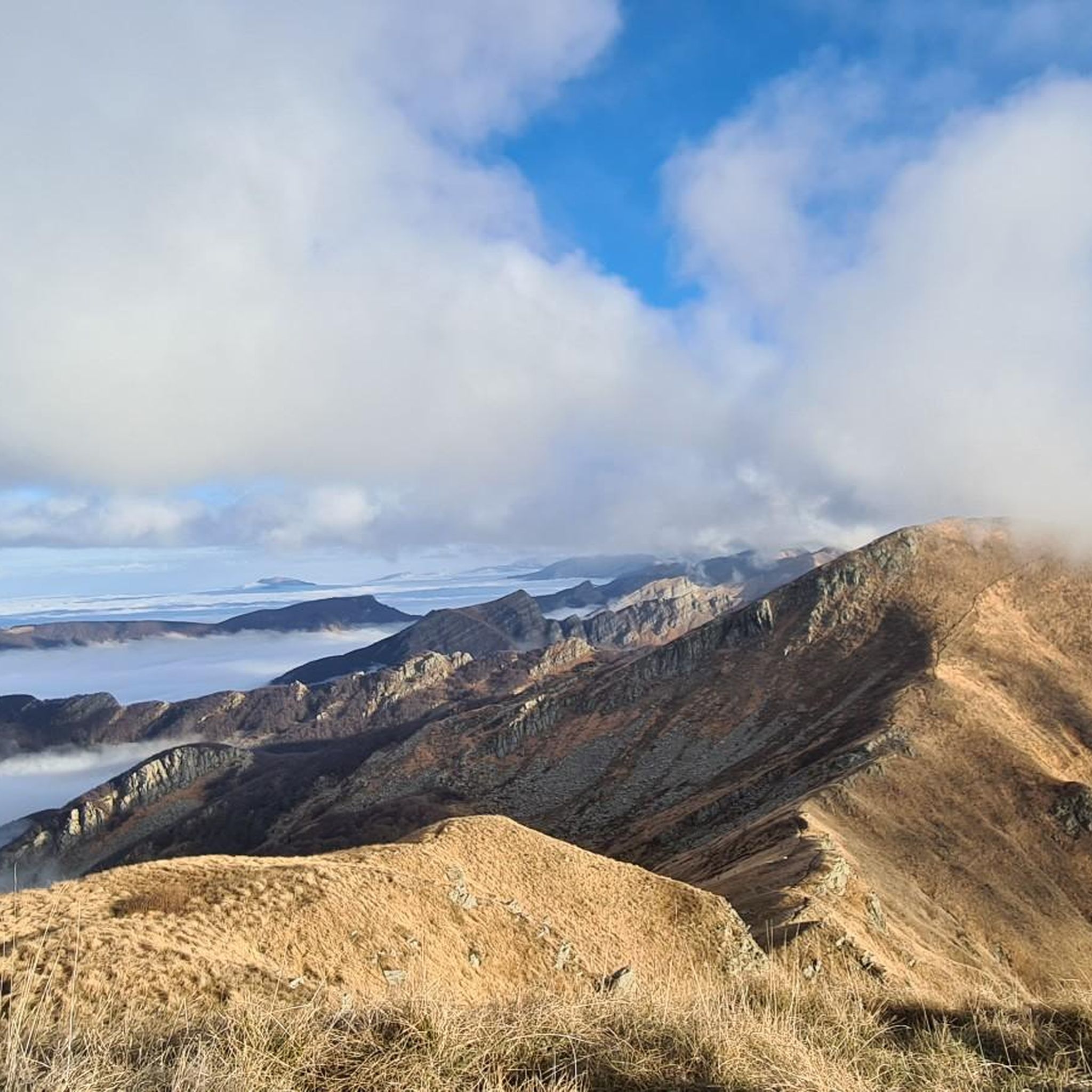
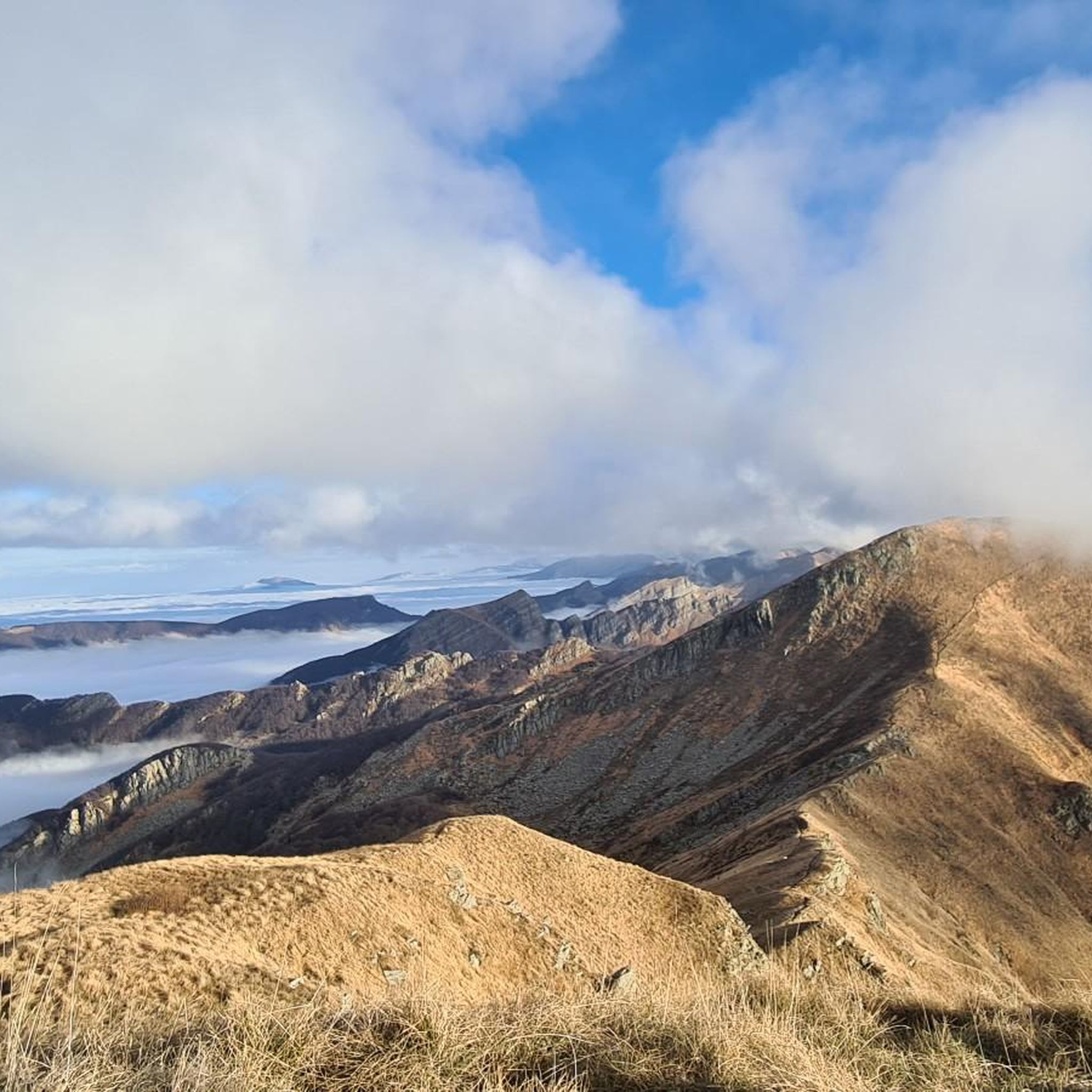
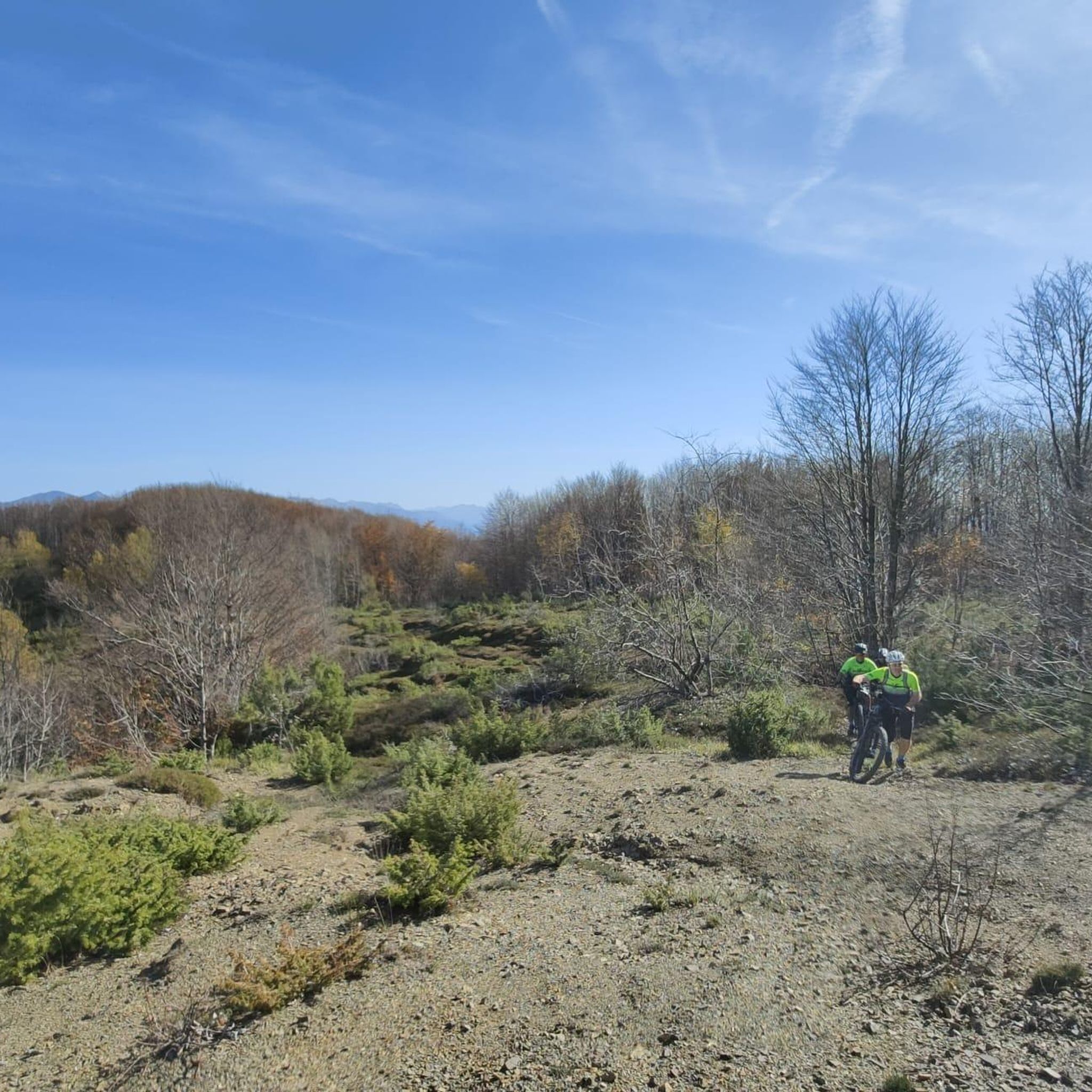
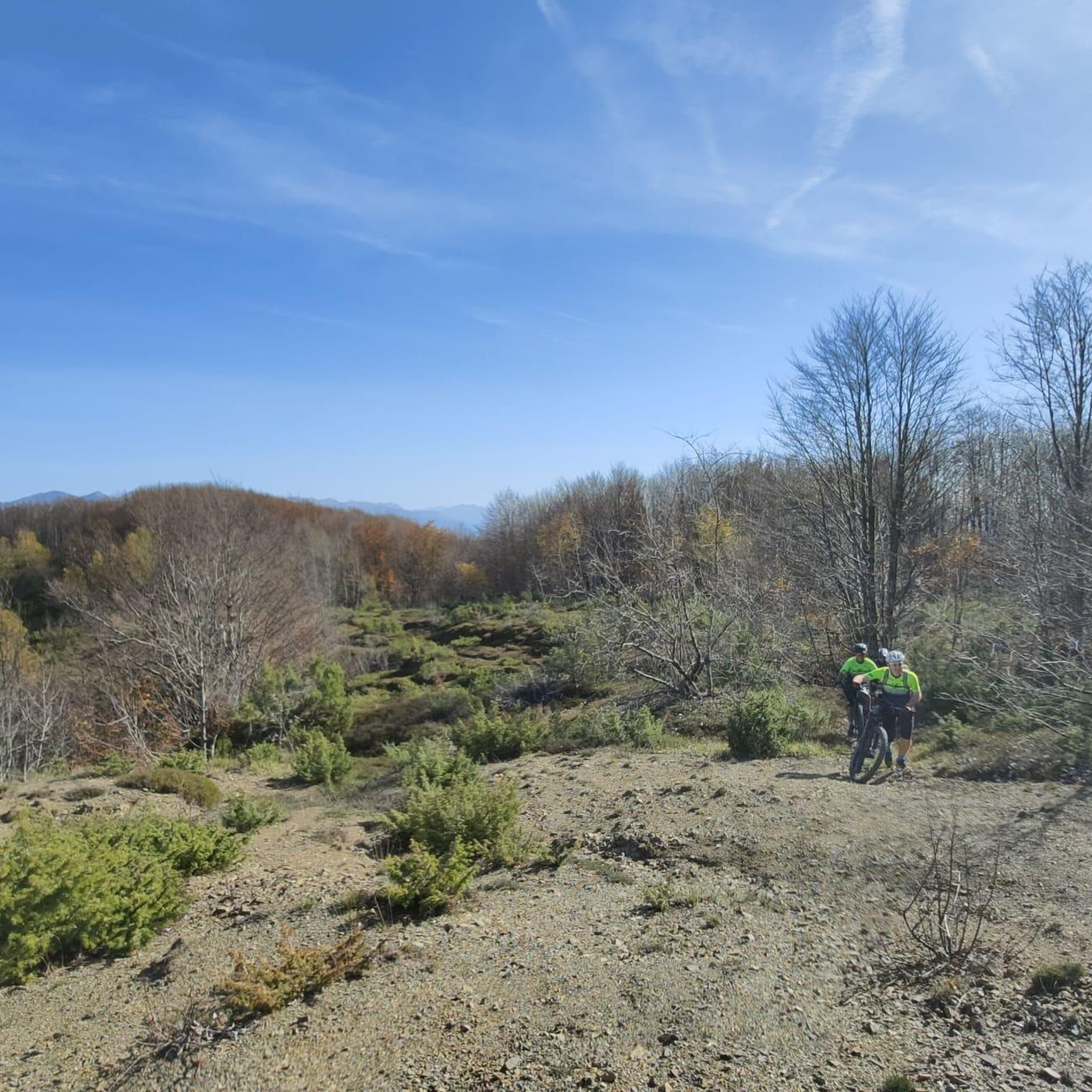


Tips from the Community

We parked there for a mountain bike ride. It's very picturesque, and there are even some picnic tables.
0
0

Alternative is the train between Pontetremoli and Aulla
0
0

small village but very suggestive and picturesque to pass by bicycle
0
0

Probably built in the Middle Ages, to protect and control the bridge that offered the opening to the valley, it currently appears as a noble residence dating back to the 17th century, with four imposing corner towers. Transformed into a Luxury resort: a boutique hotel located inside an authentic 17th century castle belonging to the Malaspina marquises.
0
0
This place is characterized by a depression on the stream that over the years has created a real basin with crystal clear waters. Once you reach the stream you will find two fairly large but low pools, if you continue down the stream you will find the waterfalls and even further down the basin, near an ancient stone building right on the river.
0
0
Bagnone Castle is located on the highest hill and is clearly visible as soon as you enter the town. It is dominated by an imposing cylindrical stone tower, crowned by corbels of the plumbing system with archers and larger openings framed by frames. The tower remains the only surviving structure of the castle, which has now completely disappeared and is partly incorporated into smaller buildings of the villa of the Counts Ruschi-Noceti. The castle is privately owned and cannot be visited.
1
0
The Borgo di Bagnone is a medieval village on the Tuscan-Emilian pre-Apennine hillsides. It is characterized by the waterfalls that flow on the right side of the village, formed in the rock by the flow of the Bagnone Torrent. The oldest part of the village stands on the left side of the Bagnone Torrent, from which it took its name. The circular tower located in this area of the village served to control the valley's traffic and was connected to other similar towers: Malgrate, Groppoli and Mulazzo.
0
0
probably the best known of the many well-preserved medieval villages that you come across along the route, which reveals its Byzantine origins both in its name and in its shapes: the term “Filetto”, in fact, derives from the Greek Fulacterion, which means “fortified village”. The town still retains the quadrangular shape typical of the villages of foundation and late ancient camps, with perpendicular streets and central squares. To the oldest part, characterized by narrow alleys such as the Jewish village and a large market square, is added a late Renaissance “addition”, the fascinating Borgo degli Ariberti. The Ariberti family enlarged the village by building a wide central street, a square and a stately building adjacent to the church of Saints Jacopo and Antonio and the Fatebenefratelli Convent. The addition is linked to the village in an elegant way, with suspension bridges and arches that overlook the entrance gates to the town and that connect the main buildings.
0
0
Frequently Asked Questions
How many touring cycling routes are available around Filattiera?
There are over 40 touring cycling routes around Filattiera, offering a diverse range of experiences. These routes are highly rated by the komoot community, with an average score of 4.2 stars.
What do other touring cyclists enjoy about the routes in Filattiera?
The komoot community highly rates the touring cycling routes in Filattiera, with an average score of 4.2 stars from over 40 reviews. Cyclists often praise the varied terrain, which includes both challenging climbs in the Apuan Alps and flatter sections along the Magra River Valley, as well as the opportunity to explore medieval villages and dense forests.
What natural features can I expect to see along the touring cycling routes in Filattiera?
Touring cycling routes in Filattiera offer a rich tapestry of natural features. You'll encounter the dramatic landscapes of the Tuscan-Emilian Apennines and the Apuan Alps, providing routes with significant elevation changes and panoramic views. Many paths traverse the tranquil Magra River Valley, dense chestnut woods, and green beech forests. The broader Lunigiana area also features rivers, streams, and even waterfalls like the Monia Waterfall.
Are there historical sites or medieval villages to explore on the routes?
Yes, the routes frequently pass through well-preserved medieval villages and historical sites. Filattiera itself is known for its medieval village, and routes often incorporate sections of the historic Via Francigena. You can also visit attractions like the Historic Center of Pontremoli or the Piagnaro Castle and Museum of Lunigiana Stele Statues.
Are there any easy or beginner-friendly touring cycling routes in Filattiera?
While many routes in Filattiera offer significant elevation changes, there are options suitable for beginners. Out of the 40 available routes, 7 are classified as easy and 8 as moderate. For example, the Lunigiana Bike Area, which has a starting point in Filattiera, includes family-friendly options within its network of nearly 30 trails. Look for routes that stick to the Magra River plain for flatter sections.
Can I find circular touring cycling routes around Filattiera?
Yes, many touring cycling routes around Filattiera are designed as loops. For instance, the Cycle path to Aulla – Lunense Canal Cycle Path loop from Filattiera and the Filetto Medieval Village – Bridge over the Bagnone Stream loop from Scorcetoli are popular circular options. The Ciclovia dei Castelli is also a 47-kilometer loop connecting Filattiera with other municipalities.
Is it possible to bring my dog on touring cycling routes in Lunigiana?
While the Lunigiana region is generally welcoming to dogs, specific regulations may apply to protected natural areas or private properties. It's always best to keep your dog on a leash, especially near wildlife or other cyclists, and to carry water for them. Always check local signage for any restrictions on specific trails.
How can I access the touring cycling routes around Filattiera using public transport?
Filattiera is located in the Lunigiana region, and while public transport options exist, bringing a bike can sometimes be challenging. Regional trains often allow bikes, but it's crucial to check specific train lines and bus routes for their bike transport policies and any associated fees. The nearest major train stations would be in towns like Aulla or Pontremoli, from which you might need to cycle or arrange local transport to Filattiera.
Where can I find parking for touring cycling routes in Filattiera?
Parking is generally available in and around Filattiera, especially in the main village areas. Many routes, particularly those part of the Lunigiana Bike Area or Ciclovia dei Castelli, have designated starting points where parking facilities are provided or easily accessible. Look for public parking areas in Filattiera or nearby villages like Scorcetoli before starting your ride.
Are there places to rent e-bikes in Filattiera?
Yes, the Lunigiana Bike Area, which has a starting point in Filattiera, is designed to support cyclists, including e-bike users. The Ciclovia dei Castelli, which passes through Filattiera, also offers e-bike charging points and bike rental services along its route. This makes it convenient to explore the region even if you don't bring your own e-bike.
What is the best season for touring cycling in Filattiera?
The best seasons for touring cycling in Filattiera are typically spring (April to June) and autumn (September to October). During these months, the weather is generally mild and pleasant, with less extreme heat than summer and fewer chances of heavy rain or snow than winter. The landscapes are also particularly beautiful, with blooming flora in spring and vibrant colors in autumn.
Are there cafes or pubs along the touring cycling routes for refreshments?
Yes, many touring cycling routes in Filattiera and the wider Lunigiana region pass through or near medieval villages where you can find cafes, trattorias, and pubs. The Ciclovia dei Castelli, for example, is designed to connect cyclists with local amenities. It's always a good idea to plan your route and check for refreshment stops in advance, especially on longer rides or those in more remote areas.
Most popular routes around Filattiera
Most popular attractions around Filattiera

Get inspired with the komoot mobile app


Explore more
Browse the best Cycling routes in other regions.
