Attractions and Places To See in Sierras De Cazorla, Segura Y Las Villas - Top 20
Best attractions and places to see in Sierras De Cazorla, Segura Y Las Villas is a UNESCO Biosphere Reserve and Spain's largest protected area, located in the province of Jaén. This expansive park features a landscape of deep valleys, high rocky massifs, and abundant waterways. The region is recognized for its biodiversity, including over 2,200 cataloged plant species and diverse wildlife. It also contains historical landmarks and cultural sites.
Best attractions and places to see in Sierras De Cazorla, Segura…
Last updated: July 7, 2026
Elías Gorge
Highlight • Gorge
Translated by Google •
Tip by

Salto de los Órganos Waterfall
Highlight • Waterfall
Translated by Google •
Tip by
Sign up now to discover places like this
Get recommendations on the best single tracks, peaks, & plenty of other exciting outdoor places.
Sign up for free
Malena Waterfall
Highlight • Waterfall
Translated by Google •
Tip by
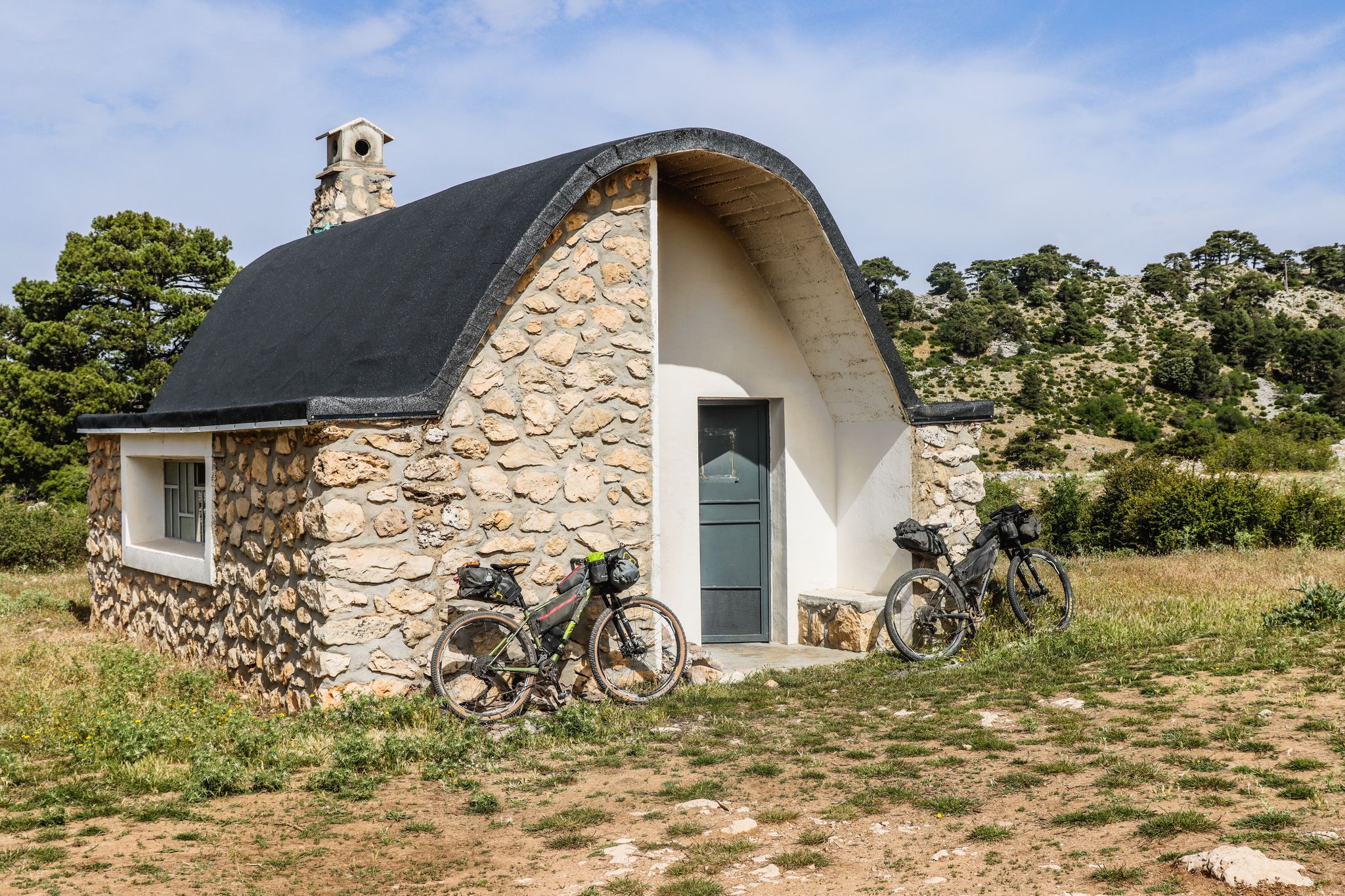
Campo del Espino Shelter
Highlight • Mountain Hut
Translated by Google •
Tip by

Source of the Guadalquivir River
Highlight • River
Translated by Google •
Tip by

Sign up for free to discover even more attractions in Sierras De Cazorla, Segura Y Las Villas.
Sign up for free
Already have an account?
Start today with a free account
Your next adventure awaits.
Login or Signup
Popular around Sierras De Cazorla, Segura Y Las Villas
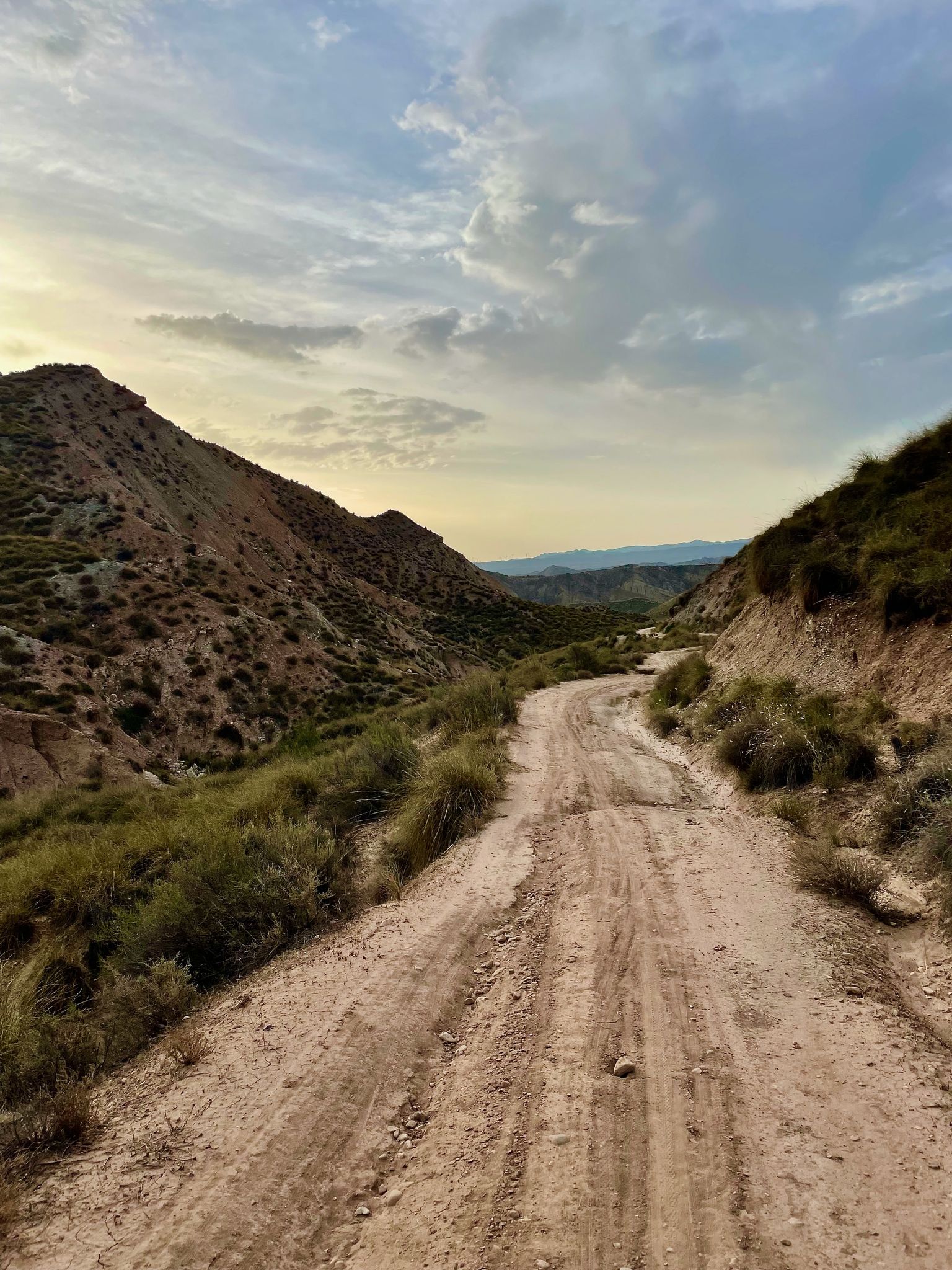
Badlands 2021 — 750km of gravel in the Spanish deserts
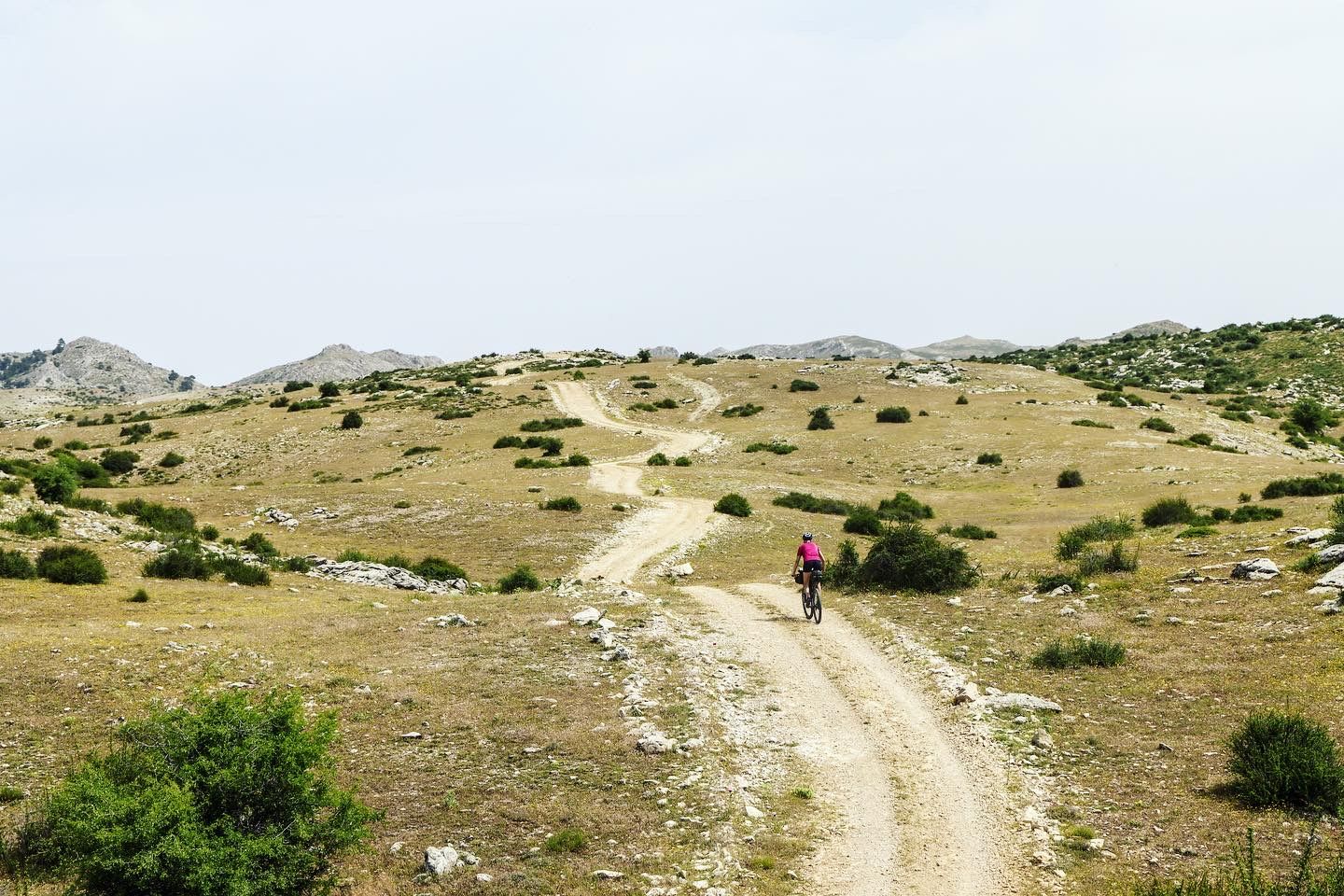
Bikepacking the mountains and deserts of Andalucía
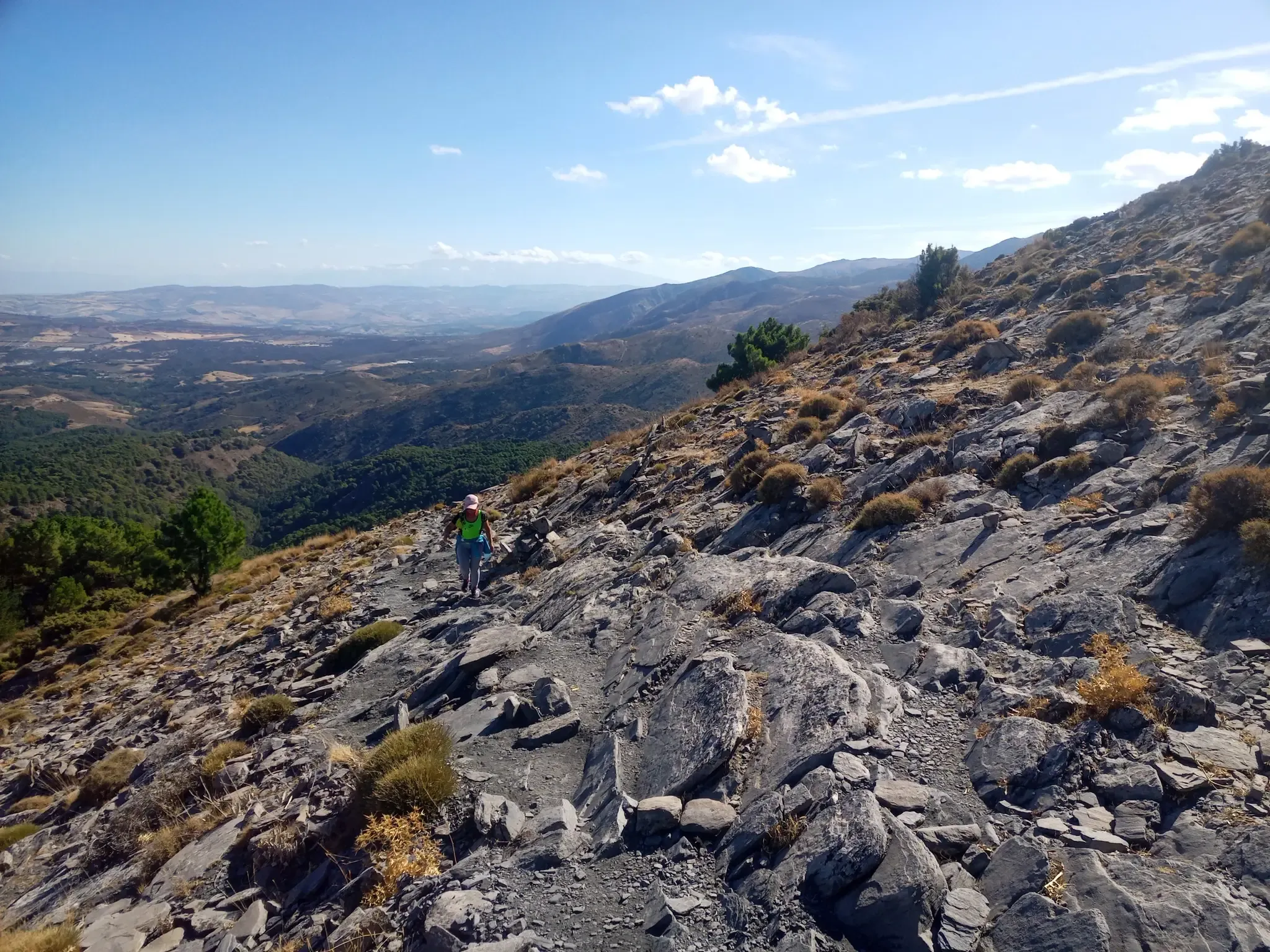
12 hiking gems throughout Spain
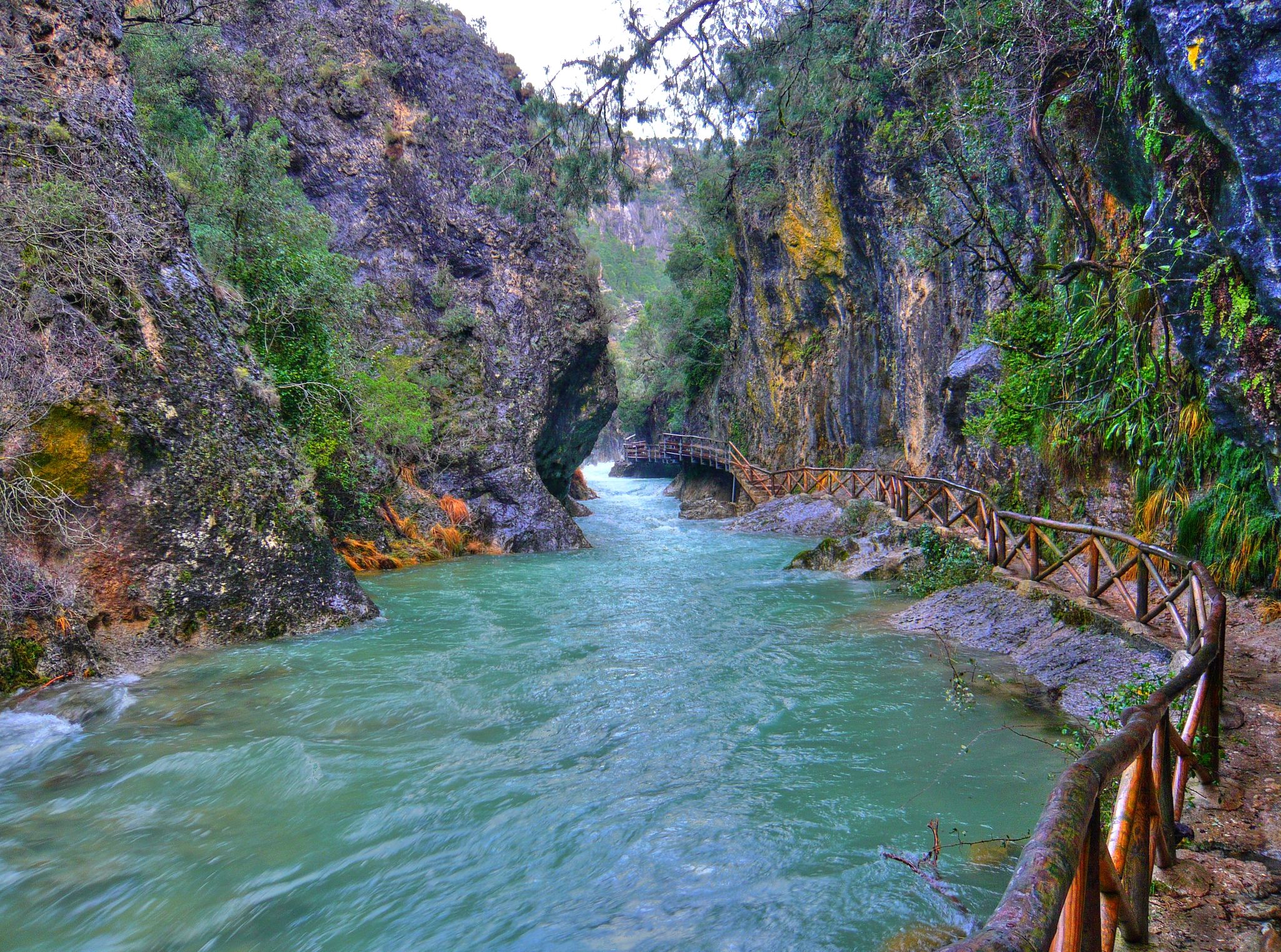
Through the Borosa Gorge to the highest peak of the Sierra de Segura
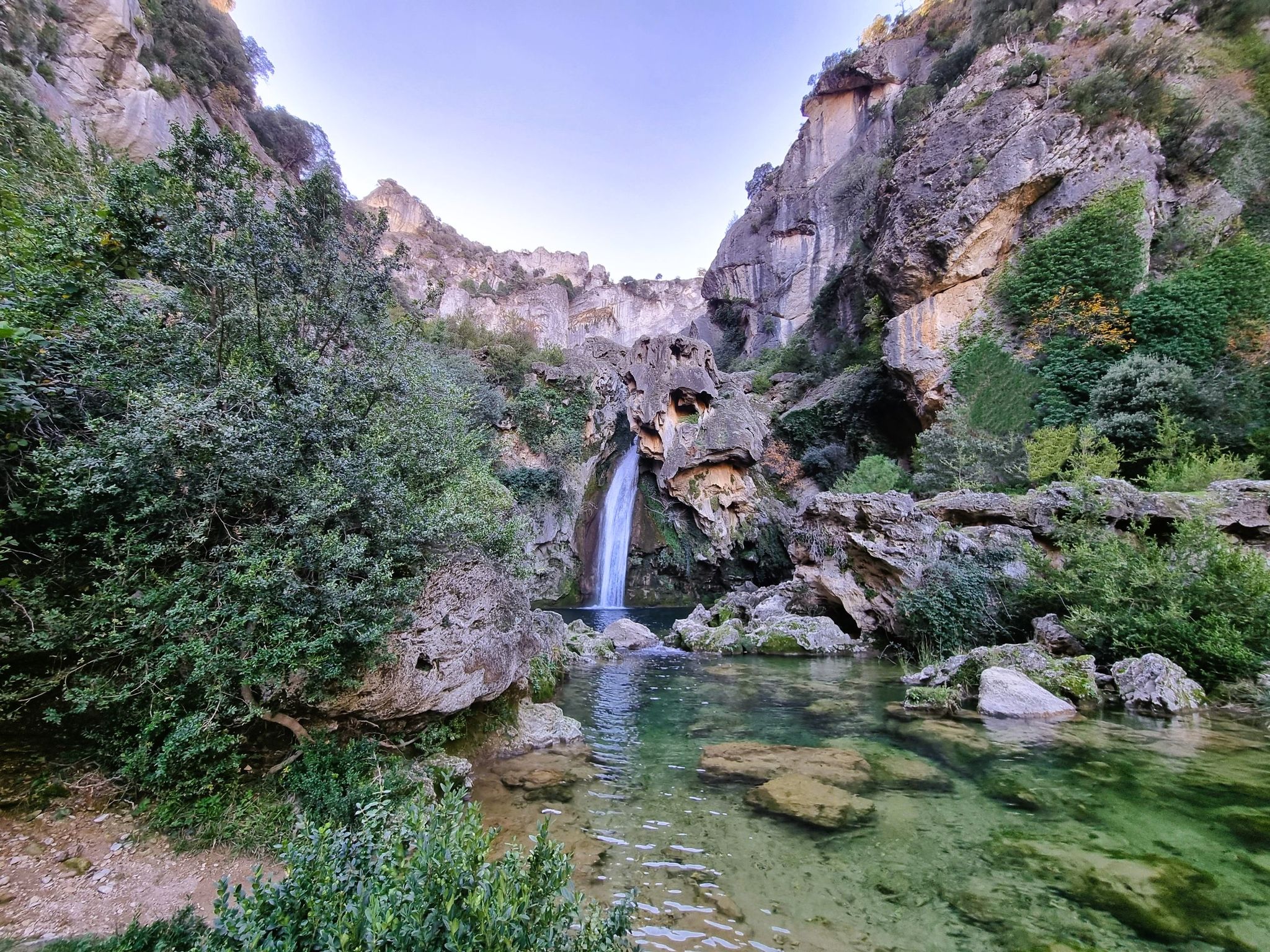
Jaén, inland paradise – three Tours from Cazorla
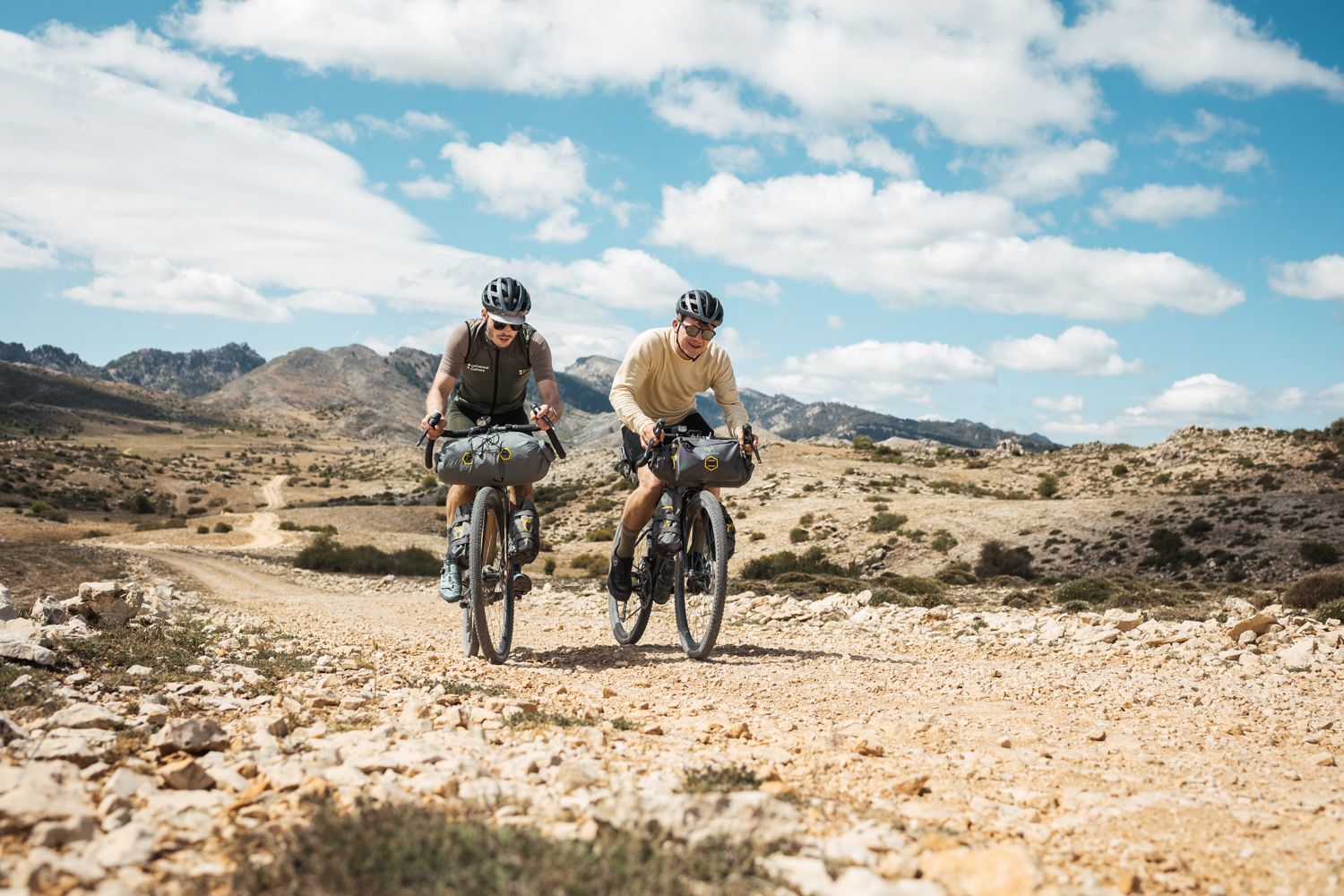
Bikepacking in Andalusia – Europe's gravel paradise
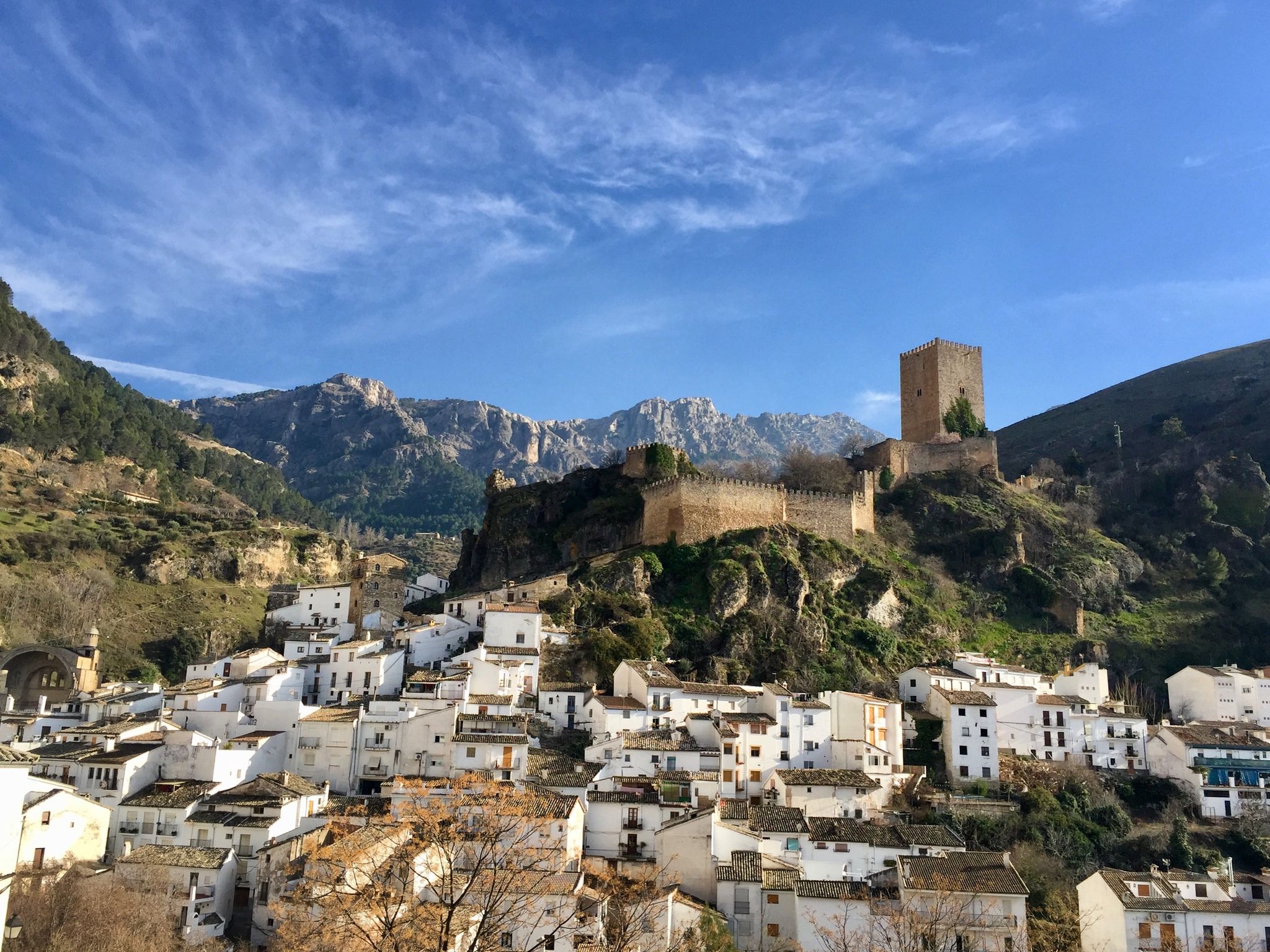
European Divide Trail across the Iberian Peninsula – central
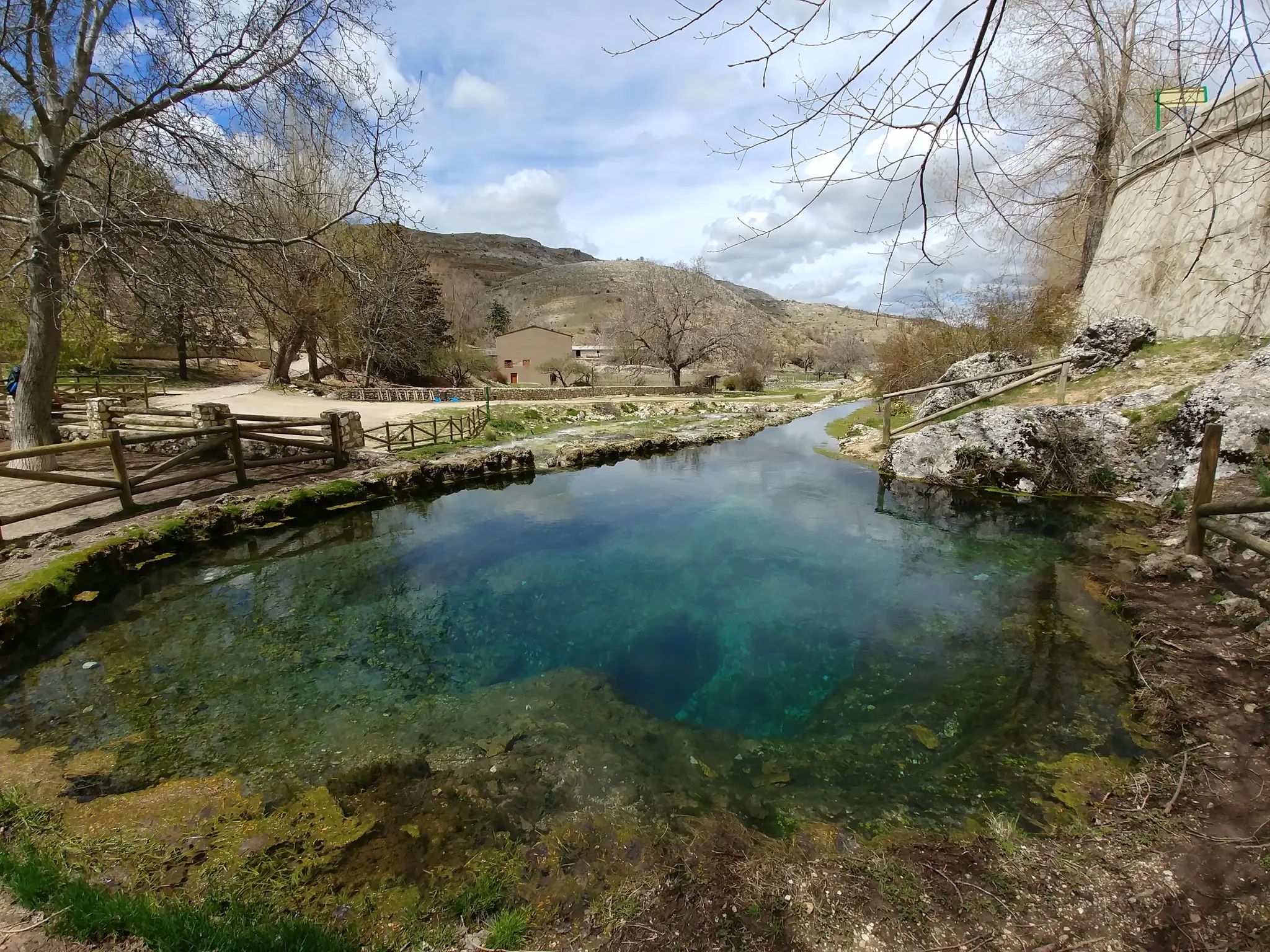
Transhumance in the Sierra de Segura – hiking the GR 144
Wild and free Andalusia – Transandalus through the interior
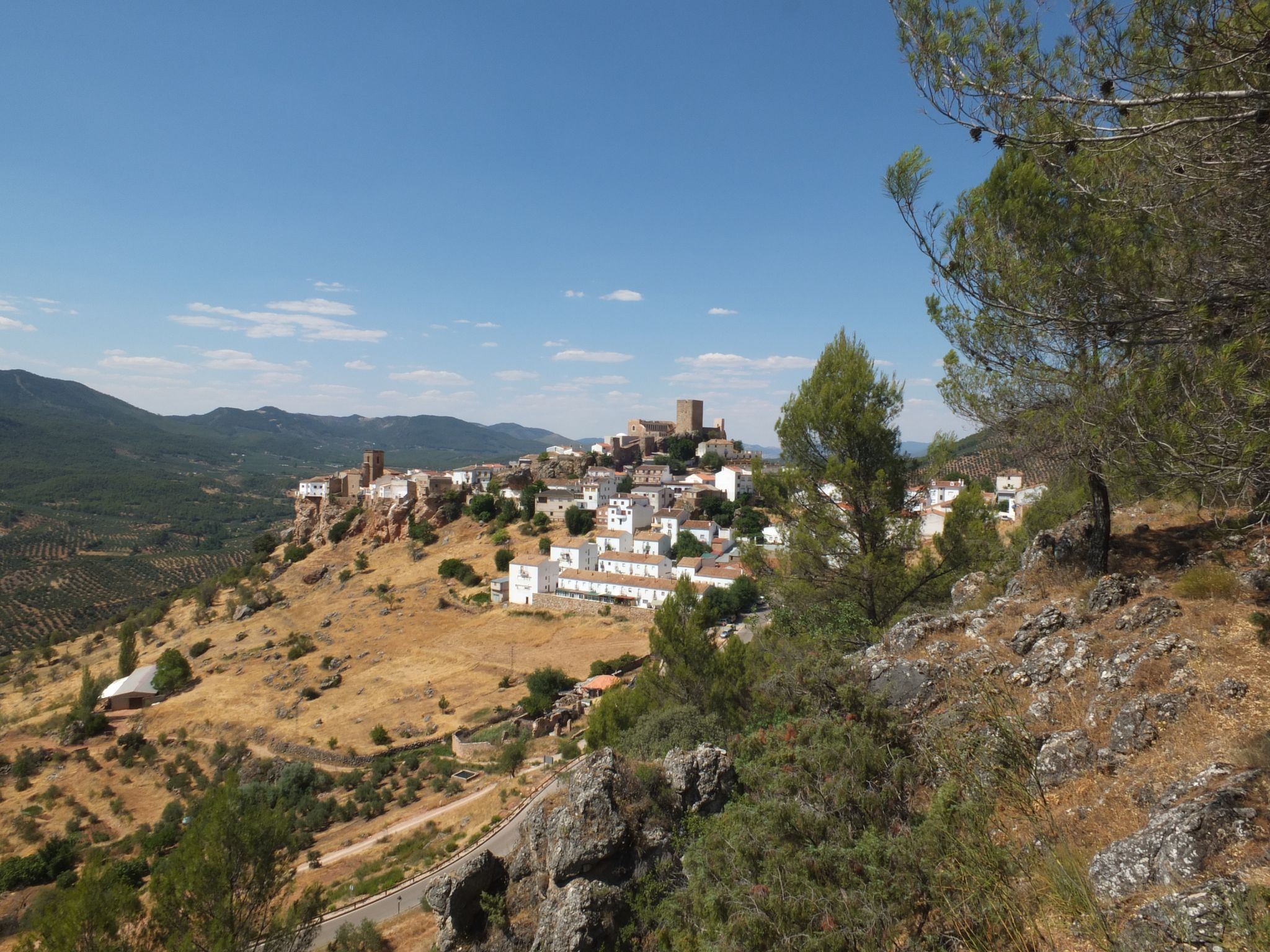
Mountains and olive groves in the Sierra de Segura – GR 146
Other adventures in Sierras De Cazorla, Segura Y Las Villas


Tips from the Community

Beautiful trail in a narrow canyon formed by the river.
1
0

Spectacular waterfall and pool. If you follow the Borosa trail, you can't miss stopping and swimming in it. In summer, the sun starts shining directly after 11:30, and the water and the bottom of the pool go from opaque black to transparent turquoise. This makes it less scary to go in, but after that time, people start to gather around this spot!
0
0
It is the highest waterfall on the Borosa River. From above (between the first and second tunnels) it is not visible, but from below it is spectacular.
0
0

It is really difficult to locate the source of the most important river in Andalusia and although the technicians have located it at this point, it is still surprising that it hardly has any water, as well as that it is exactly this precise place, because in the same way It could have been located in any other of the many tributaries with greater flow that pour their waters into the river bed, such as the Aguasmulas River or the Borosa River. For whatever reason, this source is dry for much of the year, but nevertheless it has better access than other places, perhaps this is the explanation.
13
0

Although somewhat hidden (you must turn to the right a few meters to find it) it is a busy and refreshing place, ideal for resting before continuing with the climb.
0
1


The route to the Malena Waterfall begins in Cazorla and is ideal for the whole family. It is a circular route that follows the Cerezuelo River. Along the way, you will enter a narrow gorge, crossing wooden bridges and enjoying the rich riverside vegetation. The first section of the trail will take you to the Malena waterfall itself. Near the waterfall is the Cueva de la Malena, which, according to the elders, was a refuge for bandits during the time of the reconquest. The cave is also shrouded in legends, such as that of the Tragantía, whose song warned: “I am the tragantía, daughter of the Moorish king; "Whoever hears me sing will not see the light of day." Since then, the cave has remained virtually inaccessible due to undergrowth that makes access difficult.
6
0
The trail to Salto de los Órganos starts from the power station and is probably one of the most spectacular and challenging sections. After overcoming some steep slopes, to the left, from the Picón del Haza, a waterfall with a drop of more than 170 meters unfolds. The force of this waterfall is used by the hydroelectric plant.
7
0
Frequently Asked Questions
What natural features can I explore in Sierras De Cazorla, Segura Y Las Villas?
The park is rich in natural beauty, featuring deep valleys, rocky massifs, and abundant waterways. You can visit the Source of the Guadalquivir River, explore the scenic Elías Gorge with its crystal-clear pools, or witness the impressive Salto de los Órganos Waterfall. Other notable features include the Source of the Segura River, the Borosa River Trail, and the dramatic Embalse del Tranco reservoir.
Are there historical or cultural sites to visit in the region?
Yes, the region boasts a rich history. You can explore charming towns like Cazorla, with its Malena Waterfall and the historic Castillo de la Yedra. Other significant sites include the dramatically positioned Segura de la Sierra with its castle, the walled village of Hornos de Segura, and the ancient La Iruela Castle. Quesada offers an old town with Visigothic and Arab remains, and the park also contains the Iberian Necropolis of Troya and the Roman Villa of Bruñel.
What outdoor activities are popular in Sierras De Cazorla, Segura Y Las Villas?
The park offers a wide range of outdoor activities. Hiking is very popular, with over 50 itineraries available. You can also enjoy cycling, mountain biking, rafting on the Guadalquivir River, canyoning in Cerrada del Utrero, canoeing, kayaking, paragliding from El Yelmo, and bird watching. For specific routes, you can find options like running trails, gravel biking routes, and cycling tours throughout the region.
Are there family-friendly attractions or trails in Sierras De Cazorla, Segura Y Las Villas?
Absolutely. The route to Malena Waterfall from Cazorla is a family-friendly circular trail along the Cerezuelo River. The Source of the Guadalquivir River is also considered family-friendly. The Borosa River Trail offers an immersive experience suitable for families, and the Torre del Vinagre Visitor Center provides information and exhibits for all ages.
Where can I find panoramic views in the park?
For breathtaking views, consider visiting the Campo del Espino Shelter, which offers incredible panoramic vistas. El Yelmo peak in the northern part of the park is another popular spot for amazing views of the forests and distant plains. The villages of Segura de la Sierra and Hornos de Segura, perched on rocky pinnacles, also provide expansive views over the valleys and reservoirs.
Can I see wildlife in Sierras De Cazorla, Segura Y Las Villas?
Yes, the park is known for its exceptional biodiversity and is an excellent place for wildlife spotting. You might encounter Spanish ibex, deer, and wild boar. Birdwatchers can look for golden eagles and griffon vultures. The Parque Cinegetíco (Hunting Park) near El Tranco reservoir offers opportunities to see mouflon in semi-wild conditions, and the Torre del Vinagre botanical garden showcases the park's unique flora.
What is the Borosa River Trail known for?
The Borosa River Trail is a highly scenic route that winds through a narrow gorge, offering spectacular scenery and leading to the Lagunas de Aguas Negras. It features natural pools of crystal-clear water, especially in the Elías Gorge section, and culminates at the impressive Salto de los Órganos Waterfall.
Are there any caves or unique geological formations to explore?
Yes, the park features several interesting geological sites. The Cueva de la Malena is located near the Malena Waterfall. The Cueva del Agua is an impressive cave with a subterranean waterfall, accessible via guided routes. Additionally, the Campos de Hernán Perea showcase unique karst towers, highlighting the park's diverse geology. The Sierra de Quesada also contains important prehistoric cave paintings.
What is the Embalse del Tranco and what can I do there?
The Embalse del Tranco, or Tranco Reservoir, is the largest reservoir in Jaén. It's an ideal spot for water sports, picnics, and offers dramatic views, especially from the Mirador de Rodriguez de la Fuente. You can also see the ruins of Castillo de San Miguel de Bujaraiza on an island within the reservoir.
Where can I get information and maps for exploring the park?
The Torre del Vinagre Visitor Center, located on the A319, is the main hub for information. Here, you can obtain maps, details on walking and cycling routes, and information regarding accommodation within the park.
What are some of the highest peaks in the region?
The highest peak in the park is Cerro las Empanadas, reaching 2,107 meters above sea level. Other significant peaks include El Yelmo, known for its panoramic views and paragliding opportunities, and Pico Gilillo, which stands at 1,825 meters.
Most popular routes in Sierras De Cazorla, Segura Y Las Villas
Most popular attractions in Sierras De Cazorla, Segura Y Las Villas

Get inspired with the komoot mobile app


Explore more
Still not found the Highlight you’re looking for? See guides of the top attractions in other regions:
