Top 20 Mountain Passes in High Tauern
Best mountain passes in High Tauern are located within the Hohe Tauern National Park, a central part of the Austrian Alps. This region features a diverse landscape of high mountain passes, glaciers, and valleys. Historically, these passes served as important trade routes for various cultures. Today, they offer access to alpine environments and provide connections between different valleys and regions.
Best mountain passes in High Tauern
- The most popular mountain passes is Untere Pfandlscharte, a mountain pass that is…
Last updated: September 29, 2026
Klammljoch Pass
Highlight • Mountain Pass
Translated by Google •
Tip by

Krimmler Tauern Pass
Highlight • Mountain Pass
Translated by Google •
Tip by

Sign up now to discover places like this
Get recommendations on the best single tracks, peaks, & plenty of other exciting outdoor places.
Untere Pfandlscharte
Highlight • Mountain Pass
Translated by Google •
Tip by

Türmljoch (2,790 meters)
Highlight • Natural Monument
Translated by Google •
Tip by

Zopetscharte Pass (2,958 m)
Highlight • Mountain Pass
The Zopetscharte is a rugged rock transition from the Eisseehütte to the Johannishütte.
Translated by Google •
Tip by
Sign up for free to discover even more mountain passes in High Tauern.
Already have an account?
Start today with a free account
Your next adventure awaits.
Popular around High Tauern
The Tauernhöhenweg – Once across the Hohe Tauern
Hohe Tauern Panorama Trail – Face-to-face with 3000-metre peaks
Long hikes on the southern side of the Austrian Alps – in Carinthia
Ruperti Trail – Hike from Austria's Bohemian Forest to the Carnic Alps
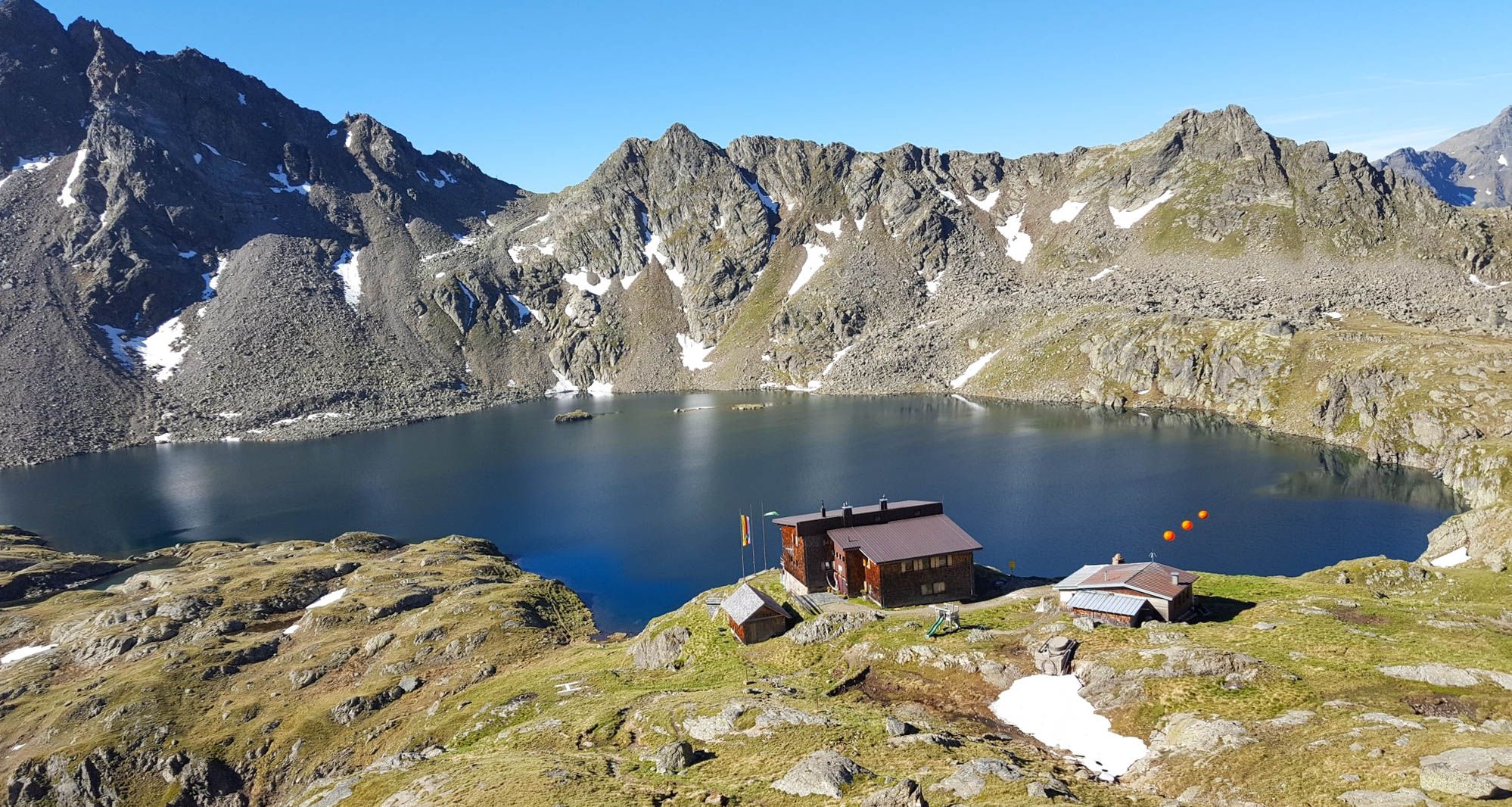
Wiener Höhenweg in Austria – 6 stages in the Schober Group
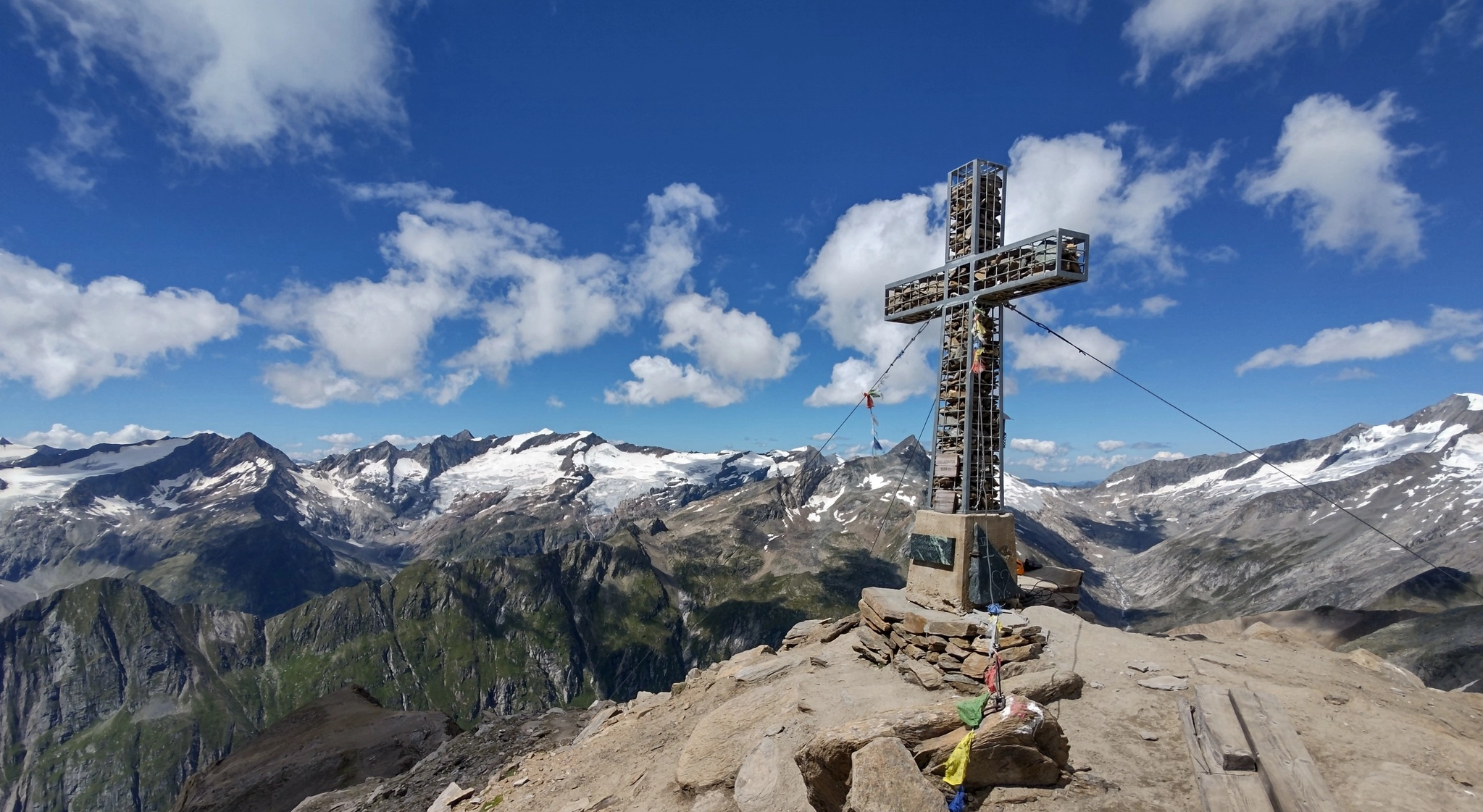
Venediger High Trail – mountain huts and glacial views
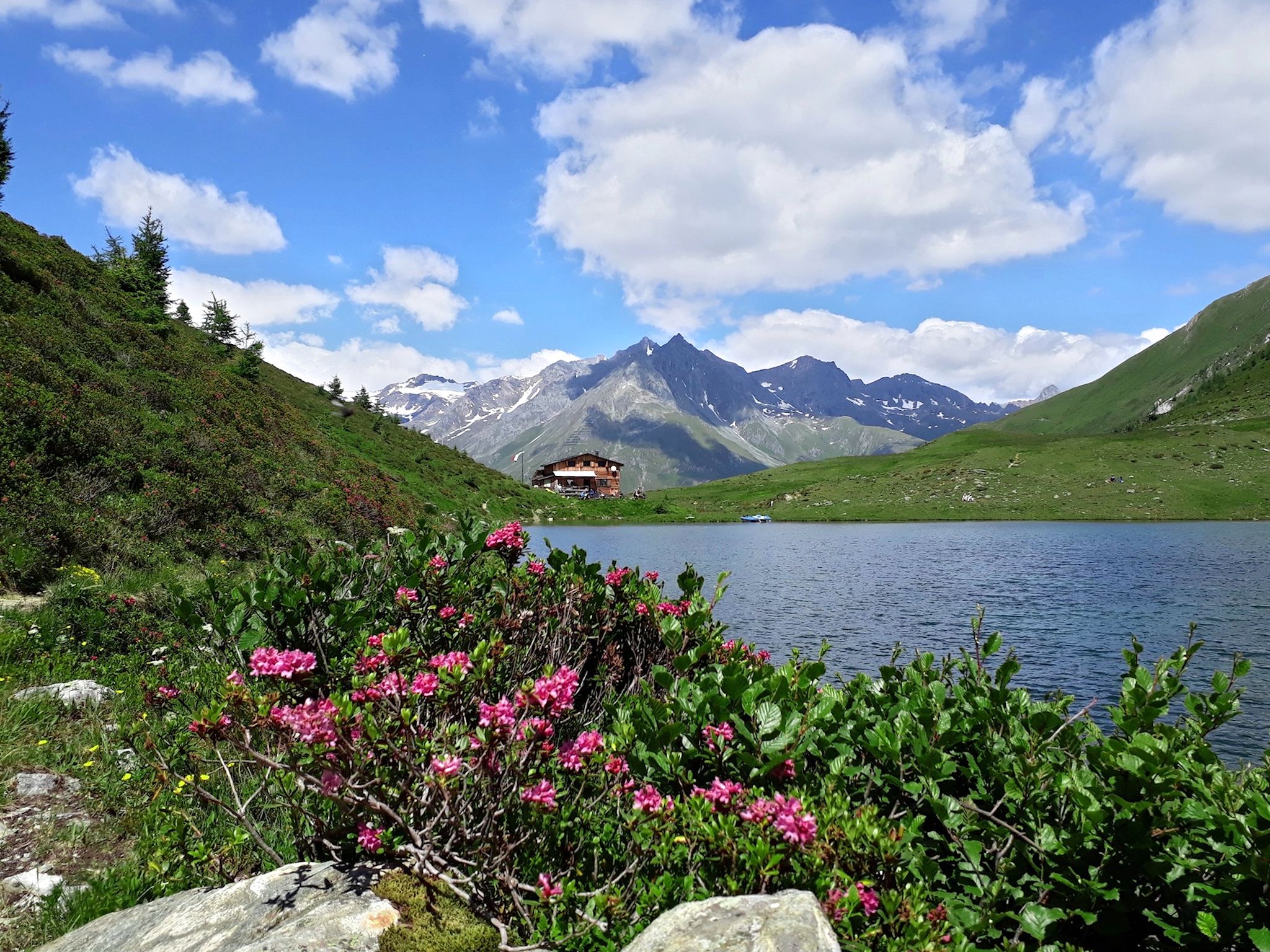
Lasörling High Altitude Trail in Austria – Alpine huts and glacial views
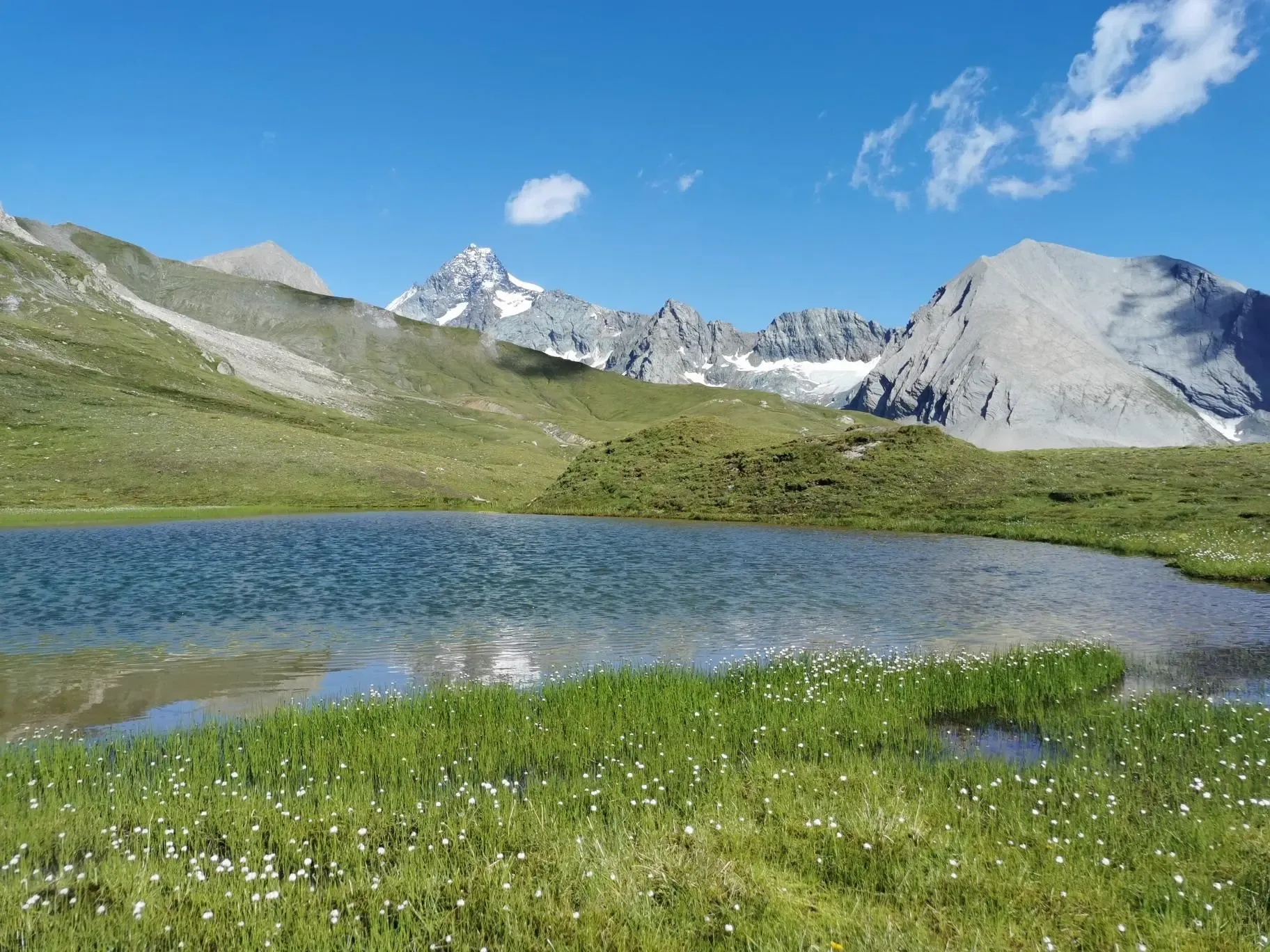
The Glockner Trek – Exploring Austria's highest peak
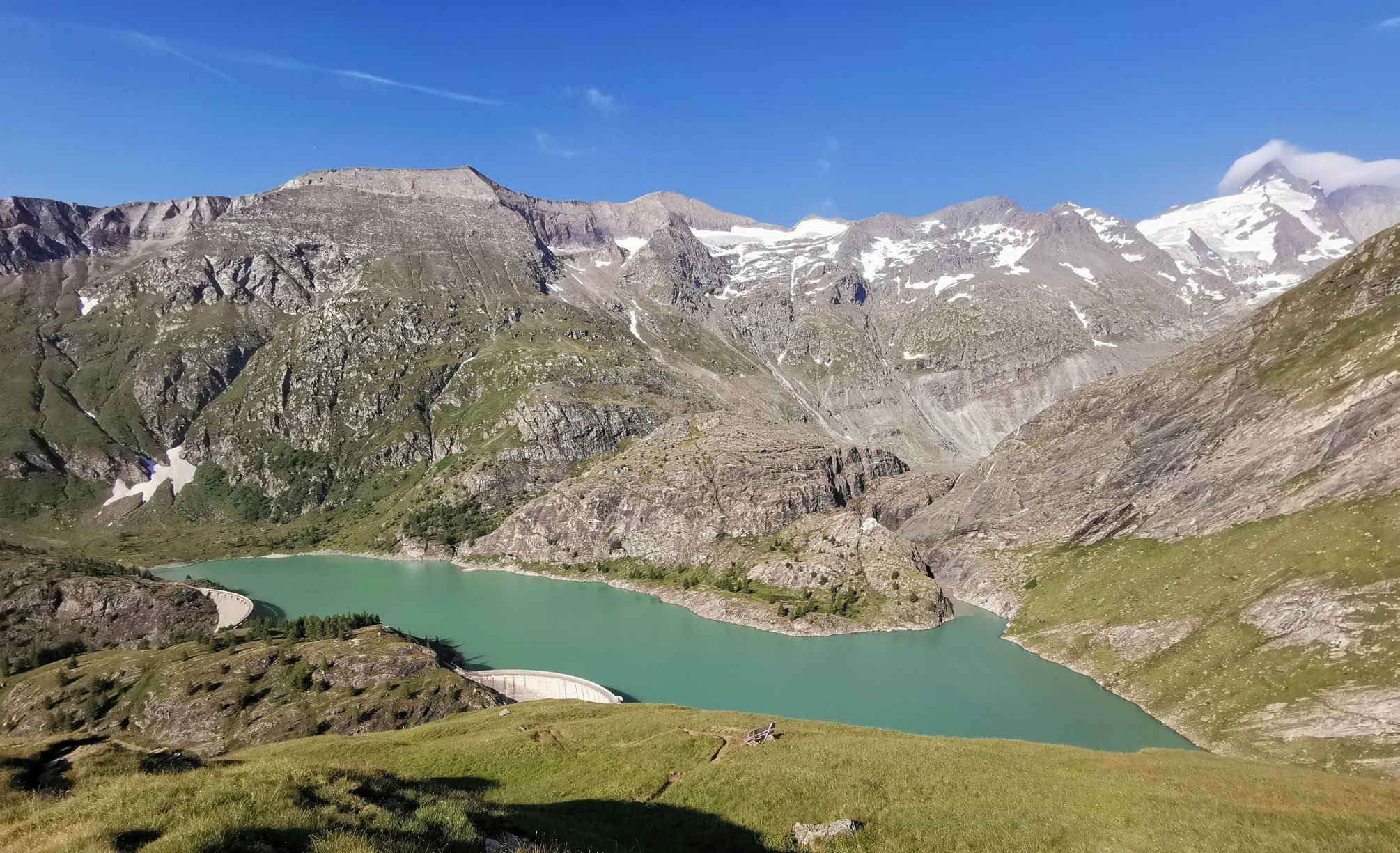
The Grossglockner – Circumnavigate Austria's highest mountain
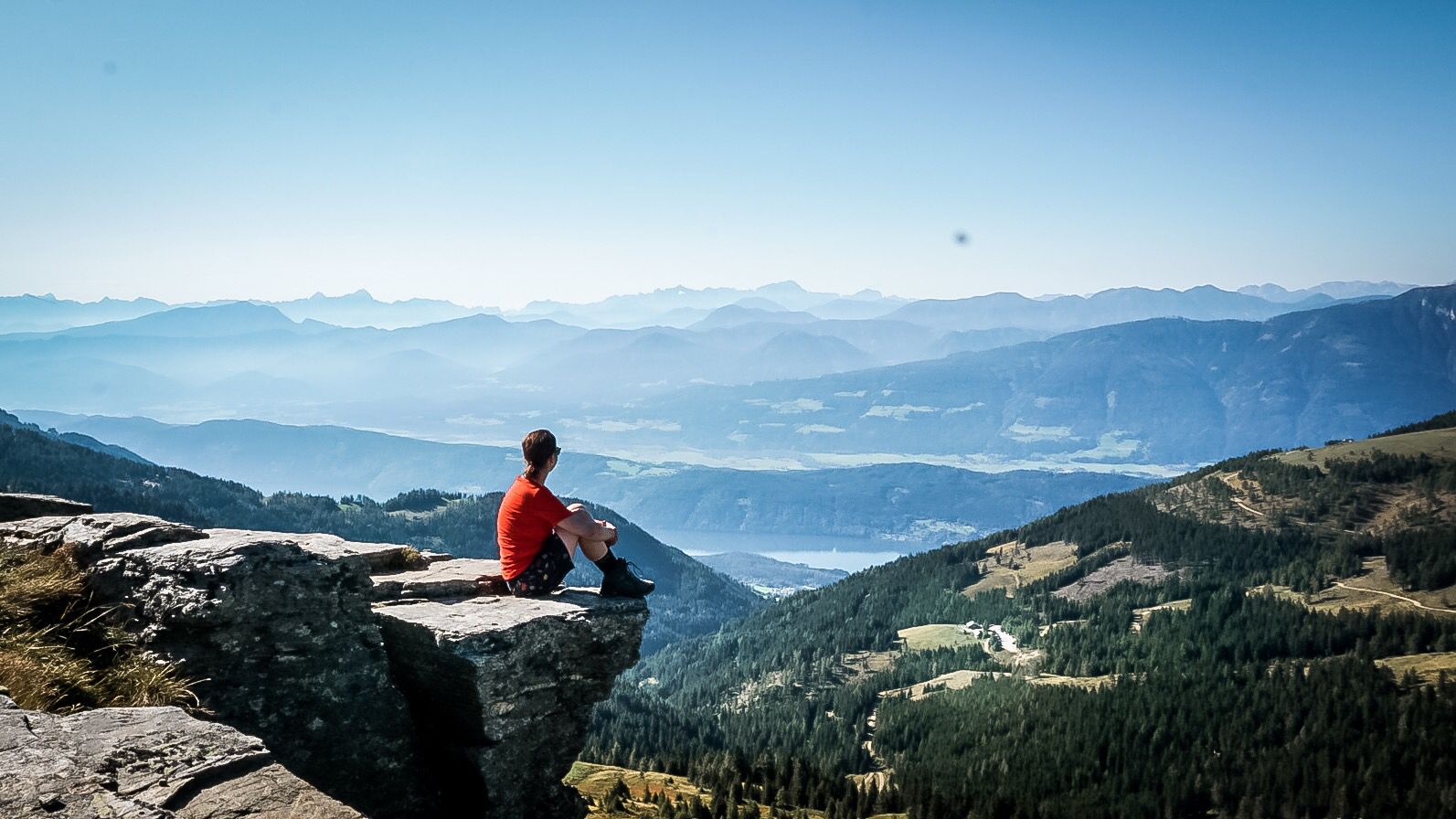
Alpe-Adria-Trail: My long-distance hike from the glacier to the sea
Other adventures in High Tauern


Tips from the Community

with the option to take the via ferrata (category C) to the Türml
0
0

Not recommended with E-MTB due to the long pushing sections in difficult, steep, winding and blocked terrain (path) on the north side below Krimmler Tauern (pass)! Snowfields are difficult to pass with E-MTB on the uphill. The physics quickly show that the pushing-assist torque (due to weight distribution and obstacles on the path uphill) reaches the limits of tire friction, almost regardless of how knobby the tread is or how soft the rubber compound is. Because on loose ground, traction limits power transfer, not the motor. In addition, the low base speed with pushing assist means that obstacles uphill cannot be rolled over. Feasible with MTB. Mid-July to mid-September is the optimal time. Author's tip Weather must be good before and after the Tauern pass. On the pass on the Italian side, there is an open shelter with a bench. Bivy bag and thin down sleeping bag for emergencies. Possibility of emergency call via satellite phone is a prerequisite. If you actually want to go up from Krimmler Tauernhaus to the Tauern pass (Krimmler Tauern) with an MTB, you have to be prepared for long pushing and carrying sections. This requires extremely good fitness and the will to get there. On the other side down into the Ahrntal, there are only shorter pushing sections, but those with stones blocked paths (water channels) are not particularly pleasant to ride. After the Tauernalm, hairpin turns with lifting the rear wheel.
0
0
Not recommended with E-MTB!!! Due to the long pushing sections on difficult, steep, winding, and blocked terrain (path) north of Krimmler Tauern (pass), physics quickly shows that the pushing assistance torque (due to weight distribution and obstacles on the uphill path) reaches the limits of tire friction, almost regardless of how aggressive the tread is or how soft the rubber compound is. Because on loose ground, traction limits power transfer and not the motor. Furthermore, the low base speed with pushing assistance ensures that obstacles on the uphill cannot be rolled over.
0
0
The weather must be good before and after Tauernpass. On the pass on the Italian side, an open shelter with a bench. Bivy bag and a thin down sleeping bag for emergencies. Possibility of using a satellite emergency phone is a prerequisite. If you actually want to go up to the Tauernpass (Krimmler Tauern) with an MTB from the Krimmler Tauernhaus, you have to expect long pushing and carrying sections. This requires extremely good fitness and the will to get there. On the other side down into the Ahrntal valley, there are only shorter pushing sections, but the paths blocked by stones (water channels) are not particularly pleasant to ride. After the Tauernalm, hairpin bends require lifting the rear wheel.
0
0

interesting transition from South Tyrol to North Tyrol and a great ski tour to the Schüttalkopf
0
0

As an alternative to the via ferrata on the Türml, you can climb north to a sub-peak of the Großer Happs.
1
0

It's simply something special - crossing the national border by bike.
0
0

Route on a wide road from Riva di Tures to the Austrian border. (one could continue with a long route and then re-enter Italy via the Passo Stalle : Anterselva di Sopra.
0
0
Frequently Asked Questions
What are some scenic mountain passes in High Tauern that are accessible by car?
The Grossglockner High Alpine Road is Austria's most impressive panoramic road, offering breathtaking views and leading to the Grossglockner. The Gerlos Pass connects Salzburg with the Zillertal valley and is known for its natural beauty and proximity to the Krimml Waterfalls. The Felbertauern Pass, primarily via its tunnel, provides a convenient and scenic connection to East Tyrol.
When is the best time to visit the High Tauern mountain passes?
Most mountain passes in the High Tauern region are best visited from early May to late October. During early summer, especially on roads like the Grossglockner High Alpine Road, you can experience towering snow walls. Some passes, like the Staller Saddle, are closed during winter months, typically from November to mid-May, due to snow.
Are there any mountain passes in High Tauern that offer unique historical insights?
Yes, several passes have rich historical significance. The Untere Pfandlscharte is a historically significant crossing point from the Pinzgau region into the Mölltal valley. The Grossglockner High Alpine Road was used as a trade path by Celts and Romans 3,500 years ago, and the Felbertauern was an important trade route during the Middle Ages. The Krimmler Tauern Pass is also a historical transition over the main Alpine ridge.
What kind of natural features can I expect to see at the High Tauern mountain passes?
The High Tauern passes offer diverse natural beauty. You can see glaciers and snowfields, over 30 peaks exceeding three thousand meters along the Grossglockner High Alpine Road. The Gerlos Pass area features rare raised bogs and the impressive Krimml Waterfalls. At the Staller Saddle, you'll find the idyllic mountain lake Obersee, while the Kalser Tauern Pass is surrounded by deep blue lakes, white glaciers, and rugged peaks with marvelous alpine flora and fauna.
Are there challenging hiking routes over mountain passes in High Tauern?
Absolutely. The High Tauern region is ideal for challenging hikes. The Kalser Tauern Pass (Kalser Törl) is primarily a hiking route, accessible from the Stubachtal and Kapruner Tal, offering a rewarding experience amidst pristine alpine wilderness. The Zopetscharte Pass, at 2,958 meters, marks the highest point of the Venediger Höhenweg, connecting alpine bases on the south side of the group.
What are some unique driving experiences among the High Tauern mountain passes?
The Staller Saddle (Staller Sattel/Passo Stalle) offers a unique driving experience due to its narrow road on the Italian side, which operates with a one-way traffic light system. Traffic from Austria is permitted during the first 15 minutes of each hour, while traffic from Italy is allowed from the 30th to the 45th minute. This pass forms the border between Austria and Italy.
What outdoor activities can I do near the mountain passes in High Tauern?
The High Tauern region offers a wide range of outdoor activities. You can find excellent gravel biking routes, such as the 'Magnificent view – Hochtor loop from Fusch an der Großglocknerstraße'. For road cycling, consider the 'Fuscherkarkopf – Grossglockner High Alpine Road loop'. There are also numerous MTB trails, including 'To the Kreealmen in Hüttschlag'.
Are there viewpoints along the Grossglockner High Alpine Road?
Yes, the Grossglockner High Alpine Road is designed with tourism in mind and features numerous viewpoints. A notable detour leads to the Edelweissspitze viewpoint (2,571 m), providing exceptional 360-degree vistas. The Kaiser-Franz-Josefs-Höhe visitors' center (2,369 m) offers direct views of the Pasterze Glacier and the Grossglockner massif.
Can I spot wildlife near the mountain passes in High Tauern?
Yes, the High Tauern region, especially within the Hohe Tauern National Park, is home to diverse wildlife. Along the Grossglockner High Alpine Road, you can often spot marmots and ibex. The Kalser Dorfertal valley, leading to the Kalser Tauernhaus, is known for chamois sightings, offering a chance to observe these animals in their natural alpine habitat.
What is the <a href="https://www.komoot.com/highlight/168757" target="_blank" rel="noopener">Klammljoch Pass</a> known for?
The Klammljoch Pass, also known as Passo the Gola, is an alpine crossing between the Rieserfernergruppe and the Venediger group. It connects villages in South Tyrol with St. Jakob in Defereggental and offers very nice views of both East and South Tyrol. It's also a worthwhile snowshoe destination in winter.
Are there any mountain passes in High Tauern that are suitable for experienced climbers?
The Türmljoch (2,790 meters) marks the transition from the Maurertal to the Hinterbichler Dorfertal. From here, there is a great via ferrata up to the Türmle (2,844 meters), making it an excellent spot for experienced climbers looking for a challenging ascent. The Schweriner Weg, part of the Venediger Höhenweg, also connects huts in this area.
Most popular routes in High Tauern
Most popular attractions in High Tauern

Get inspired with the komoot mobile app


Explore more
See even more epic mountain passes by checking out these guides in High Tauern:
