Attractions and Places To See in Corredor Ecológico Del Río Tinto - Top 12
Best attractions and places to see in Corredor Ecológico Del Río Tinto, located in Huelva, Spain, span a region defined by the uniquely reddish Río Tinto and its rich mining heritage. This ecological corridor links the Doñana and Sierra Morena natural areas, offering diverse natural landscapes and cultural sites. The area features striking geological formations, historical mining operations, and ancient structures.
Best attractions and places to see in Corredor Ecológico Del Río Tinto
- The most popular attractions is Roman Bridge…
Last updated: July 1, 2026
Roman Bridge 🌉 Niebla
Highlight • Bridge
Translated by Google •
Tip by

Touristic Railway for Rio Tinto Mines
Highlight • Monument
Translated by Google •
Tip by

Sign up now to discover places like this
Get recommendations on the best single tracks, peaks, & plenty of other exciting outdoor places.
Sign up for free
Puerta del Buey
Highlight • Historical Site
Tip by

Cachán Bridge
Highlight • Bridge
Translated by Google •
Tip by

Gadea Bridge, Riotinto
Highlight • Bridge
Translated by Google •
Tip by

Sign up for free to discover even more attractions in Corredor Ecológico Del Río Tinto.
Sign up for free
Already have an account?
Start today with a free account
Your next adventure awaits.
Login or Signup
Popular around Corredor Ecológico Del Río Tinto
Tips from the Community

Origin: Built during the Almohad period (12th-13th centuries), as part of Niebla's defensive system. Legend of the name: During the siege by Alfonso X the Wise (1262), the last Muslim king of Niebla, Aben-Mafot, sent a fattened ox out through this gate to create the illusion of abundant provisions and discourage the Christian troops. The stratagem failed, and the city was conquered.
1
0
The Puerta del Buey (Ox Gate) is one of the most emblematic entrances to the walled town of Niebla (Huelva), with great historical and architectural value. It is located on Avenida Puerta del Buey, next to the Tinto River, and forms part of the Almohad wall that surrounds the town.
1
0

Top here is an old Roman bridge
1
0

Puerta del Buey is considered the most beautiful of the city gates
0
1
Beautiful Roman bridge over the Rio Tinto.
1
0

Impressive images from the river.
2
0

It is a route without many complications, it can be done as a family.
0
0

The station belongs to the Rio Tinto railway and throughout its history it was used as a siding for the crossing of the mining trains that circulated between Rio Tinto and Huelva, with the aim of regulating traffic in this area. It is currently used as a stop for the tourist train that runs along the Talleres Mina-Los Frailes section.
1
0
Frequently Asked Questions
What makes the Río Tinto unique?
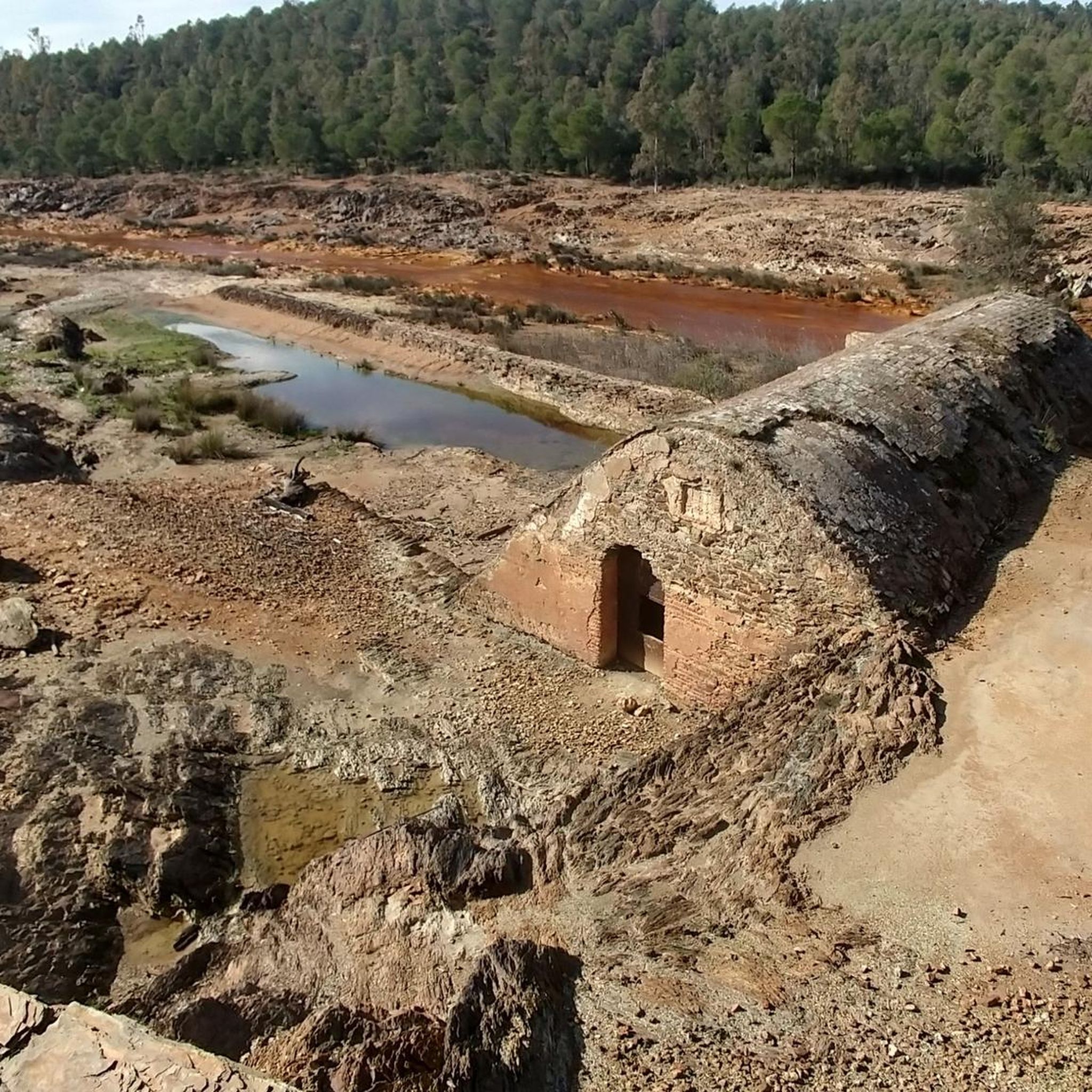
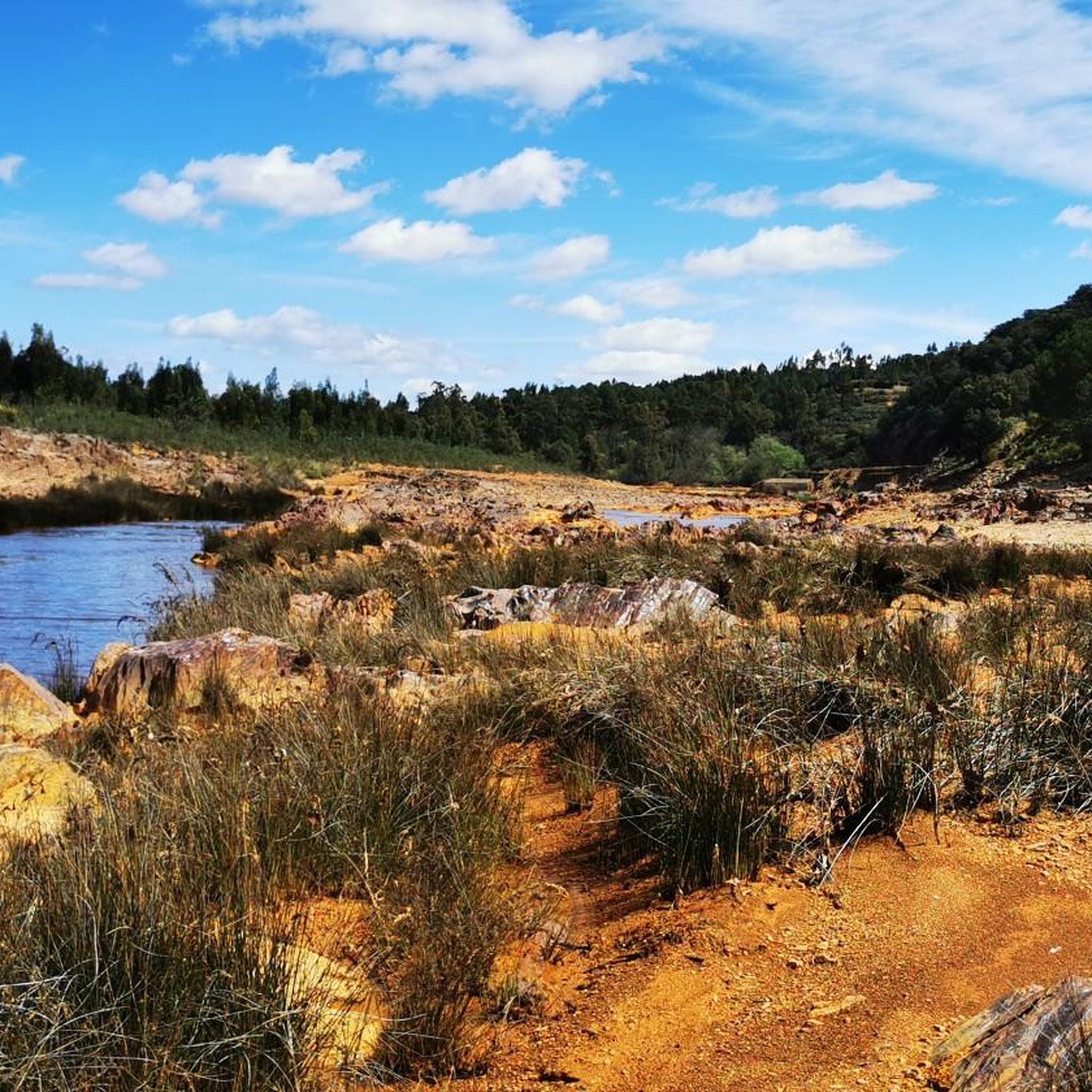
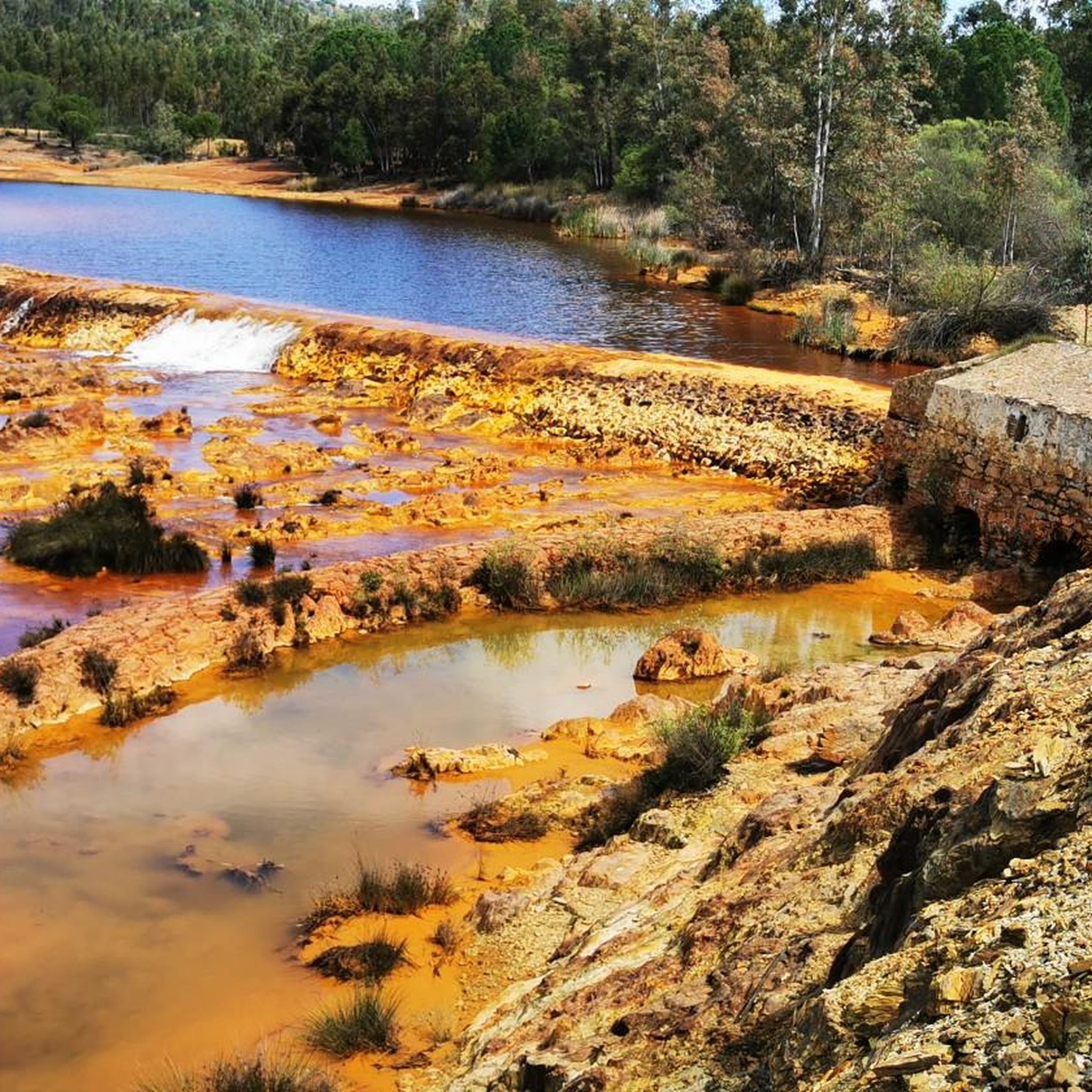
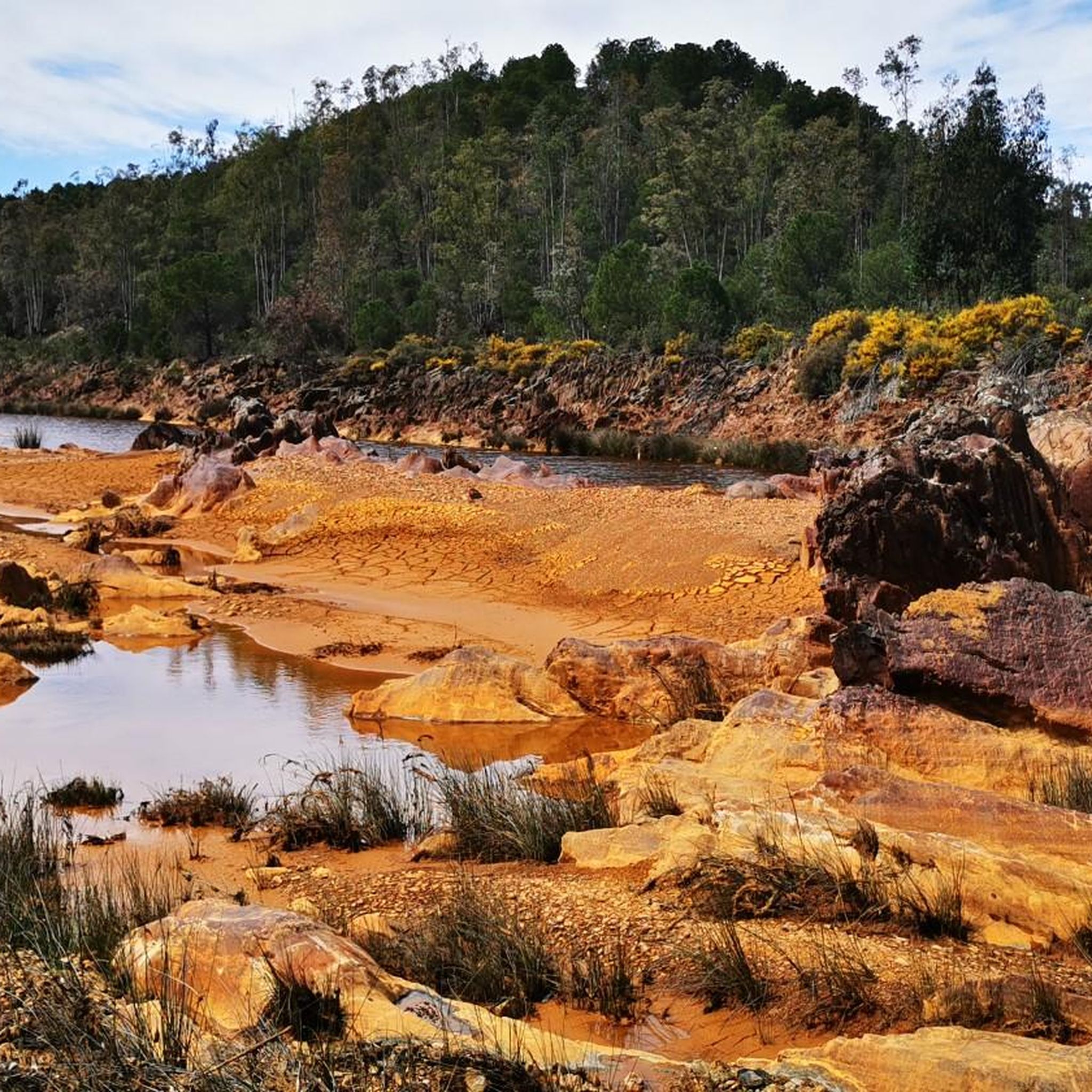
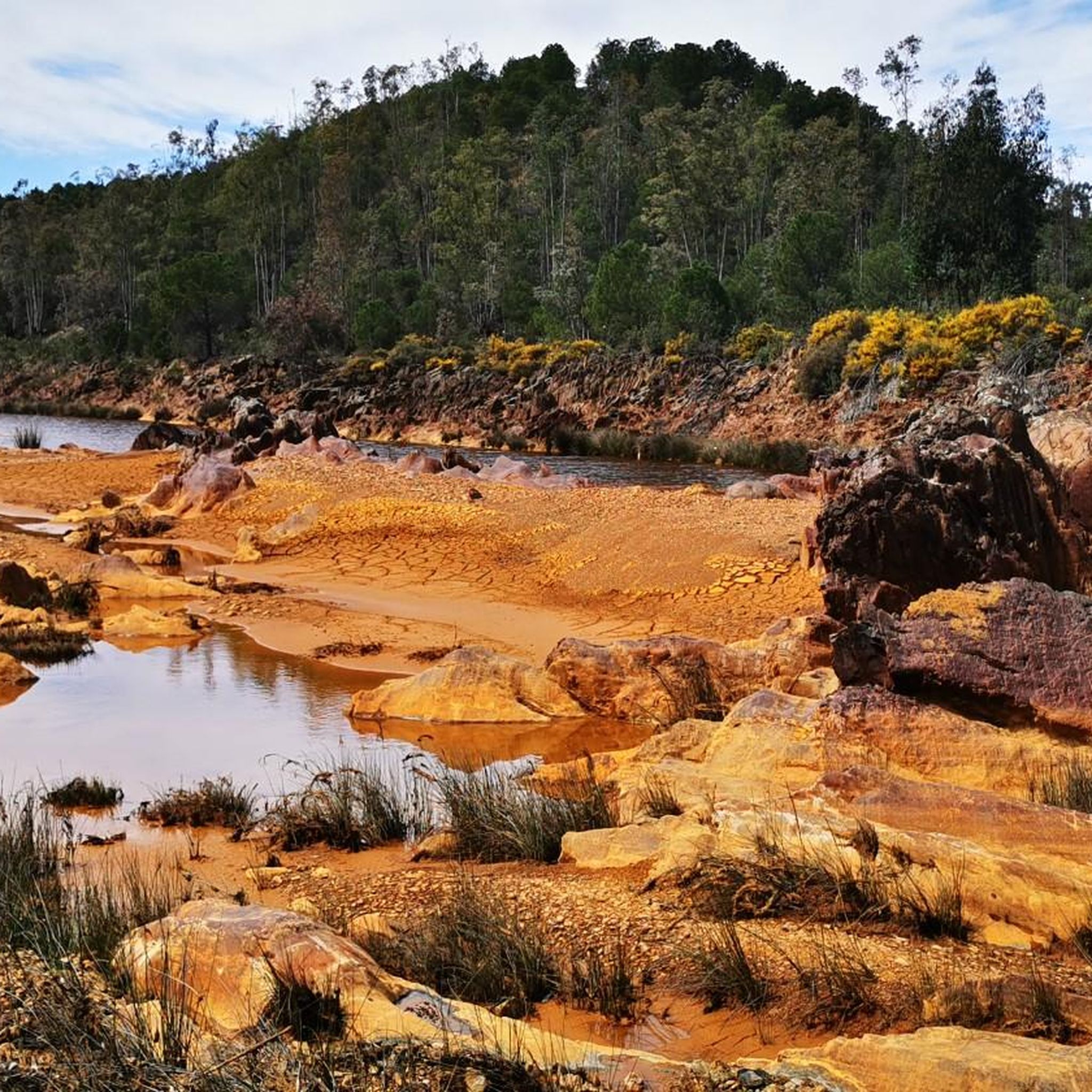
The Río Tinto is renowned for its striking reddish, and sometimes ocher, color, caused by high concentrations of ferruginous salts and ferric sulfate, a legacy of centuries of mining activity. Its highly acidic, low-oxygen waters have led to studies by NASA due to their resemblance to potential environments on Mars. Despite these extreme conditions, the river hosts a diverse range of microorganisms adapted to these habitats.
What historical sites can I explore in the Corredor Ecológico Del Río Tinto?
The region is rich in history, particularly its mining heritage. You can visit the Riotinto Mining Park, which includes the Mining Museum, the Peña de Hierro Open-Cast Mine, and Corta Atalaya, once Europe's largest open-pit mine. The historic town of Niebla offers the impressive Puerta del Buey and the well-preserved Roman Bridge 🌉 Niebla. Additionally, the ancient Dolmens of El Pozuelo provide a glimpse into prehistoric cultures.
Are there family-friendly attractions in the Corredor Ecológico Del Río Tinto?
Yes, several attractions are suitable for families. The Touristic Railway for Rio Tinto Mines offers a unique journey in original wooden carriages along the Río Tinto, showcasing the mining landscape. The Roman Bridge 🌉 Niebla and Puerta del Buey are also great for family visits, offering historical insights in an accessible setting. The Gadea Bridge, Riotinto is part of a route that can be done as a family.
What outdoor activities can I do near these attractions?
The Corredor Ecológico Del Río Tinto offers various outdoor activities. You can explore numerous hiking trails, including easy options like the 'Fog - circular tour to the walled city' or 'The dolmens of El Pozuelo — circular'. For cycling enthusiasts, the Río Tinto Greenway follows the river, and routes like the 'Cachán Bridge – El Berrocal Viewpoint loop' are popular for mountain biking. You can find more details on specific routes in the MTB Trails and Hiking guides for the region.
Can I cycle along the Río Tinto?
Yes, the Río Tinto Greenway (Vía Verde del Río Tinto) is an excellent route for cycling, following the course of the river through landscapes marked by mining and archaeological heritage. The Cachán Bridge, an old railway bridge, is also suitable for gravel or mountain biking, offering paths to see the red river.
What is the Riotinto Mining Park and what does it offer visitors?
The Riotinto Mining Park is a central attraction dedicated to the region's 5,000-year mining history. It includes the Mining Museum (Museo Minero Ernest Lluch), a reproduction of a Roman mine, and an ethnographic display. Visitors can also explore the Peña de Hierro Open-Cast Mine, observe a multi-colored lake, and see Corta Atalaya, a massive open-pit mine. A highlight is the Touristic Railway for Rio Tinto Mines, offering a scenic journey along the river.
What natural features can I see in the Corredor Ecológico Del Río Tinto?
Beyond the distinctive Río Tinto itself, the region boasts the Protected Landscape of Río Tinto, encompassing the river's unique chromatic beauty. You can observe the dramatic terraced rock walls of the Peña de Hierro Open-Cast Mine and the vast panorama from Corta Atalaya. The corridor is also a natural dispersion route for fauna, including the Iberian lynx, and features diverse vegetation such as gallery forests and Mediterranean humid meadows.
Are there easy hiking trails suitable for beginners or families?
Absolutely. The Corredor Ecológico Del Río Tinto offers several easy hiking options. You can enjoy the 'Fog - circular tour to the walled city' or 'The dolmens of El Pozuelo — circular', both rated as easy. Another accessible option is the 'Roman Bridge 🌉 Niebla loop from Niebla'. These trails are perfect for those looking for a gentle walk to experience the region's beauty. More easy routes can be found in the Easy hikes in Corredor Ecológico Del Río Tinto guide.
What do visitors enjoy most about the attractions in Corredor Ecológico Del Río Tinto?
Visitors frequently praise the historical significance and unique natural beauty. The Roman Bridge 🌉 Niebla is highlighted as one of the best-preserved in the Iberian Peninsula, still fulfilling its original function after two millennia. The Touristic Railway for Rio Tinto Mines offers 'impressive images from the river' and a chance to see the landscape transformed by mining. The Cachán Bridge is appreciated for its path along the red river, with tips mentioning abundant bee-eaters in springtime.
What is the best time to visit the Corredor Ecológico Del Río Tinto for outdoor activities?
The region generally enjoys a Mediterranean climate. Spring (March to May) and autumn (September to November) are often considered the best times for outdoor activities like hiking and cycling. During these seasons, temperatures are milder, and the natural landscapes are vibrant, making for more comfortable exploration of the trails and historical sites.
What can I see in the historic town of Niebla?
Niebla is a town rich in architectural heritage. Its most emblematic feature is the walled enclosure, with the Puerta del Buey standing out as one of the most beautiful Almohade-Mudejar style gates. You can also visit the Roman Bridge 🌉 Niebla, a remarkably well-preserved structure that has spanned the Río Tinto for over 2,000 years.
Most popular routes in Corredor Ecológico Del Río Tinto

Get inspired with the komoot mobile app


Explore more
Still not found the Highlight you’re looking for? See guides of the top attractions in other regions:
