The best traffic-free bike rides in Corredor Ecológico Del Río Tinto
81
riders
23
rides
No traffic gravel bike trails in Corredor Ecológico Del Río Tinto traverse a landscape shaped by the distinctive reddish waters of the Río Tinto and a rich mining heritage. The region features converted old railway lines, known as "Vías Verdes," which provide flat or gently sloping terrain suitable for gravel cycling. These routes often pass through diverse ecosystems, including riverine forests, Mediterranean wetlands, and pine forests, connecting areas like Doñana and Sierra Morena. Geological formations and historical structures, such as…
Last updated: June 29, 2026
10
riders
Moderate gravel ride. Good fitness required. Mostly paved surfaces. Suitable for all skill levels.
19
riders
Hard gravel ride. Very good fitness required. Mostly paved surfaces. Suitable for all skill levels.

Sign up for free
6
riders
57.1km
03:45
320m
320m
Moderate gravel ride. Good fitness required. Mostly paved surfaces. Suitable for all skill levels.
12
riders
41.8km
02:16
300m
300m
Moderate gravel ride. Good fitness required. Mostly paved surfaces. Suitable for all skill levels.
4
riders
49.2km
03:22
360m
360m
Moderate gravel ride. Good fitness required. Mostly paved surfaces. Suitable for all skill levels.
Get access to more routes and recommendations from other explorers.
Sign up for free
Already have an account?
Our route recommendations are based on thousands of hikes, rides, and runs completed by other people on komoot.
Start today with a free account
Your next adventure awaits.
Login or Signup
Popular around Corredor Ecológico Del Río Tinto
Tips from the Community

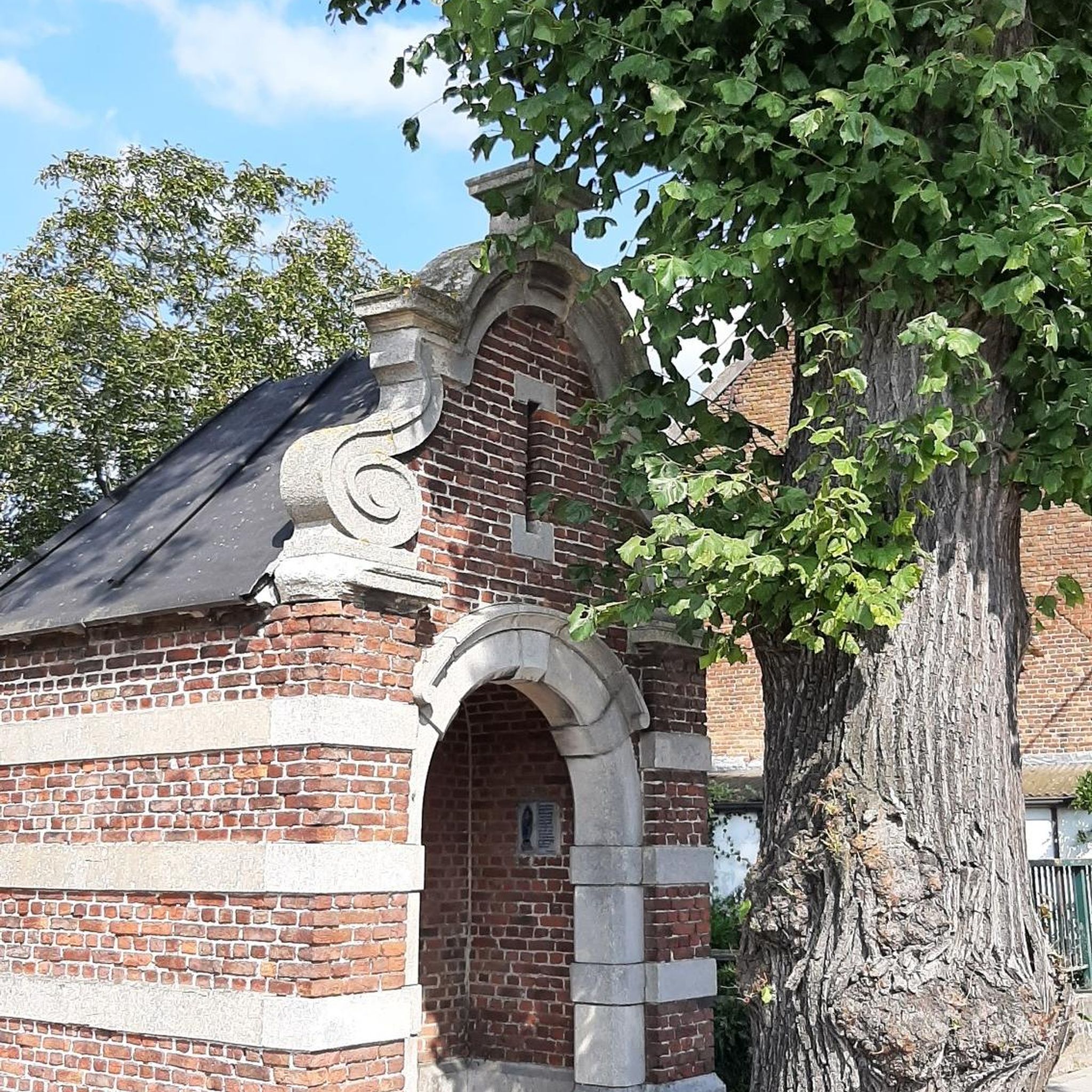
Origin: Built during the Almohad period (12th-13th centuries), as part of Niebla's defensive system. Legend of the name: During the siege by Alfonso X the Wise (1262), the last Muslim king of Niebla, Aben-Mafot, sent a fattened ox out through this gate to create the illusion of abundant provisions and discourage the Christian troops. The stratagem failed, and the city was conquered.
1
0
The Puerta del Buey (Ox Gate) is one of the most emblematic entrances to the walled town of Niebla (Huelva), with great historical and architectural value. It is located on Avenida Puerta del Buey, next to the Tinto River, and forms part of the Almohad wall that surrounds the town.
1
0
The church was built on the site of Niebla's main mosque (11th century), which itself stood on the site of an ancient Roman temple. After the Reconquista (13th century), it was transformed into a Christian church in the Gothic-Mudéjar style. It preserves Roman, Visigothic, Islamic, and Christian elements, such as: A Muslim mihrab and minaret tower. An ornamental panel and Visigothic episcopal chair. Roman columns. A Mudéjar apse and a Gothic presbytery with star vaults.
2
0
The Plaza de Santa María de la Granada in Niebla (Huelva) is home to the Church of Santa María de la Granada, one of the town's most emblematic monuments. The church was built on the site of Niebla's main mosque (11th century), which itself stood on the site of an ancient Roman temple. After the Reconquista (13th century), it was transformed into a Christian church in the Gothic-Mudéjar style.
1
0

Place from which to start many gravel and mountain biking routes
0
0

No information or indication on the greenway.
0
0
Very nice site for industrial tourism. Spectacular in size and still in operation.
0
0

Top here is an old Roman bridge
1
0
Frequently Asked Questions
How many no-traffic gravel bike trails are available in Corredor Ecológico Del Río Tinto?
The Corredor Ecológico Del Río Tinto offers a fantastic selection of over 20 traffic-free gravel bike trails. These routes are designed to keep you away from cars, often utilizing old railway lines converted into scenic 'Vías Verdes' or greenways, perfect for a peaceful ride.
What kind of terrain can I expect on the no-traffic gravel bike trails?
You can expect varied terrain, but many of the no-traffic gravel bike trails in Corredor Ecológico Del Río Tinto, especially those on former railway lines, offer flat or gently sloping gradients. This makes them accessible and enjoyable for a wide range of cyclists, allowing you to focus on the unique landscapes rather than challenging climbs.
Are there any family-friendly no-traffic gravel bike routes?
Yes, the region's 'Vías Verdes' are generally well-suited for families due to their gentle gradients and traffic-free nature. While specific routes vary, many offer a safe and enjoyable experience for all ages. Look for routes categorized as 'easy' or 'moderate' for the best family options.
What interesting sights can I see along the no-traffic gravel bike trails?
The Corredor Ecológico Del Río Tinto is rich in unique sights. You can encounter the striking reddish waters of the Río Tinto itself, explore remnants of its extensive mining heritage, and discover historical structures. Don't miss the chance to see the well-preserved Roman Bridge 🌉 Niebla or the impressive Cachán Bridge, both of which are often incorporated into cycling routes.
Are there any circular no-traffic gravel bike routes in the area?
Yes, there are several excellent circular routes that allow you to start and finish in the same location. For a challenging but rewarding loop, consider the Vía Verde Molino de Acha – Niebla Castle loop from Estación de Servicio Deoil Los Pinos, which offers over 100 km of scenic riding.
Can I bring my dog on the no-traffic gravel bike trails?
Many of the public trails and 'Vías Verdes' in Corredor Ecológico Del Río Tinto are dog-friendly, especially if your dog is accustomed to running alongside a bike or can be carried in a trailer. Always ensure your dog is under control and respect local regulations regarding leashes and waste disposal. It's advisable to check specific route details for any restrictions.
What is the best time of year to go gravel biking in Corredor Ecológico Del Río Tinto?
The best time for gravel biking in Corredor Ecológico Del Río Tinto is typically during the spring (March to May) and autumn (September to November). During these seasons, the weather is milder and more pleasant, avoiding the intense heat of summer and the cooler, wetter days of winter. This allows for comfortable exploration of the region's unique landscapes.
Are there any routes that pass by historical sites or points of interest?
Absolutely! The region is steeped in history. For example, the Roman Bridge 🌉 Niebla – Niebla Castle loop from Beas takes you past the historic Roman Bridge and Niebla Castle. You can also find routes that explore the mining heritage, such as those near the Touristic Railway for Rio Tinto Mines.
How can I find parking for these no-traffic gravel bike trails?
Many of the trailheads for the 'Vías Verdes' and other gravel routes in Corredor Ecológico Del Río Tinto offer designated parking areas. When planning your trip, check the starting points of specific routes on komoot, as they often indicate nearby parking facilities. For instance, routes starting from towns like Beas or San Juan del Puerto usually have accessible parking options.
Are there any moderate-difficulty no-traffic gravel bike routes?
Yes, the Corredor Ecológico Del Río Tinto has a good selection of moderate-difficulty routes perfect for those looking for a bit more challenge without extreme technical sections. An example is the Ferruginous Dirt Road – Vía Verde Molino de Acha loop from Beas, offering a substantial distance with manageable elevation changes.
What kind of wildlife might I spot on the trails?
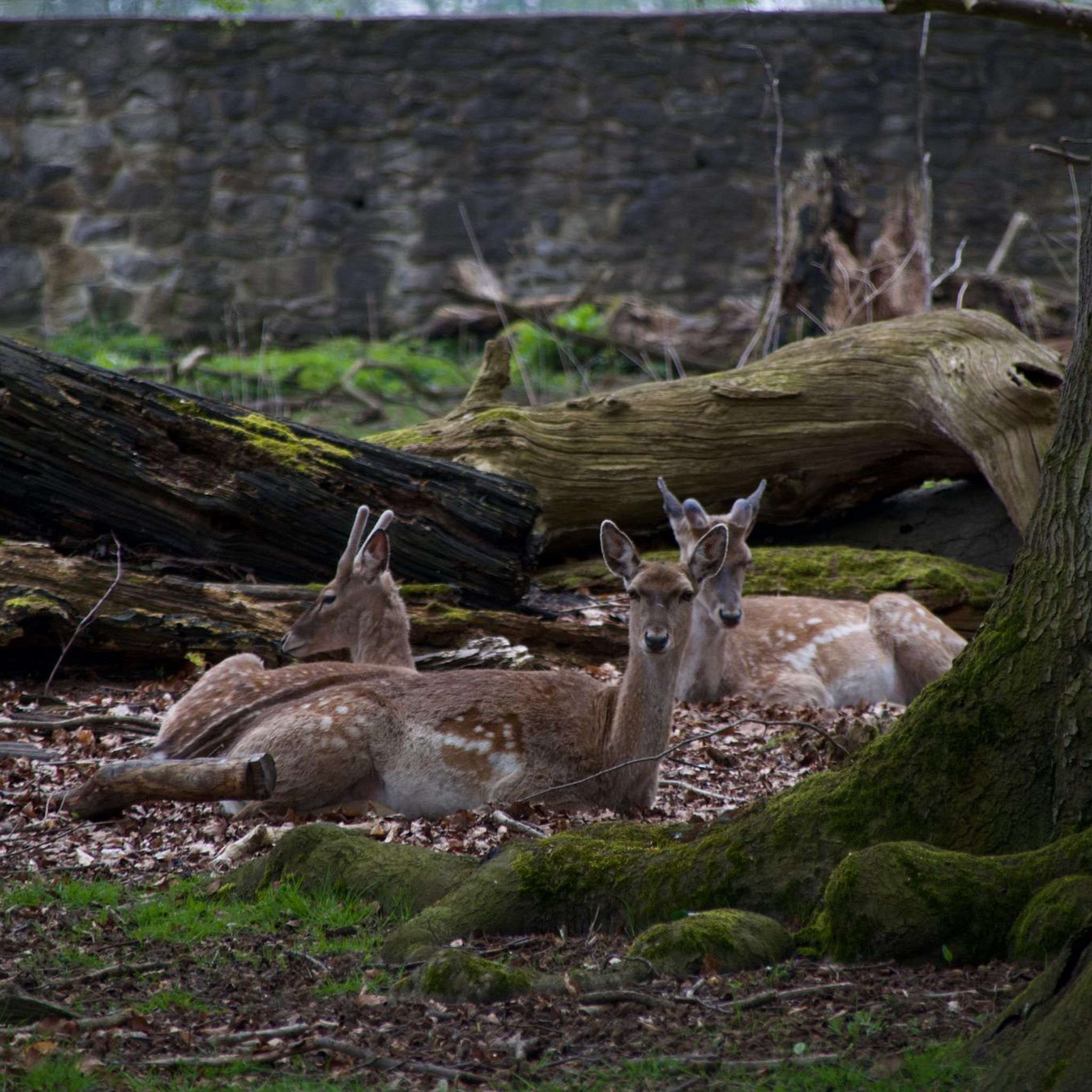
As an ecological corridor connecting Doñana and Sierra Morena, the Corredor Ecológico Del Río Tinto is a vital refuge for wildlife. While cycling, you might spot various bird species, and if you're very lucky, even signs of larger mammals like deer or wild boar. The diverse plant formations, from riverine forests to Mediterranean meadows, also contribute to a rich natural experience.
Are there any routes that offer views of the unique Río Tinto river?
Many routes in the region follow the course of the Río Tinto, allowing you to witness its distinctive reddish, 'extraterrestrial' waters firsthand. These trails often provide excellent viewpoints to appreciate the river's unique coloration, a result of centuries of mining activity and a fascinating natural phenomenon.
Most popular routes in Corredor Ecológico Del Río Tinto
Most popular attractions in Corredor Ecológico Del Río Tinto

Get inspired with the komoot mobile app


Explore more
Browse the best Gravel rides in other regions.
