The best gravel rides in Corredor Ecológico Del Río Tinto
81
riders
25
rides
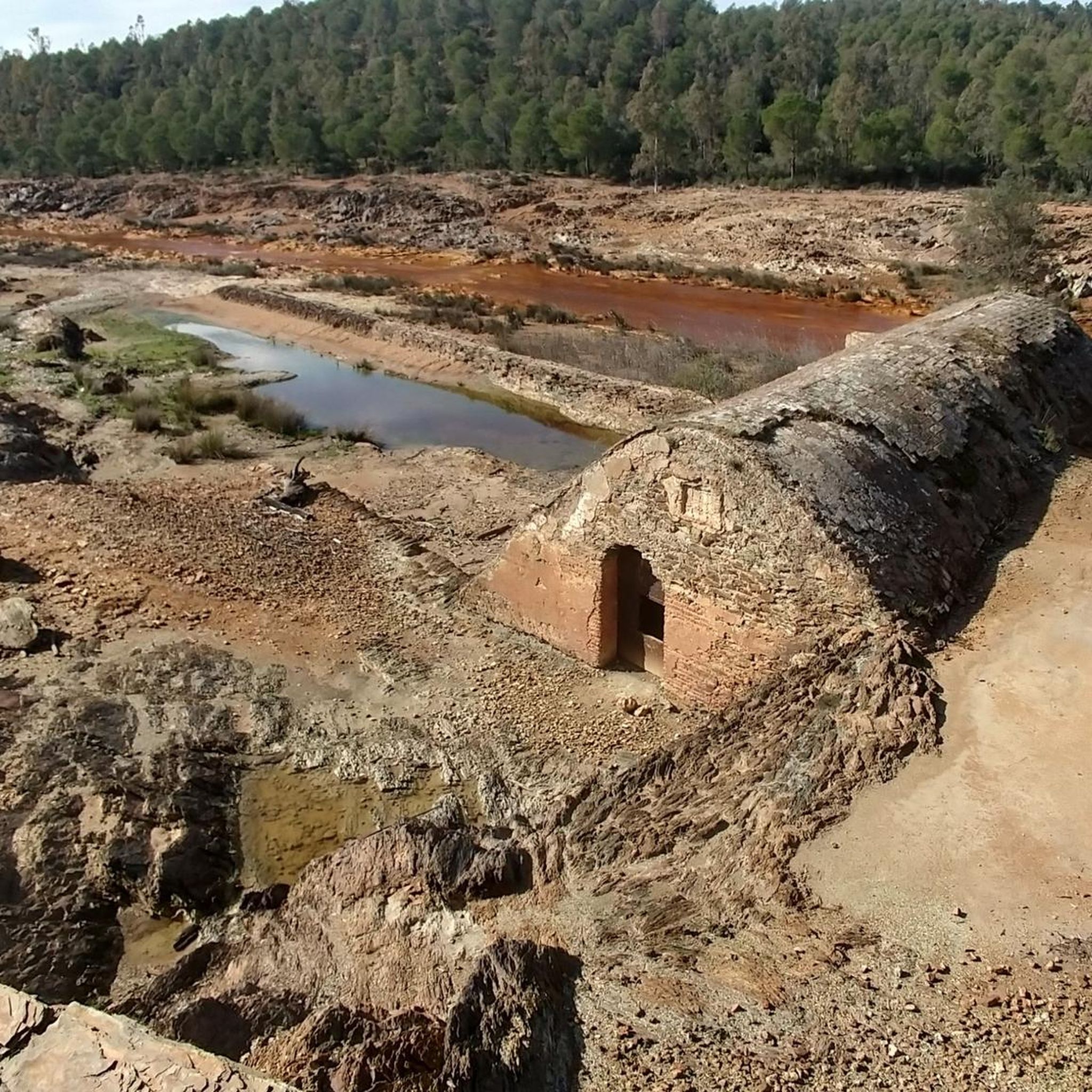
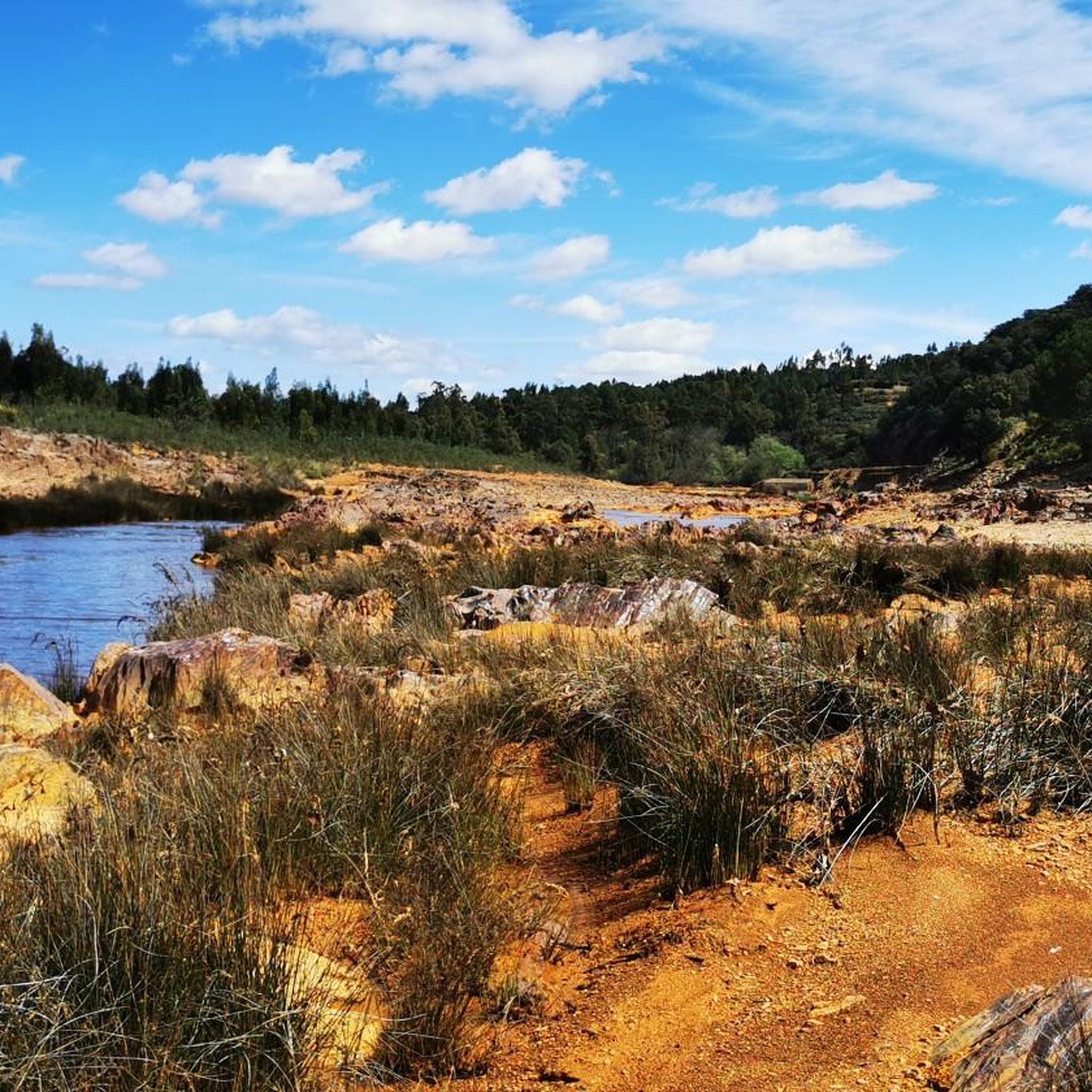
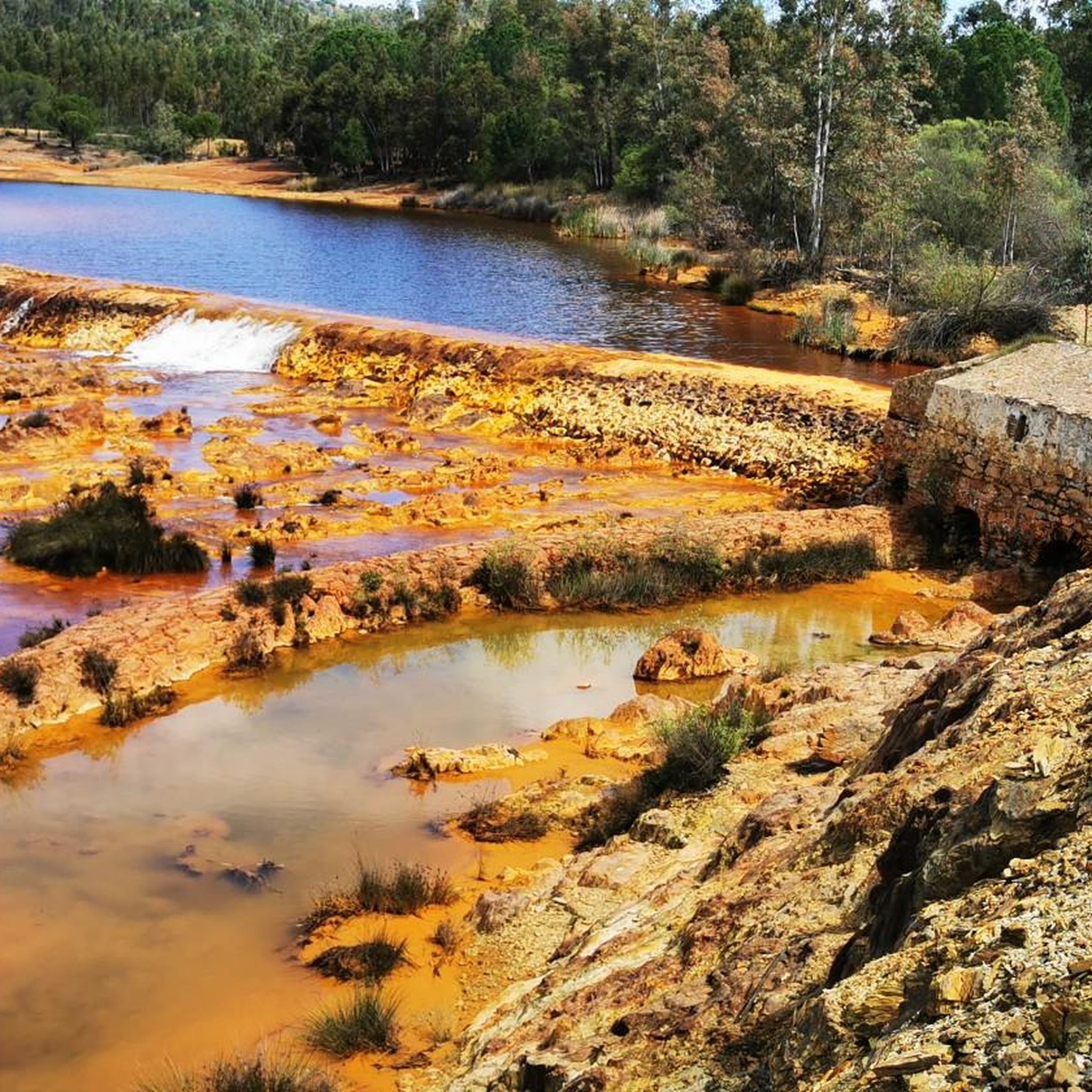
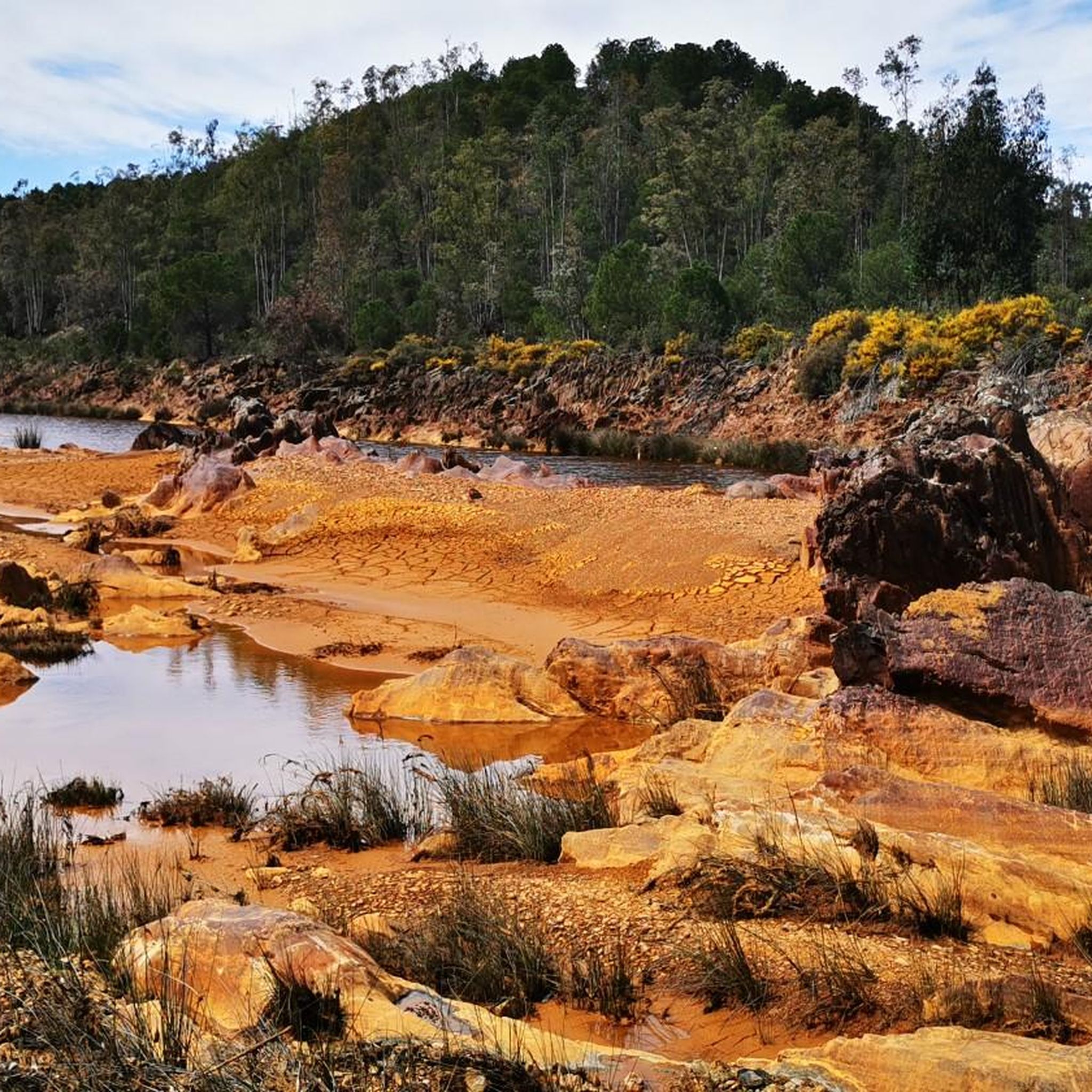
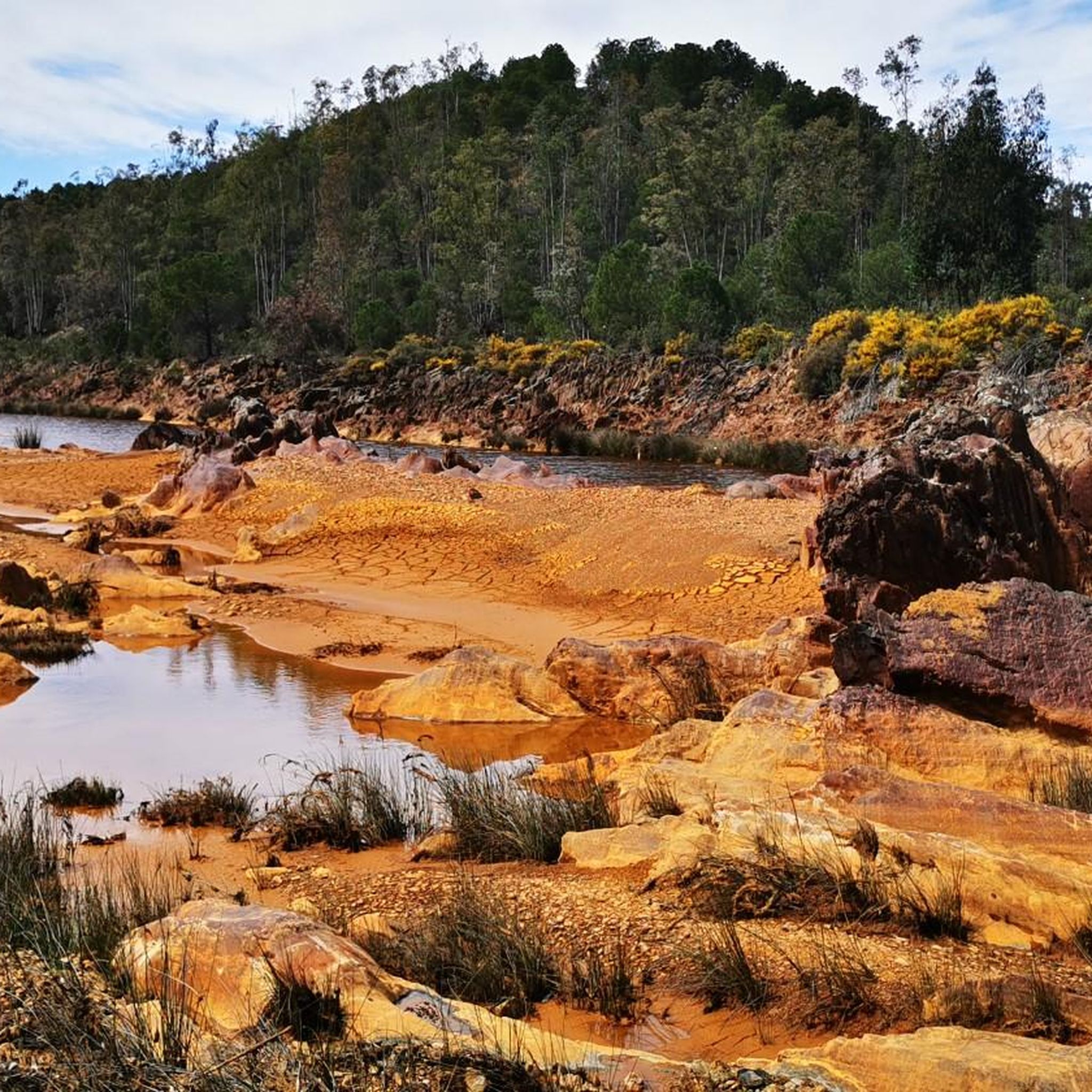
Gravel biking in Corredor Ecológico Del Río Tinto offers routes through a landscape shaped by the distinctive reddish-orange waters of the Río Tinto and its rich mining heritage. The region features a unique morphology with structures formed by past mining activities, alongside diverse ecosystems including riparian forests, Mediterranean meadows, and various oak and pine groves. The Vía del Tinto, a former mining railway, is being converted into a dedicated cycle path, providing accessible gravel bike trails through this environment. This…
Last updated: July 2, 2026
10
riders
Moderate gravel ride. Good fitness required. Mostly paved surfaces. Suitable for all skill levels.
19
riders
Hard gravel ride. Very good fitness required. Mostly paved surfaces. Suitable for all skill levels.

Sign up for free
6
riders
57.1km
03:45
320m
320m
Moderate gravel ride. Good fitness required. Mostly paved surfaces. Suitable for all skill levels.
12
riders
41.8km
02:16
300m
300m
Moderate gravel ride. Good fitness required. Mostly paved surfaces. Suitable for all skill levels.
4
riders
49.2km
03:22
360m
360m
Moderate gravel ride. Good fitness required. Mostly paved surfaces. Suitable for all skill levels.
Get access to more routes and recommendations from other explorers.
Sign up for free
Already have an account?
Our route recommendations are based on thousands of hikes, rides, and runs completed by other people on komoot.
Start today with a free account
Your next adventure awaits.
Login or Signup
Tips from the Community

Origin: Built during the Almohad period (12th-13th centuries), as part of Niebla's defensive system. Legend of the name: During the siege by Alfonso X the Wise (1262), the last Muslim king of Niebla, Aben-Mafot, sent a fattened ox out through this gate to create the illusion of abundant provisions and discourage the Christian troops. The stratagem failed, and the city was conquered.
1
0
The Puerta del Buey (Ox Gate) is one of the most emblematic entrances to the walled town of Niebla (Huelva), with great historical and architectural value. It is located on Avenida Puerta del Buey, next to the Tinto River, and forms part of the Almohad wall that surrounds the town.
1
0
The church was built on the site of Niebla's main mosque (11th century), which itself stood on the site of an ancient Roman temple. After the Reconquista (13th century), it was transformed into a Christian church in the Gothic-Mudéjar style. It preserves Roman, Visigothic, Islamic, and Christian elements, such as: A Muslim mihrab and minaret tower. An ornamental panel and Visigothic episcopal chair. Roman columns. A Mudéjar apse and a Gothic presbytery with star vaults.
2
0
The Plaza de Santa María de la Granada in Niebla (Huelva) is home to the Church of Santa María de la Granada, one of the town's most emblematic monuments. The church was built on the site of Niebla's main mosque (11th century), which itself stood on the site of an ancient Roman temple. After the Reconquista (13th century), it was transformed into a Christian church in the Gothic-Mudéjar style.
1
0

Place from which to start many gravel and mountain biking routes
0
0

No information or indication on the greenway.
0
0
Very nice site for industrial tourism. Spectacular in size and still in operation.
0
0

Top here is an old Roman bridge
1
0
Frequently Asked Questions
How many gravel bike trails are available in Corredor Ecológico Del Río Tinto?
There are over 20 gravel bike trails in the Corredor Ecológico Del Río Tinto, offering a variety of experiences through its unique landscape. You'll find routes ranging from easy to difficult, catering to different skill levels.
What is the best time of year for gravel biking in Corredor Ecológico Del Río Tinto?
The Corredor Ecológico Del Río Tinto is generally pleasant for gravel biking outside of the peak summer months when temperatures can be very high. Spring and autumn offer milder weather, making it ideal to explore the region's unique reddish-orange river and diverse ecosystems. Winter can also be suitable, though some days might be cooler.
Are there any family-friendly gravel biking routes in the Corredor Ecológico Del Río Tinto?
Yes, the region offers routes suitable for families. The Vía del Tinto, a former mining railway, is being converted into a dedicated cycle path and is known for its easy terrain, making sections of it ideal for family outings. While most routes are moderate to difficult, there is at least one easy route available, and many moderate trails can be adapted for a family pace.
What kind of terrain can I expect on the gravel bike trails?
The terrain in Corredor Ecológico Del Río Tinto is diverse, reflecting its unique geology and history. You'll encounter sections of the Vía del Tinto, which are former railway paths, alongside dirt roads, and trails through riparian forests, Mediterranean meadows, and various groves of oak, pine, eucalyptus, and olive trees. The landscape is heavily influenced by the distinct mineral-rich environment of the Río Tinto.
Are there any circular gravel bike routes in the area?
Yes, many of the gravel bike routes in Corredor Ecológico Del Río Tinto are designed as loops. For example, the moderate route Ferruginous Dirt Road – Vía Verde Molino de Acha loop from Beas offers a 41.7 km circular journey. Another option is the Hay Bales Near Trigueros – Niebla Castle loop from Beas, which is 55.0 km long and also moderate.
What historical or natural attractions can I see along the gravel bike trails?
The region is rich in both natural wonders and mining heritage. You can encounter the striking reddish-orange waters of the Río Tinto itself, unique geological formations, and historical mining infrastructure. Highlights include the Roman Bridge 🌉 Niebla, the Touristic Railway for Rio Tinto Mines, and the Puerta del Buey. You might also cross other historic structures like the Cachán Bridge or the Gadea Bridge, Riotinto.
Are dogs allowed on the gravel bike trails in Corredor Ecológico Del Río Tinto?
While specific regulations for dogs on all trails can vary, the Vía del Tinto (Río Tinto Greenway) is generally considered dog-friendly, especially if kept on a leash. Given the ecological corridor's role in wildlife dispersion, it's always best to keep pets under control to protect local fauna and ensure a pleasant experience for all users.
Where can I find parking for the gravel bike trails?
Parking is typically available near trailheads and access points for the Vía del Tinto and other routes. For example, routes often start from locations like Estación de Servicio Deoil Los Pinos or Beas, which usually have parking facilities. It's advisable to check specific route details on komoot for precise parking information for your chosen starting point.
Are there any cafes or restaurants near the gravel bike trails?
Yes, you can find amenities in the towns and villages located along or near the Corredor Ecológico Del Río Tinto. Towns like Minas de Riotinto, Zalamea la Real, and El Campillo Huelva offer cafes, restaurants, and other services where you can refuel and relax after your ride. Some routes, like the Vía Verde Molino de Acha – Niebla Castle loop from Estación de Servicio Deoil Los Pinos, pass through or near such settlements.
What is the difficulty level of gravel biking in Corredor Ecológico Del Río Tinto?
The gravel biking routes in Corredor Ecológico Del Río Tinto range from easy to difficult. Out of 24 routes, 15 are classified as moderate and 8 as difficult, with one easy option. This variety ensures that both beginners and experienced gravel bikers can find suitable challenges, from gentle paths along the Vía del Tinto to more demanding routes with significant elevation changes.
Do I need any special permits for gravel biking in the Corredor Ecológico Del Río Tinto?
Generally, no special permits are required for gravel biking on the Vía del Tinto or other public trails within the Corredor Ecológico Del Río Tinto. However, it's always good practice to respect local regulations, especially concerning protected natural areas. If you plan to venture off marked trails or into private land, always seek permission.
What makes the Corredor Ecológico Del Río Tinto unique for gravel biking?
The Corredor Ecológico Del Río Tinto offers an exceptionally unique gravel biking experience due to its 'extraterrestrial' landscape. The vivid reddish-orange waters of the Río Tinto, stained by centuries of mining, create a visually stunning environment. This, combined with the region's rich mining heritage, diverse ecosystems, and the conversion of the Vía del Tinto into a dedicated cycle path, provides a truly distinctive backdrop for gravel adventures.
Most popular routes in Corredor Ecológico Del Río Tinto
Most popular attractions in Corredor Ecológico Del Río Tinto

Get inspired with the komoot mobile app


Explore more
Browse the best Gravel rides in other regions.
