Attractions and Places To See in Babia Y Luna - Top 20
Best attractions and places to see in Babia Y Luna are found within the Cantabrian Mountains, a region characterized by its impressive peaks and the Parque Natural de Babia y Luna. This area offers a blend of natural wonders, including glacial lagoons and diverse forests, alongside cultural insights into traditional mountain life. Visitors can explore significant geological formations, observe varied wildlife, and discover historical landmarks that reflect the region's rich heritage. The region is also recognized for its Babia Biosphere…
Last updated: October 10, 2026
Alto de la Farrapona
Highlight • Mountain Pass
Translated by Google •
Tip by

La Cubilla Pass
Highlight • Mountain Pass
By MTB you can get there …
Translated by Google •
Tip by

Sign up now to discover places like this
Get recommendations on the best single tracks, peaks, & plenty of other exciting outdoor places.
Ventana Pass
Highlight • Mountain Pass
Translated by Google •
Tip by

Aralla Pass
Highlight • Mountain Pass
Translated by Google •
Tip by

Ricabo Track
Highlight (Segment) • Trail
Tip by

Sign up for free to discover even more attractions in Babia Y Luna.
Already have an account?
Start today with a free account
Your next adventure awaits.
Popular around Babia Y Luna
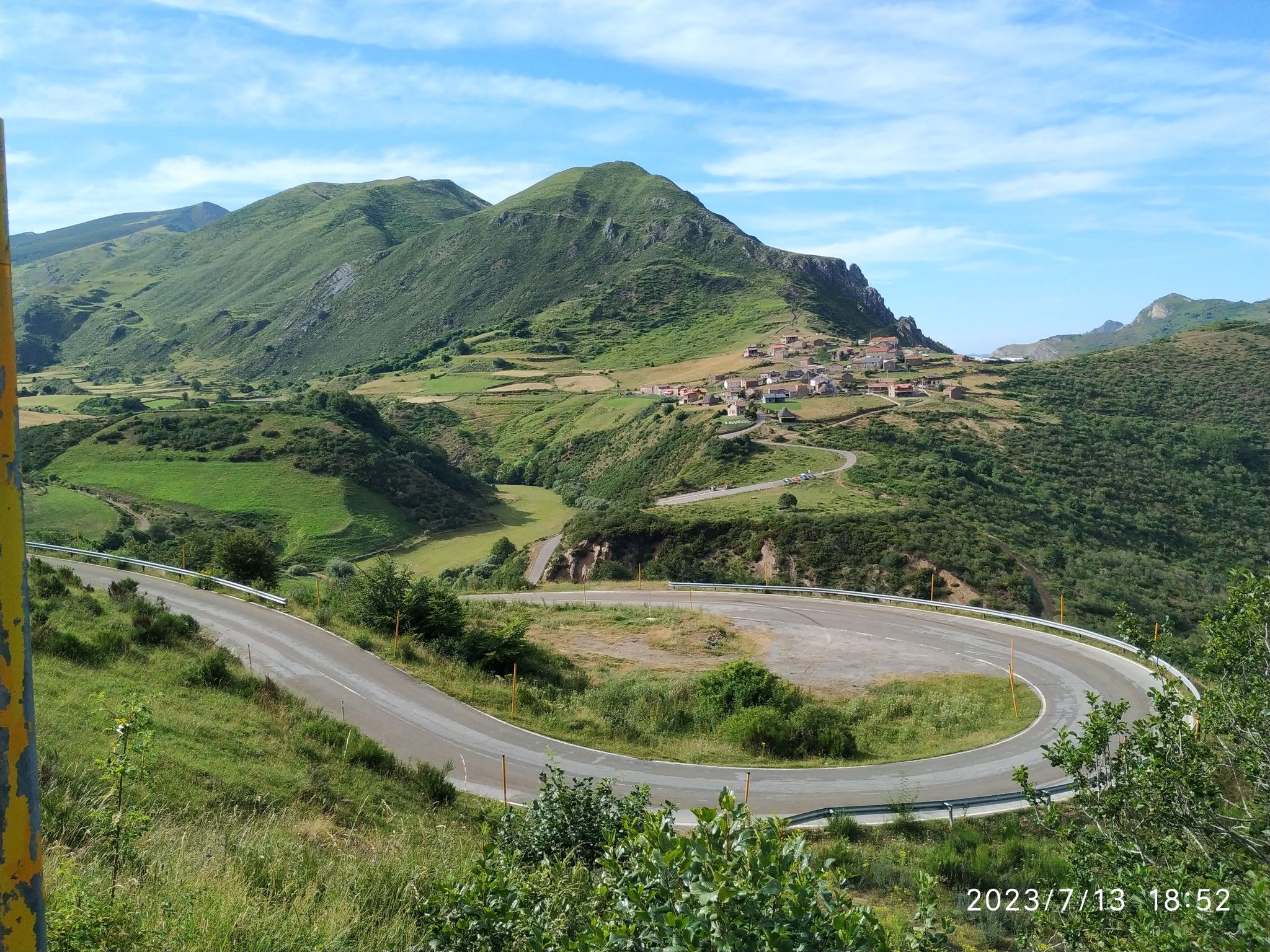
Height Challenges — Ports in Castilla y León
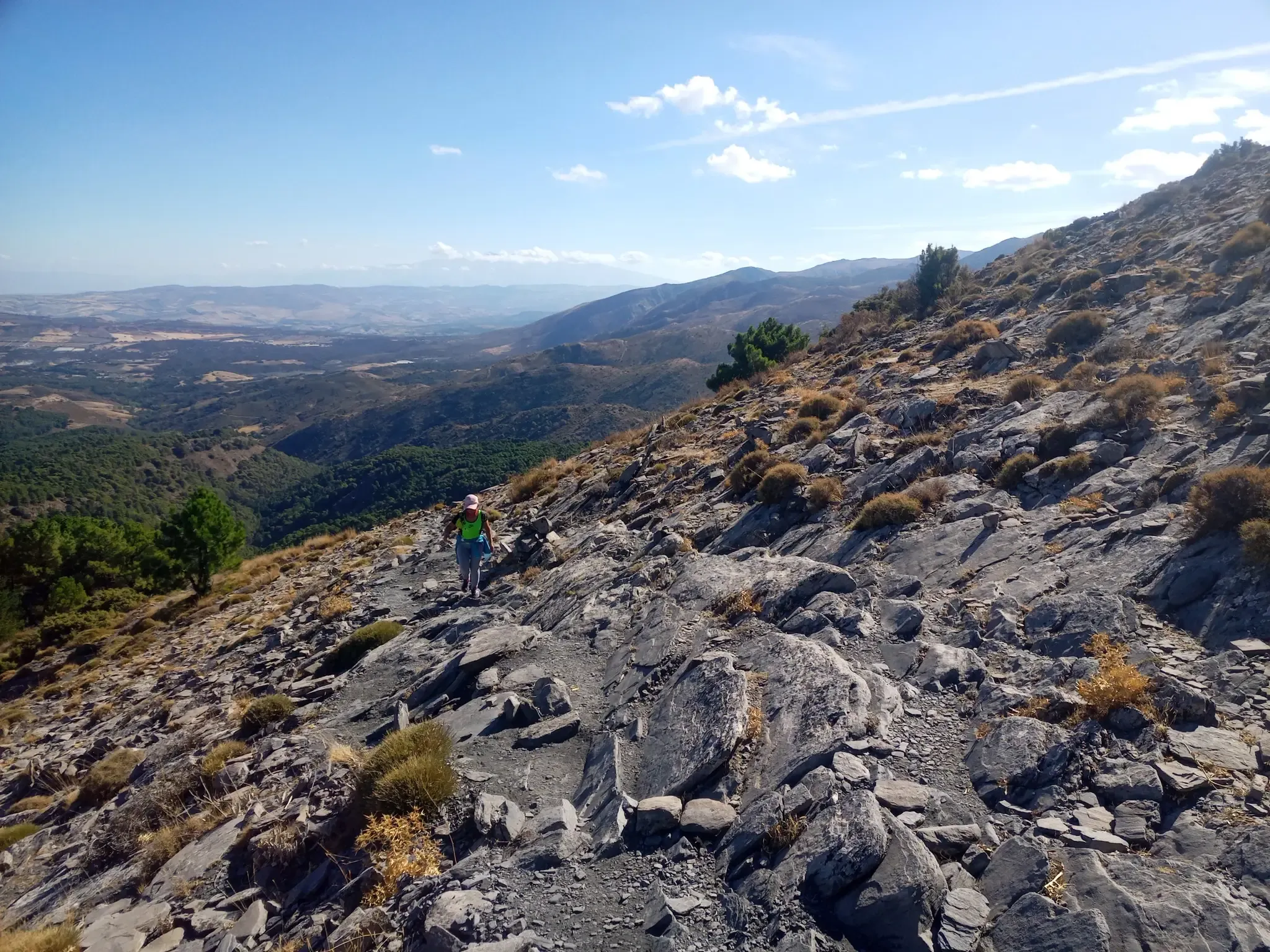
12 hiking gems throughout Spain
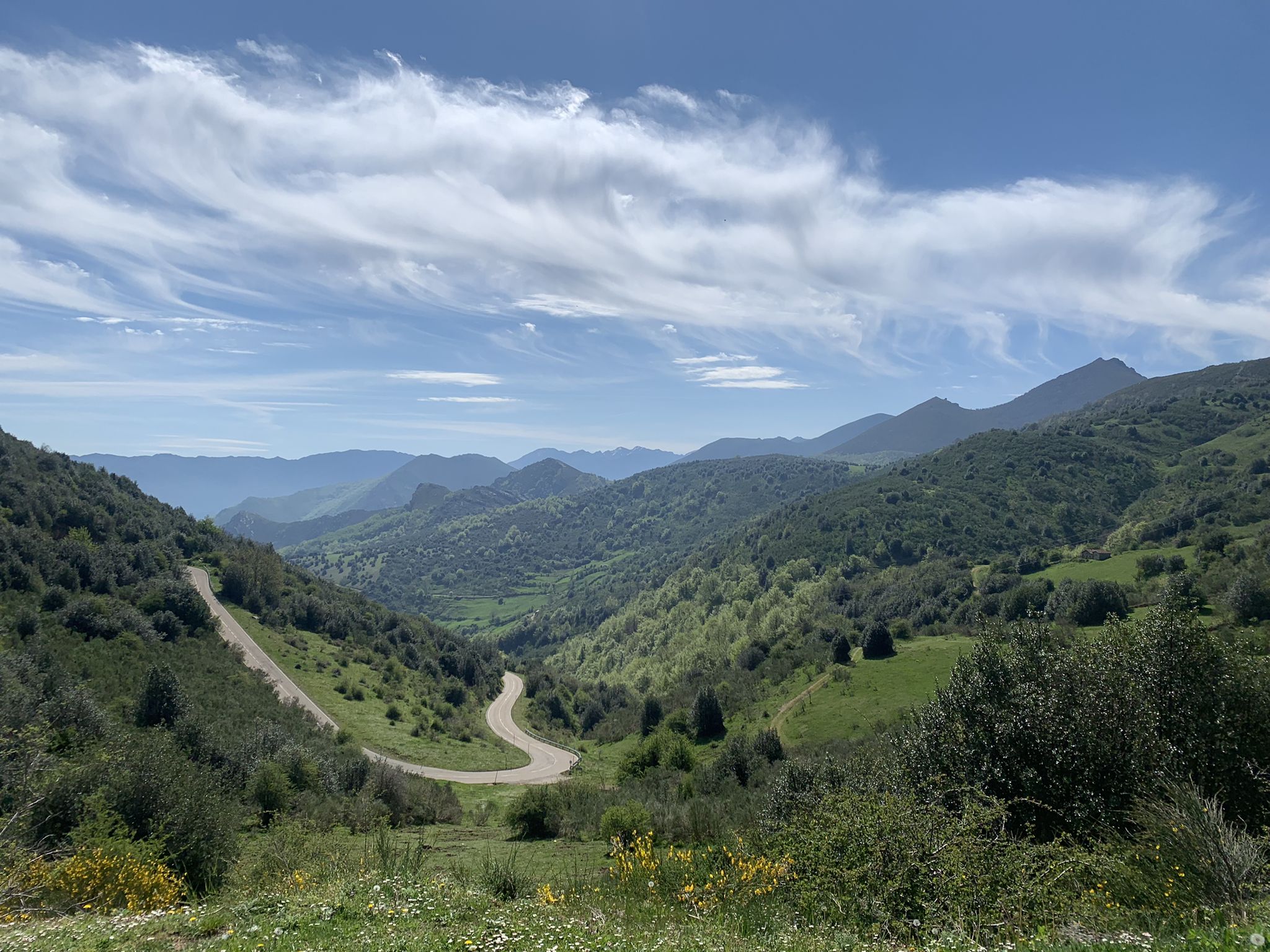
Along a Roman road to Asturias in Spain – Camino Real de la Mesa (GR 101)
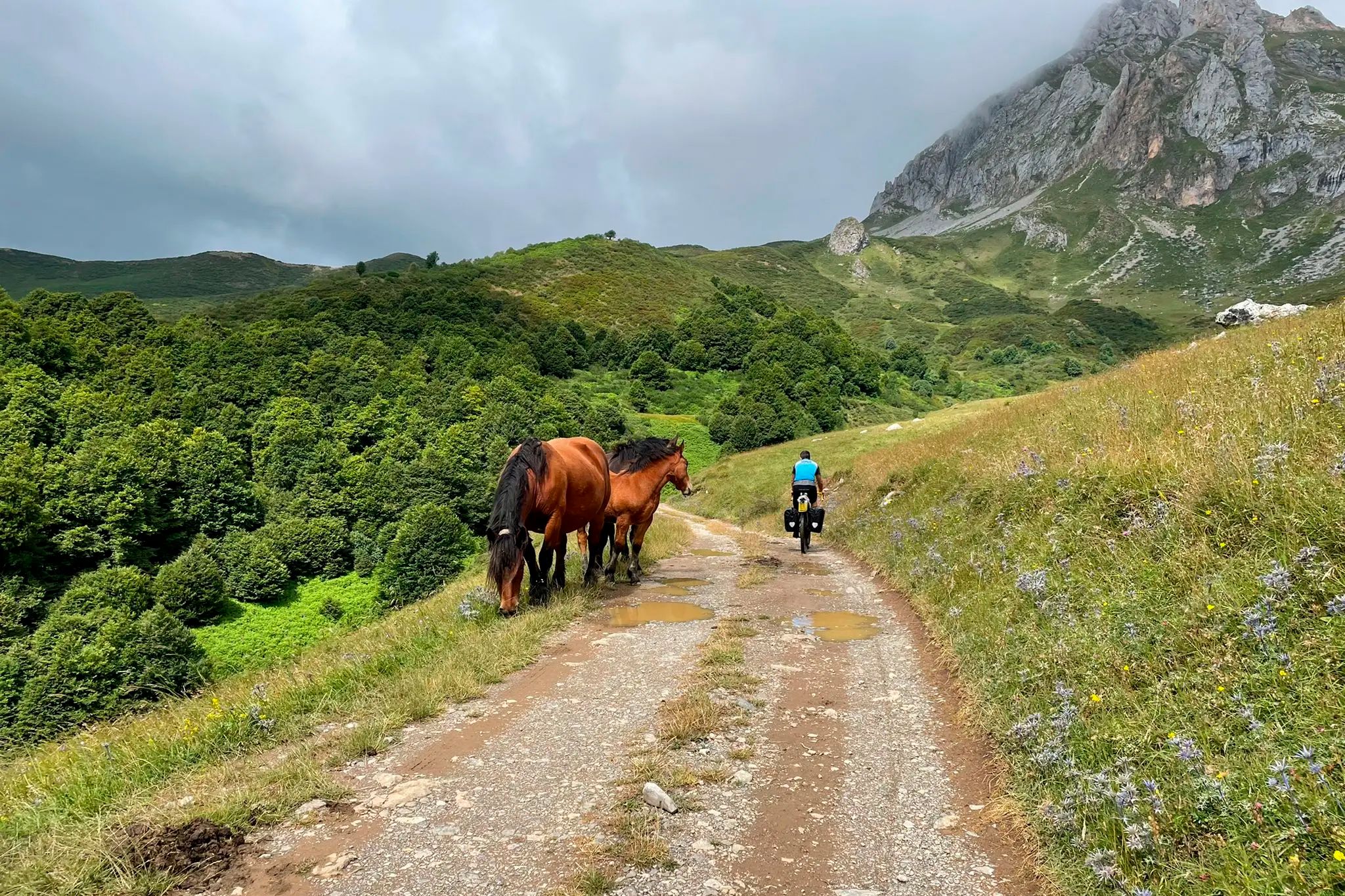
TransCantabrica – Extreme mountain biking in northern Spain
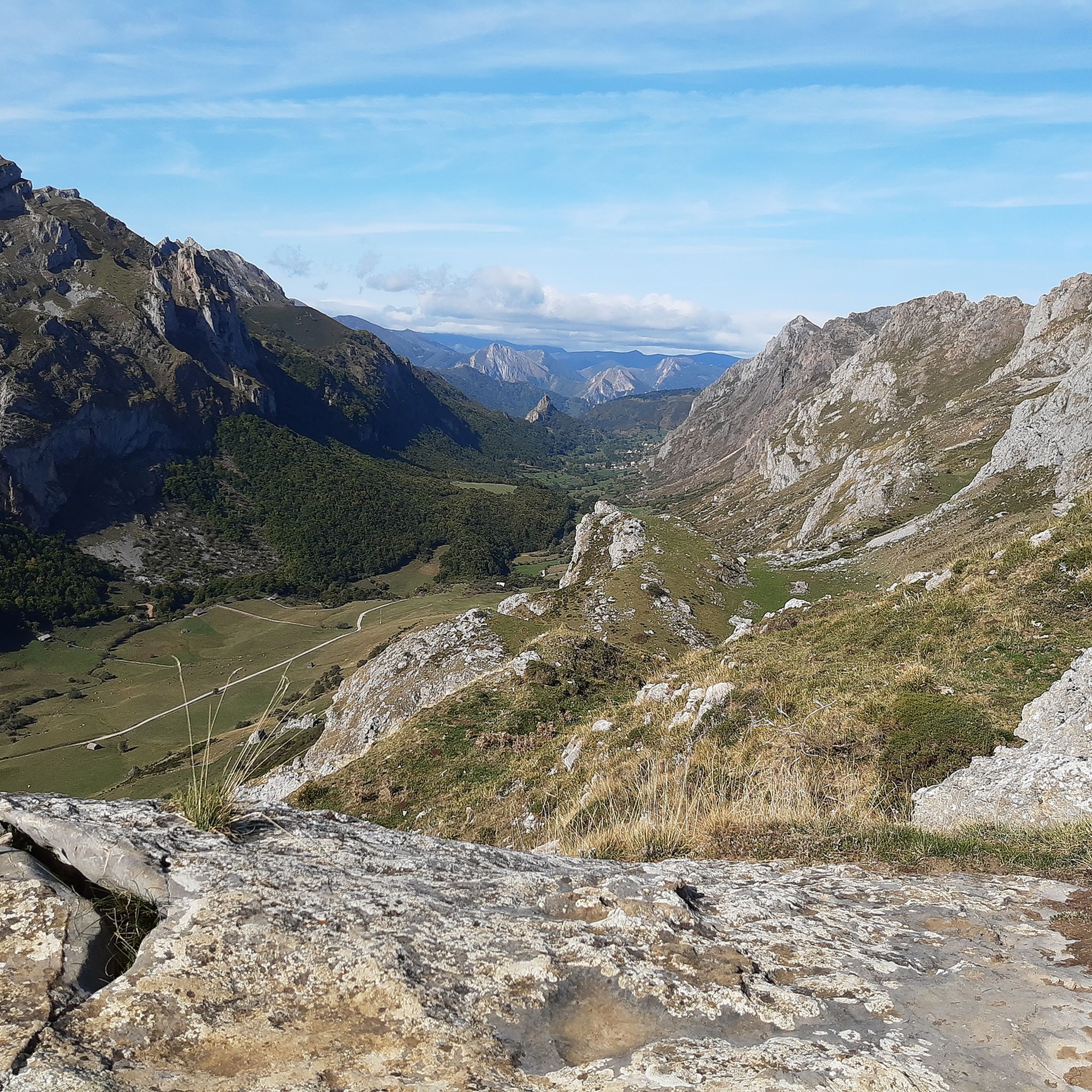
Hiking in Babia Y Luna
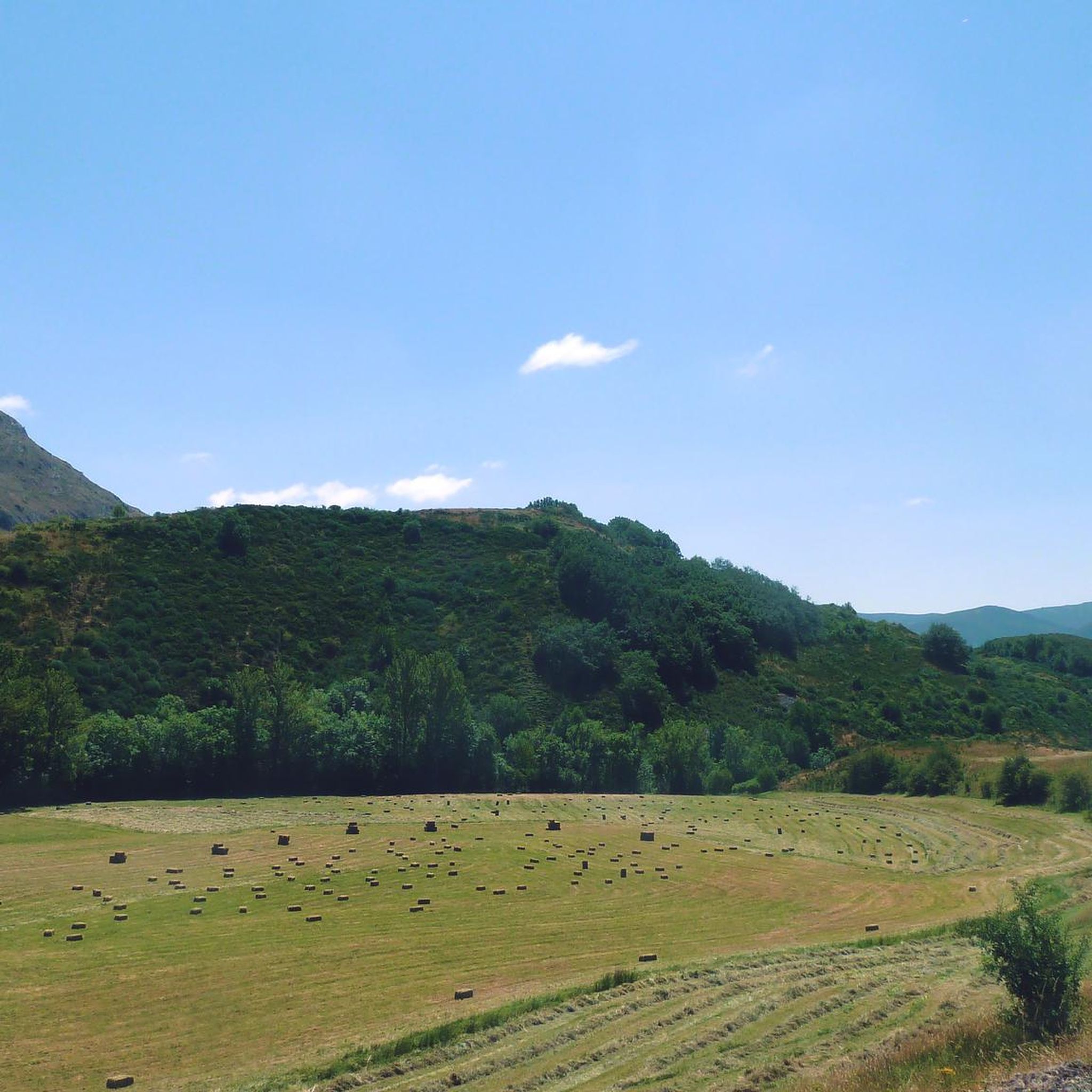
MTB Trails in Babia Y Luna
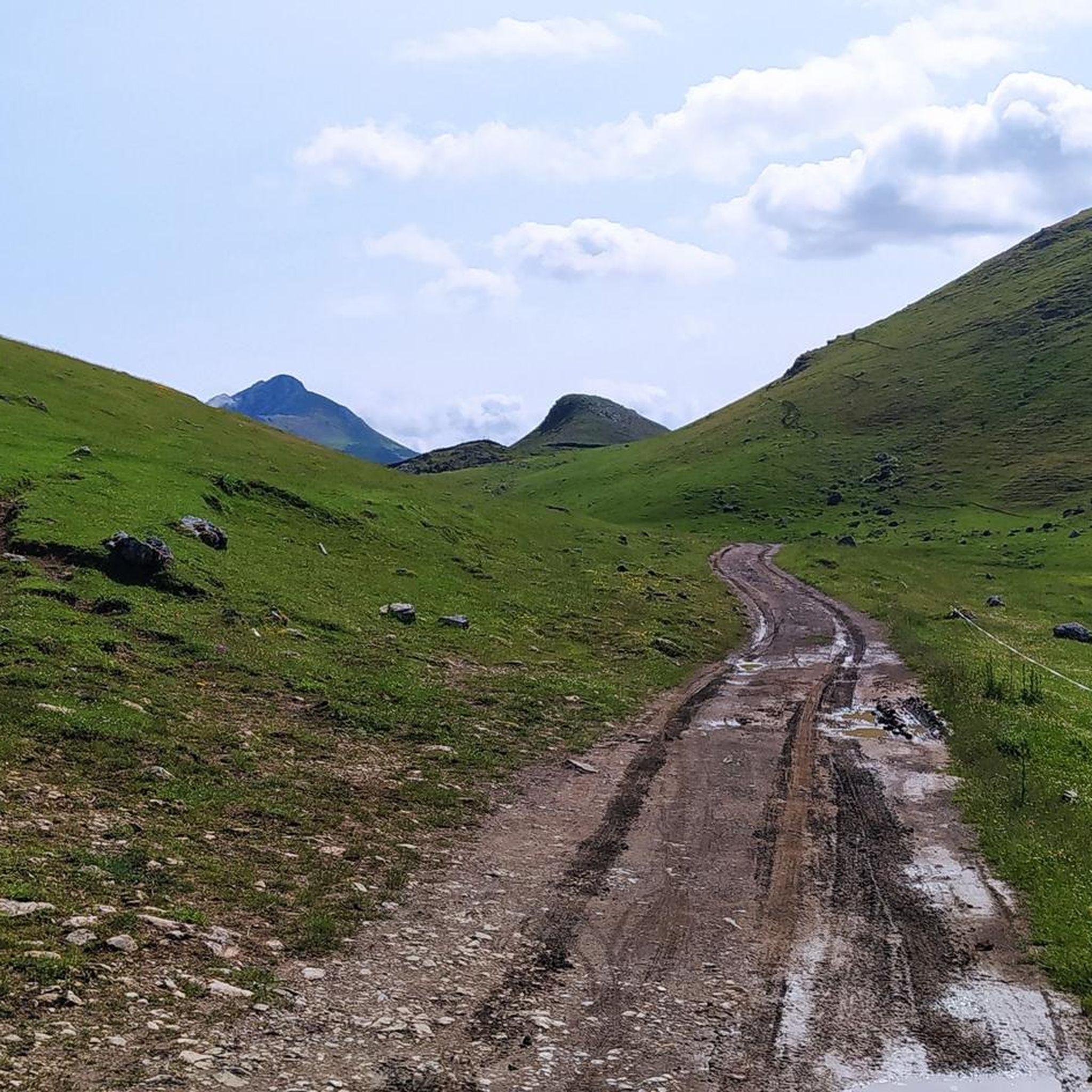
Running Trails in Babia Y Luna
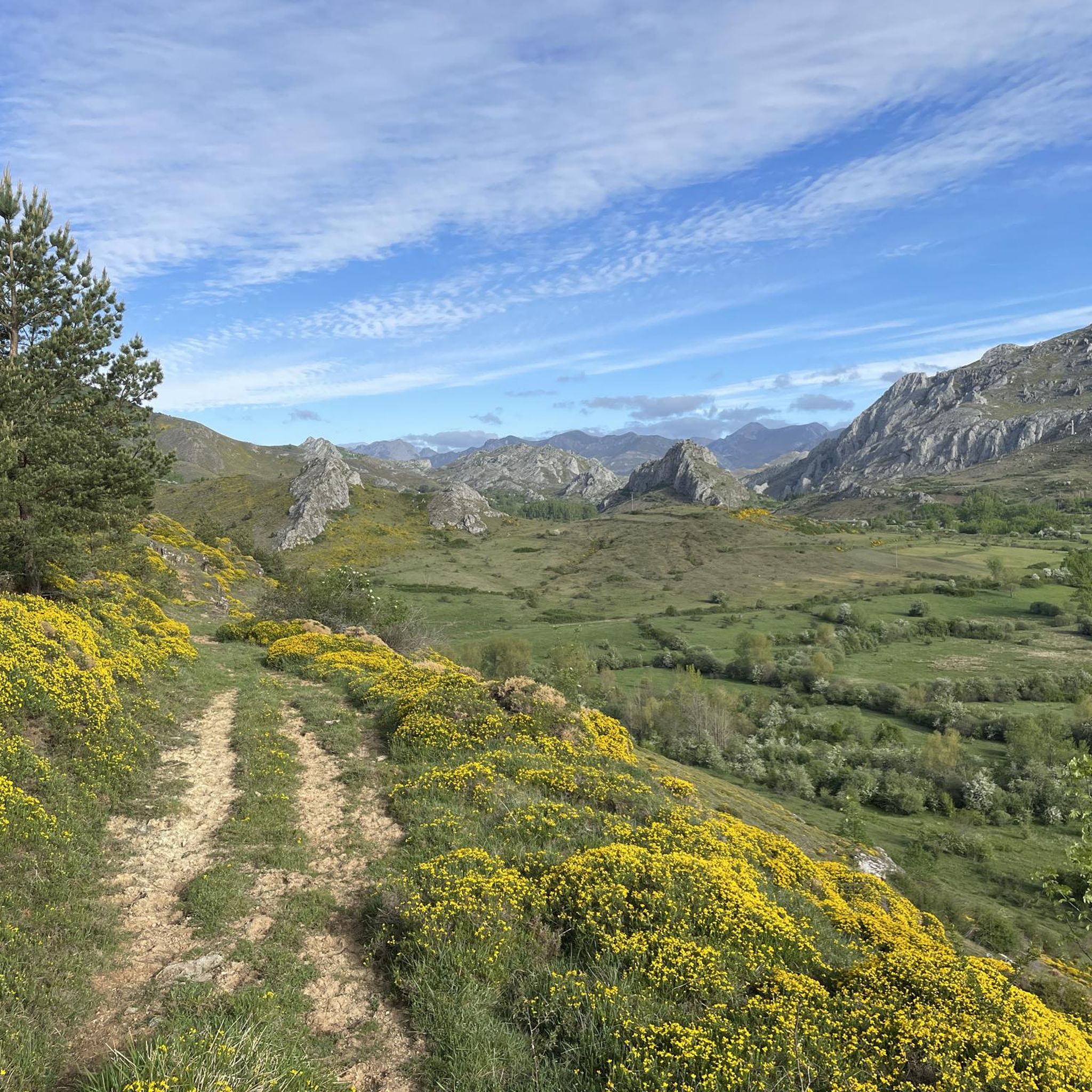
Cycling in Babia Y Luna
Road Cycling Routes in Babia Y Luna
Other adventures in Babia Y Luna


Tips from the Community

The pass is now paved and can be driven on by car.
1
0

During the mining era, this pass served as a discreet link between mines on either side, and minimal traces of old cart and mule traffic remain, though they don't coincide with the current road. From above, the wind is almost constant, and the view towards the Saliencia lakes has that air of a "natural viewpoint" before the term even existed. It's perfect to mark on Komoot as a key point on your route due to its spaciousness, its somewhat hidden history, and its character as a natural border.
1
0
Upon reaching the summit, you don't arrive at a village or a tourist center, but rather at a kind of natural balcony overlooking the Lena mountain passes, which gives a strange feeling, as if you've stepped onto an empty stage. And on clear days, the wind is louder among the mountain passes than any car, because traffic is minimal.
0
0
For decades, La Cubilla was practically a ghost town: a road built to connect mining valleys, used more by livestock farmers and scattered trucks than by travelers. This lack of traffic left a remarkably clean route, free of curves, absurd straights, and modern widenings: pure mountain design from another era. That's why many cyclists say it "looks more like an Alpine pass than a Cantabrian one," with those giant limestone walls silently accompanying you.
0
0

The La Cubilla mountain pass is located at an altitude of 1,683 meters, on the border between Asturias and León. Its rugged terrain and the beauty of its surroundings have earned it the title of stage finisher of the Vuelta a España, making it one of the most iconic climbs among cyclists.
0
0

The Aralla Pass is a mountain pass located in the province of León, Spain, at an altitude of 1,536 meters. It is crossed by the LE-473 highway and connects Aralla de Luna (municipality of Sena de Luna) with Geras (municipality of La Pola de Gordón). It has an average gradient of around 7%, with no steep but steady slopes, generally classified as a second-category cycling pass. The climb offers beautiful views and can be combined with routes to the Arbás Valley and Villamanín, although some roads may be in uneven condition. At the summit, there is a monument in memory of the victims of the Civil War, highlighting the figure of Captain Rodríguez Lozano, who was shot in 1936. The area is popular for motorcycle tours and hiking, with several restaurants and local products such as cured meats in Geras and Aralla. In winter, the road is often impassable due to snow and snow removal service is poor.
0
0

Puerto de Ventana is a mountain pass located in the Cantabrian Mountains, between the Principality of Asturias and the province of León. It lies at an altitude of 1,587 meters and connects the municipality of San Emiliano in León with the Asturian municipality of Teverga. From the pass, you can enjoy a breathtaking view of the San Emiliano Valley, known as Babia de Yuso.
2
0

Beautiful port with very very hard climbs on both sides.
1
0
Frequently Asked Questions
What natural features and landmarks can I explore in Babia y Luna?
Babia y Luna is rich in natural beauty, dominated by the Cantabrian Mountains. You can explore impressive peaks like Peña Ubiña, Albos, and Peña Orniz Summit (2,191 m), which offers spectacular views. The region also features picturesque glacial lagoons such as Las Verdes, Laguna Grande, and Lago Chao, along with diverse forests of oak, beech, and birch.
Are there any historical or cultural sites to visit in Babia y Luna?
Yes, Babia y Luna offers a glimpse into traditional mountain life and history. A key cultural landmark is the Palacio de los Condes de Luna in Riolago de Babia, an Asset of Cultural Interest. You can also observe traditional architecture in villages, including *hórreos* (traditional granaries) and pastoral shelters. Several hermitages, such as Santuario de Nuestra Señora de Carrasconte, and the Church of Candemuela, are also points of interest.
What kind of outdoor activities are popular in Babia y Luna?
The region is ideal for outdoor enthusiasts, particularly for hiking and mountain biking. Popular mountain passes like La Cubilla Pass, Ventana Pass, and Aralla Pass are excellent for scenic drives, motorcycling, and serve as starting points for various routes. You can find more details on cycling routes in our Cycling in Babia Y Luna guide.
Where can I find hiking trails in Babia y Luna?
Babia y Luna offers numerous hiking trails catering to various difficulty levels. Some notable trails include 'Las Naves - El Panazal,' 'Babia Alta,' 'Laguna de las Verdes,' and 'Lago Chao.' For specific hiking options, including waterfall hikes and easy trails, you can explore our guides on Waterfall hikes in Babia Y Luna and Easy hikes in Babia Y Luna.
What wildlife can I expect to see in Babia y Luna?
Babia y Luna is a haven for wildlife. You might spot the elusive Cantabrian brown bear, chamois, roe deer, and wild boar. Birdwatchers can look for species like the wallcreeper, golden eagle, and peregrine falcon, especially in alpine environments. The area is also a Special Protection Area for Birds (SPA).
Are there any family-friendly attractions or activities in Babia y Luna?
While specific family-friendly attractions are not highlighted, the natural environment of Babia y Luna offers many opportunities for families. Easy hiking trails, exploring traditional villages, and wildlife spotting can be enjoyable for all ages. The Casa del Parque de Babia y Luna in Riolago provides educational materials and insights into the park's heritage, which can be a good starting point for families.
What are some of the best viewpoints in the region?
Babia y Luna boasts several spectacular viewpoints. From Ventana Pass, you can enjoy breathtaking views of the San Emiliano Valley (Babia de Yuso). The Peña Orniz Summit (2,191 m) offers extraordinary panoramic views of the Somiedo Natural Park, Picos Albos massif, and Peña Ubiña. Additionally, Ricabo Track provides stunning views of the Quirós and Teverga Valleys, often above a sea of clouds.
What is the best time of year to visit Babia y Luna?
The best time to visit Babia y Luna for outdoor activities like hiking and mountain biking is generally during the warmer months, from late spring to early autumn, when trails are clear and the weather is pleasant. However, the region's beauty changes with the seasons, with vibrant autumn colors and snow-covered landscapes in winter. Be aware that mountain passes like Aralla Pass can be impassable due to snow in winter.
Can I find easy hiking trails in Babia y Luna?
Yes, Babia y Luna offers several easy hiking trails suitable for less strenuous walks. Examples include loops around the View of Lago de la Cueva from Alto de la Farrapona, the Palace of Quiñones loop from Riolago de Babia, and the Braña de las Cadenas loop from Parmu. You can find more options in our Easy hikes in Babia Y Luna guide.
What is the Babia Biosphere Reserve?
The Babia Biosphere Reserve is a protected area within Babia y Luna, recognized for its significant ecological and cultural value. It aims to conserve biodiversity and promote sustainable development, highlighting the traditional mountain way of life, including transhumance and the rearing of local breeds like Hispano-Breton horses. The Peña Orniz Summit (2,191 m) is partly located within this reserve.
Are there any specific routes for mountain biking in Babia y Luna?
Absolutely. Babia y Luna is popular for mountain biking. La Cubilla Pass is accessible by mountain bike from San Emiliano or Caldas de Luna and is part of the TransCantábrica BTT route. The Ricabo Track also offers a gravel/paved road through a forest, suitable for cycling. For more routes, check our Cycling in Babia Y Luna guide.
What is the significance of the Barrios de Luna Reservoir?
The Barrios de Luna Reservoir is a significant point of interest in the region, known for its history and the villages that were submerged during its construction. It's a notable landmark that reflects the area's development and changes over time.
Most popular routes in Babia Y Luna
Most popular attractions in Babia Y Luna

Get inspired with the komoot mobile app


Explore more
Still not found the Highlight you’re looking for? See guides of the top attractions in other regions:
