Attractions and Places To See in Parga - Ladra - Támoga - Top 20
Attractions and places to see in Parga - Ladra - Támoga are located in the province of Lugo, Spain, offering a combination of natural landscapes and historical sites. The region is characterized by its rivers, such as the Parga and Madalena, and is part of the Terras do Miño Biosphere Reserve. Visitors can explore ancient stone bridges, chapels, and river trails that showcase the area's cultural heritage and natural features. This area provides diverse points of interest for those exploring…
Last updated: July 6, 2026
Roman Bridge of Lugo
Highlight • Bridge
Translated by Google •
Tip by

Old bridge
Highlight • Bridge
Translated by Google •
Tip by

Sign up now to discover places like this
Get recommendations on the best single tracks, peaks, & plenty of other exciting outdoor places.
Sign up for free
San Alberte Bridge
Highlight • Bridge
Translated by Google •
Tip by
Ínsua de Seivane Suspension Bridge
Highlight • Bridge
Translated by Google •
Tip by
San Alberte Chapel
Highlight • Religious Site
Translated by Google •
Tip by
Sign up for free to discover even more attractions in Parga - Ladra - Támoga.
Sign up for free
Already have an account?
Start today with a free account
Your next adventure awaits.
Login or Signup
Tips from the Community

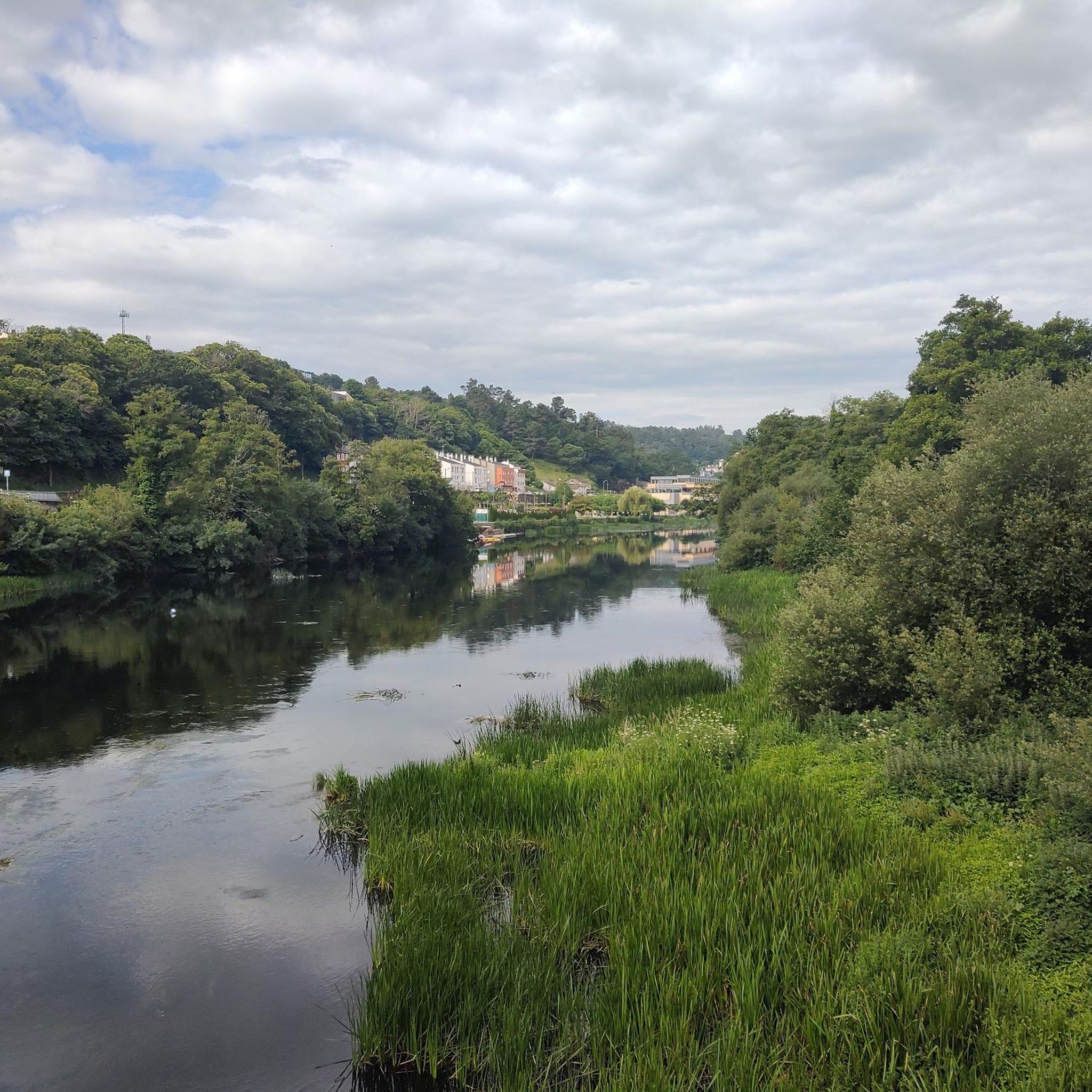
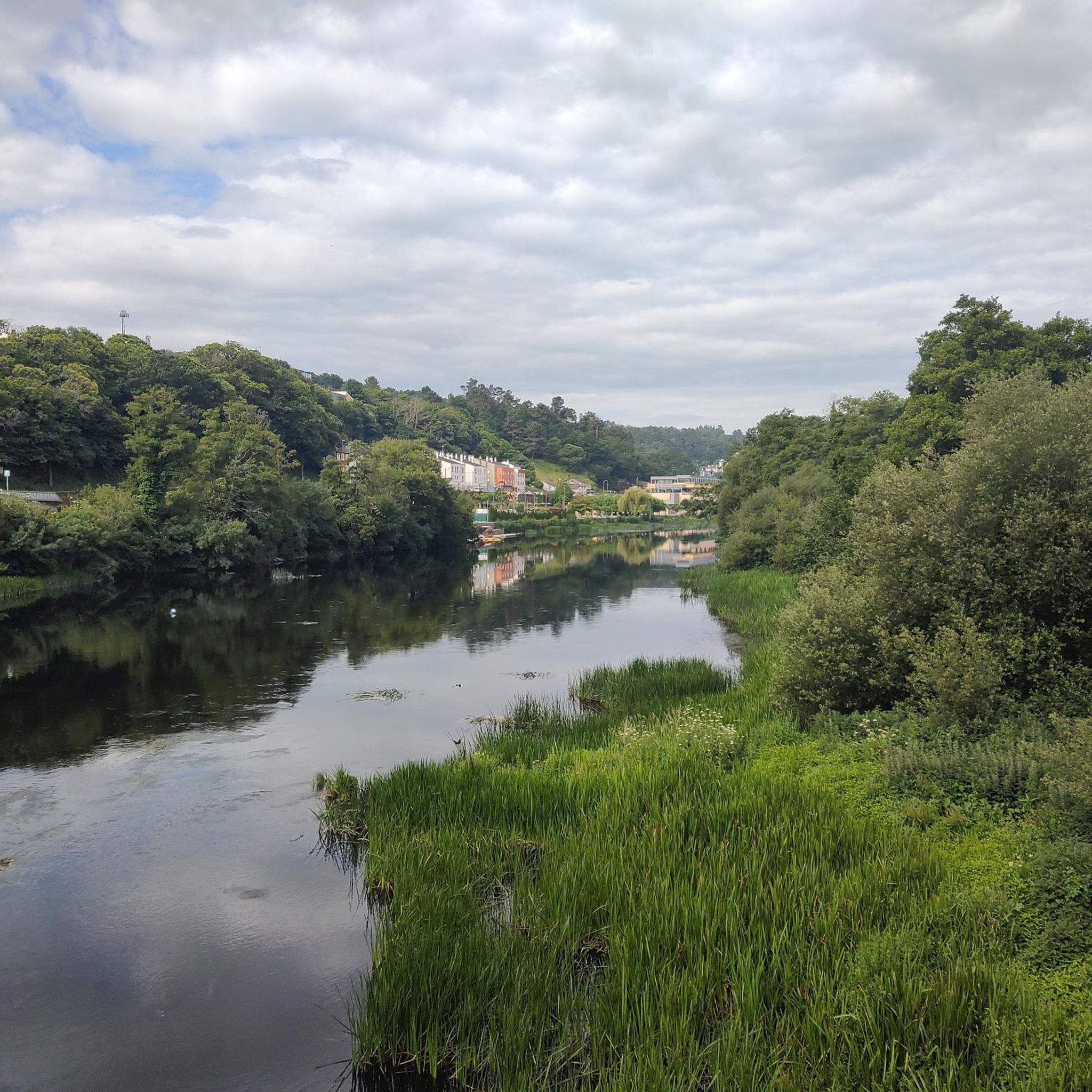
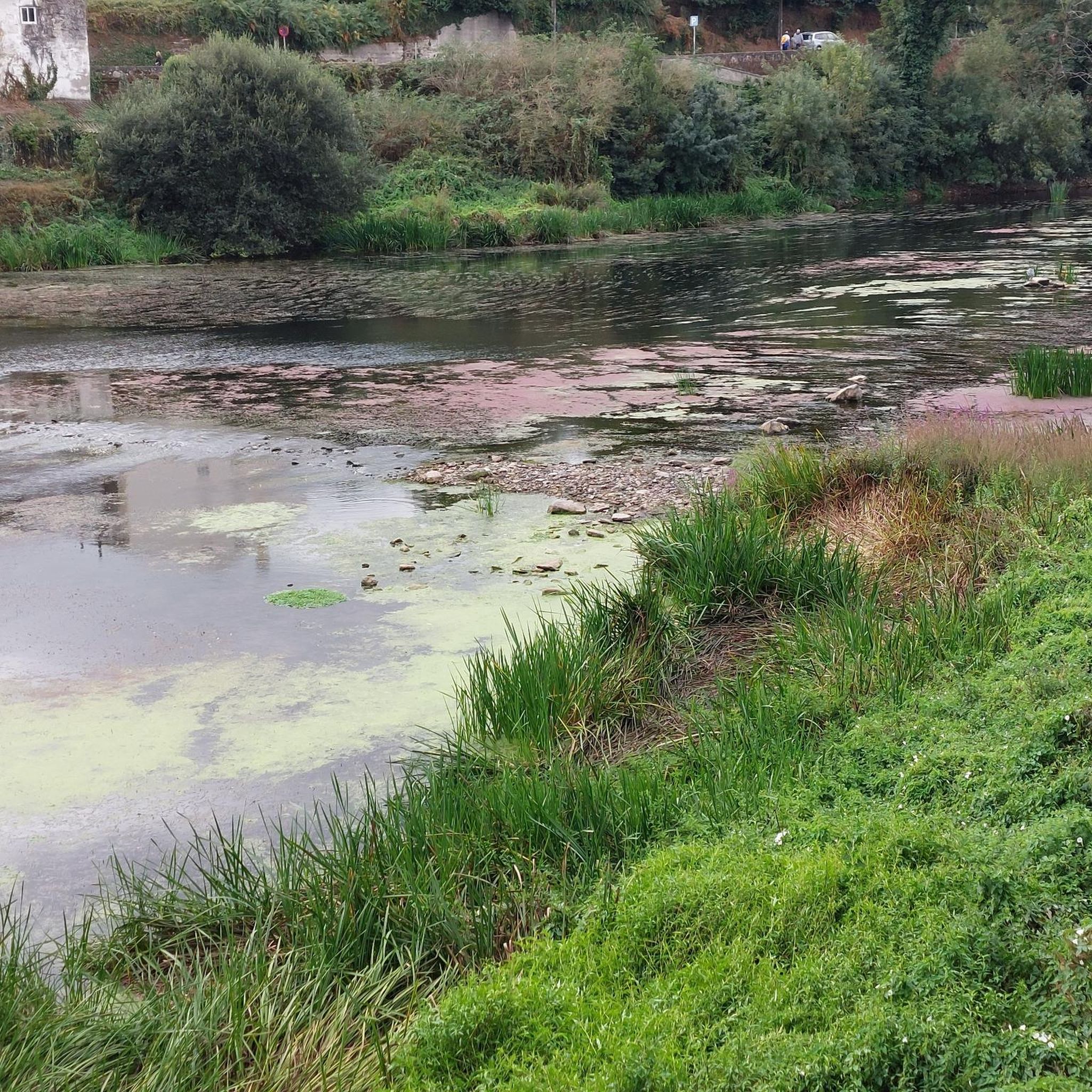
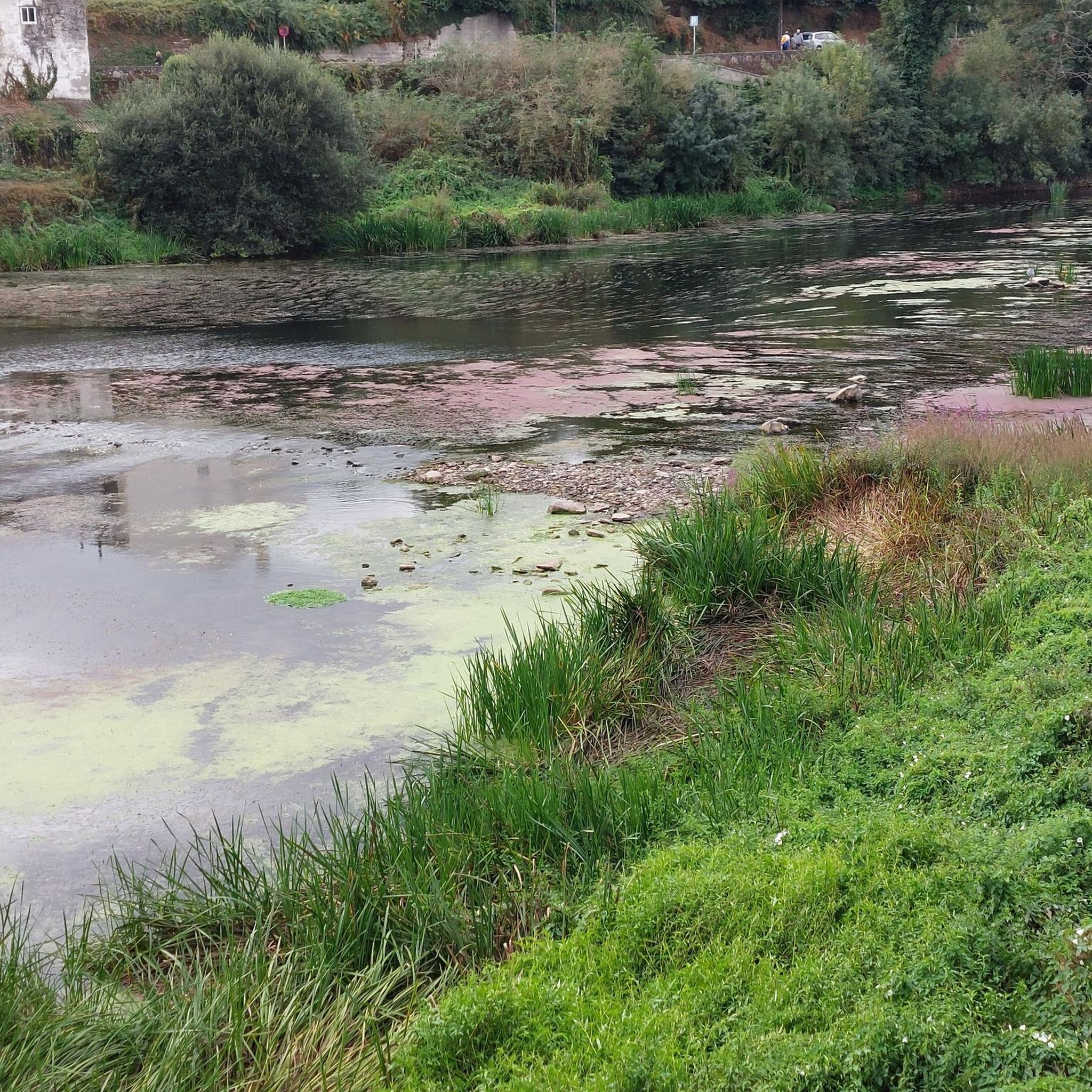
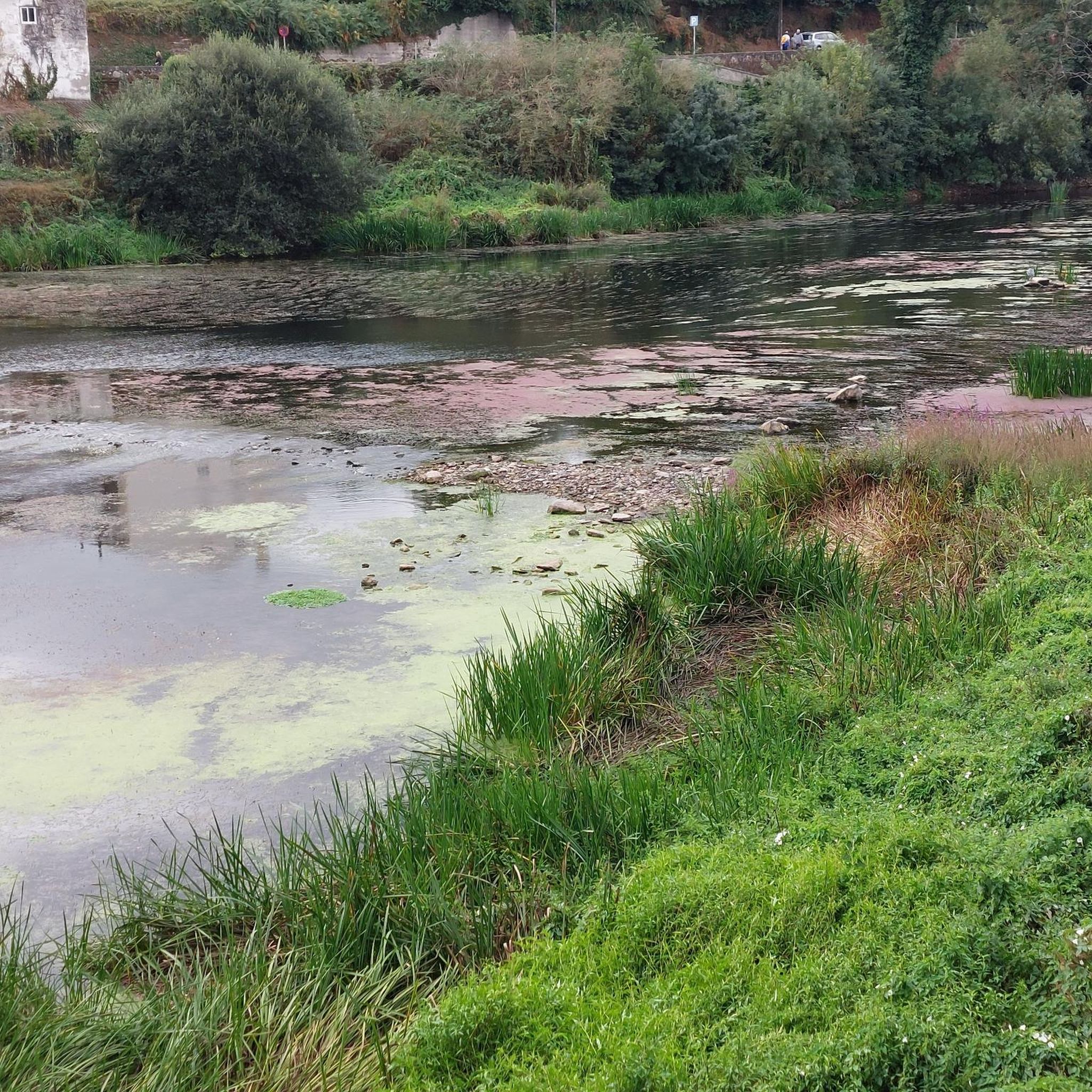
The Santo Alberte Bridge, also known as Ponte de San Alberte, is a medieval gem located in the municipality of Guitiriz (Lugo), over the Parga River, in the heart of the Terras do Miño Biosphere Reserve. Although believed to have Roman origins, the current structure is Gothic in style, built in the 14th century and renovated in the 18th century and again in 2006.
3
0
The Chapel of San Alberte in Guitiriz (Lugo) is a jewel of Galician heritage, located in a beautiful natural setting, next to the Parga River and in the heart of the Terras do Miño Biosphere Reserve. It dates back to the 14th century, although it is believed that there was an earlier temple on the same site.
6
0

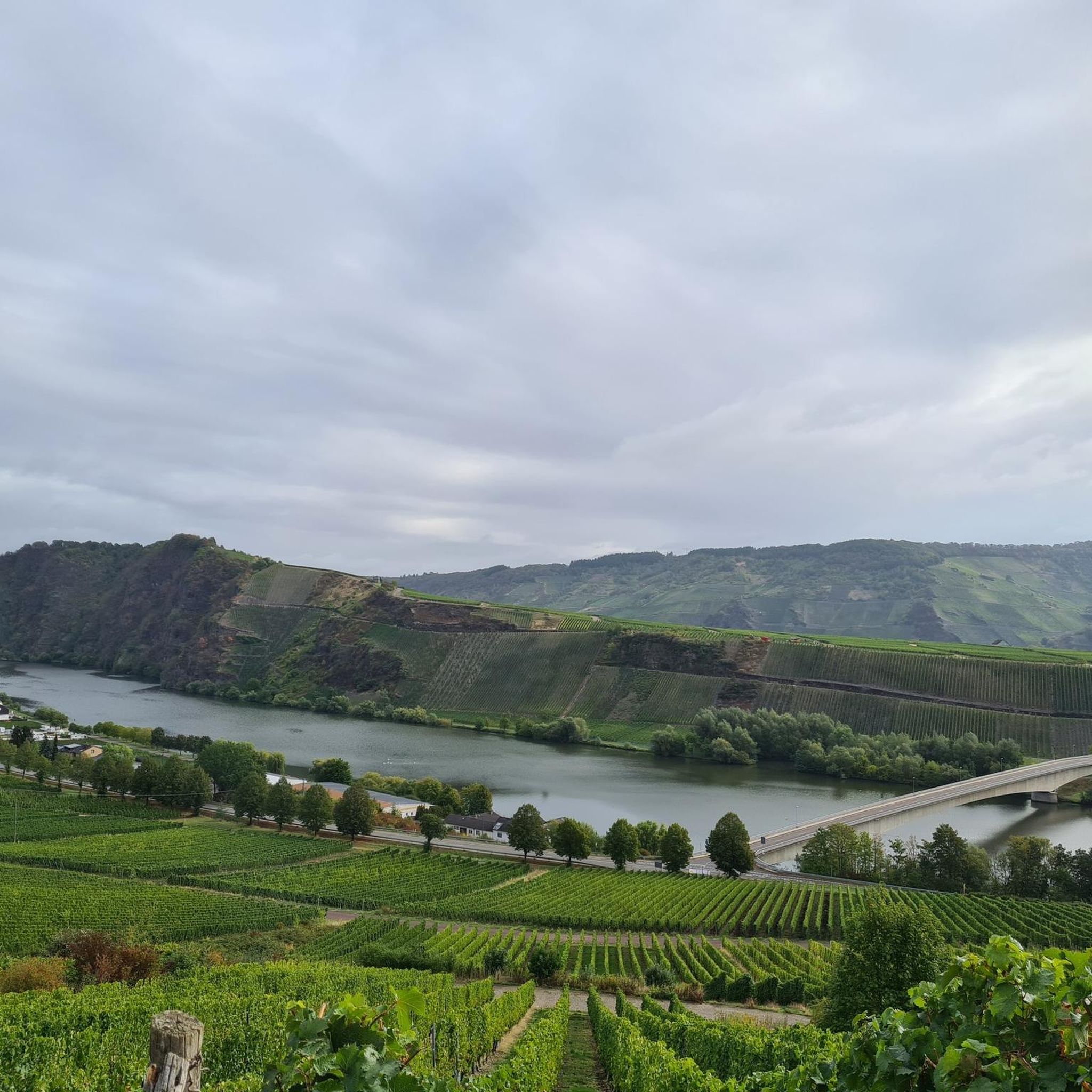
A viaduct as shown in the picture.
3
0

A beautiful old and photogenic bridge 🤙
1
1

stop to rest here at the end of the route
0
1

Worth seeing is an old Roman bridge that was restored to its original state after the road was first tarred.
2
0
Frequently Asked Questions
What historical landmarks can I explore in Parga - Ladra - Támoga?
The region is rich in historical sites, particularly ancient bridges and religious buildings. You can visit the Roman Bridge of Lugo, which spans the Miño river and has Roman origins, or the Old bridge, a moss-covered stone bridge often encountered on the Camino del Norte. Another significant site is the San Alberte Chapel, a large Gothic chapel set in a beautiful natural environment near the Parga River.
What natural features define the Parga - Ladra - Támoga area?
Parga - Ladra - Támoga is characterized by its extensive network of rivers and streams, including the Parga and Madalena rivers. The area is part of the Terras do Miño Biosphere Reserve, known for its natural beauty. You'll find numerous ancient stone bridges, some made from local slate, crossing these rivers, and various river trails that showcase traditional structures like old mills and medieval bridges.
Are there family-friendly attractions in Parga - Ladra - Támoga?
Yes, several attractions are suitable for families. The Roman Bridge of Lugo and the San Alberte Chapel are both listed as family-friendly. Additionally, the Swimming in the Río de Parga highlight describes a recreational area where the village community gathers to cool down in the summer, offering a pleasant spot for families.
Can I go swimming in the rivers of Parga - Ladra - Támoga?
Yes, you can. The Swimming in the Río de Parga highlight points to a recreational area in Baamonde where the Parga River forms a fluvial beach, perfect for cooling down during the summer months.
What outdoor activities are available near these attractions?
The region offers a variety of outdoor activities, particularly hiking, road cycling, and running. You can find numerous routes that explore the natural landscapes and historical sites. For detailed options, explore the easy hikes, road cycling routes, and running trails available in Parga - Ladra - Támoga.
Are there easy hiking trails in the Parga - Ladra - Támoga area?
Yes, there are several easy hiking trails suitable for various fitness levels. For example, you can find routes like the 'Cospeito Lagoon – Laguna de Cospeito loop' or the 'Roman Bridge over the Miño River – Roman Bridge of Lugo loop'. More options are available in the Easy hikes in Parga - Ladra - Támoga guide.
What is the significance of the San Alberte Chapel?
The San Alberte Chapel in Guitiriz is considered a jewel of Galician heritage. Dating back to the 14th century, it is a large Gothic chapel situated in a beautiful natural setting near the Parga River, within the Terras do Miño Biosphere Reserve. Nearby, you can also find a Renaissance-style fountain, a Gothic bridge, and the remains of an old hospital.
What do visitors enjoy most about the attractions in Parga - Ladra - Támoga?
Visitors particularly appreciate the blend of historical significance and natural beauty. The ancient bridges, like the Old bridge, evoke a sense of history, especially for those on pilgrimage routes. The serene natural environments surrounding sites like the San Alberte Chapel and the opportunity to cool off in the Río de Parga are also highly valued.
Are there any notable bridges besides the Roman Bridge of Lugo?
Absolutely. Beyond the Roman Bridge of Lugo, you can discover the Old bridge, a historic, moss-covered stone bridge on the Camino del Norte. There's also the San Alberte Bridge, a medieval Gothic structure over the Parga River, believed to have Roman origins, located near the San Alberte Chapel.
When is the best time to visit Parga - Ladra - Támoga?
The region's natural attractions, especially the river areas and trails, are particularly enjoyable during warmer months when you can take advantage of activities like swimming in the Río de Parga. The historical sites and bridges can be visited year-round, but pleasant weather enhances the experience of exploring the natural surroundings.
What kind of cycling routes are available in the area?
Parga - Ladra - Támoga offers a range of road cycling routes, from moderate to difficult. You can find routes that pass by historical landmarks and natural features, such as the 'Chapel of San Cosme – Ponte Vella loop' or the 'Roman Bridge of Lugo – Santiago Gate loop'. For more details, refer to the Road Cycling Routes in Parga - Ladra - Támoga guide.
Can I find running trails near the attractions?
Yes, there are several running trails in the Parga - Ladra - Támoga area. Options include the 'Bidueiras Trail' and loops around Lugo City Walls or Presa da Fábrica da Luz. These trails vary in difficulty and offer scenic routes for runners. You can explore more options in the Running Trails in Parga - Ladra - Támoga guide.
Most popular routes in Parga - Ladra - Támoga
Most popular attractions in Parga - Ladra - Támoga

Get inspired with the komoot mobile app


Explore more
Still not found the Highlight you’re looking for? See guides of the top attractions in other regions:
