The best cycling routes in Parga - Ladra - Támoga
4.4
(56)
1,193
riders
138
rides
Touring cycling in Parga - Ladra - Támoga offers routes through a diverse landscape characterized by an intricate network of rivers, extensive wetlands, and varied forest habitats. The region, part of the Terras do Miño Biosphere Reserve, features slow-winding river courses and lacustrine systems. Cyclists can explore alluvial forests of alder and ash, as well as Galician-Portuguese oak forests, alongside traditional structures and historical landmarks. The terrain provides options ranging from gentle paths to routes with significant elevation gain.
Best…
Last updated: May 21, 2026
5.0
(2)
2
riders
46.2km
02:57
380m
380m
Moderate bike ride. Good fitness required. Mostly paved surfaces. Suitable for all skill levels.
4.0
(1)
3
riders
106km
06:46
1,200m
1,200m
Hard bike ride. Very good fitness required. Mostly paved surfaces. Suitable for all skill levels.

Sign up for free
18
riders
42.4km
03:38
680m
680m
Hard bike ride. Very good fitness required. Mostly paved surfaces. Suitable for all skill levels.
5.0
(3)
17
riders
37.0km
02:43
430m
430m
Moderate bike ride. Good fitness required. Mostly paved surfaces. Suitable for all skill levels.
8
riders
52.6km
04:01
630m
630m
Hard bike ride. Very good fitness required. Mostly paved surfaces. Suitable for all skill levels.
Get access to more routes and recommendations from other explorers.
Sign up for free
Already have an account?
Our route recommendations are based on thousands of hikes, rides, and runs completed by other people on komoot.
Start today with a free account
Your next adventure awaits.
Login or Signup
Tips from the Community

The original castle dates back to the 11th century, although the current tower was rebuilt in the 15th century after the Irmandiño revolts, which destroyed much of the fortress. It was owned by the lords of Lemos and later passed into the hands of Fernán Pérez de Andrade, who left his heraldic mark on the tower with the figure of the wild boar, a symbol of his lineage. In the 19th century, during the First Carlist War, the tower was reused as a defensive bastion and later restored.
2
0
The Andrade Tower in Vilalba (Lugo) is an impressive medieval building that constitutes the only vestige of the old Vilalba Castle, and one of the most important historical symbols of the Terra Chá region.
2
0
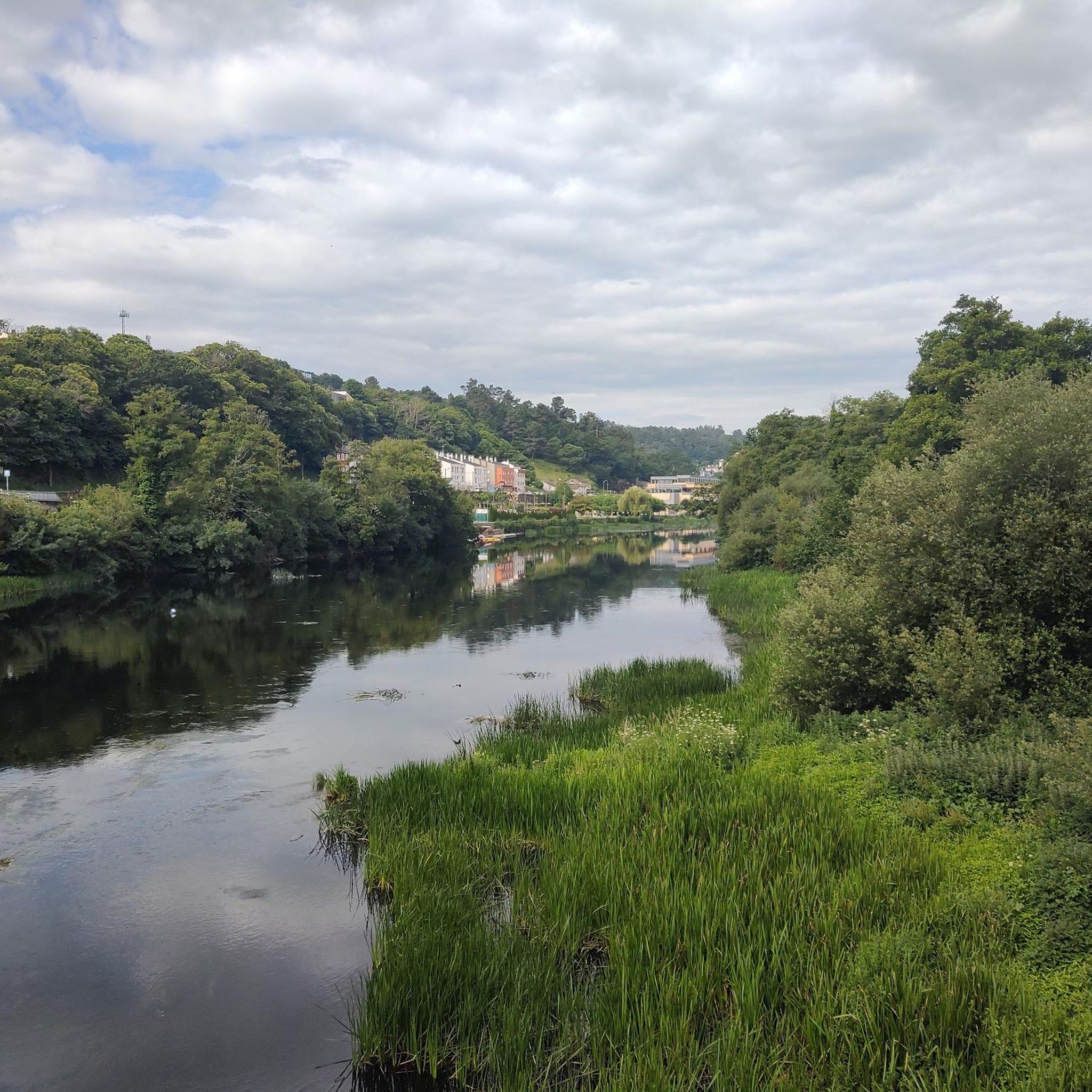
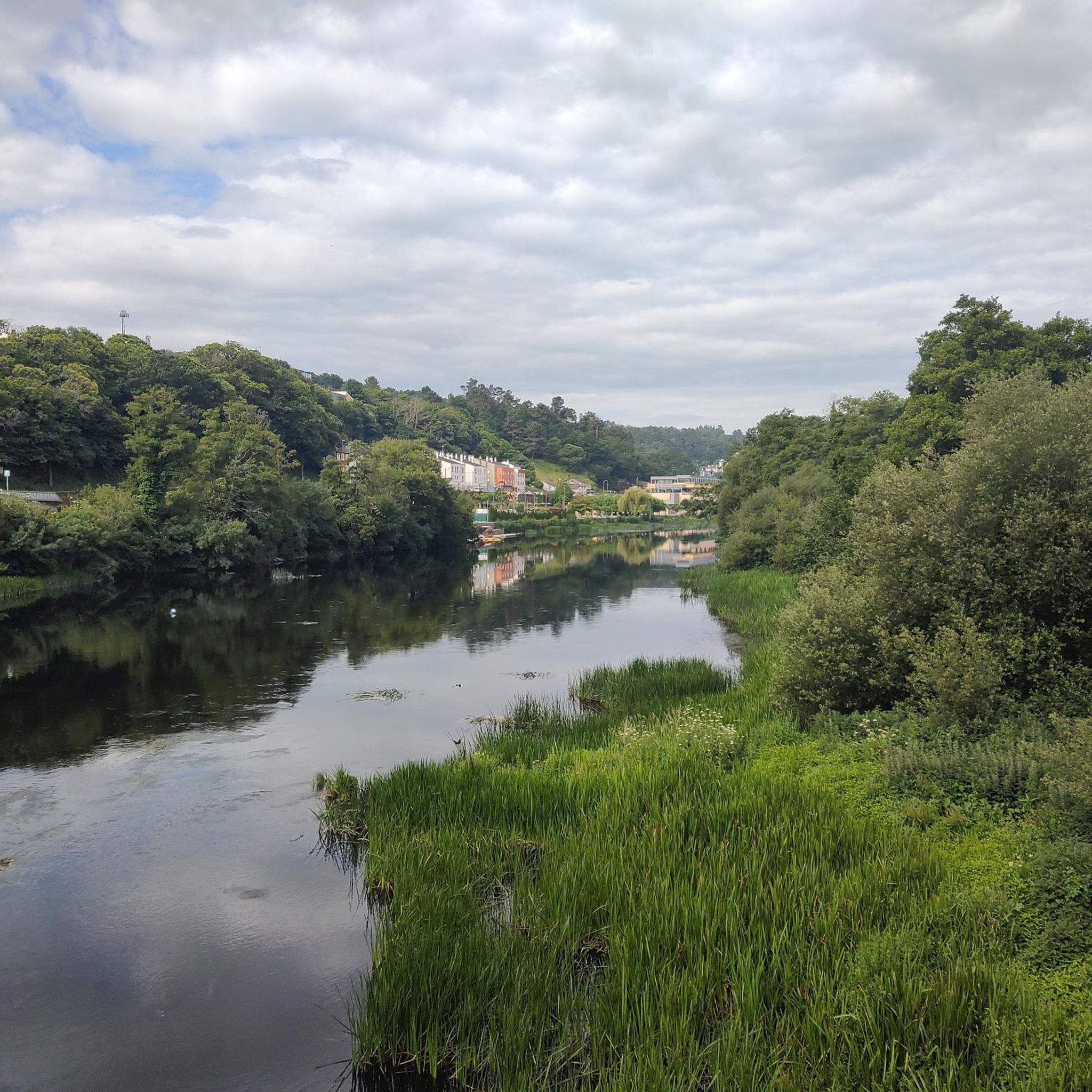
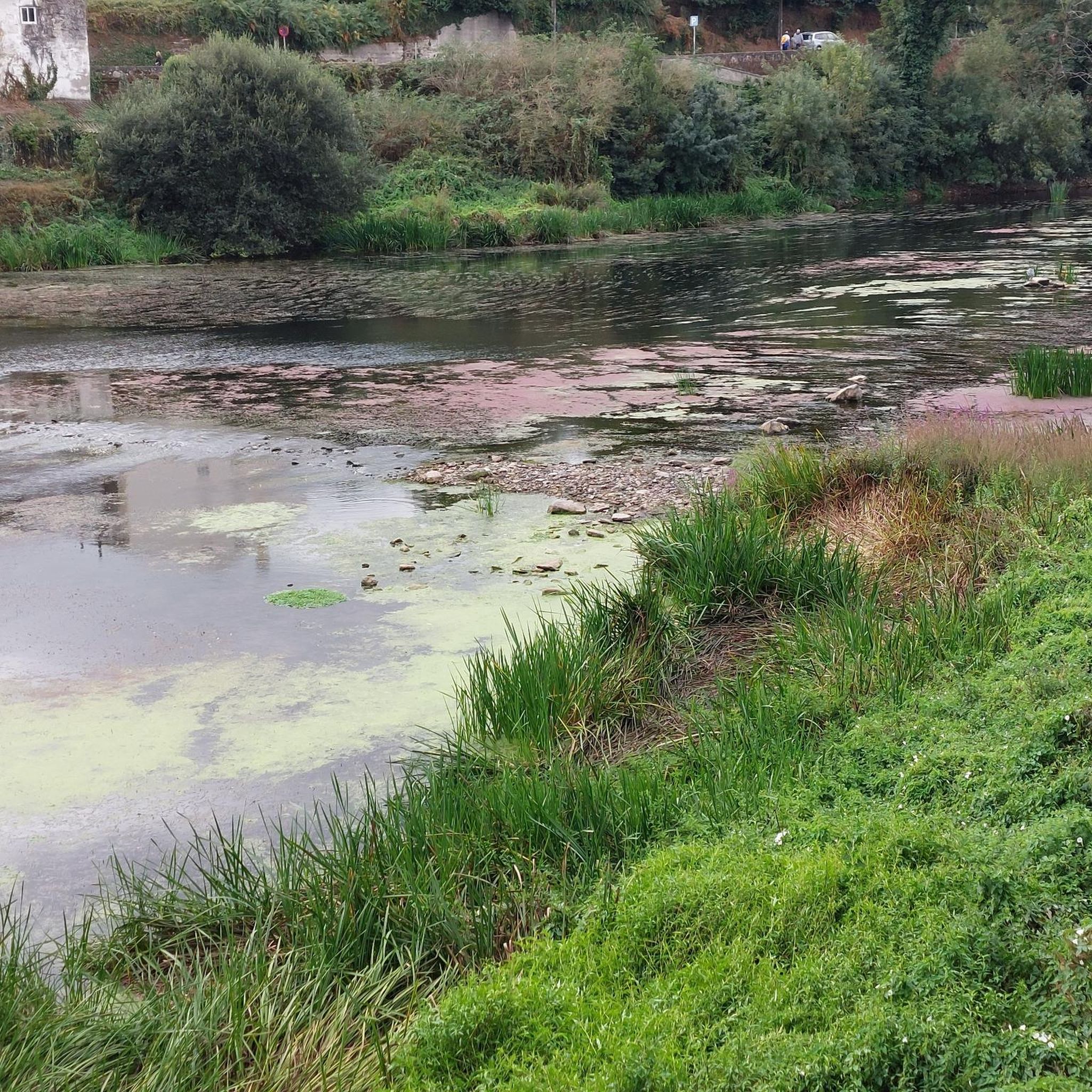
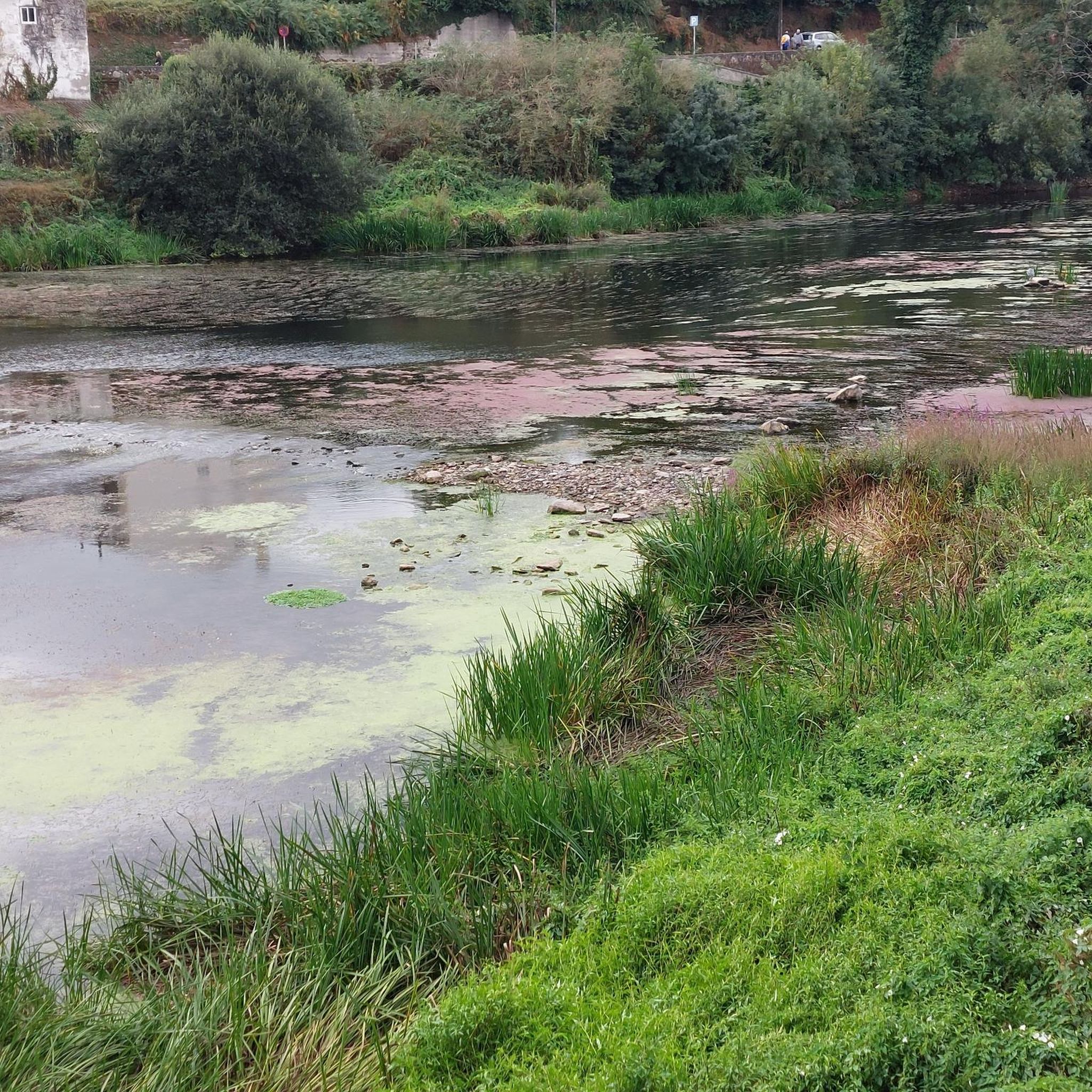
The Chapel of San Alberte in Guitiriz (Lugo) is a jewel of Galician heritage, located in a beautiful natural setting, next to the Parga River and in the heart of the Terras do Miño Biosphere Reserve. It dates back to the 14th century, although it is believed that there was an earlier temple on the same site.
1
0
The Santo Alberte Bridge, also known as Ponte de San Alberte, is a medieval gem located in the municipality of Guitiriz (Lugo), over the Parga River, in the heart of the Terras do Miño Biosphere Reserve. Although believed to have Roman origins, the current structure is Gothic in style, built in the 14th century and renovated in the 18th century and again in 2006.
2
0

A mighty and historic tower with a beautiful coat of arms 🤙
0
1
Beautiful baroque church, a stop to pause 🤙
1
1

After the renovation, the Albergue in the monastery is actually once again a must on the Camino del Norte. But if you want to take the alternative route to O Pedrouzo to save yourself a day on the overcrowded Camino Frances, I recommend the Eco-Albergue Abeiro da Loba in Madelos.
4
0
Frequently Asked Questions
How many touring cycling routes are available in Parga - Ladra - Támoga?
There are over 140 touring cycling routes in Parga - Ladra - Támoga, offering a wide range of options for different skill levels and preferences.
What kind of terrain can I expect on touring cycling routes in Parga - Ladra - Támoga?
The region offers diverse landscapes, from intricate river networks and extensive wetlands to varied forest habitats, including alluvial alder and ash forests, and Galician-Portuguese oak forests. You'll find varied terrain, with options ranging from gentle paths to routes requiring very good fitness due to significant elevation gain.
Are there touring cycling routes suitable for beginners or families in Parga - Ladra - Támoga?
Yes, Parga - Ladra - Támoga offers 13 easy touring cycling routes, perfect for beginners or families looking for a more relaxed ride. These routes typically feature less elevation gain and are shorter in distance.
What are some notable natural features or landmarks I can see along the touring cycling routes?
Many routes traverse areas rich in natural beauty and historical significance. You can encounter ancient stone bridges, traditional mills, and medieval bridges. Highlights include the San Alberte Chapel and its Gothic bridge over the Parga River, the Cospeito Lagoon, and the Roman Bridge of Lugo.
Are there any circular touring cycling routes in the region?
Yes, many touring cycling routes in Parga - Ladra - Támoga are loops, allowing you to start and end at the same point. For example, the challenging San Alberte Bridge – Sobrado dos Monxes Monastery loop from Baamonde is a popular option, as is the Ponte da Chanca Viaduct – Lakes of Teixeiro loop from Lugo.
What is the best time of year for touring cycling in Parga - Ladra - Támoga?
The region's diverse landscapes, including wetlands and forests, are enjoyable throughout much of the year. Spring and autumn generally offer pleasant temperatures and vibrant scenery, while summer can be warm but still suitable for cycling, especially along shaded river paths.
What do other touring cyclists enjoy most about the routes in Parga - Ladra - Támoga?
The touring cycling routes in Parga - Ladra - Támoga are highly rated by the komoot community, with an average score of 4.5 stars. Cyclists often praise the region's diverse natural beauty, the intricate river networks, and the opportunity to explore historical structures and traditional landscapes.
Are there any routes that pass by significant historical sites?
Absolutely. The San Alberte Bridge – Sobrado dos Monxes Monastery loop from Baamonde takes you past both the historic San Alberte Bridge and the Sobrado dos Monxes Monastery. Another route, Old bridge – Andrade Tower loop from Parrillada A Casilla, features an old bridge and the Andrade Tower.
Can I find routes that explore the region's wetlands and lagoons?
Yes, the region is known for its extensive wetlands and lacustrine systems. The Caldaloba Tower – Laguna de Cospeito loop from O Santo is an excellent choice for experiencing the natural beauty of areas like the Cospeito Lagoon.
Are there any challenging touring cycling routes for experienced riders?
Yes, Parga - Ladra - Támoga offers 94 difficult touring cycling routes with significant elevation gain, catering to experienced cyclists. An example is the San Alberte Bridge – Sobrado dos Monxes Monastery loop from Baamonde, which covers 47.7 miles (76.8 km) with substantial climbing.
What is the average duration for a touring cycling route in Parga - Ladra - Támoga?
Route durations vary widely depending on distance and difficulty. For instance, the moderate Outeiro de Rei – return via A Feira de Monte and Torre de Caldaloba typically takes around 2 hours 56 minutes, while more challenging routes can take 5 hours or more.
Most popular routes in Parga - Ladra - Támoga
Most popular attractions in Parga - Ladra - Támoga

Get inspired with the komoot mobile app


Explore more
Browse the best Cycling routes in other regions.
