Attractions and Places To See around Derwent Reservoir - Top 6
Best attractions and places to see around Derwent Reservoir are located within the Upper Derwent Valley in the Peak District National Park. This area is defined by its large reservoirs, gritstone edges, and expansive moorland. It combines natural landscapes with historical significance, including landmarks tied to its construction and wartime past. The region offers varied opportunities for outdoor activities and exploring its unique environment.
Best attractions and places to see around Derwent Reservoir
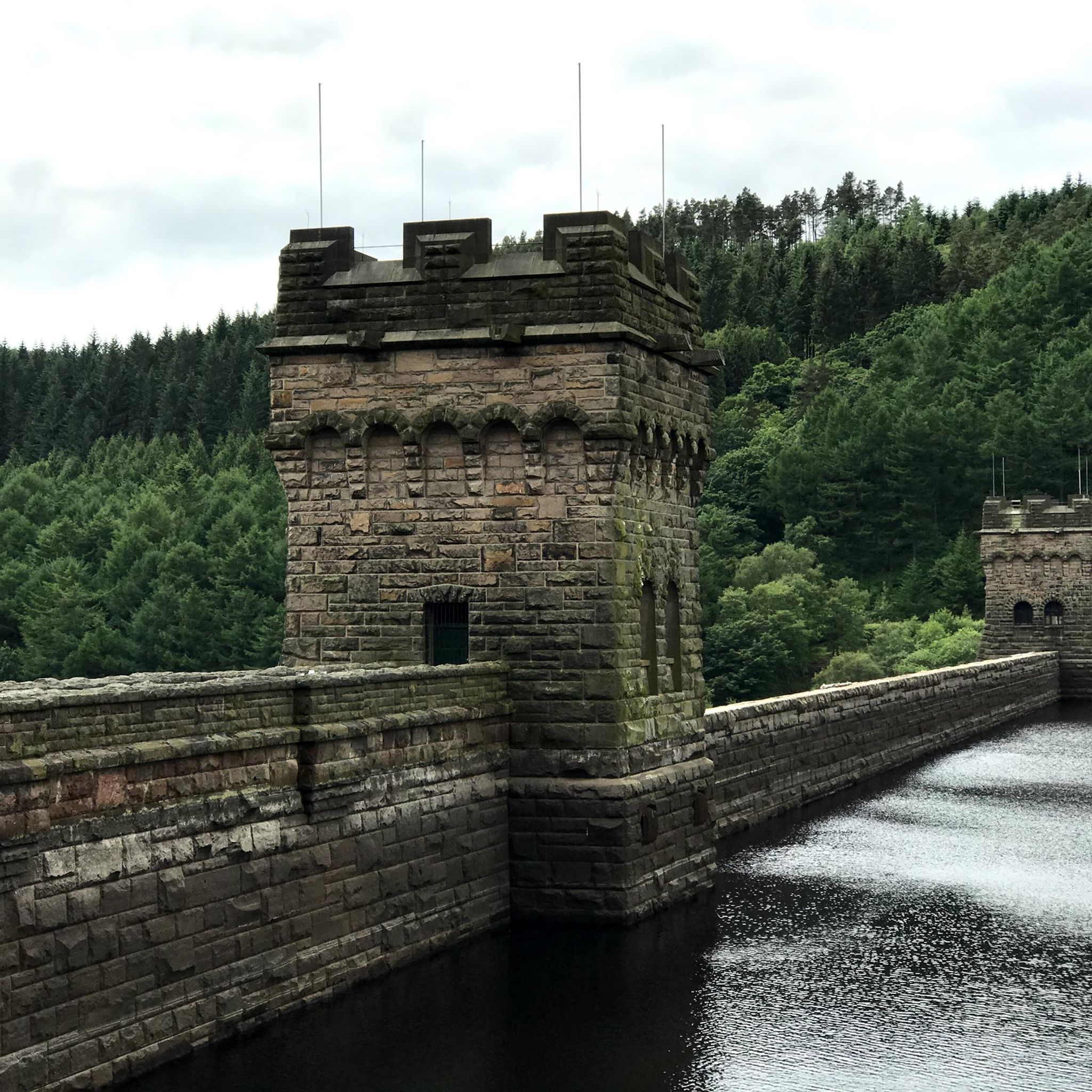
- The most popular attractions is Derwent Dam, a man-made monument set amidst the Upper Derwent Valley. This dam, built in the early 1900s, was used by the RAF's 617 Squadron for practice during World War II due to its resemblance to German dams.
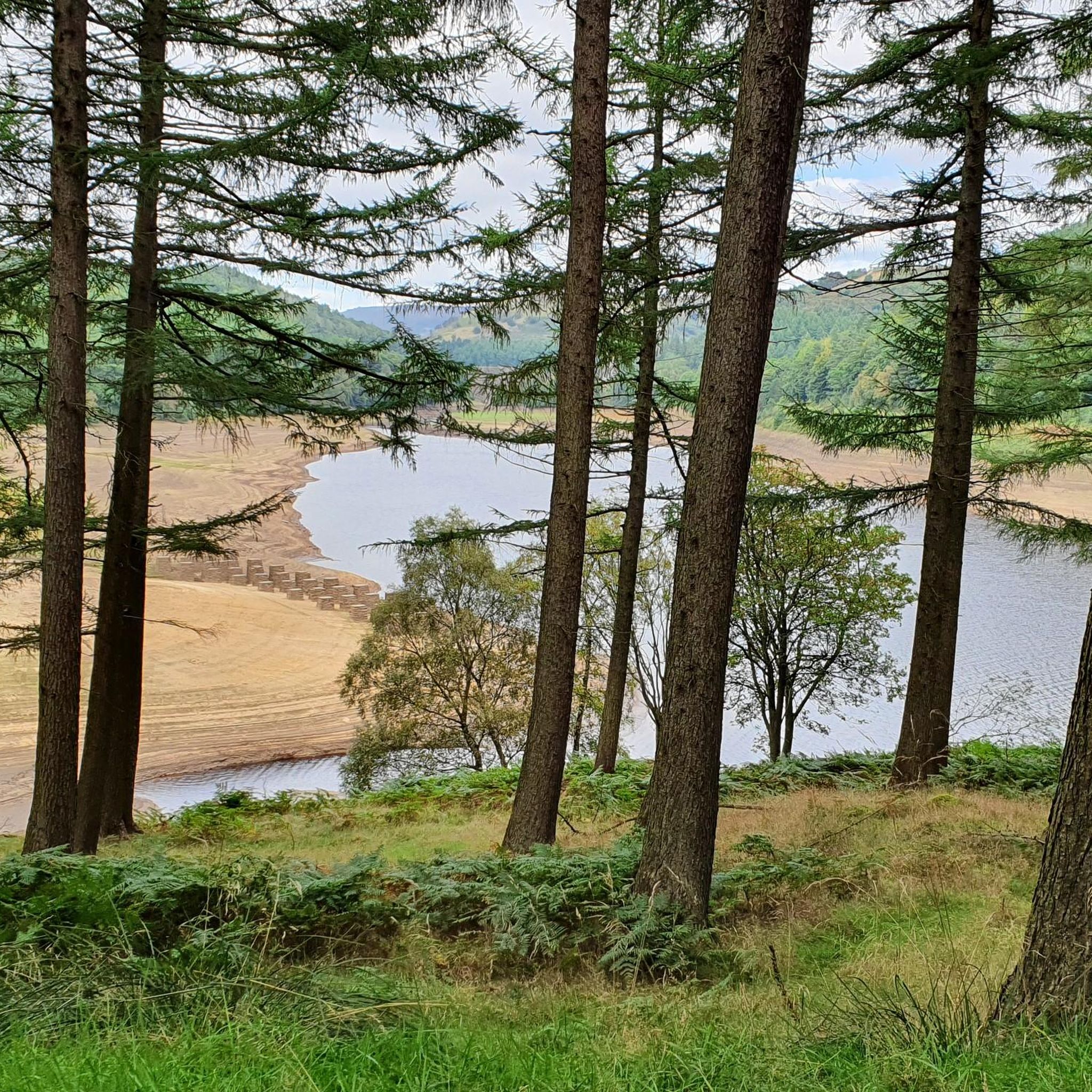
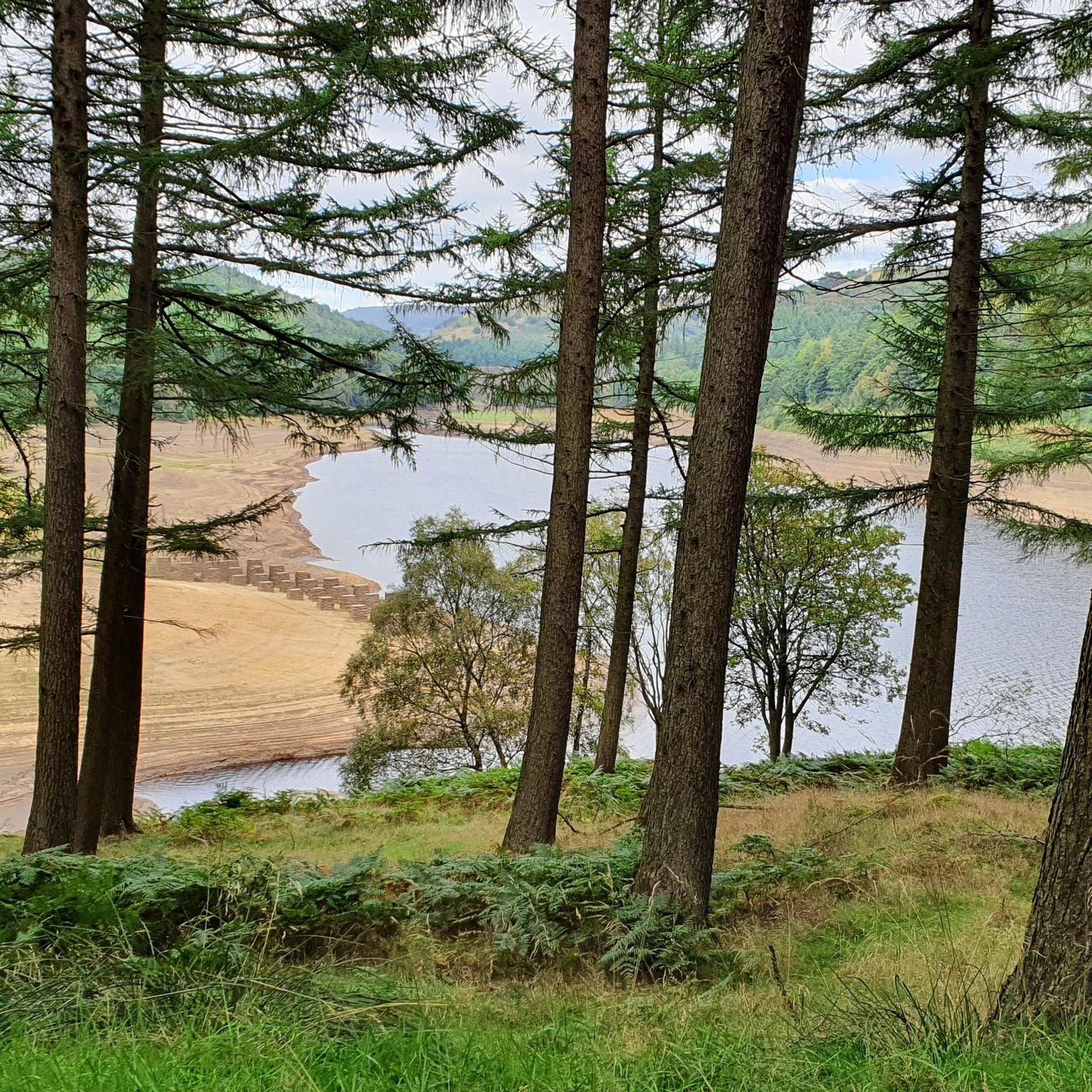
- Another must-see spot is Lockerbrook Descent, a challenging trail. This fast singletrack through the woods offers glimpses of the reservoir and features a loose rocky descent, suitable for experienced riders.
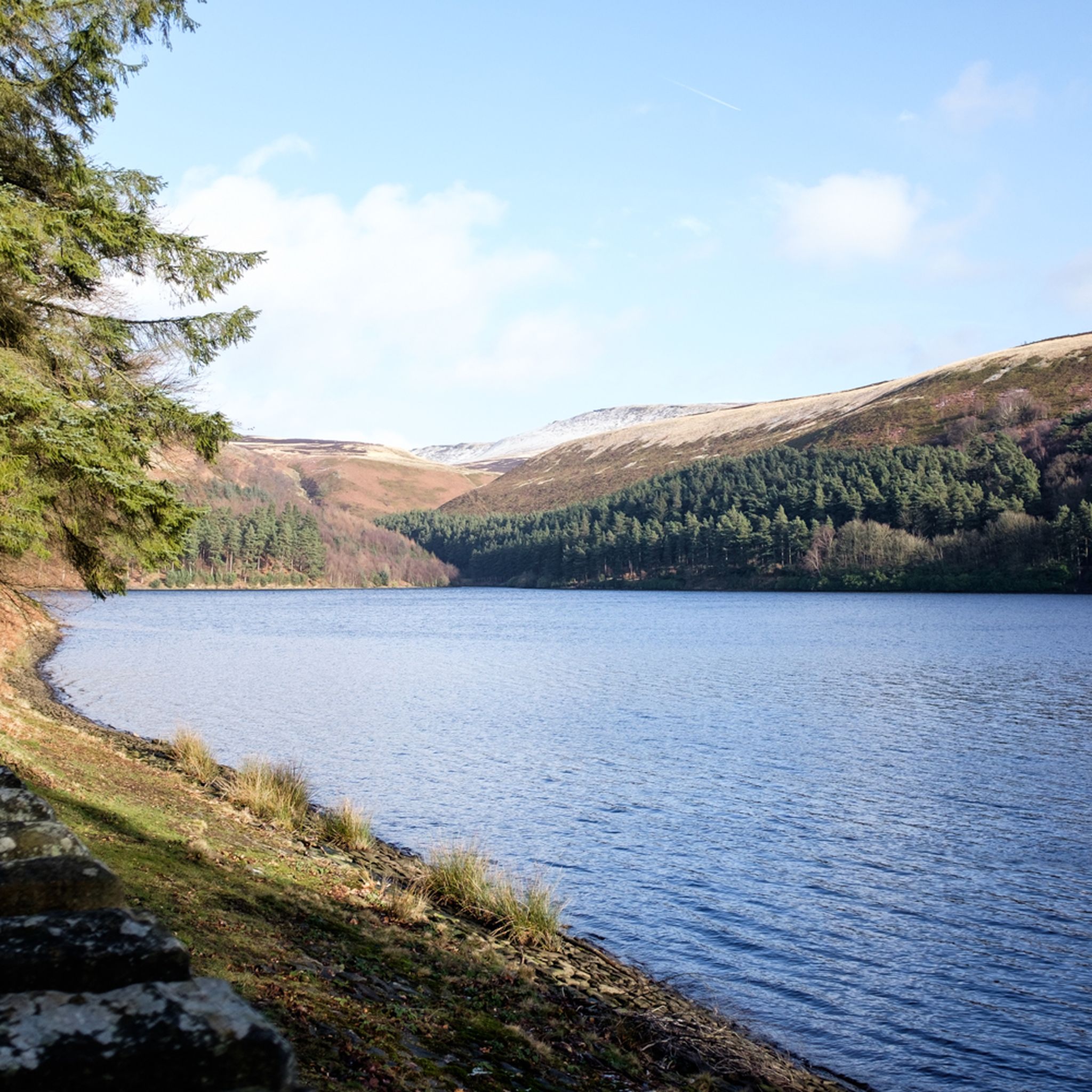
- Visitors also love Derwent and Howden Reservoirs — Gravel Trail, a forest and cycle way. This long stretch of mainly unsurfaced gravel road ascends along the eastern bank of the reservoirs, providing scenic views and a good surface for gravel riding.
- Derwent Reservoir is known for its historical sites, natural features, and extensive walking and cycling trails. The area provides diverse attractions, from significant dams to scenic routes through forests and along reservoir banks.
- The attractions around Derwent Reservoir are appreciated by the komoot community, with more than 530 upvotes and over 290 photos shared by visitors.
Last updated: October 9, 2026
Derwent Dam
Highlight • Monument
During the Second World War, the reservoir was used by pilots to practise for the ‘Dam Busters’ raids, due to its similarity to the lakes and dams of Germany.
Tip by

Lockerbrook Descent
Highlight (Segment) • Trail
Tip by

Sign up now to discover places like this
Get recommendations on the best single tracks, peaks, & plenty of other exciting outdoor places.
Derwent and Howden Reservoirs — Gravel Trail
Highlight (Segment) • Forest
It's undulating but not too challenging (by Peak district standards). For the most part it's a good surface so a great place to try out gravel riding if you're new to it. The bumpiest section is at the northern end just before Slippery Stones.
The whole circuit is lovely but I prefer to climb up the gravel side and go back down on the road, stopping for a cuppa at Fairholmes kiosk.
The surface is fine for touring bikes too.
Tip by

Tin Town Trail and Model
Highlight • Historical Site
Tip by

Tip the Dog Memorial
Highlight • Historical Site
Tip by

Sign up for free to discover even more attractions around Derwent Reservoir.
Already have an account?
Start today with a free account
Your next adventure awaits.


Tips from the Community


Now with a new gate to the lower section, spoils the descent but at least it provides a great view of the Reservoir and a chance for a photo
3
0

Nice little trail for the kids to follow.
0
0
Check before you go as it’s not always overflowing. Lots of beautiful circular walks ranging from 3 miles to 22 miles.
1
0

Approach the base of the Derwent Dam from Fairholmes car park and walk across the open field to get up close and personal with the overflowing torrent of white water. It’s a spectacular sight and the noise is incredible. Feel the mist generated by the cascade on your face. Wonderful viewpoint for photographs!
1
0

Been on this today and it’s an absolute bog. Totally wrecked by the logging contractors. Only a short length at the bottom remains
0
0
Unfortunately the upper part of Lockerbrook is now a fireroad after the completion of the logging works, only the lower section down to the reservoir remains
3
0

Completely spoiled since the Forestry work last year it’s only useful now for access down to the dam.
2
0
Frequently Asked Questions
What historical sites can I explore around Derwent Reservoir?
The area is rich in history. You can visit the iconic Derwent Dam, famous for its role in the 'Dam Busters' training during WWII. Explore the Tin Town Trail and Model, which tells the story of the workers who built the reservoirs. You can also find the Tip the Dog Memorial, commemorating a loyal sheepdog. When water levels are low, you might even spot the remains of the old railway used during the dam's construction or the foundations of the lost villages of Derwent and Ashopton.
Are there any family-friendly activities or attractions near Derwent Reservoir?
Yes, several attractions are suitable for families. The Tin Town Trail and Model offers an engaging historical walk with information boards shaped like small tin houses. The Tip the Dog Memorial is also a touching story for all ages. Additionally, the Derwent Waterside Park provides a play park, walking and cycling routes, and a dedicated 12-acre dog field for off-lead exercise, making it a great spot for families with pets.
What natural features and scenic viewpoints should I look for in the Upper Derwent Valley?
The Upper Derwent Valley offers stunning natural beauty. You can enjoy the expansive views of the Derwent and Howden Reservoirs, which are the largest open water area in the Peak District. Explore gritstone edges, moorland, and forests. Don't miss Derwent Edge, known for its unique rock formations like 'The Cakes of Bread' and 'The Salt Cellar'. Pow Hill Country Park is also a great spot for heathland and wildlife viewing.
What cycling opportunities are available around Derwent Reservoir?
The area is excellent for cycling. The Derwent and Howden Reservoirs — Gravel Trail offers a long stretch of mainly unsurfaced gravel road, perfect for gravel riding with scenic views. Cycle hire is available at the Fairholmes Visitor Centre. For more challenging rides, explore the MTB Trails around Derwent Reservoir, including the fast singletrack of Lockerbrook Descent. There are also numerous Road Cycling Routes in the wider area.
Are there good hiking trails for different difficulty levels?
Yes, the area caters to various hiking abilities. You can enjoy easy circular walks around the reservoirs or opt for longer routes into the surrounding hills. The Derwent and Howden Reservoirs — Gravel Trail is suitable for those new to gravel riding or looking for a less challenging path. For more strenuous hikes, consider the Mountain Hikes around Derwent Reservoir, which include routes to Derwent Edge and Alport Castles, the UK's largest landslip.
Where can I find information and facilities like cafes or toilets?
The Fairholmes Visitor Centre is a central hub providing information about the dam's history, the Dambusters, and local wildlife. It also features a café, toilets, and a shop. Derwent Waterside Park also offers a café and shop, along with other amenities.
What is the best time of year to visit Derwent Reservoir?
The Derwent Reservoir area is beautiful year-round, but each season offers a different experience. Spring and autumn provide pleasant temperatures for walking and cycling, with vibrant foliage or blooming wildflowers. Summer is ideal for longer days and water activities. Winter can be picturesque, especially with snow, but requires appropriate gear for walking. When water levels are high, the Derwent Dam overflows, creating a spectacular waterfall effect, which is a popular sight.
Can I bring my dog to the attractions around Derwent Reservoir?
Yes, the area is generally dog-friendly. Dogs are welcome at Derwent Waterside Park but must be kept on leads in most areas. There is a dedicated 12-acre dog field where they can exercise off-lead. Many walking trails around the reservoirs are also suitable for dogs, provided they are kept under control, especially near livestock or wildlife.
Are there opportunities for water sports or fishing at Derwent Reservoir?
While swimming is generally not allowed in Derwent Reservoir itself, the Derwent Sailing Club is active throughout the year, offering sailing, windsurfing, and open water swimming. Derwent Reservoir is also stocked with trout and roach, providing opportunities for fishing.
What makes the Derwent Dam particularly significant?
The Derwent Dam is significant for its historical role during World War II. It was used by the RAF's 617 Squadron, famously known as the 'Dam Busters,' for practice runs due to its resemblance to German dams. There's a commemorative plaque on the dam dedicated to the squadron. When water levels are high, the dam's overflow creates a stunning cascade, adding to its visual appeal.
What kind of wildlife can I expect to see in the area?
The Derwent Reservoir area is managed for wildlife and offers diverse habitats. Pow Hill Country Park, with its heathland, is home to reptiles like adders, slow worms, and common lizards. Cronkley Heath provides habitat for insects, including the Violet Oil Beetle. Birdwatching is popular, with buzzards, kestrels, and various waterfowl frequently spotted around the reservoirs.
Most popular routes around Derwent Reservoir
Most popular attractions around Derwent Reservoir

Get inspired with the komoot mobile app


Explore more
Still not found the Highlight you’re looking for? See guides of the top attractions in other regions:
