The best mountain hikes around Derwent Reservoir
5.0
(2)
12
hikers
6
hikes
Mountaineering routes around Derwent Reservoir are characterized by the gritstone edges and high moorlands of the Peak District National Park. The landscape features expansive reservoirs, rugged hills, and distinctive rock formations. This area offers opportunities for rock climbing and scrambling on its gritstone escarpments, providing a challenging outdoor experience.
Best mountaineering routes around Derwent Reservoir
- The most popular mountaineering route is Trig point at Win Hill summit – Ladybower Reservoir Overflow loop from Bamford, a 6.1 miles (9.8 km)…
Last updated: September 30, 2026
3
hikers
Moderate mountaineering route. Good fitness required. Easily-accessible paths. Suitable for all skill levels.
11.5km
03:17
280m
280m
Moderate mountaineering route. Good fitness required. Easily-accessible paths. Suitable for all skill levels.

5.0
(1)
3
hikers
18.0km
05:28
550m
560m
Hard mountaineering route. Very good fitness required. Mostly accessible paths. Sure-footedness required.
3
hikers
8.60km
02:53
380m
380m
Moderate mountaineering route. Good fitness required. Mostly accessible paths. Sure-footedness required.
1
hikers
Moderate mountaineering route. Good fitness required. Easily-accessible paths. Suitable for all skill levels.
Our route recommendations are based on thousands of hikes, rides, and runs completed by other people on komoot.
Start today with a free account
Your next adventure awaits.
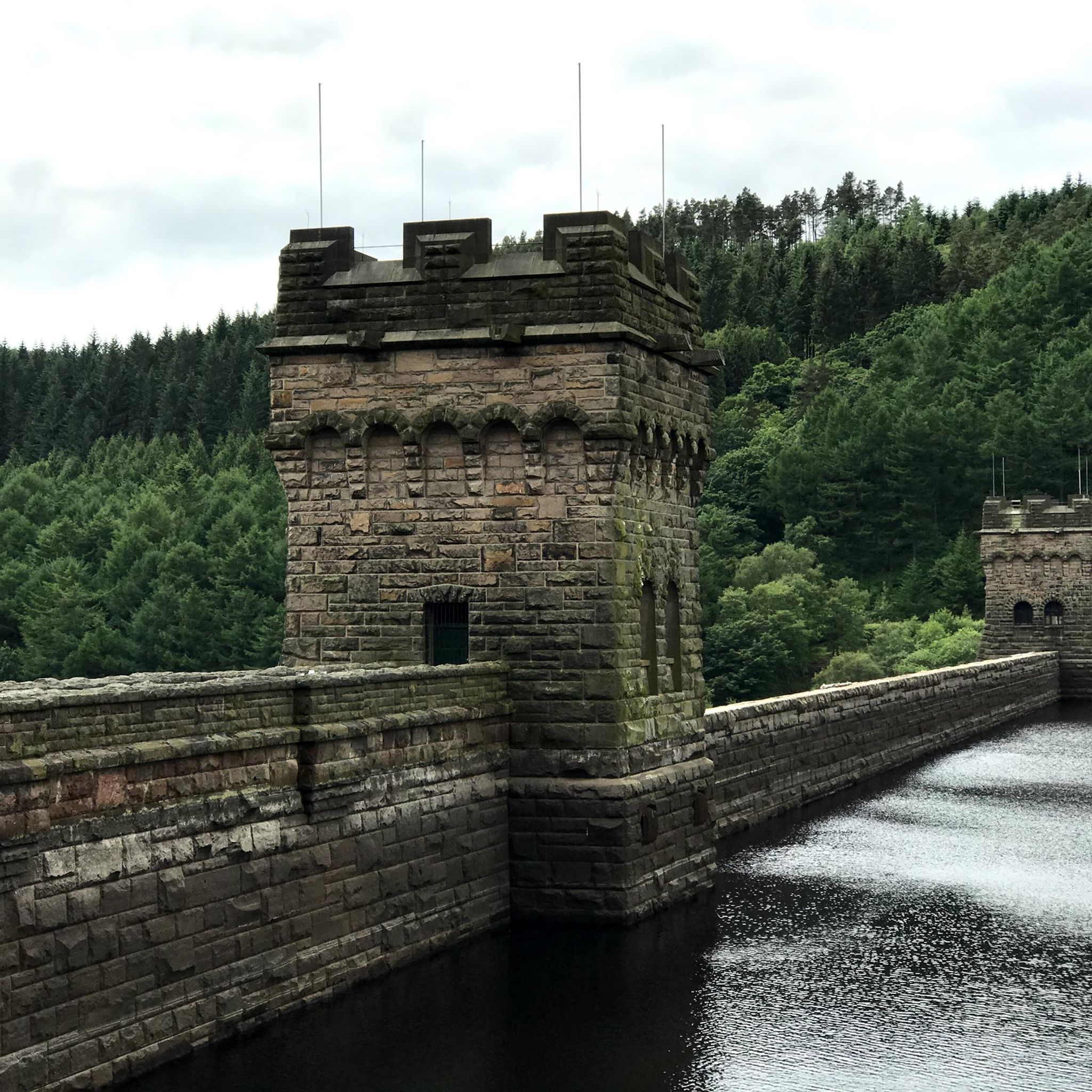
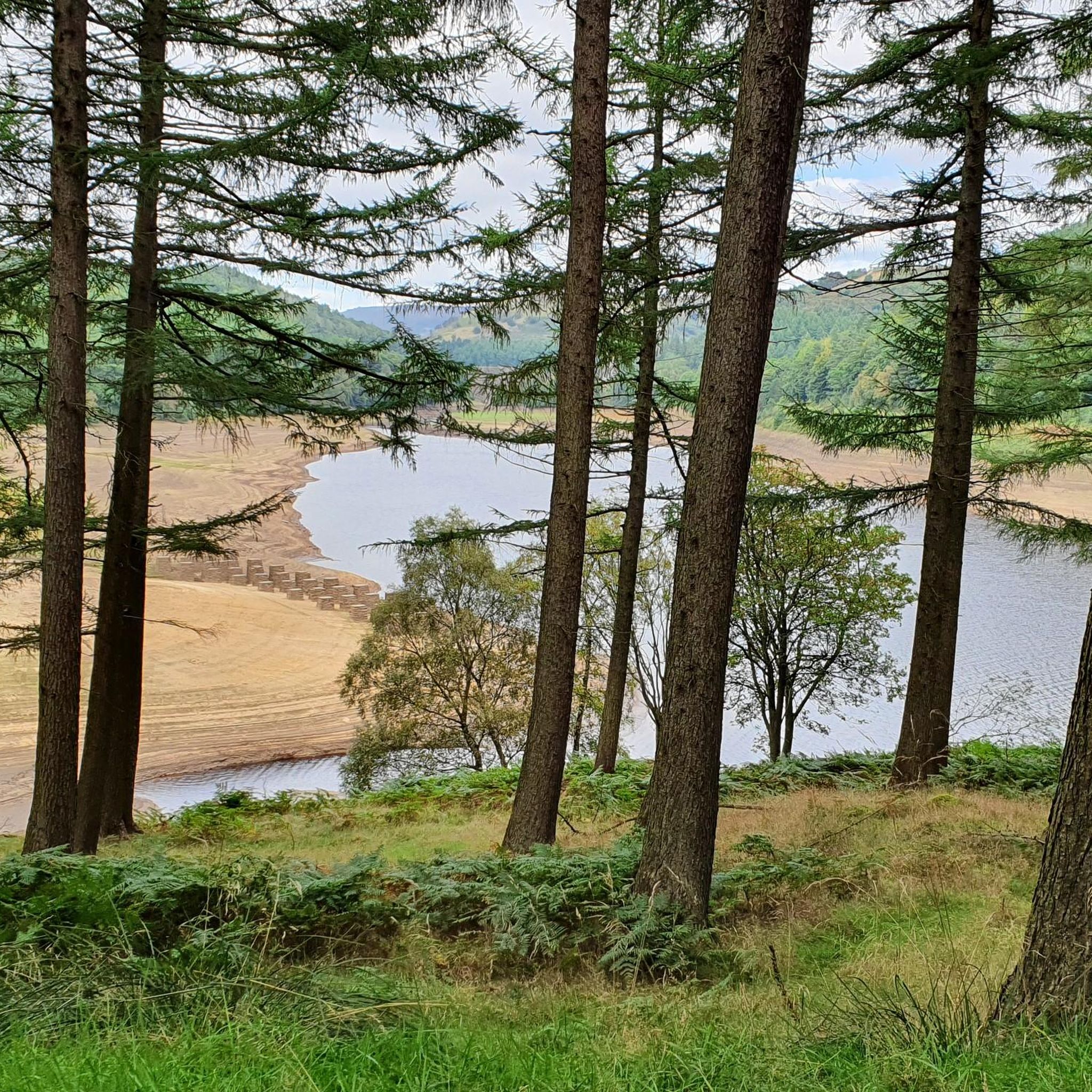
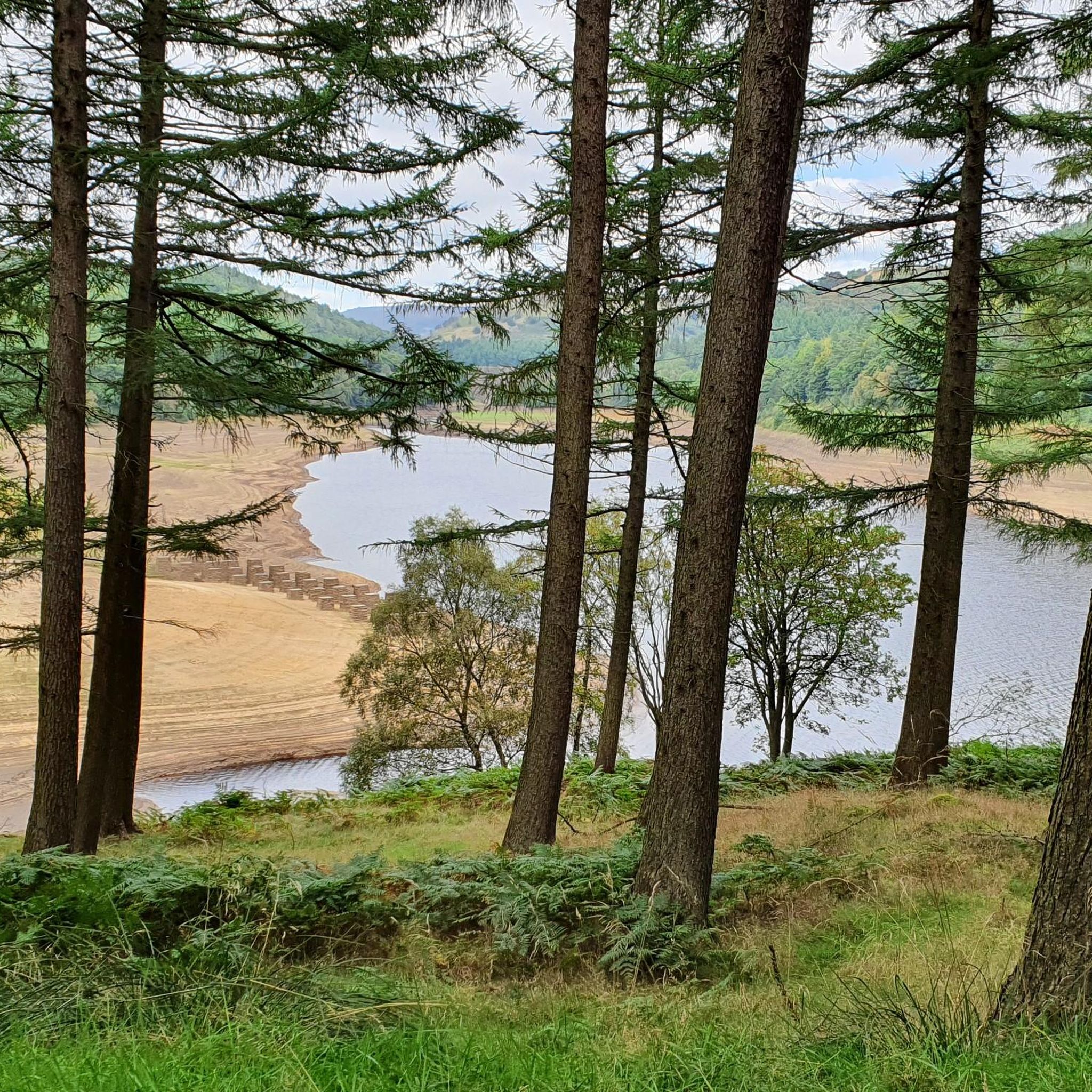
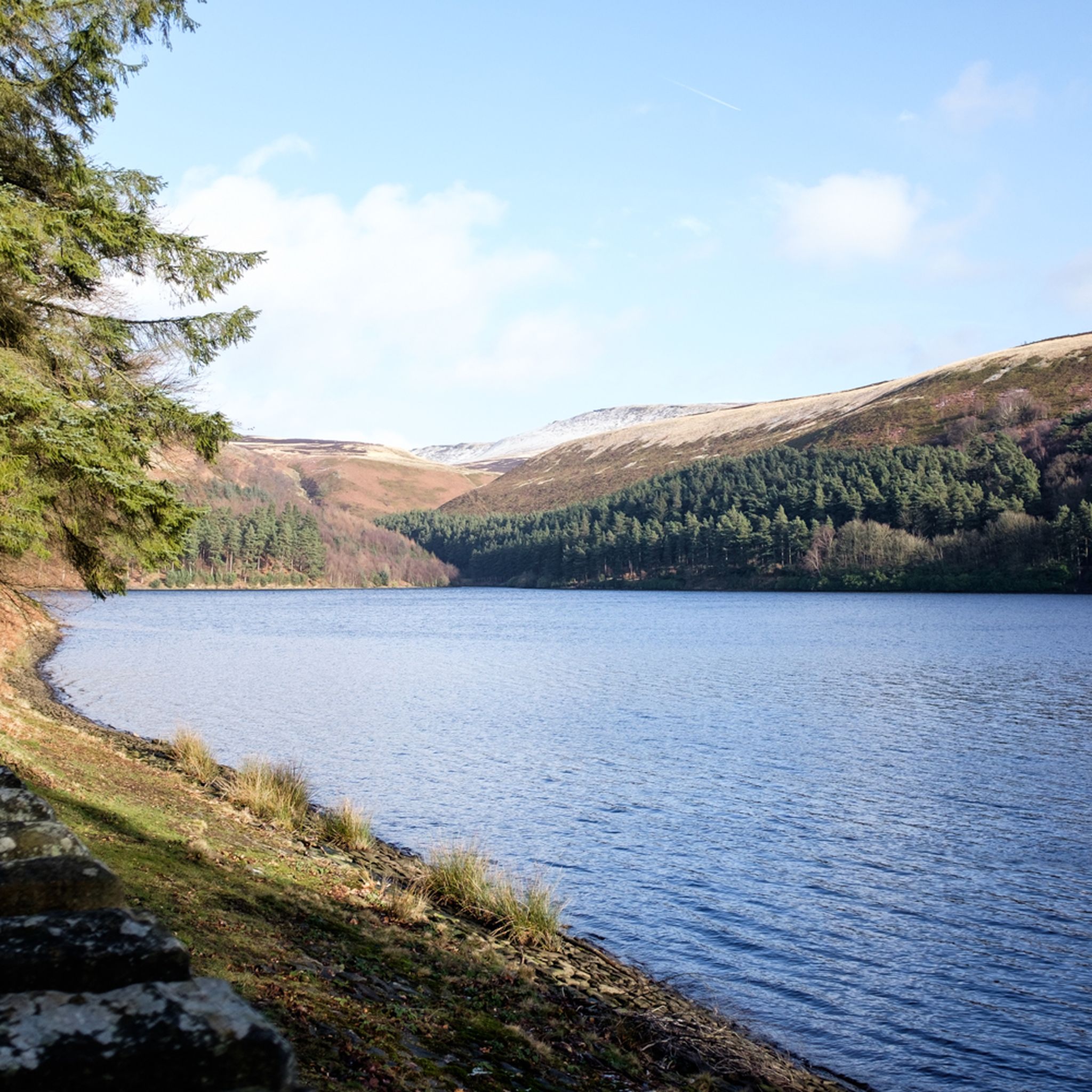

Tips from the Community


The overflow is a great photo motif!
0
0

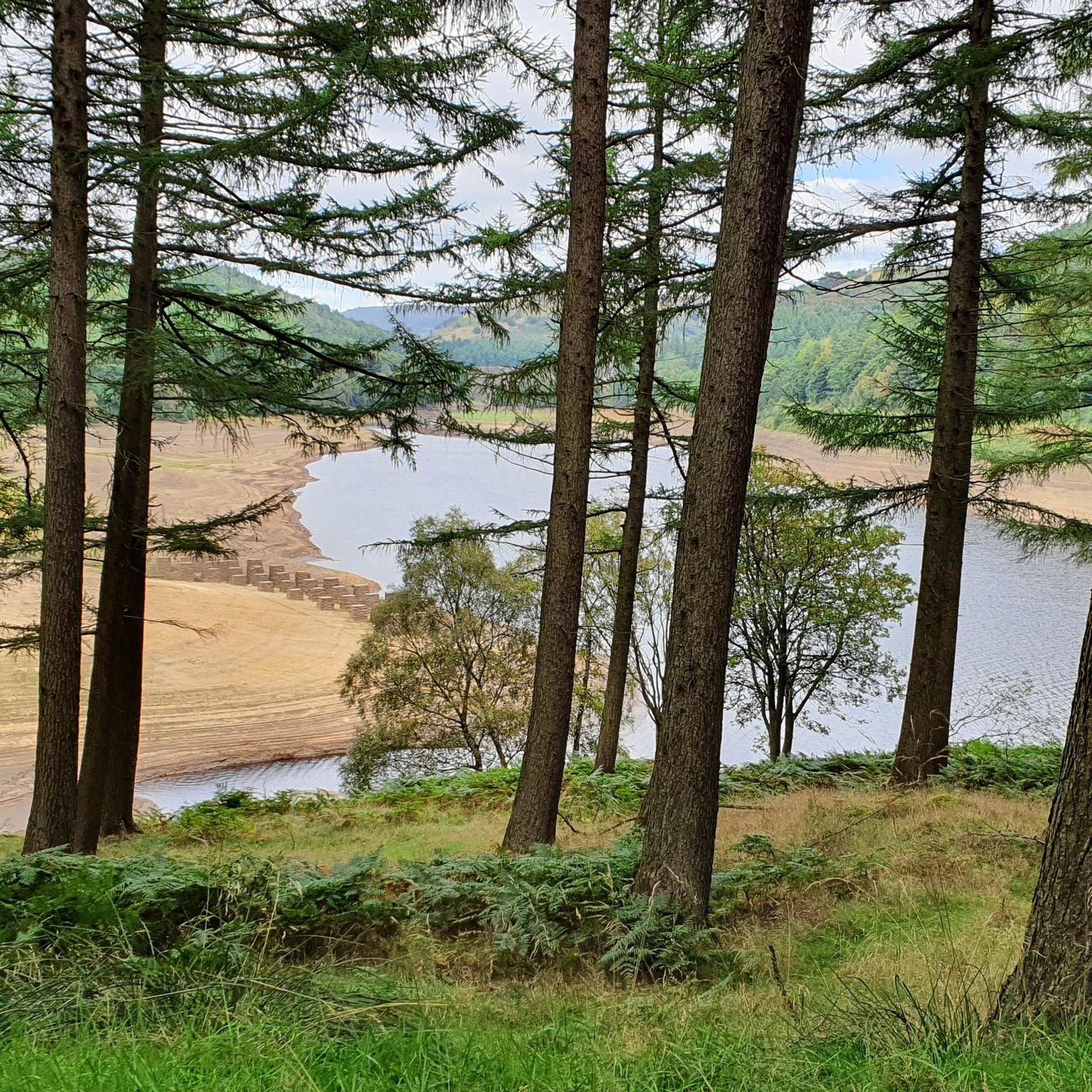
It's impressive, especially when the water level is high and it overflows into these openings.
0
0

Great place to start hikes parking can get busy but plenty of routes to take
0
0


beautiful ikkle spot for a tea break and a picture.
0
0
Frequently Asked Questions
What kind of terrain defines mountaineering routes around Derwent Reservoir?
Mountaineering routes in the Derwent Reservoir area are characterized by the rugged gritstone edges and high moorlands of the Peak District National Park. You'll encounter expansive reservoirs, rolling farmlands, and distinctive rock formations like those found on Derwent Edge, which include the 'Cakes of Bread' and the 'Coach and Horses' tors.
Are there any challenging mountaineering routes for experienced hikers?
Yes, for those seeking a significant challenge, the area offers difficult routes with substantial elevation gain. An example is the Trig point at Win Hill summit – Mam Tor summit and trig point loop from Hope, which covers 14.8 miles (23.8 km) and includes panoramic views from prominent summits. Another demanding option is the Grindslow Knoll Summit – Mam Tor summit and trig point loop from Edale, a 17.9-mile (28.8 km) route.
Can I find circular mountaineering routes near Derwent Reservoir?
Many routes in the area are designed as loops, allowing you to start and finish at the same point. For instance, the Trig point at Win Hill summit – Ladybower Reservoir Overflow loop from Bamford is a moderate 6.1-mile (9.8 km) trail offering views of Ladybower Reservoir. Another popular circular option is the Back Tor Trig Point – Derwent Edge loop from Hallfield, which takes you through the unique landscape of Derwent Edge.
What are some notable landmarks or points of interest I might see on a mountaineering trip?
The area around Derwent Reservoir is rich in natural and historical landmarks. You can encounter the impressive Derwent Dam, famous for its role in WWII training, or explore the Tin Town Trail and Model, which tells the story of the reservoir workers. Natural features like the gritstone tors along Derwent Edge, such as the 'Salt Cellar', also offer unique sights.
How long do mountaineering routes around Derwent Reservoir typically take?
The duration of mountaineering routes varies significantly based on distance, elevation, and your pace. Moderate routes like the Ringing Roger loop from Edale, which is about 5.7 miles (9.2 km), can take around 3 hours. Longer, more difficult routes, such as the 14.8-mile (23.8 km) Trig point at Win Hill summit – Mam Tor summit and trig point loop from Hope, can take over 7 hours to complete.
Is Derwent Reservoir a good place for scrambling or rock climbing?
While not alpine mountaineering, Derwent Reservoir's gritstone edges, particularly Derwent Edge, offer excellent opportunities for scrambling and rock climbing. Dovestone Tor alone features approximately 50 climbing routes, ranging from difficult to extremely severe. The 'Wheel Stones' also provide options for exploratory scrambling, making it a popular spot for those seeking technical challenges.
What do other mountaineers say about the routes in Derwent Reservoir?
The mountaineering routes around Derwent Reservoir are highly regarded by the komoot community, holding an average rating of 5.0 stars. Users often praise the diverse terrain, from challenging gritstone escarpments to scenic reservoir views, and the opportunities for both strenuous climbs and rewarding panoramic vistas.
Are there any easy or beginner-friendly mountaineering routes?
Yes, while many routes offer significant challenges, there are options suitable for those new to mountaineering or looking for a less strenuous experience. The area provides a range of difficulties, including moderate ascents that can serve as a good introduction to the region's unique landscape without requiring advanced technical skills.
What is the best time of year for mountaineering around Derwent Reservoir?
The Peak District, where Derwent Reservoir is located, offers year-round opportunities for outdoor activities. Spring and autumn provide pleasant temperatures and vibrant landscapes, while summer allows for longer daylight hours. Winter mountaineering is possible but can be more challenging due to potentially wet or icy conditions on gritstone escarpments, requiring appropriate gear and experience.
Are there any facilities like cafes or visitor centers near the mountaineering routes?
Yes, the Fairholmes Visitor Centre, located near Derwent Reservoir, provides essential facilities including toilets, a café, and cycle hire. There are also picnic areas available at various spots around the reservoir, offering convenient stops before or after your mountaineering adventure.
Can I combine mountaineering with other activities in the area?
Absolutely. Beyond mountaineering, the Derwent Reservoir area is excellent for walking, hiking, and cycling, with extensive multi-user trails. The deep waters of the reservoir are also suitable for paddleboarding, and you can explore historical sites like the Tip the Dog Memorial or the Derwent and Howden Reservoirs — Gravel Trail.
Most popular routes around Derwent Reservoir
Most popular attractions around Derwent Reservoir

Get inspired with the komoot mobile app


Explore more
Browse the best Mountain Hikes & Routes in other regions.
