Attractions and Places To See around Pantà de Sau - Top 7
Attractions and places to see around Pantà de Sau include a diverse range of landmarks, natural features, and cultural sites. This reservoir, located in the Osona region of Catalonia, is an ideal destination for nature lovers and history enthusiasts. The area is characterized by its serene waters, impressive cliffs, and rich historical architecture. It offers numerous opportunities for exploration and outdoor activities.
Best attractions and places to see around Pantà de Sau
- The most popular attractions is Church of Sant…
Last updated: August 17, 2026
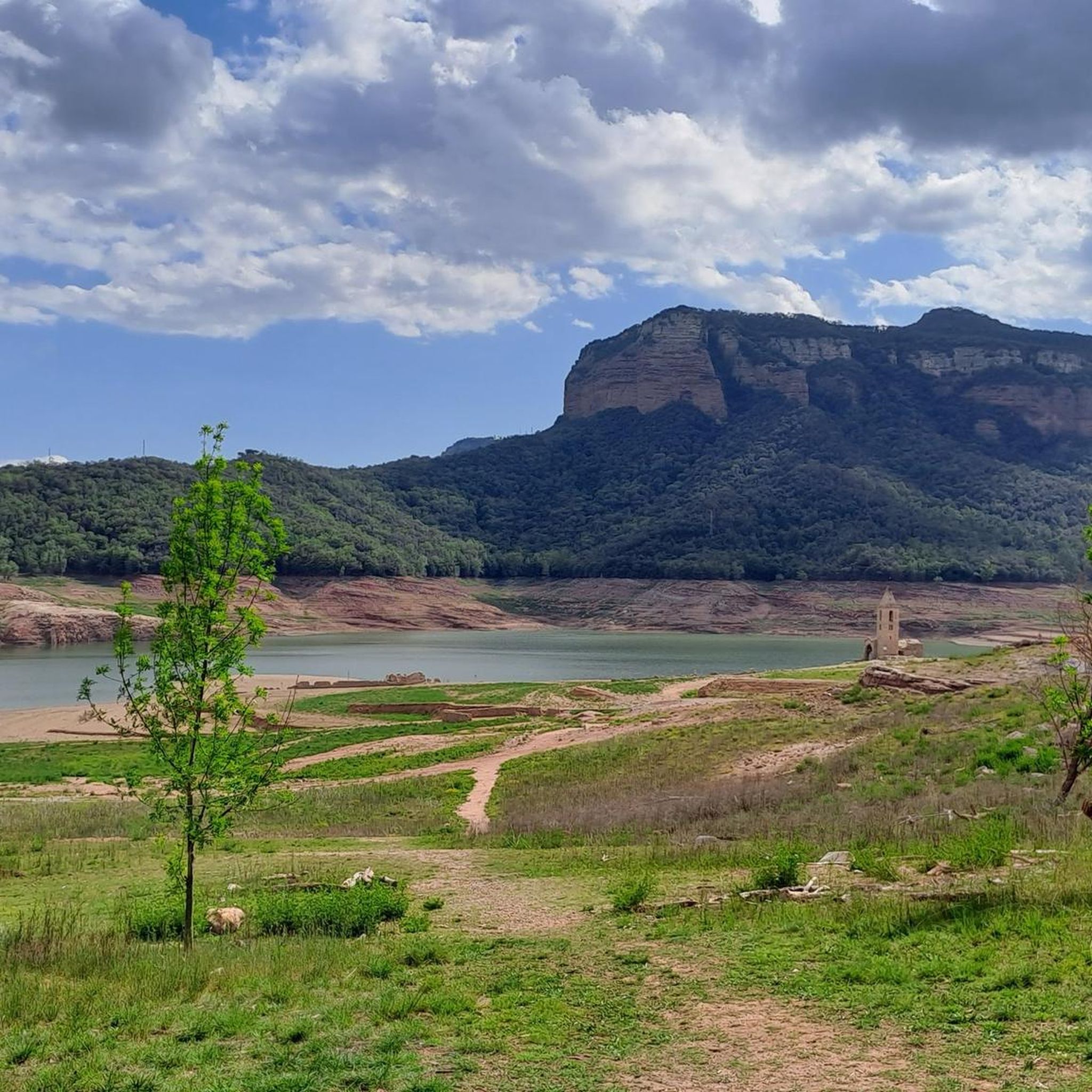
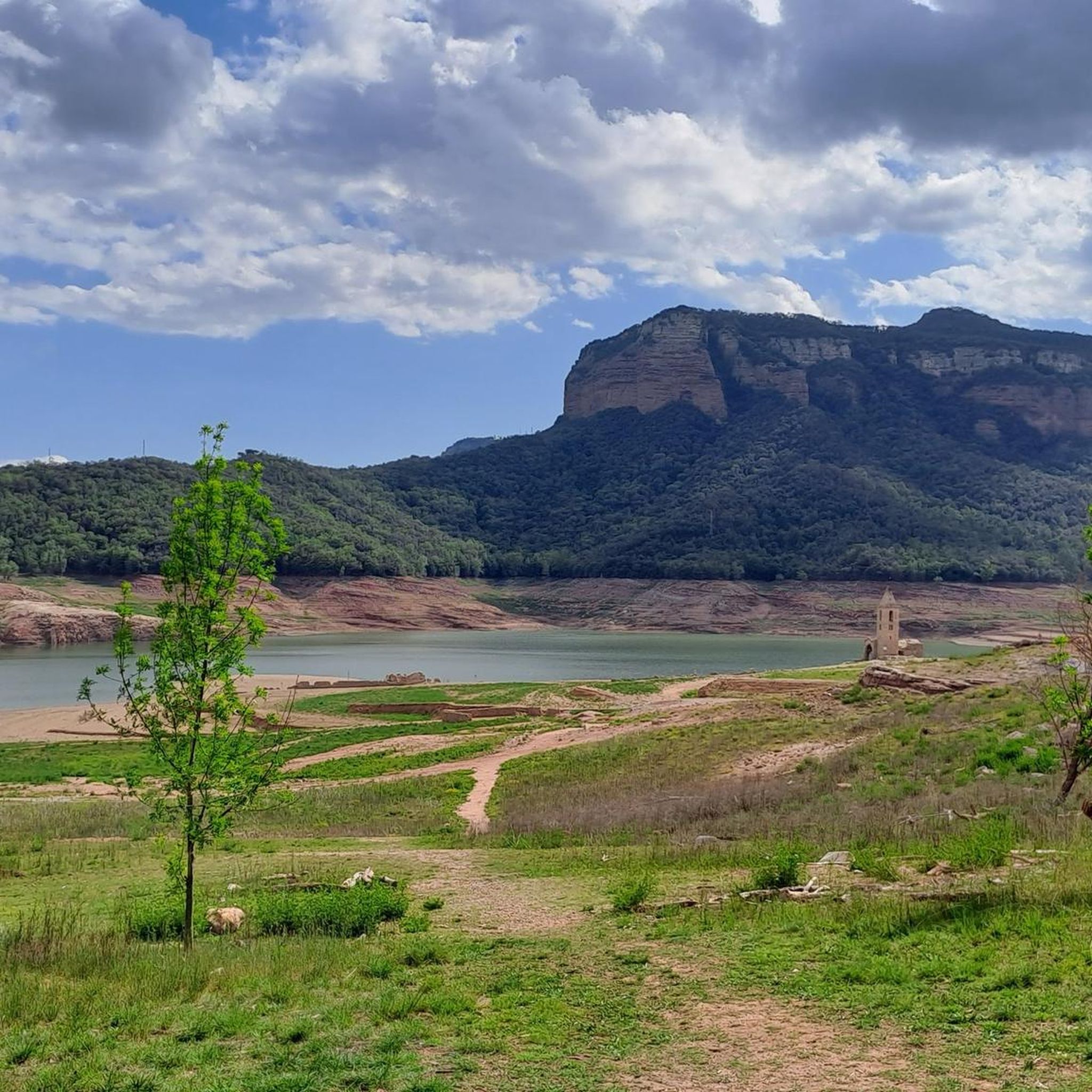
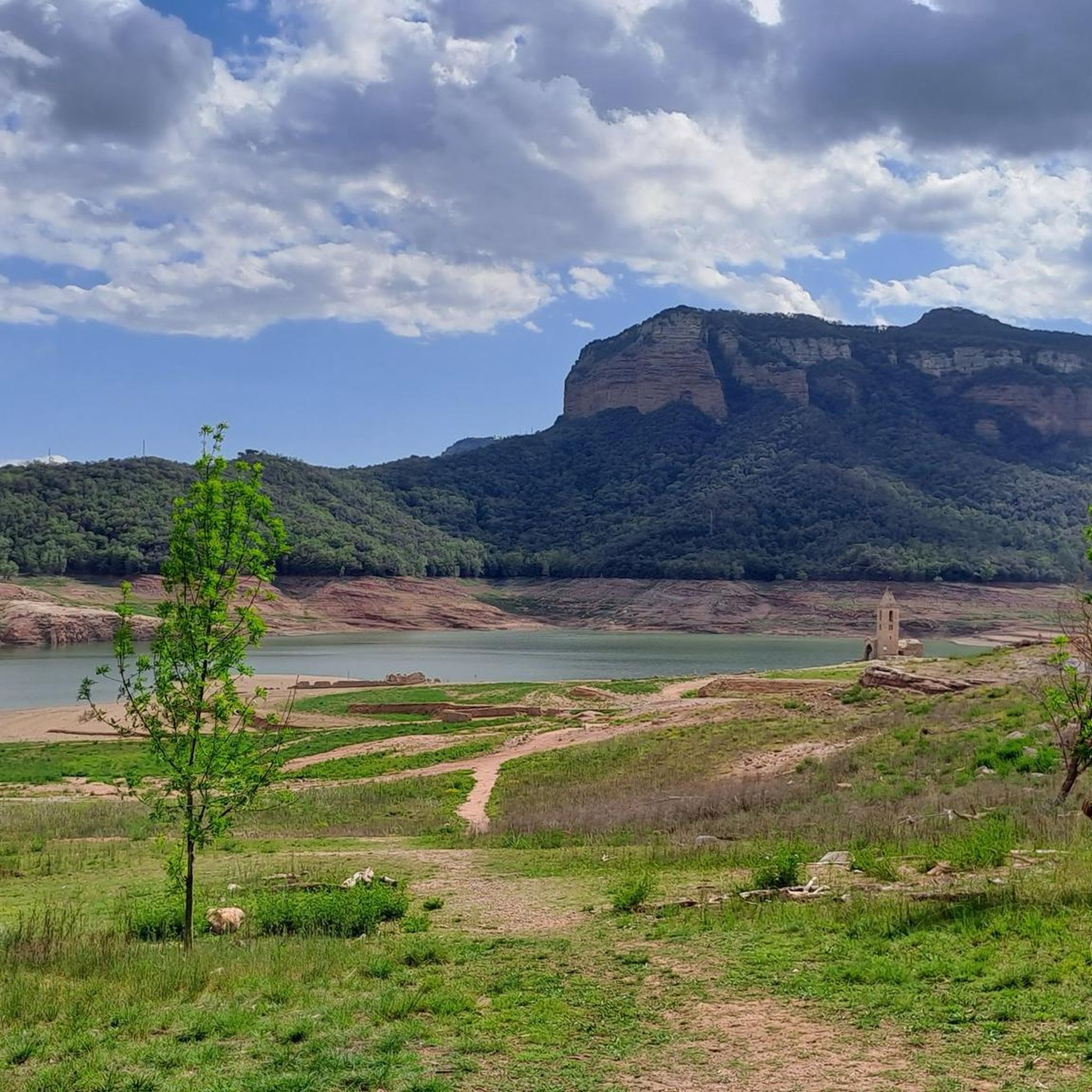
Church of Sant Romà de Sau (Submerged Bell Tower)
Highlight • Religious Site
Translated by Google •
Tip by

Sau Dam
Highlight • Lake
Translated by Google •
Tip by
Sign up now to discover places like this
Get recommendations on the best single tracks, peaks, & plenty of other exciting outdoor places.
Sign up for free
Monastery of Sant Pere de Casserres
Highlight • Religious Site
Translated by Google •
Tip by

View towards the Monastery
Highlight • Viewpoint
Translated by Google •
Tip by

Playa de la Rovira
Highlight • Beach
Translated by Google •
Tip by
Sign up for free to discover even more attractions around Pantà de Sau.
Sign up for free
Already have an account?
Start today with a free account
Your next adventure awaits.
Login or Signup

Tips from the Community

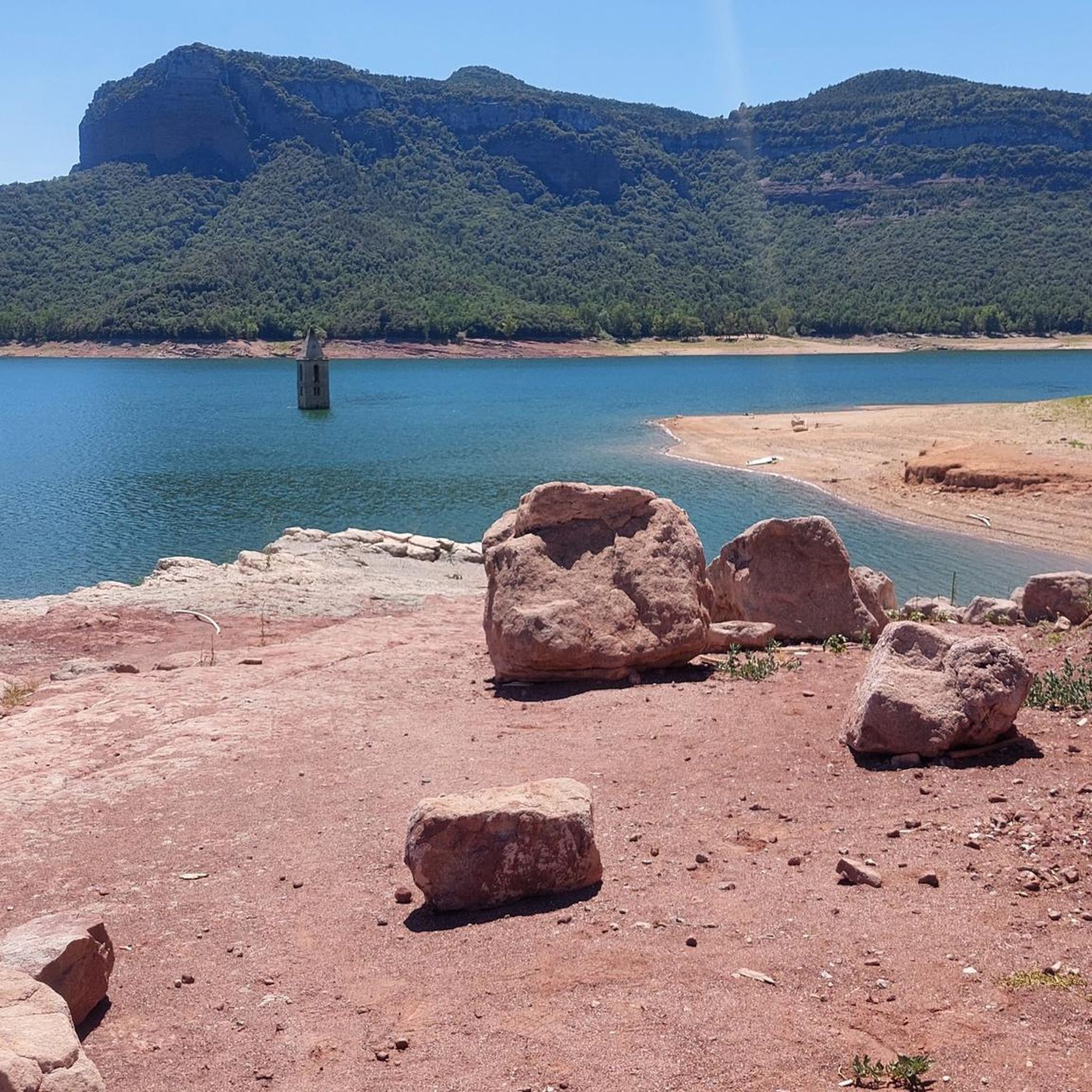
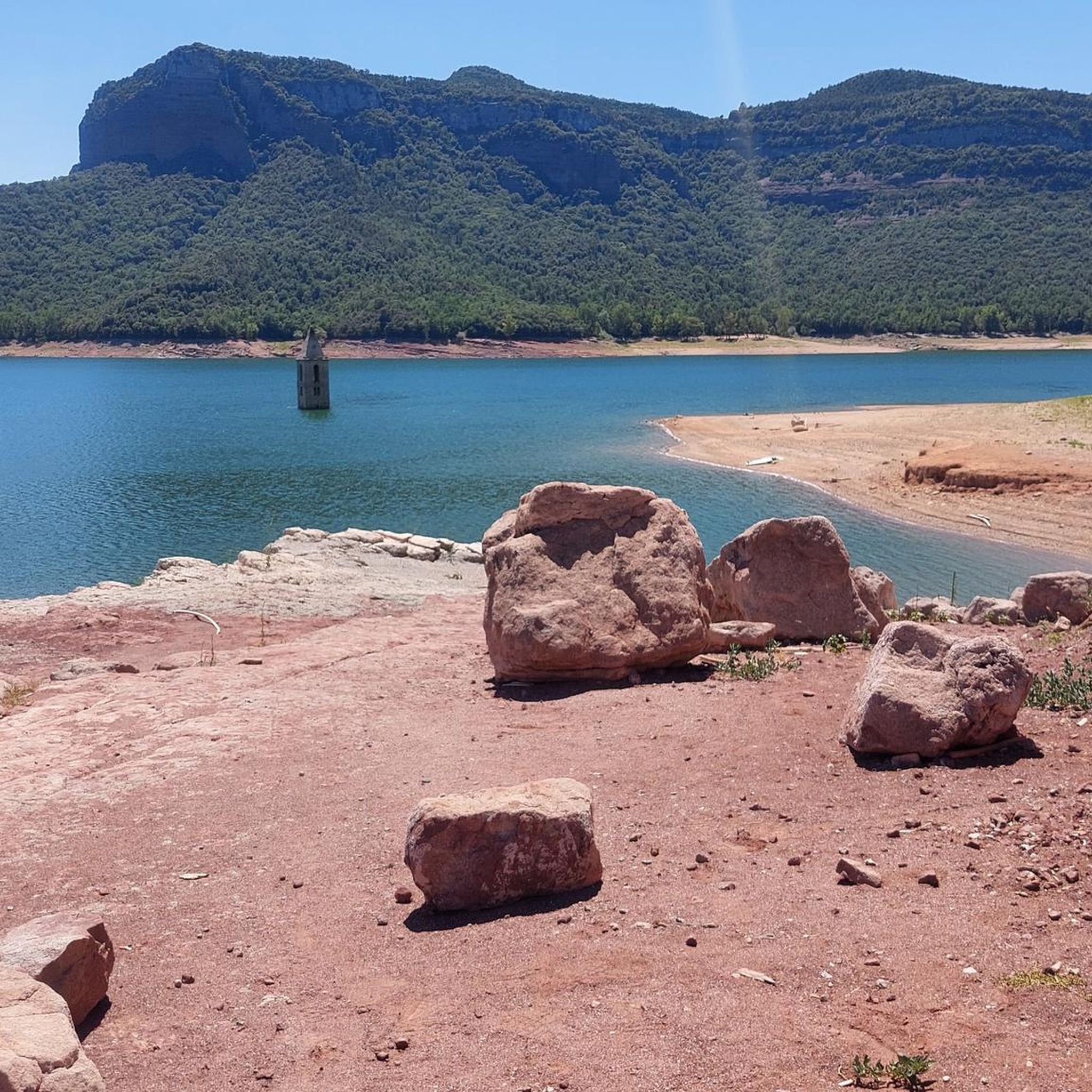
Sau Dam Tip for Bikepackers When riding near the Pantà de Sau (Sau Reservoir), don’t miss stopping at the Sau Dam viewpoint. It’s a spectacular spot to catch your breath and take in the sweeping views of the turquoise reservoir framed by steep cliffs and lush forests. 🌊 If water levels are low, you might even spot the famous submerged bell tower of the old village of Sant Romà de Sau poking out of the water — a haunting and iconic sight that adds a unique story to your ride. 🛑 Keep in mind the area around the dam can be a bit steep and technical on gravel roads, so take it easy if you’re loaded up. 💡 Pro tip: Early morning or late afternoon light here is magical for photos and gives you cooler temperatures for climbing or descending.
1
0

A great place even if the reason why this village reappears after 60 years is more than sad. Water shortage in Catalonia.
2
0
Amazing views of the Del Ter ravine
3
0

La Rovira beach is located in the Sau reservoir, where the vestiges of the villages that were flooded to create the reservoir still remain. From this beach there are fantastic views of the spectacular cliffs that surround the swamp.
1
1
The monastery of Sant Pere de Casserres is one of the greatest jewels of the Catalan Romanesque. This Benedictine monastery was built in the 11th century and fully restored in the 20th century. In addition to being able to admire its beautiful church and cloister, the monastery houses a permanent exhibition on what life was like for the monks in this place. In addition to its architectural interest, the monastery of Sant Pere de Casserres stands out for its magical setting, in a pronounced meander of the River Ter next to the Sau reservoir.
2
2

Is it gravel compatible?
1
1

Change in the location of the box office to access the Monastery of Sant Pere de Casserres, currently tickets must be purchased in the Monastery's service building. Entrance tickets will be sold up to 30 minutes before closing time. Visites guiades per a grups d’un mínim de 8 persones i un màxim de 35 en català, castellà, francès, anglès, alemany i italià. Advance reservations must be made by phone on 937 447 118 or by email at monestirdecasserres@ccosona.cat. Non-holiday Mondays (if Monday is a holiday the monastery will remain open and close on Tuesday), December 25 and 26 and January 1. From March to December, guided tours will be held on Sundays. HOLIDAYS From January 6 to 31. 01/06 to 30/09 From 10.00 a.m. to 7.30 p.m. 01/10 to 31/05 From 10.00 a.m. to 5.30 p.m.
2
1

The Sau reservoir is a Spanish hydraulic infrastructure built on the Ter river, located in the municipality of Vilanova de Sau, at the foot of the Guilleries massif, in the Osona region, province of Barcelona, Catalonia. It is part of a system of three reservoirs, together with those of Susqueda and Pasteral, which joins the counties of Osona and La Selva. The reservoir, inaugurated in 1962, covered the town of San Román de Sau, the remains of which, especially the bell tower of the temple, are visible when the water level is low and, even in times of prolonged drought, the town is left to the discovered and it is possible to visit it. The church of the Sau swamp is registered as the oldest in the world that is preserved standing in the water. This is confirmed by a study promoted by the international entity for world record records Official World Record with the collaboration of a research group from the University of Barcelona in the year 2021.
10
0
Frequently Asked Questions
What unique historical sites can I explore around Pantà de Sau?
The most iconic historical site is the Church of Sant Romà de Sau (Submerged Bell Tower). This bell tower is often visible when water levels are low, revealing parts of the submerged village of Sant Romà de Sau. It's recognized as the oldest church in the world to remain standing in water. Another significant site is the Monastery of Sant Pere de Casserres, an 11th-century Benedictine monastery perched on a peninsula above the reservoir, offering a glimpse into monastic life.
Where can I find the best panoramic views of the reservoir and surrounding landscape?
For breathtaking vistas, head to the View of the Cingles de Tavertet from Sau Reservoir. These impressive cliffs provide a stunning backdrop to the reservoir and mountains. The picturesque village of Tavertet, perched on the cliffs of Collsacabra, also offers some of the best views of Pantà de Sau and the Montseny region.
Are there opportunities for hiking or cycling near the attractions?
Yes, the area around Pantà de Sau is excellent for outdoor activities. You'll find numerous hiking trails, including routes leading to the Monastery of Sant Pere de Casserres. For more options, explore the Waterfall hikes around Pantà de Sau or the MTB Trails around Pantà de Sau for cycling adventures.
What natural features, besides the reservoir, are worth visiting?
Beyond the reservoir itself, the impressive Cingles de Tavertet cliffs offer stunning panoramic views. The Les Guilleries Massif provides wild landscapes and numerous hiking opportunities. You can also discover natural highlights like El Salto del Molí Bernat, a refreshing waterfall, and El Pont de Malafogassa, a tranquil stone bridge perfect for a relaxing stop or a swim.
What impact do water levels have on visiting the Church of Sant Romà de Sau?
The visibility of the Church of Sant Romà de Sau (Submerged Bell Tower) is directly affected by the reservoir's water levels. During periods of low water, the bell tower, and sometimes even the entire submerged village, becomes visible and can be visited. In times of higher water, only the very tip of the bell tower might be seen, or it may be completely submerged.
Are there any family-friendly activities or easy walks around Pantà de Sau?
The area offers various options for families. Gentle lakeside strolls are available, and you can enjoy picnics at tranquil spots like El Pont de Malafogassa. While specific 'family-friendly' highlights aren't listed, the natural beauty and open spaces provide a great setting for outdoor enjoyment. For easy walks, consider routes like the 'View of the Ter River loop from Sant Pere de Casserres' which is rated as easy.
Where can I find information about running trails in the area?
If you're interested in running, there are several trails available. You can explore options like the 'Tavertet Viewpoint loop from Mas la Riba' or the 'View of the Sau Reservoir – Puig del Far loop from Pantà de Sau'. More detailed information and routes can be found in the Running Trails around Pantà de Sau guide.
What is the Sau Dam and is it worth visiting?
The Sau Dam is an important hydraulic infrastructure on the Ter river. It offers spectacular views of the turquoise reservoir, framed by steep cliffs and lush forests. It's a great spot to pause and take in the scenery, and if water levels are low, you might even catch a glimpse of the submerged bell tower from there.
What kind of wildlife can I expect to see around Pantà de Sau?
The diverse natural environment of Pantà de Sau, including the reservoir, forests, and cliffs, supports a variety of wildlife. While specific species aren't detailed, the area is part of a rich ecosystem. Keep an eye out for local bird species, and you might spot various mammals in the surrounding woodlands, especially in the wild landscapes of the Les Guilleries Massif.
Are there any picturesque villages nearby that offer good views or a starting point for exploration?
Yes, Vilanova de Sau serves as a convenient starting point for exploring the Pantà de Sau area. Additionally, Tavertet is a picturesque village perched on the cliffs of Collsacabra, offering some of the best views of the reservoir and the Montseny region. Its well-preserved rural architecture and historical streets make it worth exploring, and many hiking routes start from or pass through it.
What do visitors enjoy most about the attractions around Pantà de Sau?
Visitors particularly appreciate the unique blend of history and nature. The haunting sight of the Submerged Bell Tower, the serene beauty of the reservoir, and the impressive panoramic views from spots like the Cingles de Tavertet are frequently highlighted. The historical significance of the Monastery of Sant Pere de Casserres in its magical setting is also a community favorite.
Most popular routes around Pantà de Sau
Most popular attractions around Pantà de Sau

Get inspired with the komoot mobile app


Explore more
Still not found the Highlight you’re looking for? See guides of the top attractions in other regions:
