Attractions and Places To See around Embalse de la Serena - Top 4
Attractions and places to see around Embalse de la Serena include the largest reservoir in Spain, known for its vast expanse and ecological significance. Located in the province of Badajoz, Extremadura, this region is part of the La Siberia Biosphere Reserve and a Special Protection Area for Birds. The area features diverse natural landscapes, impressive hydraulic infrastructure, and distinctive geological formations. It offers a range of points of interest for those exploring its natural and cultural heritage.
Best attractions and…
Last updated: July 1, 2026
La Serena Reservoir and Masatrigo Hill
Highlight • Lake
Translated by Google •
Tip by

La Serena Dam
Highlight • Monument
Location: Zújar River, in the region of La Serena …
Translated by Google •
Tip by
Sign up now to discover places like this
Get recommendations on the best single tracks, peaks, & plenty of other exciting outdoor places.
Sign up for free
Masatrigo Mountain and La Serena Reservoir
Highlight • Lake
Translated by Google •
Tip by

Zújar River – border between Andalusia and Extremadura
Highlight • River
Translated by Google •
Tip by

Start today with a free account
Your next adventure awaits.
Login or Signup



Tips from the Community

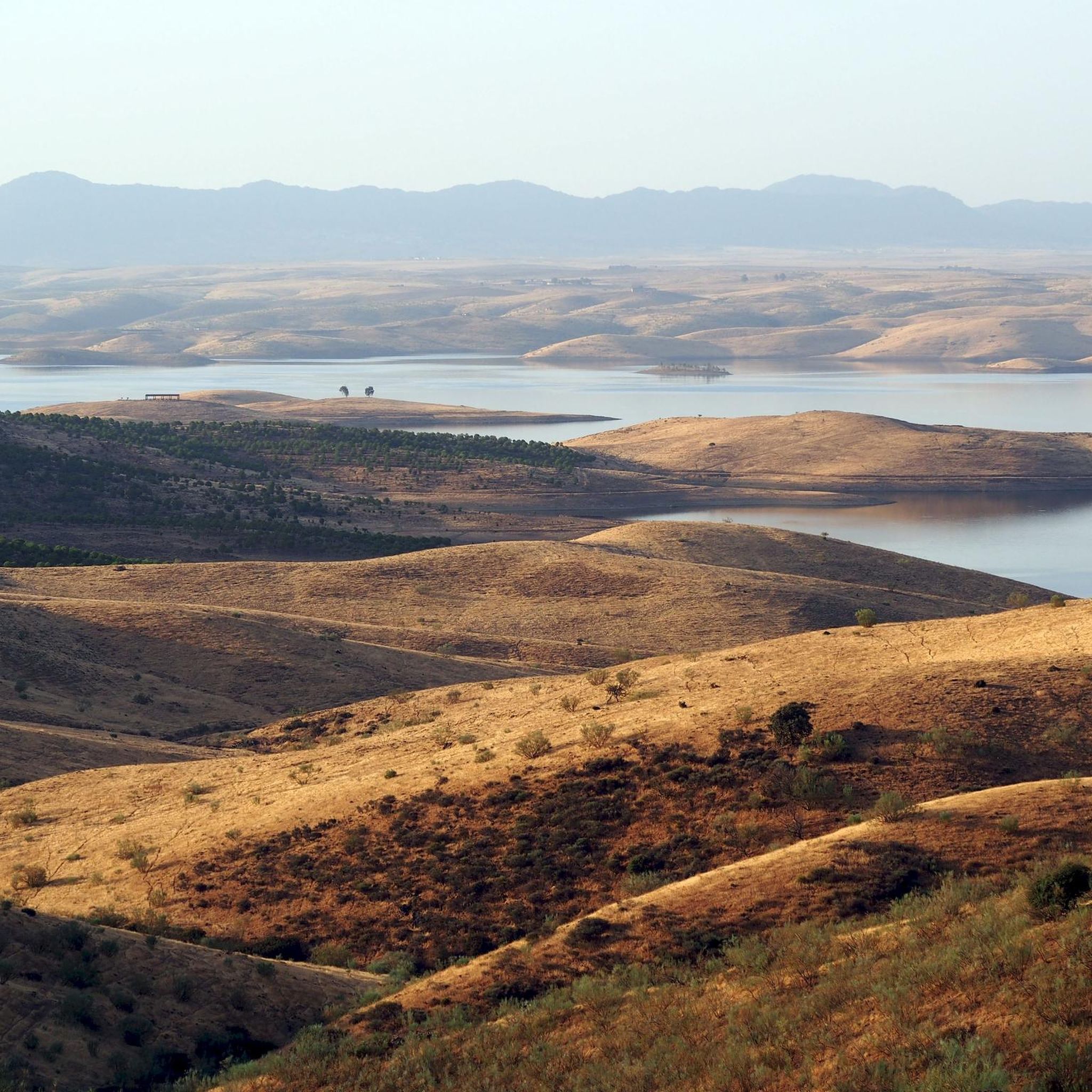
Cerro Masatrigo is a hill located in the municipality of Esparragosa de Lares. This hill is known for its almost perfect conical shape, which has earned it the nickname "the magic mountain." It rises 501 meters above sea level and 161 meters above the surrounding terrain. After the construction of the La Serena Dam, Cerro Masatrigo became a peninsula surrounded by the waters of the reservoir.
6
0
The La Serena Dam, located in the province of Badajoz (Extremadura), is one of the most impressive hydraulic infrastructures in Europe. Location: Zújar River, in the region of La Serena It is part of the La Siberia Biosphere Reserve. It houses inland islands such as Cerro Masatrigo, considered a "magic mountain" for its perfect conical shape. A SPA (Special Protection Area for Birds), ideal for watching aquatic birds and birds of prey.
6
0

The La Serena reservoir is located in the province of Badajoz on the Zújar river. This reservoir is the second largest body of water in the Iberian Peninsula (after the Alqueva reservoir in Portugal), and one of the largest in Europe.
0
1

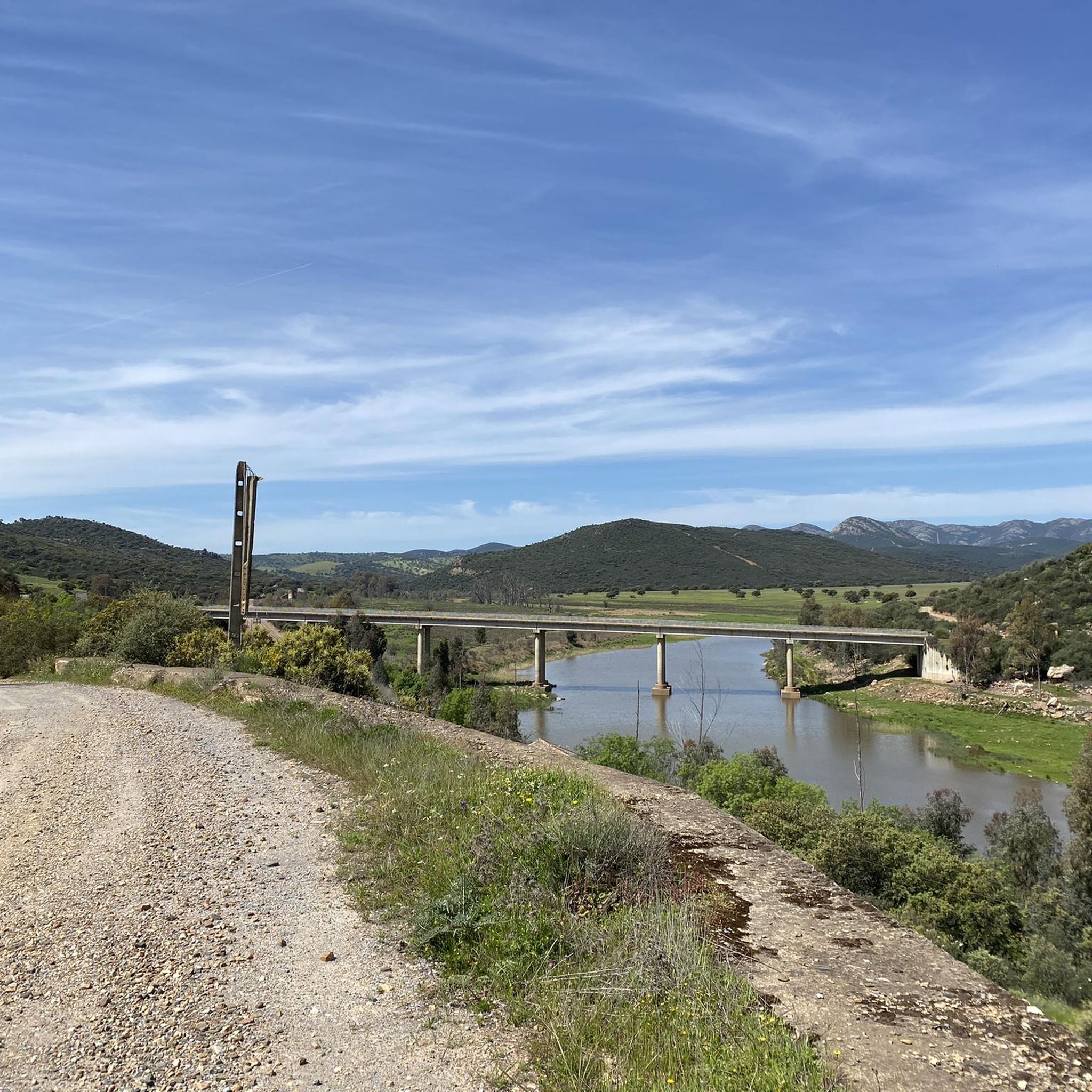
The Zújar River that feeds the La Serena Reservoir forms at this point the border between Andalusia and Extremadura. Looking south we can see the bridge between CO-8407 and BA-4143 and, parallel to the river, the Ciudad Real-Badajoz railway line. Río Zújar is about 210 km long.
2
0
The Serena Reservoir is one of the largest reservoirs in Badajoz and where a road crosses it, skirting a mountain called Masatrigo. This is a curious passage through the swamp but beautiful for the views it offers.
1
1

Don't forget enough water if you go in summer.
1
0
Frequently Asked Questions
What are the main natural features to explore around Embalse de la Serena?
The region is dominated by the vast La Serena Reservoir, the largest in Spain. Key natural features include the distinctive conical Masatrigo Mountain, the Zújar River which feeds the reservoir and forms a natural border, and the impressive La Serena Dam. The entire area is part of the La Siberia Biosphere Reserve, highlighting its ecological importance.
What kind of outdoor activities can I do near Embalse de la Serena?
The area offers a variety of outdoor activities. You can enjoy water sports like fishing, kayaking, paddle surfing, and boating on the reservoir. For land-based activities, there are numerous opportunities for hiking, cycling, and running. You can find detailed routes and guides for these activities, such as hiking trails, MTB trails, and running trails around Embalse de la Serena.
Are there hiking trails suitable for different skill levels?
Yes, there are hiking trails for various skill levels. For example, the Hiking around Embalse de la Serena guide includes routes like the 'Peñón de Pez Trail' which is rated as easy, while the 'Cerro Masatrigo Botanical Trail (SL-BA 198)' and 'Sierra de Las Poyatas Circular Trail' are considered more difficult.
What historical or cultural sites are located near Embalse de la Serena?
While the reservoir is primarily a natural attraction, several nearby towns offer cultural and historical points of interest. These include Puebla de Alcocer with its castle, Orellana la Vieja featuring the Castle Palacio de los Altamirano, Quintana de la Serena where you can explore the pre-Roman settlement of Hijovejo, and Zalamea de la Serena, known for the Cancho Roano archaeological site and a unique Roman Dystilo.
Is Embalse de la Serena a good place for birdwatching?
Absolutely. The region is designated as a Special Protection Area for Birds (ZEPA), making it an excellent spot for birdwatching. You can observe a variety of species, including aquatic birds and birds of prey, such as cranes, herons, and eagles. The vast expanse of the reservoir and its surrounding natural habitats provide ideal conditions for many bird species.
Can I visit the La Serena Dam?
Yes, the La Serena Dam is a significant landmark and one of the most impressive hydraulic infrastructures in Europe. It's part of the La Siberia Biosphere Reserve and offers insights into the region's engineering and natural integration. You can view it as part of your exploration of the reservoir area.
Are there any family-friendly activities around the reservoir?
The natural setting of Embalse de la Serena offers several family-friendly activities. Picnics by the water, easy walks or cycling routes, and observing wildlife are popular options. The nearby Orellana Reservoir also boasts an inland beach with a blue flag designation, which can be a great spot for families during warmer months.
What is the best time of year to visit Embalse de la Serena?
The best time to visit largely depends on your planned activities. Spring and autumn generally offer pleasant temperatures for hiking, cycling, and birdwatching. Summers can be hot, making water sports more appealing, while winters are cooler but still suitable for exploring, especially for birdwatching migratory species like cranes.
Where can I find scenic views of the reservoir?
For picturesque views, especially around the unique Masatrigo Mountain, a road traverses the reservoir offering stunning vistas. The area around the dam also provides impressive perspectives of the vast body of water. Sunsets over this 'inland sea' are particularly recommended.
Are there any specific cycling routes around Embalse de la Serena?
Yes, the area is suitable for cycling. You can find various MTB trails, including challenging routes like 'Embalse de Orellana, castillo de Puebla de Alcocer y Cerro Masatrigo – circular desde la presa de La Serena' or 'La Serena Reservoir and Cima de las Poyatas Loop'. For more options, refer to the MTB Trails around Embalse de la Serena guide.
What makes the Zújar River significant in this region?
The Zújar River is significant as it feeds the vast La Serena Reservoir and forms a natural border between Andalusia and Extremadura. Its course offers views of bridges and railway lines, and it plays a crucial role in the region's geography and ecosystem.
Are there any unique geological formations in the area?
Yes, the most notable unique geological formation is Cerro Masatrigo, often referred to as a 'magic mountain' due to its distinctive perfect conical shape. It stands out within the reservoir, offering a unique visual appeal and a memorable landmark.

Get inspired with the komoot mobile app


Explore more
Still not found the Highlight you’re looking for? See guides of the top attractions in other regions:
