The best road cycling routes around Embalse de la Serena
43
riders
11
rides
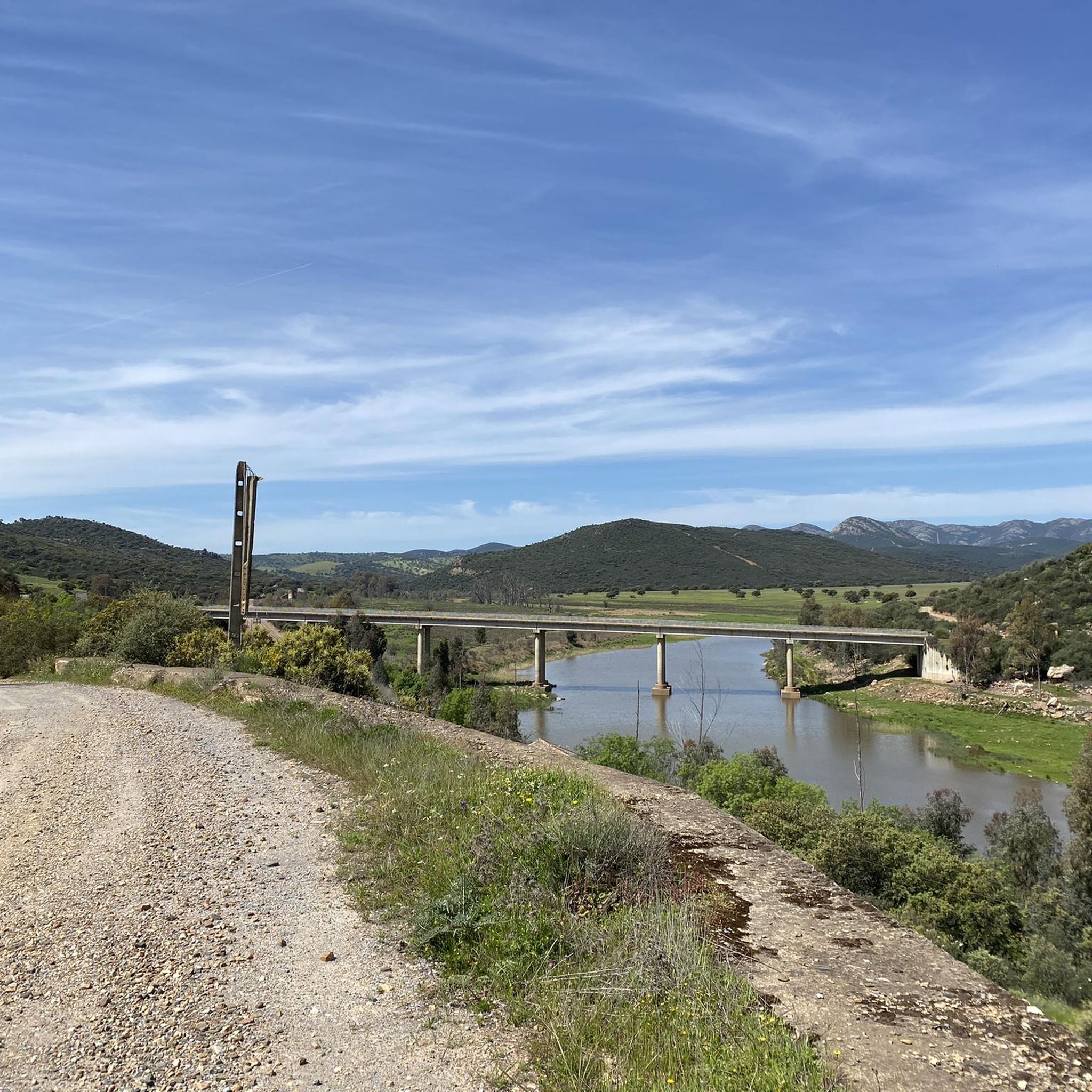
Road cycling around Embalse de la Serena offers routes through a vast natural landscape dominated by Spain's largest reservoir. The terrain features expansive plains, undulating low hills, and roads that traverse and skirt the reservoir. Cyclists can expect diverse routes, including sections with views of the distinctive Cerro Masatrigo, a conical island within the water body. The region's low population density often provides a serene cycling experience.
Best road cycling routes around Embalse de la Serena
- The most popular road…
Last updated: July 2, 2026
9
riders
81.9km
04:03
1,170m
1,170m
Hard road ride. Very good fitness required. Some segments of this route may be unpaved and difficult to ride.
6
riders
49.4km
02:09
420m
420m
Moderate road ride. Good fitness required. Mostly well-paved surfaces and easy to ride.

Sign up for free
3
riders
71.5km
03:19
780m
790m
Moderate road ride. Good fitness required. Some segments of this route may be unpaved and difficult to ride.
7
riders
Moderate road ride. Good fitness required. Some segments of this route may be unpaved and difficult to ride.
2
riders
59.2km
02:49
670m
670m
Moderate road ride. Good fitness required. Some segments of this route may be unpaved and difficult to ride.
Get access to more routes and recommendations from other explorers.
Sign up for free
Already have an account?
Our route recommendations are based on thousands of hikes, rides, and runs completed by other people on komoot.
Start today with a free account
Your next adventure awaits.
Login or Signup



Tips from the Community

The Plaza de Toros de Almadén, also known as Plaza Nueva, is a historical monument located in Almadén (Ciudad Real, Spain) and is famous worldwide for its characteristic and unique hexagonal floor plan. Built between 1752 and 1752 for the famous mercury mines in the area
0
0
The Almadén Mining Park (Ciudad Real, Spain) is the largest mercury deposit in the world, declared a [UNESCO](0.5.4, 0.5.5) World Heritage Site. It offers an underground journey into mining history, starting from Roman times up to 2003, the year the activity closed.
1
0

The best views in the La Siberia Extremeña region
0
0

The castle sits atop a hill in Puebla de Alcocer (Badajoz, Extremadura), approximately 550 meters above sea level. Its origins date back to the 12th and 13th centuries, possibly built upon the site of an earlier Mudéjar fortress. It was remodeled in 1445 after being donated to Don Gutierre de Sotomayor, Master of the Order of Alcántara, by King John II of Castile. At the end of the 15th century, it passed to Doña Elvira de Zúñiga, as reflected in the coat of arms on the keep.
2
0
A hexagonal shape, unique in the world. A complex of 24 two-story houses surrounds the bullring, forming a single block. Built between 1752 and 1765 at the initiative of Superintendent Francisco Javier de Villegas. Purpose: to provide employment for miners during forced work stoppages and to raise funds for the Royal Miners' Hospital of San Rafael through bullfights and the rental of houses. First bullfights: October 1752, with 21 bulls fought. Declared a Site of Cultural Interest in 1979 and a World Heritage Site by UNESCO in 2012 as part of the "Mercury Heritage: Almadén and Idrija."
9
0
It is a tribute to the miners who worked in the Almadén mercury mines, protagonists of more than 2,000 years of mining history. The idea arose in 1953, but it did not materialize until 1996, thanks to a public subscription and institutional contributions. It was inaugurated on September 8, 1996, coinciding with the feast day of Our Lady of the Mines.
7
0
Today it houses the Mining Museum and the Historical Archive of the Almadén Mines, with documents dating back to the 17th century. The visit includes: Room 1: History of the hospital and its role in occupational health. Room 2: The mercury metallurgy process and its technological evolution. Room 3: Life and customs of the region. Audiovisual displays, dioramas, and panels on diseases such as hydrargyrism and innovative treatments (the sauna-box, "the beach"). Dungeons where sick prisoners were treated. Exhibition of mining tools, machinery, and artifacts.
8
0
It is a mountain pass that connects areas of the Sierra de los Villares and Mirabueno. It is part of old livestock routes such as the Cañada Real Segoviana, historically used for transhumance. Landscapes: Sierras de Mirabueno and Los Villares, with forests and landscapes such as Tabla Corta (Boquerón Park) on the Guadalemar River. Ideal for hiking, cycling, and nature photography.
11
0
Frequently Asked Questions
How many road cycling routes are available around Embalse de la Serena?
There are over 10 road cycling routes available around Embalse de la Serena, offering diverse options for different skill levels. These routes traverse the vast natural landscape, including expansive plains and undulating low hills.
What is the typical terrain like for road cycling in this region?
The terrain around Embalse de la Serena is characterized by expansive plains, undulating low hills, and roads that often skirt the reservoir. You can expect a mix of flatter sections and some routes with significant elevation changes, providing a varied cycling experience.
When is the best time of year for road cycling around Embalse de la Serena?
The region generally offers a serene cycling experience due to its low population density. While specific seasonal recommendations are not detailed, spring and autumn typically provide the most pleasant temperatures for outdoor activities in Extremadura, avoiding the intense heat of summer.
Are there challenging road cycling routes with significant climbs?
Yes, for experienced cyclists seeking a challenge, routes like the View of Cerro Masatrigo – Capilla and its Castle loop from Puebla de Alcocer offer difficult terrain with over 1100 meters of elevation gain over 81.7 km, providing extensive views and historical landmarks.
Are there easier road cycling options for beginners or less experienced riders?
While there are no routes specifically marked as 'easy', several moderate routes are available. The Miner's Monument – Almadén Bullring loop from Guadalmez is a moderate 49.4 km path with over 400 meters of elevation, featuring varied terrain and historical sites.
What natural features or landmarks can I expect to see while cycling around Embalse de la Serena?
You will encounter the vast Embalse de la Serena itself, Spain's largest reservoir. A prominent natural feature is Cerro Masatrigo, a distinctive conical island within the reservoir, often visible from routes. The area is also part of the La Siberia Biosphere Reserve, known for its diverse flora and fauna, including various bird species.
Is parking available for cyclists near the routes?
While specific parking facilities for cyclists are not detailed, the generally low population density in the rural areas surrounding Embalse de la Serena often means that parking is available in or near the starting points of routes in smaller towns and villages.
How accessible is Embalse de la Serena by public transport for cyclists?
Information on direct public transport access specifically for cyclists to Embalse de la Serena is limited. Given its rural location, public transport options might be infrequent or require connections. It's advisable to check local bus schedules for towns surrounding the reservoir if planning to use public transport.
Are there family-friendly road cycling routes around Embalse de la Serena?
The guide primarily features moderate to difficult road cycling routes. For family-friendly options, it's recommended to look for flatter sections or shorter, less trafficked roads in the surrounding villages, as dedicated family-specific road cycling routes are not explicitly highlighted.
Can I bring my dog on road cycling routes in this area?
While the region is natural and open, specific regulations regarding dogs on road cycling routes are not provided. Generally, dogs are permitted on public roads, but it's always best to ensure they are well-behaved, on a leash when necessary, and that you carry waste bags. Consider the length and difficulty of routes when cycling with a dog.
Are there places to eat or stay overnight for cyclists near Embalse de la Serena?
The towns and villages surrounding Embalse de la Serena, such as Puebla de Alcocer, Guadalmez, and Sancti-Spíritus, offer local amenities including cafes, restaurants, and accommodation options. These can serve as convenient stops for refreshments or overnight stays for cyclists exploring the region.
What is a good moderate-difficulty route that explores the reservoir's surroundings?
The Garbayuela – View of Cerro Masatrigo loop from Sancti-Spíritus is a moderate 71.7 km trail that leads through the plains surrounding the reservoir, offering views of Cerro Masatrigo and typically completed in about 3 hours 18 minutes.
Is there a route that includes historical sites and a castle?
Yes, the Castle of Puebla de Alcocer – Castillo de Puebla de Alcocer loop from Talarrubias is a moderate 50.9 km route that features the castle and other historical elements, providing a cultural dimension to your ride.
Most popular routes around Embalse de la Serena
Most popular attractions around Embalse de la Serena

Get inspired with the komoot mobile app


Explore more
Browse the best Road cycling routes in other regions.
