The best traffic-free bike rides around Nava De Roa
3.8
(3)
25
riders
1
ride
No traffic touring cycling routes around Nava De Roa traverse a landscape characterized by rolling hills and extensive vineyard-clad terrain within the Ribera del Duero wine region. The area's name, "Nava," signifies flat land surrounded by hills, accurately reflecting the varied topography. Cyclists can expect a mix of gentle stretches and more dynamic routes with ascents and descents. The Duero River valley also influences the local environment, offering potential for serene riverside experiences on regional routes.
Best no traffic touring…
Last updated: July 1, 2026
4.5
(2)
9
riders
43.9km
02:40
320m
320m
Moderate bike ride. Good fitness required. Mostly paved surfaces. Suitable for all skill levels.
4
riders
43.4km
03:27
240m
240m
Moderate bike ride. Good fitness required. Mostly paved surfaces. Suitable for all skill levels.

Sign up for free
3.0
(1)
5
riders
Moderate bike ride. Good fitness required. Mostly paved surfaces. Suitable for all skill levels.
2
riders
52.1km
03:02
240m
240m
Moderate bike ride. Good fitness required. Mostly paved surfaces. Suitable for all skill levels.
Our route recommendations are based on thousands of hikes, rides, and runs completed by other people on komoot.
Start today with a free account
Your next adventure awaits.
Login or Signup
Popular around Nava De Roa
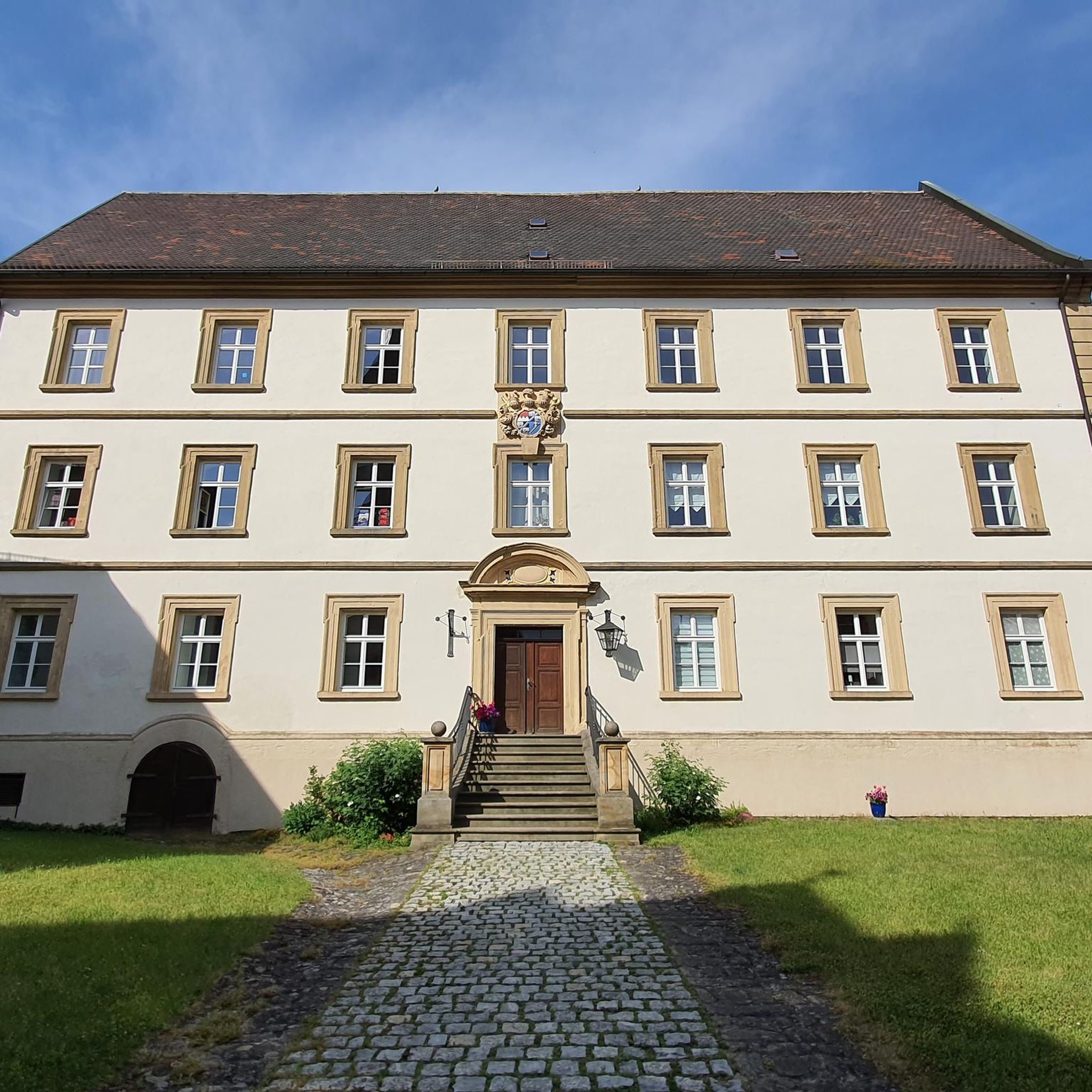
Tips from the Community

The Curiel de Duero Castle, located in the province of Valladolid, is considered the oldest castle in Castile and León, with origins possibly dating back to the 7th century, and even Roman remains from the 4th century. It stands on a rocky hill at an altitude of 927 meters, overlooking the Duero Valley and the Horcajo stream.
2
0
The Plaza del Coso in Peñafiel is a fascinating place with a rich history. This medieval square, declared a Site of Cultural Interest in 1999, is known for its rectangular shape and its 48 two- and three-storey buildings built from adobe, stone and wood. The wooden balconies decorated with motifs such as leaves, flowers and fruits are a distinctive feature.
2
0
Peñafiel is a charming destination in the province of Valladolid, ideal for a cultural and wine-related visit. It is perfect for enjoying history, culture and good wine.
2
0

Catholic temple located at the top of the town of Castrillo de Duero. Built in the 12th century, only the Romanesque head is preserved, while the rest of the building is in the Baroque style. The rectangular on the outside and semicircular on the inside apse has two windows, and the three naves of the temple are separated by pillars with semicircular arches.
1
0
Peñafiel is an important town in the Duero Valley. Peñafiel Castle is the outstanding monument in the area, strategically located on a hill that offers panoramic views of three valleys. Built in several stages from the 9th century, it is considered one of the most impressive castles in Spain. With a 34-meter-high keep, the castle houses the Provincial Wine Museum, a renowned wine tourism attraction in the province of Valladolid.
1
0
The church of Nuestra Señora de la Asunción, built in the 12th century in the late Romanesque style, has undergone various extensions and modifications over the years. Of particular note are the 16th century Mudejar bell tower, which replaced the original Romanesque belfry, and the semicircular vault over the main altar, added in 1750. Although the main portal dates from 1613, the other two original 12th century portals have been preserved.
1
0
Imposing fortification built on a rocky hill overlooking the Duero Valley and the town of Curiel. It is the oldest castle in the province of Valladolid, as it was built on top of an old Roman castle. Although only small vestiges of the wall and the four gates remain today, its original walls probably date from the 7th century.
1
0
The Zúñiga fortified palace in Curiel de Duero was the residence of the Zúñiga family. The town of Curiel had two castles, one on the plain and the other on a high promontory. The palace had a rectangular plan with corner towers and a central courtyard with octagonal columns. Currently, the interior is destroyed.
1
0
Frequently Asked Questions
How many no traffic touring cycling routes are available around Nava de Roa?
Currently, there are a few dedicated no traffic touring cycling routes around Nava de Roa. The region is known for its quiet roads through vineyards, offering a peaceful cycling experience. You can find routes like the moderate Valle del Cuco – circular desde Curiel de Duero, which covers approximately 44 km.
What is the typical difficulty level of no traffic touring cycling routes in this area?
The no traffic touring cycling routes around Nava de Roa are generally considered moderate. They often feature rolling hills and gentle ascents, characteristic of the Ribera del Duero wine region. These routes are suitable for cyclists with some experience looking for a scenic and engaging ride.
What kind of terrain can I expect on no traffic touring cycling routes near Nava de Roa?
The terrain around Nava de Roa, true to its pre-Roman name 'flat land surrounded by hills,' offers a varied experience. You'll find stretches of flat land ideal for leisurely touring, interspersed with rolling hills covered in vineyards. Many routes traverse these picturesque wine country landscapes, with some incorporating the Duero River valley's tranquil settings.
Are there any circular no traffic touring cycling routes available?
Yes, there are circular no traffic touring cycling routes available. An example is the Valle del Cuco – circular desde Curiel de Duero, which allows you to start and end your journey in the same location, making logistics easier.
What natural features can I expect to see on these no traffic cycling routes?
Cycling through this region, you'll be immersed in the natural beauty of the Ribera del Duero. Expect extensive vineyard-clad hills, views of the Duero River valley, and areas with diverse flora, including pine and holm oak forests. The landscape provides a picturesque backdrop for your ride.
Are there any historical landmarks or attractions along the no traffic touring cycling routes?
Yes, the region is rich in history and culture. Many routes offer opportunities to see medieval villages, traditional bodegas (wine cellars), and castles. For instance, the Peñafiel Castle – Peñafiel Old Town loop from Castrillo de Duero route passes by the impressive Peñafiel Castle. Other notable highlights include Curiel de Duero Castle and the historic settlement of Haza with its own castle.
What do other cyclists say about the no traffic touring routes around Nava de Roa?
The komoot community rates the touring cycling experience around Nava de Roa positively, with an average score of 3.5 stars based on 4 ratings. Cyclists often praise the tranquility of the routes, the stunning vineyard scenery, and the opportunities to explore the rich wine culture of the Ribera del Duero.
Is it possible to find family-friendly no traffic cycling routes in the area?
While the routes listed are generally moderate, the region's 'flat land surrounded by hills' topography means there are gentler sections suitable for families. Look for routes that stick to the flatter vineyard paths or less challenging sections of the Duero River valley for a more relaxed family outing. Always check the route profile for elevation changes to ensure it matches your family's ability.
Where can I find parking for no traffic bike trails near Nava de Roa?
Parking availability varies by starting point. For routes that begin in villages or towns like Curiel de Duero or Castrillo de Duero, you can typically find public parking areas. It's advisable to check specific village parking options before you set out, especially during peak seasons.
What is the best season for no traffic bike touring around Nava de Roa?
The best seasons for no traffic bike touring around Nava de Roa are spring and autumn. During these times, the weather is generally mild and pleasant, perfect for cycling. In spring, the vineyards are budding, and in autumn, the grape harvest creates a vibrant atmosphere. Summers can be hot, and winters can be chilly, so plan accordingly.
Are there any cafes or pubs near the no traffic cycling routes for a break?
Yes, as you cycle through the Ribera del Duero region, you'll often pass through charming villages and towns. These typically offer local cafes, restaurants, and traditional bodegas where you can stop for refreshments, a meal, or even a wine tasting. Many routes are designed to connect these points of interest.
Can I access these no traffic routes using public transport with my bike?
Public transport options to Nava de Roa and surrounding villages are limited, and bringing bikes on buses or trains can be challenging. It's best to check with local transport providers directly for their specific policies regarding bicycles. Driving to a starting point and parking is often the most convenient option for cyclists in this region.
Most popular attractions around Nava De Roa

Get inspired with the komoot mobile app


Explore more
Browse the best Cycling routes in other regions.
