The best cycling routes around Nava De Roa
3.8
(16)
79
riders
3
rides
Touring cycling routes around Nava de Roa traverse the distinctive landscapes of Spain's Ribera del Duero wine region. The area is characterized by rolling hills blanketed with extensive vineyards, offering varied terrain for cyclists. Routes often follow the tranquil Duero River Valley, providing paths along its banks. Beyond the vineyards, Mediterranean pine and oak forests, such as those near Monte Abellón, offer shaded sections and a change of scenery.
Best touring cycling routes around Nava De Roa
- The most popular…
Last updated: October 29, 2026
4.5
(2)
9
riders
43.9km
02:40
320m
320m
Moderate bike ride. Good fitness required. Mostly paved surfaces.
4.0
(2)
10
riders
43.6km
02:34
250m
240m
Moderate bike ride. Good fitness required. Mostly paved surfaces.

4
riders
43.4km
03:27
240m
240m
Moderate bike ride. Good fitness required. Mostly paved surfaces.
3.0
(1)
6
riders
Moderate bike ride. Good fitness required. Mostly paved surfaces.
4
riders
94.6km
06:55
460m
460m
Hard bike ride. Very good fitness required. Mostly paved surfaces.
Our route recommendations are based on thousands of hikes, rides, and runs completed by other people on komoot.
Start today with a free account
Your next adventure awaits.

Tips from the Community

Castrillo de la Vega, in the heart of Ribera del Duero and very close to Aranda de Duero, is a charming small town ideal for a tranquil getaway, highlighting its wine tradition and medieval past; the most interesting aspects are strolling through its old town and Plaza Mayor, visiting the church of Santiago Apóstol and the hermitage of the Virgen de la Vega, and exploring the winery and cellar district, with numerous underground caves where wine was produced, one of the municipality's great attractions. It is also worth seeing historical remains such as the old Roque bridge and the Torre del Monte, and enjoying the natural environment along the Duero river and vineyards, with options for routes and tastings at nearby wineries, thus combining history, nature, and typical local gastronomy.
2
0
The Curiel de Duero Castle, located in the province of Valladolid, is considered the oldest castle in Castile and León, with origins possibly dating back to the 7th century, and even Roman remains from the 4th century. It stands on a rocky hill at an altitude of 927 meters, overlooking the Duero Valley and the Horcajo stream.
3
0

The Church of Santa María la Real is a prominent Gothic monument in Aranda de Duero, Spain. Its most notable feature is its main façade, a masterpiece of the 15th-century Isabelline Gothic style, richly decorated with detailed sculptures. It is a cultural and architectural landmark in the city.
4
0
The Plaza del Coso in Peñafiel is a fascinating place with a rich history. This medieval square, declared a Site of Cultural Interest in 1999, is known for its rectangular shape and its 48 two- and three-storey buildings built from adobe, stone and wood. The wooden balconies decorated with motifs such as leaves, flowers and fruits are a distinctive feature.
3
0
Peñafiel is a charming destination in the province of Valladolid, ideal for a cultural and wine-related visit. It is perfect for enjoying history, culture and good wine.
3
0

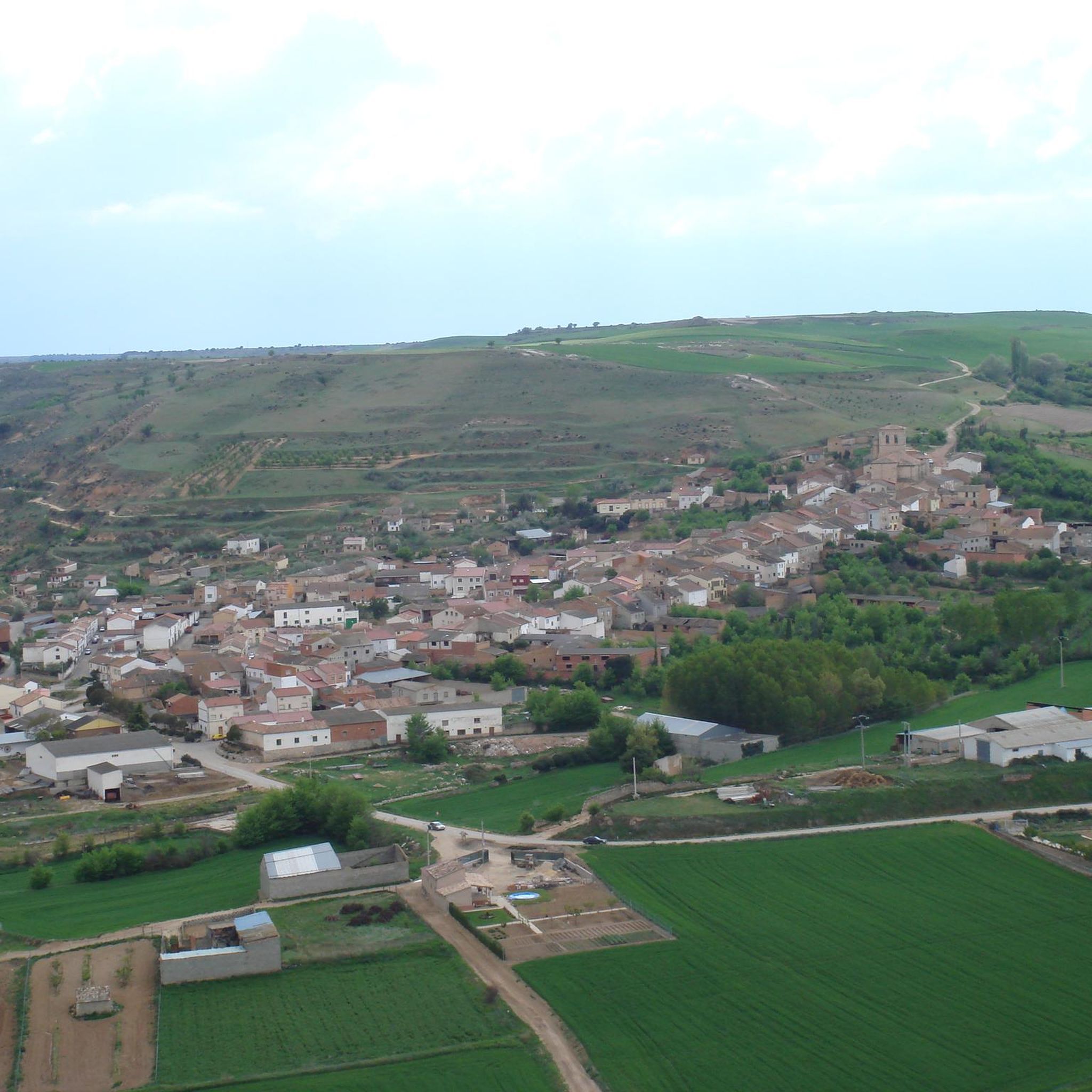
Catholic temple located at the top of the town of Castrillo de Duero. Built in the 12th century, only the Romanesque head is preserved, while the rest of the building is in the Baroque style. The rectangular on the outside and semicircular on the inside apse has two windows, and the three naves of the temple are separated by pillars with semicircular arches.
1
0
Peñafiel is an important town in the Duero Valley. Peñafiel Castle is the outstanding monument in the area, strategically located on a hill that offers panoramic views of three valleys. Built in several stages from the 9th century, it is considered one of the most impressive castles in Spain. With a 34-meter-high keep, the castle houses the Provincial Wine Museum, a renowned wine tourism attraction in the province of Valladolid.
1
0
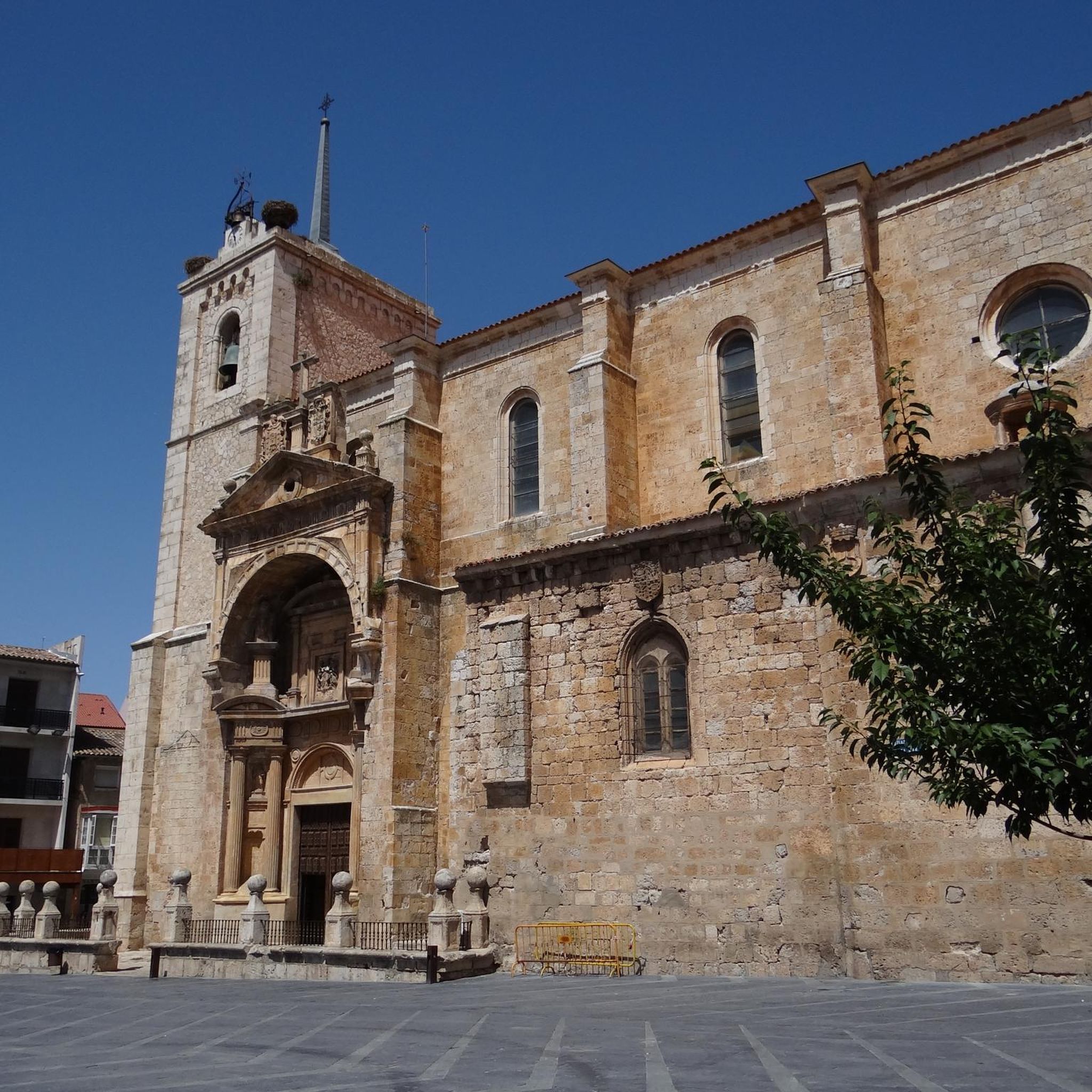
The church of Nuestra Señora de la Asunción, built in the 12th century in the late Romanesque style, has undergone various extensions and modifications over the years. Of particular note are the 16th century Mudejar bell tower, which replaced the original Romanesque belfry, and the semicircular vault over the main altar, added in 1750. Although the main portal dates from 1613, the other two original 12th century portals have been preserved.
1
0
Frequently Asked Questions
How many touring cycling routes are available around Nava de Roa?
There are several touring cycling routes around Nava de Roa, with komoot featuring 5 distinct options. These routes offer a variety of experiences through the Ribera del Duero region.
What kind of landscape can I expect while touring cycling near Nava de Roa?
The landscape around Nava de Roa is characterized by picturesque rolling hills blanketed with extensive vineyards, typical of the Ribera del Duero wine region. You'll also find tranquil paths along the Duero River Valley and shaded sections through Mediterranean pine and oak forests, particularly near areas like Monte Abellón.
What is the best time of year for touring cycling in Nava de Roa?
The best time for touring cycling in Nava de Roa is generally during the spring (April to June) and autumn (September to October). During these months, the weather is typically mild and pleasant, making for comfortable riding conditions. Summer can be quite hot, especially in July and August, while winters are cooler.
Are there any circular touring cycling routes in the area?
Yes, many of the touring cycling routes around Nava de Roa are designed as circular loops. For example, the Valle del Cuco – circular desde Curiel de Duero is a popular circular route that takes you through vineyards and the Duero River valley.
What is the typical difficulty level of touring cycling routes around Nava de Roa?
The touring cycling routes around Nava de Roa are generally rated as moderate. They involve rolling hills and some elevation changes, offering a good balance for cyclists looking for an engaging but not overly strenuous ride. The terrain is varied enough to keep things interesting without being excessively challenging.
Do the routes around Nava de Roa involve significant elevation changes?
While the region features rolling hills, the elevation changes on the touring cycling routes are manageable. For instance, routes like Valle del Cuco – circular desde Curiel de Duero involve around 320 meters of ascent, providing a good workout without extreme climbs. The varied terrain ensures a dynamic cycling experience.
What historical sites or landmarks can I visit while cycling near Nava de Roa?
The region is rich in history. You can cycle past charming medieval villages and visit impressive castles. Notable landmarks include Peñafiel Castle, which also houses the Provincial Wine Museum, and Curiel de Duero Castle. The route Peñafiel Castle – Peñafiel Old Town loop from Castrillo de Duero offers direct views of historic villages and Peñafiel Castle.
Can I combine touring cycling with wine tasting in the Ribera del Duero region?
Absolutely. Nava de Roa is located in the heart of the Ribera del Duero wine region, making it ideal for combining cycling with wine tourism. Many routes wind through extensive vineyards, and you'll find numerous wineries (bodegas) that offer tours and tastings. This allows you to experience the region's viticultural heritage firsthand.
Are there any natural features or viewpoints to look out for on the routes?
Yes, the routes offer several natural highlights. You can enjoy tranquil stretches along the Duero River Valley, explore Mediterranean forests, and discover elevated points that provide expansive panoramic views. Areas like Monte Abellón and the Páramo de Corcos offer scenic vistas of the surrounding landscape.
What do other touring cyclists enjoy the most about touring cycling in Nava de Roa?
The touring cycling experience around Nava de Roa is highly rated by the komoot community, with an average score of 3.5 stars. Cyclists often praise the picturesque scenery of rolling vineyards, the historical charm of the villages and castles, and the opportunity to explore the tranquil Duero River Valley. The varied terrain also provides an engaging ride for different ability levels.
Are there any family-friendly touring cycling options around Nava de Roa?
While specific 'easy' routes are not highlighted, the moderate difficulty of many routes and the generally quiet roads through vineyards and along the Duero River can be suitable for families with some cycling experience. The focus on scenic beauty and historical sites makes for an enjoyable outing for all.
Is it possible to access Nava de Roa and its cycling routes using public transport?
Public transport options to Nava de Roa are limited, as is common in many rural Spanish areas. It's advisable to check local bus schedules for connections from larger towns like Aranda de Duero. Bringing bikes on public transport may also have restrictions, so planning ahead is recommended.
Where can I park my car if I'm bringing my bike to Nava de Roa?
Nava de Roa is a small town, and you can typically find parking in or near the town center. Look for designated parking areas or suitable street parking. When starting a route from a nearby village, parking is usually available in the village squares or designated public spaces.
Most popular attractions around Nava De Roa

Get inspired with the komoot mobile app


Explore more
Browse the best Cycling routes in other regions.
