The best traffic-free bike rides around Vallo Di Nera
4.6
(368)
3,771
riders
11
rides
No traffic touring cycling routes around Vallo Di Nera traverse a landscape characterized by rolling green hills and the picturesque Nera River Valley. This region features wooded gorges, craggy limestone cliffs, and traditional agriculture including olive groves. The area offers a captivating blend of natural beauty and cultural heritage, with routes often following the Nera River or disused railway lines. These features provide varied terrain for touring cyclists seeking car-free paths.
Best no traffic touring cycling routes around Vallo Di…
Last updated: June 30, 2026
4.6
(70)
461
riders
Moderate bike ride. Good fitness required. Mostly paved surfaces. Suitable for all skill levels.
5.0
(2)
14
riders
38.6km
02:31
380m
380m
Moderate bike ride. Good fitness required. Mostly paved surfaces. Suitable for all skill levels.

Sign up for free
11
riders
27.6km
01:36
110m
110m
Easy bike ride. Great for any fitness level. Mostly paved surfaces. Suitable for all skill levels.
4.0
(2)
11
riders
Easy bike ride. Great for any fitness level. Mostly paved surfaces. Suitable for all skill levels.
5.0
(2)
10
riders
45.7km
03:22
1,040m
1,040m
Hard bike ride. Very good fitness required. Mostly paved surfaces. Suitable for all skill levels.
Get access to more routes and recommendations from other explorers.
Sign up for free
Already have an account?
Our route recommendations are based on thousands of hikes, rides, and runs completed by other people on komoot.
Start today with a free account
Your next adventure awaits.
Login or Signup
Popular around Vallo Di Nera

Tips from the Community

The bike path is poor. The asphalt is torn up and bushes are growing in it.
0
0

Even under a grey sky, the outing filled my eyes with its beautiful varied landscapes (hilltop towns, fortified castles, abbeys, towers, vineyards, sunflower fields, yew trees, etc.) And above all, a cycle path away from vehicles!
1
0

Of course, he must be honored with a monument in the city where he was born: Benedict of Nursia, the father of Western monasticism and one of the patron saints of Europe.
3
0


Statue of Saint Benedict blessing in the square of Norcia.
4
0

Cathedral of Santa Maria Assunta, Spoleto Cathedral Cathedral: the symbol of the city of Spoleto With its magnificent façade, Spoleto Cathedral provides a kind of backdrop to the Piazza Duomo, which is home to many other buildings. The cathedral was built in the 12th century on the remains of an earlier religious building named after Santa Maria del Vescovado, which in turn stood on an older church dedicated to the martyr Primiano. The crypt of Santa Primiano, accessed through the rectory, dates back to the 9th century and represents the only original part of the old cathedral, which was rebuilt at the end of the 12th century. Adjacent to the facade of the cathedral, on the left side, is the imposing square-shaped bell tower. The façade also features an elegant portico with five rounded arches supported by Corinthian columns, a marvelous work by the master Ambrogio Barocci dating from 1492. The upper part is divided into two levels separated by a cornice supported by blind arches: the lower part is decorated with five beautiful rose windows, the central one being larger and surrounded by the symbols of the four evangelists; the upper part features three rose windows and three pointed-arch niches, of which the central, larger one is decorated with a wonderful mosaic depicting Christ enthroned between the Madonna and Saint John the Evangelist. The decorative elements are further emphasized by the use of blocks of local white and pink stone, which highlight the architectural details. Inside, the space is divided into three naves with a central apse, and the plan is a Latin cross with a transept. The building houses numerous works of art by artists from various eras: the bronze bust of Urban VIII was made by Gian Lorenzo Bernini in 1640; the cross with the iconography of the Living Christ (Triumphal) is a work by Alberto Sotio from 1187; and the cycle of the Stories of the Virgin, which adorns the central apse, was painted by Filippo Lippi between 1467 and 1469. Finally, two chapels are particularly admirable: the Chapel of the Santissima Icona, which houses a 12th-century Byzantine panel that, according to tradition, was given to the city of Spoleto by Frederick Barbarossa as a sign of peace; and the Chapel of the Reliquies, which houses one of the only two surviving letters written by Saint Francis himself. It is a small rectangular parchment (13 x 6 cm) made of goatskin, consisting of nineteen lines, addressed to Fra Leone. The other handwritten letter is the so-called Chartula, kept in the Basilica of Assisi and, according to tradition, written by Francis in 1224 after his stigmatization on Mount Verna. The interior of the building, as it appears today, is the result of a decisive intervention in the 17th century that gave it a Baroque style. Text / Source: Exploring Umbria srl, https://www.exploring-umbria.com/de/entdecke-spoleto/gehenswuerdigkeiten-in-spoleto/kathedrale-santa-maria-assunta-dom-von-spoleto/#:~:text=Die%20Kathe Drale%20 was%20 built%20 in the%20tw%C3%B6th%20th century%20 on%20, a%20%C3%A4older%2C%20%20%20%20M%C3%A4rtyr%20Primiano%20%20%20house%20dedicated to the%20M%C3%A4rtyr%20Primiano%20.
15
0
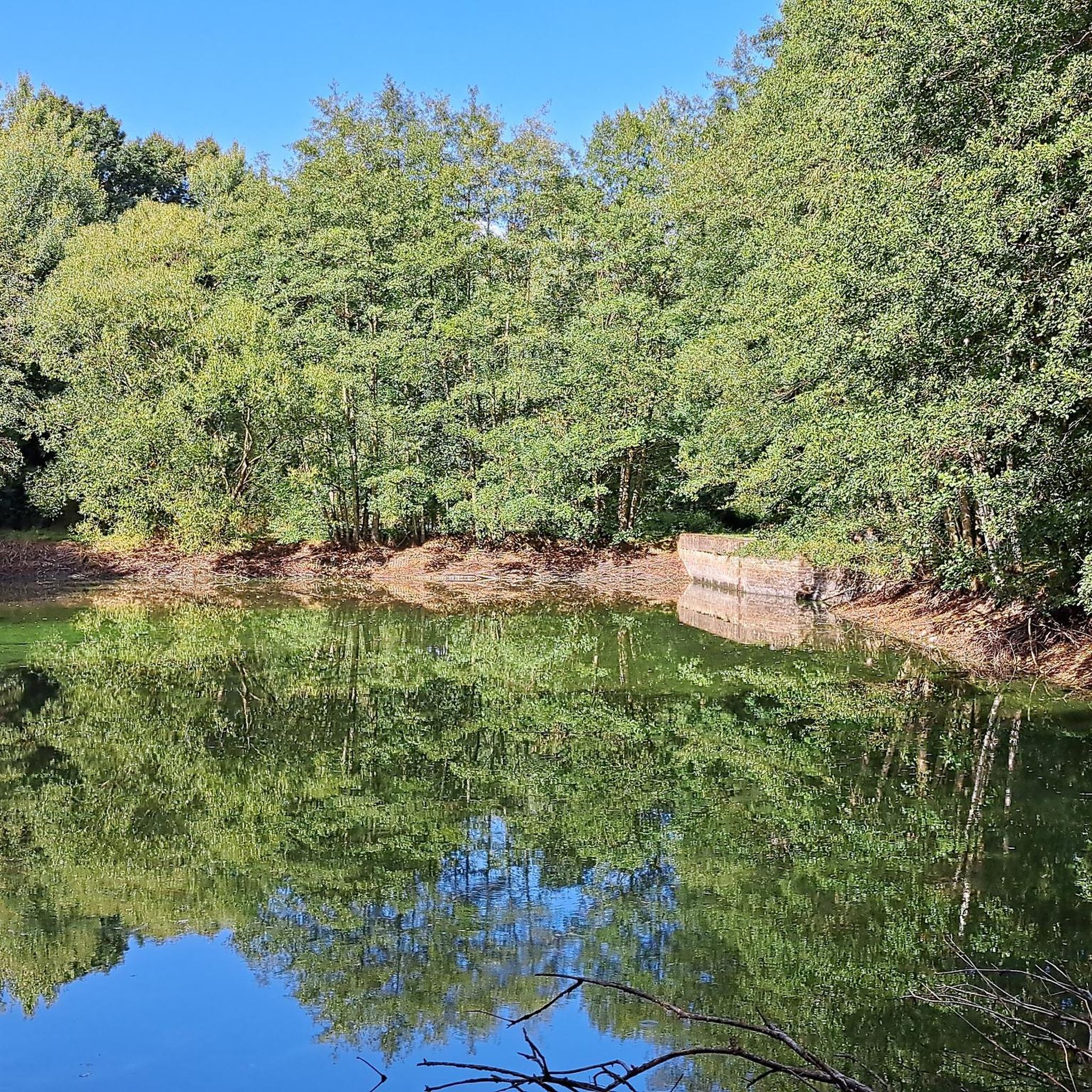
The Park - Fonti del Clitunno, Ristorante Pizzeria, Campello Sul Clitunno A body of water with a circumference of just over 400 meters and an area of almost 10,000 square meters, this small lake is home to numerous plant species that contribute to the fame of the Fonti del Clitunno. Moss, seagrass, water horsetail, sedge, curled brosca, giant shrimp, marsh forget-me-not, and water nasturtium, also known as watercress, are just some of the plants found in the pond. Around the banks are the trees that characterize the surroundings, most notably the cypress poplar, covered in dense foliage in summer. Then there's the weeping willow, whose spread dates back to the fashion that spread this plant in Paris in the 1840s, which is said to have shaded Napoleon's tomb on Saint Helena. Text / Source: Fonti del Clitunno - Ristorante Pizzeria, Campello Sul Clitunno https://www.fontidelclitunno.it/
14
0
Frequently Asked Questions
How many no-traffic touring cycling routes are available around Vallo di Nera?
There are 13 curated no-traffic touring cycling routes around Vallo di Nera, offering a range of difficulties from easy to difficult. These routes are designed to keep you away from vehicular traffic, allowing for a peaceful exploration of the Valnerina.
What kind of terrain can I expect on these traffic-free cycling routes?
The routes in the Valnerina region feature a mix of asphalt and dirt roads, often following secondary streets with minimal traffic. You'll encounter rolling green hills, picturesque river valleys, and wooded gorges. Some routes, like sections of the Nera River Cycle Route, are relatively flat with only short bumps, while others, particularly those utilizing the former Spoleto-Norcia railway line, may include tunnels and old bridges.
Are there any easy, family-friendly no-traffic cycling options?
Yes, the Nera River Cycle Route is particularly suitable for families and cyclists of all levels. It extends for approximately 28 kilometers in the Umbrian section, winding along the Nera River through woods and fields. While this guide features 2 easy routes, many of the moderate options can also be enjoyed by families looking for a slightly longer adventure on quiet paths.
What are the best times of year to go touring cycling in Vallo di Nera?
The Valnerina region is beautiful throughout much of the year. Spring and autumn offer pleasant temperatures and vibrant landscapes, ideal for cycling. Summer can be warm, but the shaded sections along the Nera River and through wooded areas provide some relief. Winter cycling is possible, but be prepared for cooler temperatures and potentially wet conditions, especially on unpaved sections.
What historical or natural attractions can I see along the routes?
The region is rich in both history and natural beauty. You can explore medieval villages like Vallo di Nera itself, recognized as one of 'I Borghi più belli d'Italia'. Along your rides, you might encounter various castles such as Castello di Pissignano or Rocca Albornoziana. Natural highlights include the serene Clitunno Springs and the majestic Monte Serano, offering stunning views of the valley.
Are there any circular no-traffic cycling routes available?
Yes, many of the routes are designed as loops, allowing you to start and end in the same location. For example, the difficult route "Caprareccia Railway Bridge – Spoleto–Norcia Railway Trail loop from Monte Galenne" offers a challenging circular experience, incorporating sections of the historic railway path.
Where can I find parking for these traffic-free cycling routes?
Parking is generally available in or near the charming villages that serve as starting points for many routes. For routes utilizing the former Spoleto-Norcia railway line or the Nera River Cycle Route, look for parking facilities in towns like Spoleto, Scheggino, or near access points along the trail. Specific parking information can often be found in the tour descriptions on komoot.
Can I access these routes using public transport?
While Vallo di Nera is a rural area, some larger towns in the Valnerina, such as Spoleto, are accessible by public transport (train or bus). From these points, you may be able to connect to the cycling routes. However, direct public transport access to all trailheads might be limited, so planning your journey in advance is recommended.
What do other touring cyclists enjoy most about cycling in Vallo di Nera?
The area is highly rated by the komoot community, with an average score of 4.6 stars from over 300 reviews. Reviewers often praise the tranquility of the no-traffic routes, the stunning natural beauty of the Nera River Valley, and the charm of the medieval villages. The unique experience of cycling through old railway tunnels and over bridges on the Spoleto-Norcia trail is also frequently highlighted.
Are there any long-distance, car-free cycling routes in the area?
The region offers several longer routes that minimize traffic. The Nera River Cycle Route provides a substantial car-free experience, and sections of the former Spoleto-Norcia railway line are also dedicated cycle paths. For a challenging long-distance option, consider the difficult route "Caprareccia Railway Bridge – Spoleto–Norcia Railway Trail loop from Scheggino", which covers over 90 kilometers with significant elevation changes, primarily on quiet roads and dedicated paths.
Are dogs allowed on the cycling routes in Vallo di Nera?
Generally, dogs are welcome on many outdoor trails in Umbria, provided they are kept on a leash and you clean up after them. Specific rules may vary for certain protected areas or private lands. It's always best to check local regulations or specific tour details if you plan to bring your dog, especially on popular cycle paths like the Spoleto-Norcia railway trail or the Nera River Cycle Route.
Most popular routes around Vallo Di Nera
Most popular attractions around Vallo Di Nera

Get inspired with the komoot mobile app


Explore more
Browse the best Cycling routes in other regions.
