Top 4 Castles around Parco regionale Vena del Gesso Romagnola
Best castles around Parco regionale Vena del Gesso Romagnola are situated within a protected natural area known for its unique gypsum karst formations. This region, recognized as a UNESCO World Heritage site in 2023, features a significant karst complex with numerous caves and tunnels. The area's fortresses offer insights into its medieval past and provide panoramic views. These historical sites enrich the cultural and historical landscape of the park.
Best castles around Parco regionale Vena del Gesso Romagnola
- The most…
Last updated: July 1, 2026
Manfredian Fortress (Brisighella)
Highlight • Castle
Translated by Google •
Tip by

Ruins of Rontana Castle and Medieval Settlement
Highlight • Castle
Over the …
Translated by Google •
Tip by
Sign up now to discover places like this
Get recommendations on the best single tracks, peaks, & plenty of other exciting outdoor places.
Sign up for free
Rontana Cross
Highlight • Monument
Translated by Google •
Tip by

Viewpoint over the ruins of Tossignano Fortress
Highlight • Viewpoint
Translated by Google •
Tip by

Rocca di Tossignano and Panoramic Viewpoint
Highlight • Historical Site
Translated by Google •
Tip by

Start today with a free account
Your next adventure awaits.
Login or Signup
Popular around Parco regionale Vena del Gesso Romagnola
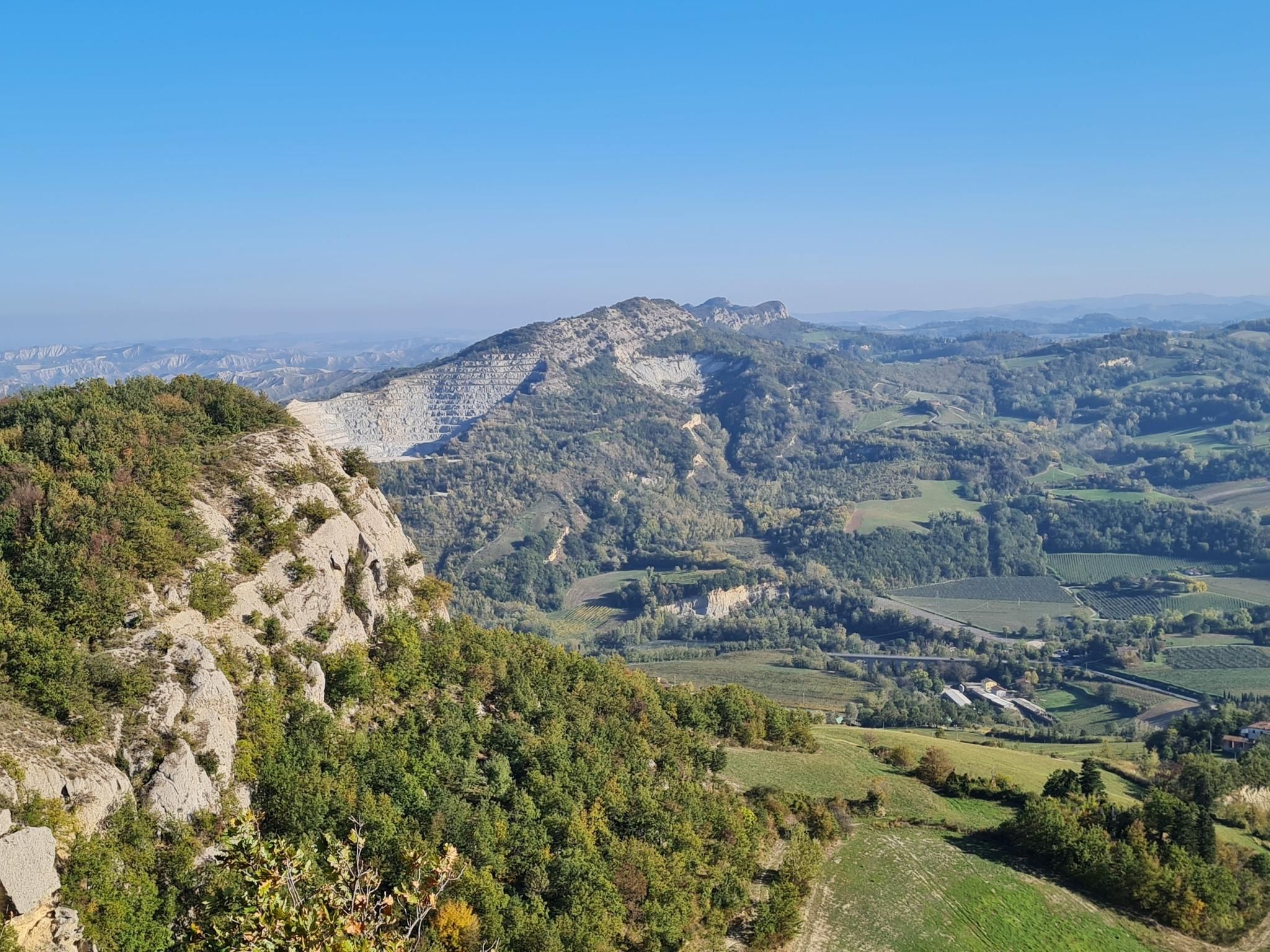
Lake Brasimone to Marradi – Alta Via dei Parchi (part 3)
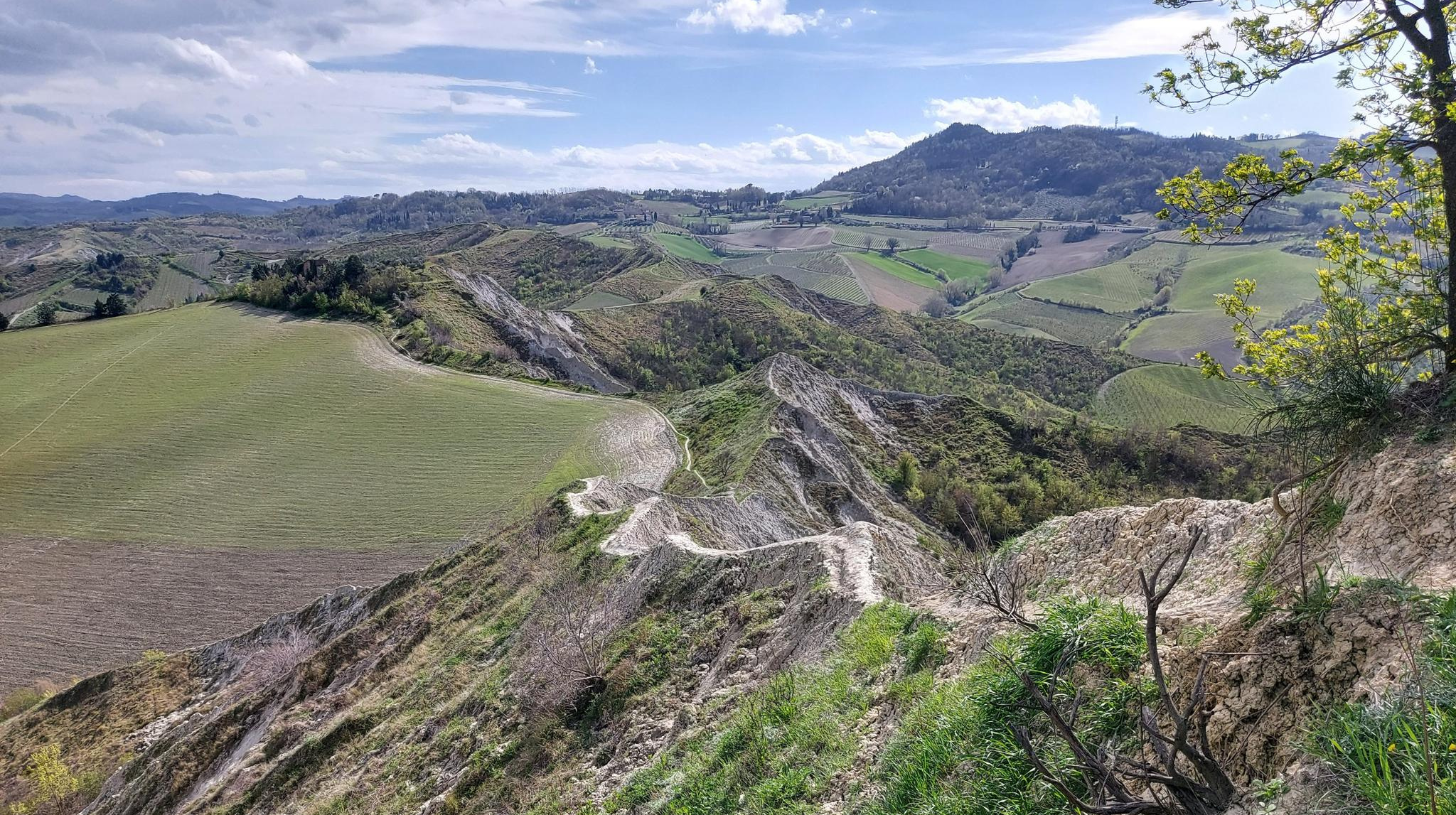
Walk from Bologna to Faenza – Via dei Gessi e dei Calanchi
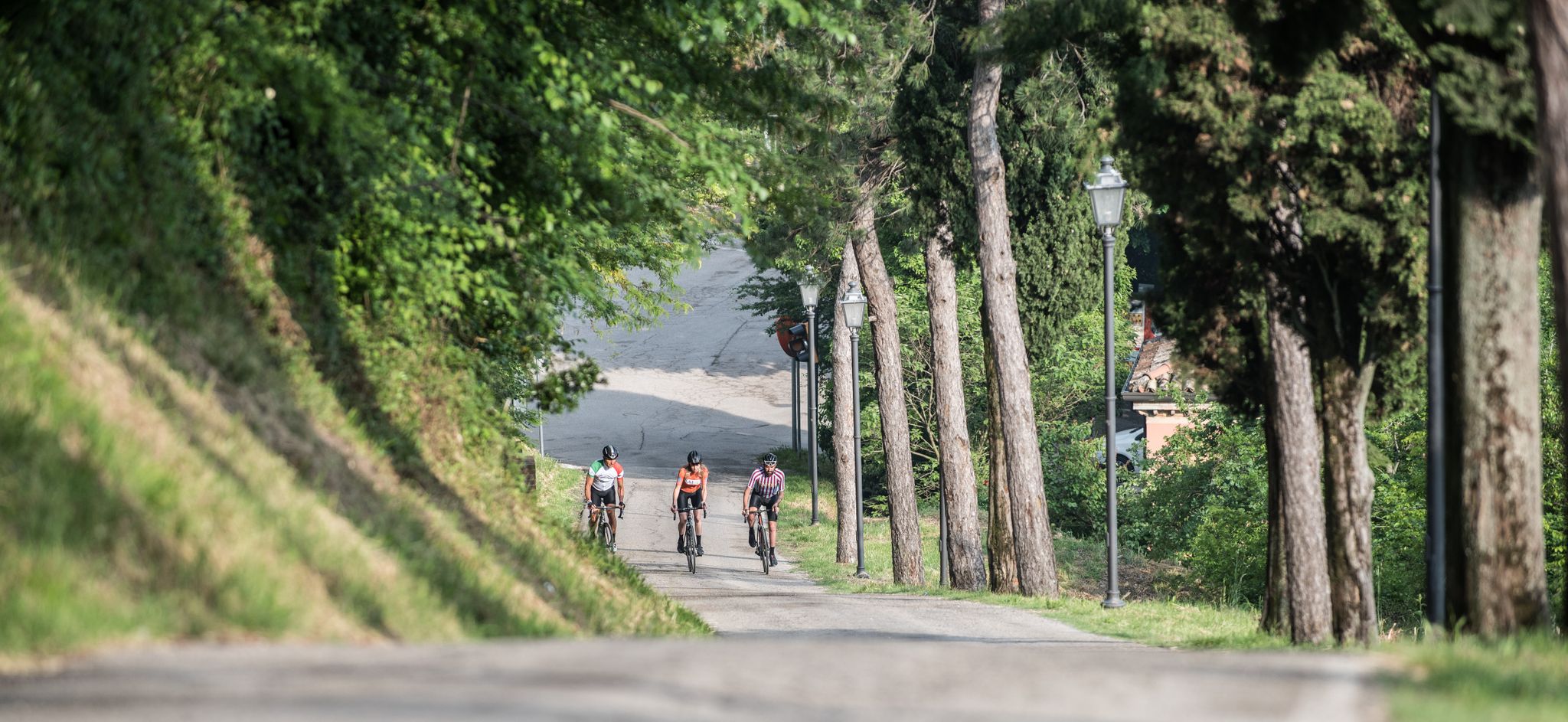
Enjoyment, culture and nature – cycling Tours in Italy’s Emilia Romagna region
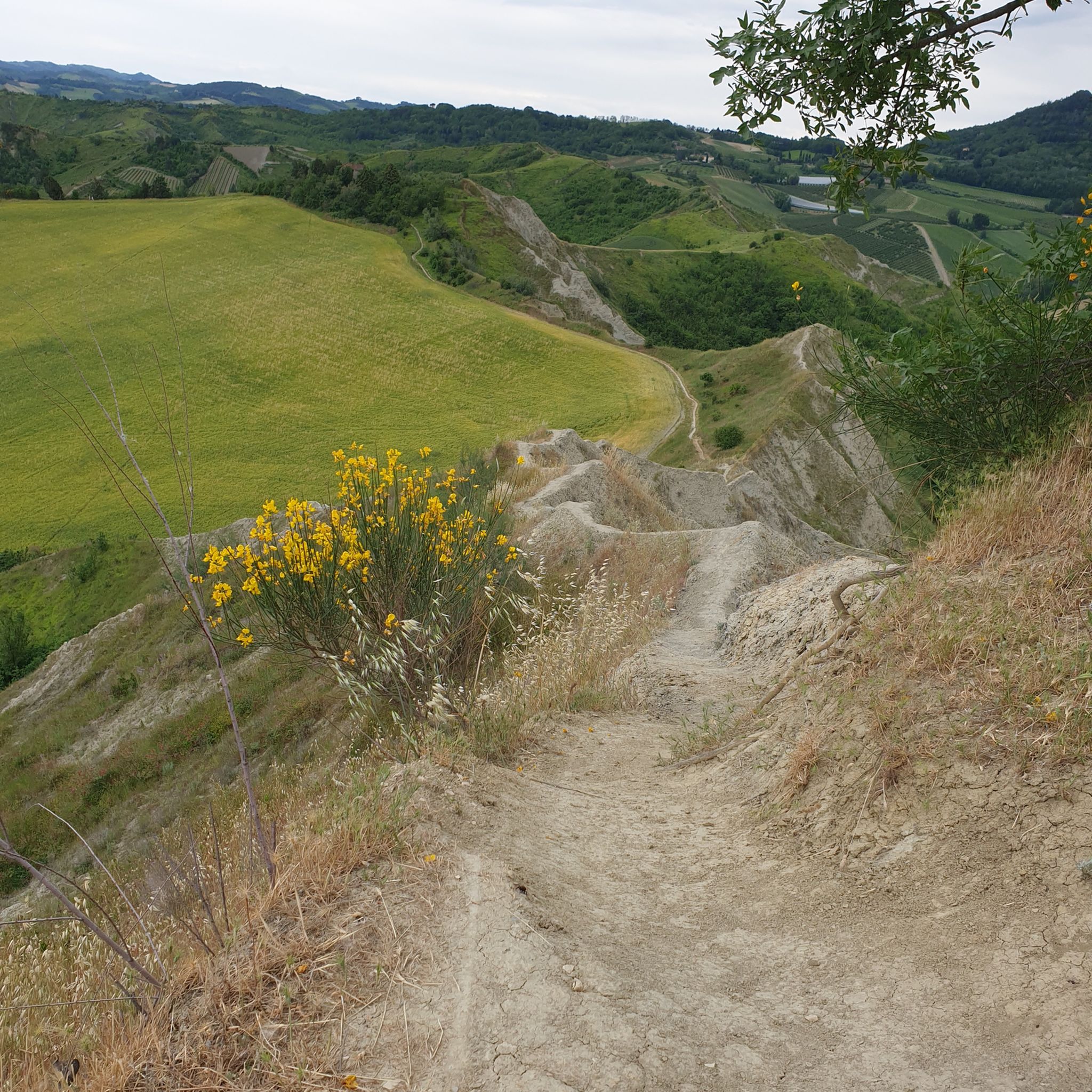
Hiking around Parco regionale Vena del Gesso Romagnola
Cycling around Parco regionale Vena del Gesso Romagnola
Road Cycling Routes around Parco regionale Vena del Gesso Romagnola
MTB Trails around Parco regionale Vena del Gesso Romagnola
Running Trails around Parco regionale Vena del Gesso Romagnola

Gravel biking around Parco regionale Vena del Gesso Romagnola
Other adventures around Parco regionale Vena del Gesso Romagnola


Tips from the Community

Tossignano is an ancient village that develops on a chalky cliff around the ruins of the fortress. The name derives from the Roman toponym Thausignanum, while in more recent times a large part of Tossignano was razed to the ground by bombings during the Second World War, including the fortress. It stood in a strategic position, from which it dominated the entire valley: for this reason it is now a notable panoramic point. Today only the moat and the foundations of the drawbridge can be seen.
2
0

Mount Rontana marks, together with other peaks, the watershed ridge between the valley of the Sintria stream (to the north) and the valley of the Lamone river (to the south). On the summit of the mountain stands a large reinforced concrete cross, designed by the engineer Vincenzo Ferniani, inaugurated on 29 September 1901 and dedicated to Christ the Redeemer. Near its top is the important archaeological site of Rontana Castle. (Source: https://it.wikipedia.org/wiki/Monte_di_Rontana)
1
0

A very attractive castle overlooking Brisighella. Its watch tower which stands apart on another pinnacle can also be visited.
1
0

Bel Borgo, to visit the remains of the fortress and look at the 360° panorama
1
0

Beautiful fortress above Brisighella
1
0

excellent view of the surrounding valleys, there are tables in the shade, there are ruins of a medieval village
2
0
A bit of history surrounded by nature
1
0

Splendid village overlooking the "Riva di San Biagio" and the whole Vena del Gesso Romagnola
0
0
Frequently Asked Questions
What are some of the most historically significant castles in the Parco regionale Vena del Gesso Romagnola?
The region is rich in history, featuring several notable fortresses. The Manfredian Fortress (Brisighella), built in 1310, is a prime example of medieval military architecture. Another significant site is the Rocca Sforzesca in Riolo Terme, which showcases both medieval and Renaissance elements. The Ruins of Rontana Castle and Medieval Settlement also offer deep historical insights through ongoing archaeological excavations.
Are there any castles that offer panoramic views of the Parco regionale Vena del Gesso Romagnola?
Yes, several castles and their surrounding areas provide stunning vistas. The Rocca di Tossignano and Panoramic Viewpoint offers a 360° panorama overlooking the Riva di San Biagio and the Vena del Gesso Romagnola. Similarly, the Viewpoint over the ruins of Tossignano Fortress is a notable spot from an ancient village on a chalky cliff, providing expansive views.
What kind of historical insights can I gain from visiting these castles?
Visiting these castles offers a deep dive into the region's past. The Manfredian Fortress, for instance, houses the 'Man and Chalk' Museum, exploring the connection between humans and local gypsum, alongside interactive displays on the Middle Ages and Renaissance. The Rocca Sforzesca in Riolo Terme features exhibits on medieval weaponry, construction techniques, and a multimedia museum about the landscape, including a room dedicated to Caterina Sforza.
Are there family-friendly activities at the castles in the Parco regionale Vena del Gesso Romagnola?
Many of the castles offer engaging experiences for families. The Rocca Sforzesca in Riolo Terme, for example, hosts historical, cultural, and gastronomic events that can be enjoyable for all ages. Exploring the well-preserved structures and learning about medieval life through interactive exhibits can be a captivating experience for children and adults alike.
What outdoor activities can I do near the castles?
The Parco regionale Vena del Gesso Romagnola is ideal for outdoor enthusiasts. You can find numerous trails for hiking and running. For instance, there are easy hikes like the Ca' Carnè Refuge – Rontana Cross loop from Castello di Rontana, or more challenging options such as the Gypsum Cliffs Trail from Tossignano. The area around Castello di Rontana provides access to walking paths like CAI 511 and 505, leading to natural attractions.
Are there hiking trails that incorporate castle visits?
Yes, you can combine castle exploration with hiking. The area around the Ruins of Rontana Castle and Medieval Settlement is particularly good for this, with paths leading to other natural attractions within the park. You can find various hiking routes that pass by historical sites and offer scenic views.
How much time should I allocate to visit the castles in the region?
The time needed varies depending on the castle and your interest. For a comprehensive visit to a well-preserved fortress like the Manfredian Fortress or Rocca Sforzesca, including museums and panoramic views, allow 2-3 hours per site. For ruins or viewpoints like the Viewpoint over the ruins of Tossignano Fortress, 30 minutes to an hour might suffice, especially if combined with a hike.
What makes the Parco regionale Vena del Gesso Romagnola unique in relation to its castles?
The park's unique gypsum karst formations, recognized as a UNESCO World Heritage site, provide a dramatic backdrop to its historical castles. These fortresses are often built on or near the distinctive chalky pinnacles and cliffs, offering not only strategic defensive positions but also breathtaking views of the geological landscape. This combination of natural wonder and rich history makes the region particularly special.
Are there any castles that are currently undergoing archaeological research?
Yes, the site of Castello di Rontana is an active archaeological site. Since 2007, the University of Bologna has been conducting excavations, continuously uncovering new insights into its ancient past, including evidence of a stately structure from the late 11th or early 12th century and a private chapel.
What do visitors enjoy most about the castles in this region?
Visitors frequently appreciate the blend of history and nature. Many highlight the well-preserved medieval characteristics of sites like the Manfredian Fortress and the stunning panoramic views from locations such as the Rocca di Tossignano. The opportunity to explore ancient ruins amidst the unique landscapes of the Vena del Gesso Romagnola is also a major draw.
Can I find easy-access castles or viewpoints suitable for all abilities?
While many castles involve some walking, some offer relatively easy access. The Rocca Sforzesca in Riolo Terme is centrally located. For viewpoints, the Viewpoint over the ruins of Tossignano Fortress is accessible from the ancient village. It's always advisable to check specific accessibility details for each site if you have particular requirements.
Is it possible to visit these castles during the winter months?
Many castles and historical sites in the region remain open during winter, though opening hours might be reduced, and some outdoor areas or specific exhibits could be affected by weather. Visiting in winter can offer a different, often quieter, experience with crisp views. It's recommended to check the official websites of individual castles for their specific winter operating schedules before planning your visit.
Most popular routes around Parco regionale Vena del Gesso Romagnola
Most popular attractions around Parco regionale Vena del Gesso Romagnola

Get inspired with the komoot mobile app


Explore more
Looking for the best castles somewhere else? Discover other guides around Parco regionale Vena del Gesso Romagnola:
