Attractions and Places To See around National Park Sierras Subbéticas - Top 20
Attractions and places to see around National Park Sierras Subbéticas feature a landscape shaped by karst geology, with notable limestone formations, caves, and unique depressions. This region, also known as Parque Natural de las Sierras Subbéticas, offers a variety of natural monuments and historical sites. Visitors can explore diverse environments, from ancient caves to expansive poljés, showcasing the area's geological history. The park provides opportunities to discover its distinctive natural beauty and cultural heritage.
Best attractions and places to see…
Last updated: August 30, 2026
Doña Mencía Station
Highlight • Rest Area
A few meters from the passenger building …
Translated by Google •
Tip by

Chorreras de la Fuenseca
Highlight • Waterfall
Translated by Google •
Tip by

Sign up now to discover places like this
Get recommendations on the best single tracks, peaks, & plenty of other exciting outdoor places.
Sign up for free
Limestone formations and caves in the Bailón Canyon
Highlight • Canyon
Translated by Google •
Tip by
Cabra Station
Highlight • Historical Site
Translated by Google •
Tip by

La Sima Viaduct
Highlight • Bridge
Translated by Google •
Tip by

Sign up for free to discover even more attractions around National Park Sierras Subbéticas.
Sign up for free
Already have an account?
Start today with a free account
Your next adventure awaits.
Login or Signup
Popular around National Park Sierras Subbéticas
12 hiking gems throughout Spain
Hiking around National Park Sierras Subbéticas
Road Cycling Routes around National Park Sierras Subbéticas
Running Trails around National Park Sierras Subbéticas
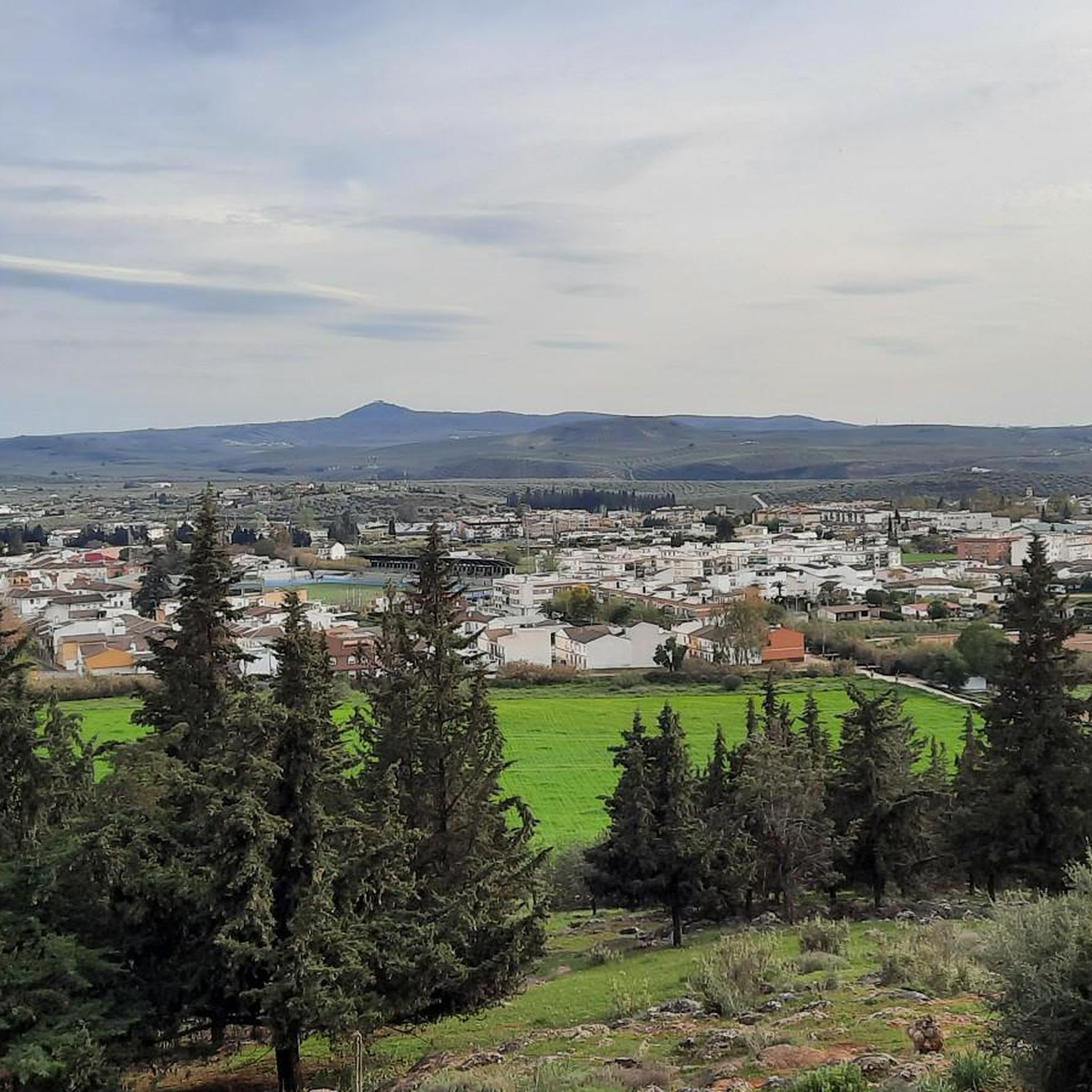
Cycling around National Park Sierras Subbéticas
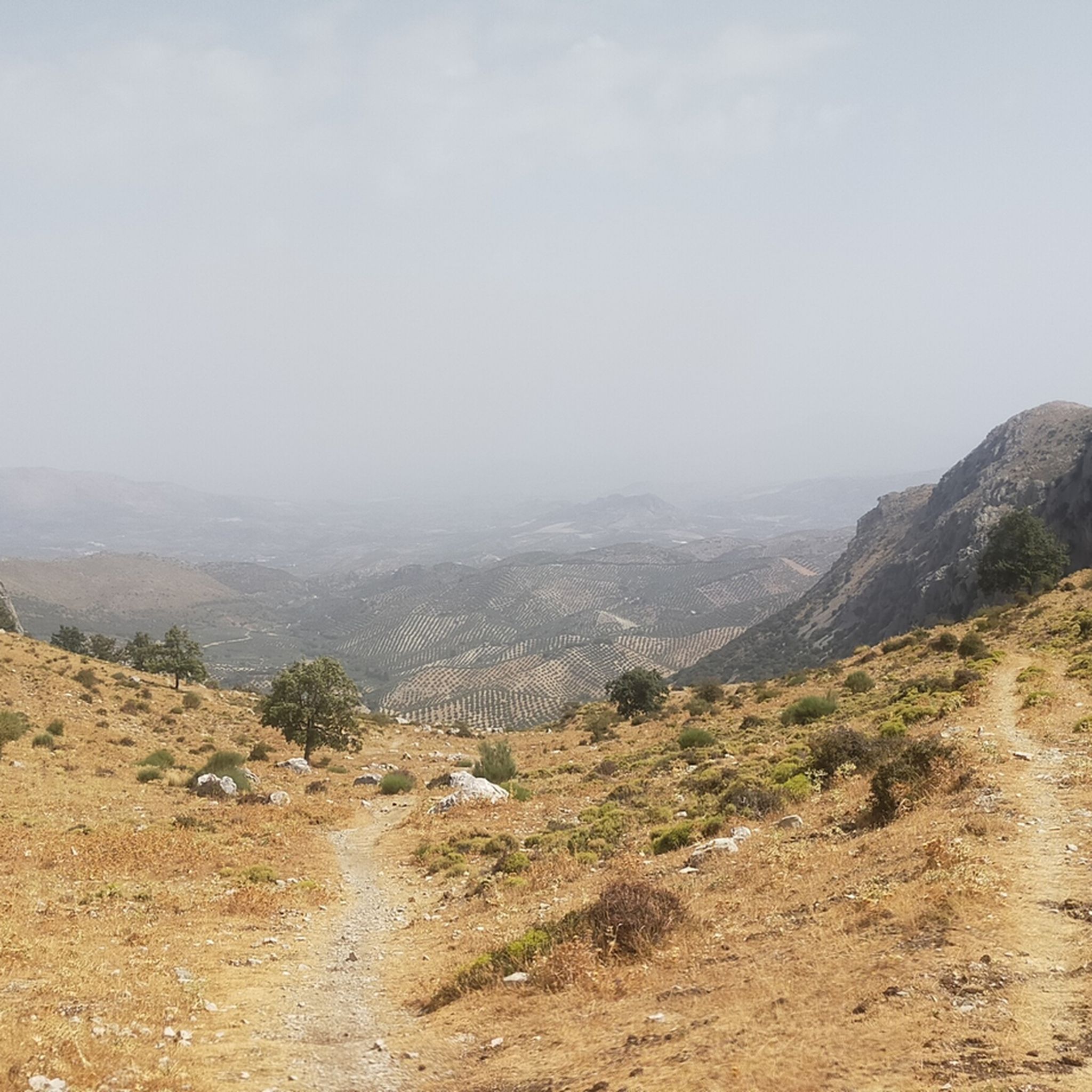
MTB Trails around National Park Sierras Subbéticas
Gravel biking around National Park Sierras Subbéticas
Other adventures around National Park Sierras Subbéticas

Tips from the Community

An easy tour through the olive groves. We headed north, a total of 40 km round trip. We were traveling in a motorhome and parked at a motorhome parking lot in Cabra.
1
0

Very beautifully designed train station
1
0

Today, the restaurant "El Tren" is located in the former Cabra train station. There is a hostel attached, offering shared rooms with bunk beds at reasonable prices. Cabra train station was inaugurated in 1893 as part of the narrow-gauge railway line that connected Puente Genil with Linares. Even then, the station was an important meeting point for the community. Over time, the introduction of new means of transport and the modernization of the railway infrastructure led to the closure of the line in 1965. The station building remains a symbol of Cabra's history to this day.
6
0

The Doña Mencía station is the only one of the stations that we will find along the nature trail, built on one floor. A few meters from the passenger building and on the same side of the road, there is a building that has been rehabilitated as a bicycle center. This is the old freight dock of the station. The goods were located on open-air docks or other covered docks, depending on their economic value or characteristics. The closed docks consisted of open roof naves, with a small office for the clerk who was responsible for the delivery notes. On one side, the wagons were loaded or unloaded, while on the other side, the vehicles that arrived by road did so. In order to protect the goods during loading and unloading, these buildings were designed with a gable roof that ends in two large lateral overhangs.
9
0

Cabra station still has what used to be an old steam locomotive that was used in the past, where the greenway is currently located.
0
0

Through the disused Subbética railway lines, previously used by the oil train, you can tour the interior of Andalusia on cycling and hiking itineraries. The beautiful landscapes of the Sierras Subbéticas Natural Park mix appropriately with the preserved railway architecture, made up of four viaducts, five stations, a 139 m tunnel, thirteen residential buildings distributed among level crossing boxes (road intersections). , workers' boxes and railway houses, all of them being in different states of conservation. In addition, there are a total of six rest areas that are made up of benches, bench-tables, litter bins and bike racks.
0
0

This trail is full of impressive limestone rock walls, with a multitude of vegetation sprouting between its numerous pores. They have been formed over time by the force of the Bailón River. From some angles you can see Zuheros and its castle peeking out between the walls.
2
0
Seasonal waterfalls that appear after copious rains. Due to the porosity of the terrain, only when the amount of water is greater than what the terrain is capable of absorbing, do waterfalls form, sometimes even making it difficult to pass and not being able to make the route in a circular way. It is convenient to inquire at the Santa Rita Visitor Center about their status and check if an authorization is required to visit them, which is sometimes established to control the influx of people to this Zone A Reserve of the Protected Natural Area.
1
1
Frequently Asked Questions
What kind of natural features can I explore in National Park Sierras Subbéticas?
The park is renowned for its karst geology, featuring impressive limestone formations, caves, and unique depressions. You can explore sites like the Limestone formations and caves in the Bailón Canyon, which showcases dramatic rock walls, or the Poljé of the Nava de Cabra, a large, flat valley-shaped depression where water often stagnates seasonally.
Are there any notable caves to visit in the area?
Yes, the Bat Cave (Cueva de los Murciélagos) is a significant prehistoric cave and the largest in the province of Córdoba. It's home to various bat species and offers a tourist visit descending up to 65 meters deep. Remember to book an appointment in advance for your visit.
What facilities are available for cyclists or hikers along the Vía Verde del Aceite?
The Doña Mencía Station is a key facility point along the Vía Verde del Aceite. This old railway station has been rehabilitated into a restaurant and bicycle center, providing a convenient stop to rest, eat, and access bike services. There is also a great parking space available here.
What outdoor activities can I do near these attractions?
The region offers diverse outdoor activities. You can enjoy hiking on trails like the Río Bailón Canyon Trail or La Tiñosa Public Trail. For cycling, the Vía Verde del Aceite is popular, and there are mountain biking routes such as the Olive Oil Greenway and Cueva de los Murciélagos Loop. You can find more details on routes in the area on the hiking guide, cycling guide, and MTB trails guide for National Park Sierras Subbéticas.
Are there any seasonal natural phenomena to look out for?
Yes, the Chorreras de la Fuenseca are seasonal waterfalls that appear after significant rainfall. Due to the porous terrain, these waterfalls only form when the water volume exceeds what the ground can absorb, creating a spectacular sight. It's advisable to inquire at the Santa Rita Visitor Center about their current status before visiting.
What is the best time of year to visit National Park Sierras Subbéticas?
The best time to visit is typically during spring (April-May) and autumn (September-October) when temperatures are milder and the landscape is lush. Summer can be very hot, making outdoor activities challenging, while winter can bring cooler temperatures and the possibility of seasonal waterfalls after heavy rains.
Are there family-friendly attractions or activities in the park?
Many of the natural attractions, such as the Limestone formations and caves in the Bailón Canyon, offer engaging experiences for families. The Vía Verde del Aceite, with its gentle gradients, is also suitable for family cycling. The Doña Mencía Station, with its restaurant and bicycle center, provides a good rest stop for families.
What kind of geological formations are prominent in the Sierras Subbéticas?
The region is characterized by its significant karst geology. This includes features like poljés, which are large, flat depressions formed by land subsidence, and numerous caves and limestone rock walls, such as those found in the Bailón Canyon.
Can I find viewpoints with scenic vistas in the park?
Yes, several attractions offer excellent viewpoints. The Limestone formations and caves in the Bailón Canyon provides views of Zuheros and its castle. The Poljé of the Nava de Cabra also serves as a viewpoint for its unique landscape. Additionally, the Bat Cave is listed as a viewpoint, likely offering views of the surrounding area from its entrance or approach.
What do visitors enjoy most about the attractions around National Park Sierras Subbéticas?
Visitors frequently appreciate the stunning natural beauty, especially the unique geological formations and the tranquility of the landscapes. The opportunity to explore ancient caves and repurposed historical infrastructure, like the old railway stations along the Vía Verde, also receives positive feedback. The komoot community has shared over 40 photos and given more than 80 upvotes for the attractions in this area.
Are there any historical sites or cultural points of interest?
While primarily known for its natural beauty, the region also has historical significance. The Bat Cave is a prehistoric site, declared a Natural Monument. Additionally, the old railway stations, such as Doña Mencía Station, represent a piece of the area's industrial heritage, now repurposed for tourism.
Most popular routes around National Park Sierras Subbéticas
Most popular attractions around National Park Sierras Subbéticas

Get inspired with the komoot mobile app


Explore more
Still not found the Highlight you’re looking for? See guides of the top attractions in other regions:
