The best gravel rides around National Park Sierras Subbéticas
4.1
(8)
138
riders
23
rides
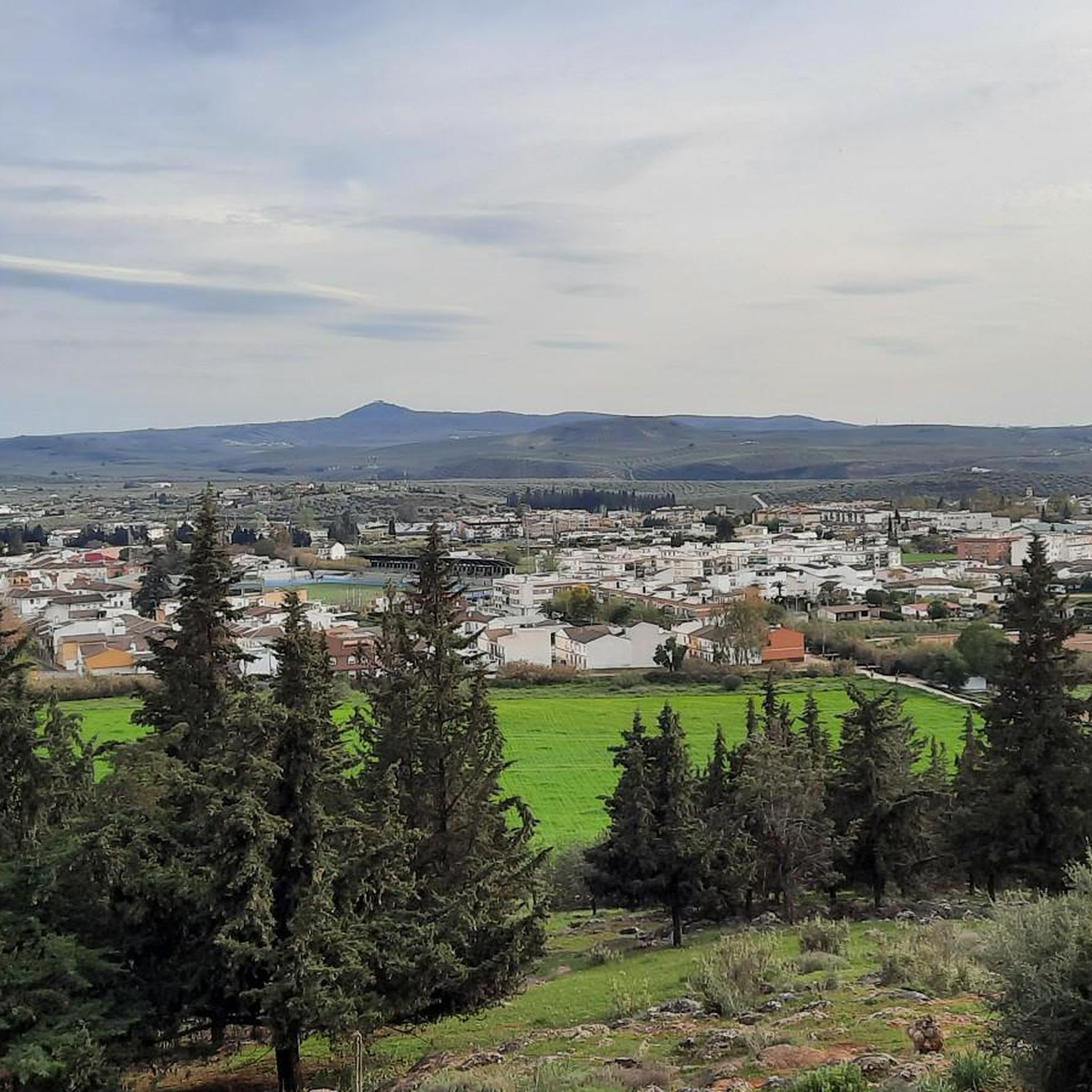
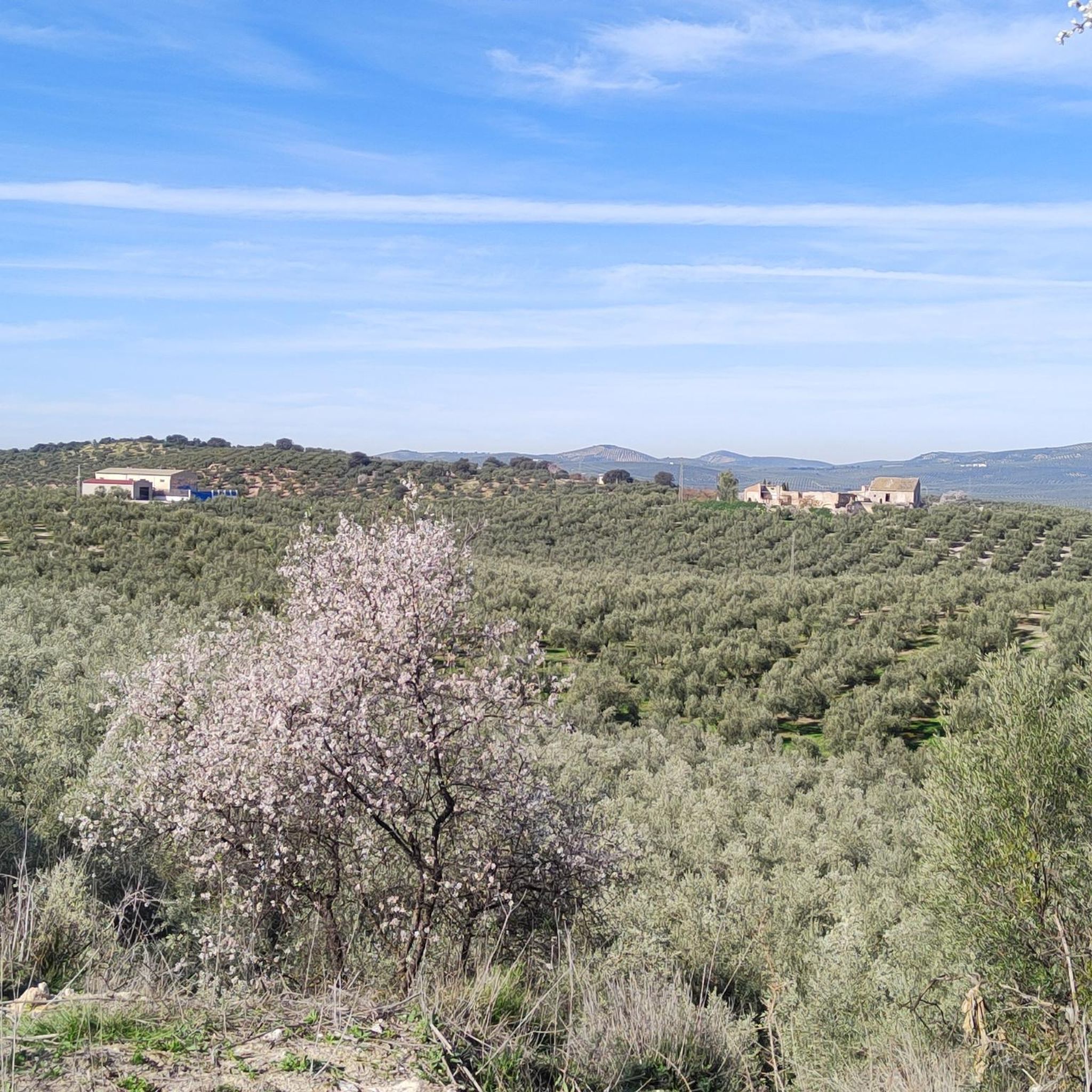
Gravel biking around National Park Sierras Subbéticas offers varied terrain across a distinctive limestone karst landscape. The region features rugged hills, deep gorges, and extensive olive groves, providing diverse surfaces for gravel cyclists. This mountainous area, characterized by sharp slopes and narrow valleys, presents both challenging and rewarding environments for exploration. The network of trails includes converted disused railway lines, offering a mix of paved and unpaved sections.
Best gravel bike trails around National Park Sierras Subbéticas
- The most popular…
Last updated: July 2, 2026
4.3
(3)
37
riders
51.7km
03:25
450m
450m
Moderate gravel ride. Good fitness required. Mostly paved surfaces. Suitable for all skill levels.
6
riders
40.8km
03:04
550m
550m
Hard gravel ride. Very good fitness required. Mostly paved surfaces. Suitable for all skill levels.

Sign up for free
8
riders
45.7km
03:19
950m
950m
Hard gravel ride. Very good fitness required. Mostly paved surfaces. Suitable for all skill levels.
5.0
(1)
8
riders
25.8km
01:42
220m
220m
Moderate gravel ride. Good fitness required. Mostly paved surfaces. Suitable for all skill levels.
5
riders
31.7km
02:31
790m
790m
Hard gravel ride. Very good fitness required. Mostly paved surfaces. Suitable for all skill levels.
Get access to more routes and recommendations from other explorers.
Sign up for free
Already have an account?
Our route recommendations are based on thousands of hikes, rides, and runs completed by other people on komoot.
Start today with a free account
Your next adventure awaits.
Login or Signup
Popular around National Park Sierras Subbéticas
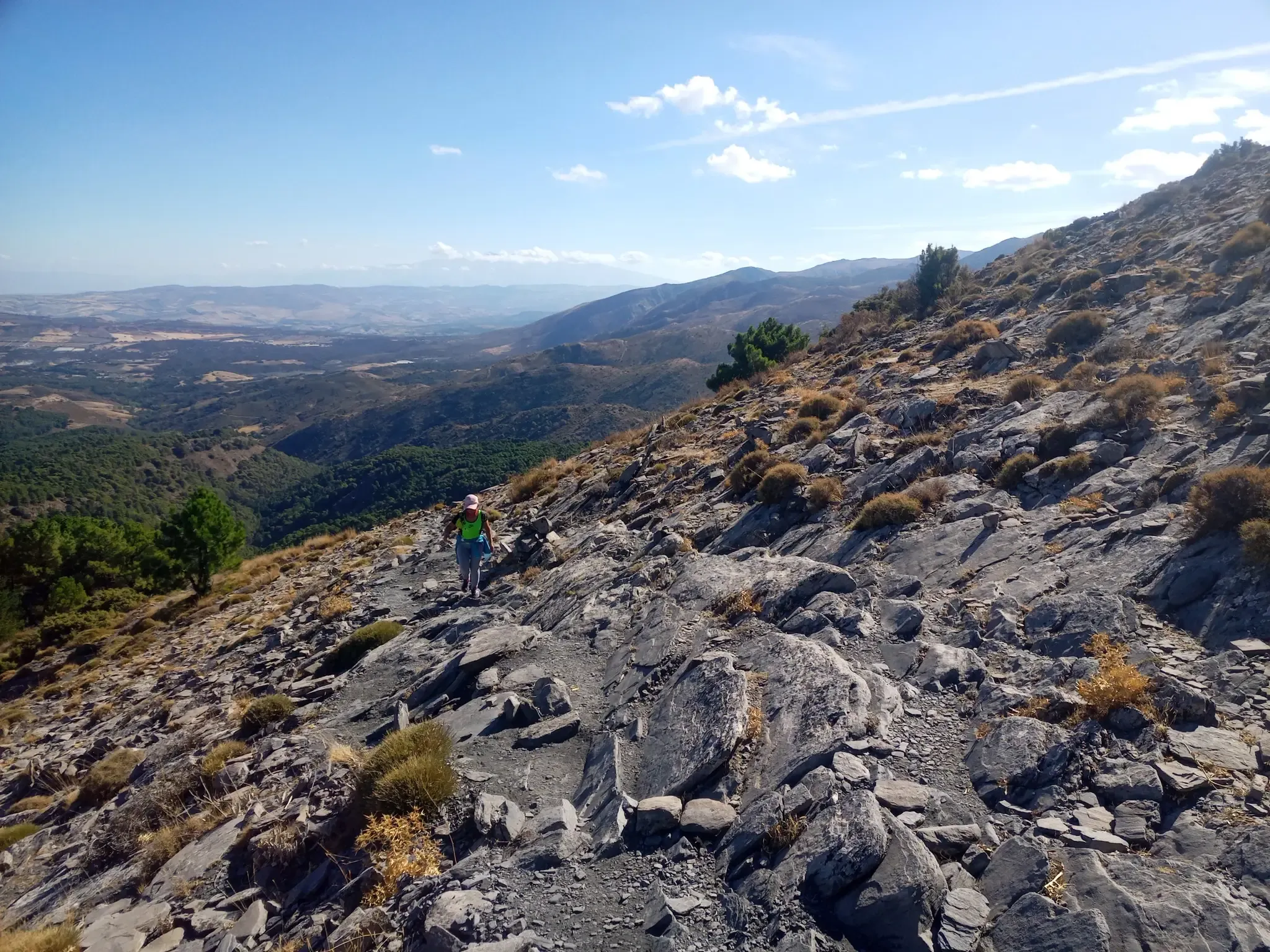
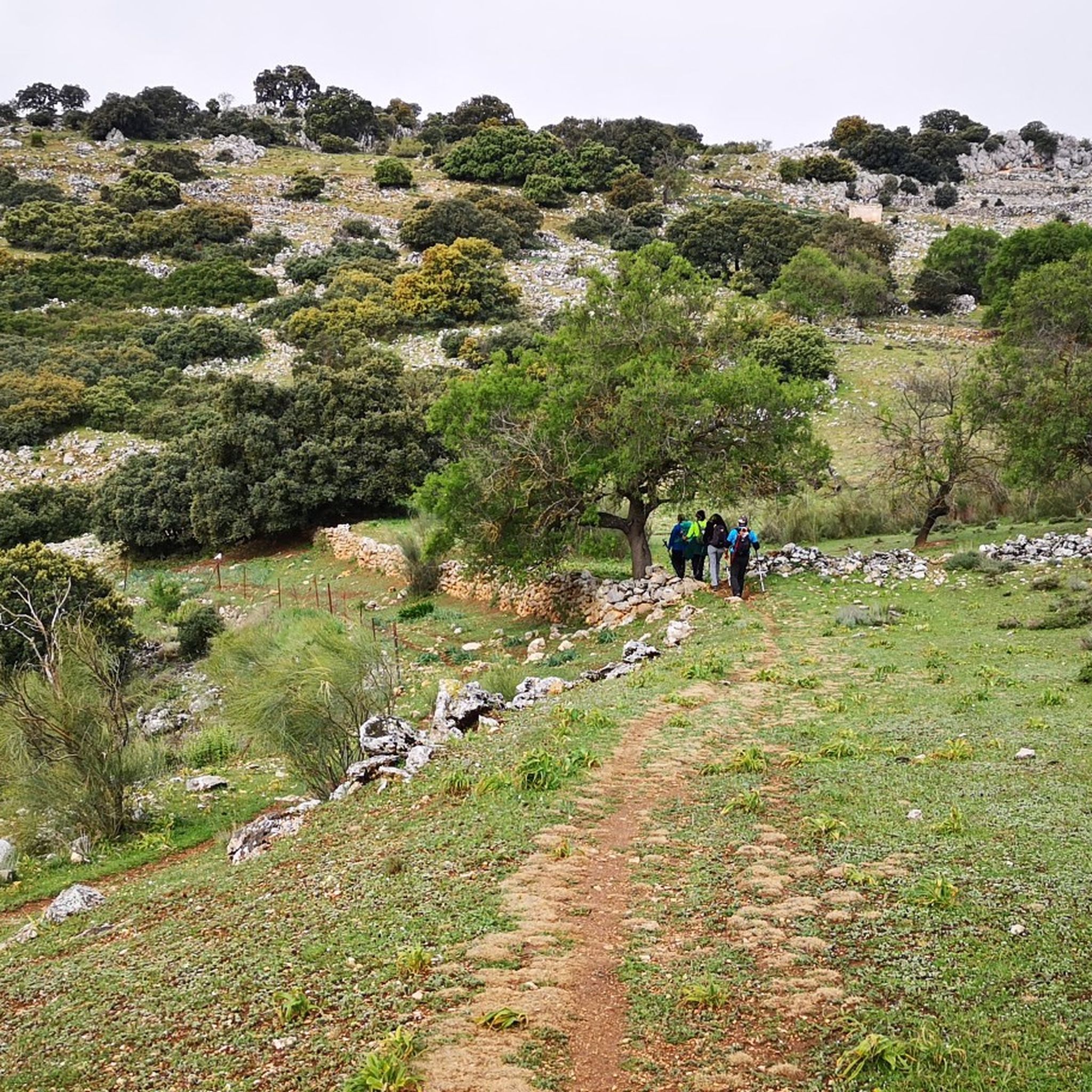
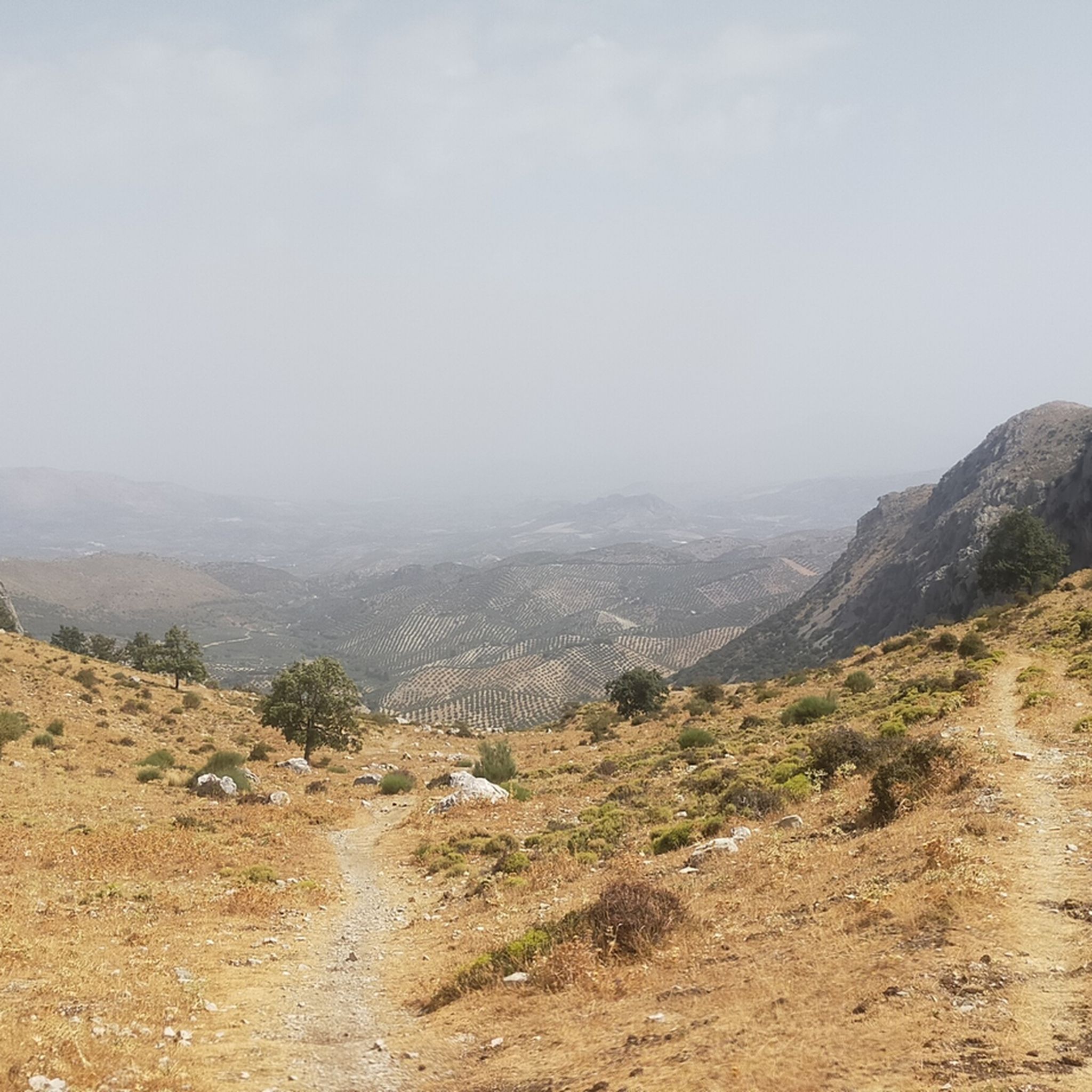
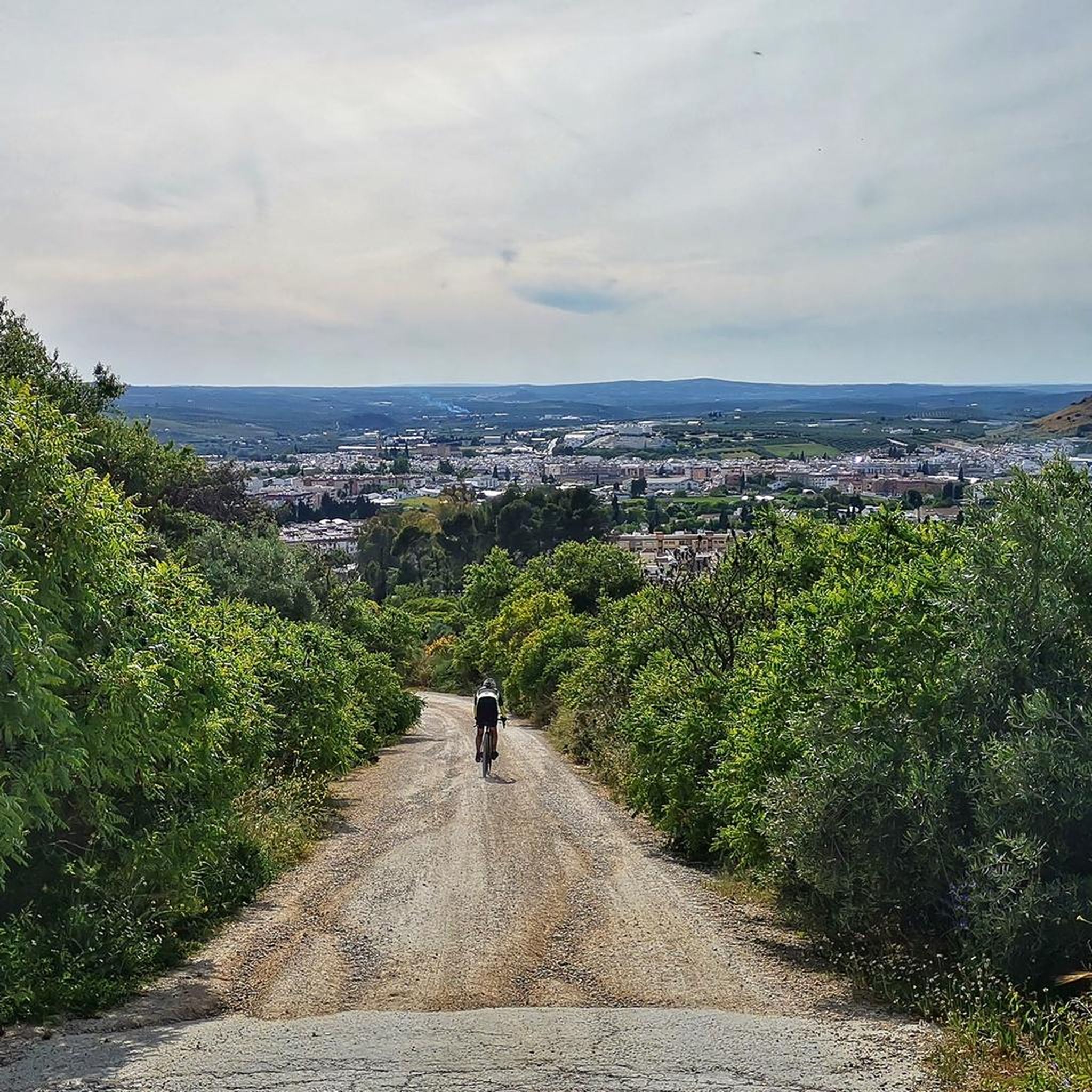
Other adventures around National Park Sierras Subbéticas

Tips from the Community

It's worth the effort...
0
0

Old iron railway bridge, with some curious views
0
0

Here the Vía Verde de la Subbética transitions into the Vía Verde del Aceite, a car-free greenway on a former railroad
0
0
Very well preserved castle built for the barons of Cabra
0
0

The Fuente del Río in Cabra, is a picturesque natural park considered the origin of the Río Cabra. The park combines the natural beauty of a karst spring with landscaped gardens and a diverse tree landscape. It was declared a “Sitio de Interés Natural” in 1929 and today offers recreational areas and picnic areas for visitors. The spring rises at the foot of the Sierra de Cabra, an area with high rainfall and calcareous rock that leads to the formation of such karst springs. The water flows through a series of waterfalls and artificial springs and supplies the entire municipality. The Fuente del Río is part of the “Ruta del Agua” in the Subbética Cordobesa and offers a harmonious interplay of nature and human design. The park is a popular place for locals and visitors who want to enjoy the tranquility and beauty of this unique place. A visit to the Fuente del Río offers the opportunity to experience the natural beauty of the region and explore the origins of the Río Cabra.
3
0

Frequently Asked Questions
How many gravel bike trails are available in National Park Sierras Subbéticas?
There are nearly 20 gravel bike trails available in National Park Sierras Subbéticas on komoot, offering a diverse range of experiences. These include routes of varying difficulty, from moderate to challenging, across the region's unique landscapes.
What kind of terrain can I expect on gravel bike trails in Sierras Subbéticas?
The terrain in Sierras Subbéticas is characterized by a stunning limestone karst landscape, featuring rugged hills, deep gorges, and extensive olive groves. You'll encounter a mix of paved and unpaved sections, including converted disused railway lines like the Vía Verde del Aceite, which offers smooth stretches alongside more challenging segments with sharp slopes and narrow valleys.
Are there any family-friendly gravel biking options in the park?
While many routes in Sierras Subbéticas are rated moderate to difficult, sections of the Vía Verde del Aceite are generally suitable for families, especially those with some cycling experience. These converted railway lines offer a flatter, more accessible surface. For a moderate option, consider the Alamedal Viaduct – Beautiful section of the greenway loop from Cabra, which is 15.9 miles (25.6 km) long and takes about 2 hours.
What are some notable natural attractions or viewpoints along the gravel routes?
The park is rich in natural beauty. You can explore fascinating geological features like the Bat Cave (Cueva de los Murciélagos) near Zuheros, or the Limestone formations and caves in the Bailón Canyon. The region also offers breathtaking panoramic views from peaks like La Tiñosa and El Picacho, known as the 'Balcón de Andalusia'. The Vía Verde del Aceite itself features impressive viaducts and repurposed train stations that provide scenic vistas.
Can I find circular gravel bike routes in National Park Sierras Subbéticas?
Yes, many of the gravel routes in the park are designed as loops, allowing you to start and finish in the same location. An example is the challenging Plantío Tunnel – Alamedal Viaduct loop from Doña Mencía, which covers 31.8 miles (51.2 km) and takes about 4 hours, traversing sections of the Vía Verde del Aceite.
What is the best season for gravel biking in Sierras Subbéticas?
The Mediterranean climate of Sierras Subbéticas makes spring and autumn ideal for gravel biking, offering pleasant temperatures and lush landscapes. Summers can be very hot, while winters are generally mild but can have cooler, wetter periods. Always check the local weather forecast before heading out.
Are there any long-distance gravel cycling routes available?
The Vía Verde del Aceite is a significant long-distance option, spanning 128 km across the olive-covered countryside, making it perfect for extended gravel rides. While individual komoot tours might focus on sections, you can combine them for a longer journey. For a challenging long loop, consider the Plantío Tunnel – Steam locomotive - Mikado loop from Doña Mencía, which is 54.2 km long with significant elevation gain.
What do other gravel bikers enjoy most about the routes here?
The gravel biking routes in National Park Sierras Subbéticas are highly rated by the komoot community, with an average score of 4.5 stars. Reviewers often praise the unique limestone karst landscape, the extensive olive groves, and the well-maintained sections of the Vía Verde del Aceite, which offer a blend of challenging and scenic riding.
Are there any routes suitable for advanced gravel bikers looking for a challenge?
Absolutely. The mountainous terrain with its sharp slopes and hills provides plenty of challenges for experienced riders. Many routes are rated 'difficult', such as the San Marcos Bridge – Alamedal Viaduct loop from Cabra, a 25.3-mile (40.8 km) path that offers demanding sections through olive groves and along the Vía Verde.
Where can I find parking for gravel bike trails in the region?
Many towns and villages along the Vía Verde del Aceite and within the park, such as Doña Mencía and Cabra, offer parking facilities. Repurposed train stations along the Vía Verde often serve as convenient starting points with parking available. For example, the Doña Mencía Station is a good access point.
Is it possible to spot wildlife while gravel biking in Sierras Subbéticas?
Yes, the park is a haven for diverse wildlife, especially birds. You might spot various birds of prey, including golden eagles, griffon vultures, and Bonelli's eagles, soaring above the dramatic landscapes. The Mediterranean vegetation also supports a range of other species, making wildlife spotting a possibility, particularly in quieter areas.
Are there any gravel routes near Priego de Córdoba?
While the Vía Verde del Aceite is a central feature, numerous other mountain biking and cycling routes exist among the olive groves and rugged hills surrounding towns like Priego de Córdoba. These routes often involve a mix of paved and unpaved surfaces, offering varied experiences for gravel cyclists.
What kind of elevation changes should I expect on the trails?
Given the park's mountainous terrain, you should expect significant elevation changes on many routes. For instance, the Fuente de Jarcas – San Marcos Bridge loop from Cabra, a 31.6-mile (31.6 km) route, features an elevation gain of nearly 790 meters, indicating the challenging nature of some of the trails.
Most popular routes around National Park Sierras Subbéticas
Most popular attractions around National Park Sierras Subbéticas

Get inspired with the komoot mobile app


Explore more
Browse the best Gravel rides in other regions.
