The best traffic-free bike rides around National Park Fuentes del Narcea Degaña e Ibias
4.1
(10)
427
riders
9
rides
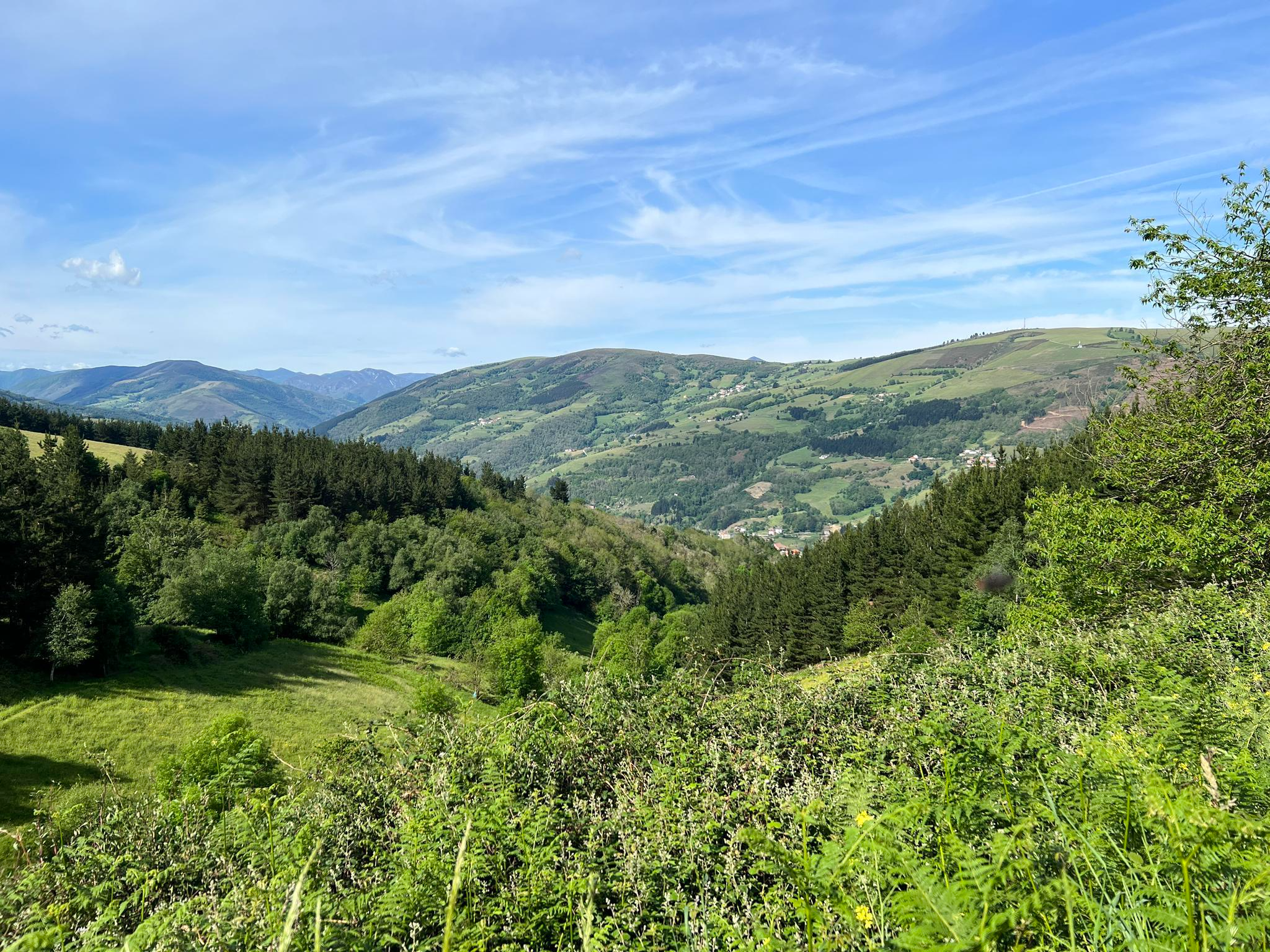
No traffic touring cycling routes around National Park Fuentes del Narcea Degaña e Ibias traverse a mountainous landscape characterized by deep river valleys and extensive ancient forests. This UNESCO Biosphere Reserve in northwestern Spain features 251 named mountains, offering varied terrain for touring cyclists. The park protects the headwaters of the Narcea and Ibias rivers, with a network of tributaries and lagoons. Vast oak and beech forests, including some of Europe's best-preserved Atlantic forests, define much of the scenery.
Best…
Last updated: June 1, 2026
6.62km
00:41
280m
280m
The Oubachu Trail is a moderate 4.1-mile touring cycling route in Asturias, offering views of oak forests and the village of Oubachu.
17.7km
01:40
760m
760m
Hard bike ride. Very good fitness required. Mostly paved surfaces. Suitable for all skill levels.

Sign up for free
28
riders
48.0km
03:19
890m
890m
Hard bike ride. Very good fitness required. Mostly paved surfaces. Suitable for all skill levels.
8
riders
21.4km
01:52
770m
770m
Hard bike ride. Very good fitness required. Mostly paved surfaces. Suitable for all skill levels.
3
riders
27.7km
02:22
950m
950m
This difficult 17.2-mile touring cycling loop from Cangas del Narcea climbs 3113 feet to the Sanctuary of Our Lady of Acebo.
Get access to more routes and recommendations from other explorers.
Sign up for free
Already have an account?
Our route recommendations are based on thousands of hikes, rides, and runs completed by other people on komoot.
Start today with a free account
Your next adventure awaits.
Login or Signup
Popular around National Park Fuentes del Narcea Degaña e Ibias

Other adventures around National Park Fuentes del Narcea Degaña e Ibias


Tips from the Community

Pereda de Ancares is a small, picturesque village in León, surrounded by mountains that preserve the rural essence of the area. It is characterized by its stone and slate houses, along with traditional granaries.
1
0
The Ancares Pass from Pereda de Ancares is one of the toughest and most spectacular climbs in the Cantabrian Mountains. It's a pass that has become legendary thanks to La Vuelta.
1
0

It is a small Romanesque church located in a mountainous area known as Fuentes del Narcea. According to legend, the church was built in the 9th century by a group of monks who discovered a statue of the Virgin Mary in a holly tree. The statue became known as the "Virgin of the Holly" or the "Virgin of the Holly," and the church was built in her honor. The interior of the church is decorated with frescoes from the 12th and 13th centuries, depicting scenes from the Bible and the life of Christ. The altar has a beautiful reredos carved in wood and painted with gold leaf, with images of the Virgin Mary, Saints Peter and Paul, and other saints. A popular destination for pilgrims and tourists who come to admire the beautiful architecture and rich history of the church. It is also a starting point for several hiking trails that lead to the nearby mountain peaks.
0
0

Visiting the Muniellos Reserve by bicycle is not possible. However, if you approach the reserve area by road bike, that is, by climbing the Connio Pass, then a visit to the Muniellos Interpretive Center is a must. Furthermore, the road leading to the Center is spectacular.
0
0


This climb is a must if you're touring the area. It's seven and a half kilometers long, with the gradient concentrating on the final section. You ascend nearly 700 meters and face 19% gradients in a unique setting.
0
0

Muniellos Reserve Interpretation Centre. You can take this detour to enjoy a different section on the climb to Puerto del Connio
1
0
Alto del Acebo is a beautiful place in southwestern Asturias where you can enjoy wonderful panoramic views of the Asturian mountains (the Asturian rural paradise) and where the hermitage of the Virgen del Acebo is located (the pilgrimage is celebrated on September 8, Asturias Day). At the top there are also 2 bars/restaurants where you can eat very well. As can be seen in one of the photos that I just posted, Alto del Acebo has 6 different slopes. All of them are beautiful and very hard. I recommend that you go visit Cangas and Alto del Acebo.
0
0
Frequently Asked Questions
How many no-traffic touring cycling routes are available in National Park Fuentes del Narcea Degaña e Ibias?
There are several dedicated no-traffic touring cycling routes within the National Park Fuentes del Narcea Degaña e Ibias, offering a range of experiences. Currently, komoot features 8 routes specifically curated for a traffic-free touring cycling experience in this stunning region.
What kind of terrain can I expect on these no-traffic touring cycling routes?
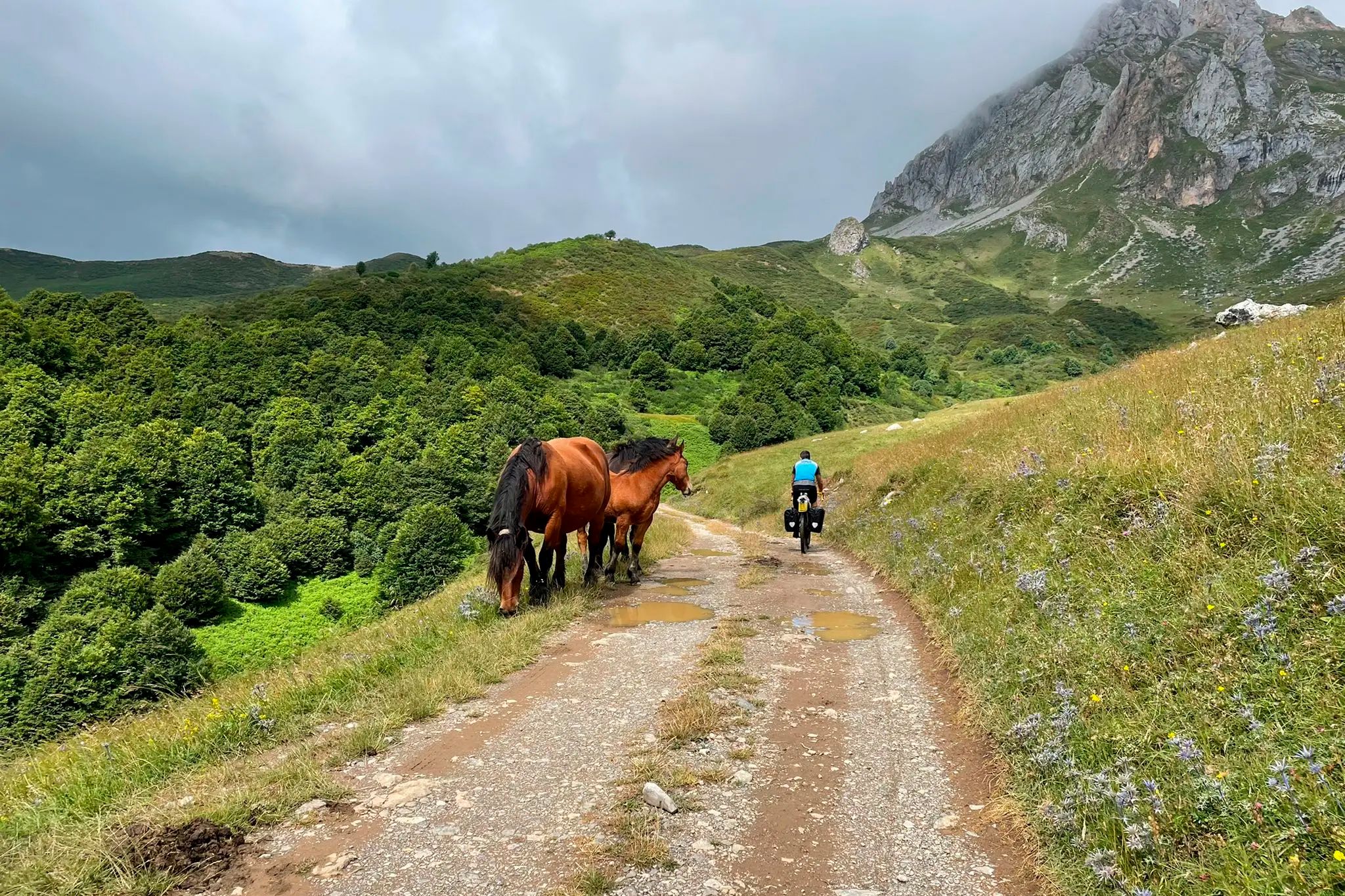
The no-traffic routes in National Park Fuentes del Narcea, Degaña e Ibias primarily feature mountainous terrain with varying gradients. While some sections may offer gentler slopes, many routes include significant climbs and descents, often following river valleys or old railway lines. Expect a mix of paved and well-maintained unpaved surfaces, winding through extensive forests and past traditional villages.
Are there any family-friendly no-traffic cycling routes in the park?
While many routes in the park are challenging, the region is known for the Senda del Oso (Bear Trail), a popular greenway that is particularly suitable for families and recreational cyclists due to its gentle slopes and scenic views. Although not explicitly listed in this guide's routes, it's a well-regarded option in the broader area for a relaxed, traffic-free experience.
What are the best seasons for touring cycling in National Park Fuentes del Narcea Degaña e Ibias?
The best seasons for touring cycling in National Park Fuentes del Narcea Degaña e Ibias are typically spring, summer, and autumn. Spring offers lush greenery and pleasant temperatures, while autumn provides breathtaking displays of color in the extensive oak and beech forests. Summer is also excellent, though some higher altitude routes might be more exposed to the sun. Winter can bring snow to higher elevations, making many routes impassable for touring bikes.
What kind of wildlife might I encounter on these routes?
National Park Fuentes del Narcea, Degaña e Ibias is renowned for its rich biodiversity. While cycling, you might spot deer, chamois, and various bird species. The park is also a critical habitat for Cantabrian brown bears and wolves, though sightings of these more elusive animals are rare. The extensive forests, including the famous Muniellos forest, provide a pristine environment for wildlife.
Are there any circular no-traffic touring cycling routes available?
Yes, there are several circular no-traffic touring cycling routes. For example, the challenging Santuario de Nuestra Señora del Acebo — circular desde Puenticiella offers a significant climb and descent, while the Santuario del Acebo Loop from Cangas del Narcea provides another demanding circular option. These routes allow you to start and finish in the same location, often passing through diverse landscapes.
What are some notable attractions or landmarks along the no-traffic touring cycling routes?
Many routes offer stunning natural beauty and pass by significant landmarks. You might encounter picturesque mountain passes such as Pozo de las Mujeres Muertas Pass, Connio Pass, or Puerto de Leitariegos, offering panoramic views. The routes also wind through charming traditional villages and extensive forests, providing a glimpse into the region's cultural and natural heritage.
What is the difficulty level of the no-traffic touring cycling routes in this park?
The majority of the no-traffic touring cycling routes in National Park Fuentes del Narcea Degaña e Ibias are rated as 'difficult' due to significant elevation gains and challenging terrain. For instance, routes like Pereda de Ancares loop from Ermida da Madalena and Pereda de Ancares – Puerto de Ancares loop from Valle de Ancares require good physical condition. There is also a 'moderate' option, the Oubachu Trail, which is shorter and less demanding.
Is it possible to access these routes using public transport with a bike?
Public transport options directly into the heart of National Park Fuentes del Narcea, Degaña e Ibias can be limited, especially for carrying bikes. While some bus services connect major towns like Cangas del Narcea, it's advisable to check with the specific transport provider regarding their bike carriage policies and availability in advance. Many cyclists opt to drive to a starting point and park.
What do other touring cyclists say about their experience in National Park Fuentes del Narcea Degaña e Ibias?
The touring cycling experience in National Park Fuentes del Narcea Degaña e Ibias is highly regarded by the komoot community, with an average rating of 3.9 stars. Reviewers often praise the stunning natural beauty, the tranquility of the traffic-free routes, and the challenging yet rewarding climbs that offer incredible views of the mountainous landscape and ancient forests.
Are there places to eat or stay near the no-traffic cycling routes?
Yes, you'll find charming small villages interspersed throughout the park and in nearby areas like Cangas del Narcea and Degaña. These often offer local cafes, restaurants, and accommodation options ranging from guesthouses to rural hotels. It's recommended to plan your stops, especially on longer routes, as services can be sparse in more remote sections of the park.
What kind of forests will I cycle through?
The park is famous for its extensive and well-preserved Atlantic forests. You will cycle through magnificent oak and beech forests, which are particularly stunning in autumn. Areas like the Muniellos forest, one of Europe's largest oak groves, are a highlight, offering dense canopy and a rich, natural environment.
Most popular routes around National Park Fuentes del Narcea Degaña e Ibias
Most popular attractions around National Park Fuentes del Narcea Degaña e Ibias

Get inspired with the komoot mobile app


Explore more
Browse the best Cycling routes in other regions.
