The best hikes from bus stations around National Park Fuentes del Narcea Degaña e Ibias
4.4
(75)
687
hikers
2
hikes
Bus station hiking trails around National Park Fuentes del Narcea Degaña e Ibias traverse a landscape characterized by mountainous terrain, deep river valleys, and extensive forests. The park features a succession of mountain ranges, including Degaña and Caniellas, which frame the upper basins of the Ibias and Narcea rivers. Elevations range significantly, with the highest point being Cueto Arbas at 2,002 meters (6,568 feet). The region is notable for its diverse woodlands, including Spain's largest oak forest, and numerous glacial…
Last updated: June 28, 2026
5
hikers
13.7km
05:53
800m
800m
Hard hike. Very good fitness required. Sure-footedness, sturdy shoes and alpine experience required.
7
hikers
19.2km
06:12
870m
870m
Hard hike. Very good fitness required. Easily-accessible paths. Suitable for all skill levels.

Sign up for free
4.5
(4)
25
hikers
29.2km
08:47
930m
930m
Hard hike. Very good fitness required. Easily-accessible paths. Suitable for all skill levels.
4.8
(5)
11
hikers
12.0km
04:15
690m
690m
Moderate hike. Good fitness required. Easily-accessible paths. Suitable for all skill levels.
5.0
(1)
9
hikers
16.3km
05:04
600m
600m
Hard hike. Very good fitness required. Easily-accessible paths. Suitable for all skill levels.
Our route recommendations are based on thousands of hikes, rides, and runs completed by other people on komoot.
Start today with a free account
Your next adventure awaits.
Login or Signup
Popular around National Park Fuentes del Narcea Degaña e Ibias
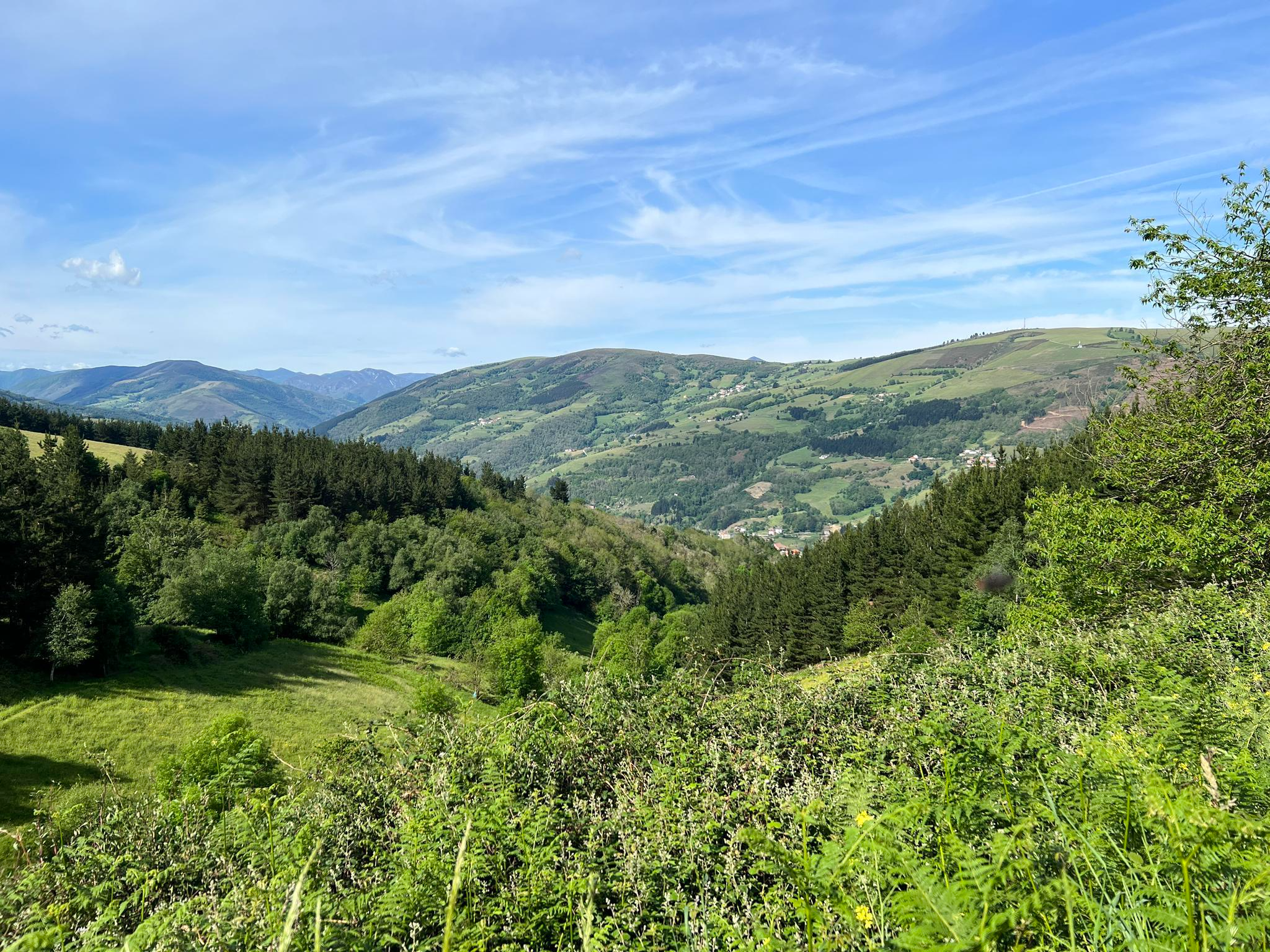
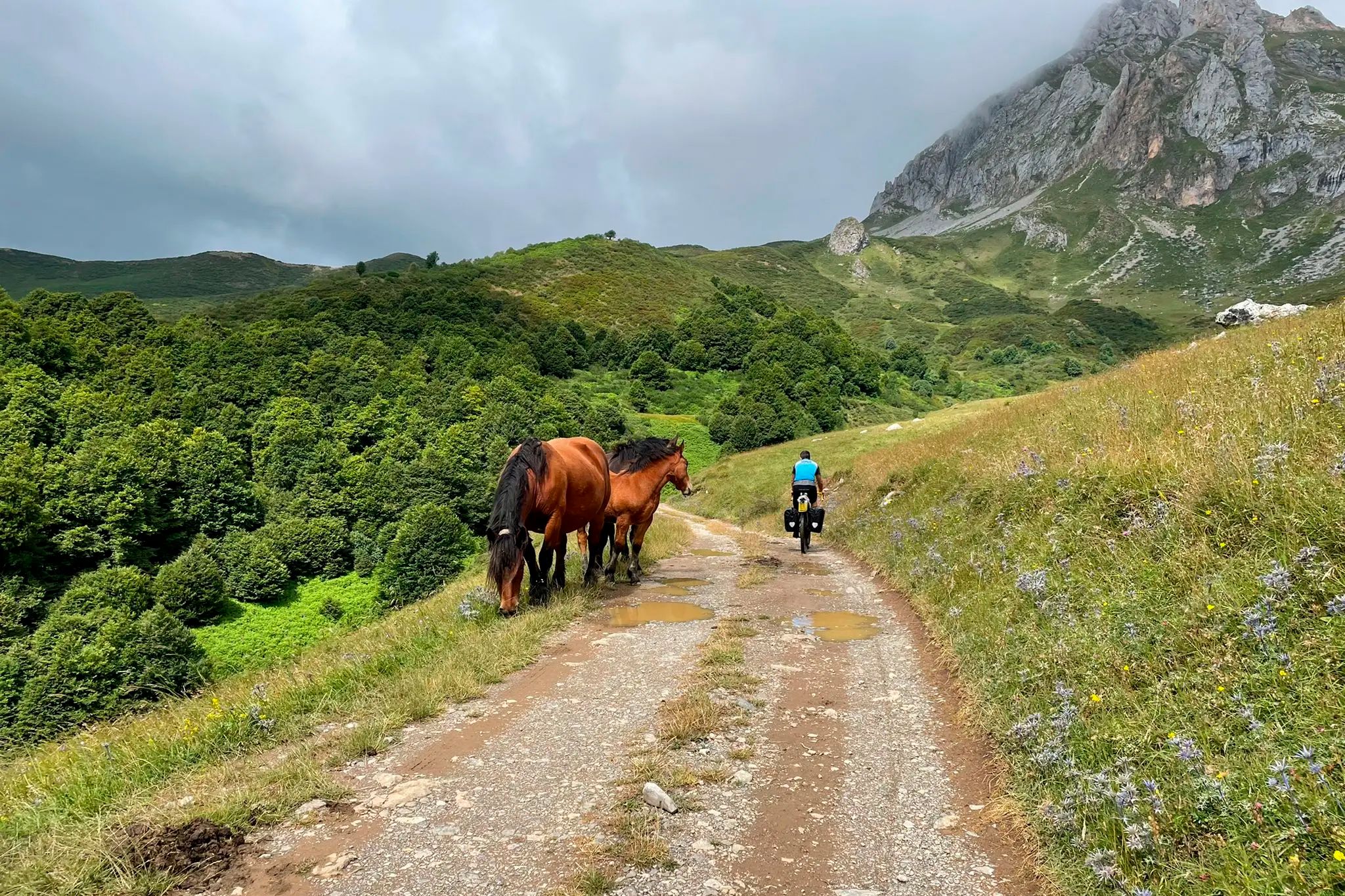
Other adventures around National Park Fuentes del Narcea Degaña e Ibias


Tips from the Community

This road leading to the Holly Sanctuary has incredible views of the surrounding valleys and villages.
0
0

It is a small Romanesque church located in a mountainous area known as Fuentes del Narcea. According to legend, the church was built in the 9th century by a group of monks who discovered a statue of the Virgin Mary in a holly tree. The statue became known as the "Virgin of the Holly" or the "Virgin of the Holly," and the church was built in her honor. The interior of the church is decorated with frescoes from the 12th and 13th centuries, depicting scenes from the Bible and the life of Christ. The altar has a beautiful reredos carved in wood and painted with gold leaf, with images of the Virgin Mary, Saints Peter and Paul, and other saints. A popular destination for pilgrims and tourists who come to admire the beautiful architecture and rich history of the church. It is also a starting point for several hiking trails that lead to the nearby mountain peaks.
0
0

beautiful climb
0
0

Very beautiful in summer and winter
0
0

Beautiful place, hard to get to, worth it. Surrounded by mountains.
0
0

El Coutu is a parish in the council of Somiedo, in the community of the Principality of Asturias. It is also known as El Coto de Buenamadre and is located in the Somiedo natural park. Mounds from the Bronze Age have been found near the inhabited area.
1
0
The Enraimada beech forest is a forest located in the Somiedo natural park, declared a biosphere natural reserve by UNESCO in 2000. This forest is in a restricted use area, so it is prohibited to leave the path that crosses it. Although the dominant species is the beech, there are also oaks, sessile trees, ash trees, maples and yews.
0
0
Frequently Asked Questions
How many bus station accessible hiking trails are available in National Park Fuentes del Narcea, Degaña e Ibias?
This guide features a selection of bus station accessible hiking trails within the National Park Fuentes del Narcea, Degaña e Ibias. Currently, there are 2 routes detailed, offering convenient access to the park's stunning landscapes directly from public transport hubs.
What kind of terrain can I expect on bus-accessible hikes in the National Park Fuentes del Narcea, Degaña e Ibias?
The bus-accessible trails in this region traverse a varied terrain typical of the Cantabrian Mountains. You can expect rugged mountains, deep canyons, and extensive forests, including significant oak and beech woodlands. Trails often involve ascents and descents, with some routes passing through sparsely populated mountain ranges and offering panoramic views.
Are there any challenging bus-accessible routes for experienced hikers?
Yes, the National Park Fuentes del Narcea, Degaña e Ibias offers challenging bus-accessible routes. For instance, the Braña de Zalambo – Braña de la Seita loop from Cuevas del Sil is rated difficult, covering over 13 km with significant elevation gain. Another demanding option is the Scenic road – Cangas del Narcea loop from Cangas del Narcea, which spans over 19 km and also features considerable elevation changes.
What are some notable natural features or viewpoints I can see along these trails?
The park is rich in natural beauty. While hiking, you might encounter glacial formations, extensive forests like the famous Muniellos (though access is restricted), and various rivers and lagoons. For stunning vistas, look out for viewpoints such as Pozo de las Montañas and Alto del Acebo. You can also explore significant mountain passes like Pozo de las Mujeres Muertas Pass or Puerto de Leitariegos, which are prominent features of the landscape.
What is the best time of year to hike from bus stations in this National Park?
The best time to hike in National Park Fuentes del Narcea, Degaña e Ibias is generally from late spring to early autumn (May to October). During these months, the weather is more stable, trails are typically clear of snow, and the diverse flora is in full bloom or showcasing vibrant autumn colors. Winter hiking is possible but requires appropriate gear and experience due to snow and colder conditions, especially at higher elevations.
Are there any circular routes accessible by bus?
Yes, several bus-accessible routes in the National Park Fuentes del Narcea, Degaña e Ibias are circular, allowing you to start and end your hike at the same point, often near a bus stop. Examples include the Braña de Zalambo – Braña de la Seita loop from Cuevas del Sil and the Scenic road – Cangas del Narcea loop from Cangas del Narcea, both designed as loops for convenience.
What wildlife might I encounter while hiking in the park?
National Park Fuentes del Narcea, Degaña e Ibias is a crucial habitat for diverse wildlife. You might spot the Cantabrian brown bear, wolves, roe deer, and wild boar. Birdwatchers can look for species like the capercaillie and grey partridge. Remember to maintain a respectful distance and avoid disturbing any animals you encounter.
What do other hikers enjoy most about the bus-accessible trails in National Park Fuentes del Narcea, Degaña e Ibias?
The komoot community highly rates the hiking experience in this region, with an average score of 4.57 stars. Reviewers often praise the stunning mountainous landscapes, the rich biodiversity, and the sense of wild, untouched nature. The convenience of accessing these trails directly from bus stations is also a frequently appreciated aspect.
Are there any towns or villages near the bus-accessible trailheads where I can find services?
Yes, some bus-accessible trailheads are located near or within small towns and villages. For example, the Scenic road – Cangas del Narcea loop starts from Cangas del Narcea, a larger town where you can find various services, including cafes, restaurants, and accommodation. The village of Degaña is also a notable settlement within the park area.
What should I pack for a hike in National Park Fuentes del Narcea, Degaña e Ibias?
Given the mountainous and often rugged terrain, it's essential to pack appropriate gear. This includes sturdy hiking boots, layers of clothing suitable for changing weather conditions, rain gear, sufficient water and snacks, a map or GPS device (like komoot), and sun protection. For longer or more challenging routes, consider trekking poles. Always check the weather forecast before you head out.
Are there any specific regulations or permits needed for hiking in the park?
While most general hiking trails do not require specific permits, certain sensitive areas within the park, such as the Muniellos Forest, have restricted access and require advance booking. Always check the official park regulations before your visit, especially if you plan to venture off marked trails or into protected zones, to ensure you comply with any specific requirements.
Most popular routes around National Park Fuentes del Narcea Degaña e Ibias
Most popular attractions around National Park Fuentes del Narcea Degaña e Ibias

Get inspired with the komoot mobile app


Explore more
Browse the best Hikes in other regions.
