The best traffic-free bike rides around National Park Arrábida
4.7
(3)
41
riders
6
rides
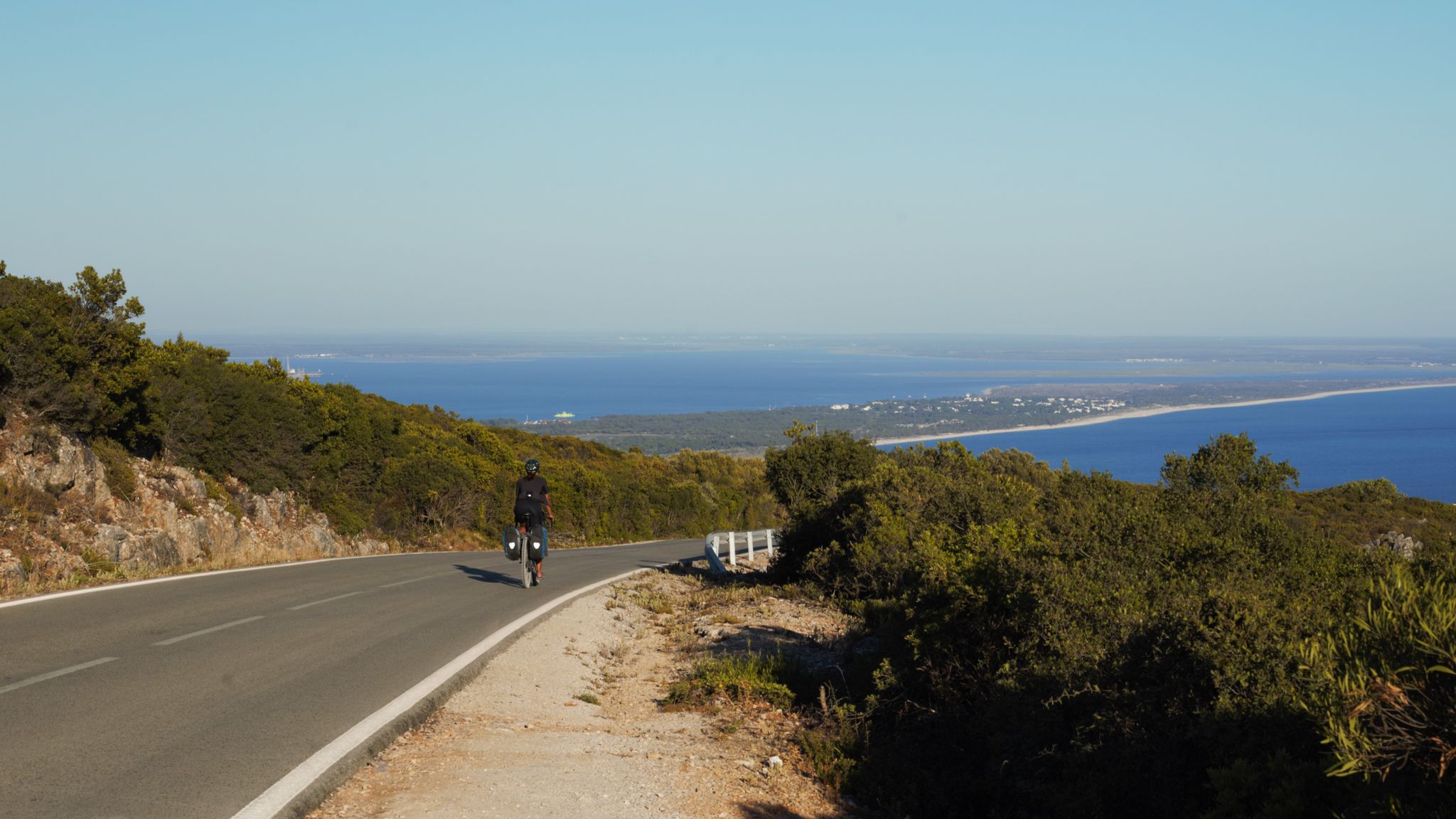
Gravel biking around National Park Arrábida offers a diverse landscape characterized by limestone cliffs, the Serra da Arrábida mountain range, and verdant Mediterranean forests. The region features a mix of paved and unpaved side roads, dirt tracks, and hidden trails, winding through cork forests, vineyards, and coastal paths. These varied terrains provide significant elevation changes, catering to different ability levels. The park's unique microclimate and coastal beauty make it a distinct destination for outdoor exploration.
Best no traffic gravel bike…
Last updated: June 28, 2026
3
riders
Moderate gravel ride. Good fitness required. Mostly paved surfaces. Suitable for all skill levels.
4
riders
31.4km
02:06
350m
350m
Moderate gravel ride. Good fitness required. Mostly paved surfaces. Suitable for all skill levels.

Sign up for free
4.0
(1)
5
riders
26.6km
01:54
380m
380m
Moderate gravel ride. Good fitness required. Mostly paved surfaces. Suitable for all skill levels.
7
riders
34.7km
02:07
390m
390m
Moderate gravel ride. Good fitness required. Mostly paved surfaces. Suitable for all skill levels.
5.0
(1)
7
riders
48.5km
03:08
320m
320m
Moderate gravel ride. Good fitness required. Mostly paved surfaces. Suitable for all skill levels.
Our route recommendations are based on thousands of hikes, rides, and runs completed by other people on komoot.
Start today with a free account
Your next adventure awaits.
Login or Signup
Other adventures around National Park Arrábida

Tips from the Community

Trail with unexpected landscapes and then the landscape opens up, and suddenly Palmela Castle in the distance and the Sado estuary opening up on the horizon line.
0
0
One of the most characteristic dirt roads of Serra do Louro, connecting Palmela and Alto das Necessidades.
0
0

Added to the collection: https://www.komoot.com/de-de/collection/3600632/-naturdenkmaeler-besondere-baeume-und-weitere-schaetze-der-natur
0
0

Setúbal is one of Portugal's most diverse regions, offering a unique mix of mountains, river, and ocean just a short drive from Lisbon. Breathtaking Nature (Arrábida & Sado): Ideally located where the Sado River meets the Atlantic, guarded by the Arrábida Mountains. Home to some of Europe's most beautiful beaches (like Galapinhos and Portinho da Arrábida) with calm, crystal-clear waters. One of the few places in Europe with a resident population of bottlenose dolphins in the estuary. World-Class Gastronomy: Famous for Choco Frito (Fried Cuttlefish), the city's signature dish. Renowned for excellent fresh fish grilled over charcoal. Home to the Livramento Market, considered one of the best fish markets in the world, famous for its vibrant atmosphere and tile panels. Heritage & Views: St. Philip’s Fort (Forte de São Filipe): Offers the best panoramic view over the city, the bay, and the Tróia Peninsula. A charming historic center and the Manueline-style Convent of Jesus. Gateway to Tróia: From the harbor, you can take a quick ferry across the river to the Tróia Peninsula, known for its endless white sandy beaches and Roman ruins. Visiting the Setúbal region (often referred to by visitors simply as "Porto de Setúbal" due to its strong port and riverside identity) is well worth it. It is possibly one of the regions in Portugal that offers the greatest diversity of experiences in a single day. Here are the main reasons why it is an unmissable destination, going far beyond the industrial port area: 1. A Unique Encounter of Nature (Mountains and Sea) Setúbal is situated in a privileged geographical point, where the Sado River meets the Atlantic Ocean, guarded by the Arrábida mountain range. Setúbal Bay: Considered one of the most beautiful bays in the world (it's part of the Club of the Most Beautiful Bays in the World). Arrábida Mountain Range: The mountain range literally "falls" into the sea. The beaches here (such as Galapinhos, Portinho da Arrábida, or Figueirinha) have crystal-clear, calm waters reminiscent of the Mediterranean or the Caribbean, protected by lush green vegetation. 4. Proximity to Tróia From the Port of Setúbal, you can take the ferry or catamaran and, in about 15 to 20 minutes, cross to the Tróia Peninsula. There you will find extensive white sand beaches and warmer waters, as well as interesting Roman ruins.
1
0

These mills are located in high areas and were used to grind cereals into flour to make bread. 👍🇵🇹
0
0

Ancient, magnificent olive trees that are still alive.
2
0

A small, very hidden campsite in a quiet location
2
0
Located high on the road towards Setúbal.
2
0
Frequently Asked Questions
How many no-traffic gravel bike trails are available in National Park Arrábida?
National Park Arrábida offers several dedicated no-traffic gravel bike trails, with this guide featuring 6 routes designed for a peaceful cycling experience away from cars. These routes are all rated as moderate difficulty, providing a good balance for various skill levels.
What is the best time of year to go gravel biking in National Park Arrábida?
The best time for gravel biking in National Park Arrábida is typically during the spring (March to May) and autumn (September to November). During these seasons, the weather is mild and pleasant, avoiding the intense heat of summer and the heavier rains of winter. This allows for comfortable rides through the verdant Mediterranean forests and along the scenic coast.
What makes National Park Arrábida ideal for no-traffic gravel biking?
National Park Arrábida is exceptionally well-suited for no-traffic gravel biking due to its diverse terrain, extensive network of unpaved side roads, dirt tracks, and hidden trails. The region's striking limestone cliffs, dramatic mountain range, and lush forests provide a stunning backdrop, while the absence of heavy traffic ensures a tranquil and immersive connection with nature. You'll find routes winding through cork forests, vineyards, and coastal paths, often with significant elevation changes for varied challenges.
What do other gravel bikers enjoy most about the trails in National Park Arrábida?
The komoot community highly rates the gravel biking experience in National Park Arrábida, with an average score of 4.25 stars. Riders frequently praise the stunning panoramic views, the quiet and traffic-free nature of the trails, and the unique blend of coastal and mountainous landscapes. The opportunity to explore historical sites and enjoy the region's natural beauty away from crowds is also a significant draw.
Are there any challenging no-traffic gravel bike routes in National Park Arrábida?
While all routes in this guide are rated as moderate, some offer more significant elevation gains and longer distances for a challenging experience. For instance, the Steep Climb in the Forest – Peru Trail loop from Rua Família Bronze 33 covers over 34 km with nearly 400 meters of elevation gain, providing a good workout amidst the park's rugged terrain. Another option is the Monhós Route – Estrada da Cobra loop from Praça do Quebedo, which is the longest at over 47 km.
Can I find family-friendly or beginner-level no-traffic gravel bike routes here?
The routes featured in this guide are generally rated as moderate, meaning they are suitable for riders with some experience. However, the 'no traffic' nature makes them safer and more enjoyable for families or beginners looking to build confidence. Routes like the View of Palmela Castle – Moinhos por Baixo Trail loop from Palmela, at 27.5 km, offer a manageable distance and elevation for those seeking a less strenuous ride while still enjoying the beautiful scenery.
Are there circular no-traffic gravel bike routes available?
Yes, all the no-traffic gravel bike routes featured in this guide are circular loops. This allows for convenient starting and ending points, often returning you to your original location without the need for shuttle services. For example, the Estrada da Cobra – View of Palmela Castle loop from Cabanas (Av Visc Tojal 75) is a popular circular option.
Where can I find parking for no-traffic gravel bike trails in National Park Arrábida?
Many of the gravel bike routes in National Park Arrábida start from towns or villages where public parking is available. For example, routes like the View of Palmela Castle – Estradão dos Barris loop from Palmela begin in Palmela, where you can typically find parking. It's advisable to check specific starting points for each route on komoot for detailed parking information, especially during peak seasons.
What kind of scenic views can I expect on these no-traffic gravel bike trails?
The no-traffic gravel bike trails in National Park Arrábida offer an incredible variety of scenic views. You can expect breathtaking panoramic vistas of the Atlantic coastline, the Sado Estuary, and the Tróia Peninsula from elevated points. Routes also traverse through lush Mediterranean forests, cork oak groves, and vineyards. Many trails provide glimpses of historical landmarks like the Castle of Palmela and the Fort of São Filipe, combining natural beauty with cultural interest.
Are there any historical sites or natural monuments to see along the routes?
Absolutely! The region is rich in both historical sites and natural monuments. While riding, you might encounter the 16th-century Convento da Arrábida perched on a hilltop, or pass by the impressive Sanctuary of Our Lady of Cape Espichel. The park also features unique natural formations like the Lapa de Santa Margarida Cave and Chapel and the Marmitas dos Gigantes. Many routes offer views of the historic Castle of Palmela, such as the View of Palmela Castle – Estradão dos Barris loop from Palmela.
Can I access these gravel trails using public transport?
Access to National Park Arrábida's gravel trails via public transport can be somewhat limited, as many trailheads are in more rural areas. However, towns like Palmela and Setúbal, which serve as starting points for some routes, are accessible by train or bus from Lisbon. From these towns, you might need to cycle a short distance to reach the specific trailheads. It's recommended to check local bus schedules for routes that might pass closer to your desired starting point.
Are there any less crowded or hidden gem gravel trails in the park?
The very nature of 'no traffic' gravel trails means they are generally less crowded than paved roads or popular hiking paths. To find truly hidden gems, focus on routes that venture deeper into the park's interior away from the immediate coastal areas. These often involve a mix of dirt tracks and forest paths, offering a more secluded experience. Exploring the network of trails around the Serra da Arrábida mountain range can lead to quieter, more intimate rides.
Most popular routes around National Park Arrábida
Most popular attractions around National Park Arrábida

Get inspired with the komoot mobile app


Explore more
Browse the best Gravel rides in other regions.
