The best hikes from bus stations around National Park Arrábida
4.4
(1126)
4,759
hikers
63
hikes
Hiking around National Park Arrábida offers diverse terrain, characterized by dramatic limestone cliffs that meet the Atlantic Ocean, dense Mediterranean vegetation, and pristine sandy beaches. The region includes the Serra da Arrábida mountain range, with the Serra do Risco reaching 380 meters, providing panoramic views. This UNESCO Biosphere Reserve features Mediterranean scrubland and maritime pine forests, making it a varied landscape for bus station hiking trails.
Best bus station hiking trails around National Park Arrábida
- The most popular bus station…
Last updated: July 12, 2026
4.7
(94)
300
hikers
Moderate hike. Good fitness required. Easily-accessible paths. Suitable for all skill levels.
4.6
(28)
86
hikers
9.04km
02:51
380m
380m
Moderate hike. Good fitness required. Easily-accessible paths. Suitable for all skill levels.

Sign up for free
4.4
(19)
84
hikers
Moderate hike. Good fitness required. Easily-accessible paths. Suitable for all skill levels.
4.2
(12)
81
hikers
Moderate hike. Good fitness required. Easily-accessible paths. Suitable for all skill levels.
4.7
(14)
41
hikers
Moderate hike. Good fitness required. Easily-accessible paths. Suitable for all skill levels.
Get access to more routes and recommendations from other explorers.
Sign up for free
Already have an account?
Our route recommendations are based on thousands of hikes, rides, and runs completed by other people on komoot.
Start today with a free account
Your next adventure awaits.
Login or Signup
Popular around National Park Arrábida
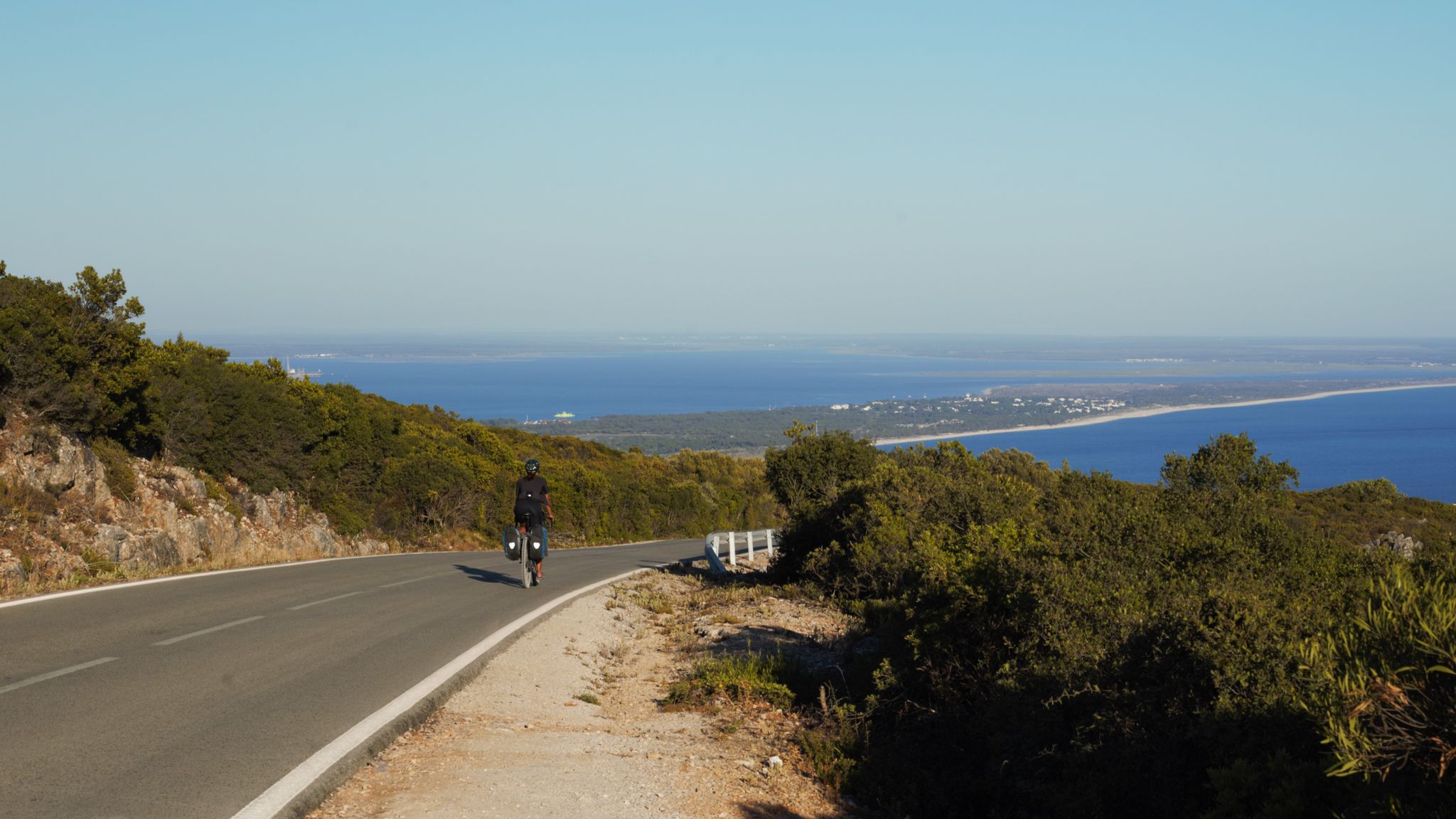
Other adventures around National Park Arrábida

Tips from the Community


On foot or by bike, Arrábida is always a privilege of nature.👍🇵🇹
0
0
The Arrábida Mountains have spectacular trails, along which we can enjoy beautiful landscapes, both green and sea. 👍
0
0

Built in the 18th century, it is an eye-catcher with its baroque architecture and the typical blue and white tiles in which some icons were also kept.
2
0
From here, you can see the dinosaur tracks. It's best to bring binoculars or a vision magnifier.
1
0

The archaeological site consists of a Roman industrial complex for the production of fish salting. It included a factory, a bathhouse, and warehouses. The factory building was built in the third quarter of the 1st century and underwent renovations at the end of the same century, increasing the number of tanks. It remained in operation until the 4th and 5th centuries. The salting tanks, where the fish (sardines and mackerel) were marinated in salt, have opus signinum-coated bottoms and walls. For hygiene reasons, sharp edges were avoided during their construction, opting instead for "half-round" edges. The bathhouse had hot baths (caldarium) and cold baths (frigidarium), contemporary with the operation of the fish salting factory.
4
0

Bench and great seats on the rocks
1
1
The chapel was probably built in the 17th or perhaps 18th century, as a place of Christian worship that, most likely, succeeded other previous cults, namely those related to water or even initiation rites linked to the idea of the rebirth of the soul.
4
0
Frequently Asked Questions
How many bus-accessible hiking trails are available in National Park Arrábida?
There are over 60 hiking trails in National Park Arrábida that are accessible from bus stations, offering a wide range of options for exploring the region's diverse landscapes.
Are there easy hiking trails accessible by bus in National Park Arrábida?
Yes, the park offers 13 easy hiking trails that can be reached via public transport. These routes are generally shorter and have less elevation gain, making them suitable for a relaxed outing. An example is the View of the Arrábida coast – Chã dos Navegantes Trail loop from Pedra da Mua Natural Monument, which offers stunning coastal views.
What kind of scenery can I expect on bus-accessible hikes in Arrábida Natural Park?
Hikes in Arrábida Natural Park offer a unique blend of dramatic limestone cliffs plunging into the Atlantic, verdant Mediterranean vegetation, and pristine sandy beaches. You'll experience panoramic ocean views, dense maritime pine forests, and vibrant scrubland, characteristic of this UNESCO Biosphere Reserve.
Are there any circular routes starting from bus stops in National Park Arrábida?
Yes, many of the bus-accessible trails are circular, allowing you to return to your starting point without needing to retrace your steps. For instance, the São Luís Lookout loop from Forte de São Filipe is a moderate circular route offering great views.
Can I find historical or natural landmarks along these bus-accessible trails?
Absolutely. Many trails pass by significant landmarks. You might encounter historical sites like the Fort of São Filipe, Setúbal, or natural wonders such as the Lapa de Santa Margarida Cave and Chapel. The Archaeological Site of Creiro – Lapa de Santa Margarida Cave and Chapel loop is a great option to explore both.
What is the best time of year to hike in National Park Arrábida?
The best time to hike in National Park Arrábida is typically during spring (March to May) and autumn (September to November). During these seasons, the weather is mild and pleasant, and the vegetation is lush. Summer can be very hot, especially for more challenging routes, while winter can bring rain, though the park remains beautiful year-round.
Are there trails that lead to beaches or offer coastal views?
Yes, the park is famous for its stunning coastline. Many trails offer breathtaking views of the Atlantic and lead to beautiful beaches like Portinho da Arrábida, Praia do Creiro, Galapinhos, and Galapos. The Archaeological Site of Creiro – Rabbits Beach loop is a challenging route that takes you close to the coast.
Are the bus-accessible hiking trails in National Park Arrábida suitable for families?
Many of the easier and moderate trails are suitable for families, especially those with older children. Look for routes with shorter distances and less elevation gain. The park's diverse scenery, including beaches and historical sites, can make for an engaging family adventure. Always check the specific trail details for suitability.
What do other hikers enjoy most about hiking in National Park Arrábida?
The area is highly rated by the komoot community, with an average score of 4.4 stars from nearly 1000 ratings. Reviewers often praise the stunning coastal views, the unique blend of mountain and sea landscapes, and the diverse flora and fauna. The clear turquoise waters and pristine beaches are also frequently highlighted as major attractions.
Are there any trails that offer views of the famous Serra do Risco cliffs?
Yes, several trails provide spectacular views of the Serra do Risco, which boasts the highest peak along the Portuguese mainland coast. While some routes are challenging, others offer distant panoramic vistas. The View of the Arrábida Coastline – View of the Arrábida Coast loop offers expansive views of the dramatic coastline.
Most popular routes around National Park Arrábida
Most popular attractions around National Park Arrábida

Get inspired with the komoot mobile app


Explore more
Browse the best Hikes in other regions.
