The best city hikes and walks in Cochem-Zell
4.5
(45868)
167,913
hikers
36
hikes
Urban hiking trails in Cochem-Zell offer diverse experiences within the region's towns and their immediate surroundings. The area is characterized by its position between the Eifel and Hunsrück low mountain ranges, with the Mosel River valley as a central feature. Trails often incorporate elements of the river landscape, local vineyards, and historic town centers, providing varied terrain for urban exploration.
Best urban hiking trails in Cochem-Zell
- The most popular urban hiking route is Mayen Bridge Gate – Old Town Hall,…
Last updated: October 3, 2026
3.8
(5)
26
hikers
6.63km
01:44
50m
50m
Easy hike. Great for any fitness level. Easily-accessible paths. Suitable for all skill levels.
3.3
(4)
48
hikers
3.60km
00:56
20m
20m
Easy hike. Great for any fitness level. Easily-accessible paths. Suitable for all skill levels.

4.1
(8)
39
hikers
4.08km
01:03
20m
20m
Easy hike. Great for any fitness level. Easily-accessible paths. Suitable for all skill levels.
7
hikers
3.31km
00:52
30m
30m
Easy hike. Great for any fitness level. Easily-accessible paths. Suitable for all skill levels.
5.0
(1)
4
hikers
6.83km
01:50
80m
80m
Easy hike. Great for any fitness level. Easily-accessible paths. Suitable for all skill levels.
Get access to more routes and recommendations from other explorers.
Already have an account?
Our route recommendations are based on thousands of hikes, rides, and runs completed by other people on komoot.
Start today with a free account
Your next adventure awaits.
Popular around Cochem-Zell
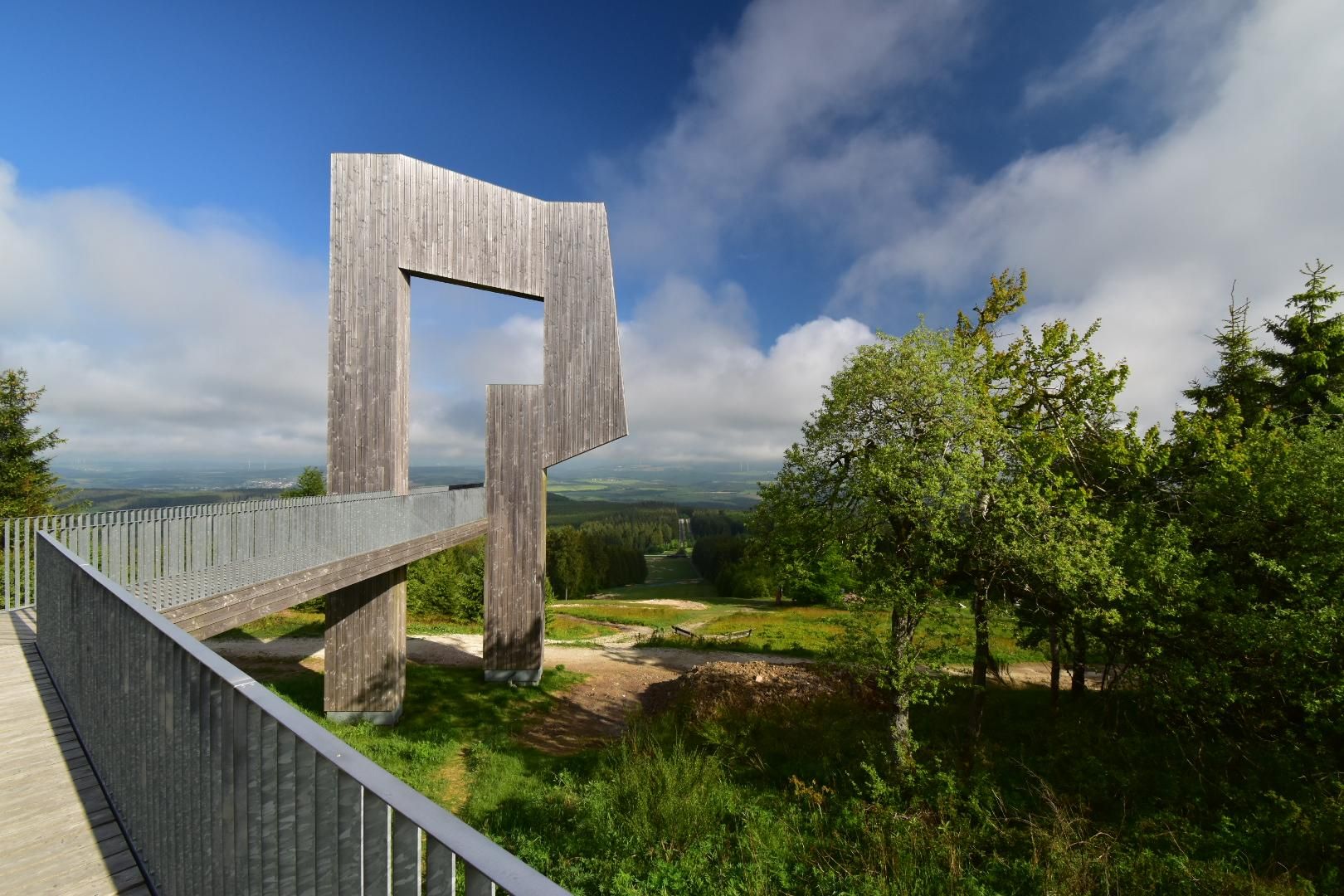
Saar-Hunsrück Climb – Hike in Germany where culture and nature meet
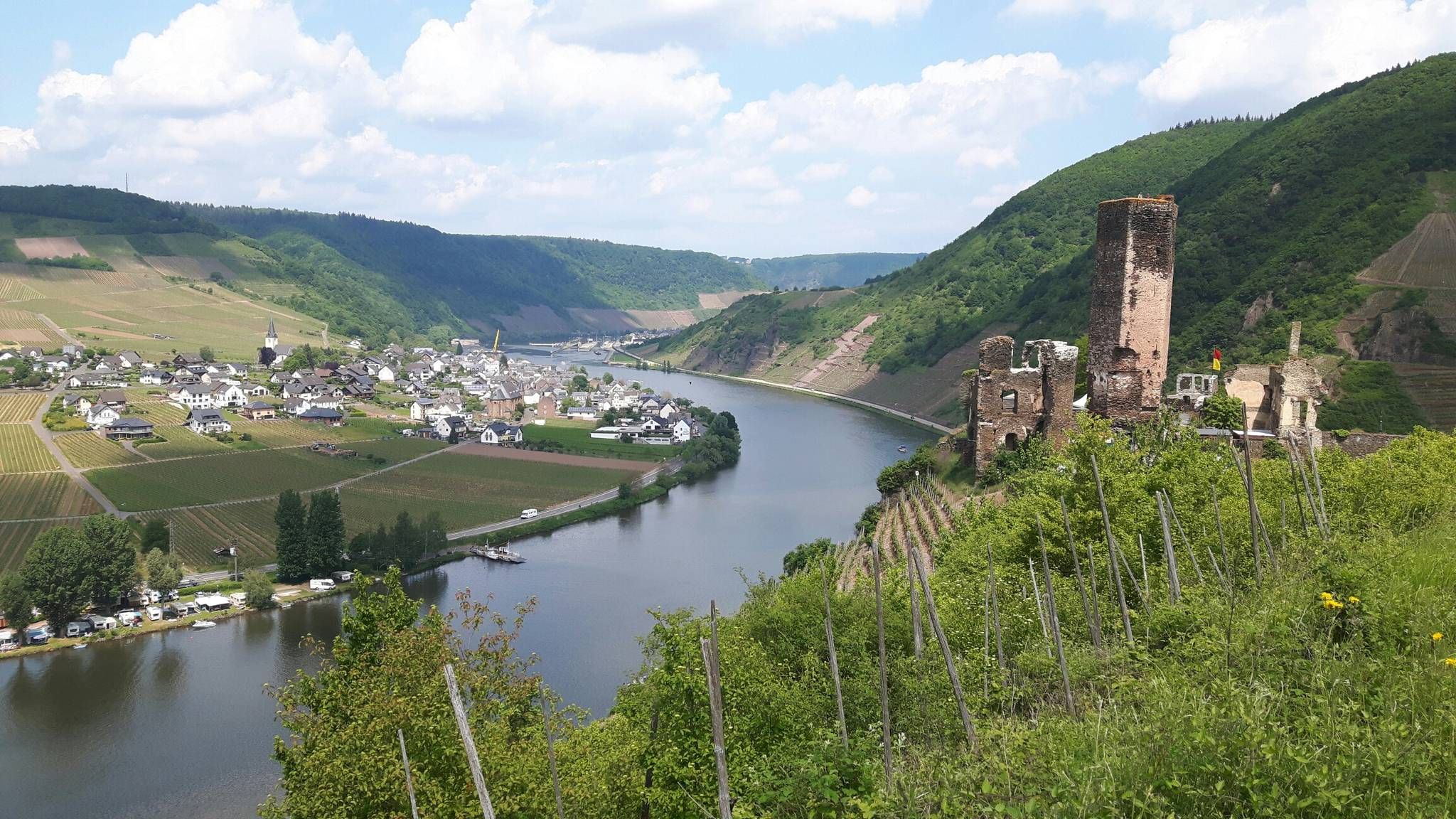
The Moselsteig trail – 24 stages along the sunny Moselle Valley
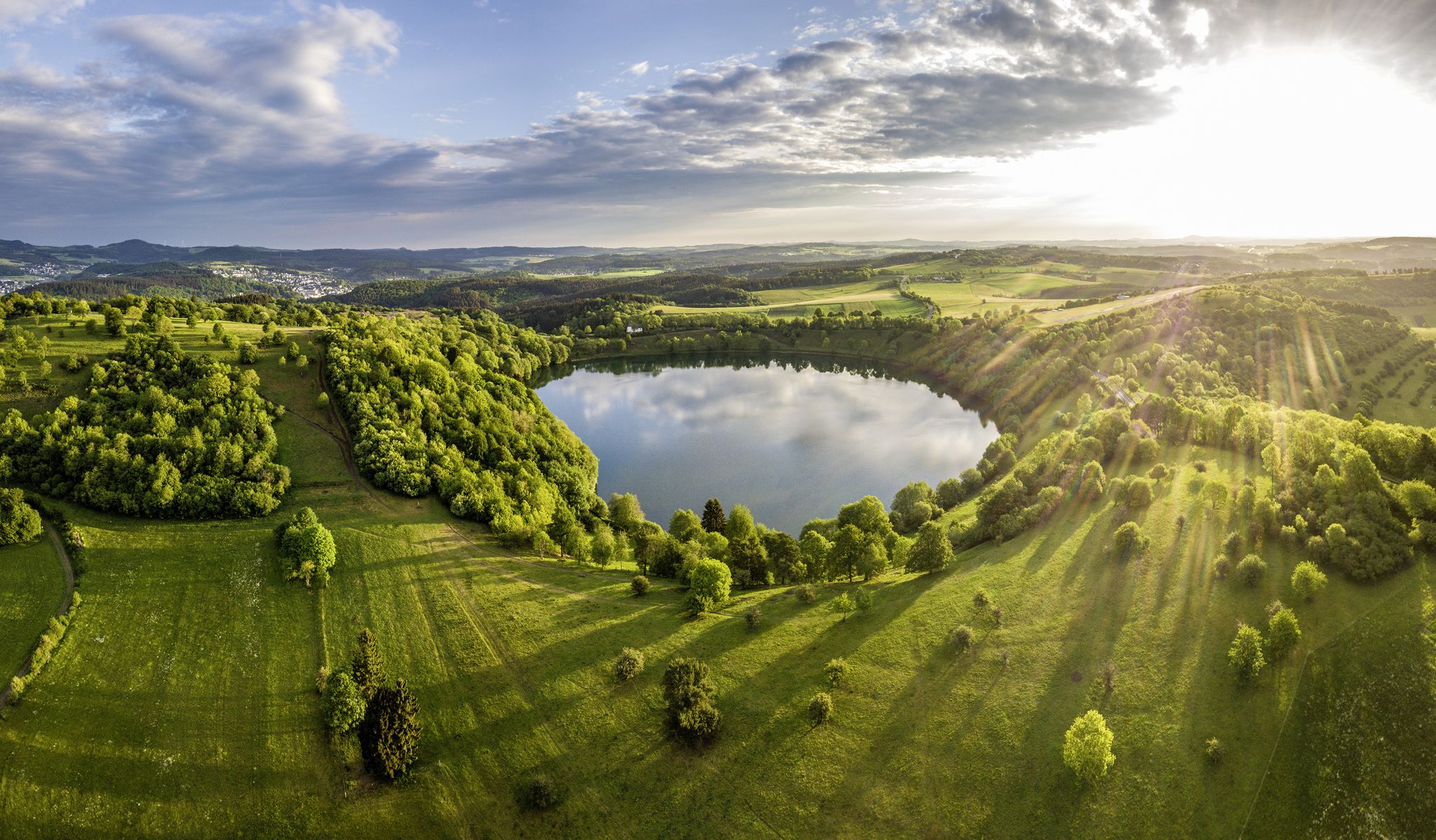
Germany’s Most Beautiful Hiking Trails in the Vulkaneifel
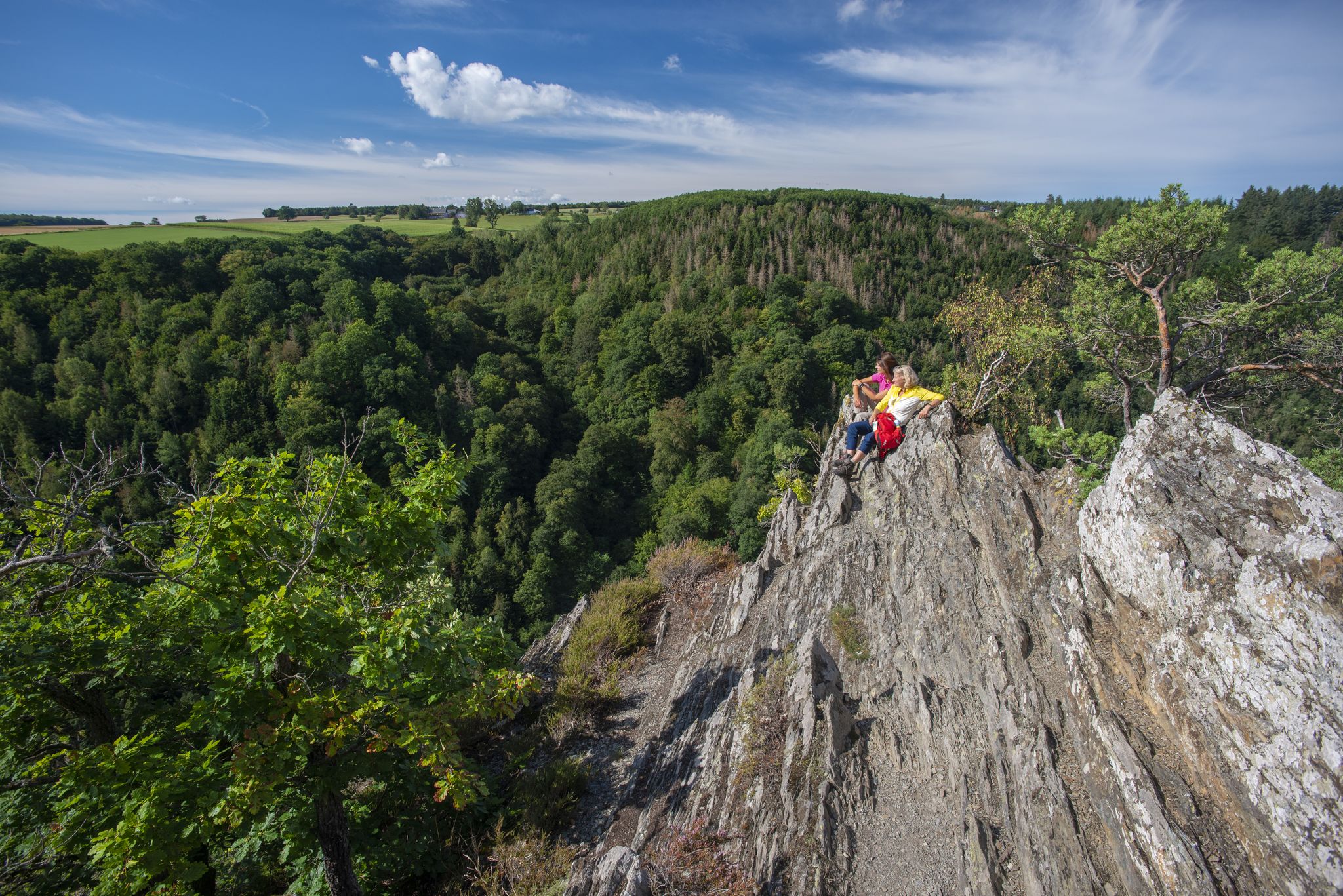
Dream Loops with great views in the Hunsrück
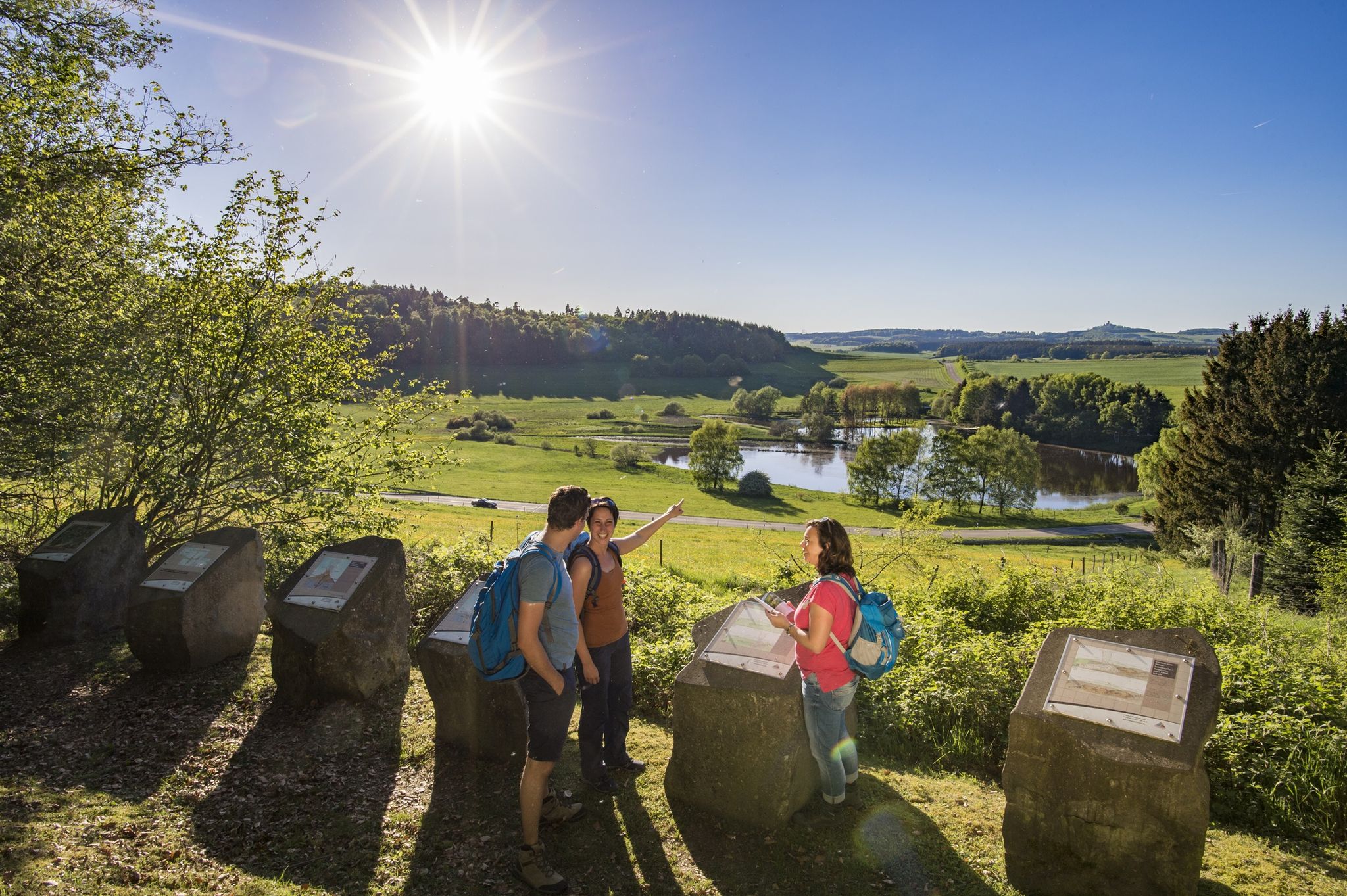
Traumpfade – dreamy, varied hiking trails in Rhein-Mosel-Eifel-Land
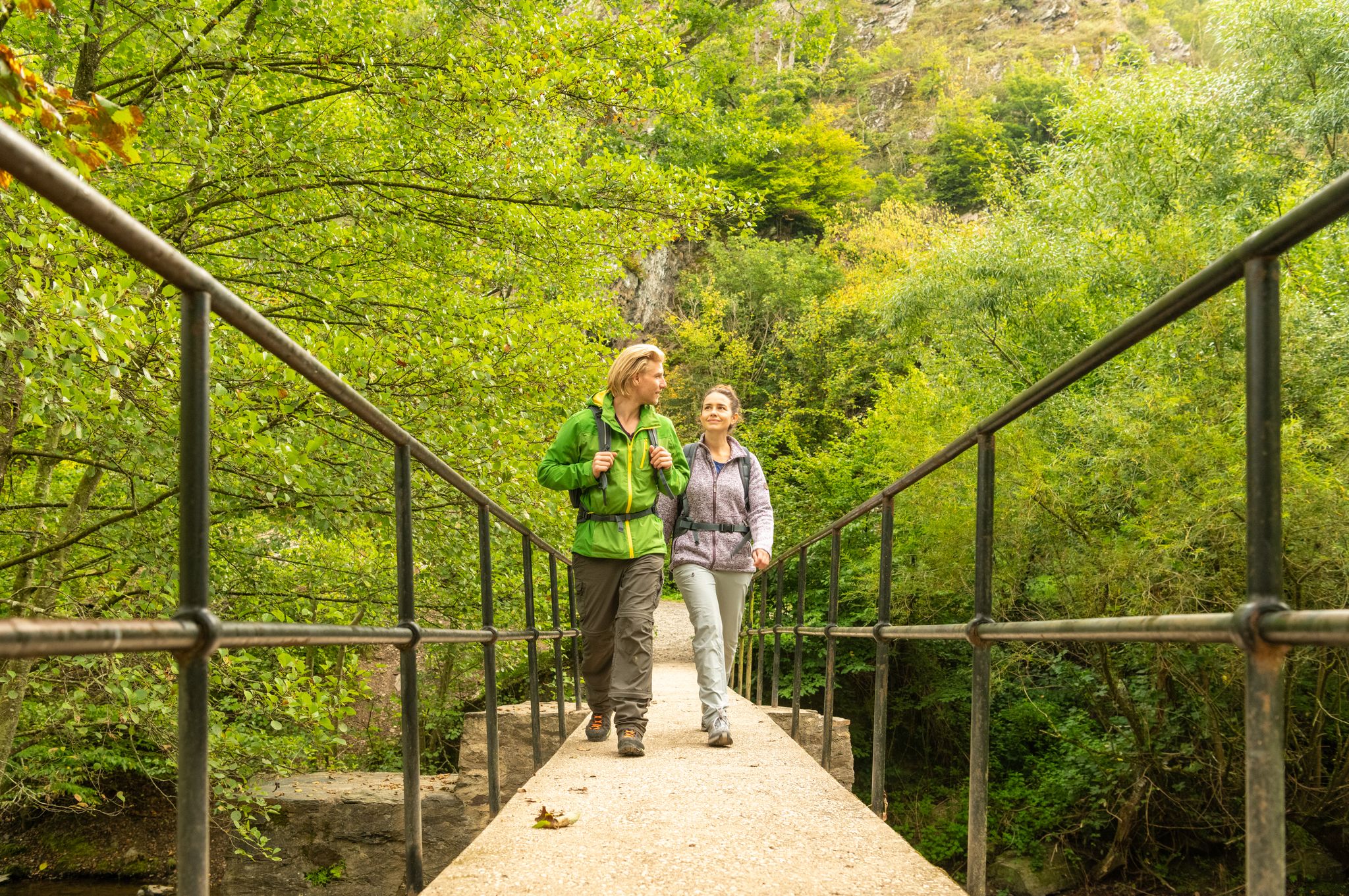
Moselsteig Partner Trails – nature, culture and views
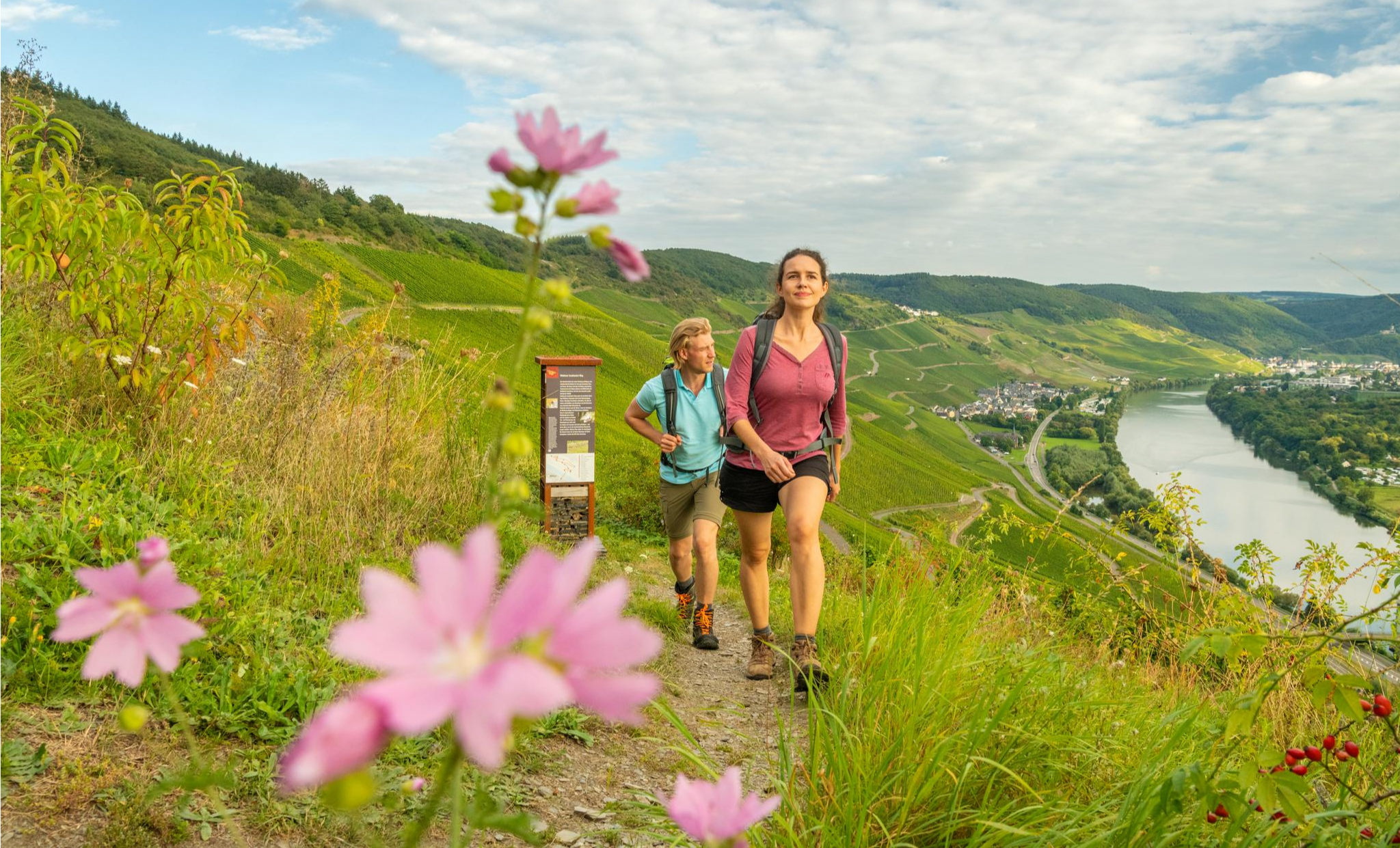
Moselsteig – 24 varied stages from Perl to Koblenz
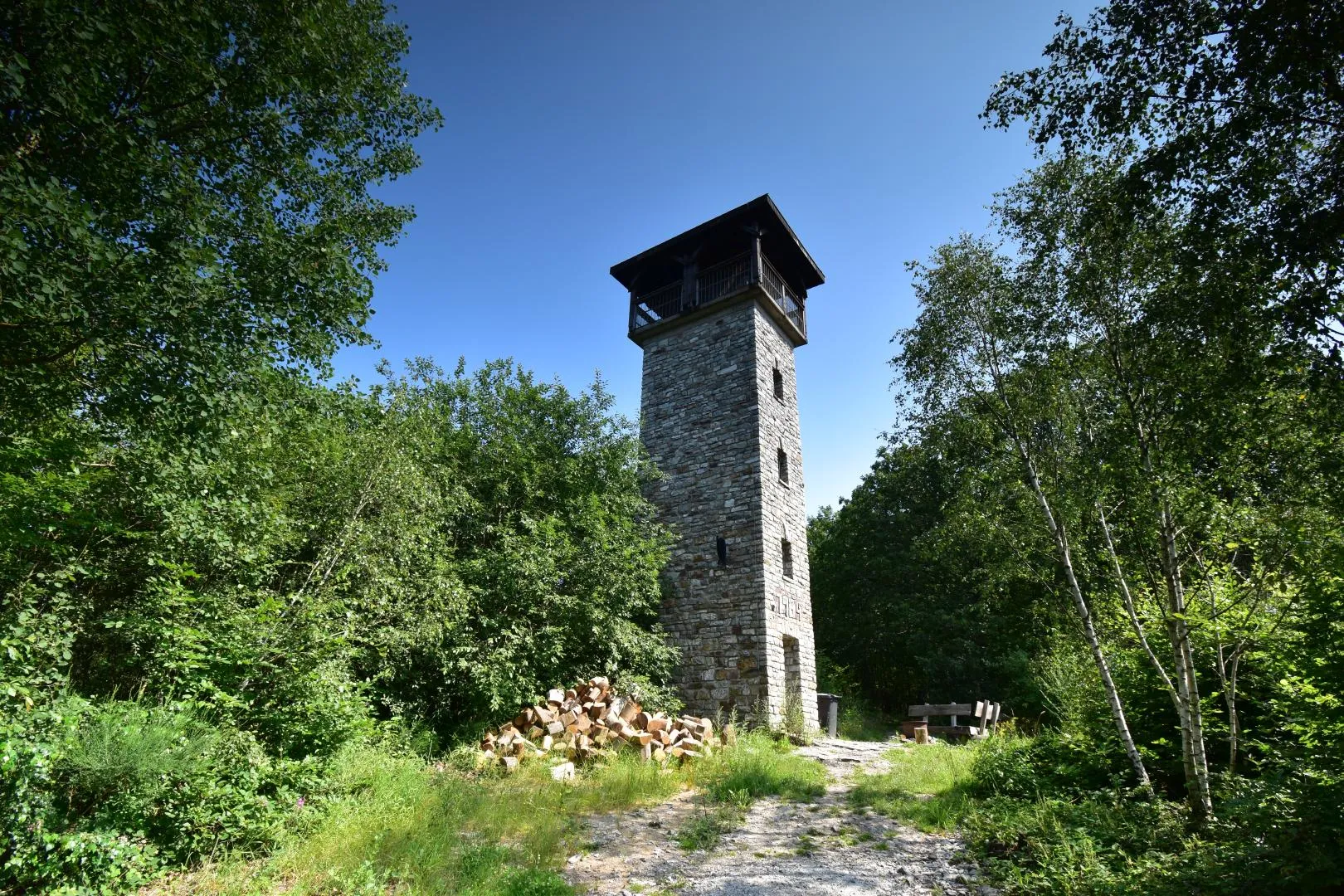
Celts, barrows and Roman roads - Keltenweg Nahe-Mosel
Excellent paths in the Vulkaneifel – Explore the HeimatSpuren
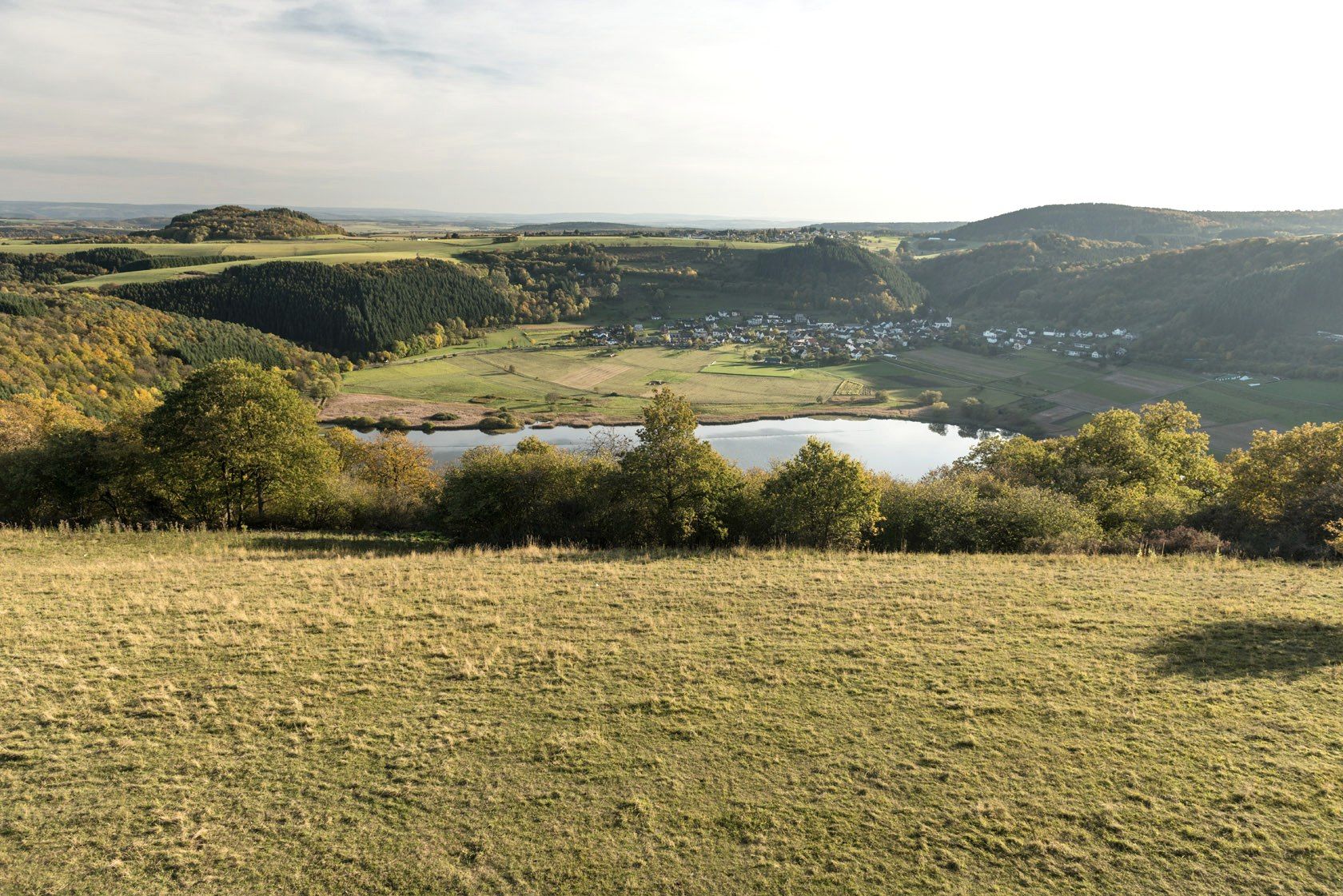
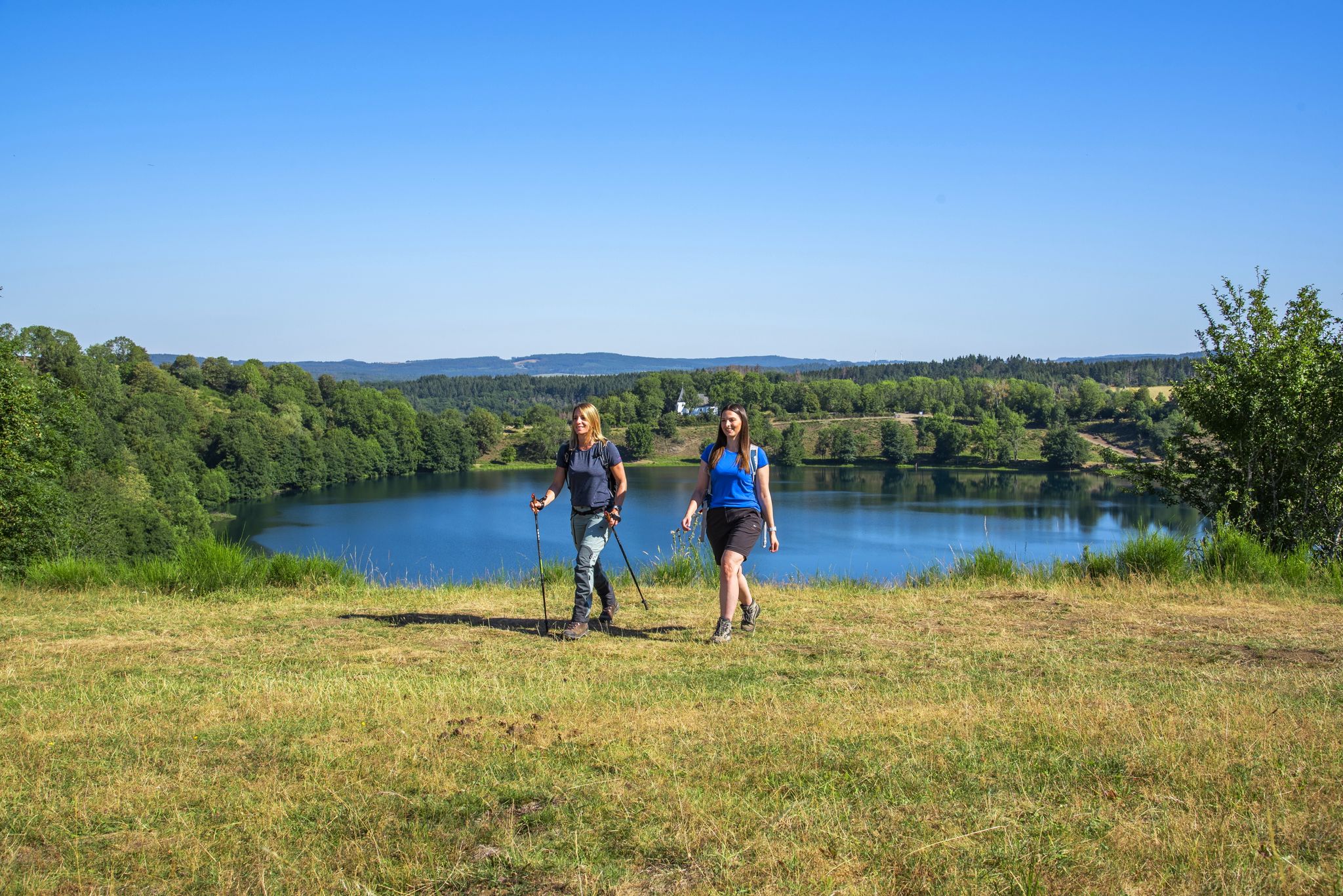
Crater lakes and lava rock – hiking in Germany’s Volcanic Eifel
Other adventures in Cochem-Zell


Tips from the Community

These basalt figures were placed in the Feilsgraben in Mayen. Of course, the "monster", the hare, against which the 7 "fought" is also visible.
0
0

Here Komoot has marked a normal path, which however goes directly through the Nette via a ford.
0
0

The Herz-Jesu-Kirche was built according to plans by the Kottenheim church builder Caspar Clemens Pickel. The foundation stone was laid in 1911. The church was completed as early as 1912, after only 13 months of construction. During the Second World War, the church was almost completely destroyed. The reconstruction dragged on until 1952. In addition, the second bell tower on the left was added in 1959. During extensive renovations at the turn of the century, the interior painting by Damaris Wurmdobler was renewed and the church windows were replaced by the glass painter Jakob Schwarzkopf. Today, the church is characterized by 5 towers, with the two bell towers, each 48 m high, being particularly striking. The interior of the church measures 50 m in length and 29 m in width. The height of the central nave is 15 m. Source: mayen.de/kultur-tourismus/tourismus/sehenswuerdigkeiten/kirchen-und-kapellen
2
0
The Herz-Jesu-Kirche was built according to plans by the Kottenheim church builder Caspar Clemens Pickel. The foundation stone was laid in 1911. The church was completed in 1912, after only 13 months of construction. During the Second World War, the church was almost completely destroyed. The reconstruction dragged on until 1952. In addition, the second bell tower on the left was added in 1959. During extensive renovations at the turn of the century, the interior painting by Damaris Wurmdobler was renewed, and the church windows were replaced by the stained glass artist Jakob Schwarzkopf. Today, the church is characterized by 5 towers, with the two bell towers, each 48 m high, being particularly striking. The interior of the church measures 50 m in length and 29 m in width. The height of the nave is 15 m. Source: https://www.mayen.de/kultur-tourismus/tourismus/sehenswuerdigkeiten/kirchen-und-kapellen/
2
0
It was built around 1280 by the Trier Archbishop Heinrich von Finstingen. In competition with the nearby Electorate of Cologne, it was intended to secure Trier's interests. 11 years later, King Rudolf von Habsburg granted the town of Mayen town privileges. For 400 years, the late Gothic castle remained almost undamaged, but during the Palatinate War of Succession, it was besieged and burned down by French troops in 1689, as was the town of Mayen. Just one year later, reconstruction and expansion of the castle began. The medieval palas was replaced by a baroque residential building. The Elector also had a lower castle built. In the autumn of 1794, French revolutionary troops again occupied the left bank of the Rhine, and after the Congress of Vienna in 1815, the territories fell to Prussia. Under French occupation, Genoveva Castle was declared national property and auctioned off in 1803. Philipp Hartung, the son of the tenant of Genoveva Castle, bought it and sold it off piece by piece for demolition. The administrative building and the east tower were dismantled. In 1815, the upper castle building was also demolished. In 1902, large parts of the castle were destroyed by fire. Eight years later, the graduate engineer Arend Scholten bought it and had it restored and rebuilt according to historical models from 1918 onwards. The neo-Renaissance elements of the previous owner were removed again. Scholten made the castle accessible to the public again, and in 1921 he enabled the establishment of the Eifel Museum in the rebuilt stables. In 1938, the town of Mayen acquired the castle. During World War II, numerous additions to the castle complex were destroyed. After the war, the Mayen town administration and an agricultural school moved into the still existing buildings. The last war damage was not cleared until 1984. The current complex today consists of the upper castle with the 34 m high Goloturm and the slightly lower-lying outer bailey. Castle Genoveva is protected towards the town by a large castle gate, and on the other side by the keep and a zwinger. The former moat is now a ring road, spanned by a 20 m long Gothic stone bridge. Genoveva Castle houses the Eifel Museum and the German Slate Mine. Source: burgen.de/burgen-und-schloesser/deutschland/genovevaburg
3
1
The current „Alte Rathaus“ (Old Town Hall) was built in 1717 in the baroque architectural style on the northeastern edge of the market square using regional building materials (the typical basalt lava stone) and features a hipped mansard roof construction as well as a square clock tower with an octagonal superstructure made of regional slate with a sound opening. In 1945, many buildings in Mayen's city center were destroyed during bombings. However, the Alte Rathaus suffered only minor damage, allowing it to continue to be used as an administrative seat and thus as a building for council banquets and meetings, as well as for dance and festive events. With the construction of a new administrative seat, the town hall later also moved to the Mayener Rosenstraße area. Today, the Alte Rathaus serves as a „Haus des Gastes“ (House of the Guest), where the municipal tourist information is located on the lower floor. However, festive events or receptions are still frequently held in the former meeting room of the Alte Rathaus. Source: Anne Gasper, Universität Koblenz-Landau, 2015
2
0
As early as around the year 600, a small Christian wooden church stood here amidst a burial ground. A series of further church buildings were to follow. When St. Clemens was first mentioned in writing as a parish church in 1296, the small church had developed into a basilica-style building constructed in the Romanesque style. The church tower still exists from this church, which is integrated into the present-day church complex as the southwest tower; the people of Mayen affectionately call this tower "Eulenturm" (Owl Tower) to this day. The urban development of Mayen into a city also brought a series of profound changes for St. Clemens. In 1326, shortly after the completion of the city wall, monastery buildings with a cloister were erected west of the church for the Augustinian Canons' Convent from Lonnig. The master of this dynamic development was Archbishop Balduin (1307-1354). Even during his reign, the construction of a completely new church began at St. Clemens. Over a long construction period, which was repeatedly interrupted, a highly modern building for its time was created by around 1430. At that time, it was the first fully developed Gothic hall church on the Middle Rhine. Source: https://www.blick-aktuell.de/Mayen/Die-Clemenskirche-82334.html
3
0
As early as around the year 600, a small Christian wooden church stood here in the middle of a graveyard. A series of further church buildings were to follow. When St. Clemens was first mentioned in writing as a parish church in 1296, the small church had become a basilica-style building erected in the Romanesque style. The church tower still exists from this church, which is integrated into the present-day church complex as the southwest tower; the people of Mayen affectionately call this tower "Eulenturm" (Owl Tower) to this day. The urban development of Mayen also brought about a series of profound changes for St. Clemens. In 1326, shortly after the completion of the city wall, monastery buildings with a cloister were erected west of the church for the Augustinian Canons' Collegiate Church from Lonnig. The master of this dynamic development was Archbishop Balduin (1307-1354). Even during his reign, the construction of a completely new church began at St. Clemens. In a long construction period, which was repeatedly interrupted, a highly modern building for its time emerged by around 1430. It was then the first, fully developed, Gothic hall church on the Middle Rhine. Source: https://www.blick-aktuell.de/Mayen/Die-Clemenskirche-82334.html
4
0
Frequently Asked Questions
How many urban hiking trails are available in Cochem-Zell?
Cochem-Zell offers a great selection of urban hiking trails, with over 30 routes available. These trails are perfect for exploring the charming towns and their immediate surroundings.
What is the general difficulty level of urban hikes in Cochem-Zell?
Most urban hikes in Cochem-Zell are considered easy, making them accessible for a wide range of hikers. Out of 34 available routes, 32 are rated as easy, with only two being moderate. This means you'll find plenty of gentle paths suitable for a relaxed stroll.
What do other hikers enjoy most about urban trails in Cochem-Zell?
The komoot community highly rates urban hikes in Cochem-Zell, with an average score of 4.56 stars from over 40,000 ratings. Hikers often praise the picturesque riverside towns, the unique vineyard landscapes, and the accessibility of these trails for a pleasant day out.
Are there any historical landmarks or viewpoints along urban hikes in Cochem-Zell?
Absolutely! Urban hikes in Cochem-Zell often feature stunning historical landmarks and panoramic viewpoints. You can find routes that offer views of iconic structures like Reichsburg Castle in Cochem, or provide breathtaking vistas of the Moselle bend, such as the Panoramic view of the Moselle bend below the Calmont summit. The region's dramatic terrain ensures many opportunities for scenic overlooks.
Can I find urban hikes with water features like rivers or waterfalls?
Yes, the region is defined by the winding Mosel River, and many urban trails offer beautiful riverside views. While not a large waterfall, you can encounter charming water features like the Elzbach Rapids, which add to the natural beauty of the area.
Are urban hiking trails in Cochem-Zell suitable for families?
Many urban hiking trails in Cochem-Zell are very family-friendly due to their generally easy difficulty. Routes like the Nette Bridge loop from Mayen are relatively short and have minimal elevation gain, making them ideal for families with children. The charming towns also offer plenty of amenities for a family outing.
Can I bring my dog on urban hikes in Cochem-Zell?
Yes, Cochem-Zell is generally dog-friendly, and many urban trails are suitable for walks with your canine companion. Always keep your dog on a leash, especially in populated areas or near vineyards, and be mindful of local regulations. Routes that pass through parks or along riverbanks are often great choices for dogs.
Are there circular urban walks available?
Yes, many urban hiking trails in Cochem-Zell are designed as circular routes, allowing you to start and end in the same location. Examples include the Mayen Bridge Gate – Old Town Hall, Mayen loop from Mayen and the Mayen Market Square – Mayen Bridge Gate loop from Mayen, which are convenient for exploring without needing to retrace your steps.
What about parking and public transport for urban trails?
Many urban trails in Cochem-Zell are accessible from town centers, where public parking is often available. For routes starting in towns like Mayen, you can usually find parking nearby. Public transport, particularly local buses and trains along the Mosel, can also provide access to various trailheads, making it easy to reach your starting point without a car.
Are there cafes or restaurants near urban hiking routes?
Absolutely! One of the joys of urban hiking in Cochem-Zell is the proximity to charming towns like Cochem and Zell. Many trails lead directly through or near these towns, offering numerous opportunities to stop at cafes, restaurants, or local wine taverns for refreshments and local cuisine after your hike.
When is the best time of year for urban hiking in Cochem-Zell?
Urban hiking in Cochem-Zell is enjoyable throughout much of the year. Spring brings blooming vineyards and mild temperatures, while autumn offers stunning fall foliage and the wine harvest season. Summer is also popular, though it can be warmer. Even in winter, if conditions are mild, urban paths can offer a peaceful experience.
Are there urban trails that showcase the region's famous vineyards?
Yes, the steep vineyard terraces are a defining feature of the Mosel Valley, and many urban hikes incorporate them. You'll find trails that wind through these vineyards, offering unique perspectives on the region's renowned wine culture and breathtaking panoramic views over the Mosel River.
Most popular routes in Cochem-Zell
Most popular attractions in Cochem-Zell

Get inspired with the komoot mobile app


Explore more
Browse the best Hikes in other regions.
