The best traffic-free bike rides around Allensbach
4.5
(2440)
34,585
riders
123
rides
No traffic road cycling routes around Allensbach are characterized by their diverse terrain along the shores of Lake Constance and into the surrounding moraine landscapes. The region features a mix of flat lakeside paths and rolling hills, particularly on the Bodanrück peninsula and towards the Schienerberg. Cyclists navigate through rural areas, past meadows, and through forested sections, with varying elevation changes depending on the route chosen. The landscape transitions from open water views to more secluded inland paths, offering a…
Last updated: September 4, 2026
4.4
(16)
280
riders
32.8km
01:26
220m
220m
Moderate road ride. Great for any fitness level. Some segments of this route may be unpaved and difficult to ride.
5.0
(1)
32
riders
14.8km
00:37
90m
80m
Easy road ride. Great for any fitness level. Mostly well-paved surfaces and easy to ride.

Sign up for free
2.0
(2)
28
riders
27.2km
01:13
230m
230m
Easy road ride. Great for any fitness level. Mostly well-paved surfaces and easy to ride.
3.0
(1)
27
riders
33.5km
01:35
420m
420m
Moderate road ride. Good fitness required. Mostly well-paved surfaces and easy to ride.
Get access to more routes and recommendations from other explorers.
Sign up for free
Already have an account?
Our route recommendations are based on thousands of hikes, rides, and runs completed by other people on komoot.
Start today with a free account
Your next adventure awaits.
Login or Signup


Tips from the Community

The Roman Catholic parish church of St. Laurentius is located in the Markelfingen district of Radolfzell (Konstanz district). Origin: As early as around the year 1000 (some sources mention approx. 980), a small, Romanesque predecessor church existed at this location. Construction period: The present Gothic church building was built in 1462, as evidenced by an inscription on the chancel arch. Extension: In 1612, a significant extension of the nave took place. The striking west portal also dates from this year. Renovations: A comprehensive renovation of the interior last took place in 2008, during which, among other things, historical paintings of the cross-ribbed vault in the chancel were uncovered.
0
0

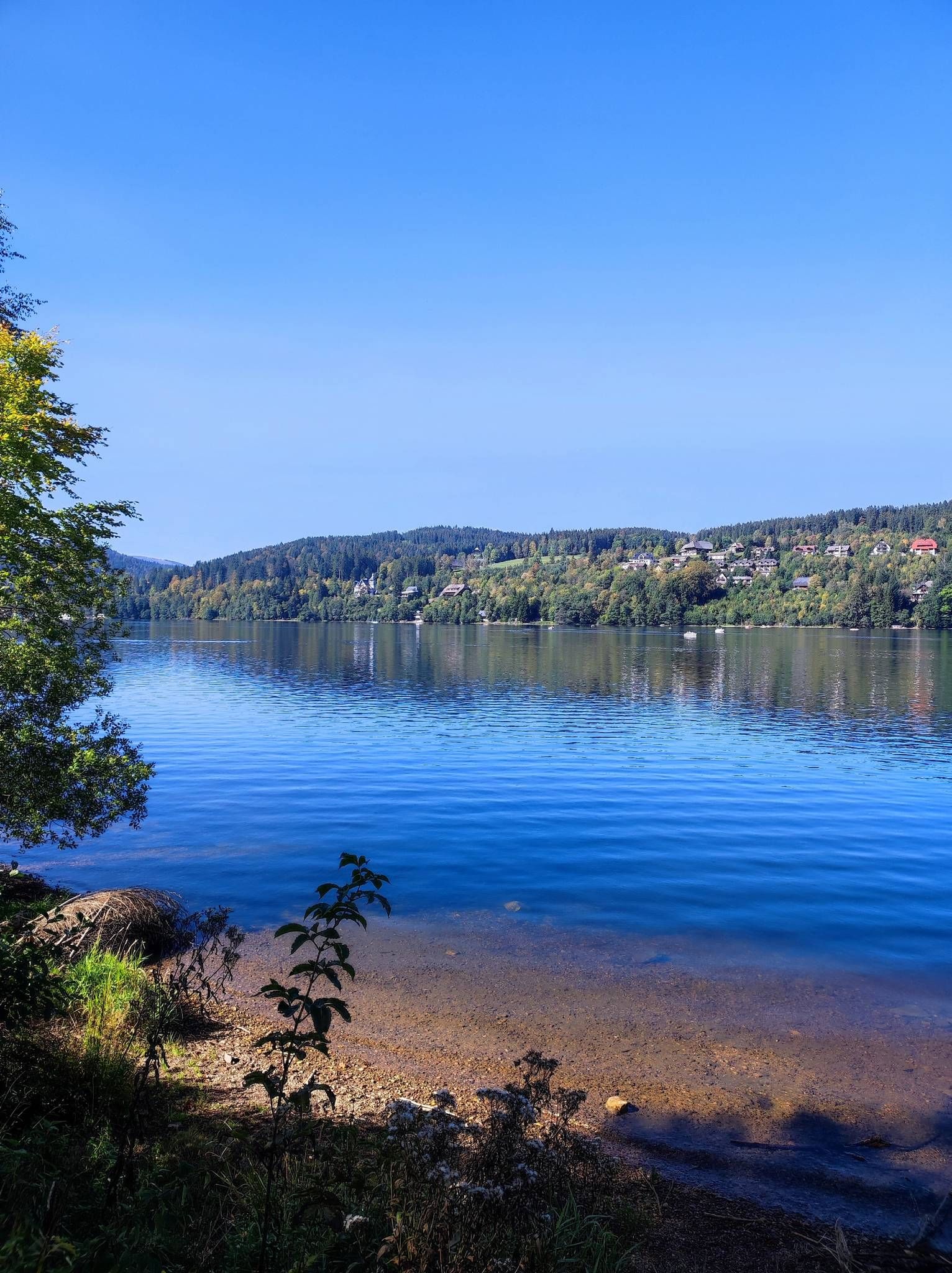
Great view of the lake. With a telephoto lens, you can easily "bring closer" to some of the important sights.
2
0

The church has a very interesting interior
4
0

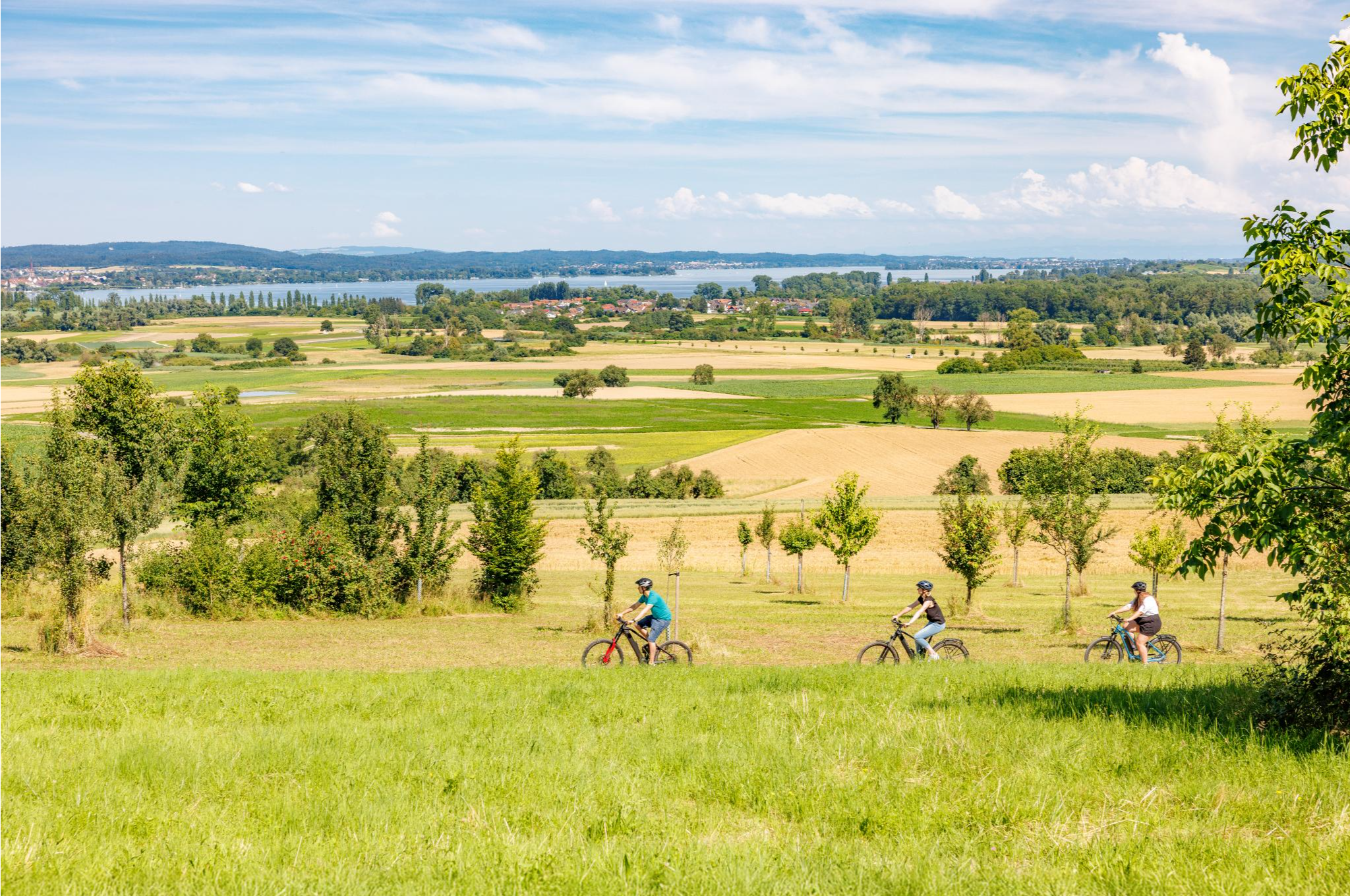
A wide cycle path with good asphalt makes for a pleasant ride. The cycle path runs parallel to the railway line.
1
0
Good asphalt, some curves and a nice descent where you can get good speed
1
0
Liggeringen already had two churches in the Middle Ages. Alongside the former parish church of St. Verena in the upper village (now a church), the former church of the Lords of Liggeringen became the center of the village from the 17th century onward. The present church is characterized by the new building from 1905 (tower from 1895). Particularly impressive is its rich, partly neo-Romanesque interior, with restored paintings in the choir (Crucifixion) and on the choir arch (Assumption of the Virgin Mary, Lamb of God, Marriage of the Virgin Mary). The Gothic-Baroque choir of the previous building has been preserved as a side chapel. It contains the Baroque high altar from 1712 with the altarpiece of St. George slaying the dragon. The side altarpiece "The Annunciation" was created on the occasion of the founding of the Rosary Brotherhood in 1662. Particularly noteworthy: The unborn child is already visible beneath the heart of Mary, emphasizing Jesus' divine sonship. A high-quality processional cross with enamel work from the 14th century has also been preserved from the Gothic period.
1
0
Well-maintained cycle path, slightly undulating and without major damage, making cycling fun
1
0
The earliest human artifacts in the Dingelsdorf area date back to around 6000 BC: At that time, hunters and gatherers had already set up camps there, as evidenced by finds of projectile points and flint tools (microliths). In the Neolithic period, around 4000–2400 BC, farmers belonging to the pile dwelling system first settled this region, as documented by finds of charred grain, pottery vessels, spindle whorls, and stone axes. With the help of dendrochronology, an oak post from the Klausenhorn pile dwellings was dated to around 3826 BC.[2] The finds can be viewed in the pile dwelling exhibition in Dingelsdorf Town Hall.[3] The village was first mentioned in a document in 947 as Thingoltesdorf. King Otto I confirmed the donations made by his ancestors to the Reichenau Monastery.[4] In 1272, the village was transferred by the Lords of Langenstein to the Teutonic Order's Commandery of Mainau and, after its transfer to Baden in 1805, was assigned to the Constance district.
1
0
Frequently Asked Questions
How many traffic-free road cycling routes are available in Allensbach?
Allensbach offers a wide selection of traffic-free road cycling routes, with over 120 options available. These routes cater to various skill levels, ensuring a pleasant ride for everyone.
Are there easy traffic-free road cycling routes suitable for beginners or families in Allensbach?
Yes, Allensbach has several easy traffic-free road cycling routes perfect for beginners or families. An excellent option is the View of Lake Constance loop from Allensbach, which offers a relaxed ride of about 15 km with minimal elevation gain, providing beautiful lakeside views.
What kind of landscapes can I expect on these no-traffic road cycling routes around Allensbach?
The traffic-free road cycling routes around Allensbach offer diverse landscapes. You'll primarily experience the stunning shores of Lake Constance, the rural moraine landscape of the Bodanrück peninsula with its meadows and ponds, and picturesque views of vineyards. Routes often feature smooth, paved paths ideal for road cycling.
Are there any circular traffic-free road cycling routes in Allensbach?
Many of the traffic-free road cycling routes in Allensbach are designed as circular loops, allowing you to start and end in the same location. For example, the View of the Bodanrück – Scenic Ascent to Dettingen loop from Allensbach is a moderate circular route offering varied scenery.
What attractions or points of interest can I see along these routes?
Along the traffic-free road cycling routes, you can discover several points of interest. Keep an eye out for the scenic Poplar Avenue to Reichenau Island, enjoy a distant View of Birnau Abbey, or take a break at the vibrant Überlingen lakeside promenade. Many routes also offer stunning Lake Constance — Lakeside Views.
Where can I find parking for these traffic-free road cycling routes in Allensbach?
Allensbach, being a popular starting point for Lake Constance cycling, offers various parking options. You'll typically find public parking available near the town center or close to the lakefront, which are convenient starting points for many routes. Specific parking details may vary by route, so checking local signage is always recommended.
What is the best season for traffic-free road cycling in Allensbach?
The best season for traffic-free road cycling in Allensbach is generally from spring to autumn. During these months, the weather is mild, and the landscapes are at their most vibrant. The Lake Constance region offers pleasant conditions, especially in late spring and early autumn, avoiding the peak summer heat while still enjoying long daylight hours.
Are there more challenging no-traffic road cycling routes for experienced cyclists?
Yes, for experienced cyclists seeking a challenge, there are moderate to difficult traffic-free road cycling routes. While many lakeside paths are flat, routes venturing into the Bodanrück or towards the Schienerberg offer more significant elevation changes. The View of Schloss Freudental – Freudenthal loop from Allensbach is a moderate option with over 400 meters of elevation gain.
Can I find cafes or restaurants along the traffic-free road cycling routes?
Absolutely. The Lake Constance region is well-equipped with cafes, restaurants, and traditional Gasthäuser. Many traffic-free routes pass through charming towns and villages, especially along the lakeside, where you can easily find places to stop for refreshments, a meal, or a coffee break to refuel during your ride.
What do other cyclists say about the traffic-free road cycling experience in Allensbach?
The traffic-free road cycling experience in Allensbach is highly rated by the komoot community, with an average score of 4.4 stars. Reviewers often praise the stunning lakeside views, the well-maintained paths, and the tranquility of cycling away from car traffic, making it an ideal destination for a relaxing yet engaging ride.
Are there any routes that offer particularly good viewpoints?
Many routes around Allensbach offer exceptional viewpoints, especially those along Lake Constance or climbing into the Bodanrück hills. The View of Lake Constance – View of the Gnadensee loop from Allensbach is a great example, providing expansive vistas over the lake and the Gnadensee, a part of Lake Constance.
Most popular routes around Allensbach
Most popular attractions around Allensbach

Get inspired with the komoot mobile app


Explore more
Browse the best Road cycling routes in other regions.
