The best traffic-free bike rides in the Alps
4.5
(23230)
196,007
riders
4,545
rides
Gravel biking in the Alps offers diverse terrain, from challenging alpine passes and historic military roads to serene forest paths and glacial valleys. The region is characterized by dramatic mountain panoramas, limestone cliffs, and extensive networks of unpaved roads and dirt tracks. Riders can navigate varied surfaces, including gravel, forest paths, and sometimes rugged trails, often with significant elevation gains. This landscape provides a blend of physical exertion and exploration away from busy roads.
Best no traffic gravel bike trails in the Alps
- The most popular no traffic gravel bike trail is Lake Bash - Juicy Gravel Challenge, a 41.9 miles (67.4 km) trail that takes 5 hours 3 minutes to complete. This difficult route features varied terrain around a lake, with an elevation gain of 2238 feet (682 meters).
- Another top favourite among local gravel bikers is Around the Zugspitze, a difficult 49.7 miles (80.0 km) path. This route offers panoramic views around the Zugspitze region, traversing diverse landscapes with an elevation gain of 4619 feet (1408 meters).
- Local gravel bikers also love the Ring tour on Cansiglio from La Crosetta, a 22.9 miles (36.9 km) trail leading through forest paths and open meadows, often completed in about 3 hours 45 minutes.
- Gravel biking in the Alps is defined by challenging alpine passes, serene forest paths, and clear alpine lakes. The extensive network offers options for various skill levels, from moderate to difficult, with many routes featuring significant elevation gains.
- The routes in Alps are highly rated by the komoot community with an average score of 4.5 stars from over 17,000 reviews. More than 171,000 gravel bikers have used komoot to explore Alps's varied terrain.
Last updated: September 30, 2026
4.7
(300)
2,082
riders
67.4km
05:03
680m
680m
Hard gravel ride. Very good fitness required. You may need to push your bike for some segments of this route.
4.7
(85)
707
riders
80.0km
07:00
1,410m
1,410m
Hard gravel ride. Very good fitness required. Some segments of this route may be unpaved and difficult to ride.

4.9
(75)
539
riders
36.9km
03:46
760m
760m
Hard gravel ride. Very good fitness required. Mostly paved surfaces. Suitable for all skill levels.
4.6
(98)
521
riders
34.1km
02:25
370m
370m
Moderate gravel ride. Good fitness required. Mostly paved surfaces. Suitable for all skill levels.
4.7
(29)
363
riders
59.4km
06:48
1,670m
1,670m
Hard gravel ride. Very good fitness required. Mostly paved surfaces. Suitable for all skill levels.
Get access to more routes and recommendations from other explorers.
Already have an account?
Our route recommendations are based on thousands of hikes, rides, and runs completed by other people on komoot.
Start today with a free account
Your next adventure awaits.
Popular around Alps
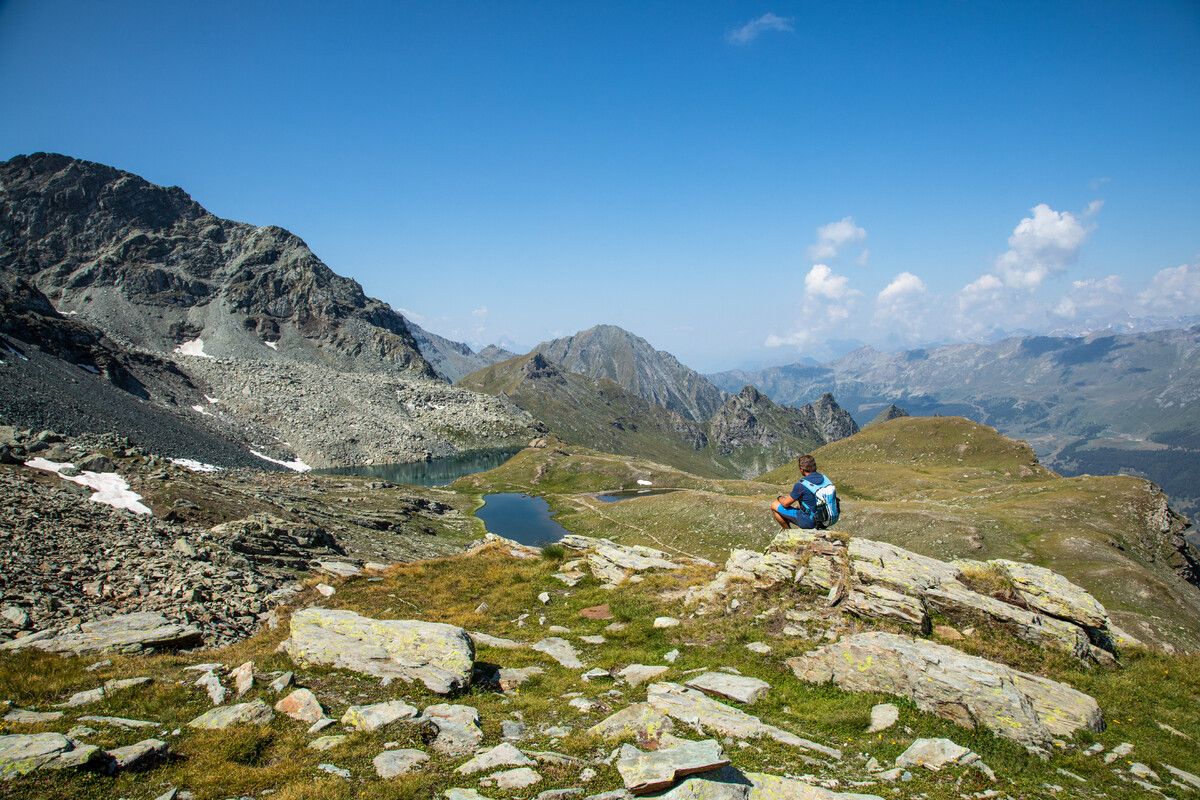
Alta Via n. 1 of the Aosta Valley — a walk among Italian giants
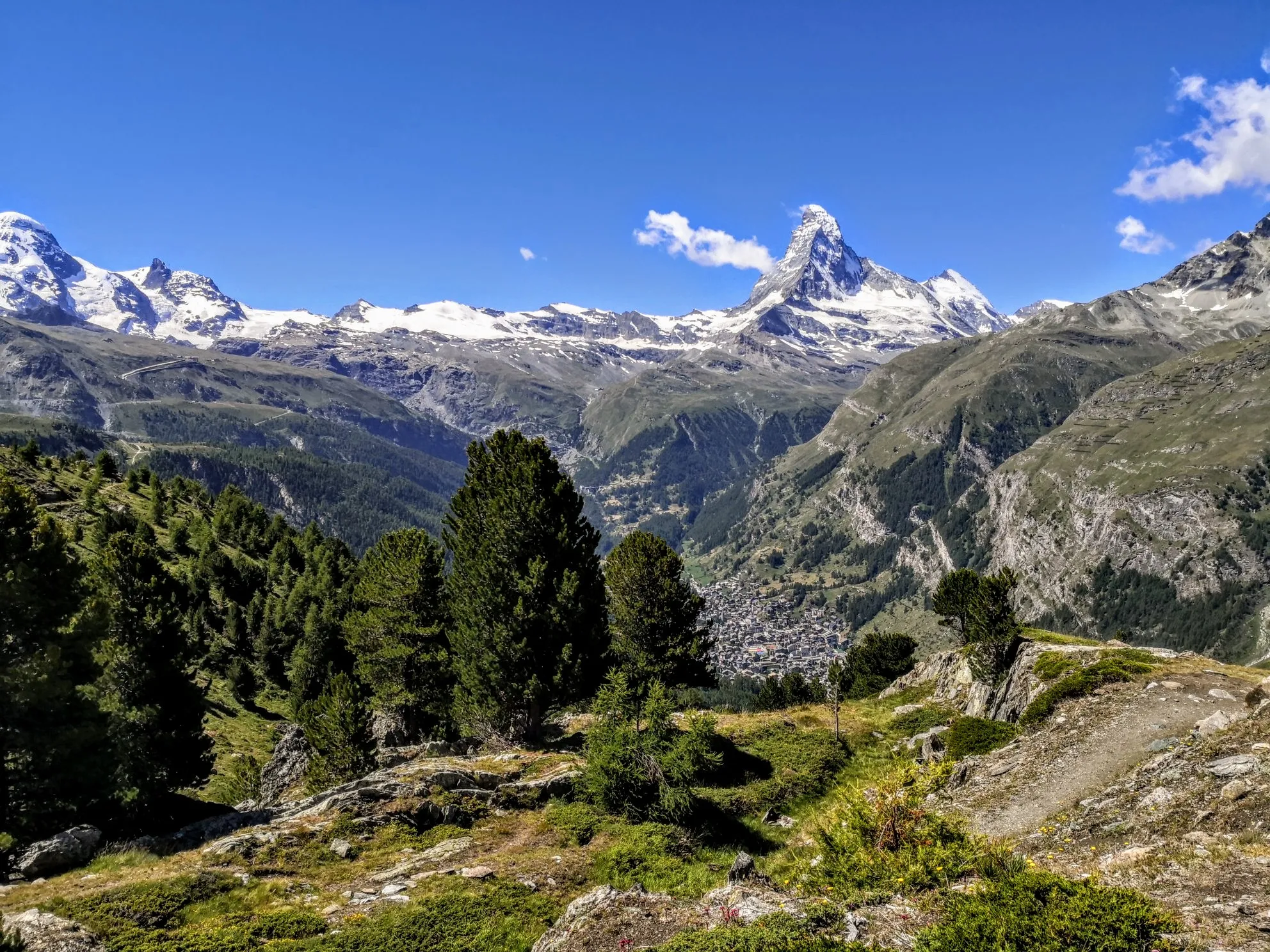
Walker's Haute Route – The ultimate alpine adventure
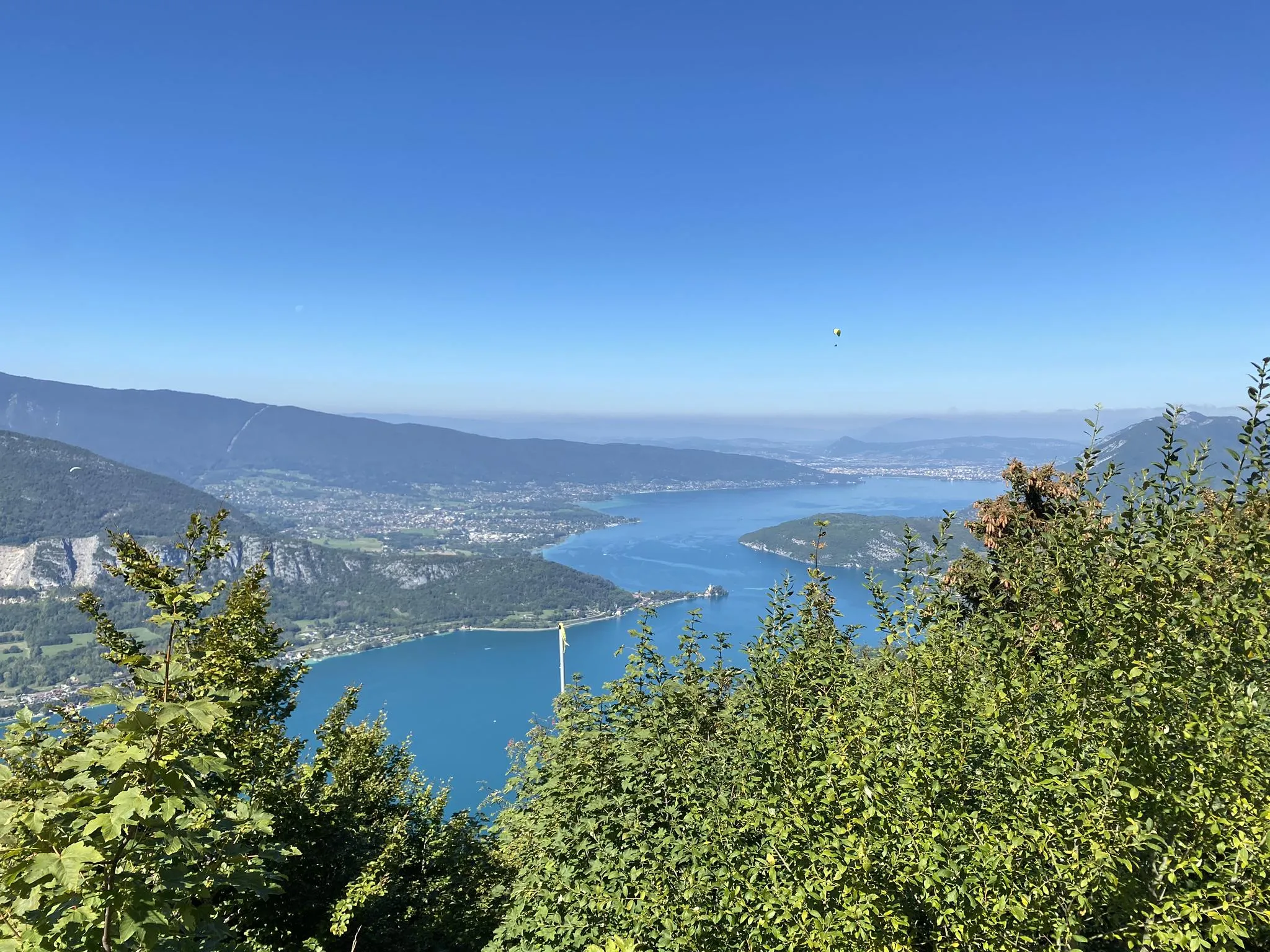
MaxiRace - The complete tour of Lake Annecy
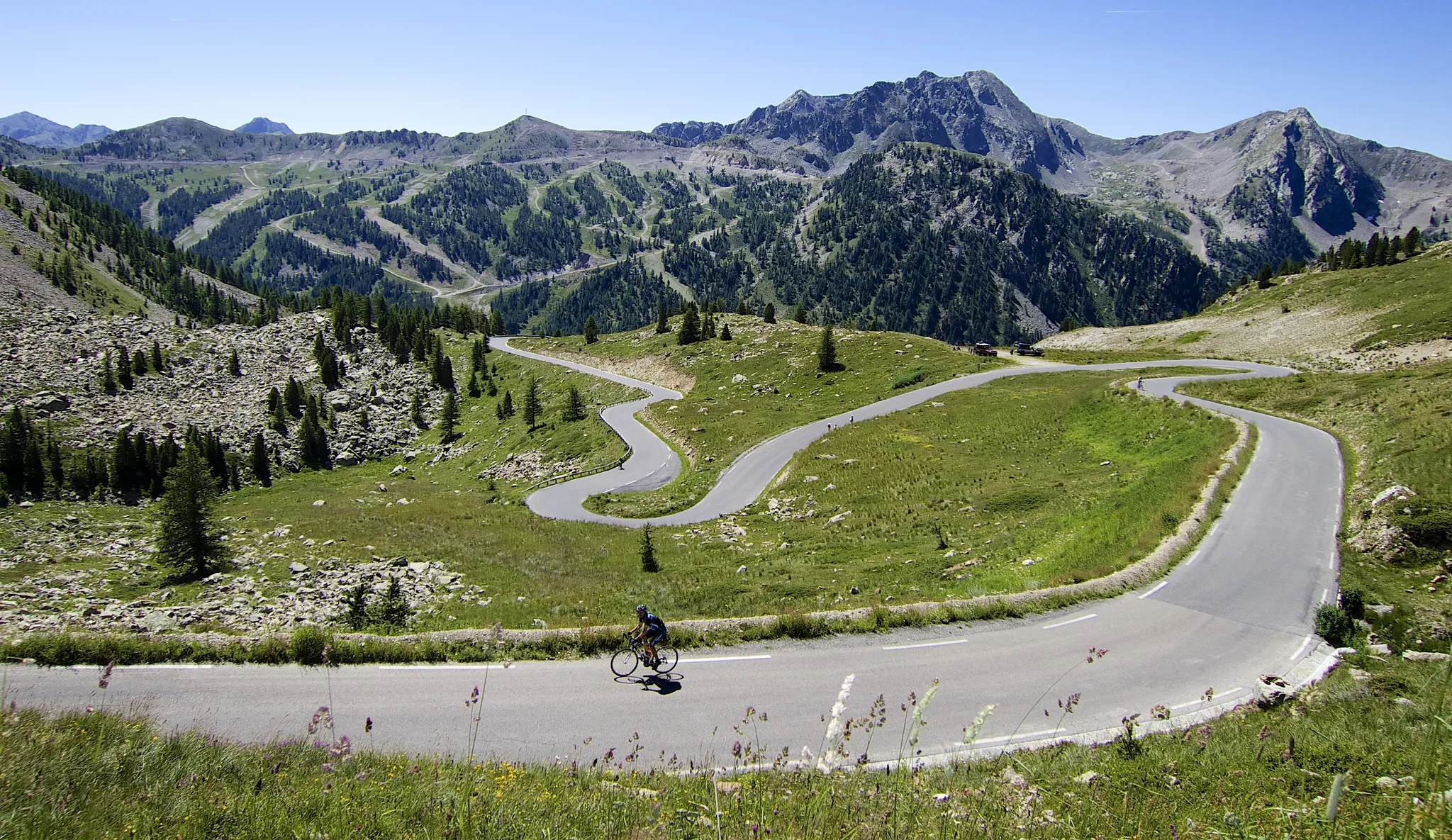
Haute Route Alps 2025 — Assaulting the Alps
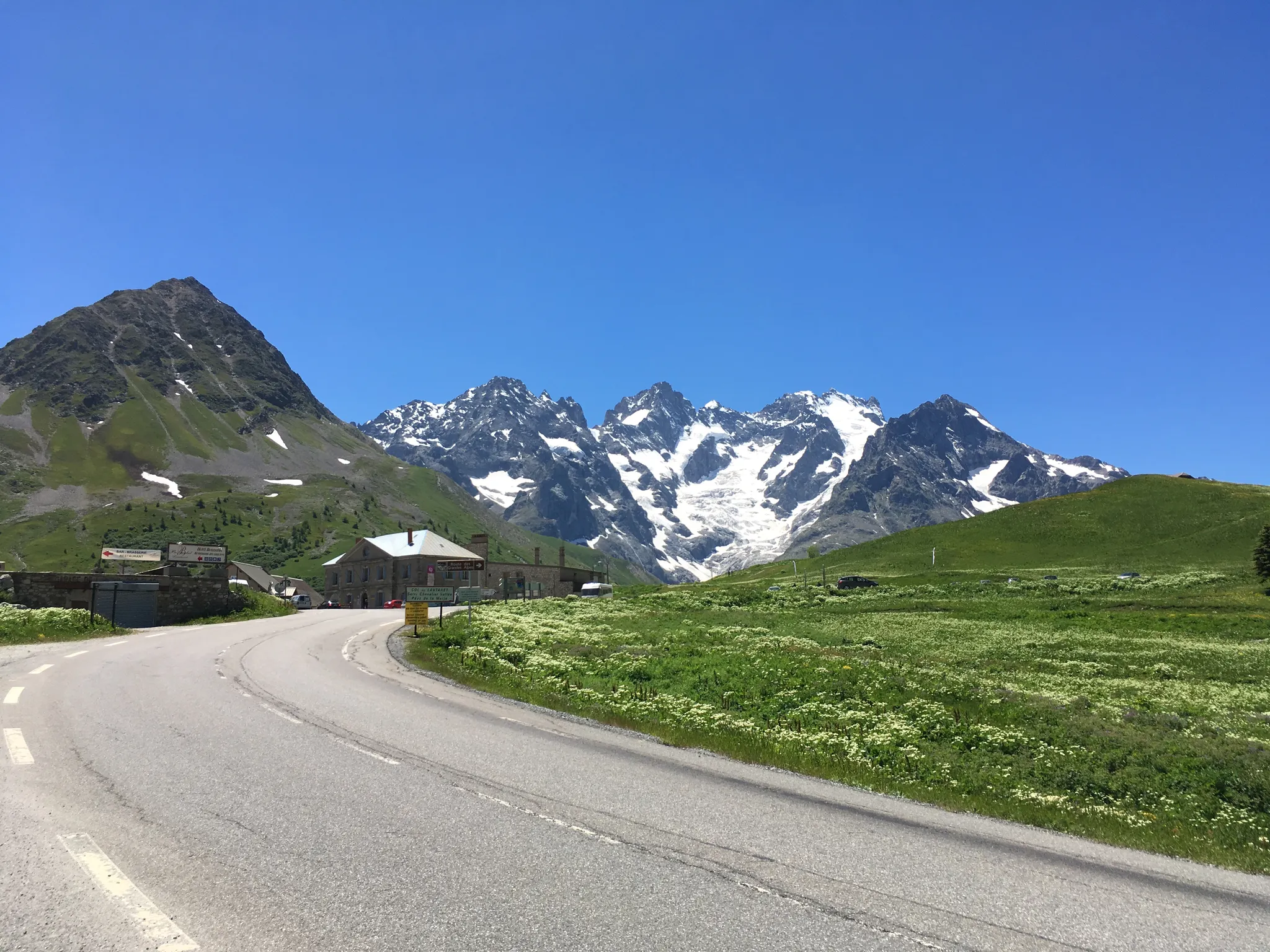
La Marmotte — Panoramas and Mythical Passes
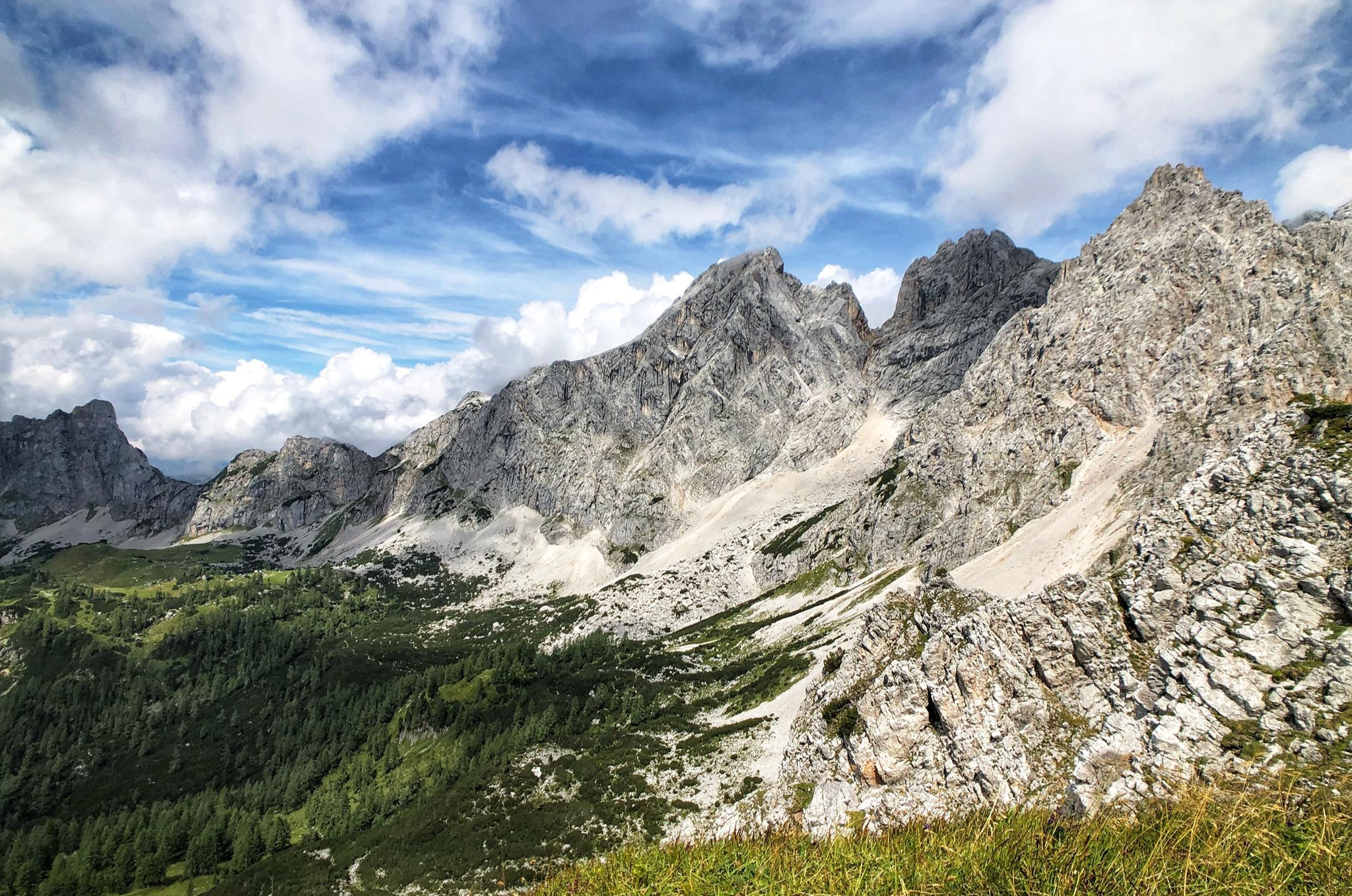
The Dachstein Rundwanderweg – Eight days in the Dachsteingebirge
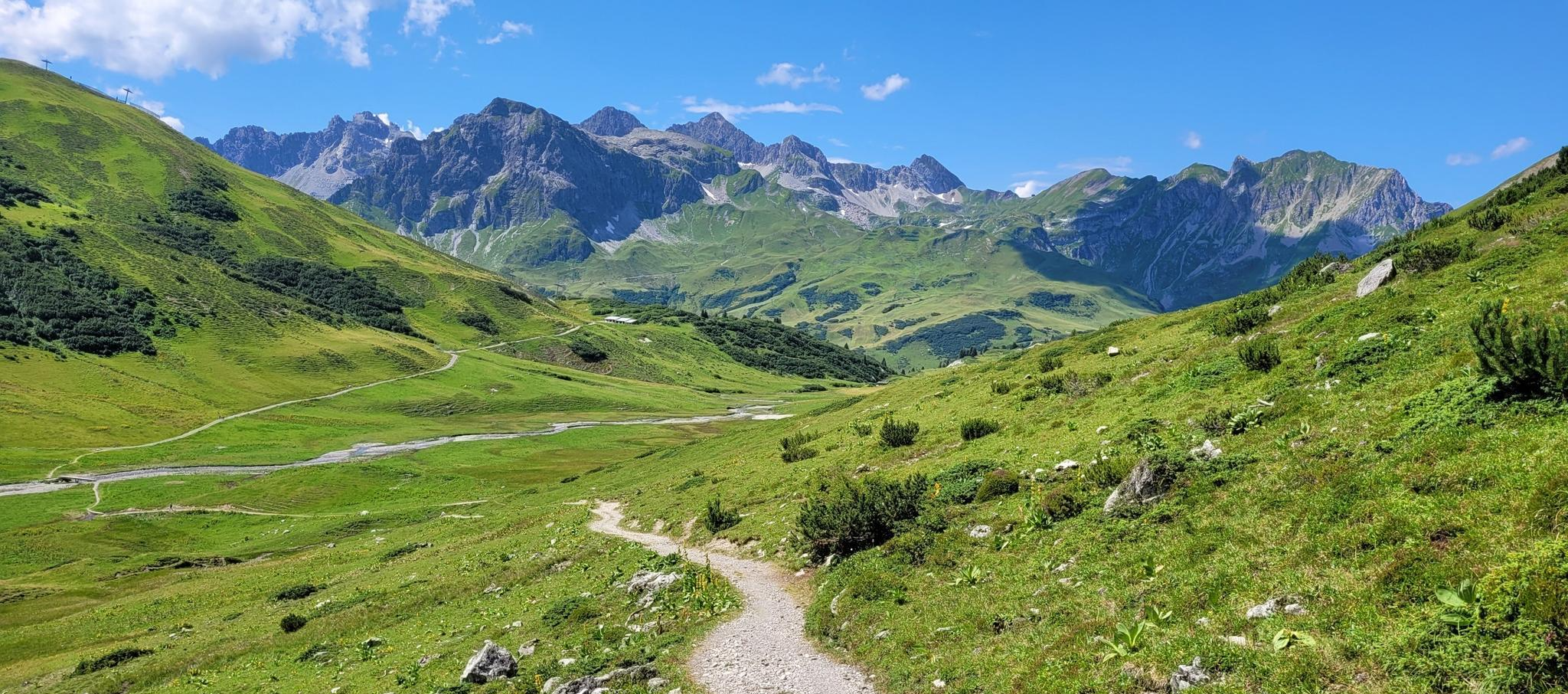
The RUN2 from Lech to Ischgl – Transalpine Run for beginners
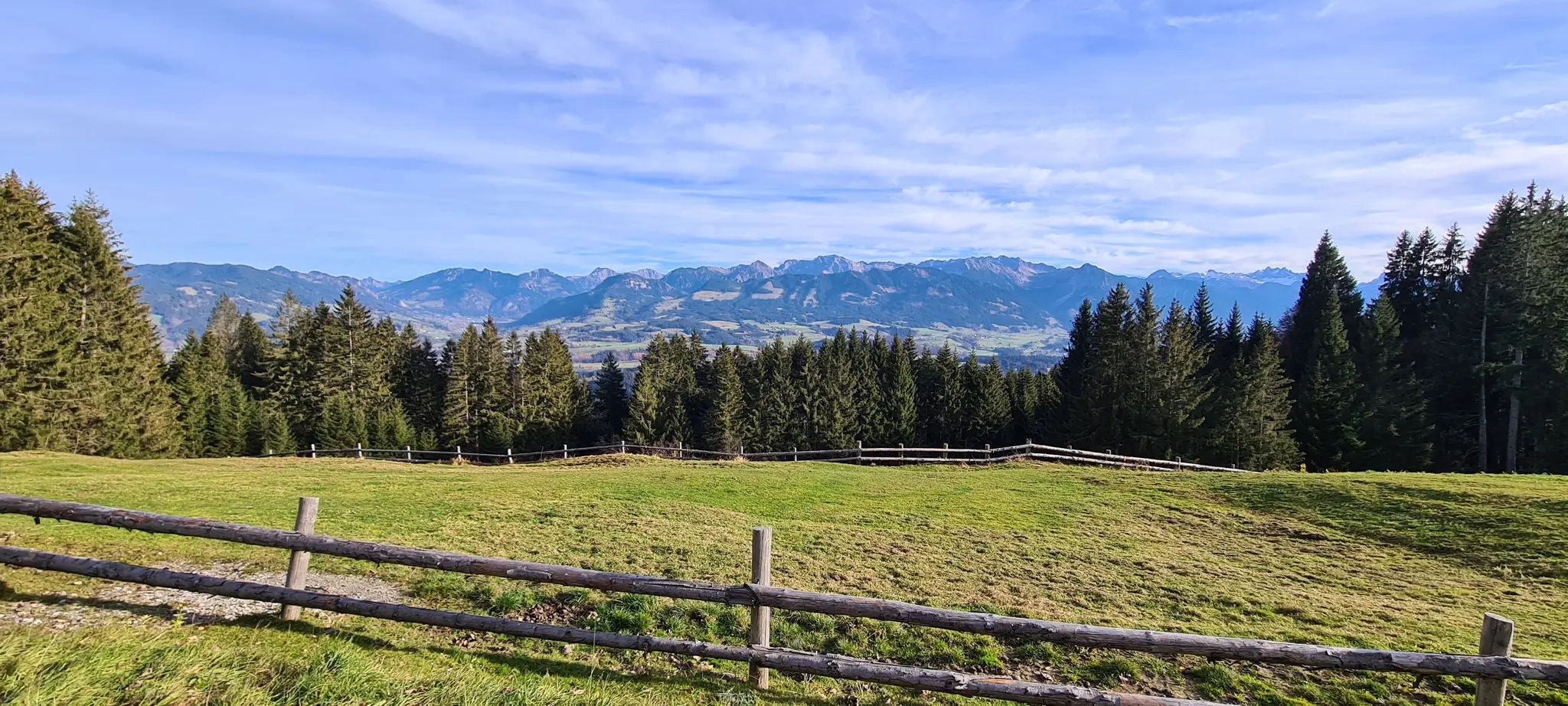
Allgäu Panorama Marathon – Ultra: Two Days Trailrunning-Adventure
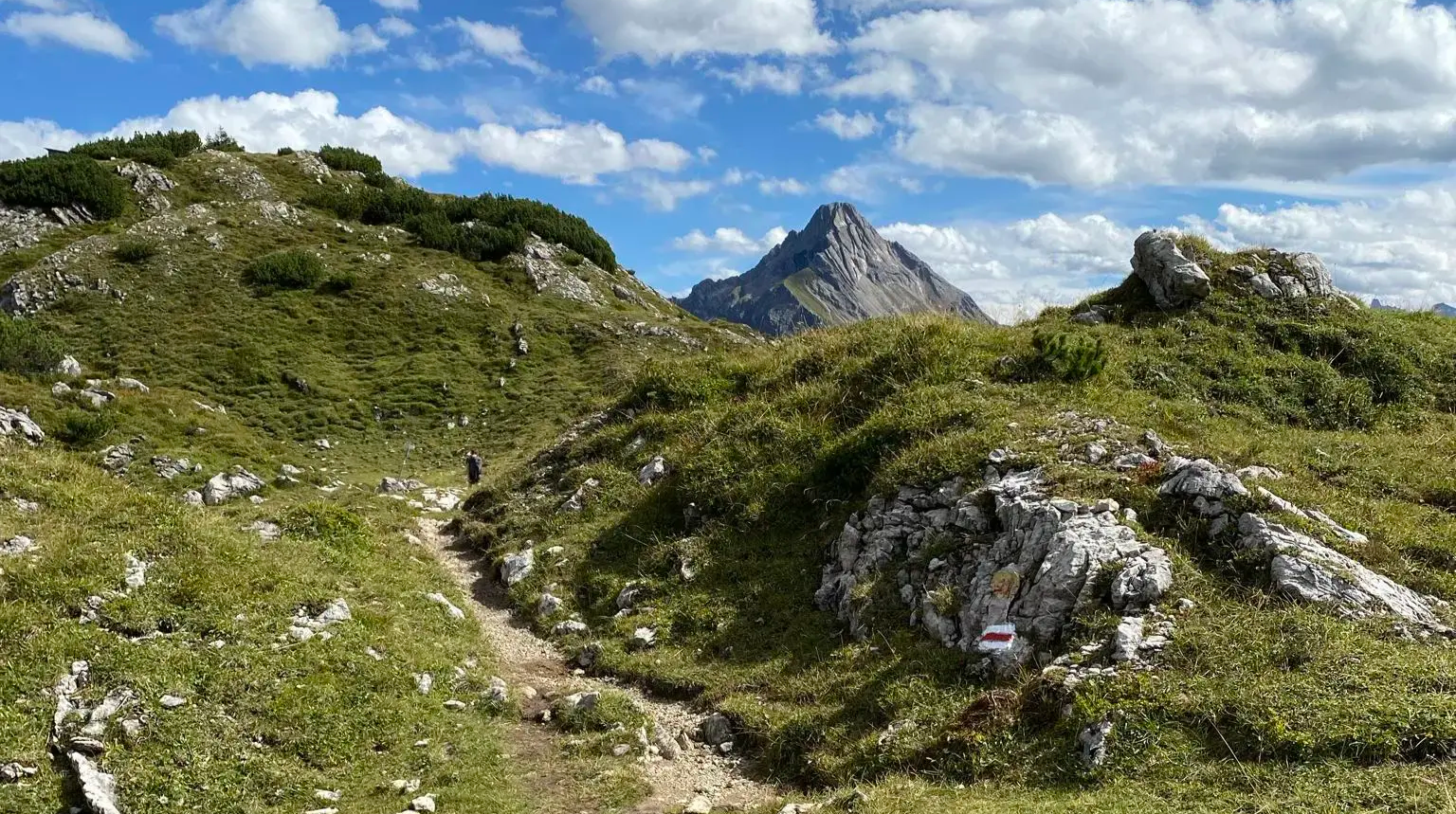
Walser Ultra Trail – 2 days trail running in Austria's Kleinwalsertal
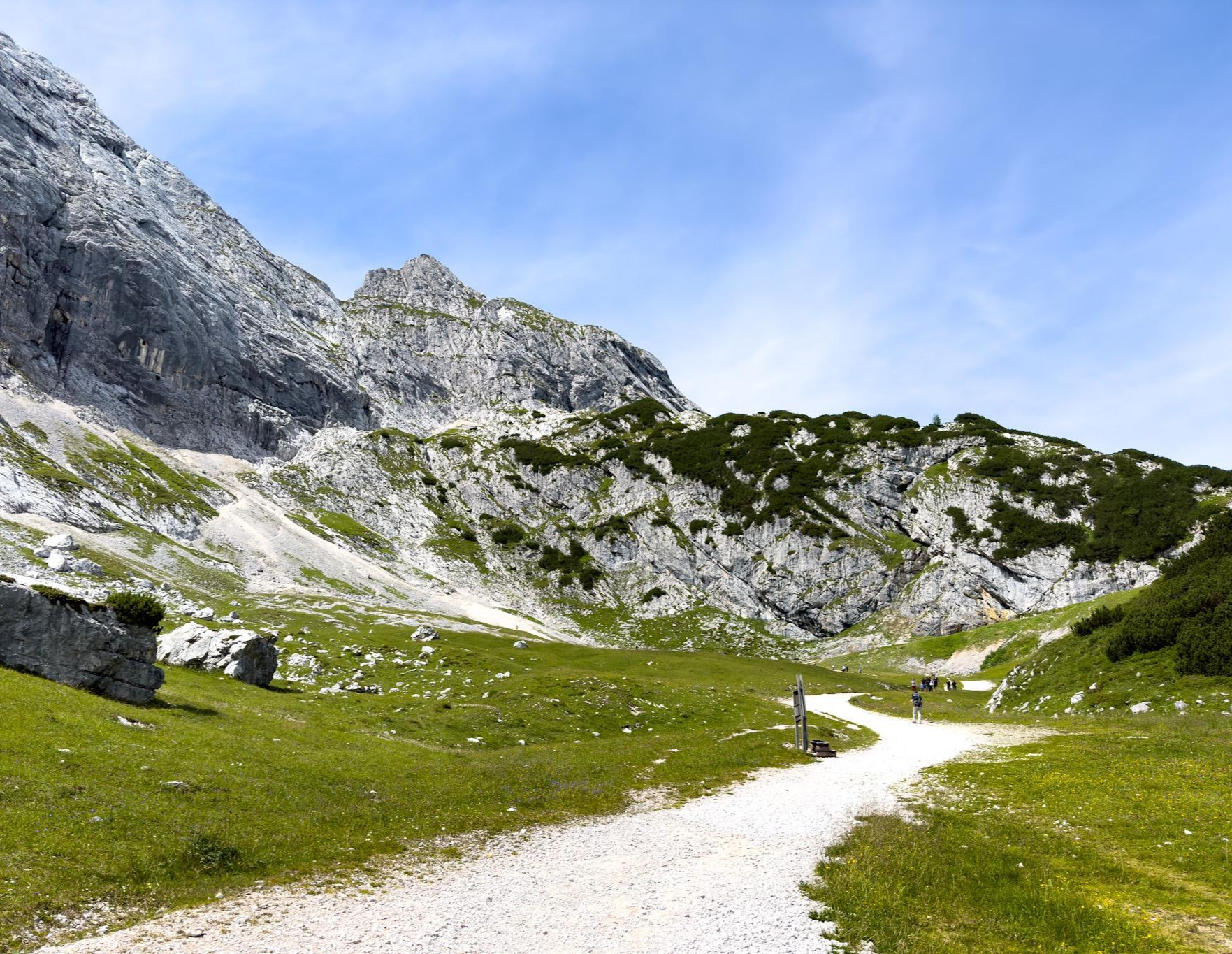
Zugspitz Ultratrail – experience Germany's highest mountain over 3 days
Other adventures in the Alps


Tips from the Community

Il Ristoro Crosetta, located at an altitude of 1,118 meters on the homonymous pass that connects the Treviso plain to the Cansiglio plateau, is a historic and unmissable stop for hikers, cyclists, and motorcyclists. This cozy stone and wood structure embodies the quintessence of mountain hospitality, offering a regenerating refuge in every season. The cuisine offers the authentic flavors of the Veneto-Belluno tradition, featuring game dishes, typical Cansiglio cheeses, warm polenta, and fresh mushrooms, all accompanied by homemade desserts and a good glass of local wine. Nestled in a centuries-old beech and fir forest, the establishment boasts a strategic position that makes it the ideal starting point or refreshment stop for exploring the numerous surrounding nature trails, offering an old-world atmosphere for relaxation and good food.
0
0

The landscape is an absolute dream,
0
0

A pleasant adventure bike path. It climbs comfortably up the valley, but then returns almost effortlessly.
3
0
There is always a lot going on here.
3
0

Pass located between the border of Veneto and Friuli Venezia Giulia.
18
0
Osteria located right at Passo Crosetta, ideal for a stop and a breather.
20
0

Beautiful cycle path that runs along the Sarca river. A continuous up and down, beautiful beautiful
0
1

The river rises below the Jubilee Trail in the Allgäu Alps in Tyrol (Austria). It initially flows east through the Vilsalpsee. The Vils first flows north and northwest in the Reutte district through the Vils and Tannheim valleys and in the latter along the B 199 through the communities of Tannheim, Zöblen and Schattwald. It then falls north over the Vilsfall just east-northeast of the Oberjoch Pass and just a few hundred meters east of the border with Germany. The river then crosses the border into southern Bavaria (Germany), turns northeast and reaches the community of Pfronten in the Ostallgäu district. It flows at the foot of the Falkenstein through Pfronten in a southeasterly direction, crosses the border back to Tyrol, flows below the Tannheimer Mountains just a little south and parallel to the German border through the town of Vils and flows into the Lech immediately after crossing under the Fernpass federal road B 179. Shortly before its confluence with the Lech, the Vils has an average flow of 7.68 m³/s.
1
0
Frequently Asked Questions
How many no-traffic gravel bike trails are available in the Alps?
The Alps offer a vast network of routes for gravel biking. On komoot, you'll find nearly 4,800 no-traffic gravel bike trails, ensuring a wide variety of options for every rider. These routes range from moderate to difficult, with a significant number of challenging climbs and technical sections.
What kind of terrain can I expect on no-traffic gravel bike trails in the Alps?
You can expect a highly diverse terrain, perfect for gravel biking. Trails often combine asphalt, forest paths, dirt tracks, and gravel roads. Many routes lead through challenging alpine passes, historic military roads, and serene glacial valleys. Be prepared for significant elevation gains and sometimes rugged sections that might require pushing your bike.
Are there any easy or beginner-friendly no-traffic gravel bike routes in the Alps?
While many routes in the Alps are geared towards experienced riders, there are still options for beginners. Out of nearly 4,800 trails, 226 are classified as easy, and 1,101 as moderate. These routes often feature less extreme elevation changes and smoother gravel paths, allowing for a more relaxed introduction to gravel biking in the region. Look for trails in wider valleys or along lake shores for gentler gradients.
What are some notable natural features or landmarks I can see along these trails?
The Alps are rich in stunning natural features and historical landmarks. You might encounter dramatic gorges like the Partnach Gorge or the Breitach Gorge, enjoy breathtaking views of alpine lakes such as the View of Lake Eibsee, or even pass by iconic castles like Neuschwanstein Castle. Many trails also offer panoramic views from high passes and lead through lush valleys and pristine forests.
What do other gravel bikers enjoy most about the no-traffic trails in the Alps?
The komoot community highly rates gravel biking in the Alps, with an average score of 4.5 stars. Riders frequently praise the unparalleled scenic beauty, the extensive network of diverse trails that keep you away from traffic, and the physical challenge offered by the alpine terrain. The opportunity to explore remote areas and discover hidden gems is also a common highlight.
Are there any circular no-traffic gravel bike routes in the Alps?
Yes, many no-traffic gravel bike routes in the Alps are designed as loops, allowing you to start and end at the same point. An example of a moderate loop is the Enge/Vilstal loop. These circular routes are ideal for day trips, offering convenience for parking or public transport access. You can filter for circular routes on komoot to find more options.
When is the best time of year to gravel bike in the Alps to avoid traffic?
The best time to gravel bike in the Alps is typically from late spring (May/June) through early autumn (September/October). During these months, the weather is generally favorable, and most high-altitude passes are clear of snow. While the trails themselves are designed to be traffic-free, visiting outside of peak summer holidays (July/August) can ensure a more serene experience in popular areas and easier access to amenities.
Can I find trails that offer challenging climbs and technical descents?
Absolutely. The Alps are renowned for their challenging terrain, and a significant portion of the no-traffic gravel trails (over 3,400) are classified as difficult. Routes like the Lake Bash - Juicy Gravel Challenge or the Via del Sale Loop feature substantial elevation gains and technical sections, providing a rewarding experience for advanced gravel bikers seeking a true alpine adventure.
Are there any no-traffic gravel routes that pass by lakes or offer opportunities for wild swimming?
Many routes in the Alps traverse stunning landscapes that include crystal-clear alpine lakes. While specific wild swimming spots are not always marked, the presence of numerous lakes like Lake Eibsee, Mont Cenis Lake, Lake Geneva, Lake Constance, and Lake Como along or near gravel routes offers potential opportunities for a refreshing dip, especially during warmer months. Always check local regulations regarding swimming.
How accessible are these no-traffic gravel trails by public transport?
Accessibility by public transport varies across the vast Alpine region. Many valleys and towns are well-connected by train and bus services, making it possible to reach trailheads without a car. Switzerland, in particular, has an excellent public transport network that often accommodates bikes. It's advisable to check specific route starting points and local transport options in advance, as some more remote trails may require a car or a longer approach.
Are there any long-distance or multi-day no-traffic gravel biking tours available?
Yes, the extensive network of trails in the Alps lends itself well to multi-day adventures. Routes like Around the Zugspitze offer significant distances and elevation, making them suitable for longer excursions. You can also link multiple shorter no-traffic routes to create your own multi-day tour, exploring different regions and enjoying the diverse landscapes the Alps have to offer.
Most popular routes in the Alps
Most popular attractions in the Alps

Get inspired with the komoot mobile app


Explore more
Browse the best Gravel rides in other regions.
