The best traffic-free bike rides in Tonnenberg, Käsbühl, Karkstein
4.8
(7)
60
riders
21
rides
Gravel biking in Tonnenberg, Käsbühl, Karkstein offers diverse landscapes across the Veluwe region in the Netherlands and the Ostalbkreis region in Germany. The area features extensive networks of gravel paths through natural parks, forests, and heathlands, with varied topography shaped by glacial moraines. Riders can expect a mix of terrain, from dense woodlands and open heaths to paths along rivers and challenging climbs. Käsbühl and Karkstein, within the Ostalbkreis, provide panoramic vistas and varied terrain, contributing to the region's appeal…
Last updated: July 9, 2026
3
riders
Hard gravel ride. Very good fitness required. Mostly paved surfaces. Suitable for all skill levels.
2
riders
47.9km
03:00
540m
540m
Hard gravel ride. Very good fitness required. Mostly paved surfaces. Suitable for all skill levels.

Sign up for free
3
riders
Hard gravel ride. Very good fitness required. You may need to push your bike for some segments of this route.
3
riders
44.0km
02:39
470m
470m
Hard gravel ride. Very good fitness required. Mostly paved surfaces. Suitable for all skill levels.
4
riders
36.5km
02:15
380m
380m
Moderate gravel ride. Good fitness required. Mostly paved surfaces. Suitable for all skill levels.
Get access to more routes and recommendations from other explorers.
Sign up for free
Already have an account?
Our route recommendations are based on thousands of hikes, rides, and runs completed by other people on komoot.
Start today with a free account
Your next adventure awaits.
Login or Signup
Popular around Tonnenberg, Käsbühl, Karkstein

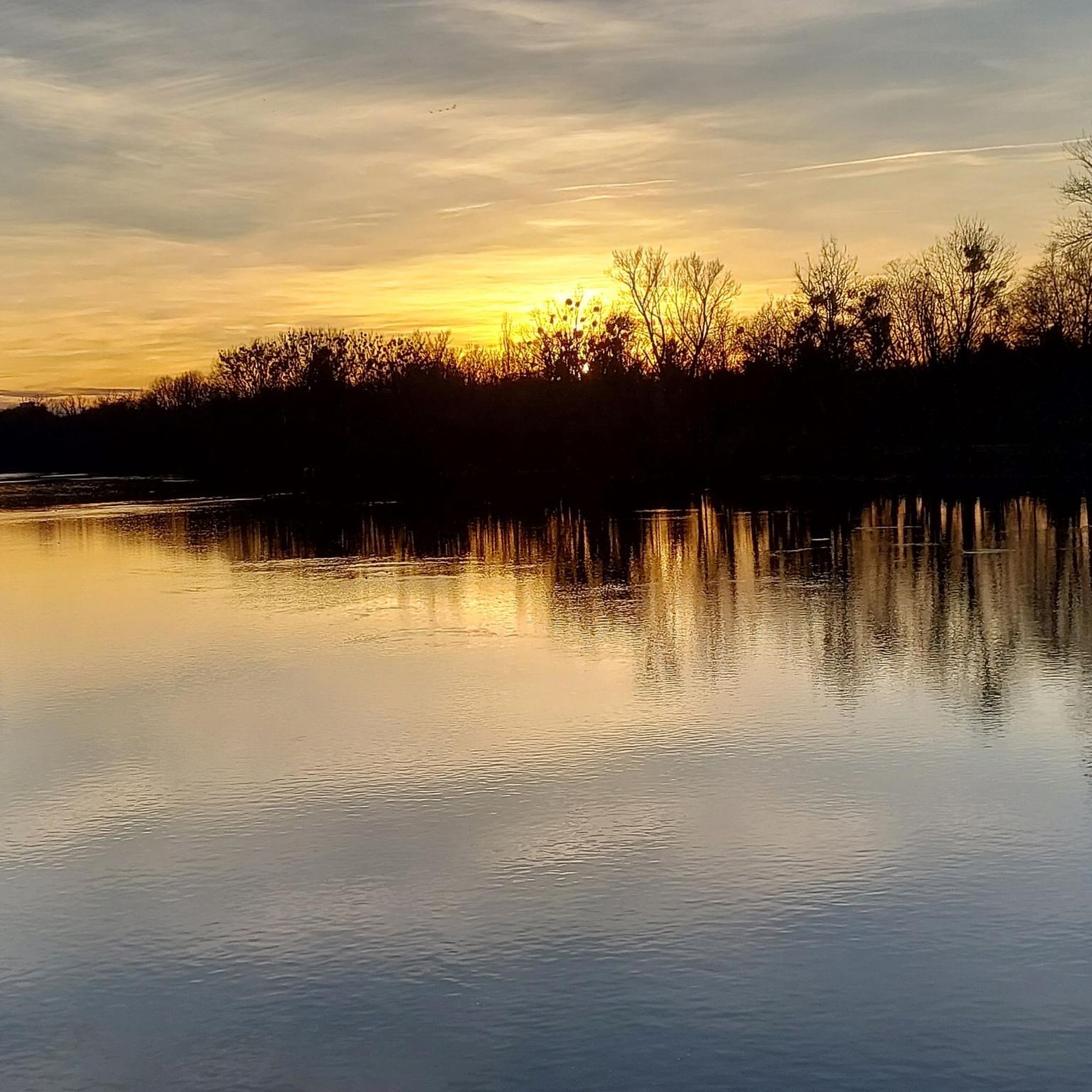
Tips from the Community

Magnificent view of the vast monastery complex
0
0

The magnificent mass limestone rocks and the consistently gentle gradient make the dry valleys popular destinations.
0
0

The Wasserschloss in Trochtelfingen hosts various events, and it's also worth a visit for a short stop in the beer garden with musical entertainment.
0
0


The "Daniel" church tower of St. George's Church in Nördlingen is the town's most visible landmark and a masterpiece of late Gothic architecture. At 90 meters high, the tower rises above the town's rooftops and offers a spectacular panoramic view of the Nördlinger Ries region – on a clear day, up to 99 church towers can be seen. Construction began in 1454 and was completed in 1490 with a temporary roof. After a lightning strike in 1537, the tower received its characteristic Italian dome. Originally known as the "Wendelstein," it was renamed "Daniel" in the 19th century – an allusion to the biblical figure Daniel, who was elevated to the rank of prince. The Daniel tower is particularly vividly brought to life by a centuries-old tradition: Every evening between 10 p.m. and midnight, the watchman calls out "So G'sell, so!" from the tower room. – a greeting that dates back to a legend from 1440 in which a runaway sow helped uncover a treason and save the city from an attack. Those who climb the more than 350 steps to the viewing platform will be rewarded not only with an impressive panorama but also with a sense of the history and soul of this unique city.
9
1
The Berger Gate in Nördlingen is one of the five remaining city gates and once secured the road toward Ulm. It was built between 1435 and 1436 by the master builder Hans Rews. The upper tower floors were later expanded between 1574 and 1575 by Wolfgang and Caspar Waldberger, giving the gate its present appearance. Particularly noteworthy is the coffered barrel vault of the gate passage – an architectural detail that gives the gate its distinctive character. A cannonball from the Thirty Years' War remains embedded in the masonry, commemorating the siege of Nördlingen in 1634.
7
1

The view from up here over the countryside is somehow fantastic. Sitting on the bench and just gazing into the distance is almost like meditation.
2
0

Quiet and very beautiful valley!
1
0
Frequently Asked Questions
How many no-traffic gravel bike trails are available in Tonnenberg, Käsbühl, and Karkstein?
There are over 20 no-traffic gravel bike trails in the Tonnenberg, Käsbühl, and Karkstein area. These routes offer a diverse range of experiences, from moderate to more challenging rides, ensuring a suitable option for various skill levels.
What kind of terrain can I expect on the gravel bike trails in this region?
The region offers a rich variety of terrain for gravel biking. You can expect extensive networks of gravel paths through dense woodlands, open heathlands, and along old railway lines or river paths. The topography, shaped by glacial moraines, provides a mix of flat sections and significant elevation gains, especially in the Ostalbkreis area, which is known for its varied landscape including forest paths and challenging climbs.
What is the best time of year for gravel biking in Tonnenberg, Käsbühl, and Karkstein?
The best time for gravel biking in this region, particularly the Ostalbkreis, is generally from spring through autumn. During these seasons, the weather is most favorable, and the natural beauty of the forests and heathlands, especially when the heather is in bloom, is at its peak. Winter conditions can be challenging due to potential snow and ice, though some routes may still be passable.
Are there any family-friendly no-traffic gravel routes?
While many routes in the area are rated as moderate to difficult, some sections and shorter loops can be suitable for families, especially those with some cycling experience. Look for routes that stick to flatter, well-maintained gravel paths. For example, the Eger Spring – Kapfenburg Castle loop from Bopfingen is a moderate option that might be considered for more active families.
Can I bring my dog on these gravel bike trails?
Many natural areas in the region, including parts of the Tonnenberg, Käsbühl, and Karkstein Nature Reserve, are dog-friendly. However, it is crucial to keep dogs on a leash, especially in nature reserves, to protect wildlife and ensure the safety of other trail users. Always check local signage for specific regulations within designated protected areas.
What landmarks or viewpoints can I see along the routes?
The region is rich in scenic viewpoints and natural landmarks. You can encounter impressive terrain and panoramic vistas, such as views of the Ipf. Notable highlights include the Karkstein itself, and the broader Tonnenberg, Käsbühl, and Karkstein Nature Reserve. The Käsbühl Nature Reserve also offers stunning views. Some routes, like the View of the Nördlinger Ries – Cycle Path Along the Eger loop from Aufhausen, specifically highlight scenic outlooks.
Where can I park my car to access the gravel bike trails?
Parking is generally available in the towns and villages surrounding the nature reserves, such as Bopfingen and Aufhausen. From these points, you can often connect directly to the trail networks. For example, many routes start from Aufhausen (Württemberg), suggesting parking options are available there for trail access.
How can I reach the Tonnenberg, Käsbühl, and Karkstein area by public transport?
Access to the region by public transport is possible, primarily through train and bus services to nearby towns like Bopfingen and Lauchheim. From these towns, you may need to cycle a short distance to reach the main trailheads. It's advisable to check regional public transport schedules and bike carriage policies in advance.
Are there any challenging gravel routes for experienced riders?
Yes, the region offers several challenging gravel routes. Out of the 21 available trails, 15 are rated as difficult, featuring significant elevation gains and technical sections. For instance, the Bopfingen Market Square – Nördlingen Market Square loop is a demanding ride covering over 76 km with substantial climbing, ideal for experienced gravel bikers seeking a rigorous adventure.
What is the geological significance of Karkstein?
Karkstein, located in the Ostalbkreis, is part of a region that may exhibit characteristics of Karst landscapes. These landscapes are formed by the dissolution of soluble rocks like limestone, creating unique features such as sinkholes, caves, and underground drainage systems. While direct gravel paths through such formations might be challenging, the geological context adds a unique natural element to the area's appeal. You can learn more about Karst landscapes on the National Park Service website.
Are there any circular no-traffic gravel bike routes?
Yes, many of the gravel bike trails in the Tonnenberg, Käsbühl, and Karkstein area are designed as loops, allowing you to start and end at the same point without retracing your steps. Examples include the Eger Spring – View of Neresheim Abbey loop and the Lake Stockmühl – Eger Spring loop, both offering extensive no-traffic cycling experiences.
Most popular routes in Tonnenberg, Käsbühl, Karkstein
Most popular attractions in Tonnenberg, Käsbühl, Karkstein

Get inspired with the komoot mobile app


Explore more
Browse the best Gravel rides in other regions.
