Top 10 Castles around the Garonne-Kanal
Castles around the Garonne-Kanal are situated in a region rich in history, offering a glimpse into various periods of French heritage. The Canal Latéral à la Garonne traverses a landscape dotted with structures ranging from medieval fortresses to Renaissance residences. These sites often feature distinct architecture and historical significance. The area provides opportunities to explore historical monuments and enjoy the natural setting of the Garonne Valley.
Best castles around the Garonne-Kanal
- The most popular castles is View of Domaine de…
Last updated: July 8, 2026
Château du Hâ, Palais Justice & École nationale magistrature
Highlight • Castle
Translated by Google •
Tip by

Château de Palaminy
Highlight • Castle
Showing Translation
Tip by

Sign up now to discover places like this
Get recommendations on the best single tracks, peaks, & plenty of other exciting outdoor places.
Sign up for free
Church of Santa Maria d'Arties
Highlight • Religious Site
Translated by Google •
Tip by

View of the Château de Saint-Béat
Highlight • Castle
Translated by Google •
Tip by

Sainte-Croix-du-Mont
Highlight • Historical Site
Translated by Google •
Tip by

Château du Hamel
Highlight • Castle
privately inhabited and therefore not accessible, well built on a rock.
Translated by Google •
Tip by

View of Domaine de Ribonnet and Its Château
Highlight • Viewpoint
Translated by Google •
Tip by

Château and Church of Couladère
Highlight • Castle
Translated by Google •
Tip by

View of the Gers and the Pyrenean Foothills
Highlight • Viewpoint
Translated by Google •
Tip by
View of Château de Montespan
Highlight • Castle
Translated by Google •
Tip by
Sign up for free to discover even more castles around the Garonne-Kanal.
Sign up for free
Already have an account?
Start today with a free account
Your next adventure awaits.
Login or Signup
Popular around Garonne canal
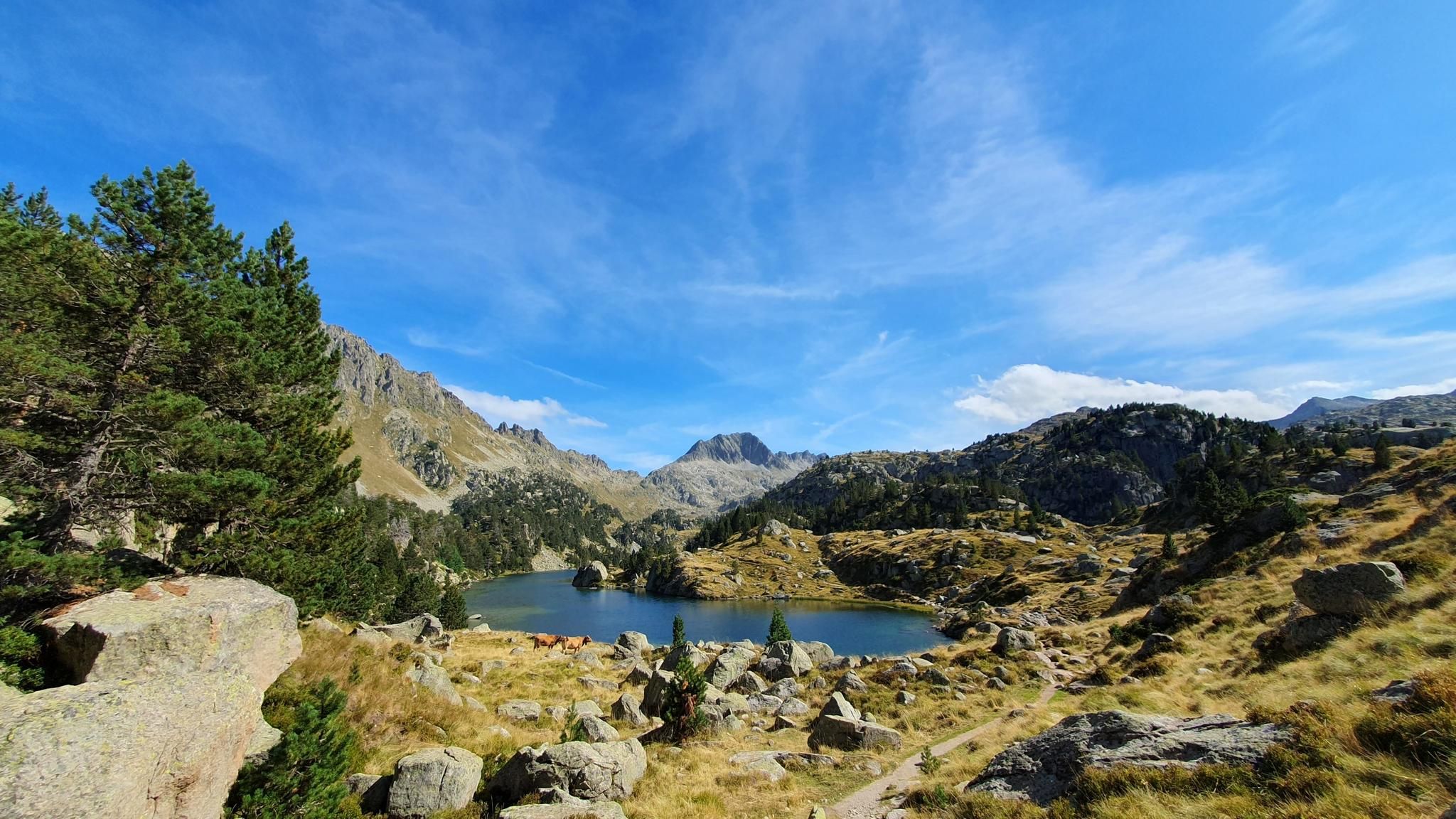
100 miles in paradise - Discover the Val d'Aran by UTMB
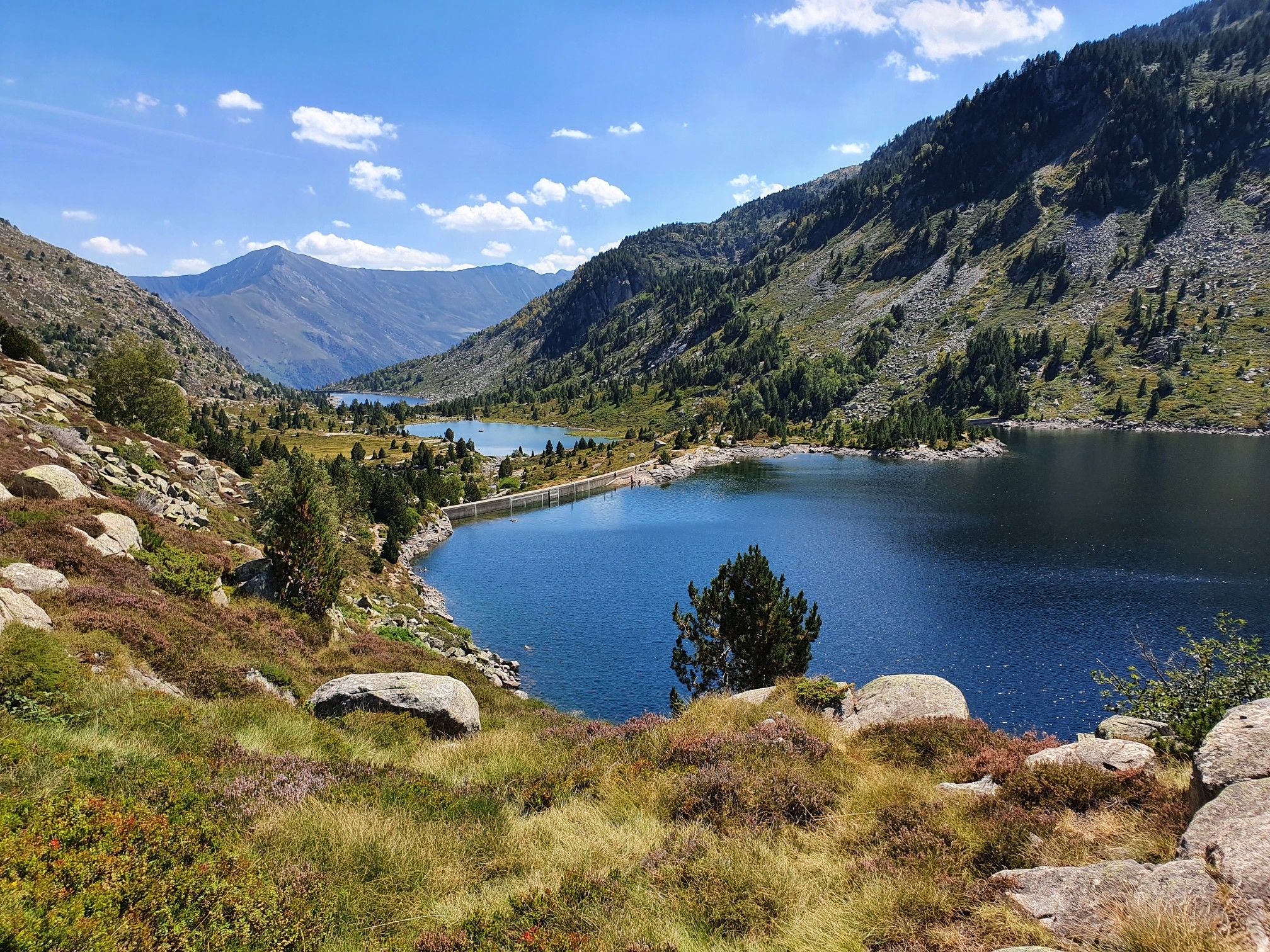
GR 10 – Explore the Ariège Pyrenees crossing the Pyrenees
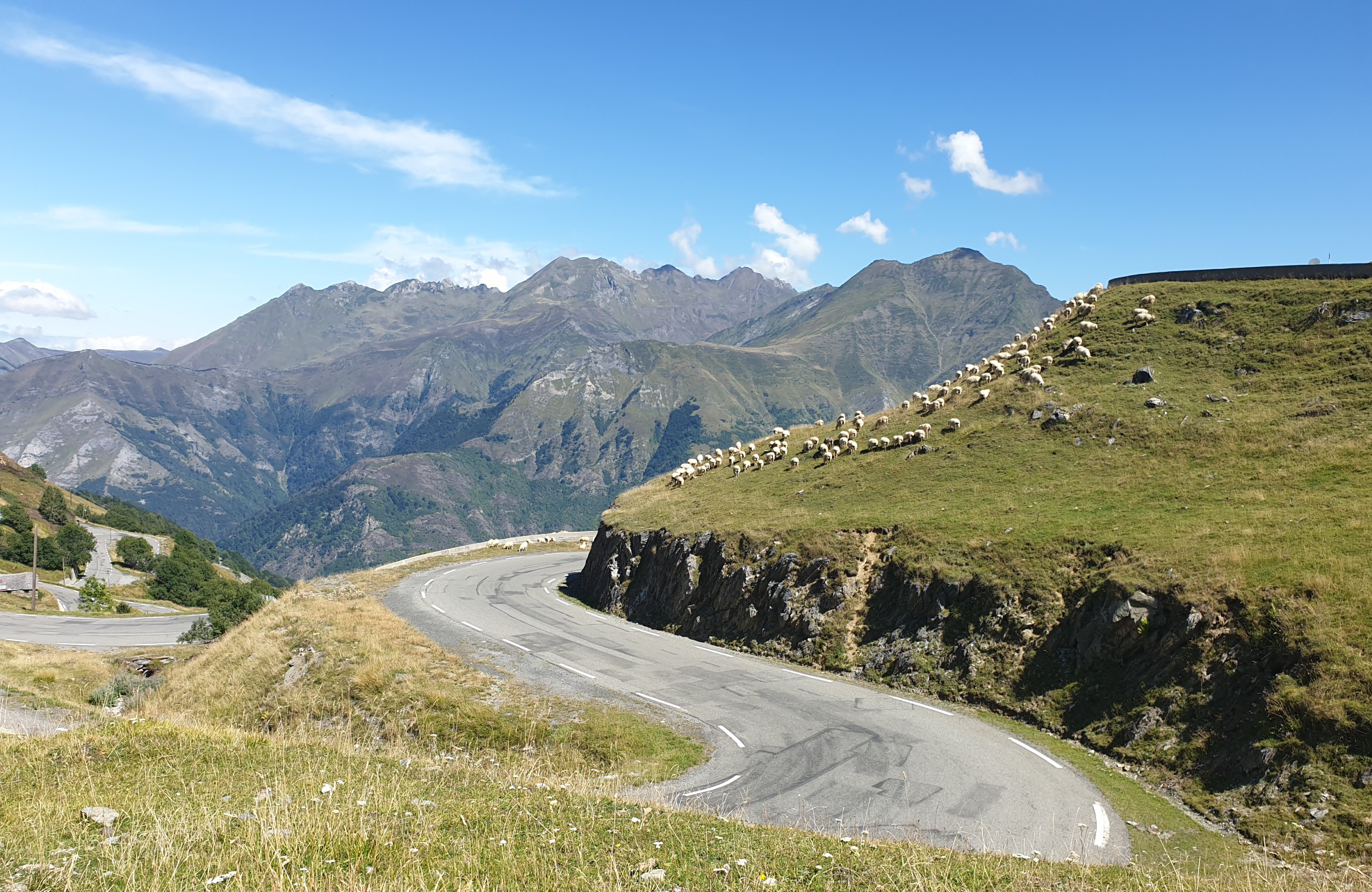
Between myths and legends – emblematic passes of the Pyrenees
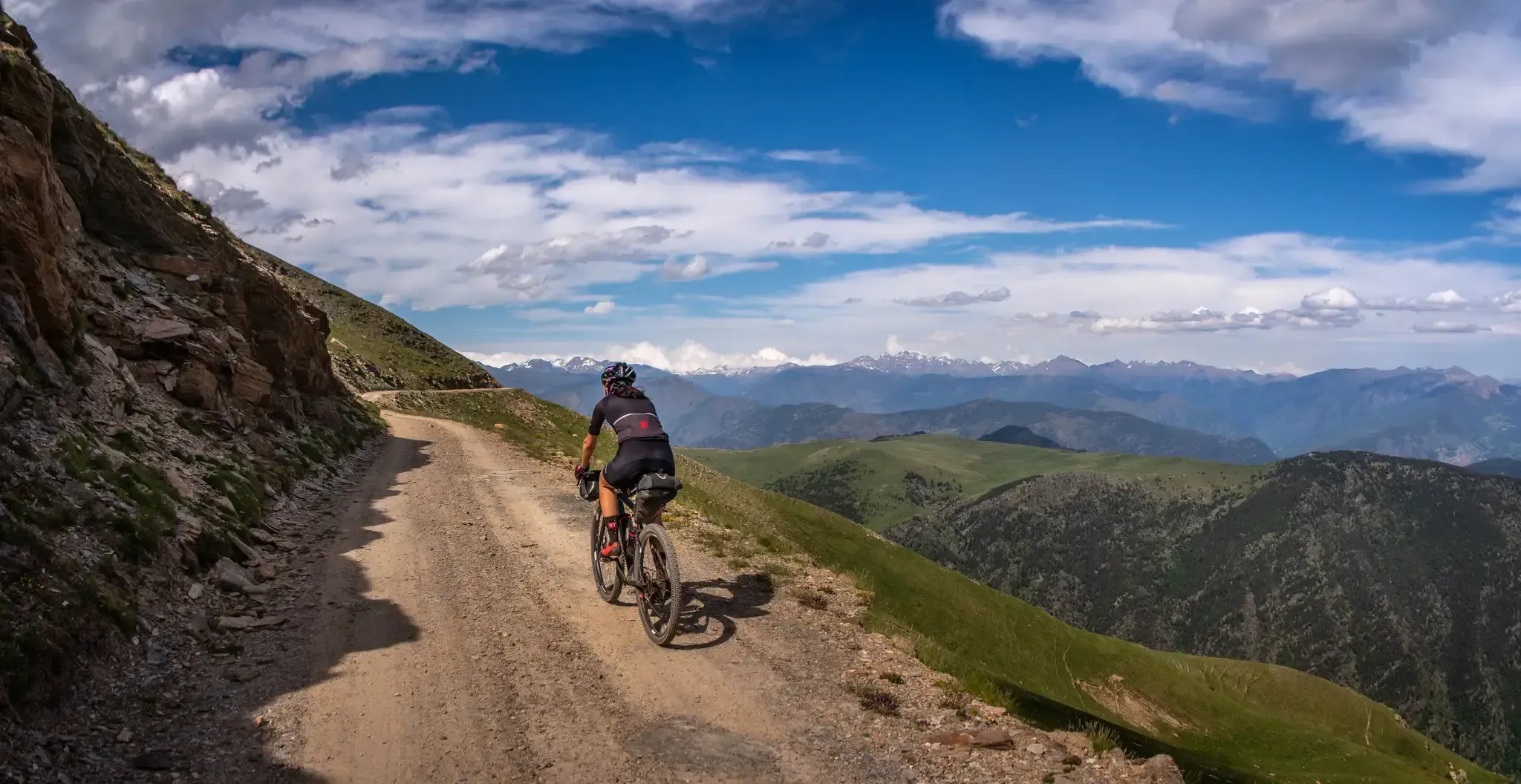
Pedals de Foc – An adventure through the Catalan Pyrenees
EuroVelo 3 – A cycling pilgrimage from Norway to France
Haute Route Pyrénéenne – Pyrenees Crossing
Coast to coast across the Pyrenees on your road bike
From the Alps to the Atlantic — GR 6
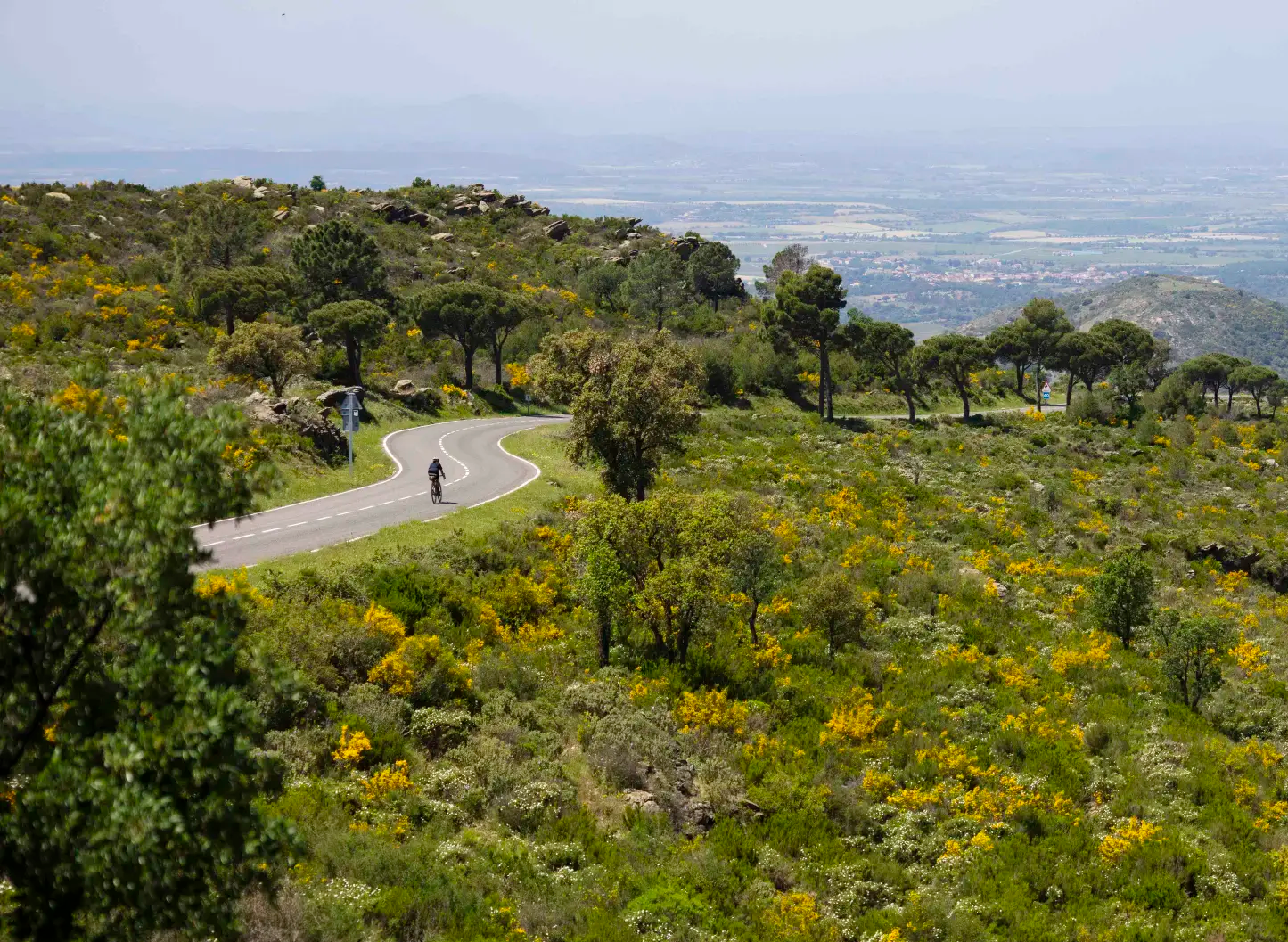
Ports and Roads — Catalonia on Wheels
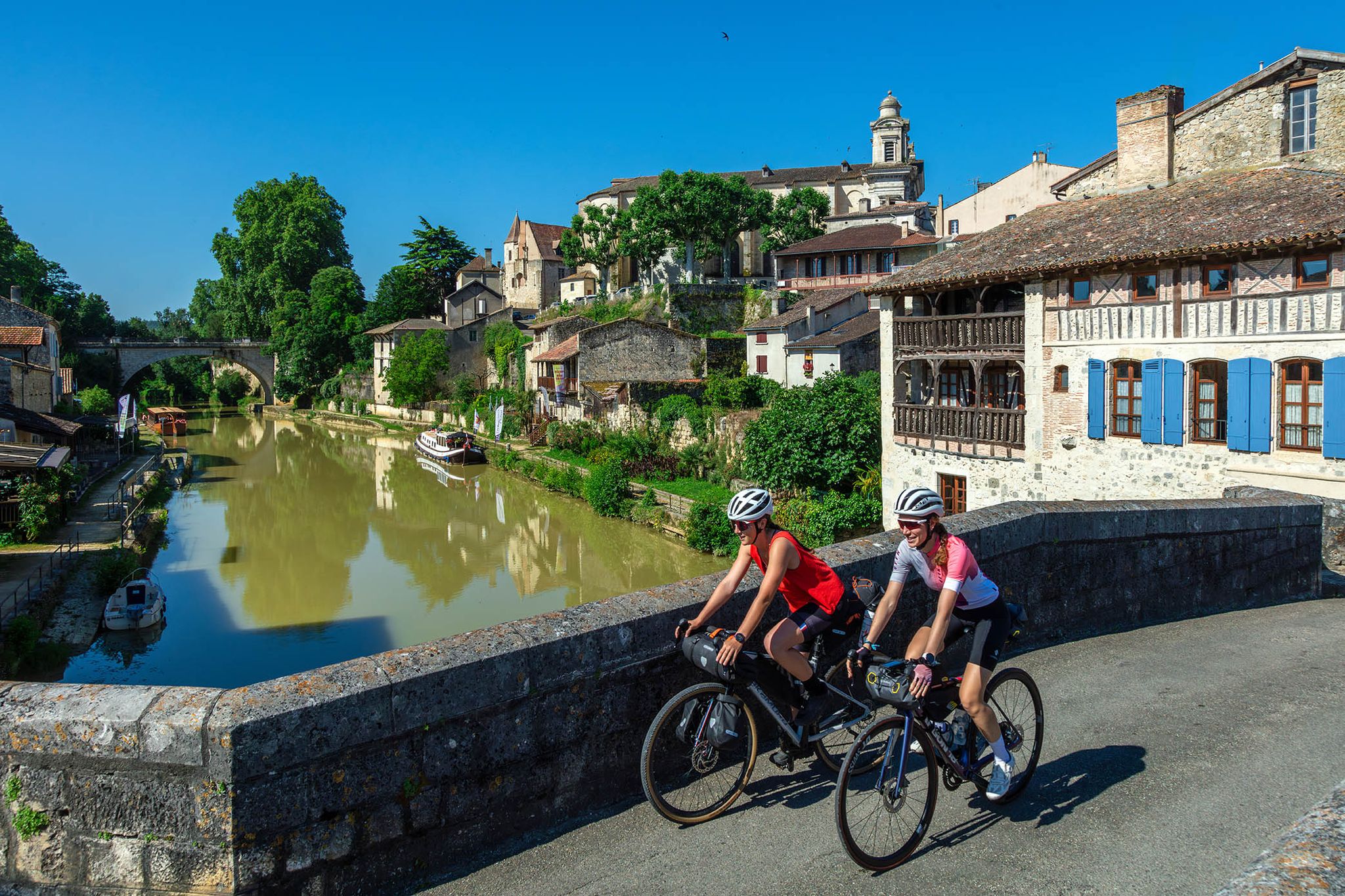
The most beautiful rides of Lot-et-Garonne by bike
Other adventures around the Garonne-Kanal


Tips from the Community

Beautiful church ensemble. There is a drinking water tap on the church square.
0
0

Beautiful old village, worth a visit
0
0

Saint Béat is a very typical French village. The village maintains its architectural style throughout, and it is deeply rooted in the landscape. You can find bars and a few other shops.
0
0

Built in the 12th century by local lords, the fort was enlarged by King Henry IV. It notably features a large keep, as well as a chapel built in the mid-19th century following a plague epidemic. Robert Pujol, who was responsible for its restoration, explains: "Tourists often have the idea of a very vast castle. However, in the Middle Ages, they were very small because they were clinging to eagles' nests." Throughout its history, the castle did not have to fend off invasions, even though it was the scene of regular battles. Its status as a royal town conferred many privileges on Saint-Béat. Two markets were held every month at the foot of the castle, and no taxes were levied there, which suggests that Saint-Béat could be considered the Andorra of this medieval era... It is technically possible to climb to the castle by bicycle via a steep path closed to vehicles by a chain. The road is certainly a little bumpy, but it is doable, and the breathtaking view of the city and the gap formed by the Garonne in the mountain is a just reward.
0
0
It is technically possible to go up to the Château de Saint Béat via a steep path, with a somewhat chaotic surface and closed to vehicles by a chain (be careful on the descent! ...). From there, you can enjoy a breathtaking view of the city and the passage in the mountain carved out by the Garonne. Built in the 12th century by local lords, the fort was enlarged by King Henry IV. It notably presents an important keep, as well as a chapel built in the mid-19th century following a plague epidemic. Robert Pujol, who is behind its restoration, explains: “Tourists most often have the idea of a very vast castle. However, in the Middle Ages, they were very small because they hung on eagles' nests. » The castle has not, in its history, had to repel any invasions, even if it was the scene of regular battles. The status of a royal city conferred many privileges on Saint-Béat. Two markets took place every month at the foot of the castle, and no taxes were levied there, which invites us to consider Saint-Béat as the Andorra of this medieval era...
0
0

Here we find a pretty little well-preserved private castle. It is located next to the village church. A photo is essential!
0
0
Le Château de Palaminy, a private estate, offers you the opportunity to experience an unforgettable holiday with family or a relaxing stay with friends or work colleagues... Located in the South-West of France, 40 minutes from Toulouse-Blagnac airport, this wing of the castle offers for rent a very beautiful volume of 6 bedrooms, 5 of which have a private bathroom, complemented by a spacious living room and an American-style kitchen.
0
0

Beautiful church in the upper part of the town.
2
0
Frequently Asked Questions
Which castles along the Garonne Canal offer the most historical insight?
The region boasts several castles with deep historical roots. Château du Hâ in Bordeaux, originally a 15th-century fortress built by King Charles VII, offers a glimpse into Bordeaux's past, with two of its towers integrated into the modern courthouse. Further along, Château de Saint-Béat, a 12th-century fort enlarged by King Henry IV, provides a rich medieval history and stunning views. Additionally, the Château de Tastes (Sainte-Croix-du-Mont), dating back to the 14th century, showcases medieval architectural elements and overlooks the Garonne Valley.
Are there family-friendly castles to visit near the Garonne Canal?
Yes, several castles and their surroundings are suitable for families. Château de Palaminy is listed as a family-friendly historical site. The area around Domaine de Ribonnet and Its Château offers good hikes for families, and the estate produces organic products. While not explicitly listed as family-friendly in the guide, Château de Roquetaillade offers guided tours that can be engaging for older children, exploring its medieval architecture and unique features like a medieval kitchen.
What outdoor activities can I do near these castles?
The Garonne Canal region offers a variety of outdoor activities. You can explore numerous running trails, such as the 'Toulouse – trail loop along the Garonne' or the 'Panoramic Hillsides Trail'. For hiking enthusiasts, there are options like the 'Bordeaux: Two Bridges Trail' or 'The sand fishermen - loop starting from Seilh'. More challenging mountain hikes are also available, including the 'Boum de Venasque loop from Hospice de France'. You can find more details on these activities in the Running Trails around the Garonne-Kanal, Hiking around the Garonne-Kanal, and Mountain Hikes around the Garonne-Kanal guides.
Which castles offer the best panoramic views of the Garonne Valley?
For breathtaking panoramic views, consider visiting Château de Saint-Béat, which offers a stunning perspective of the city and the Garonne carved through the mountains. The Château de Tastes (Sainte-Croix-du-Mont) also provides amazing panoramic views of the Garonne Valley and the renowned Sauternes vineyards, potentially extending to the Pyrenees on clear days. Additionally, Château du Hamel (Castets-en-Dorthe) is strategically located above the confluence of the Garonne River and the Canal de Garonne, offering a unique viewpoint.
Are there guided tours available for castles in this region?
Yes, guided tours are available for some castles. For instance, Château de Roquetaillade offers guided tours, including those in English, covering its rich history and architecture. While Château du Hâ has limited public access, special guided tours are occasionally organized, particularly during Heritage Days. For Château de Tastes (Sainte-Croix-du-Mont), guided tours of the exterior and a nearby oyster fossil cliff can be arranged through the local Tourist Office.
What is the best time of year to visit castles along the Garonne Canal?
The best time to visit castles along the Garonne Canal is generally from spring to autumn (Easter to November). During these months, the weather is usually pleasant for exploring the castle grounds and surrounding areas. For example, Château de La Brède is open to visitors from Easter to November. Summer offers warm weather, ideal for outdoor activities, but spring and autumn provide milder temperatures and often fewer crowds, making for a more comfortable experience.
Can I find castles that are still inhabited or offer unique experiences?
Yes, you can. Château de Roquetaillade has been inhabited by the same family for over 700 years, offering a living history experience with its preserved interiors. Château du Hamel (Castets-en-Dorthe) is also a private, lived-in property, with visits sometimes arranged by appointment. Château de Palaminy, a private estate, offers rental opportunities for an unforgettable stay.
Are there any castles near the Garonne Canal that are also wineries?
Yes, Château de Langoiran, perched on the right bank of the Garonne River, is not only a historical site but also a winery. Visitors can enjoy wine tastings and tours there, combining historical exploration with local viticulture.
What are some lesser-known or 'hidden gem' castles in the area?
While many castles are well-known, some offer a more intimate experience. Château and Church of Couladère, though less prominent, offers a glimpse into local history. Château de Montespan is another historical site that might offer a quieter visit. These sites, while perhaps not as grand as the major attractions, contribute to the rich historical tapestry of the region.
What is the significance of Château de La Brède?
Château de La Brède is highly significant as the birthplace, home, and workplace of the Enlightenment philosopher Montesquieu. This feudal castle, built in the Gothic style, has largely retained its fortress-like character. Visitors can explore Montesquieu's library and bedroom, preserved as they were in the 18th century, offering a unique personal connection to his life and work. More information can be found on Wikipedia or Sud Bordeaux Tourisme.
Are there any castles with unique architectural features?
Absolutely. Château de Roquetaillade is a masterpiece of medieval architecture, uniquely featuring two fortresses within its stone walls, six solid towers, and a central keep. It also boasts 19th-century restorations by Viollet-le-Duc, including a chapel with a striking geometric ceiling. Château de Langoiran features one of the largest circular donjons (fortified central towers) in France. Château du Hamel combines feudal and Renaissance architectural styles, built upon 14th-century foundations.
What should I pack for a summer visit to the castles?
For summer visits, comfortable walking shoes are essential as you'll likely be exploring castle grounds and potentially steep paths. Light, breathable clothing is recommended due to warm temperatures. Don't forget sun protection like a hat, sunglasses, and sunscreen. Bringing a reusable water bottle is also a good idea to stay hydrated, especially if you plan to combine your visit with nearby walks or hikes.
Most popular routes around the Garonne-Kanal
Most popular attractions around the Garonne-Kanal

Get inspired with the komoot mobile app


Explore more
Looking for the best castles somewhere else? Discover other guides around the Garonne-Kanal:
