The best gravel rides around the Garonne-Kanal
4.3
(151)
841
riders
70
rides
Gravel biking around the Garonne-Kanal traverses southwestern France, offering a mix of flat, traffic-free paths and unpaved sections. The landscape features expansive agricultural areas, including vineyards and farmland, alongside woodlands. Routes often run between the canal and the Garonne River, passing through historical towns and past 19th-century engineering works. The region's terrain is generally flat along the canal towpaths, with some routes featuring moderate elevation changes.
Best gravel bike trails around the Garonne-Kanal
- The most popular gravel bike trail is…
Last updated: July 1, 2026
5.0
(2)
24
riders
31.0km
03:23
990m
990m
Hard gravel ride. Very good fitness required. Mostly paved surfaces. Suitable for all skill levels.
4.5
(2)
7
riders
35.9km
01:57
130m
130m
Easy gravel ride. Great for any fitness level. Mostly paved surfaces. Suitable for all skill levels.

Sign up for free
4.0
(1)
6
riders
67.6km
03:45
310m
320m
Hard gravel ride. Good fitness required. You may need to push your bike for some segments of this route.
4.5
(2)
2
riders
48.1km
02:47
430m
430m
Hard gravel ride. Good fitness required. You may need to push your bike for some segments of this route.
4.3
(22)
55
riders
Moderate gravel ride. Good fitness required. Mostly paved surfaces. Suitable for all skill levels.
4.3
(9)
42
riders
47.3km
02:46
140m
140m
Moderate gravel ride. Good fitness required. Mostly paved surfaces. Suitable for all skill levels.
4.8
(4)
33
riders
102km
06:16
720m
720m
Hard gravel ride. Very good fitness required. Mostly paved surfaces. Suitable for all skill levels.
4.0
(4)
42
riders
42.0km
03:22
1,010m
1,010m
Hard gravel ride. Very good fitness required. Mostly paved surfaces. Suitable for all skill levels.
4.0
(6)
19
riders
37.5km
02:22
330m
330m
Moderate gravel ride. Good fitness required. Mostly paved surfaces. Suitable for all skill levels.
4.0
(3)
18
riders
144km
10:54
3,040m
3,040m
Hard gravel ride. Very good fitness required. Mostly paved surfaces. Suitable for all skill levels.
Get access to more routes and recommendations from other explorers.
Sign up for free
Already have an account?
Our route recommendations are based on thousands of hikes, rides, and runs completed by other people on komoot.
Start today with a free account
Your next adventure awaits.
Login or Signup
Popular around Garonne canal
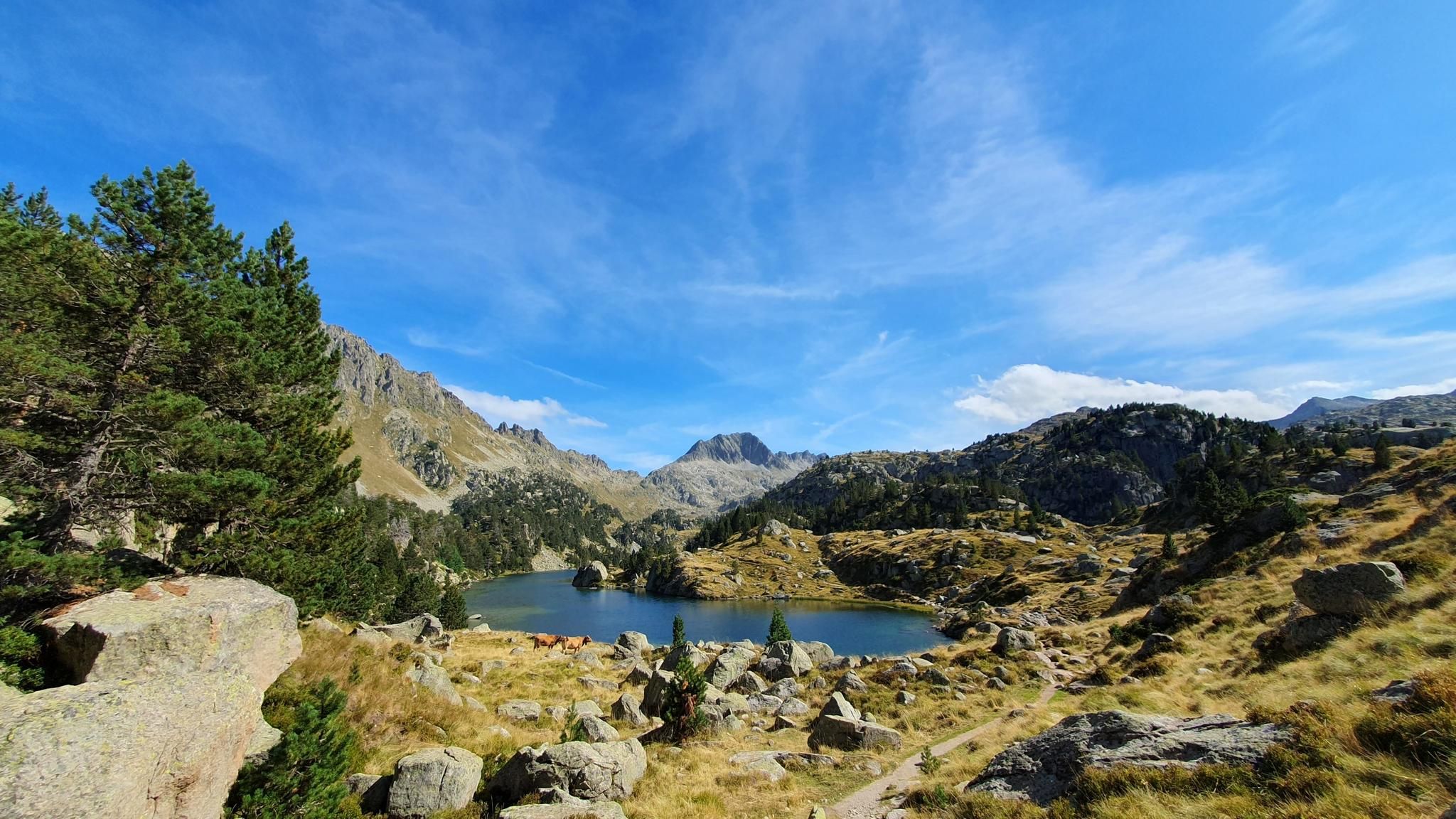
100 miles in paradise - Discover the Val d'Aran by UTMB
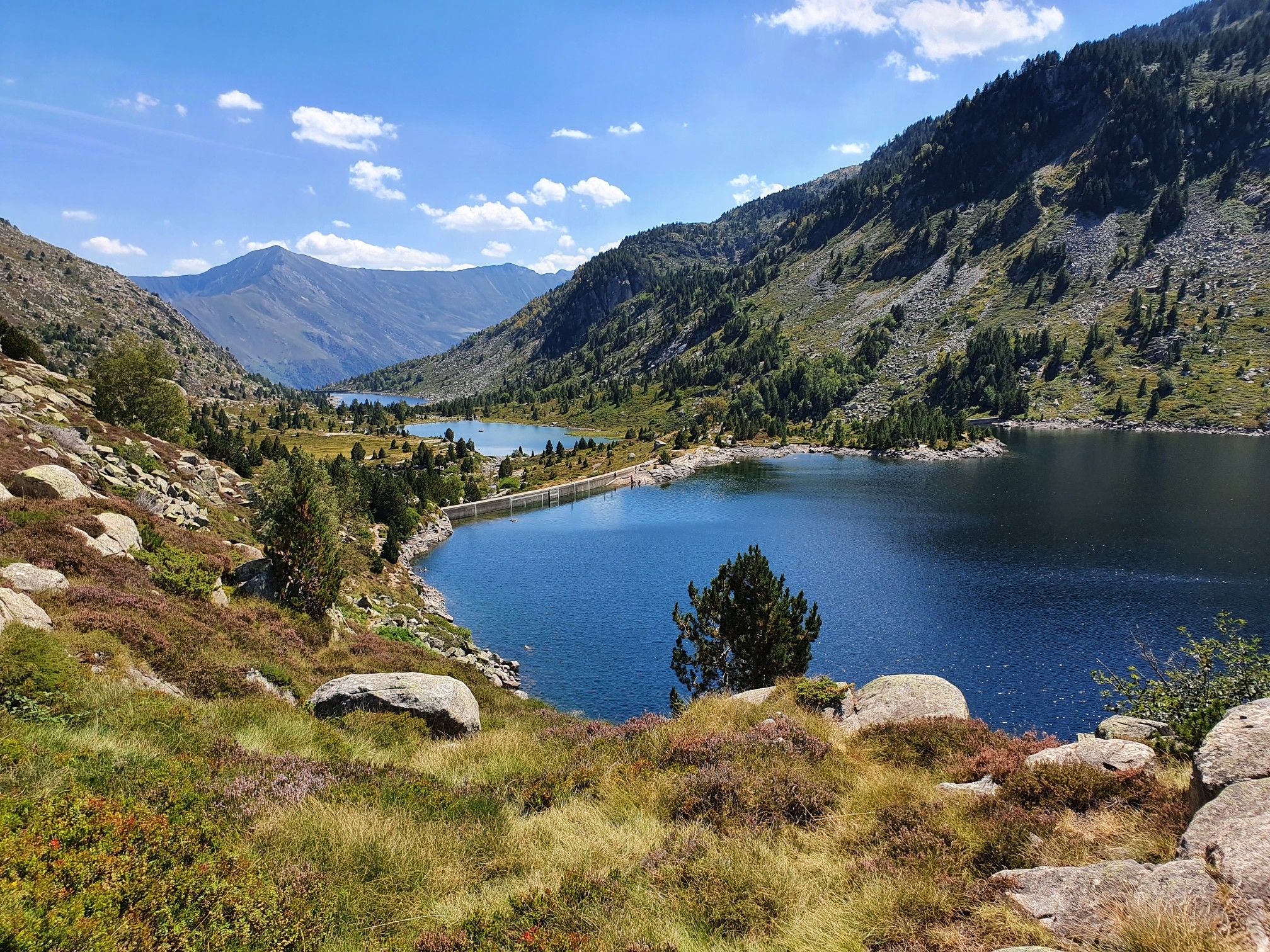
GR 10 – Explore the Ariège Pyrenees crossing the Pyrenees
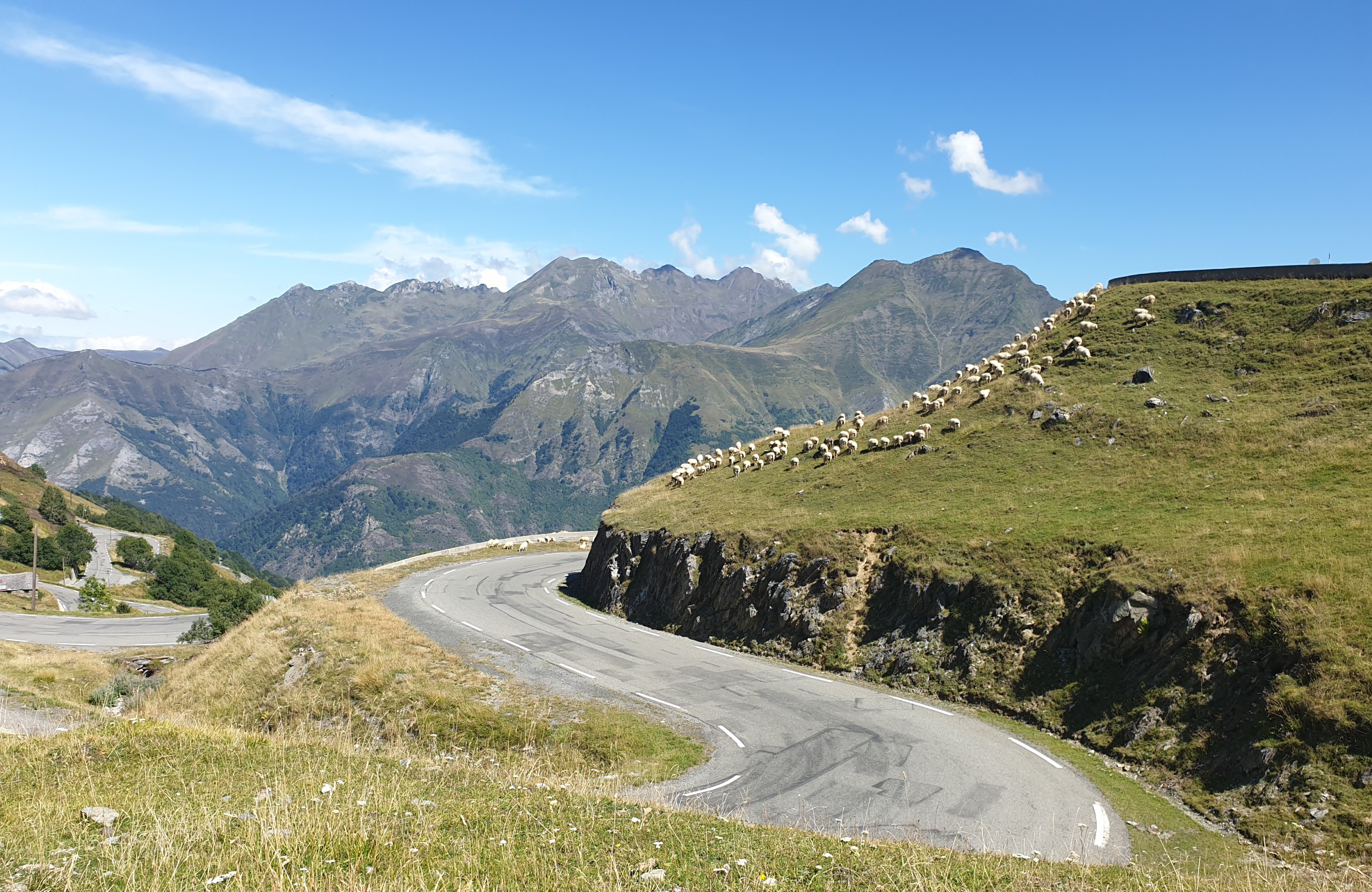
Between myths and legends – emblematic passes of the Pyrenees
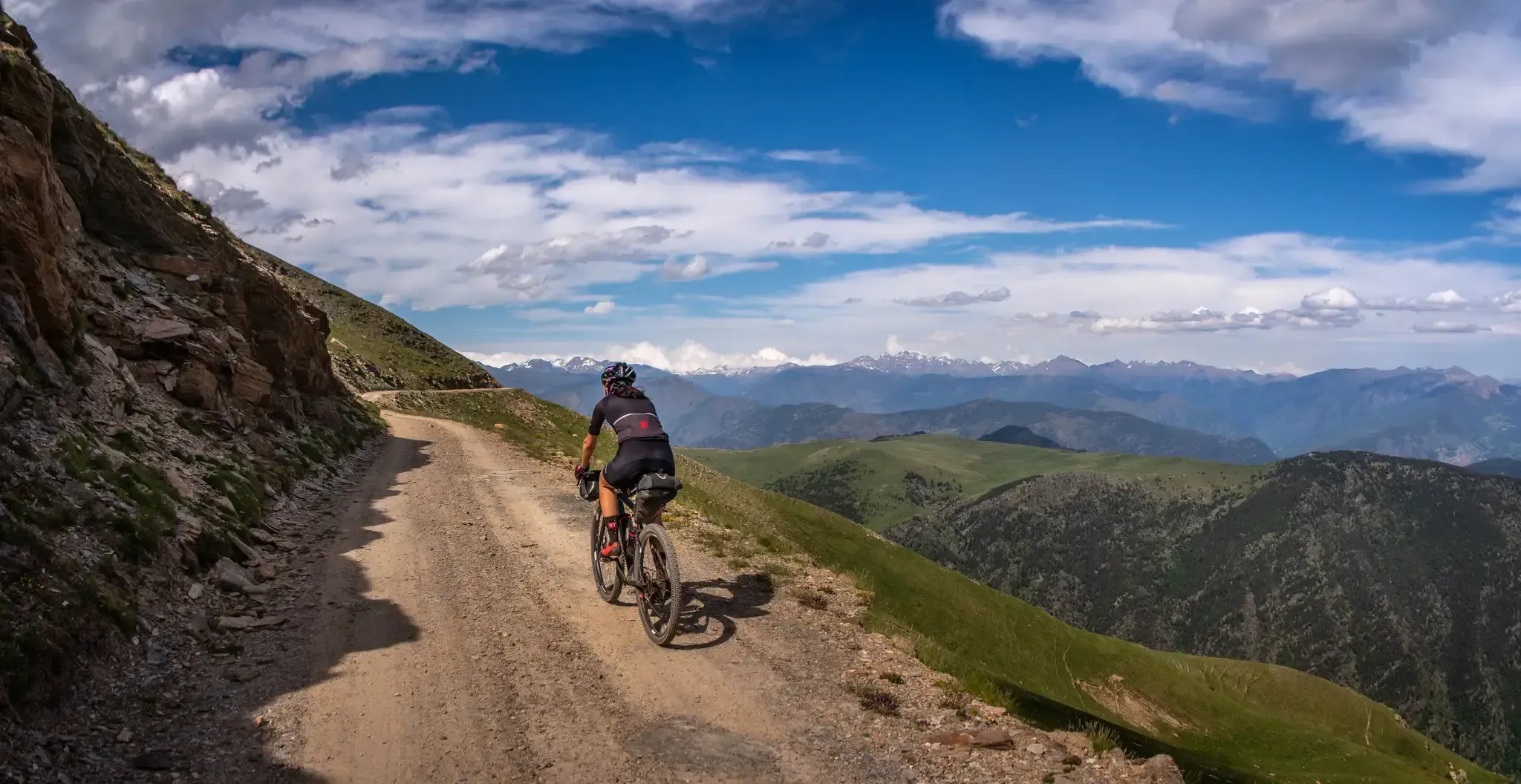
Pedals de Foc – An adventure through the Catalan Pyrenees
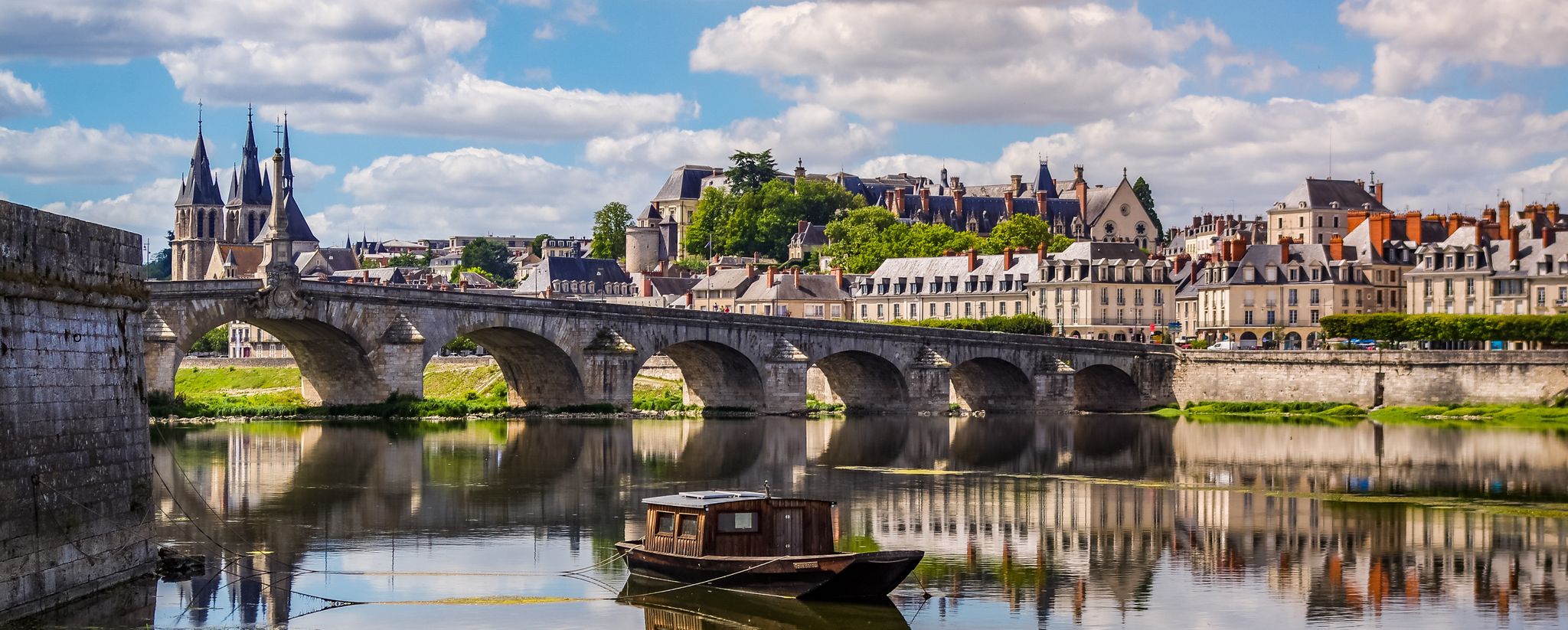
EuroVelo 3 – A cycling pilgrimage from Norway to France
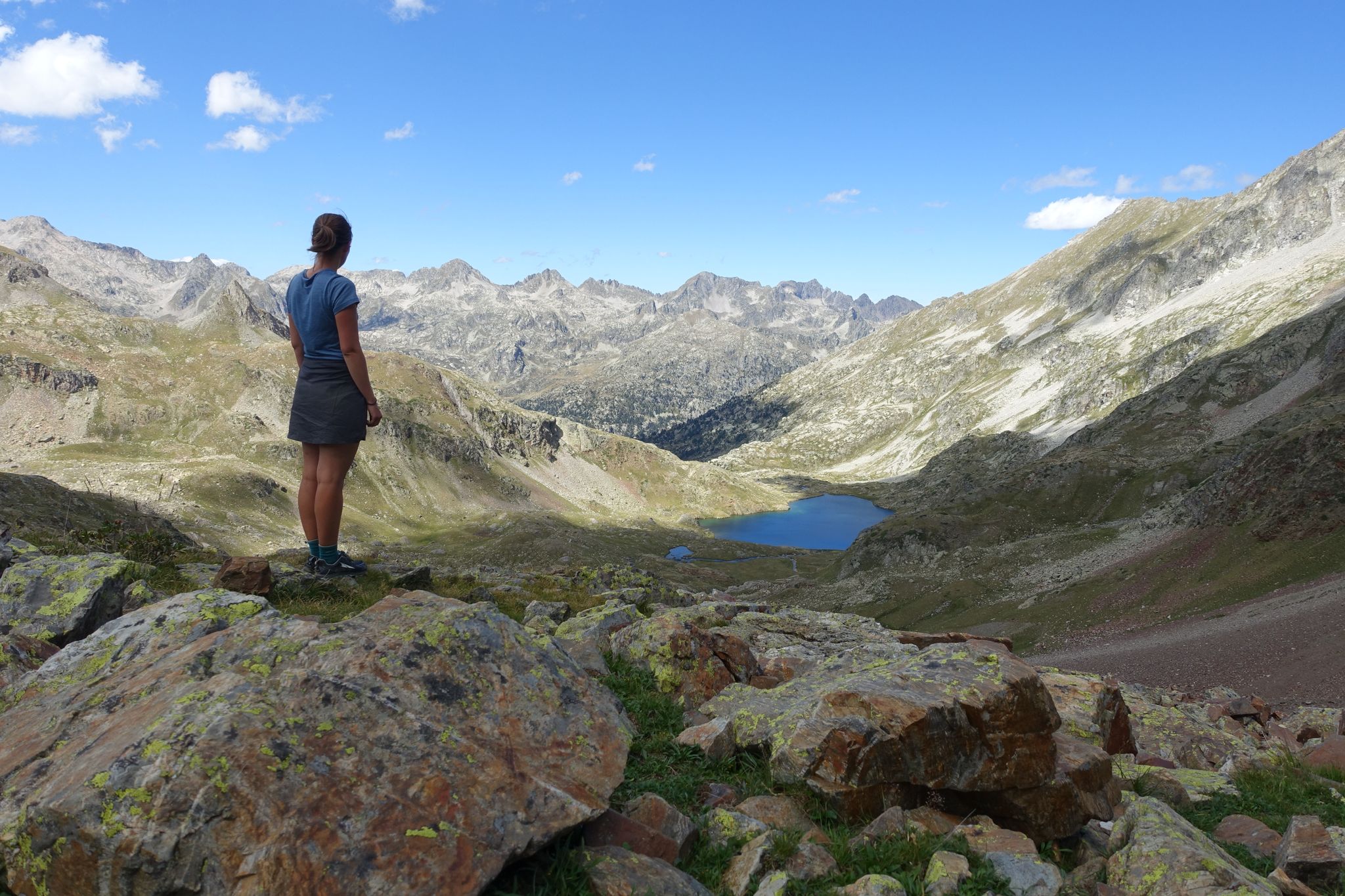
Haute Route Pyrénéenne – Pyrenees Crossing
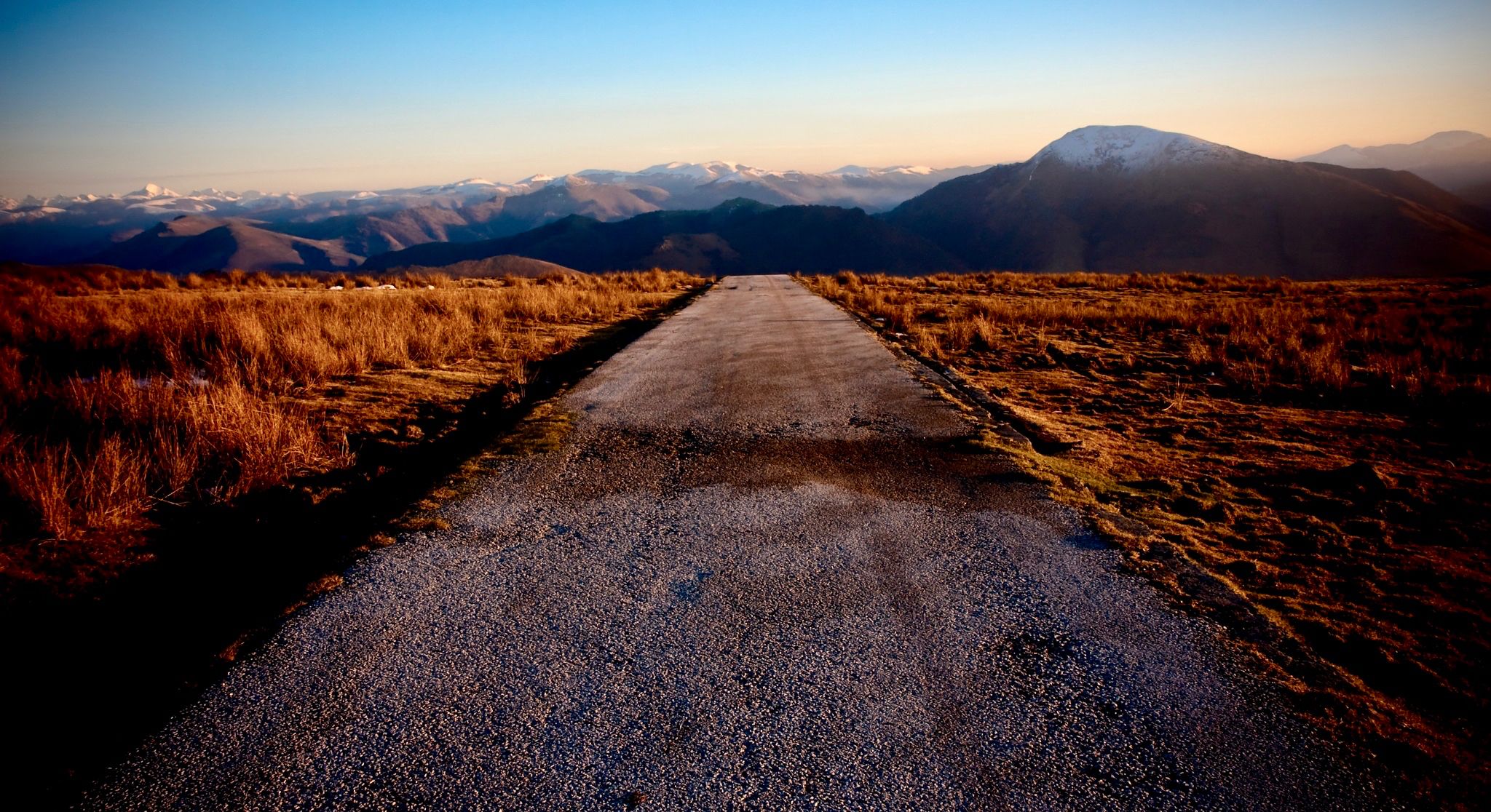
Coast to coast across the Pyrenees on your road bike
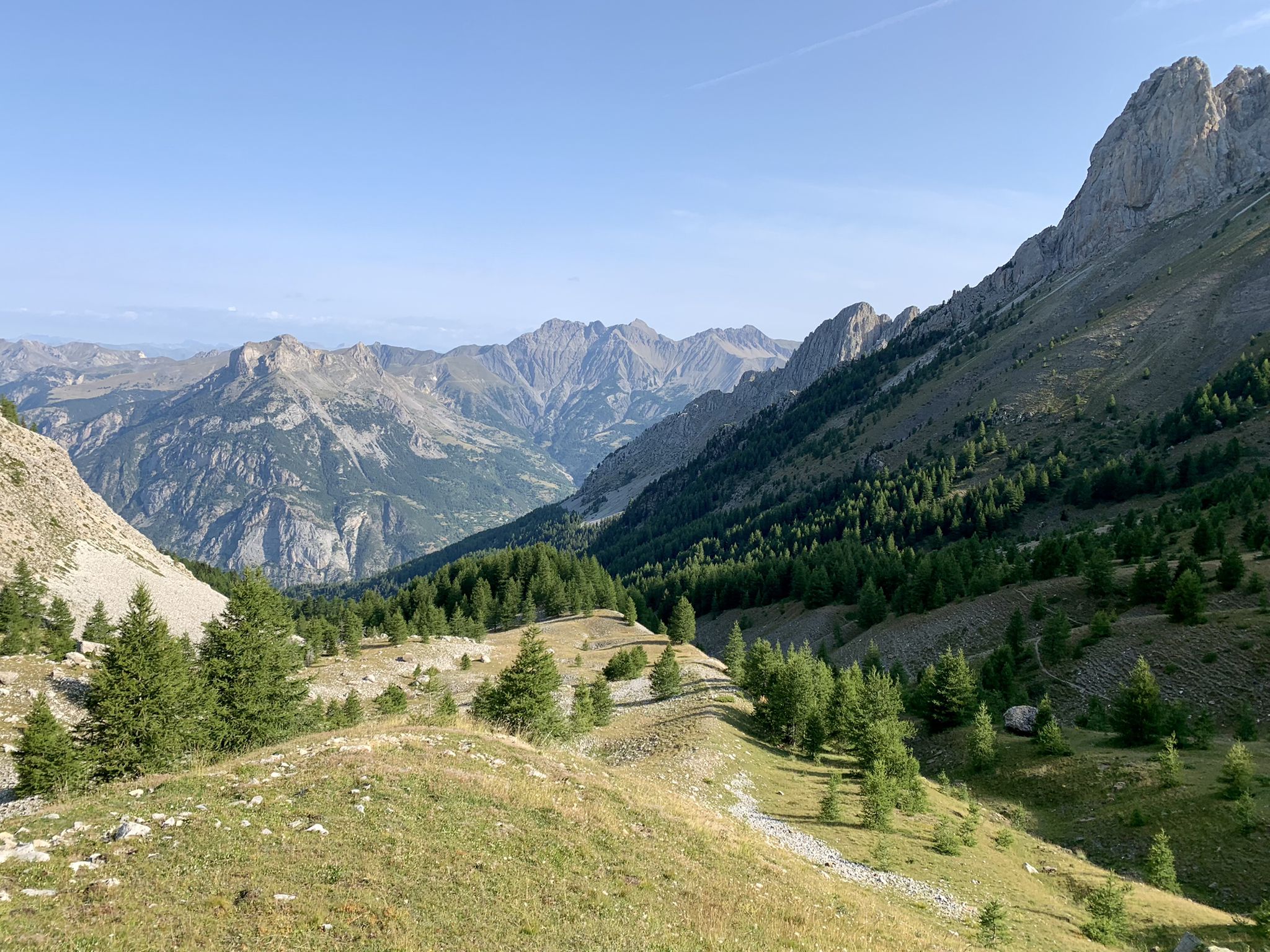
From the Alps to the Atlantic — GR 6
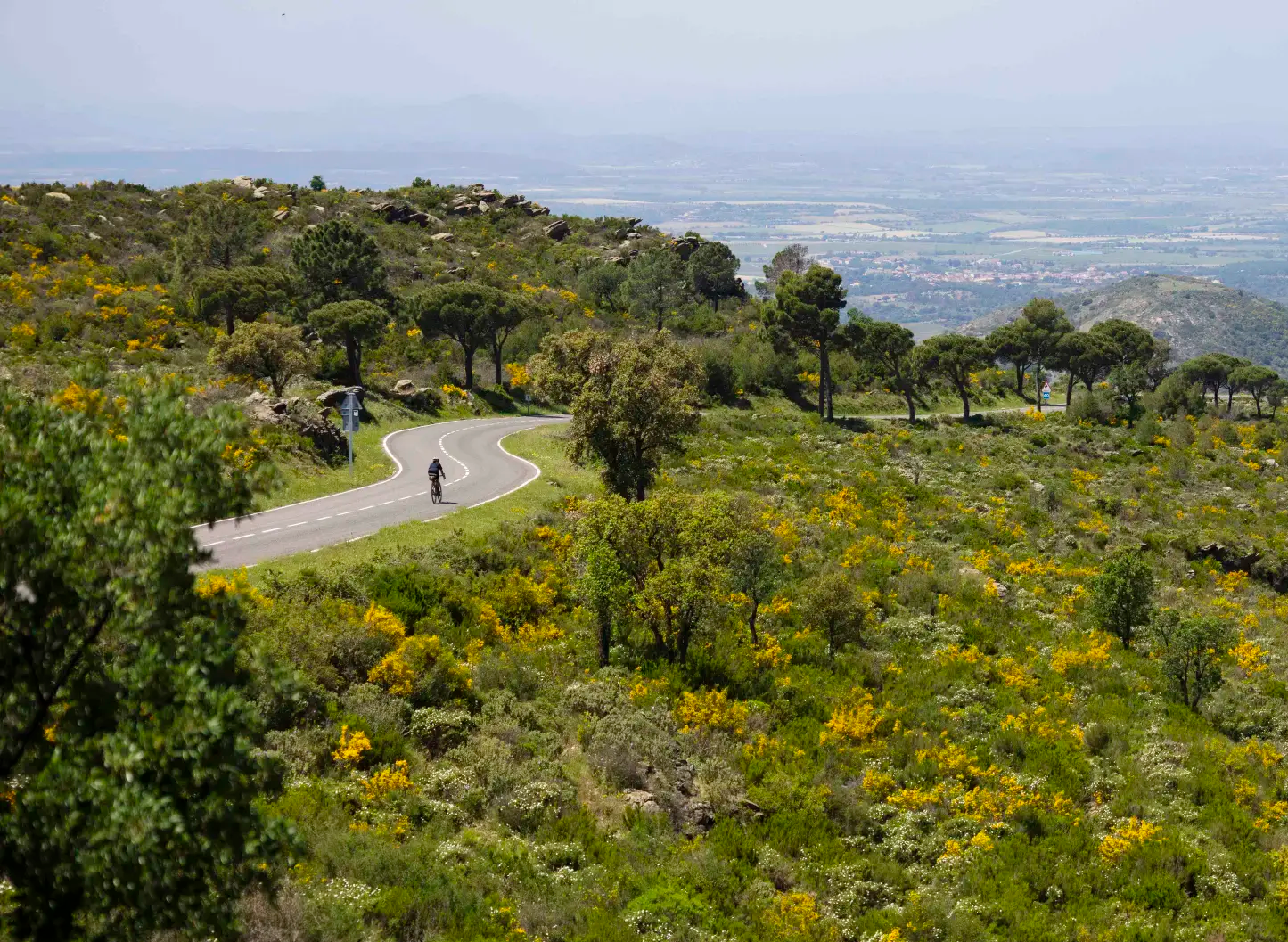
Ports and Roads — Catalonia on Wheels
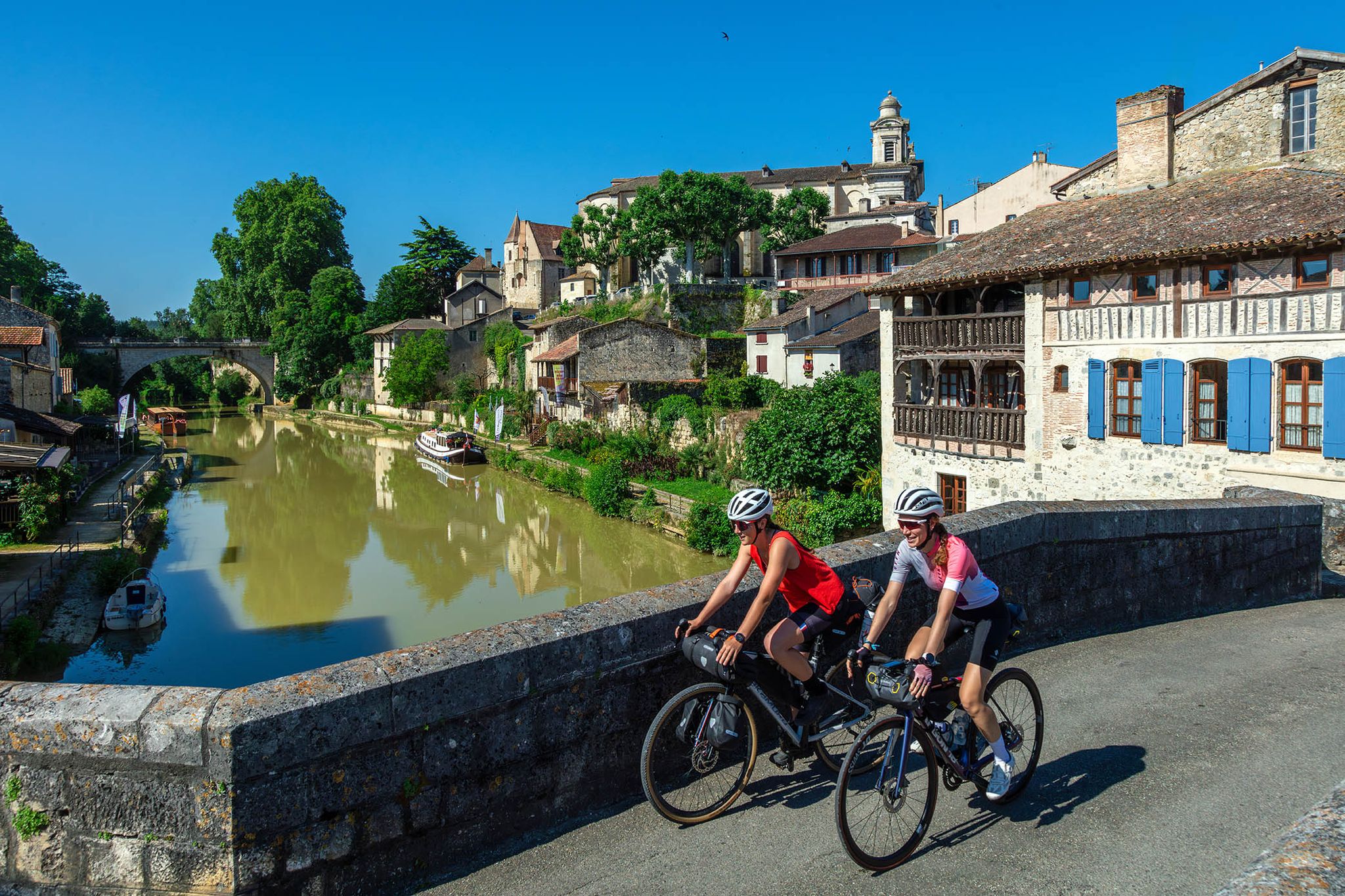
The most beautiful rides of Lot-et-Garonne by bike
Other adventures around the Garonne-Kanal


Tips from the Community

Another very inviting café right next to the bike path
0
0

Very pleasant forest for cycling. Quite a few smooth paths and fun singletracks. Good in late spring and summer, be careful if it rains, it quickly gets muddy on some paths!
0
0
Very pleasant forest for cycling. Plenty of rideable paths and fun singletracks. Good in late spring and summer, be careful if it rains, it quickly gets muddy on some paths!
0
0

Village classified among the most beautiful villages in Spain
0
0

Does transporting your bike mean carrying it or rolling it alongside you?
0
0

Budos Castle is the work of Raymond Guilhem de Budos, nephew of Pope Clement V. Largely supported by his uncle, he rebuilt the old family castle in 1306, adopting the architectural features of the neighboring Château de Villandraut, as evidenced by the following document from King Edward I, written from Wynten on March 9, 1306, to the Seneschal of Gascony[4]: "The Knight of Budos, nephew of Clement V, Sovereign Pontiff, has begged us to allow him to crenellate his house in Budos, to surround it with walls, towers, moats, and finally to fortify it. Out of respect for the Sovereign Pontiff, and because a fortress of this nature will protect not only our possessions in this part of Guienne, but also the subjects of the Pope's nephew, we grant the aforementioned Raymond permission to fortify his castle and we grant it to him, his heirs, and successors in perpetuity, and we undertake not to disturb him in any way in this possession." In 1422-23, the King of England took possession of the castle and placed Pons, Lord of Castillon, in charge. Around 1433, Henry VI granted the lands and the castle to the Duke of Gloucester. In 1446-47, Budos was given to Gaston IV of Foix-Béarn, Count of Foix, following the death of the Earl of Gloucester. After the conquest of Guyenne, the Budos family, which had supported the cause of France, regained possession of its lordships in Guyenne. Purchased from the Budos family by Raymond de La Roque in 1571, Budos Castle suffered a severe assault in 1652 during the Fronde Wars. Lasserre ransacked, pillaged, and burned its archives. The Budos lordship remained in the La Roque family until the Revolution, which nearly destroyed it. It was sold as national property and used as a quarry to build dikes on the Ciron. In 1841, the Gironde Historical Monuments Commission was informed of this by Léo Drouyn. In 1860, it became the property of Léon de Brivazac, son of Delphine Catherine de La Roque de Budos (born at the castle in 1789). Five descendants (including Savary de Beauregard) entrusted it to the Adichats association, which brings together young people to enhance and preserve what can be preserved. The castle was registered as a historic monument in 1988
0
0
Beautiful, very rural walk starting from Bordeaux.
0
0
Frequently Asked Questions
How many gravel bike trails are available around the Garonne Canal?
There are over 100 gravel bike trails in the Garonne Canal region, offering a wide variety of experiences. These include 14 easy routes, 49 moderate routes, and 46 difficult routes, catering to all skill levels.
What kind of terrain can I expect on gravel bike trails around the Garonne Canal?
The terrain is quite varied. You'll find mostly flat, traffic-free paths along the canal, often shaded by plane trees, which are ideal for relaxed rides. However, there are also unpaved and more challenging gravel sections, particularly in areas with greater elevation changes like the Val d'Aran. Routes often traverse agricultural areas, vineyards, woodlands, and run between the canal and the Garonne River.
Are there family-friendly gravel biking options along the Garonne Canal?
Yes, many sections of the Garonne Canal's greenway are asphalted and largely traffic-free, making them suitable for families and beginners. These paths offer a safe and pleasant environment for relaxed exploration. Look for routes described as 'easy' for the most family-friendly experiences.
What are some challenging gravel bike routes in the Garonne Canal area?
For those seeking a challenge, routes like Gravel in the Val d'Aran – Prüedo per Valarties offer significant elevation changes. Other difficult routes include From Langon to Bordeaux and From Cérons to Bordeaux, which feature more varied terrain and ascents.
Are there any circular gravel bike routes available?
Yes, there are several circular routes. An example is the Bank of the Touch – Small Bridge over the Touch loop from Canal du Midi, which takes you through varied terrain. Another option is the Brax Castle – Bouconne State Forest loop from Toulouse-Saint-Cyprien-Arènes, offering a moderate challenge.
What historical towns or landmarks can I explore along the gravel bike trails?
The Garonne Canal region is rich in history. You can cycle through medieval towns like Marmande, La Réole, and Damazan, or visit Moissac with its UNESCO World Heritage-listed abbey. The impressive Agen Aqueduct is a notable engineering marvel. Many routes connect to major cities like Bordeaux and Toulouse, which offer numerous historical sites.
Are there natural attractions or viewpoints along the Garonne Canal gravel trails?
Absolutely. The canal often runs alongside the Garonne River, providing scenic views. You'll pass through expansive vineyards and farmland, and near Bordeaux, you might spot traditional fishing huts known as 'carrelets'. For specific natural highlights, consider visiting Lake Major of Colomers or Bordeaux lake.
What is the best time of year for gravel biking around the Garonne Canal?
The Garonne Canal is generally pleasant for cycling from spring through autumn. The paths are often shaded by plane trees, offering relief during warmer weather. Spring and early autumn provide comfortable temperatures and beautiful scenery, with vineyards in bloom or harvest. Winter cycling is possible, but check local weather conditions as some paths might be affected by rain.
Can I bring my dog on gravel bike trails in the Garonne Canal region?
While many outdoor areas in France are dog-friendly, it's always best to check specific local regulations for the exact section of the canal or any nature reserves you plan to enter. Generally, dogs on a leash are welcome on public paths, but ensure they are well-behaved and that you clean up after them.
What amenities like cafes or accommodation are available along the routes?
The Garonne Canal route is dotted with charming towns and villages, many of which offer cafes, restaurants, and accommodation options. Major cities like Bordeaux, Agen, and Toulouse, connected by the canal, provide extensive amenities. Smaller towns like Marmande and Moissac also have facilities for cyclists.
How can I access the gravel bike trails, particularly regarding parking or public transport?
Access to the Garonne Canal trails is generally good. Many towns along the canal offer parking facilities. For public transport, regional trains often serve towns along the canal, and some may allow bicycles, though it's advisable to check specific train line policies and peak hour restrictions. The canal's connectivity between cities like Bordeaux and Toulouse also makes it accessible by various transport links.
What do other gravel bikers say about the trails in the Garonne Canal region?
The Garonne Canal region is highly rated by the komoot community, with an average score of 4.2 stars from over 200 reviews. Reviewers often praise the picturesque landscapes, the historical towns, and the unique experience of cycling alongside the impressive engineering works of the canal. Many appreciate the mix of easy, traffic-free sections and more challenging gravel paths.
Are there any longer gravel bike routes for multi-day trips or extended rides?
Yes, the Garonne Canal is part of the larger Canal des 2 Mers route, connecting the Atlantic to the Mediterranean, which offers extensive possibilities for multi-day trips. For a longer single-day ride, consider Small Bridge over the Touch – Bank of the Touch loop from Beauzelle, which covers over 112 km.
Most popular routes around the Garonne-Kanal
Most popular attractions around the Garonne-Kanal

Get inspired with the komoot mobile app


