Attractions and Places To See around the Zncara - Top 20
Best attractions and places to see around the Zncara are located in the heart of the Castilla-La Mancha region of Spain, particularly in the province of Cuenca. This area features a landscape shaped by the Záncara river, offering both natural and historical points of interest. The region includes settlements at elevations of around 950m, preserving Iberian, Visigothic, and Muslim vestiges. It is characterized by its historical sites, including medieval fortresses and ancient towns.
Best attractions and places to see around…
Last updated: July 2, 2026
Castle of Santiago de la Torre
Highlight • Castle
Translated by Google •
Tip by

Záncara Promenade
Highlight • Trail
Between the two bridges is the Paseo del Záncara, which runs parallel to the river of the same name. For a few …
Translated by Google •
Tip by
Sign up now to discover places like this
Get recommendations on the best single tracks, peaks, & plenty of other exciting outdoor places.
Sign up for free
El Provencio
Highlight • Settlement
Translated by Google •
Tip by
Bridge over the Záncara River
Highlight • Bridge
Translated by Google •
Tip by

Ángel Campos Park
Highlight • Structure
Translated by Google •
Tip by
Castle of Villaescusa de Haro
Highlight • Castle
Translated by Google •
Tip by

Zafra de Záncara
Highlight • Settlement
Translated by Google •
Tip by

Castle and church of Huerta de la Obispalía
Highlight • Castle
Translated by Google •
Tip by
Church of Our Lady of the Assumption (El Provencio)
Highlight • Religious Site
Translated by Google •
Tip by
Cerro del Telégrafo
Highlight • Monument
Translated by Google •
Tip by

Sign up for free to discover even more attractions around the Zncara.
Sign up for free
Already have an account?
Start today with a free account
Your next adventure awaits.
Login or Signup
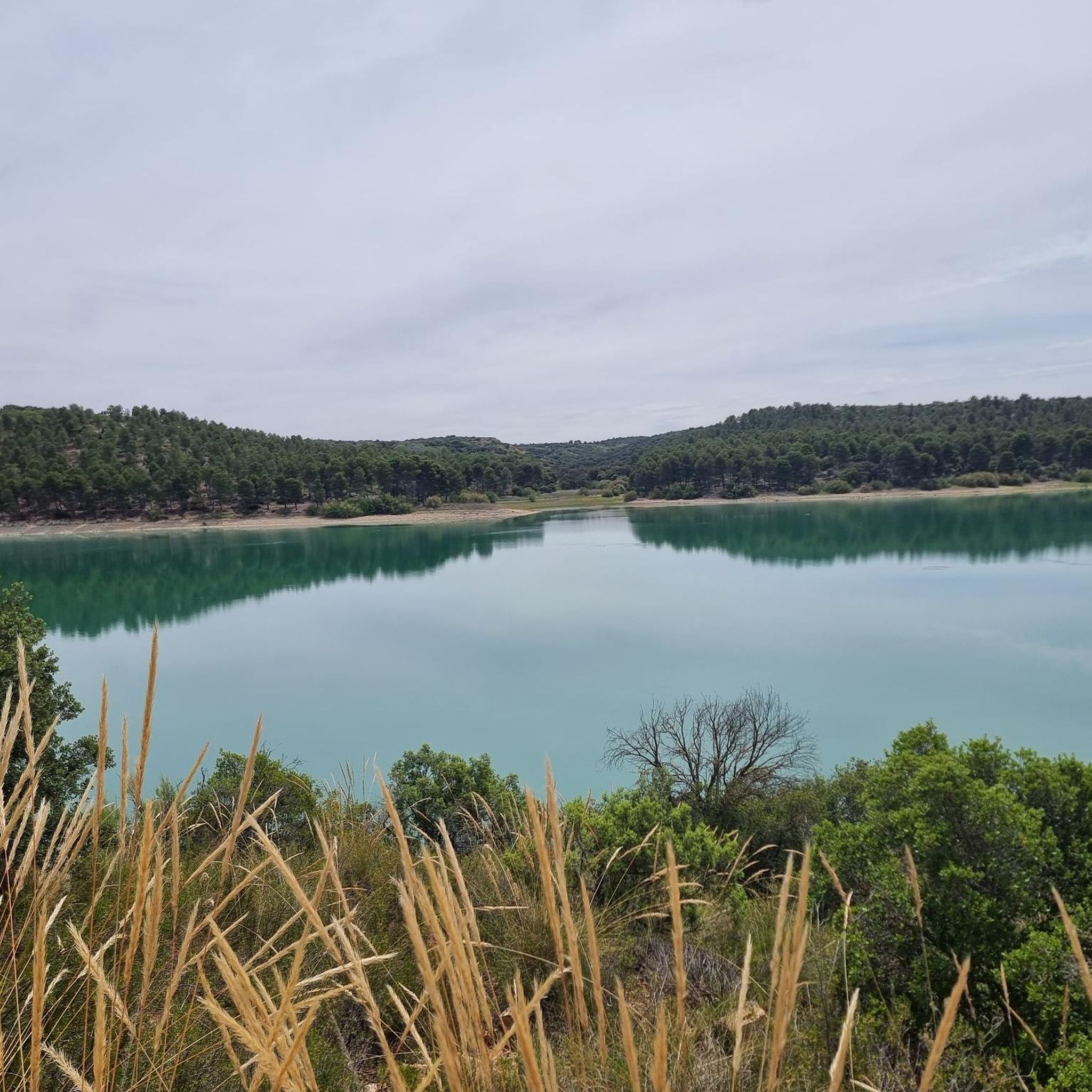
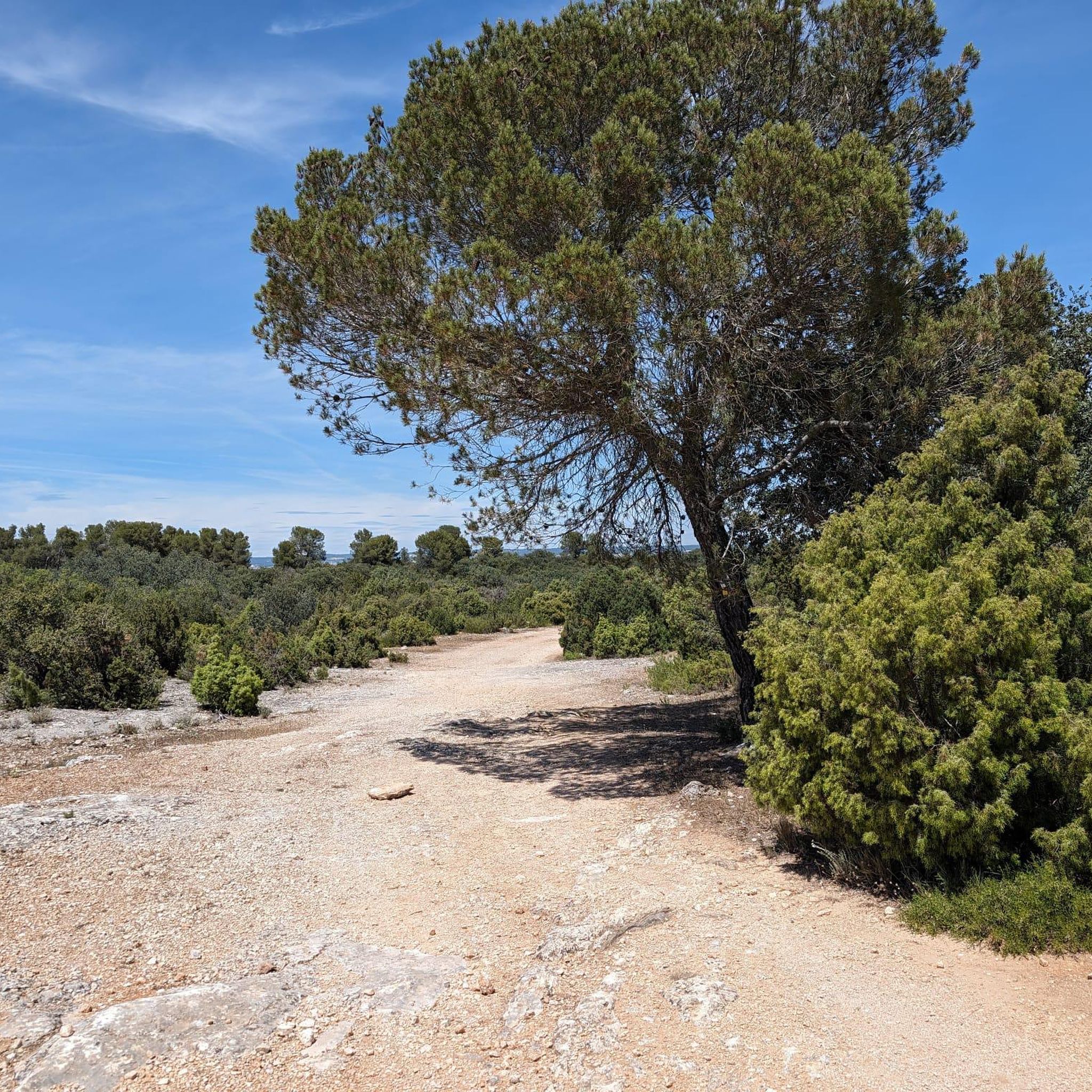
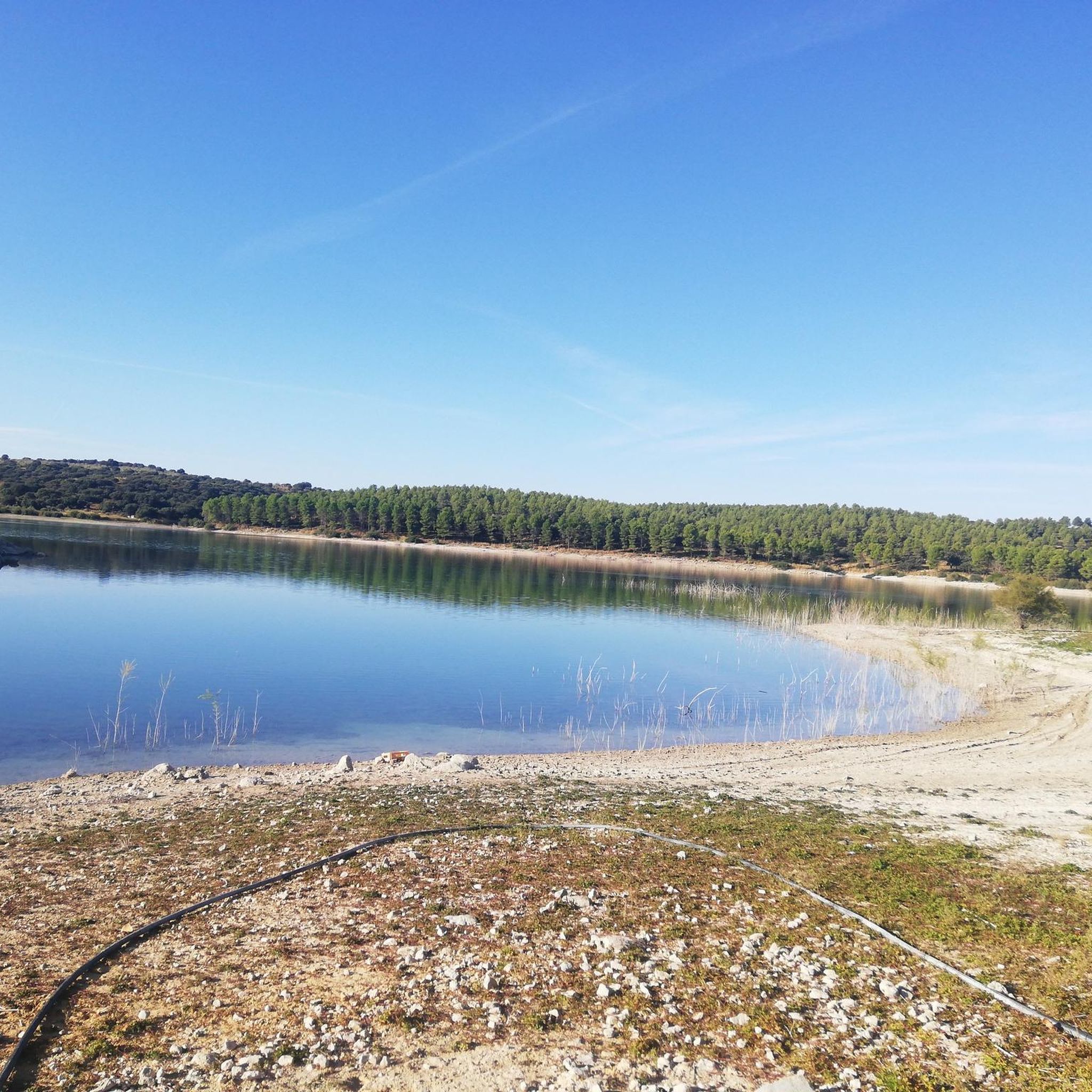
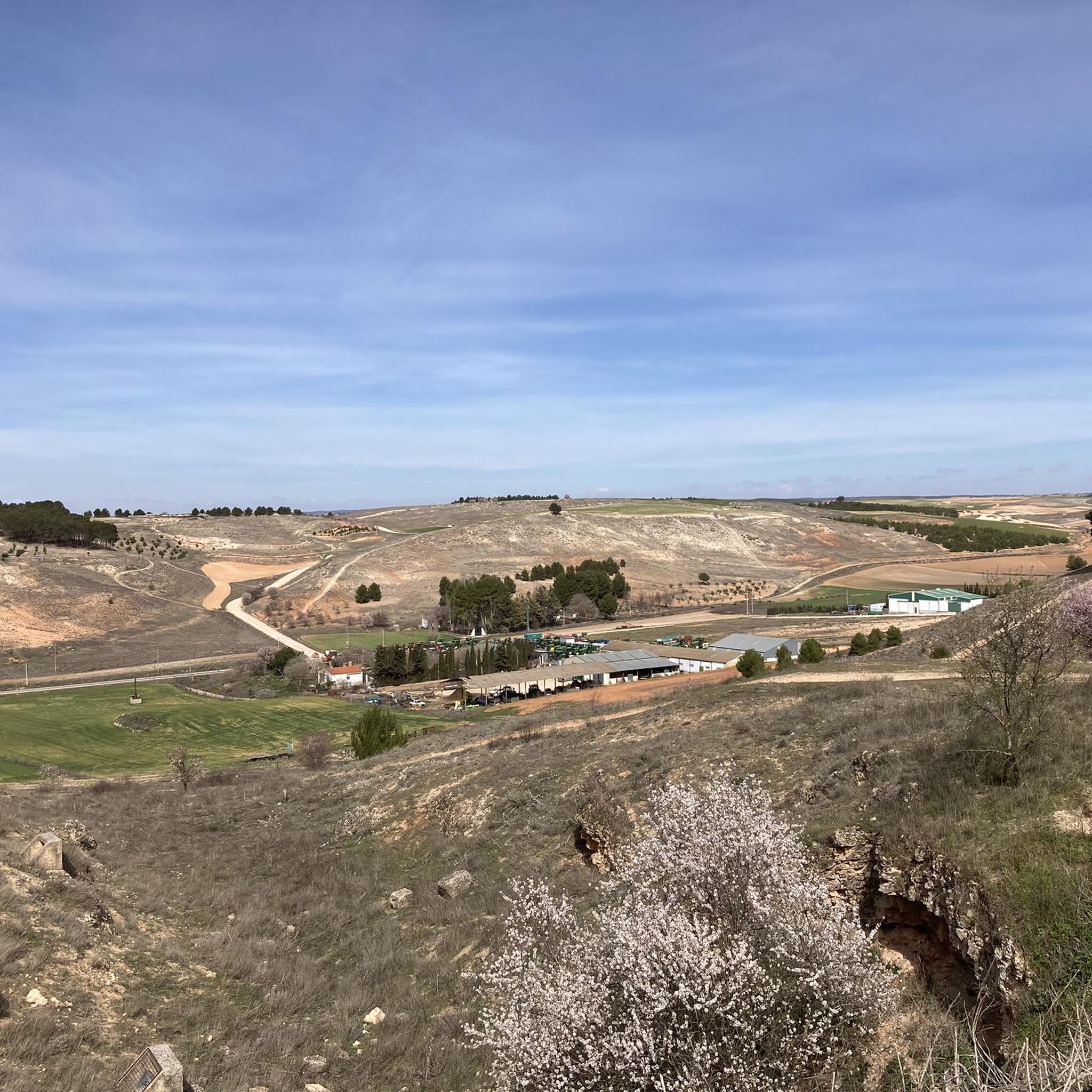


Tips from the Community

What to visit in El Provencio Church of Our Lady of the Assumption The most important monument, dating from the 16th century, with a tower open to visitors. Urban Art Route Murals inspired by the Comic Book Fair, a true open-air gallery. Underground El Provencio Historic caves that showcase traditional life. King's Bridge Historic crossing of Charles V, ideal for photos. Comic Book Museum and Ethnographic Museum Local culture and traditions at the Cultural Center. Paleolithic Interpretation Center For history and archaeology enthusiasts. Hermitages (San Isidro and San Antón) Religious architecture and tradition. Main Square and Mayors' Square
4
0
What to visit in El Provencio Church of Our Lady of the Assumption The most important monument, dating from the 16th century, with a tower open to visitors. Urban Art Route Murals inspired by the Comic Book Fair, a true open-air gallery. Underground El Provencio Historic caves that showcase traditional life. King's Bridge Historic crossing of Charles V, ideal for photos. Comic Book Museum and Ethnographic Museum Local culture and traditions at the Cultural Center. Paleolithic Interpretation Center For history and archaeology enthusiasts. Hermitages (San Isidro and San Antón) Religious architecture and tradition. Main Square and Mayors' Square The social heart of the town.
6
0
El Provencio is a charming village in La Mancha, ideal for those seeking rural tourism, history, and art. Tranquility and authenticity: perfect for getting away from it all. Cultural heritage: churches, historical routes, and street art. Local cuisine: migas manchegas (a traditional breadcrumb dish), Manchego cheese, and wines from the La Mancha Designation of Origin.
8
0
The Castle of Santiago de la Torre, known in the region as Santiaguillo, is a medieval fortress located in the village of the same name. Although after its disappearance it was annexed to the municipality of San Clemente, its heart remains Provencian. This castle is located in the southwest of the province of Cuenca, in the heart of the region of Castilla-La Mancha, Spain. Explore this medieval treasure and immerse yourself in its legacy! 🏰🌿
3
0

Vestiges of a glorious past where today only memory remains.
0
0

At this point there is no telegraph. You have to leave the road and cross the field where the signs are. As soon as we go up a little, we see the telegraph on the left among the trees. If there is nothing planted, we cross it diagonally to the left until a sign that we will see, 7 minutes. If it is planted and cannot be crossed, we will have to follow the edge of the trees to the left until we reach the hill from which we can climb the telegraph. From the sign there is a path that goes straight up about 100 meters, but the path is not very marked. It is worth visiting, it is the best preserved in the area.
0
0
At the end of the same pass we can find the Plaza de Toros and the Puente del Rey.
13
0

The town of Huerta de la Obispalía is located at the top of a hill where you can see the group of houses that form the same nucleus. But from afar you can see the ruins of what used to be his castle!
0
1
Frequently Asked Questions
What historical sites can I explore around the Záncara river?
The region is rich in history. You can visit the medieval Castle of Santiago de la Torre, an 11th-century fortress that served the Villena family. Other notable historical sites include Zafra de Záncara, a settlement with Iberian, Visigothic, and Muslim vestiges, and the Castle of Villaescusa de Haro.
Are there any family-friendly attractions in the Záncara area?
Yes, several attractions are suitable for families. The Záncara Promenade offers an urban art route with murals, which can be engaging for all ages. Additionally, Ángel Campos Park is designed for the enjoyment of locals and visitors, including furniture for children and spaces for games. The settlement of Zafra de Záncara is also considered family-friendly.
What kind of outdoor activities can I do near the Záncara attractions?
The Záncara region offers various outdoor activities. You can find numerous routes for hiking, such as the moderate Geliberte Trail or the more challenging Virgen de la Cuesta Trail. For those who enjoy cycling, there are MTB trails like La Calzadilla Trail. Additionally, running trails are available, including a loop from Alconchel de la Estrella.
Where can I see urban art in the Záncara region?
The Záncara Promenade is known for its urban art route. Along the river, between two bridges, you'll find numerous murals created by various graffiti artists, including works inspired by comics and local wildlife, such as the 'Kingfisher' and Howard the Duck.
Are there any religious buildings of historical significance in the area?
Yes, the Church of Our Lady of the Assumption in El Provencio is one of the most important monuments. Its impressive height and large dimensions make it visible from several kilometers away, serving as a prominent landmark as you approach the town.
What is Zafra de Záncara known for?
Zafra de Záncara is a Castilian-La Mancha town situated at 950m elevation. It is notable for preserving Iberian, Visigothic, and Muslim vestiges, with its name deriving from the Arabic word for rock or mountain, reflecting its historical depth.
Can I find viewpoints to enjoy the scenery around Záncara?
Yes, several locations offer good views. The Záncara Promenade itself provides scenic views along the river. Additionally, the Castle of Villaescusa de Haro and Cerro del Telégrafo are categorized as viewpoints, suggesting opportunities for panoramic vistas.
What is the significance of the Castle of Santiago de la Torre?
The Castle of Santiago de la Torre, also known as Santiaguillo, is an 11th-century medieval fortress located next to the Záncara river. It played a significant role as a stronghold for the powerful Villena family and is a key historical treasure in the region.
Are there any accessible attractions for visitors with mobility considerations?
The settlement of El Provencio is noted as wheelchair accessible, suggesting that parts of this town, which is home to several attractions like the Church of Our Lady of the Assumption and Ángel Campos Park, may be navigable for visitors with mobility needs.
What do visitors particularly enjoy about the Záncara area?
Visitors appreciate the blend of historical sites, such as medieval fortresses and ancient towns, with natural features like the Záncara river. The urban art installations along the Záncara Promenade also receive positive attention, offering a unique cultural experience.
What is the main characteristic of the Záncara region's landscape?
The landscape of the Záncara region, located in the heart of Castilla-La Mancha, Spain, is primarily shaped by the Záncara river. It features settlements at elevations around 950m and is characterized by a mix of historical sites and natural points of interest.
Most popular routes around the Zncara
Most popular attractions around the Zncara

Get inspired with the komoot mobile app


Explore more
Still not found the Highlight you’re looking for? See guides of the top attractions in other regions:
