The best road cycling routes around the Zncara
4.3
(9)
385
riders
39
rides
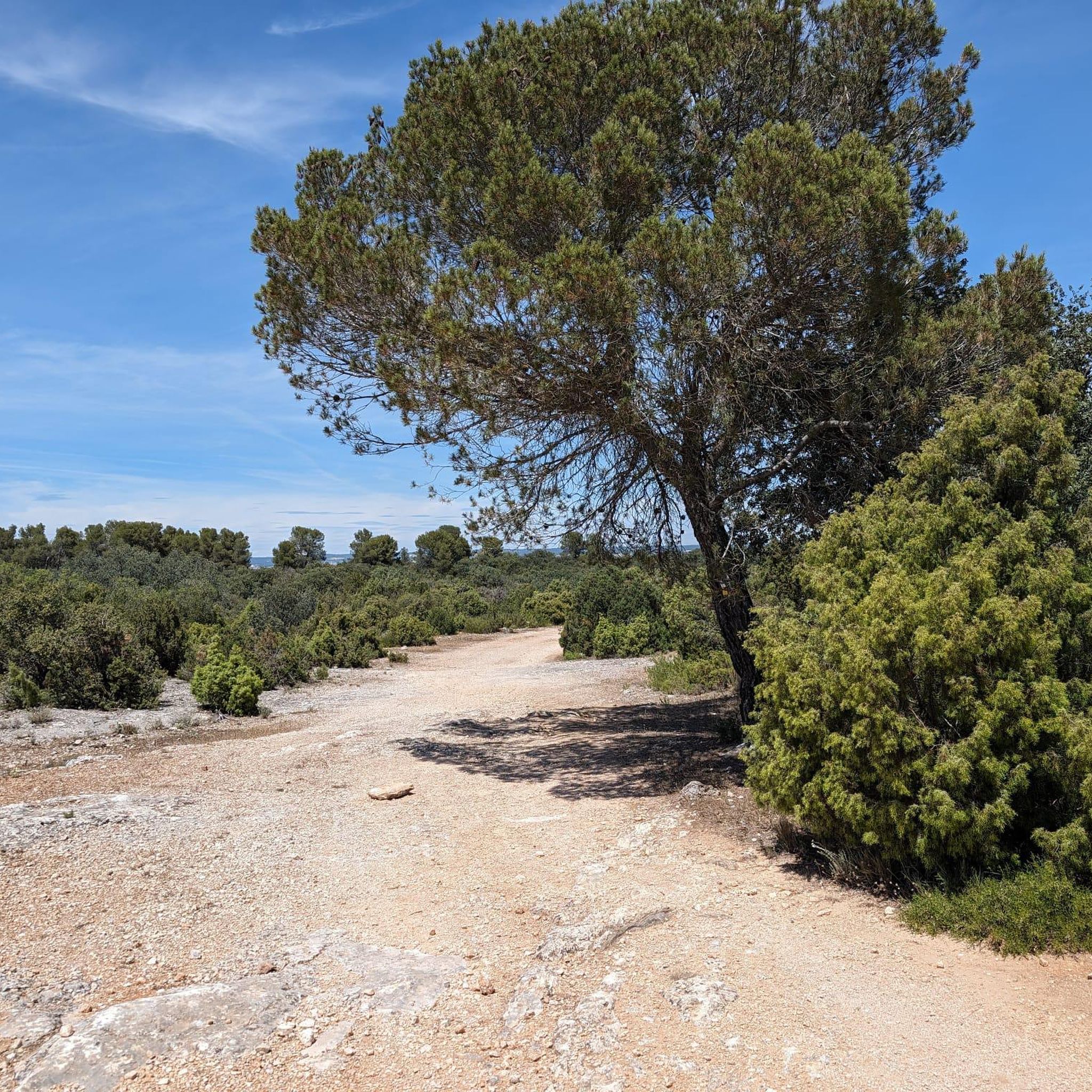
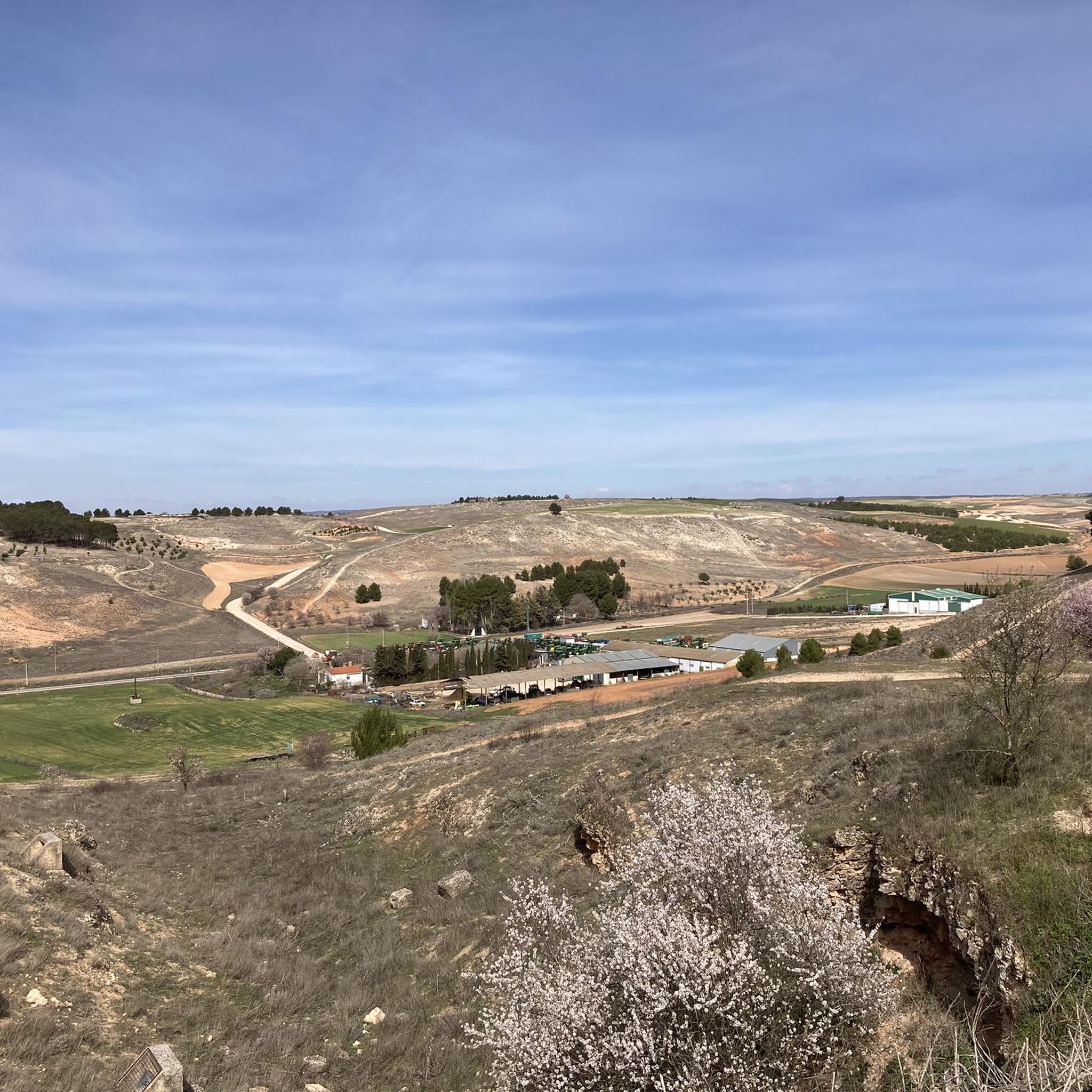
Road cycling around the Záncara is characterized by its largely flat terrain, flowing through agricultural areas and vast plains in the Castilla-La Mancha region of Spain. The Záncara River, a primary natural feature, runs 168 kilometers, often bordered by an excavated canal. The region's gentle slopes and open stretches provide opportunities for endurance-focused rides without significant elevation changes. The Camino Natural del Río Záncara, an extensive network of paths, offers accessible routes through vineyards and pine forests.
Best road cycling routes around the Záncara
- The most popular road cycling route is Campo de Criptana and Pedro Muñoz Loop, a 32.7 miles (52.7 km) trail that takes 2 hours 7 minutes to complete. This moderate route features open agricultural landscapes.
- Another top favourite among local road cyclists is Alcázar de San Juan and Campo de Criptana Windmills Loop, a moderate 17.6 miles (28.3 km) path. This route passes by the iconic windmills of Campo de Criptana.
- Local road cyclists also love the Villarejo de Fuentes to Castillo de Belmonte Loop, a 64.4 miles (103.7 km) trail leading through rural areas and towards historical sites, often completed in about 4 hours 29 minutes.
- Road cycling around the Záncara is defined by flat agricultural plains, the Záncara River, and sections of the Camino Natural, offering a network of routes for various ability levels.
- The routes in Záncara are highly rated by the komoot community with an average score of 4.0 stars from over 6 reviews. More than 350 road cyclists have used komoot to explore Záncara's varied terrain.
Last updated: June 27, 2026
23
riders
52.7km
02:07
160m
160m
Moderate road ride. Good fitness required. Some segments of this route may be unpaved and difficult to ride.
1.0
(1)
11
riders
28.3km
01:13
140m
140m
Moderate road ride. Great for any fitness level. Some segments of this route may be unpaved and difficult to ride.

Sign up for free
4
riders
60.2km
02:41
430m
430m
Moderate road ride. Good fitness required. Mostly well-paved surfaces and easy to ride.
1
riders
104km
04:29
920m
920m
Hard road ride. Very good fitness required. Mostly well-paved surfaces and easy to ride.
Hard road ride. Very good fitness required. Mostly well-paved surfaces and easy to ride.
5.0
(1)
24
riders
50.3km
02:08
270m
270m
Moderate road ride. Good fitness required. Some segments of this route may be unpaved and difficult to ride.
5.0
(2)
26
riders
89.2km
05:16
580m
580m
Hard road ride. Very good fitness required. Some segments of this route may be unpaved and difficult to ride.
11
riders
49.8km
02:00
230m
230m
Moderate road ride. Good fitness required. Mostly well-paved surfaces and easy to ride.
5.0
(1)
19
riders
53.7km
02:09
220m
220m
Moderate road ride. Good fitness required. Mostly well-paved surfaces and easy to ride.
22
riders
30.1km
01:16
140m
140m
Easy road ride. Great for any fitness level. Mostly well-paved surfaces and easy to ride.
Get access to more routes and recommendations from other explorers.
Sign up for free
Already have an account?
Our route recommendations are based on thousands of hikes, rides, and runs completed by other people on komoot.
Start today with a free account
Your next adventure awaits.
Login or Signup


Tips from the Community

Alcázar de San Juan is one of the most interesting destinations in the heart of La Mancha, with a blend of history, heritage, nature, and Cervantine traditions. Its name comes from the Military Order of Saint John, which dominated the area after the Reconquista. It claims to be the birthplace of Miguel de Cervantes, as the baptismal font where, according to some studies, the writer was baptized is preserved in the Collegiate Church of Santa María la Mayor. It was an important railway junction and economic center in the 19th and 20th centuries, which shaped its urban development.
10
0
The windmills of San Antón Hill are one of the great symbols of Alcázar de San Juan (Ciudad Real) and an essential part of the Don Quixote Route. They emerged in La Mancha in the mid-16th century as an alternative to the scarcity of watermills, due to the climate and the terrain. San Antón Hill is a Paleozoic elevation located southeast of the town, about 2.5 km from the town center, with spectacular views of the La Mancha plains.
8
0
The Church of Santa Quiteria in Alcázar de San Juan (Ciudad Real) is one of the town's most important churches, boasting a rich history and significant architectural value. Origin: Construction began in the second half of the 16th century based on plans by Juan de Herrera, the architect of El Escorial. Execution: The work was directed by Agustín Argüello and completed by Bartolomé Elorriaga in 1604. Style: Renaissance with classical elements.
7
0
The Plaza de España in Alcázar de San Juan (Ciudad Real) is home to one of the city's most representative symbols: the sculpture of Don Quixote and Sancho Panza, a work that pays homage to Cervantes' immortal characters.
0
0
The Grand Prior's Tower is one of the most emblematic monuments of Alcázar de San Juan (Ciudad Real) and forms part of the Grand Prior's Palace Complex, linked to the Order of Saint John. Built in the 13th century on the remains of the old Muslim citadel, during the Almohad period. Reconquest: It became part of the palace of the Grand Priors of Castile and León of the Hospitaller Order of Saint John of Jerusalem. Expansions: In 1618, under Philip III, a floor was added with windows and plaster ribbed vaults.
8
0
Built in the 15th century by order of Don Juan Pacheco, first Marquis of Villena, the castle is a notable example of Gothic-Mudejar architecture. The castle has been restored and turned into a museum, and is now considered a Site of Cultural Interest. In addition to its rich history, the castle is known for events such as the National Medieval Combat Championship, which is held annually.
3
0
The municipality is in the region of La Mancha, bordering Cuenca and Toledo, and is known for the Pedro Muñoz-Mota del Cuervo lagoon complex. The old houses made of masonry and mud bricks stand out, such as the Casa de La Paca. Church of San Pedro: Built between the 17th and 18th centuries, with a Latin cross plan and a barrel vault.
8
0
The Herencia Windmills are an essential part of the heritage of this town in La Mancha. Initially built in 1790, these mills were an economical and practical solution to the scarcity of water in the region.
14
0
Frequently Asked Questions
What kind of terrain can I expect when road cycling around the Záncara?
The Záncara region is characterized by largely flat terrain, making it ideal for less strenuous or endurance-focused road cycling. You'll primarily ride through expansive agricultural areas, vineyards, and pine forests, often alongside the excavated channel of the Záncara River. The Camino Natural del Río Záncara, in particular, offers extensive flat paths.
Are there road cycling routes suitable for beginners or families in the Záncara region?
Yes, the Záncara region offers several routes suitable for beginners and families due to its generally flat topography. There are 4 easy routes available. A good option for a relaxed ride is the Roadbike loop from Campo de Criptana, which is 30 km long and has minimal elevation gain.
What are some longer, more challenging road cycling routes in the Záncara area?
For those seeking a more challenging ride, the Záncara region offers 9 difficult routes. One such route is the Villarejo de Fuentes to Castillo de Belmonte Loop, which spans over 103 km and includes significant elevation changes, leading through rural areas and towards historical sites. Another demanding option is the Roads of Montalbanejo and La Hinojosa — circular from Villalgordo del Marquesado, covering over 100 km.
Are there any circular road cycling routes available?
Yes, many of the road cycling routes in the Záncara region are circular, allowing you to start and end at the same point. Examples include the popular Campo de Criptana and Pedro Muñoz Loop and the Alcázar de San Juan and Campo de Criptana Windmills Loop.
What historical or cultural landmarks can I see along road cycling routes in Záncara?
Road cycling routes in the Záncara region often pass by significant historical and cultural landmarks. For instance, the Alcázar de San Juan and Campo de Criptana Windmills Loop takes you past the iconic windmills of Campo de Criptana. You can also explore castles like the Castle of Santiago de la Torre or the Castle of Villaescusa de Haro, which are accessible from various routes.
What is the best time of year to go road cycling in the Záncara region?
The Záncara region, located in Castilla-La Mancha, experiences hot summers and cold winters. The most pleasant times for road cycling are typically spring (April to June) and autumn (September to October), when temperatures are milder and the landscape is vibrant. Summers can be very hot, and some sections of the Záncara River may be dry, while winters can be chilly.
Are there any scenic viewpoints or natural attractions along the road cycling routes?
While the Záncara region is largely flat, its charm lies in its expansive rural landscapes, including vineyards and pine forests, especially along the Camino Natural del Río Záncara. You can also visit the Záncara Promenade for views of the river, or enjoy the peaceful surroundings of Ángel Campos Park.
How many road cycling routes are available in the Záncara region?
There are over 40 road cycling routes available around the Záncara, catering to various skill levels. This includes 4 easy routes, 27 moderate routes, and 9 difficult routes, ensuring options for everyone from beginners to experienced cyclists.
What do other road cyclists say about their experience in Záncara?
The road cycling routes in Záncara are highly rated by the komoot community, with an average score of 4.0 stars from over 6 reviews. Cyclists often praise the region for its peaceful, flat terrain, which is ideal for long-distance rides, and the opportunity to explore the unique agricultural landscapes and historical sites like the windmills of Campo de Criptana.
Are there any routes that explore the unique hydrological landscape of the Záncara River?
Yes, the Záncara River itself is a primary natural feature, and routes often follow its course. The Camino Natural del Río Záncara is specifically designed to highlight the river's path, offering insights into the region's unique hydrological landscape, even though sections of the river can be low or dry at times.
Can I find routes that connect different towns or villages in the Záncara region?
Absolutely. Many routes are designed to connect various towns and villages, offering a chance to experience the local culture and find amenities. For example, the Villalgordo del Marquesado and La Alberca de Záncara Loop connects these two settlements, providing a journey through the rural heart of the region.
Most popular routes around the Zncara
Most popular attractions around the Zncara

Get inspired with the komoot mobile app


Explore more
Browse the best Road cycling routes in other regions.
