The best cycling routes around the Zncara
4.5
(28)
459
riders
99
rides
Touring cycling routes around the Zncara traverse the flat, agricultural plains of Mancha Baja. The region features extensive open landscapes, river valleys like the Río Záncara, and notable wetlands such as Lagunar de Manjavacas. Cyclists can expect routes that pass through cultivated fields and historic villages, with gentle elevation changes.
Best touring cycling routes around the Zncara
- The most popular touring cycling route is El Toboso — circular from Campo de Criptana, a 35.3 miles (56.8 km) trail that…
Last updated: June 27, 2026
56.8km
04:58
310m
310m
Hard bike ride. Good fitness required. You may need to push your bike for some segments of this route.
75.1km
05:56
230m
230m
Hard bike ride. Very good fitness required. Some segments of this route may be unpaved and difficult to ride.

Sign up for free
3.0
(1)
15
riders
57.3km
04:21
290m
290m
Moderate bike ride. Good fitness required. Mostly paved surfaces. Suitable for all skill levels.
5.0
(1)
11
riders
Moderate bike ride. Good fitness required. Mostly paved surfaces. Suitable for all skill levels.
4.7
(3)
9
riders
Hard bike ride. Good fitness required. You may need to push your bike for some segments of this route.
6
riders
Hard bike ride. Good fitness required. You may need to push your bike for some segments of this route.
5.0
(2)
8
riders
34.7km
03:00
310m
310m
Hard bike ride. Good fitness required. You may need to push your bike for some segments of this route.
3
riders
Hard bike ride. Good fitness required. You may need to push your bike for some segments of this route.
3.0
(1)
3
riders
39.2km
03:12
90m
90m
Moderate bike ride. Good fitness required. Mostly paved surfaces. Suitable for all skill levels.
5
riders
Hard bike ride. Good fitness required. You may need to push your bike for some segments of this route.
Get access to more routes and recommendations from other explorers.
Sign up for free
Already have an account?
Our route recommendations are based on thousands of hikes, rides, and runs completed by other people on komoot.
Start today with a free account
Your next adventure awaits.
Login or Signup
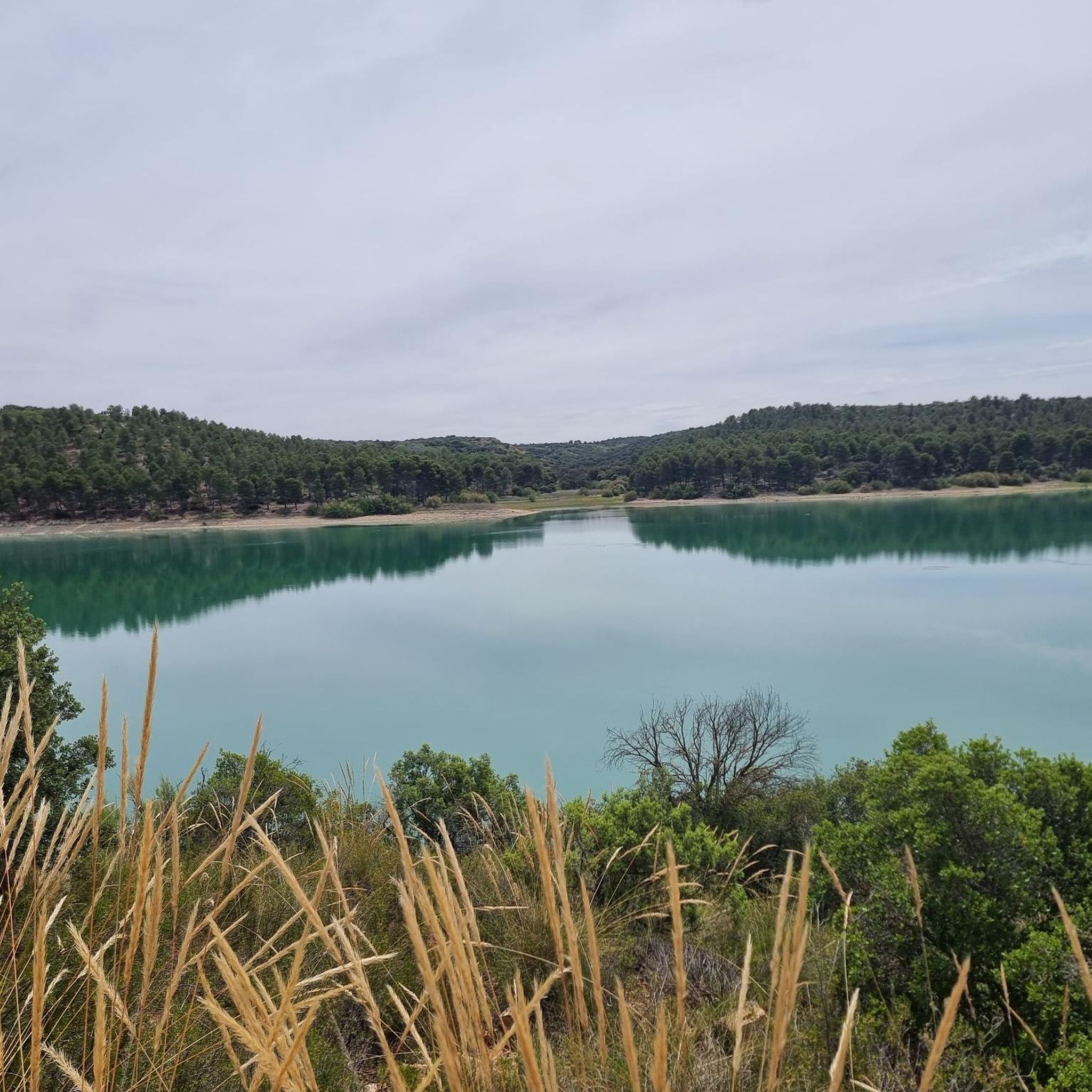
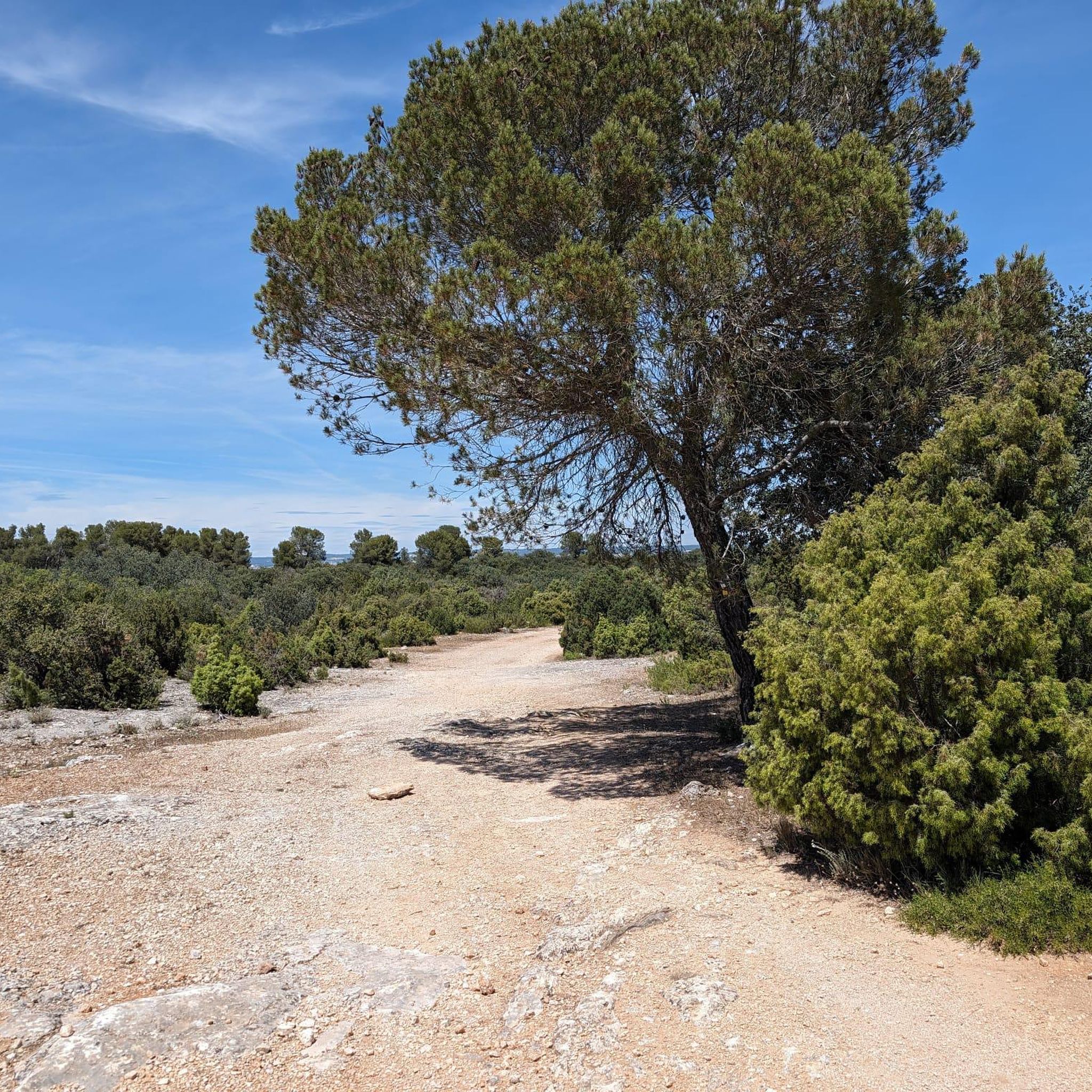
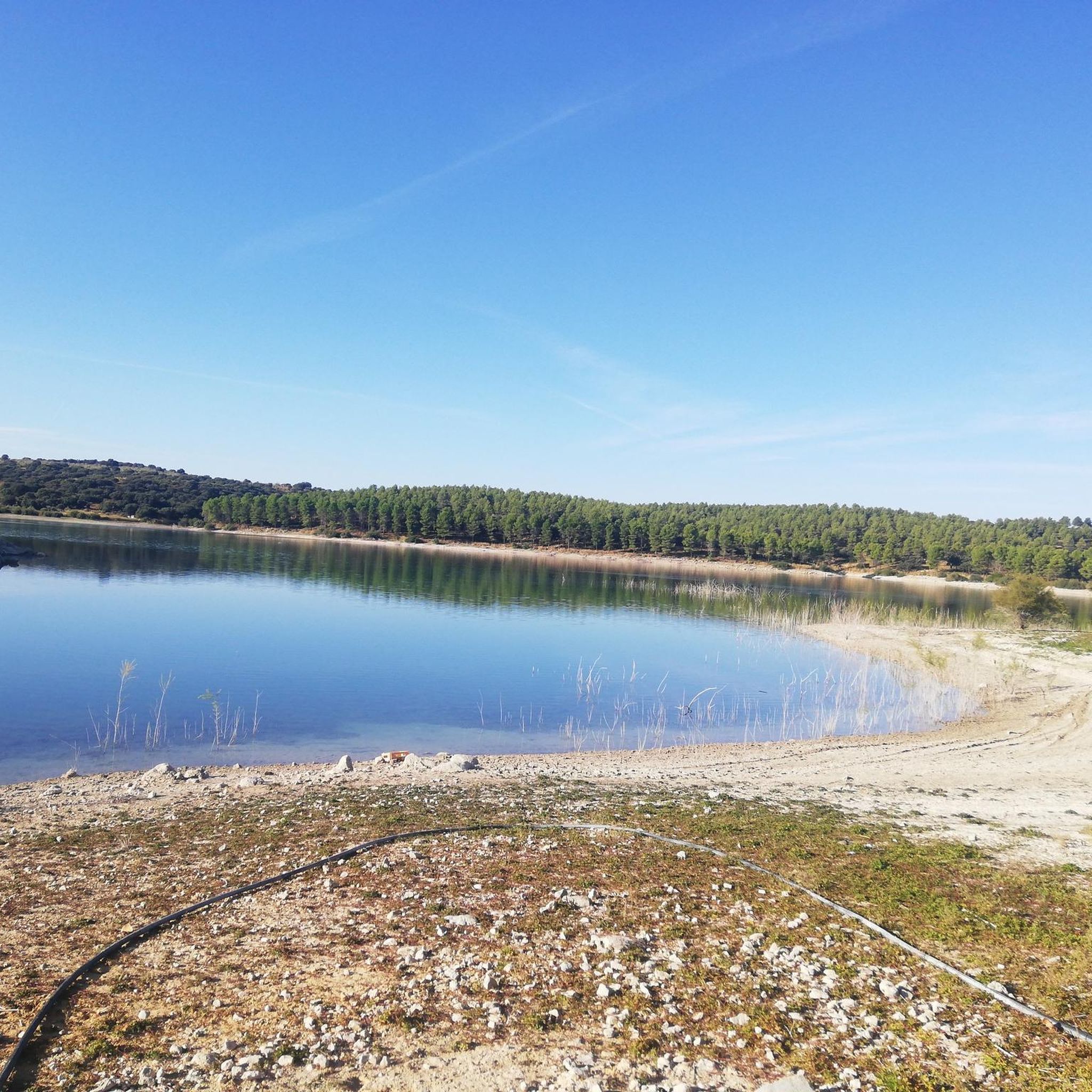


Tips from the Community

The ruins of the Ermita de Santa Ana in El Toboso (Toledo) are the remains of a 16th-century Renaissance temple. It is located outside the village, on a deserted hill.
1
0

Hill of the Mills (also known as Sierra de los Molinos) in Campo de Criptana. In 1575, the Topographical Reports of Philip II already mentioned “many mills” in the area; in 1752, the Cadastre of the Marquis of Ensenada recorded 34 mills in Campo de Criptana. Currently, 10 mills are preserved, three of them (Infante, Burleta, and Sardinero) dating from the 16th century with their original machinery. The complex has been declared a Site of Cultural Interest and designated a “Historic Site.”
6
0
Alcázar de San Juan is one of the most interesting destinations in the heart of La Mancha, with a blend of history, heritage, nature, and Cervantine traditions. Its name comes from the Military Order of Saint John, which dominated the area after the Reconquista. It claims to be the birthplace of Miguel de Cervantes, as the baptismal font where, according to some studies, the writer was baptized is preserved in the Collegiate Church of Santa María la Mayor. It was an important railway junction and economic center in the 19th and 20th centuries, which shaped its urban development.
2
0
The Hermitage or Sanctuary of the Holy Christ of Villajos is one of the most emblematic places in Campo de Criptana (Ciudad Real). It originated from the old village of Villajos, which was abandoned in the 14th century. The original church was dedicated to Our Lady of Villajos.
8
0
The windmills of San Antón Hill are one of the great symbols of Alcázar de San Juan (Ciudad Real) and an essential part of the Don Quixote Route. They emerged in La Mancha in the mid-16th century as an alternative to the scarcity of watermills, due to the climate and the terrain. San Antón Hill is a Paleozoic elevation located southeast of the town, about 2.5 km from the town center, with spectacular views of the La Mancha plains.
8
0
The Church of Santa Quiteria in Alcázar de San Juan (Ciudad Real) is one of the town's most important churches, boasting a rich history and significant architectural value. Origin: Construction began in the second half of the 16th century based on plans by Juan de Herrera, the architect of El Escorial. Execution: The work was directed by Agustín Argüello and completed by Bartolomé Elorriaga in 1604. Style: Renaissance with classical elements.
7
0
The Grand Prior's Tower is one of the most emblematic monuments of Alcázar de San Juan (Ciudad Real) and forms part of the Grand Prior's Palace Complex, linked to the Order of Saint John. Built in the 13th century on the remains of the old Muslim citadel, during the Almohad period. Reconquest: It became part of the palace of the Grand Priors of Castile and León of the Hospitaller Order of Saint John of Jerusalem. Expansions: In 1618, under Philip III, a floor was added with windows and plaster ribbed vaults.
8
0

Return to the town of Campo de Criptana
0
0
Frequently Asked Questions
How many touring cycling routes are available in Zncara?
There are over 100 touring cycling routes available around the Zncara region, offering a wide variety of options for cyclists. The komoot community has explored more than 108 routes in total.
What is the typical terrain like for touring cycling in Zncara?
Touring cycling routes around the Zncara primarily traverse the flat, agricultural plains of Mancha Baja. You can expect extensive open landscapes, river valleys like the Río Záncara, and notable wetlands such as Lagunar de Manjavacas. Routes generally feature gentle elevation changes, passing through cultivated fields and historic villages.
What are the difficulty levels of touring cycling routes in Zncara?
The routes in Zncara cater to various ability levels. There are 15 easy routes, 49 moderate routes, and 44 difficult routes. This means you can find options whether you're looking for a relaxed ride or a more challenging adventure.
Are there circular touring cycling routes in Zncara?
Yes, many of the touring cycling routes in Zncara are circular, allowing you to start and end your journey in the same location. Examples include El Toboso — circular from Campo de Criptana, which connects historic villages, and the Ermita de San Antón – Río Záncara loop from Campo de Criptana, which explores the river valley.
What kind of elevation changes can I expect on Zncara touring cycling routes?
The Zncara region is characterized by flat agricultural plains, so most routes feature gentle elevation changes. For example, the El Toboso — circular from Campo de Criptana route has an elevation gain of around 312 meters over 56.8 km, while the Lagunar de Manjavacas by Las Pedroñeras — circular from El Provencio route has about 232 meters of ascent over 75.1 km.
What do other touring cyclists say about the Zncara routes?
The touring cycling routes around the Zncara are highly rated by the komoot community, with an average score of 4.6 stars from over 20 reviews. Cyclists often praise the expansive agricultural plains, the serene river valleys, and the unique wetland areas.
Are there any family-friendly touring cycling routes in Zncara?
While many routes are moderate to difficult, there are 15 easy routes available that could be suitable for families. For example, the Alcázar de San Juan – Church of Santa Quiteria loop from Campo de Criptana is a moderate 28.8 km route that might be manageable for older children or families looking for a shorter ride.
What are some notable landmarks or attractions I can see along the touring cycling routes?
The Zncara region offers several interesting sights. You can explore historic villages and pass by landmarks such as the Castle of Santiago de la Torre or the Castle of Villaescusa de Haro. The Záncara Promenade and the town of El Provencio are also points of interest.
Are there any routes that explore the wetland areas of Zncara?
Yes, the Zncara region is known for its wetlands. The Lagunar de Manjavacas by Las Pedroñeras — circular from El Provencio is a difficult 75.1 km route specifically designed to explore these unique wetland areas and the surrounding agricultural landscapes.
What is the best season for touring cycling in Zncara?
Given the region's agricultural plains and open landscapes, spring and autumn are generally the most pleasant seasons for touring cycling in Zncara. The temperatures are milder, and the scenery is vibrant, making for a more comfortable ride than the hotter summer months.
Can I find less crowded touring routes in Zncara?
While some routes are popular, the Zncara region offers over 100 routes, providing ample opportunity to find quieter paths. Exploring some of the less-known moderate or difficult routes, such as the Rest area loop from Campo de Criptana, might lead you to a more secluded experience away from the main trails.
Most popular routes around the Zncara
Most popular attractions around the Zncara

Get inspired with the komoot mobile app


Explore more
Browse the best Cycling routes in other regions.
