The best walks and hikes in South Limburg
4.4
(61193)
332,007
hikers
9,330
hikes
Hiking in South Limburg offers diverse landscapes, characterized by its unique "Heuvelland" or hill country, a rarity in the Netherlands. The region features rolling hills, picturesque river valleys like the Geul and Maas, and extensive nature reserves such as Brunssummerheide. Hikers can explore dense pine forests, vast heathlands, and areas with rare chalk cliffs and unique microclimates.
Best hiking trails in South Limburg
- The most popular hiking route is Mechelse Heide Red Triangle Trail, a 4.6 miles (7.5 km) trail that takes 1 hour 58 minutes to complete. This easy route explores the varied terrain of the Mechelse Heide.
- Another top favourite among local hikers is Pietersheim - Purple hiking trail, a moderate 7.0 miles (11.3 km) path. This trail offers a journey through natural landscapes and historical sites.
- Local hikers also love the Terhillsroute (geel) - Mechelse Heide, a 8.6 miles (13.9 km) trail leading through the distinctive landscapes of Mechelse Heide, often completed in about 3 hours 45 minutes.
- Hiking in South Limburg is defined by rolling hills, river valleys, and diverse nature reserves with forests and heathlands. The network offers options for various ability levels, from easy walks to more challenging routes with elevation changes.
- The routes in South Limburg are highly rated by the komoot community with an average score of 4.4 stars from over 51,000 reviews. More than 300,000 hikers have used komoot to explore South Limburg's varied terrain.
Last updated: October 10, 2026
4.7
(549)
2,515
hikers
7.48km
01:58
60m
60m
Hike the easy 4.6-mile Mechelse Heide Red Triangle Trail through diverse landscapes and viewpoints in Hoge Kempen National Park.
4.6
(553)
2,227
hikers
11.3km
02:53
30m
30m
Moderate hike. Good fitness required. Mostly accessible paths. Sure-footedness required.

4.6
(487)
2,275
hikers
13.9km
03:45
180m
180m
Moderate hike. Good fitness required. Easily-accessible paths. Suitable for all skill levels.
4.7
(444)
2,155
hikers
9.38km
02:31
110m
110m
Hike the Grandloon - Orange hiking trail, a moderate 5.8-mile (9.4 km) route with 374 feet (114 metres) of elevation gain, passing the See-T
4.5
(354)
2,097
hikers
8.57km
02:09
10m
10m
Hike the moderate 5.3-mile Schulens Lake - Orange trail through a rich wetland nature reserve, perfect for birdwatching and scenic views.
4.7
(356)
1,354
hikers
Moderate hike. Good fitness required. Easily-accessible paths. Suitable for all skill levels.
4.6
(265)
1,424
hikers
8.00km
02:06
60m
60m
Moderate hike. Good fitness required. Easily-accessible paths. Suitable for all skill levels.
4.6
(264)
962
hikers
8.11km
02:11
110m
110m
Moderate hike. Good fitness required. Mostly accessible paths. Sure-footedness required.
4.5
(210)
1,016
hikers
9.86km
02:30
20m
20m
Hike the moderate 6.1-mile (9.9 km) red trail through De Maten nature reserve, exploring ponds, woodlands, and historic sites.
4.4
(179)
974
hikers
12.2km
03:06
30m
30m
Moderate hike. Good fitness required. Easily-accessible paths. Suitable for all skill levels.
Get access to more routes and recommendations from other explorers.
Already have an account?
Our route recommendations are based on thousands of hikes, rides, and runs completed by other people on komoot.
Start today with a free account
Your next adventure awaits.
Popular around South Limburg
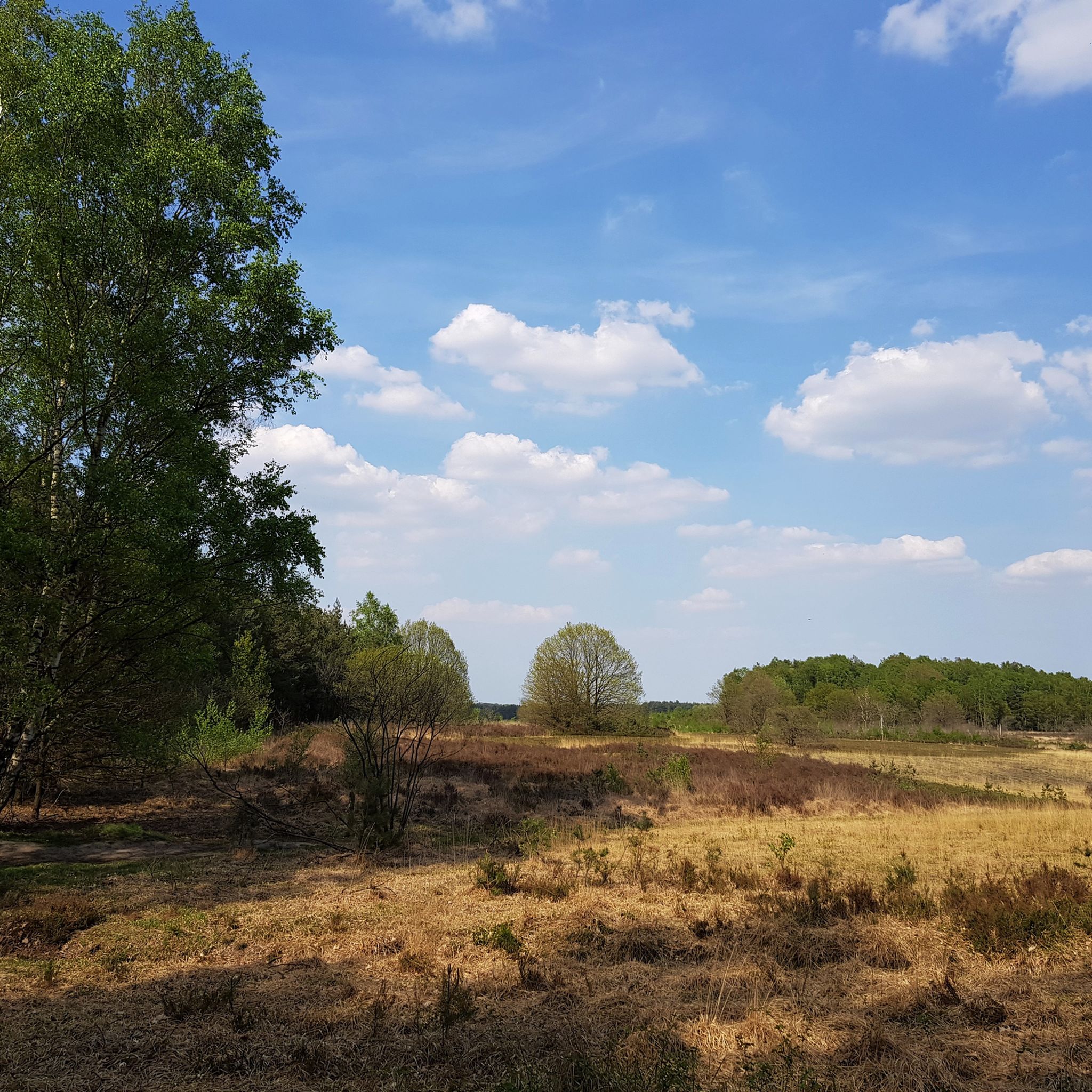
Hiking around Tongeren
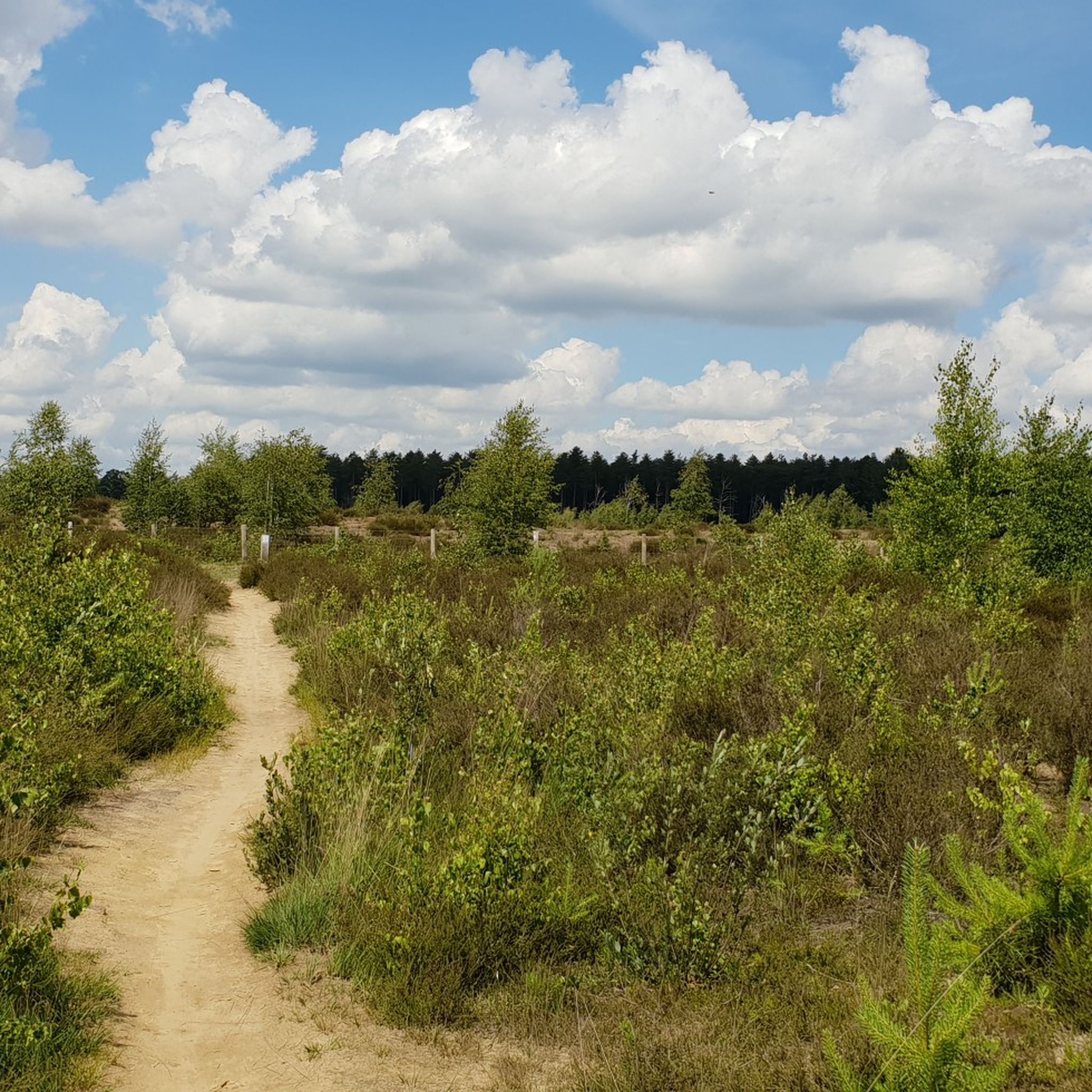
Hiking around Hasselt
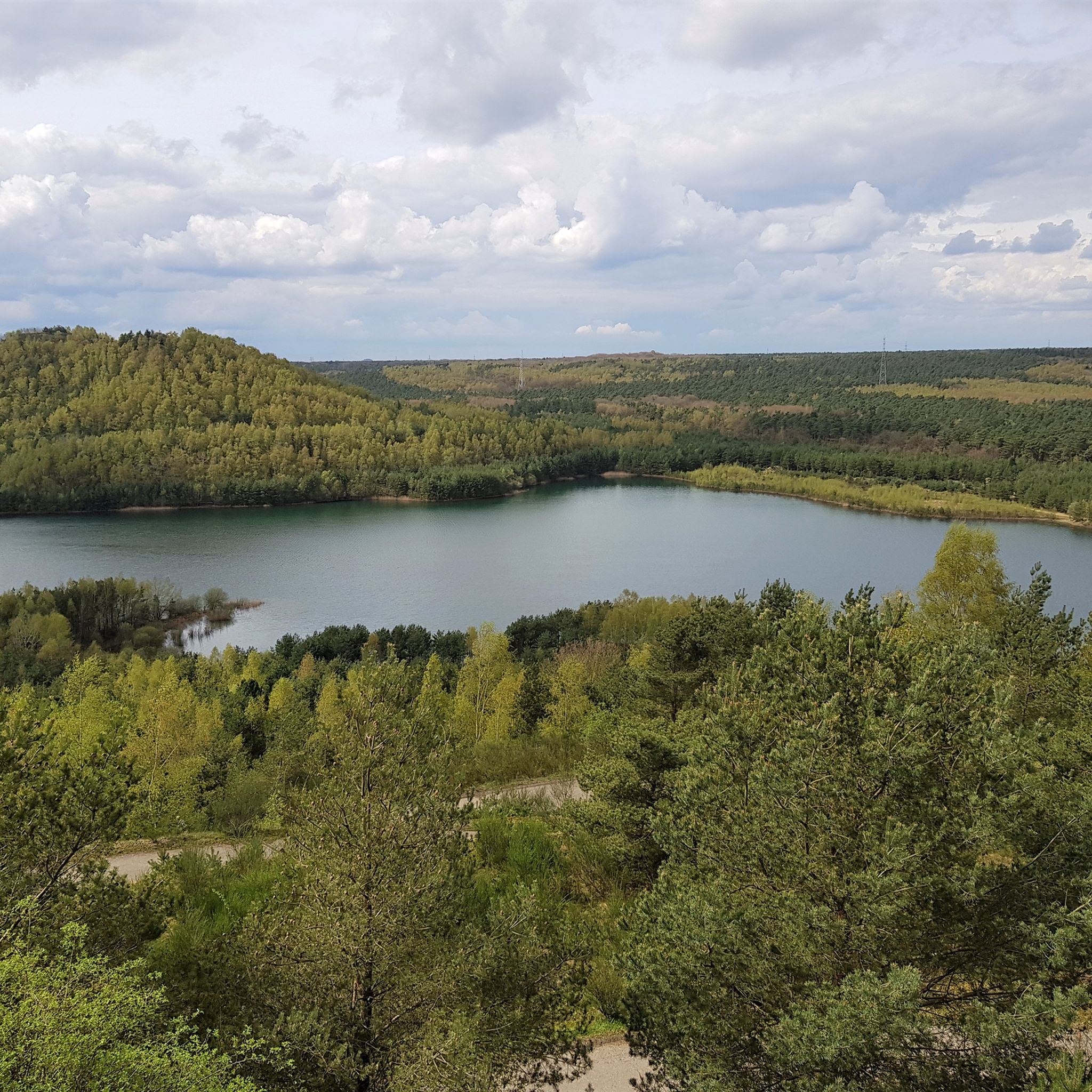
Hiking around Maaseik
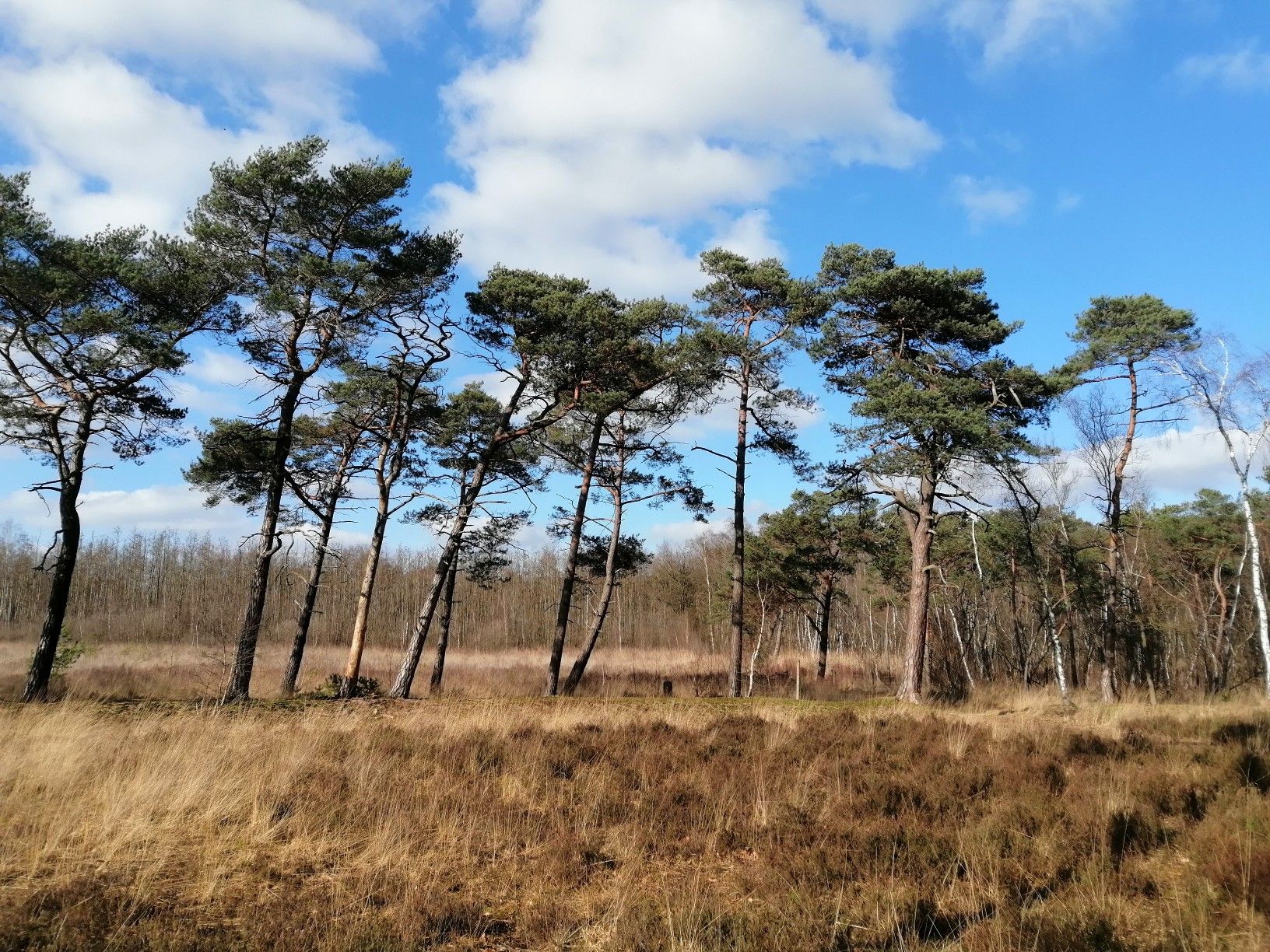
From Flanders to the Ardennes — GR 5 in Belgium
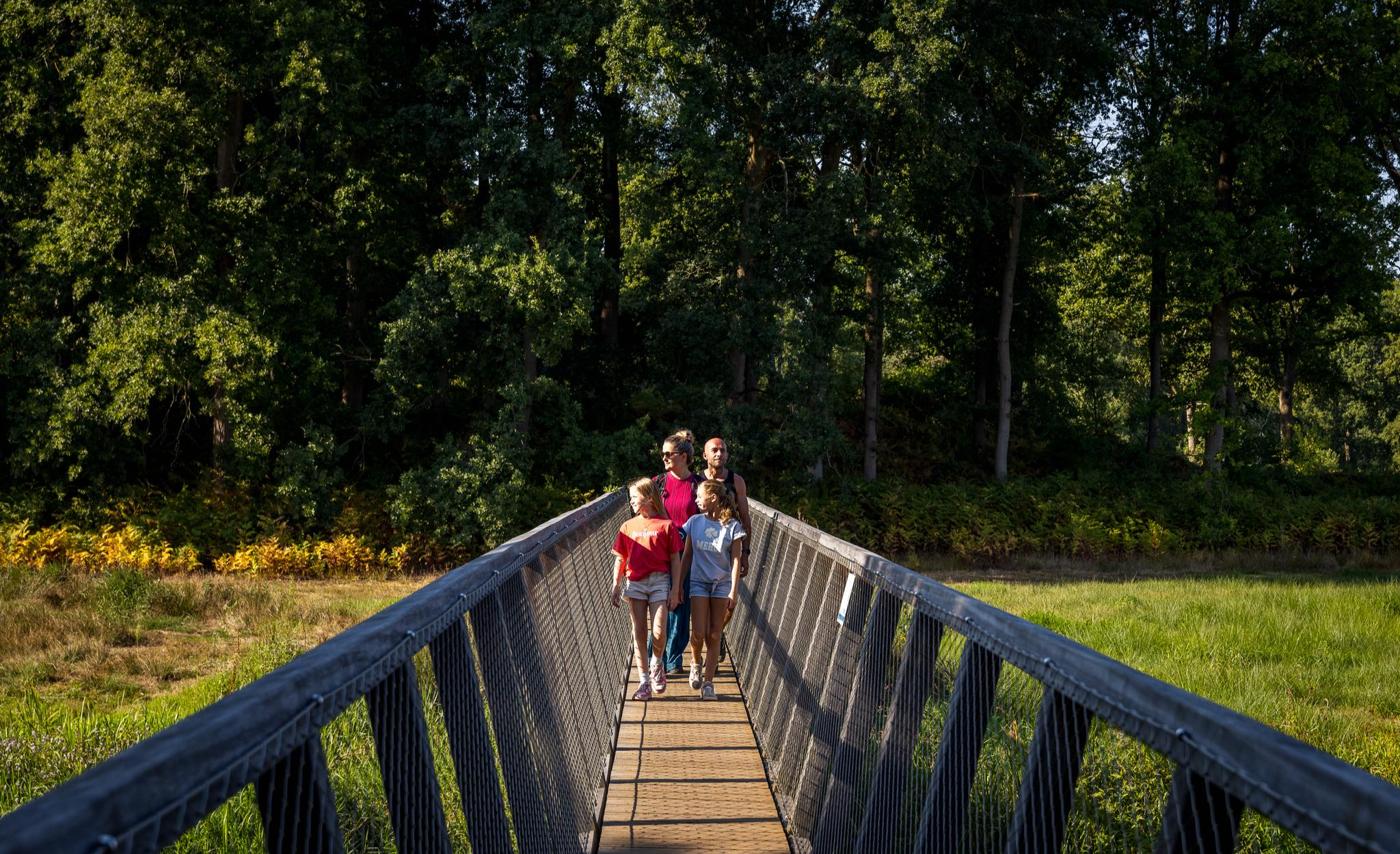
Flanders’ Finest Hiking Routes
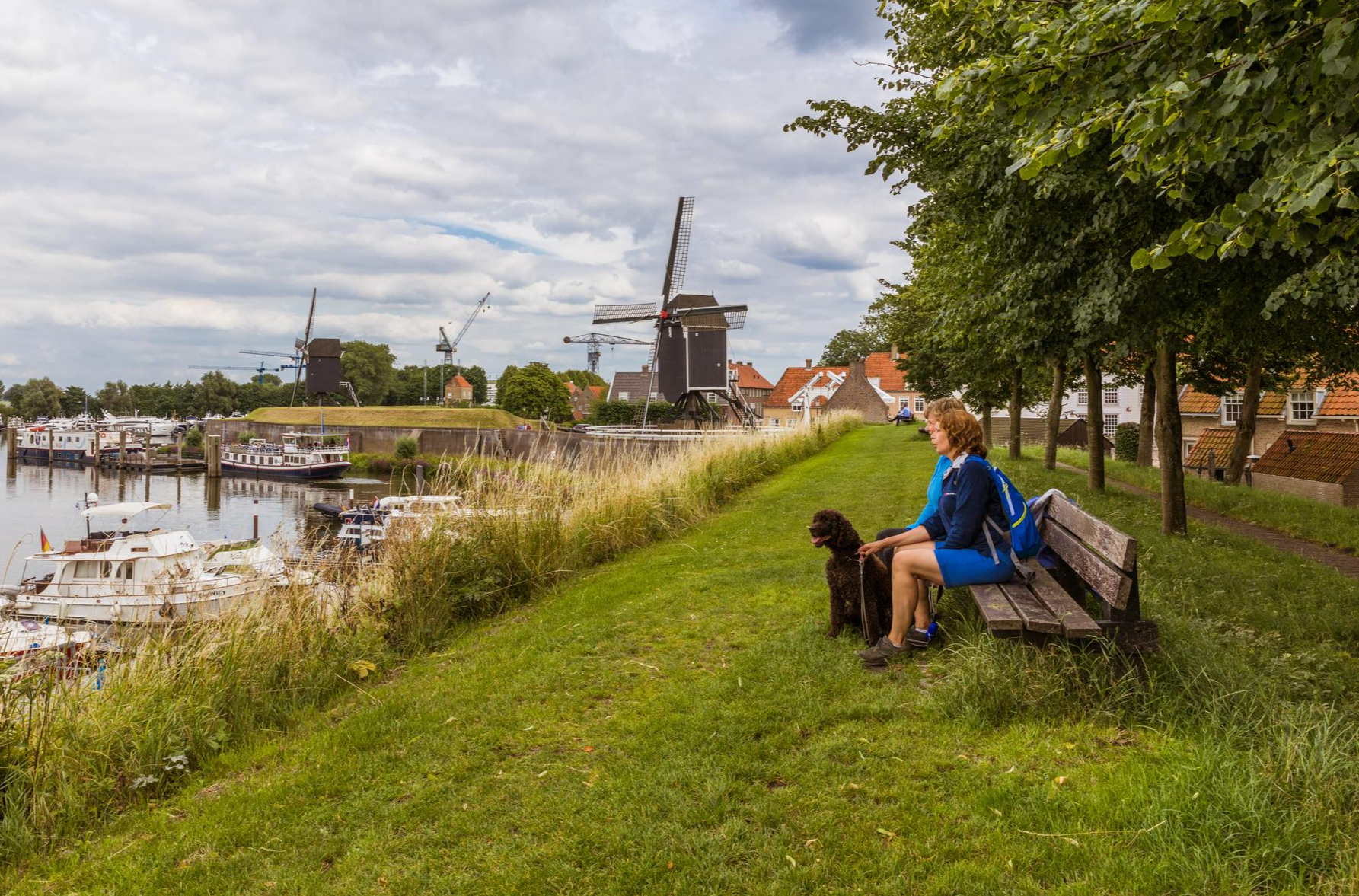
Hiking in Brabant – in Van Gogh’s footsteps in Southern Netherlands
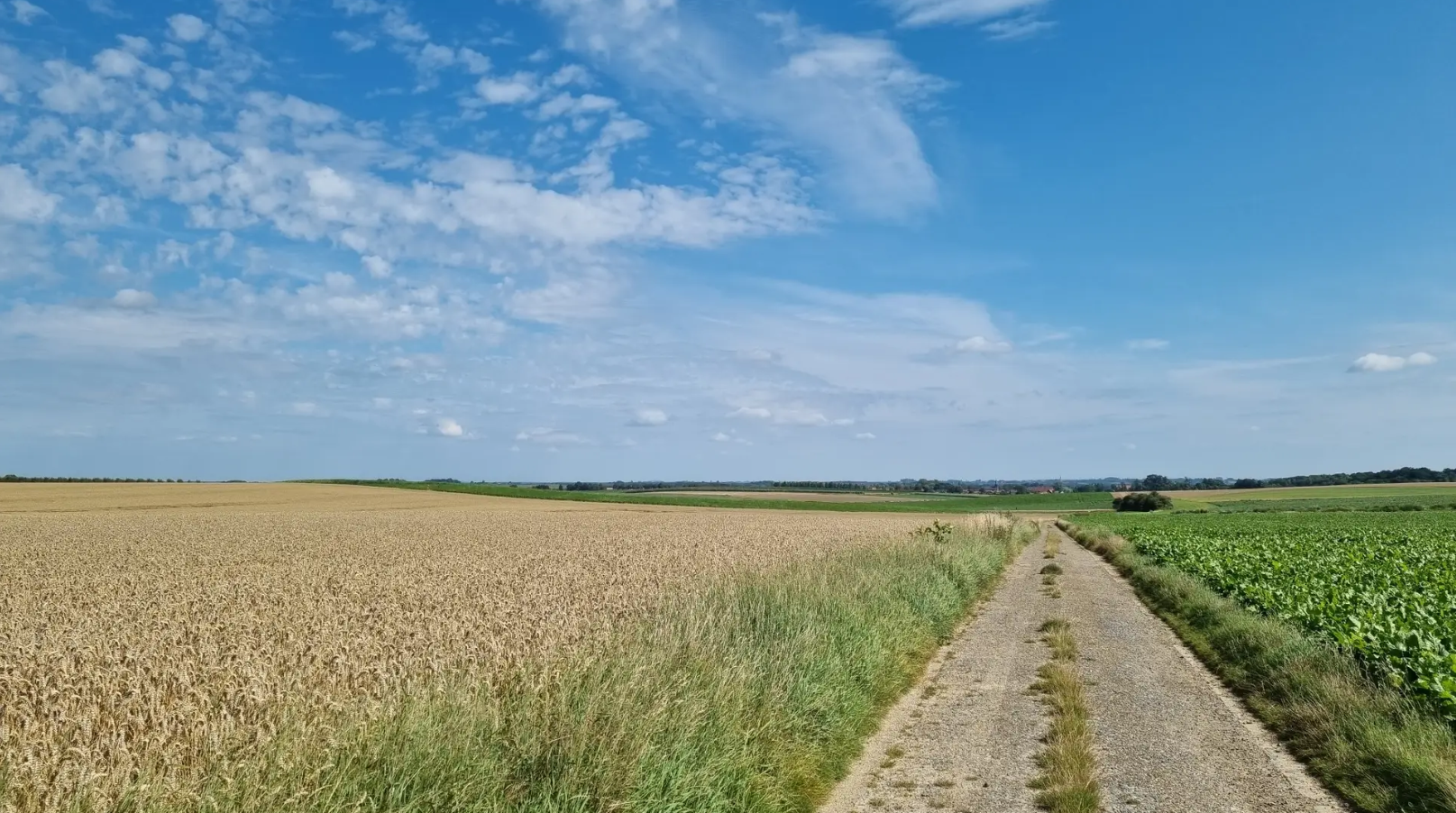
Bloesems, Forests and hidden Heritage – Streek-GR Haspengouw
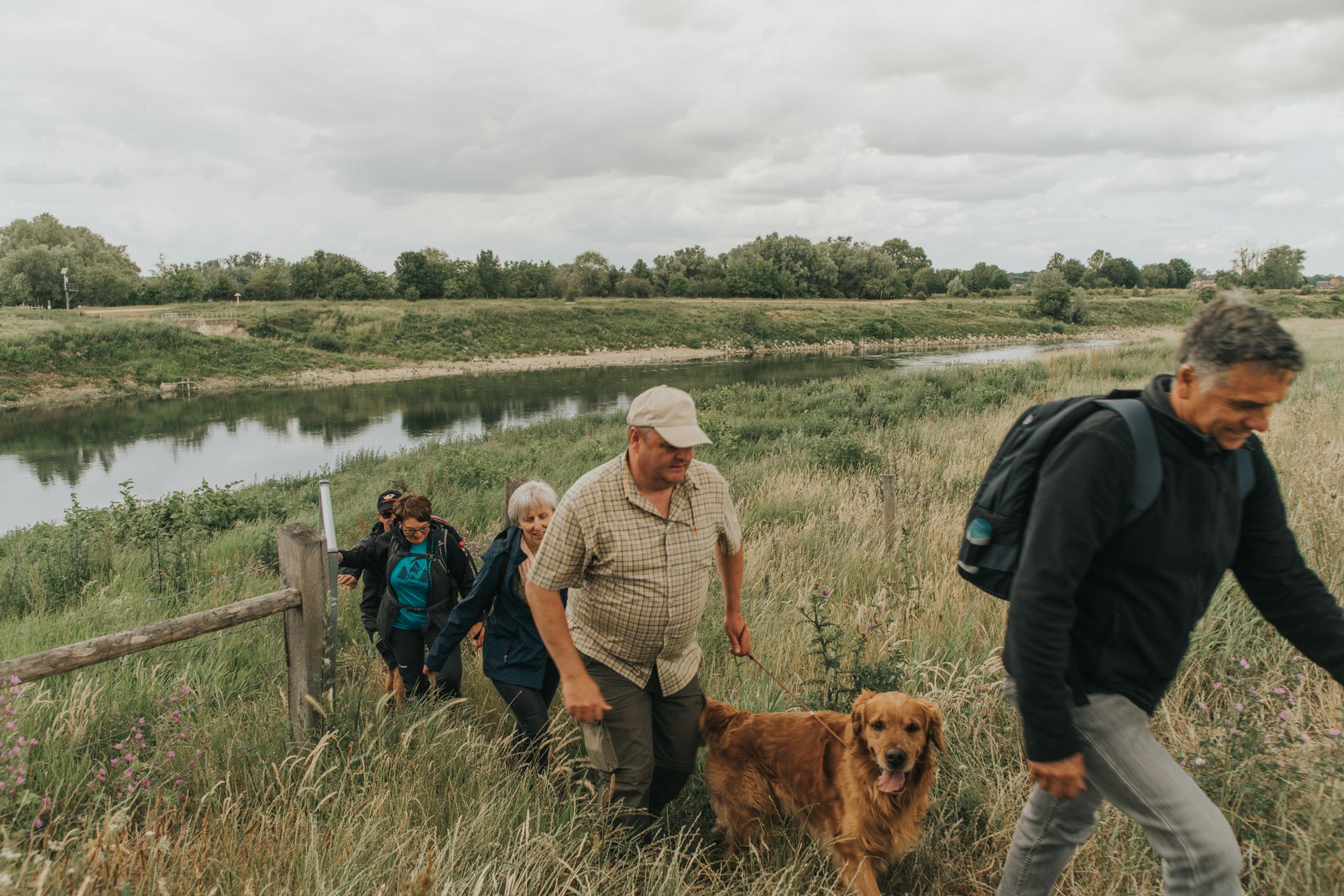
Discover the wild river - 6 hiking days in RivierPark Maasvallei (LAW)
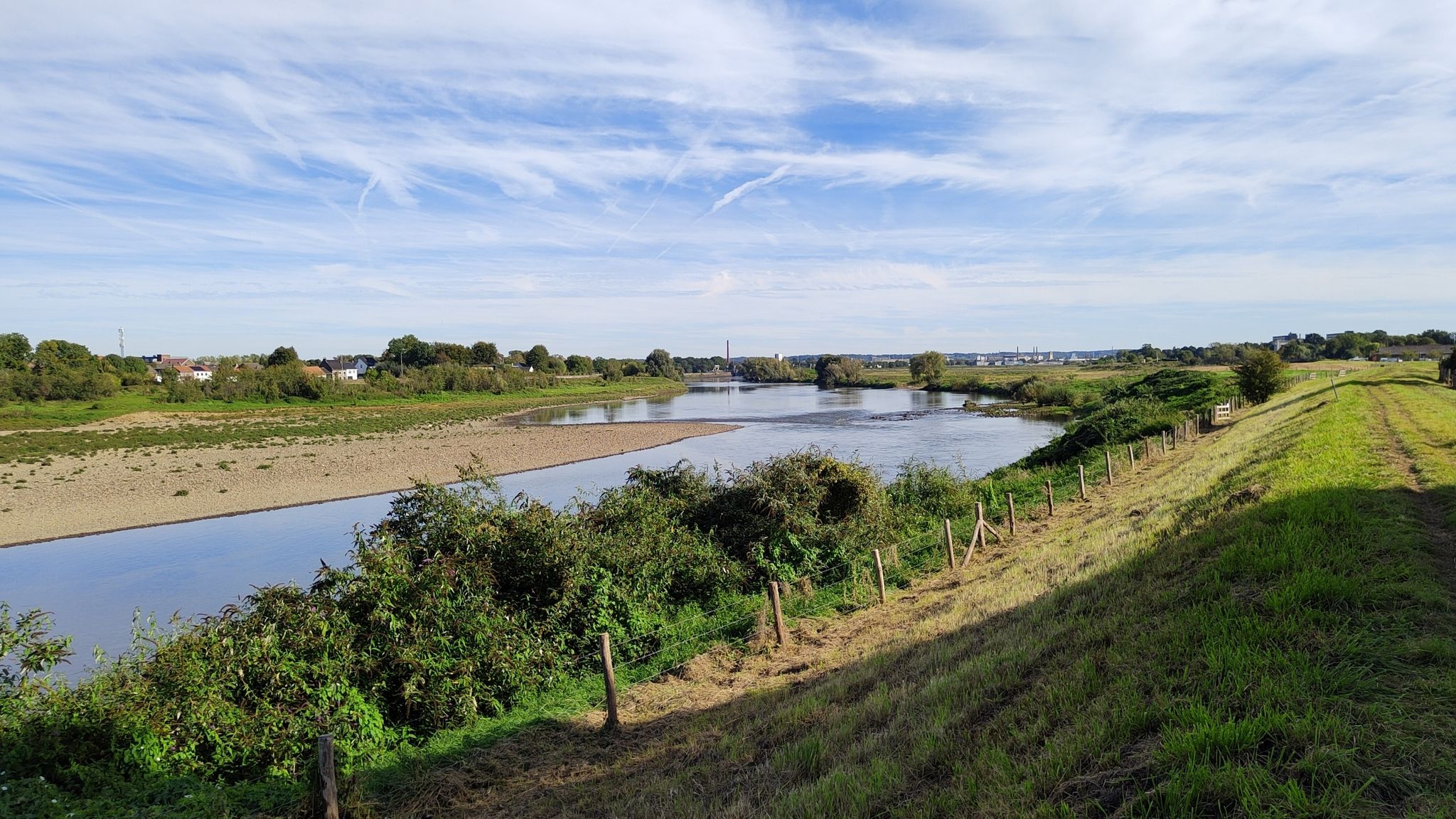
Discover the river nature – 6 hikes in RivierPark Maasvallei (LAW)
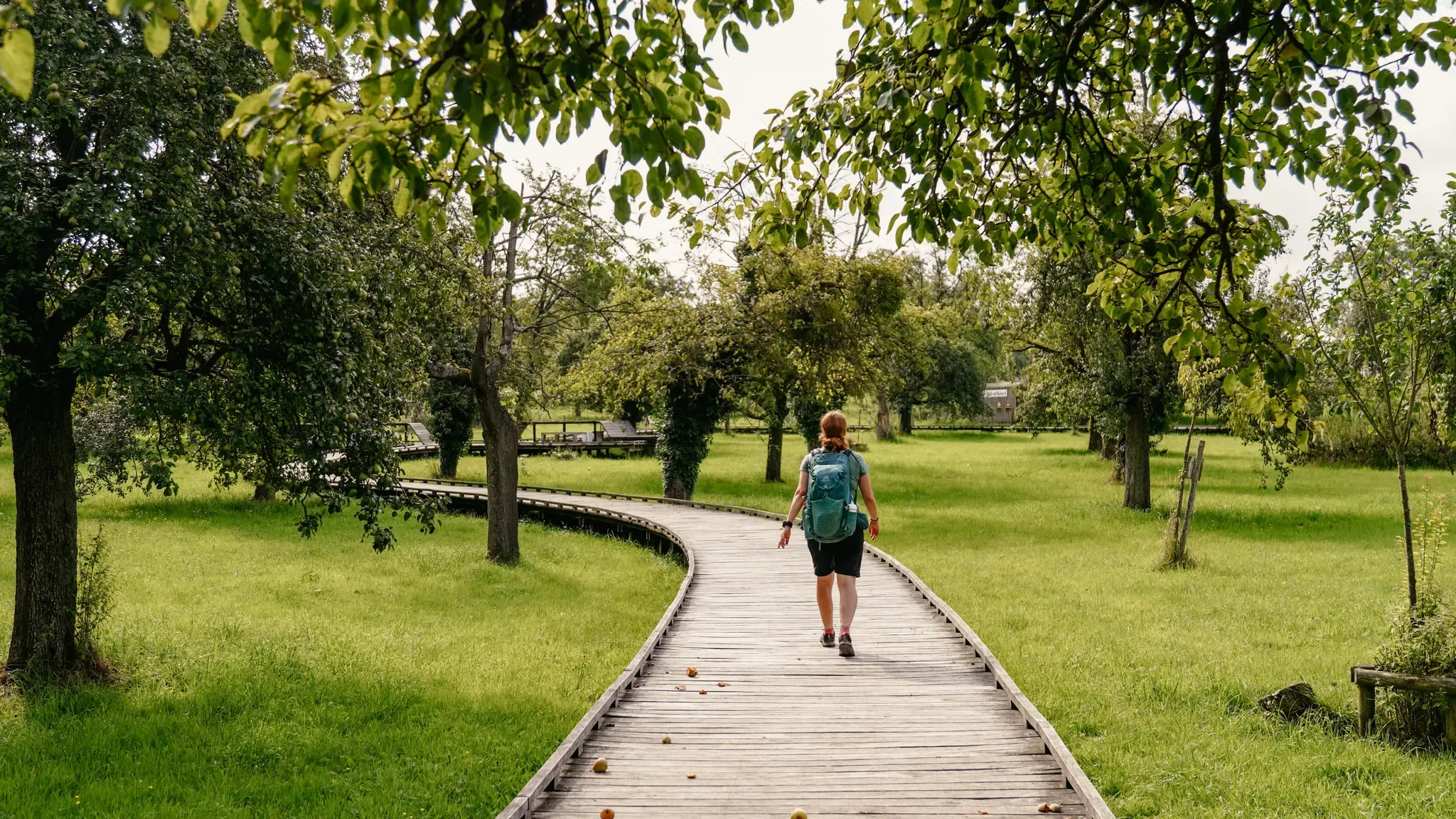
Hiking in Flanders – between dunes, forest and the scenic Meuse
Other adventures in South Limburg


Tips from the Community


A great view from the bench and a great spot for a nice rest
1
0
Frequently Asked Questions
How many hiking trails are available in South Limburg?
South Limburg offers a vast network of hiking trails, with over 8,700 routes available on komoot. These range from easy strolls to more challenging treks, ensuring there's something for every hiker.
What kind of terrain can I expect when hiking in South Limburg?
You can expect a diverse landscape, famously known as 'Heuvelland' or hill country. This includes rolling hills, picturesque river valleys like the Geul and Maas, dense pine forests, vast heathlands, and even areas with rare chalk cliffs. The region's unique topography provides a varied hiking experience unlike much of the rest of the Netherlands.
What do other hikers say about the trails in South Limburg?
The trails in South Limburg are highly regarded by the komoot community, with an average rating of 4.4 stars from over 51,000 reviews. Hikers often praise the region's unique hilly landscape, well-marked paths, and the charming villages encountered along the way.
What is the best time of year to go hiking in South Limburg?
South Limburg is a great hiking destination year-round. Spring brings blooming wildflowers, summer offers lush greenery, autumn transforms the landscape with vibrant colors, and even winter provides serene, crisp walks. The region's diverse scenery ensures a beautiful experience in any season.
Are there family-friendly hiking options in South Limburg?
Yes, South Limburg has many routes suitable for families. Many trails are relatively flat or have gentle inclines, perfect for younger hikers. For example, the Mechelse Heide Red Triangle Trail is an easy 7.5 km route that explores varied terrain and is often enjoyed by families.
Can I bring my dog on the hiking trails in South Limburg?
Many trails in South Limburg are dog-friendly, allowing you to enjoy the beautiful scenery with your canine companion. It's always advisable to keep dogs on a leash, especially in nature reserves, and to check specific trail regulations beforehand. The region's open landscapes and forests provide ample space for walks.
Are there circular hiking routes in South Limburg?
Yes, South Limburg offers numerous circular hiking routes, making it convenient to start and end your journey at the same point. Many of the region's marked trails, including those through nature reserves like Brunssummerheide or around charming villages, are designed as circular paths.
Are there any hikes with significant elevation changes for a challenge?
Absolutely. Unlike much of the Netherlands, South Limburg's 'Heuvelland' features rolling hills that provide challenging hikes with notable elevation changes. Routes like the Terhillsroute (geel) - Mechelse Heide, for instance, include over 180 meters of ascent, offering a good workout and rewarding views.
What natural features or landmarks can I see along the trails?
South Limburg is rich in natural beauty and historical landmarks. You can explore diverse nature reserves with heathlands and forests, picturesque river valleys, and unique chalk cliffs. Notable attractions include the Lommelse Sahara Observation Tower, the unique landscape of Mechelse Heide — Lakes and Sand Dunes, and various viewpoints offering panoramic vistas of the hilly landscape.
Are there trails accessible by public transport or with good parking?
Many hiking trails in South Limburg are well-connected, with various starting points accessible by public transport, particularly in and around towns like Valkenburg. Additionally, many popular trailheads and nature reserves offer dedicated parking facilities. It's recommended to check specific route details for the best access options.
Are there places to stop for refreshments along the hiking routes?
Yes, South Limburg is known for its hospitality. You'll frequently find cozy rest stops, charming cafés, and traditional Limburg restaurants along or near the hiking routes. These are perfect for enjoying local refreshments and traditional dishes, especially in the picturesque villages scattered throughout the region.
What are some unique geological features I might encounter?
South Limburg is geologically distinct. You can find unique chalk cliffs, particularly around St. Pietersberg, which also boasts an exceptional microclimate. The region's rolling hills themselves are a result of ancient geological processes, offering a landscape rarely seen elsewhere in the Netherlands.
Most popular routes in South Limburg
Most popular attractions in South Limburg

Get inspired with the komoot mobile app


Didn’t find what you were looking for?
Check out more Hikes throughout South Limburg below and find the perfect route in your destination.
Explore more
Browse the best Hikes in other regions.
