The best city hikes and walks in South Limburg
4.4
(61177)
331,914
hikers
319
hikes
Urban hiking trails in South Limburg offer a blend of city exploration and green spaces. The region, while known for its rolling hills, also features accessible urban routes with relatively gentle elevation changes. These trails often follow waterways, pass through city parks, and connect historical landmarks. The landscape composition for urban hikes typically includes paved paths, park trails, and riverside promenades.
Best urban hiking trails in South Limburg
- The most popular urban hiking route is The Borrelmanneke – Saint Quintinus…
Last updated: October 1, 2026
4.4
(45)
417
hikers
7.93km
02:02
30m
30m
Moderate hike. Good fitness required. Easily-accessible paths. Suitable for all skill levels.
4.2
(20)
132
hikers
Easy hike. Great for any fitness level. Easily-accessible paths. Suitable for all skill levels.

4.2
(14)
116
hikers
7.20km
01:53
50m
50m
Easy hike. Great for any fitness level. Easily-accessible paths. Suitable for all skill levels.
3.5
(11)
134
hikers
4.48km
01:09
20m
20m
Easy hike. Great for any fitness level. Easily-accessible paths. Suitable for all skill levels.
4.3
(28)
120
hikers
7.41km
01:54
30m
30m
Easy hike. Great for any fitness level. Easily-accessible paths. Suitable for all skill levels.
Get access to more routes and recommendations from other explorers.
Already have an account?
Our route recommendations are based on thousands of hikes, rides, and runs completed by other people on komoot.
Start today with a free account
Your next adventure awaits.
Popular around South Limburg

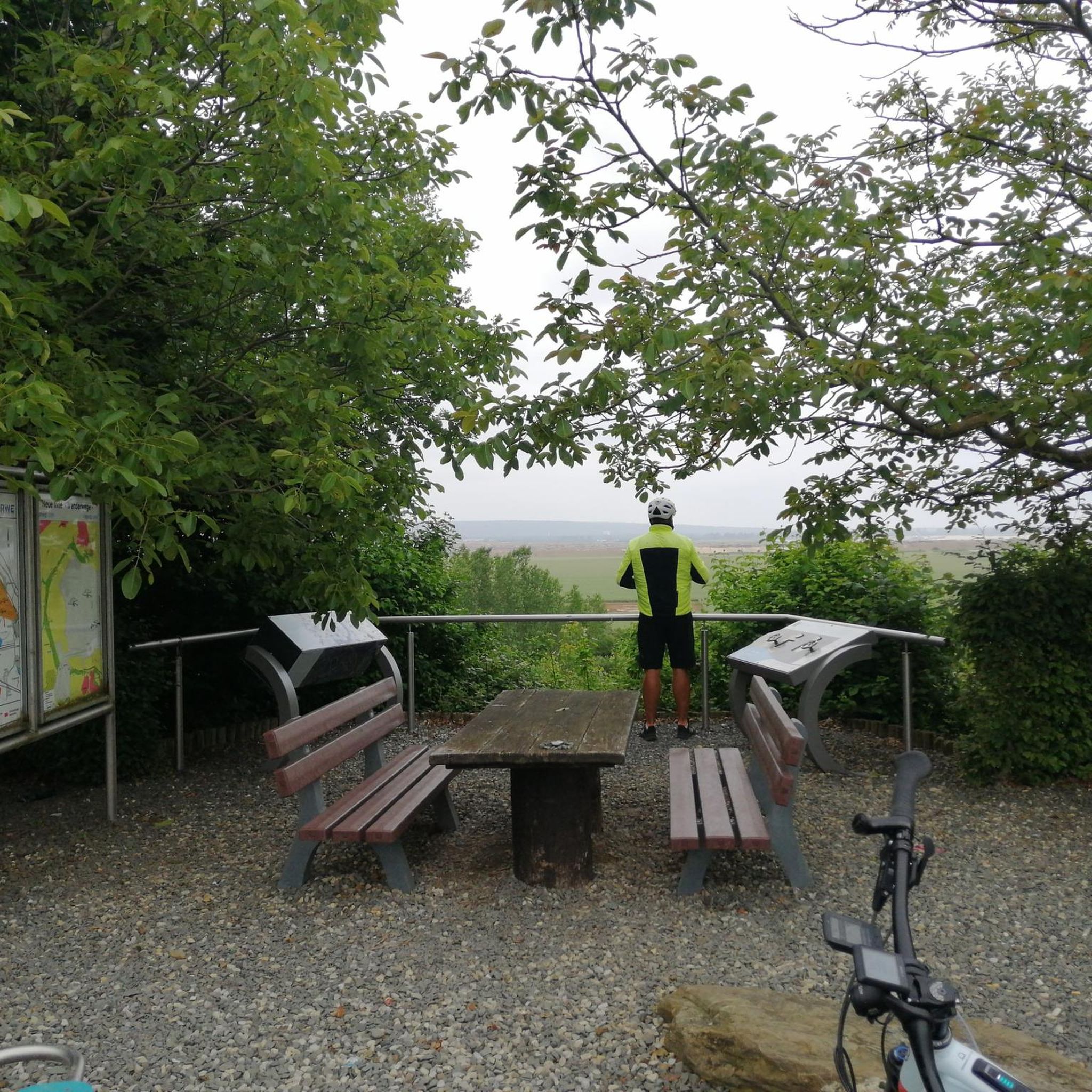
City hikes around Hasselt
City hikes around Tongeren

City hikes around Maaseik
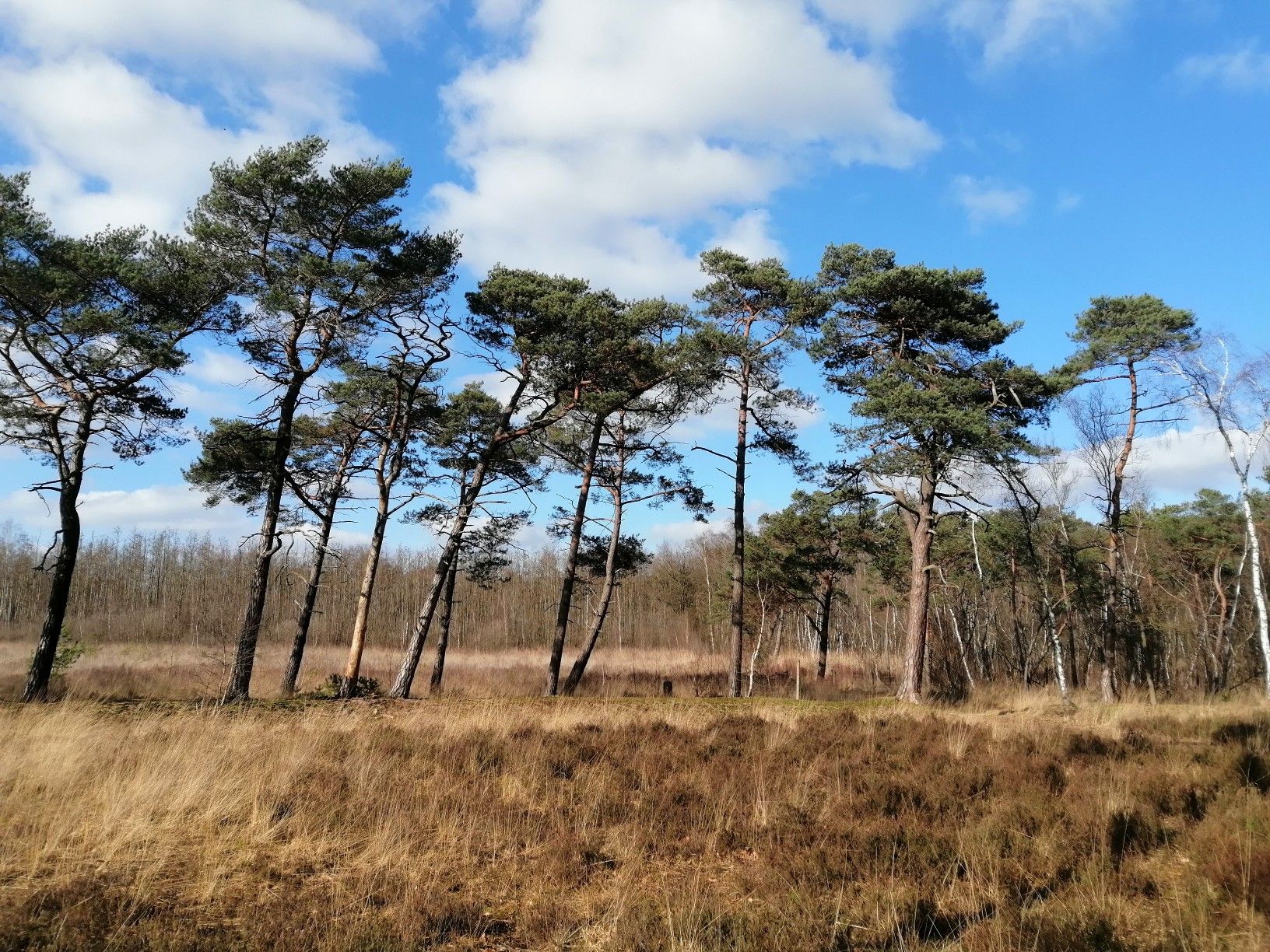
From Flanders to the Ardennes — GR 5 in Belgium
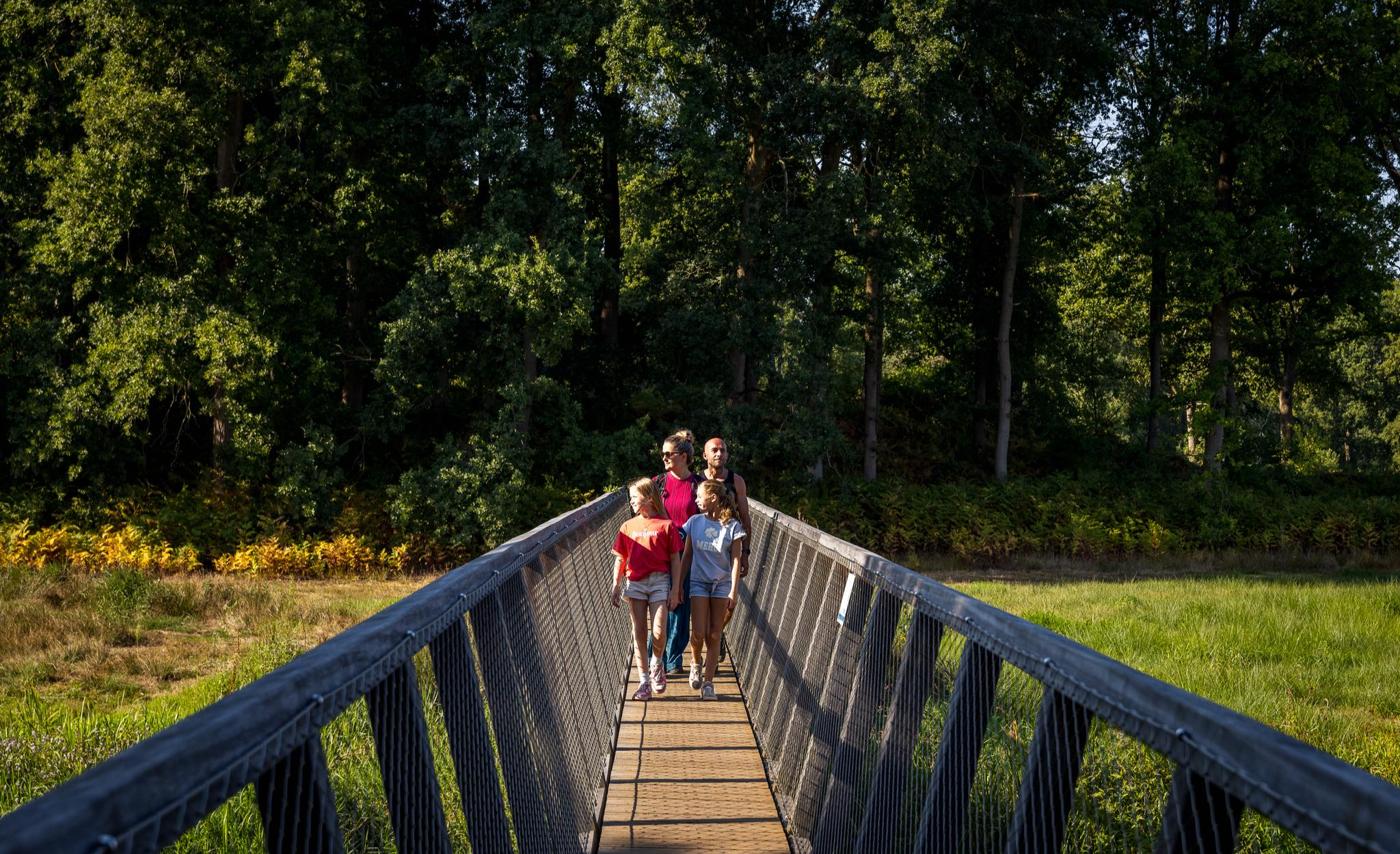
Flanders’ Finest Hiking Routes
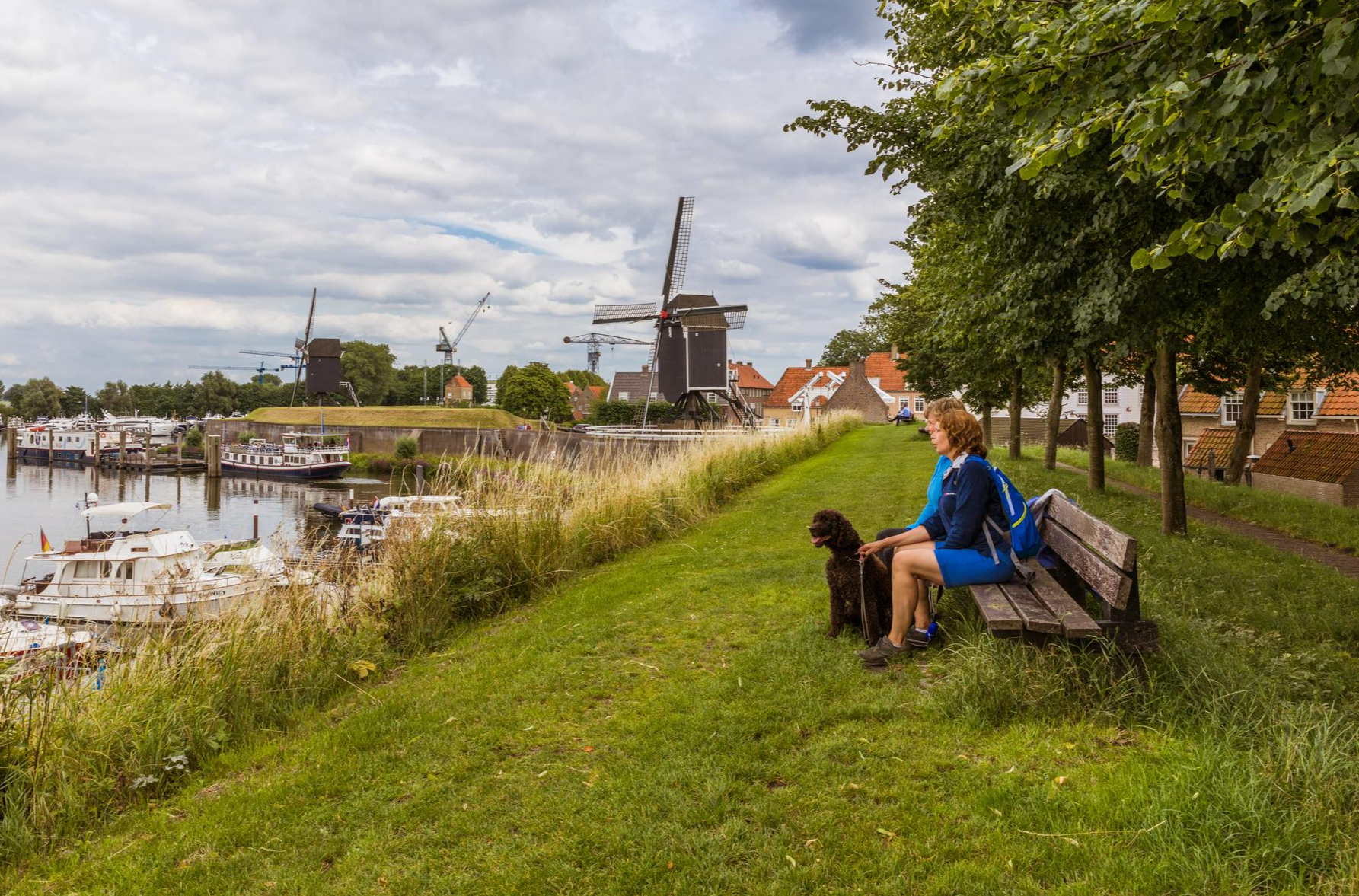
Hiking in Brabant – in Van Gogh’s footsteps in Southern Netherlands
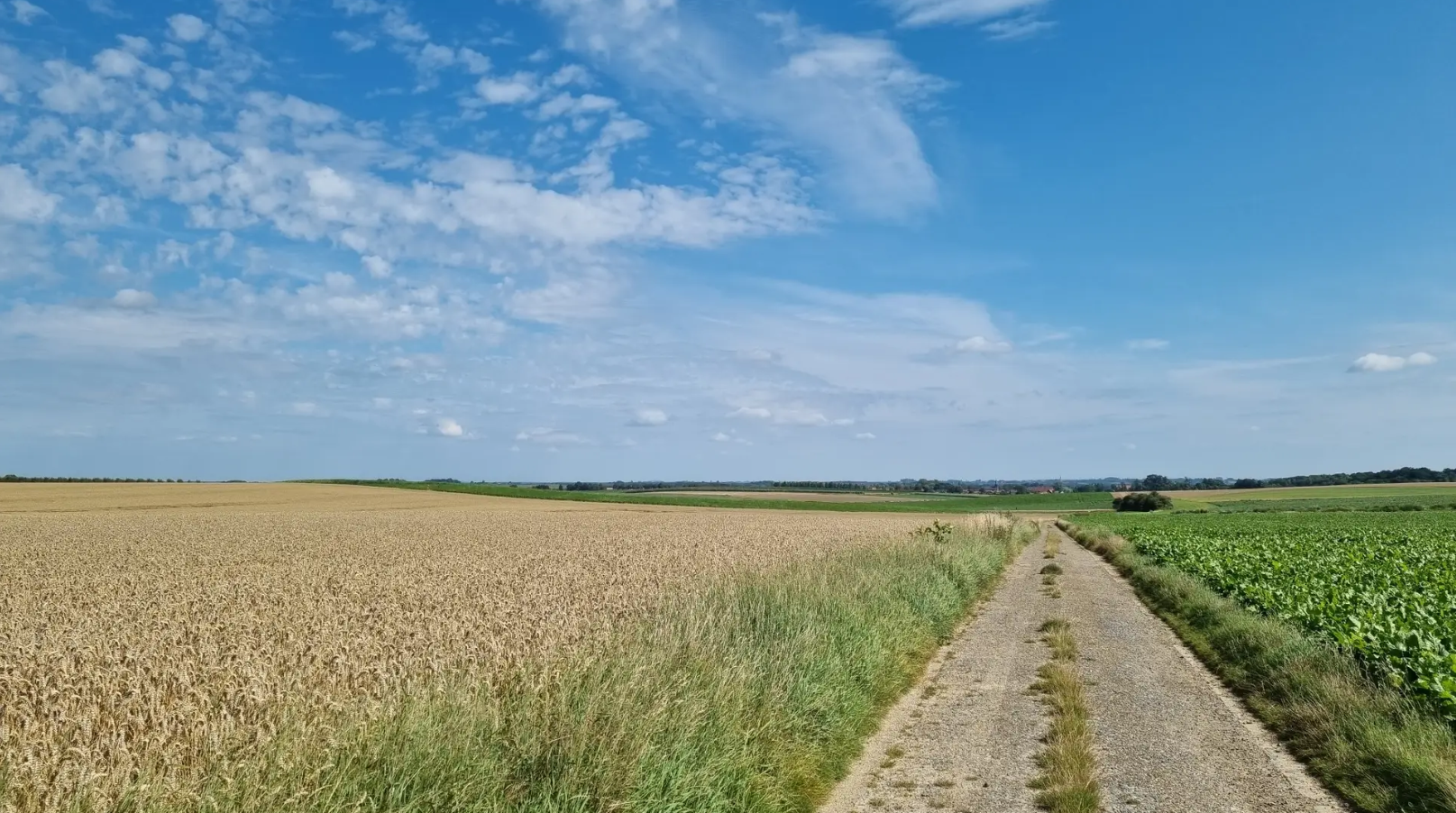
Bloesems, Forests and hidden Heritage – Streek-GR Haspengouw
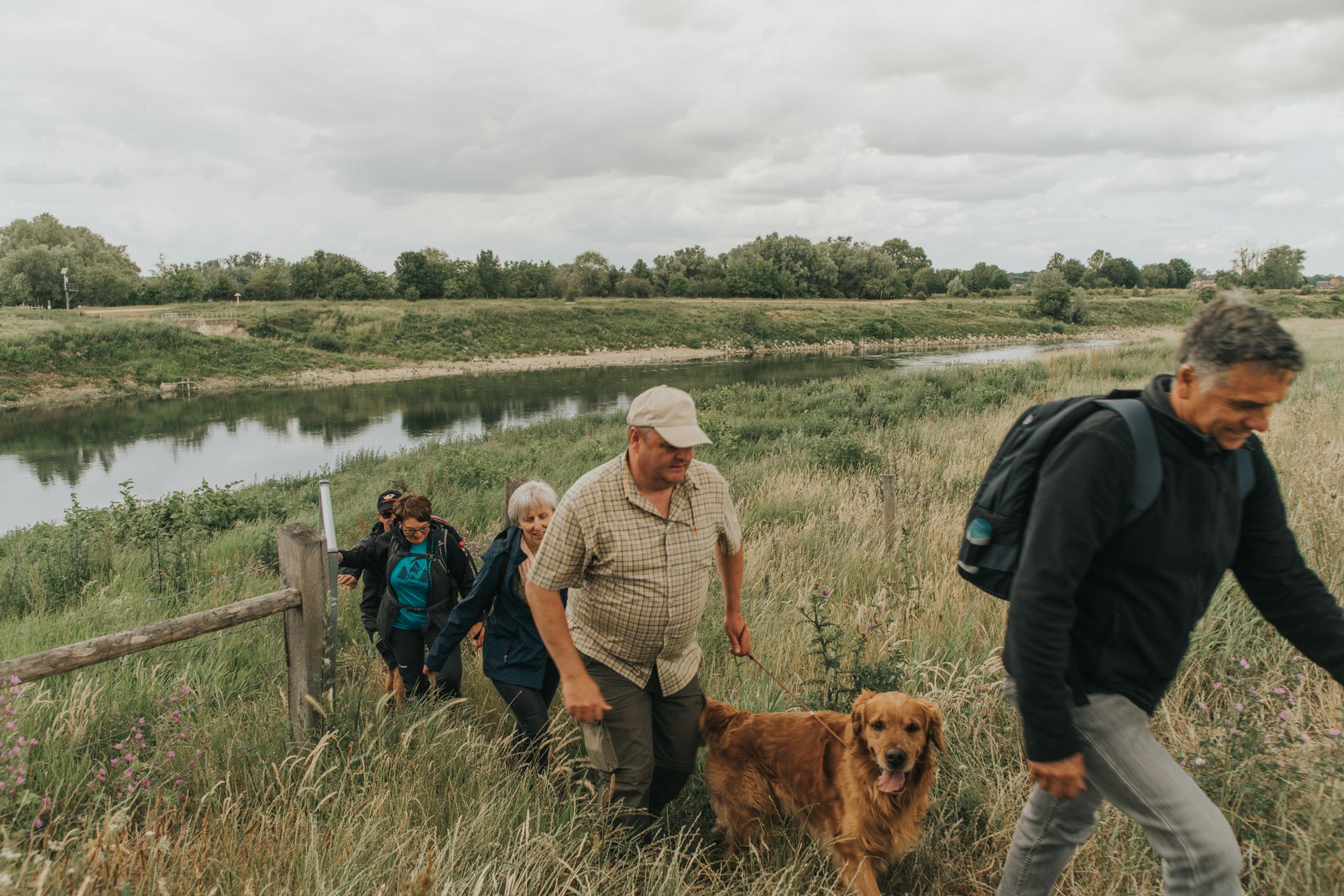
Discover the wild river - 6 hiking days in RivierPark Maasvallei (LAW)
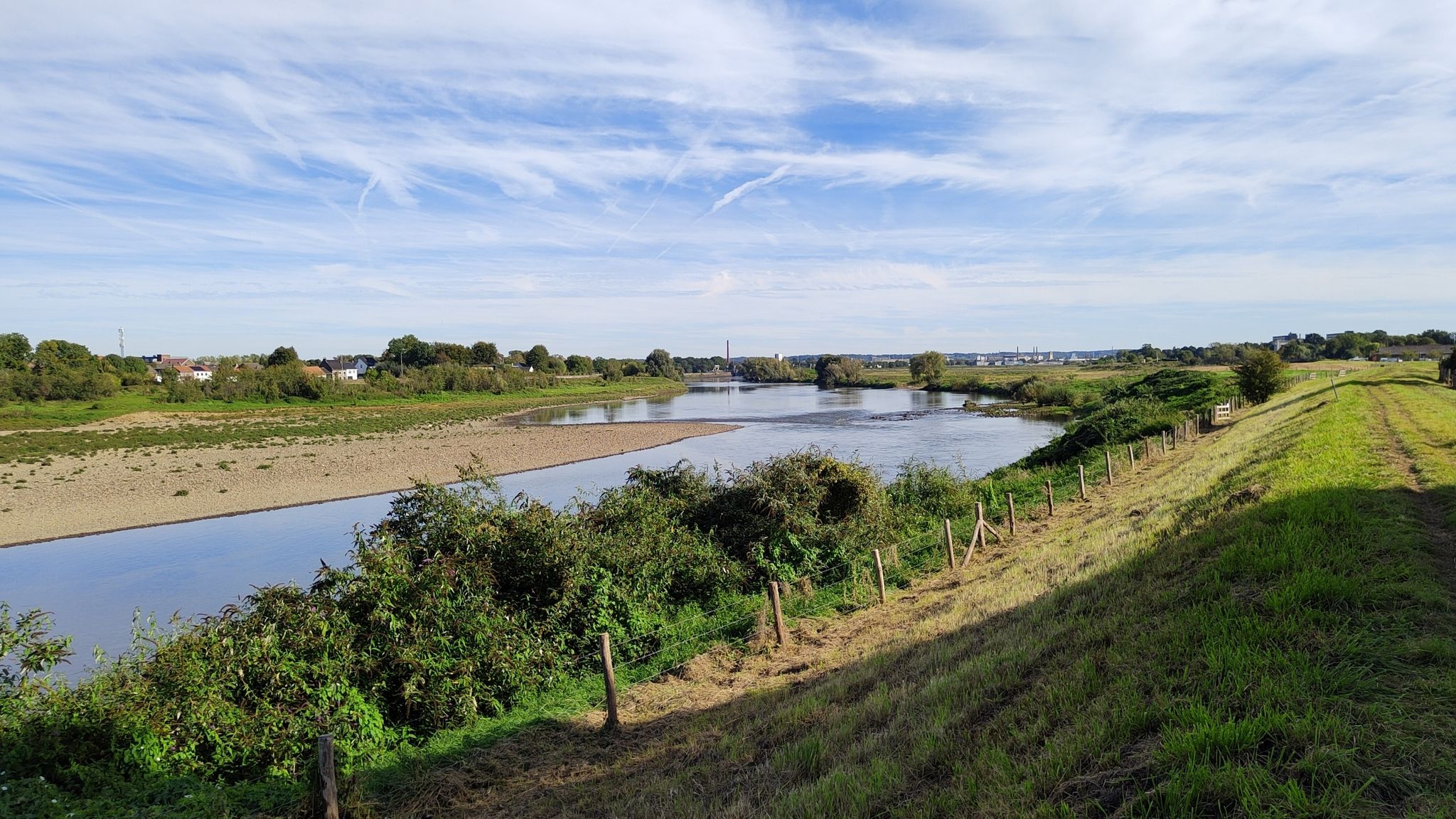
Discover the river nature – 6 hikes in RivierPark Maasvallei (LAW)
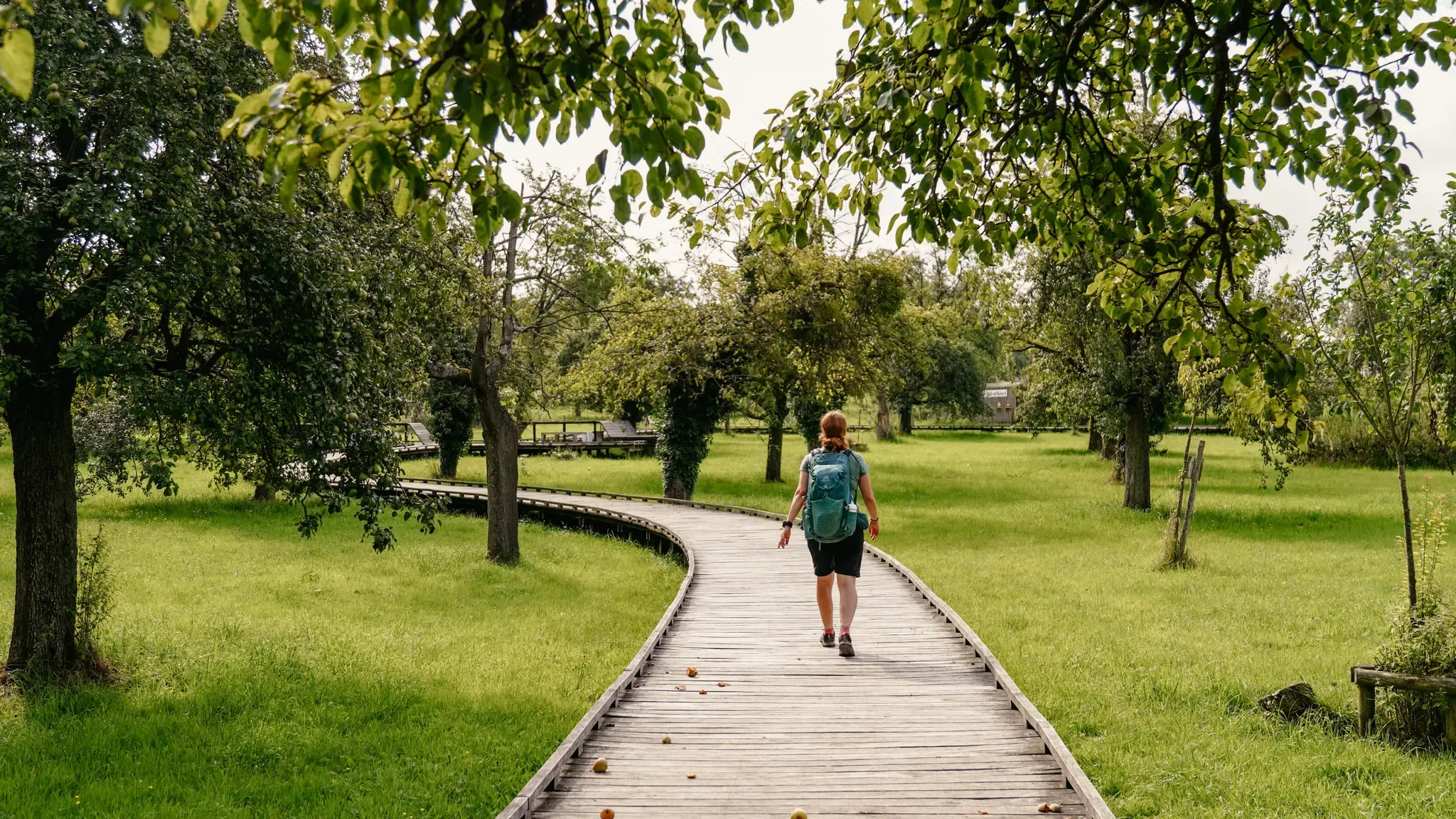
Hiking in Flanders – between dunes, forest and the scenic Meuse
Other adventures in South Limburg


Tips from the Community

was not set up on 10.6.26
0
0

The Blauwe Boulevard, also known as Quartier Bleu, is one of Hasselt's most dynamic districts. The large-scale redevelopment of this area, completed between 2016 and 2024, has resulted in a harmonious integration of modern architecture, green spaces, and high-quality amenities. The Blauwe Boulevard comprises 400 apartments and homes, characterized by luxurious finishes and a spectacular view over the Kanaalkom. The commercial heart of the Blauwe Boulevard is formed by the Quartier Bleu shopping area, where a diverse range of shops can be found, from fashion boutiques to specialty stores and supermarkets. Along the waterfront lies a promenade dotted with cafés, restaurants, and bars, where visitors can enjoy culinary delights with a view of the marina.
3
0
De Blauwe Boulevard, also known as Quartier Bleu, is one of Hasselt's most dynamic districts. The large-scale redevelopment of this area, completed between 2016 and 2024, has resulted in a harmonious integration of modern architecture, green spaces, and high-quality amenities. De Blauwe Boulevard comprises 400 apartments and homes, characterized by luxurious finishes and spectacular views over the Kanaalkom. The commercial heart of De Blauwe Boulevard is formed by the Quartier Bleu shopping area, where a diverse range of shops can be found, from fashion boutiques to specialty stores and supermarkets. Along the waterfront lies a promenade dotted with cafes, restaurants, and bars, where visitors can enjoy culinary delights with views of the marina.
1
0
Even with a yacht or boat, you are more than welcome in Hasselt. The marina's jetties were completely renovated in 2021. The harbor is equipped with beautiful wide, floating jetties complete with amenities such as electricity, drinking water, and wifi. All info can be found at www.jachthavenhasselt.be
4
0
Among the historical and 20th-century towers in Hasselt, one has recently stood out: the new Belvédère Tower at the Begijnhof. This tower is not heritage, but a contemporary reference to the former Begijnhof church. Unlike the other towers in Hasselt, this tower has a clear purpose. Here, tourists can climb the tower and get a beautiful view of the city center.
3
1
Louis Willems (Hasselt, 25 April 1822 - Hasselt, 21 January 1907) was a Belgian physician, and one of the pioneers of bacteriology and immunology.
3
0
The Old Prison of Hasselt on Martelarenlaan was built in 1859 according to the panopticon principle. Since 2013, the iconic star-shaped building has been used as the Faculty of Law by Hasselt University.
3
0

Currently, unfortunately, surrounded by construction site. A great contrast to the new town hall.
1
0
Frequently Asked Questions
How many urban hiking trails can I find in South Limburg?
South Limburg offers a wide selection of urban hiking experiences, with nearly 300 routes available on komoot. These trails cater to various preferences, from leisurely strolls through historic towns to more active walks exploring the unique urban landscapes of the region.
What do other hikers say about urban trails in South Limburg?
The urban hiking trails in South Limburg are highly regarded by the komoot community, boasting an average rating of 4.4 out of 5 stars from over 50,000 reviews. Hikers often praise the region's charming villages, historical sights, and the unexpected variety of terrain for an urban setting.
Are urban hikes in South Limburg suitable for all fitness levels?
Yes, South Limburg's urban hikes are designed to accommodate a wide range of fitness levels. While the region is known for its rolling hills, many urban routes are classified as easy (over 250 routes) or moderate (around 40 routes), offering gentle elevation changes suitable for casual walkers. For example, the Statue of Ambiorix – Moerenpoort City Gate loop from Tongeren is an easy option.
What kind of landmarks or interesting sights can I expect on urban hikes in South Limburg?
Urban hikes in South Limburg often weave through historic city centers and charming villages, offering a rich tapestry of sights. You can discover ancient city gates, impressive cathedrals, and picturesque squares. For instance, the The Borrelmanneke – Saint Quintinus Cathedral loop from Hasselt takes you past significant architectural landmarks. The region is also dotted with unique attractions like the Cycling Through the Water — Fietsen Door Het Water (Bokrijk), which is a short distance from some urban areas.
Are there any specific urban trails that offer good viewpoints?
While many urban routes focus on street-level exploration, some trails in South Limburg's hillier towns can offer elevated perspectives. The region's unique topography, often referred to as the 'Tuscany of the Netherlands,' means even urban walks can surprise you with scenic vistas. For broader views, consider routes that skirt the edges of towns near the Heuvelland, or visit dedicated viewpoints like the Lommelse Sahara Observation Tower, which might be accessible from some urban starting points.
Are urban hiking trails in South Limburg family-friendly?
Absolutely! Many urban hiking trails in South Limburg are perfect for families. They often feature paved paths, parks, and easy access to amenities like cafes and playgrounds. The relatively short distances and gentle terrain of routes like the Speelhof Park – City park entrance gate loop from Sint-Truiden make them ideal for children and strollers, allowing families to explore the towns at a comfortable pace.
Can I bring my dog on urban hikes in South Limburg?
Yes, dogs are generally welcome on urban hiking trails in South Limburg, provided they are kept on a leash. Many towns have parks and green spaces where dogs can enjoy the walk alongside their owners. Always be mindful of local regulations, especially in busy areas or near historical sites. It's a great way to explore the charming streets and parks with your canine companion.
Are there many circular urban walks available?
Yes, the majority of urban hiking routes in South Limburg are designed as circular walks. This allows you to start and end your journey at the same point, often near public transport hubs or parking facilities, making logistics straightforward. Routes such as the Old Town Hall – Saint Quintinus Cathedral loop from Hasselt are excellent examples of convenient circular tours.
How can I reach urban trailheads using public transport?
South Limburg has a well-developed public transport network, making it easy to access many urban trailheads. Most towns and cities are served by buses and trains. We recommend checking local public transport websites for specific schedules and connections to your chosen starting point. For general information on regional transport, you might find resources on visitzuidlimburg.com helpful.
Is parking readily available near urban hiking routes?
In most towns and cities across South Limburg, you'll find designated parking areas, often paid, near popular urban hiking starting points. It's advisable to check local parking information for the specific town you plan to visit, as availability and regulations can vary. Many routes are designed to be accessible from central locations where parking is typically provided.
Are there opportunities for refreshments or breaks along urban routes?
Absolutely! One of the joys of urban hiking in South Limburg is the abundance of cafes, restaurants, and cozy pubs (known as 'bruine kroegen') along the routes. You'll frequently pass charming squares and streets with terraces perfect for a coffee, a local Limburgse vlaai (flan), or a refreshing drink. Many villages like Mechelen, Epen, and Valkenburg are renowned for their hospitality and culinary delights.
When is the best time of year for urban hiking in South Limburg?
Urban hiking in South Limburg is enjoyable year-round. Spring (April-May) brings blooming flowers and mild temperatures, while summer (June-August) offers warm, sunny days perfect for outdoor cafes. Autumn (September-October) provides beautiful fall foliage and comfortable hiking weather. Even winter (November-March) can be charming, with crisp air and festive atmospheres in the towns, though some services might have reduced hours. The relatively sheltered nature of urban environments makes them suitable for all seasons.
Most popular routes in South Limburg
Most popular attractions in South Limburg

Get inspired with the komoot mobile app


Didn’t find what you were looking for?
Check out more Hikes throughout South Limburg below and find the perfect route in your destination.
Explore more
Browse the best Hikes in other regions.
