Top 3 Mountain Passes around Schwäbisch Gmünd
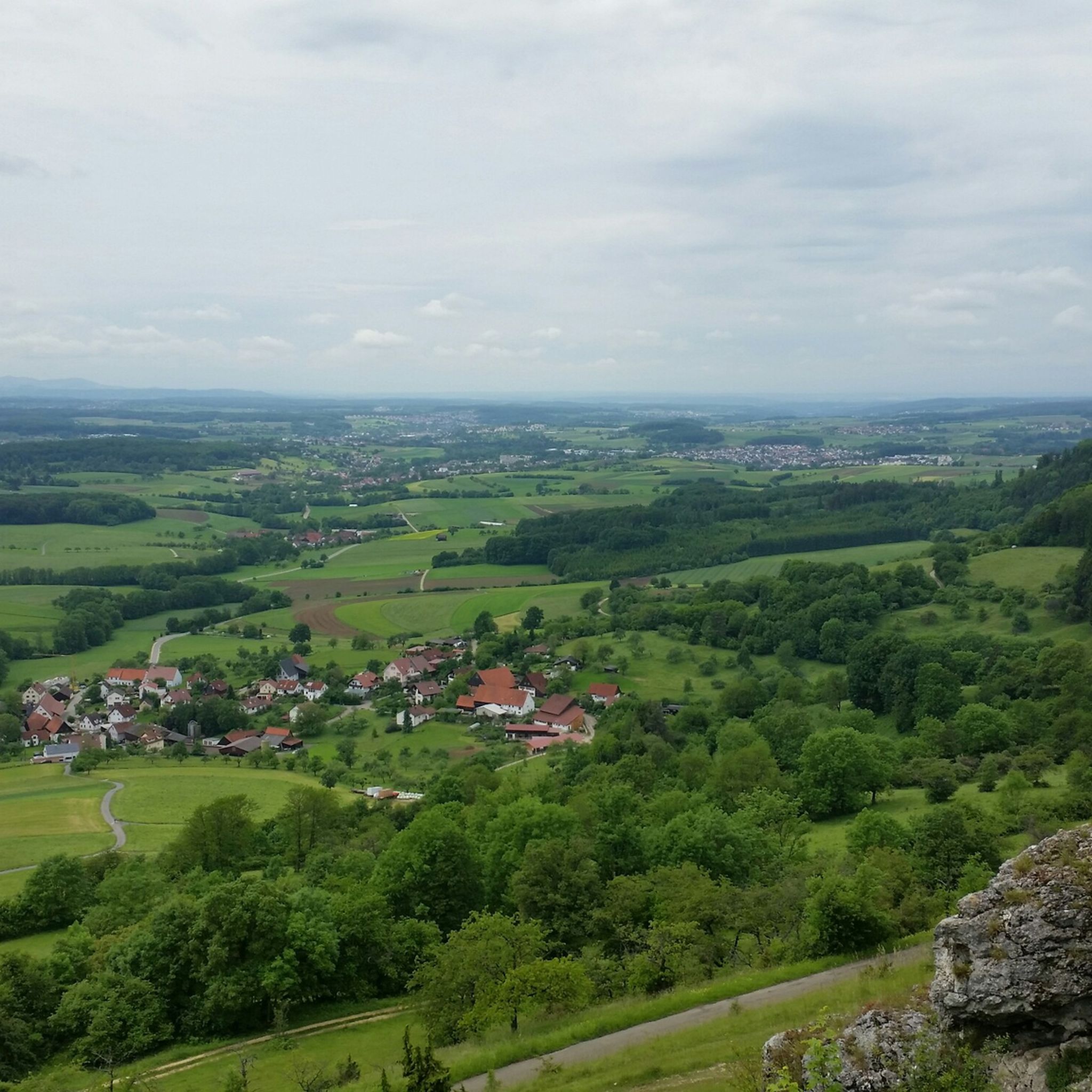
Best mountain passes around Schwäbisch Gmünd are characterized by rolling hills, dense forests, and river valleys. The region offers numerous elevated points and scenic routes that provide ascents and panoramic views. These locations offer diverse recreational opportunities for hikers and cyclists, often referred to as passes due to their elevated nature and rewarding vistas. The area features prominent landmarks like the Three Kaiser Mountains and Scheuelberg, providing varied terrain for outdoor activities.
Best mountain passes around Schwäbisch Gmünd
- The most…
Last updated: July 1, 2026
Reiterles Chapel
Highlight • Religious Site
Translated by Google •
Tip by

Furtlepass (630 m)
Highlight • Mountain Pass
Translated by Google •
Tip by

Sign up now to discover places like this
Get recommendations on the best single tracks, peaks, & plenty of other exciting outdoor places.
Sign up for free
Ascent to the Furtlepass from Weiler in den Bergen
Highlight (Segment) • Mountain Pass
Translated by Google •
Tip by

Stöttener Steige
Highlight (Segment) • Mountain Pass
Long, not so steep with a small ramp at the end.
Translated by Google •
Tip by

Ascent from Degenfeld to Furtles Pass
Highlight (Segment) • Mountain Pass
Translated by Google •
Tip by

Start today with a free account
Your next adventure awaits.
Login or Signup


Tips from the Community

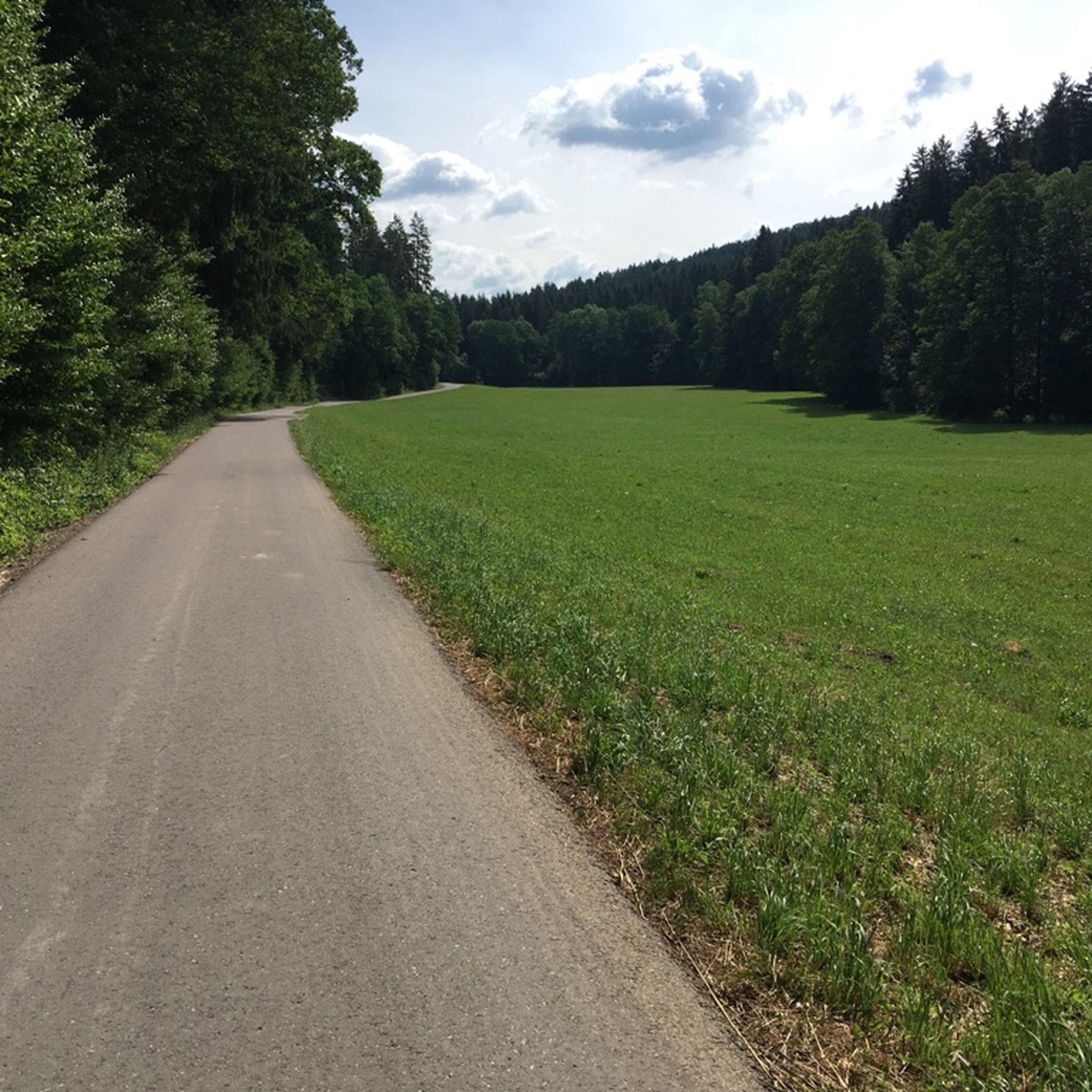
On weekdays, expect to see trucks. The Furtle Pass appears to be a shortcut for the 40-tonners.
1
0

Long climbs with a pleasant gradient, but a lot of traffic....
0
0


Easy to ride climbs. Not a lot of traffic and good surface.
2
1

Redundant highlight to highlight "Furtlespass from Degenfeld" See https://www.komoot.de/highlight/2976606
1
1

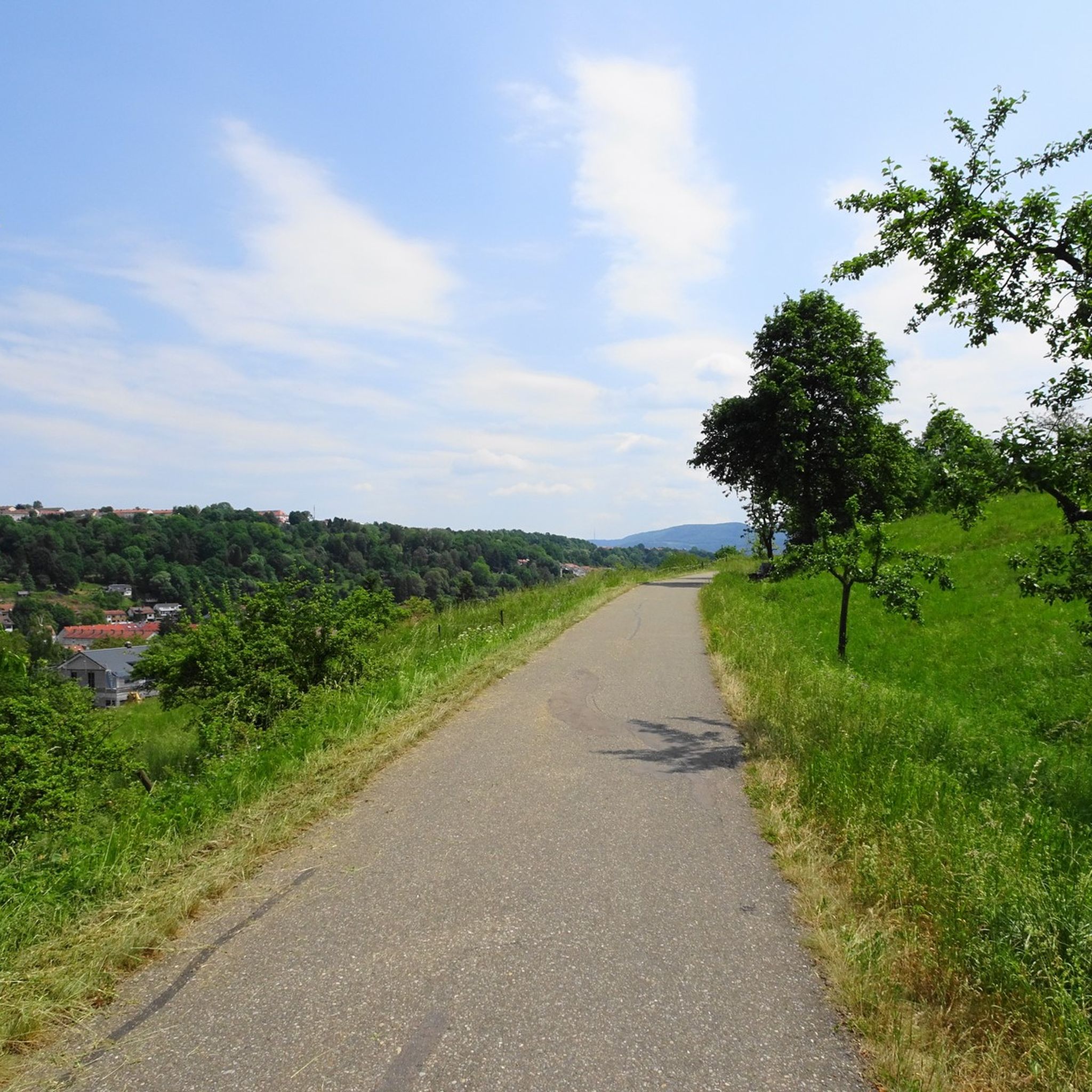
Through the upper valley of the Lauter it goes from Degenfeld with a relatively low incline in the direction of the Furtlespass. Only shortly before the end does it get a little steeper in the curves with 7%.
1
2
Very flat ascent at this point
1
0
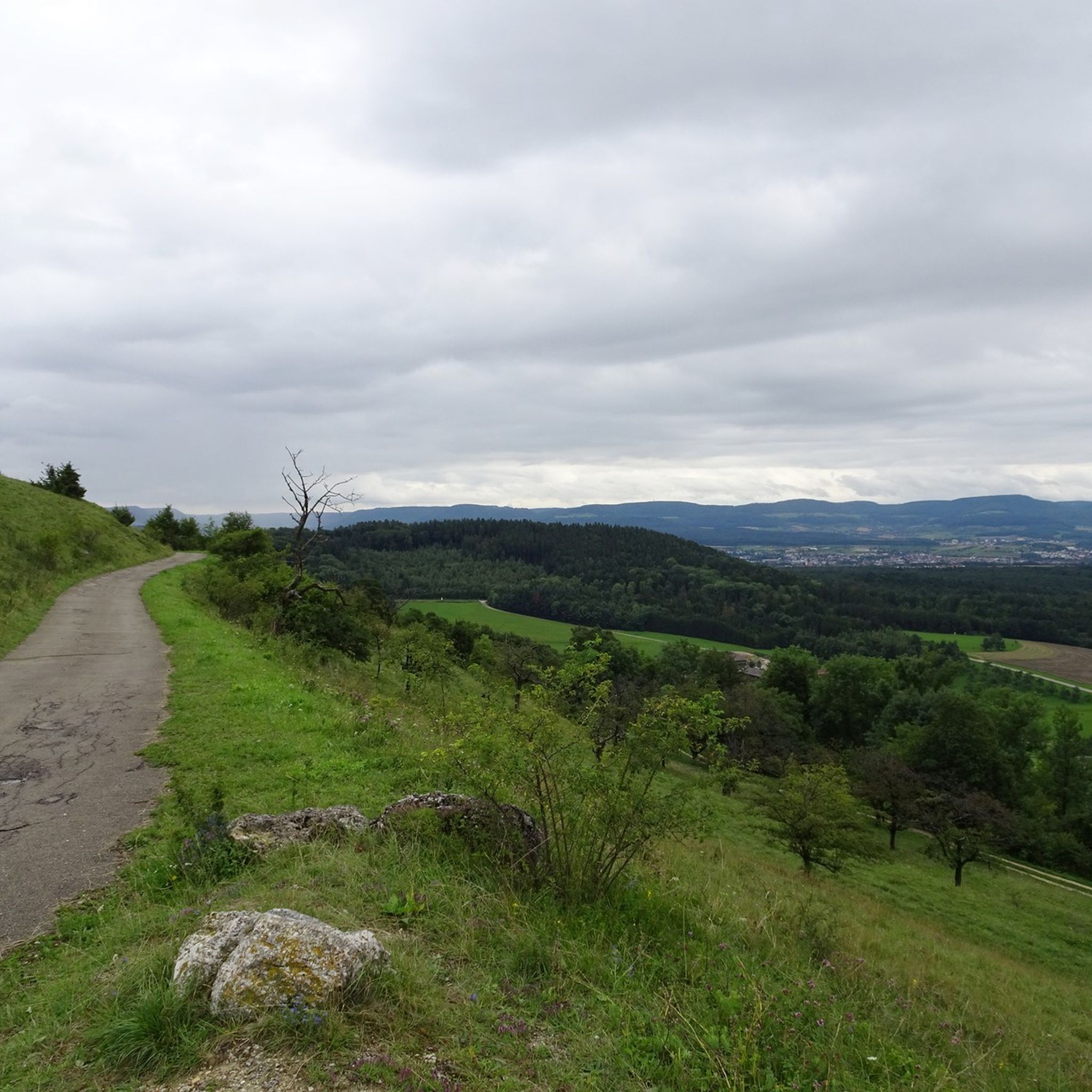
Also highly recommended as a descent. Asphalt is good, it rolls down well
2
0
Frequently Asked Questions
What kind of elevated points and scenic routes can I expect around Schwäbisch Gmünd?
While Schwäbisch Gmünd doesn't feature traditional high mountain passes like the Alps, the region offers numerous elevated points and scenic routes that provide breathtaking views and challenging terrain. These include the iconic Reiterles Chapel, the Furtlepass (630 m), and the Stöttener Steige, which are popular for their ascents and panoramic rewards. The area is characterized by rolling hills, dense forests, and river valleys, offering a unique outdoor experience.
Where can I find the best panoramic views around Schwäbisch Gmünd?
For stunning panoramic views, consider visiting the Three Kaiser Mountains (Hohenstaufen, Hohenrechberg, and Stuifen), which offer wide vistas of the Swabian Alb and Rems Valley. The Scheuelberg, particularly from the "Hoher Fels" viewpoint, provides magnificent views of the western Alb and the Schwäbisch-Fränkischer Wald. For a view of Schwäbisch Gmünd itself, Zeiselberg and St. Salvator are excellent choices, with St. Salvator also offering views towards the Three Kaiser Mountains. The Himmelsstürmer Observation Tower also provides an expansive perspective of the Albtrauf and the Three Kaiser Mountains.
Are there challenging climbs or easier routes for cycling and hiking?
Yes, the region caters to various difficulty levels. The Furtlepass (630 m) offers a nice, not-too-long climb with flat passages, making it not overly difficult, with a maximum gradient of around ten percent. The Stöttener Steige is known for its easy-to-ride climbs with good asphalt. For experienced hikers seeking strenuous tours, the Scheuelberg offers challenging, natural paths with significant elevation changes. Many routes around the Three Kaiser Mountains also offer varying difficulties.
What historical or cultural sites can I explore near these elevated points?
The region is rich in history. The Hohenrechberg is home to Hohenrechberg Castle, offering historical context alongside beautiful panoramic views. The Reiterles Chapel, also known as St. Leonhard's Chapel, is a prominent landmark and a popular destination on the pass between Rechbergle and Graneggle. St. Salvator features a rock chapel, combining spiritual tranquility with scenic beauty.
Are there family-friendly options for exploring the elevated areas?
Absolutely. Zeiselberg is particularly family-friendly, featuring an observation platform, vineyards, and a large slide. It's easily accessible and offers rewarding city views. The Himmelsstürmer Observation Tower, located in the "Himmelsgarten" landscape and family park, is also suitable for families looking for an accessible viewpoint within a park setting. Additionally, many hiking routes around the Three Kaiser Mountains are suitable for families, such as the moderate family-friendly hikes listed in the Family-friendly hikes around Schwäbisch Gmünd guide.
When is the best time of year to visit the mountain passes and elevated points?
The best time to visit is generally from spring to autumn (April to October) when the weather is mild and trails are clear. Spring brings blooming landscapes, while autumn offers vibrant foliage. Summer is ideal for longer days and warmer temperatures. While some areas might be accessible in winter, conditions can be challenging due to snow and ice, especially on higher, more exposed paths.
What outdoor activities can I do near these mountain passes?
Beyond exploring the passes themselves, the area around Schwäbisch Gmünd offers a variety of outdoor activities. You can find numerous routes for gravel biking, road cycling, and hiking. For specific routes, check out guides like Gravel biking around Schwäbisch Gmünd, Road Cycling Routes around Schwäbisch Gmünd, and Family-friendly hikes around Schwäbisch Gmünd.
Are there places to eat or rest near the trails?
Yes, several locations offer amenities for visitors. At St. Salvator, you can relax at the Salvatorklause with refreshments in a hop arbor garden. The Scheuelberg route includes the Himmelreich, which has a nature lodge for resting. Zeiselberg features a beer garden, especially pleasant in the evenings with Moroccan lanterns. Many towns and villages in the valleys also offer cafes, pubs, and accommodation options.
Are these elevated areas dog-friendly?
Most natural outdoor areas and trails around Schwäbisch Gmünd are dog-friendly, provided dogs are kept on a leash, especially in nature reserves or near wildlife. It's always advisable to carry water for your dog and be mindful of other visitors and local regulations. Specific facilities like the Himmelsgarten park might have their own rules regarding pets.
How accessible are these elevated points by public transport or car?
Many of the elevated points and trailheads are accessible by car, often with designated parking areas. For example, Zeiselberg is easily accessible from the city. Public transport options, such as local buses, connect Schwäbisch Gmünd with surrounding villages, from which you can often start your hikes or rides. It's recommended to check local bus schedules for specific routes to trailheads.
What makes the Furtlepass a popular spot for cyclists?
The Furtlepass (630 m) is popular among cyclists for its manageable ascent. The long climb is interrupted by flat passages, making it less strenuous than it might appear, with a maximum gradient of around ten percent. Cyclists appreciate the good road surface and the beautiful views towards Degenfeld. The Ascent to the Furtlepass from Weiler in den Bergen and the Ascent from Degenfeld to Furtles Pass are also well-regarded for their scenic routes.
Most popular routes around Schwäbisch Gmünd
Most popular attractions around Schwäbisch Gmünd

Get inspired with the komoot mobile app


Explore more
See even more epic mountain passes by checking out these guides around Schwäbisch Gmünd:
