The best gravel rides around Driebes
9
riders
4
rides
Gravel biking around Driebes, located in Guadalajara, Spain, is characterized by diverse landscapes shaped by the Tajuña River and its greenway. The region features a mix of flat meadows, low scrubland, and fertile agricultural plains, transitioning to more rugged terrain in the Sierra Norte de Guadalajara. River valleys and extensive olive groves are common along many routes, offering varied riding experiences.
Best gravel bike trails around Driebes
- The most popular gravel bike trail is Fountain of the Five Spouts –…
Last updated: November 2, 2026
4
riders
Hard gravel ride. Very good fitness required. Mostly paved surfaces.
1
riders
52.3km
04:34
560m
560m
Hard gravel ride. Very good fitness required. Mostly paved surfaces.

1
riders
26.2km
02:15
450m
450m
Hard gravel ride. Very good fitness required. Mostly paved surfaces.
1
riders
39.4km
03:10
420m
420m
Moderate gravel ride. Good fitness required. Mostly paved surfaces.
1
riders
39.6km
03:26
440m
440m
Moderate gravel ride. Good fitness required. Mostly paved surfaces.
Our route recommendations are based on thousands of hikes, rides, and runs completed by other people on komoot.
Start today with a free account
Your next adventure awaits.


Tips from the Community

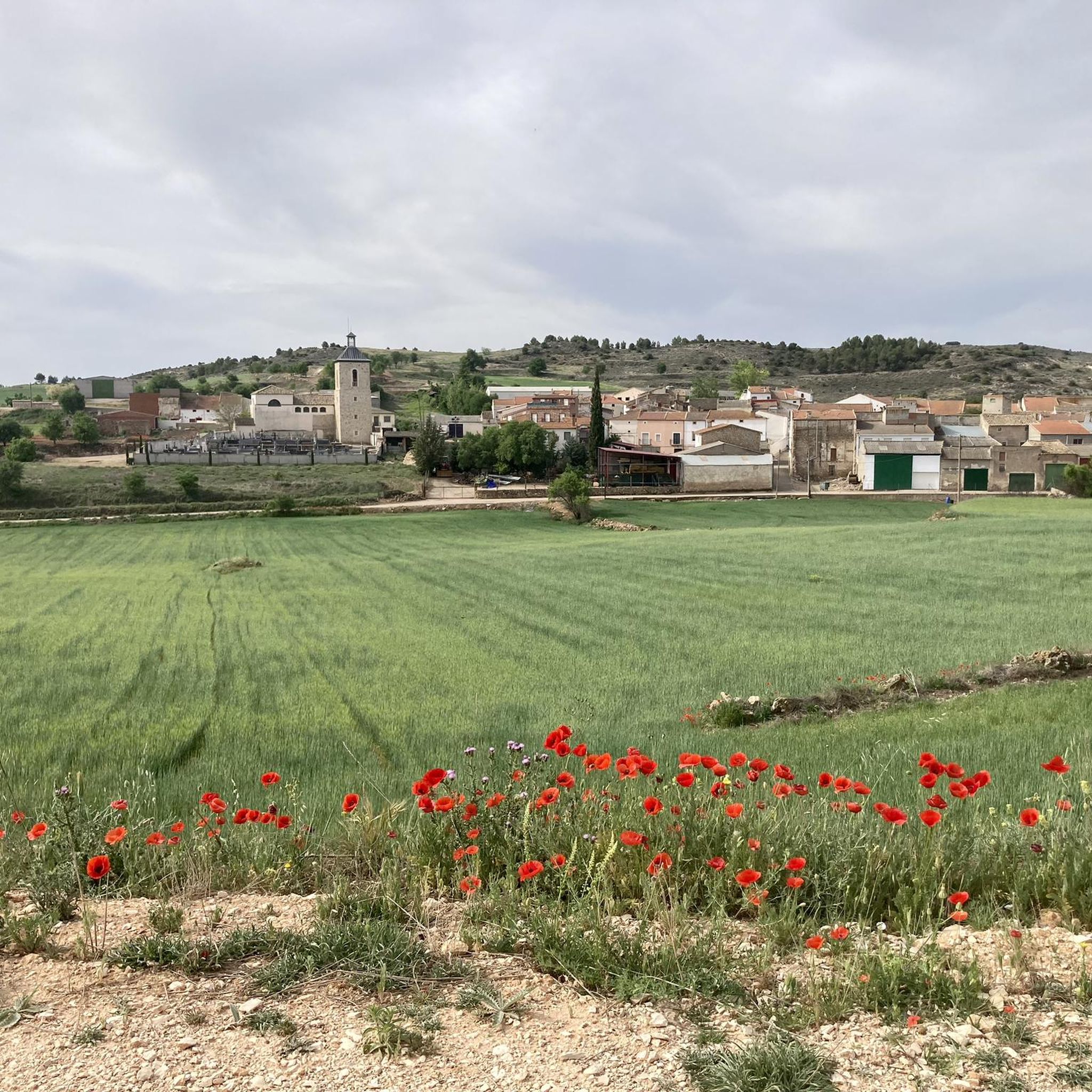
The landscapes from Ambite to Mondejar are worth seeing.
0
0

This section is popular with cyclists due to the allure of the tunnels and the gorge carved by the old railway line through the gypsum and esparto grass hillsides and ravines. The railway tunnels and cuttings are impressive constructions, both for their design and their railway efficiency. They facilitate the passage of trains across steep terrain and maintain a gentle, accessible gradient in challenging areas, with raised sections of the ground to reduce noise and visual impact in environmentally sensitive locations.
0
0

The paved section ends here.
0
0

Very compact cycle track
0
0
Halfway point for a snack
0
0

The white and blue signs of the Camino de Uclés are paired with the yellow arrows of the Camino de Santiago de Uclés, one of the variants of the Jacobean routes that leaves for Santiago de Compostela from the Monastery of Uclés, one of the heads (Caput Ordinis) of the Order of Santiago from the 13th century.
0
0

The Monastery welcomes you at the top of the village with a stunning view from the road leading to Uclés. After a long bike ride, it is a good reward.
0
0

Built by the Order of Santiago, construction began in 1529 while Charles I reigned and was completed in 1735 under the reign of Philip V. Monumental construction that leaves no one indifferent, and that during the civil war was first a hospital for one side and later a prison for the other. You can visit it by paying an entrance fee and it is no longer used as a guest house because only one monk lives there, who possibly does not reside there at the time I write this chronicle.
2
0
Frequently Asked Questions
How many gravel bike trails are available around Driebes?
There are currently 4 gravel bike routes documented around Driebes on komoot, offering a variety of experiences for different skill levels.
What are the typical difficulty levels for gravel biking in the Driebes area?
The gravel routes around Driebes range from moderate to difficult. For example, the Almoguera Castle – Mondéjar loop from Pozo de Almoguera is rated moderate, while the Fountain of the Five Spouts – View of the Monastery of Uclés loop from Estremera presents a more difficult challenge.
Are there any long-distance gravel routes for experienced riders?
Yes, for those seeking a longer challenge, the Fountain of the Five Spouts – View of the Monastery of Uclés loop from Estremera covers nearly 94 kilometers with significant elevation gain, making it a demanding ride. Another substantial option is the Uclés Trail – Fuentidueña de Tajo loop from Cerro del Aire, which is over 52 kilometers long.
What kind of landscapes can I expect to see while gravel biking near Driebes?
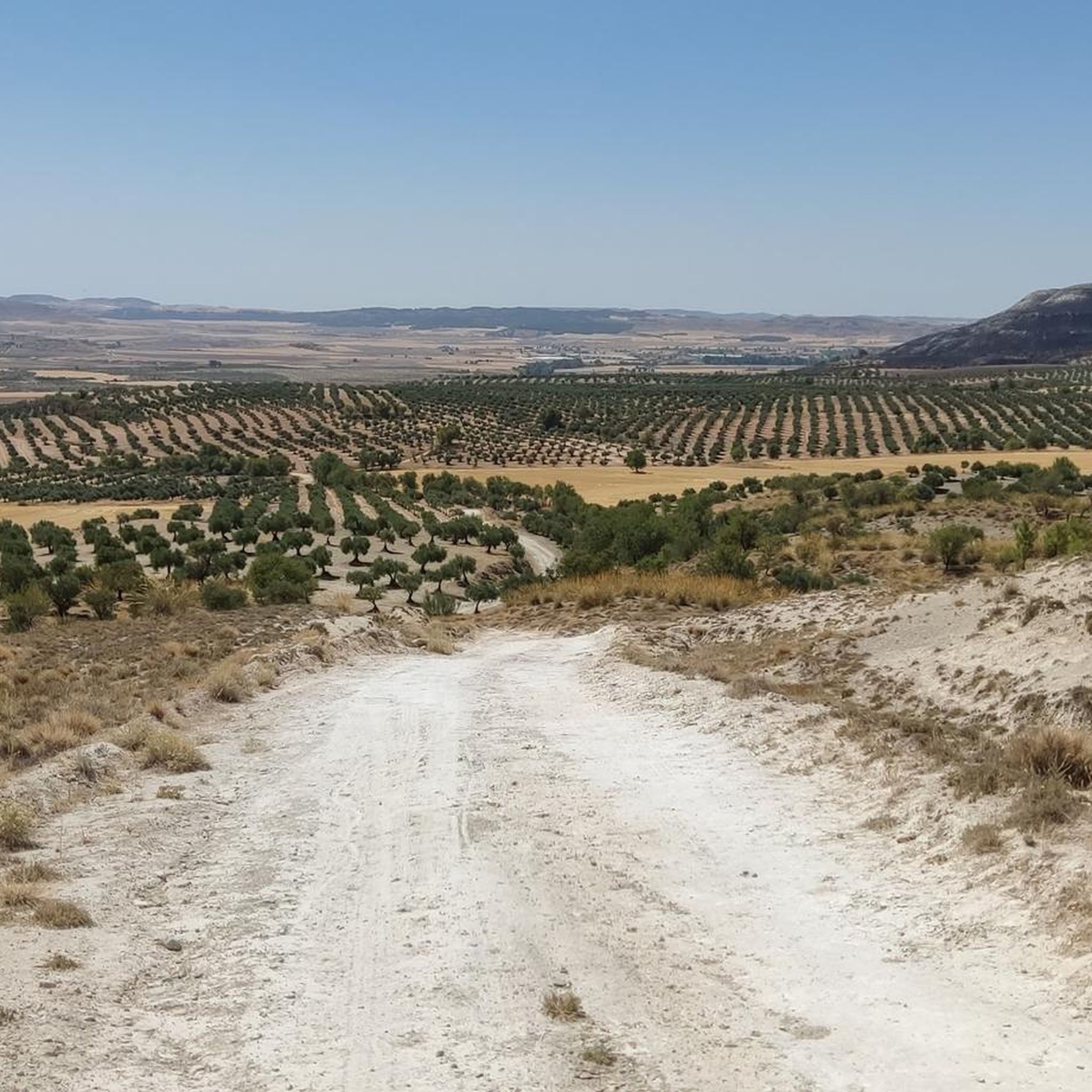
The region offers diverse landscapes. You'll find routes along the Tajuña River, characterized by fertile agricultural plains and olive groves. Further afield, the Sierra Norte de Guadalajara provides more rugged terrain with deep river valleys and prominent peaks. The Tajuña Greenway itself features a distinctive red gravel surface, winding through meadows and low scrubland.
Are there any circular gravel bike routes in the Driebes area?
Yes, several routes are designed as loops, allowing you to start and finish at the same point. Examples include the Picturesque bridge – View of Ambite loop from Ambite and the Estremera Tunnels – Uclés Trail loop from Estremera.
What historical landmarks or points of interest can I find along the gravel trails?
Many routes incorporate historical elements. The Tajuña Greenway passes by remnants of Civil War-era trenches and industrial ruins. You might also encounter highlights like the Picturesque bridge or the Monument to the Eyes. The broader Guadalajara province also features landmarks such as the Roman Bridge of Valdesotos and Bonaval Monastery Ruins on some routes.
Where can I find information or rent bikes for gravel biking in Driebes?
The Vega del Tajuña Nature Center, a former train station, serves as a convenient starting point. It provides maps, information, and bicycle rentals, making it easier to access the area's trails, particularly the Tajuña Greenway.
What is the best time of year for gravel biking in Driebes?
The region is generally pleasant for cycling during spring and autumn when temperatures are milder. Summers can be hot, especially in the open plains, while winters are cooler but often still suitable for riding, particularly on the lower-elevation greenways.
Are there any natural monuments or unique geological features to explore?
Yes, the area boasts several natural highlights. You can discover the Fuente del Arca, the Robledillo Spring, and the unique geological formations known as the Alcarrias of the Tajo: Gypsum, Marl, and Esparto. The Sierra Norte de Guadalajara also features diverse geology, including slate, quartzite, and gneiss.
Can I access the Driebes gravel trails using public transport?
The Tajuña Greenway, a key gravel biking artery, is accessible from starting points like Arganda del Rey, which has connections via public transport from Madrid. This makes it feasible to reach some of the area's trails without a car.
Are there any routes that pass by castles or ancient structures?
Yes, the Almoguera Castle – Mondéjar loop from Pozo de Almoguera specifically features Almoguera Castle, offering a glimpse into the region's historical past while you ride.
Most popular attractions around Driebes

Get inspired with the komoot mobile app


Explore more
Browse the best Gravel rides in other regions.
