The best walks and hikes around Driebes
4.5
(4)
20
hikers
4
hikes
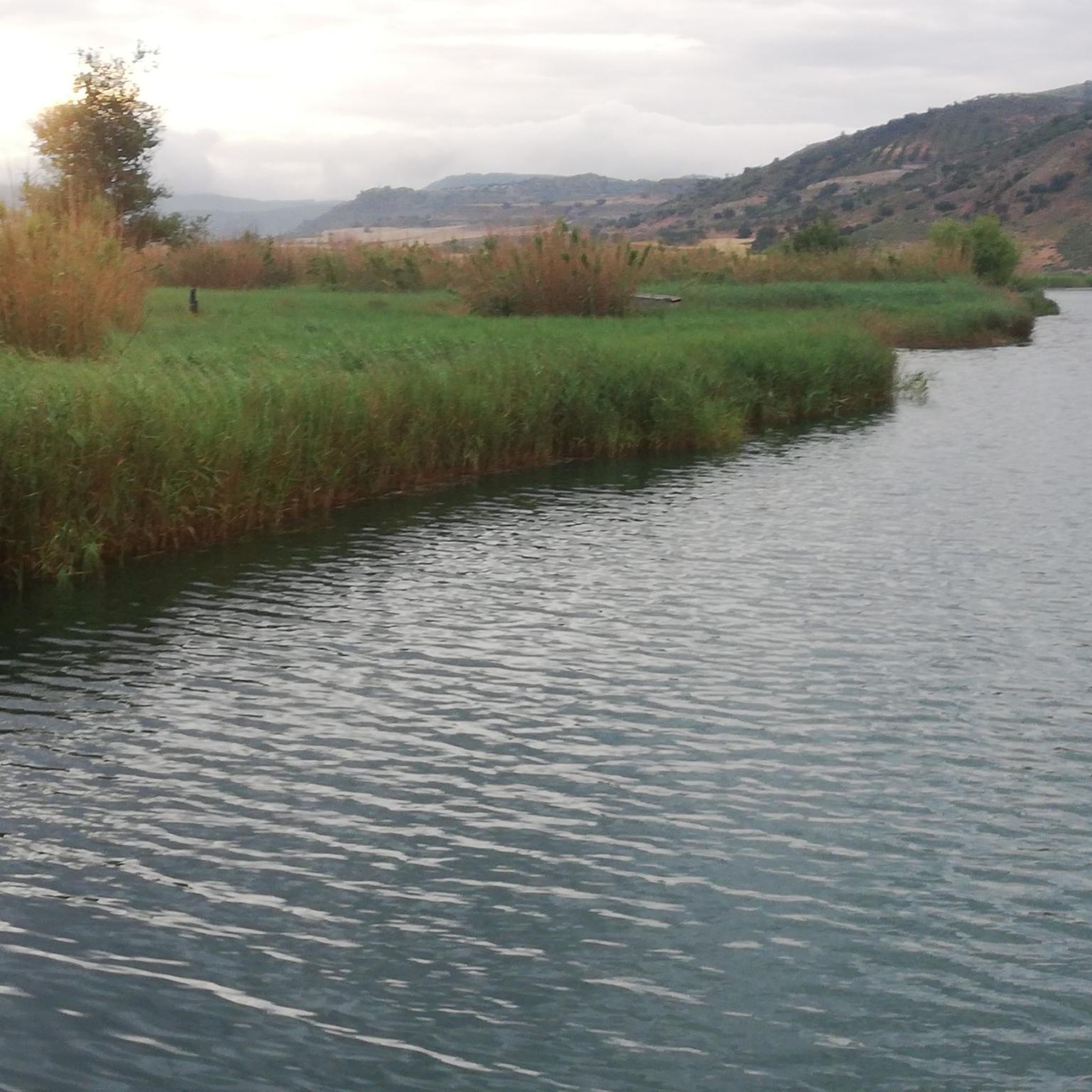
Hiking around Driebes offers diverse natural landscapes, from riverside paths along the Tajuña River to arid hills and historical sites. The region is characterized by the Vía Verde del Tajuña, a greenway following a former railway, and unique clayey hills with whitish marls, creating a desert-like environment. Strategic hills like Cerro de la Muela feature gypsiferous ravines and ancient settlements, providing varied terrain for exploration.
Best hiking trails around Driebes
- The most popular hiking route is Ambita and the Vía…
Last updated: May 11, 2026
4
hikers
10.7km
02:55
150m
150m
Moderate hike. Good fitness required. Easily-accessible paths. Suitable for all skill levels.
4.5
(2)
12
hikers
16.8km
04:30
190m
190m
Moderate hike. Good fitness required. Easily-accessible paths. Suitable for all skill levels.

Sign up for free
4.5
(2)
2
hikers
13.8km
03:41
160m
160m
Moderate hike. Good fitness required. Easily-accessible paths. Suitable for all skill levels.
1
hikers
11.7km
03:08
130m
130m
Moderate hike. Good fitness required. Easily-accessible paths. Suitable for all skill levels.
Our route recommendations are based on thousands of hikes, rides, and runs completed by other people on komoot.
Start today with a free account
Your next adventure awaits.
Login or Signup
Popular around Driebes
Tips from the Community

The beautiful Fuente del Arca (Ark Fountain) is one of the historic springs of the Tajuña Valley. It lies along the Cordel de las Merinas, a notable drove road used during the transhumance era, and for centuries it was one of the main sources of drinking water for the town of Ambite. The basin itself is a small water garden, nestled in a pleasant setting of poplars, fig trees, willows, elms, and plants associated with springs, such as the maidenhair fern, a fern unique to the region.
0
0

The cattle trails have been the highways of transhumance. For more than five centuries they have been social networks for the exchange of news, customs and thoughts that made livestock movements and the wool trade, with all its derivatives, a first-class economic resource. The Cañada Real Soriana Oriental is in the network of Natural Paths and is one of the nine royal cattle trails established by the Council of Mesta, the longest cattle trail in the main network, in total it exceeds 800 kilometres between the mountains of the Tierras Altas region of Soria and the city of Seville.
0
0
The white and blue signs of the Camino de Uclés are paired with the yellow arrows of the Camino de Santiago de Uclés, one of the variants of the Jacobean routes that leaves for Santiago de Compostela from the Monastery of Uclés, one of the heads (Caput Ordinis) of the Order of Santiago from the 13th century.
0
0
The Arca spring is a historic spring in Ambite, located in the Arca ravine next to the Cordel de las Merinas. The structure of the fountain has been restored and with the benches and the shade of the trees it creates a welcoming space.
0
0

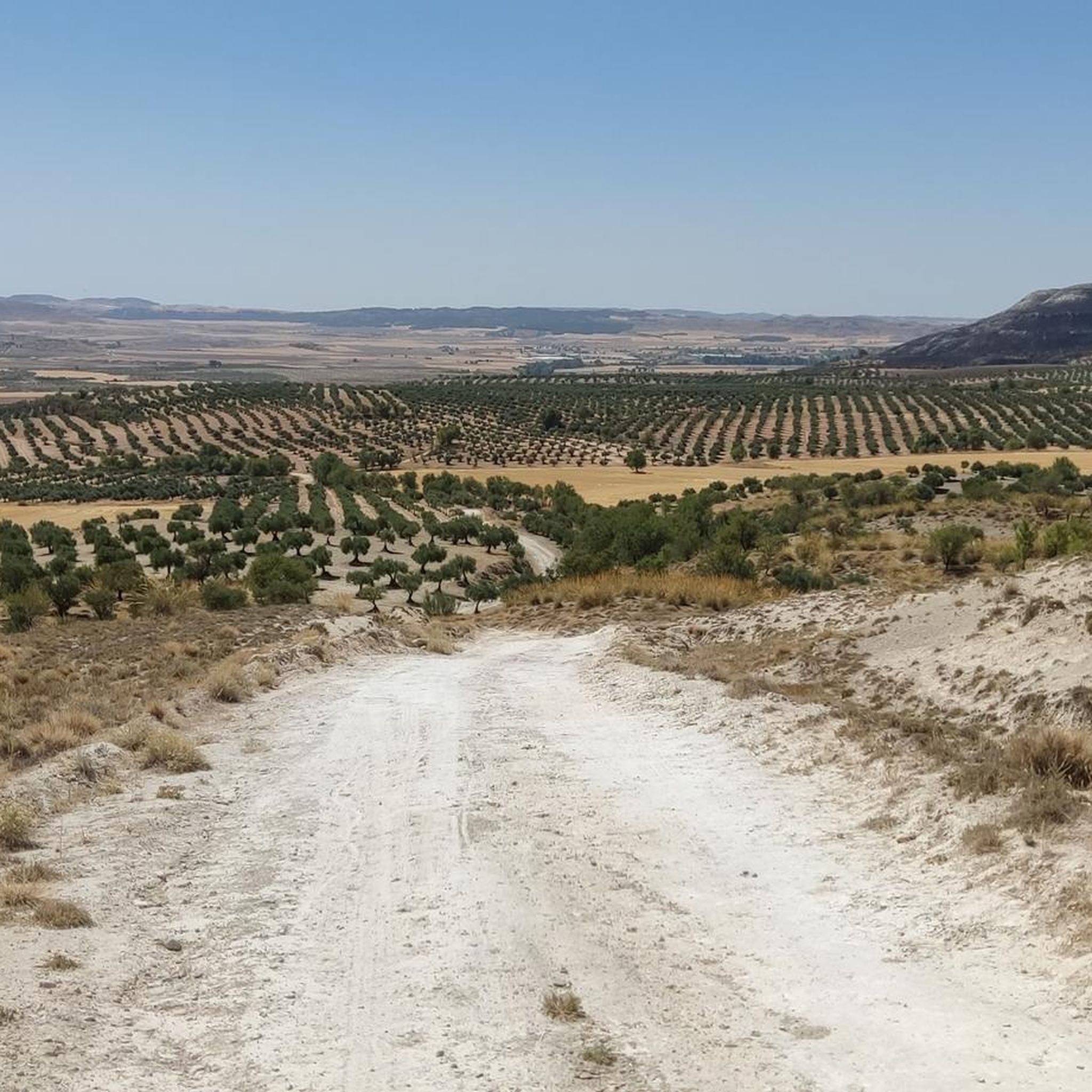
In the agricultural wastelands of Valdaracete, a striking journey towards the Tagus River begins through a curious landscape of clay hills and whitish marls in a desert and steppe environment, especially in the hard slides of Cerro de la Muela, a desert in Las Vegas, where the gypsum gullies that can become hell for pedaling on rainy days. The sensation of navigating a bicycle through distant and exotic latitudes ends when the road leaves the valley of the Valle stream, passes through the A-3 tunnel and ends in Fuentidueña de Tajo.
1
0

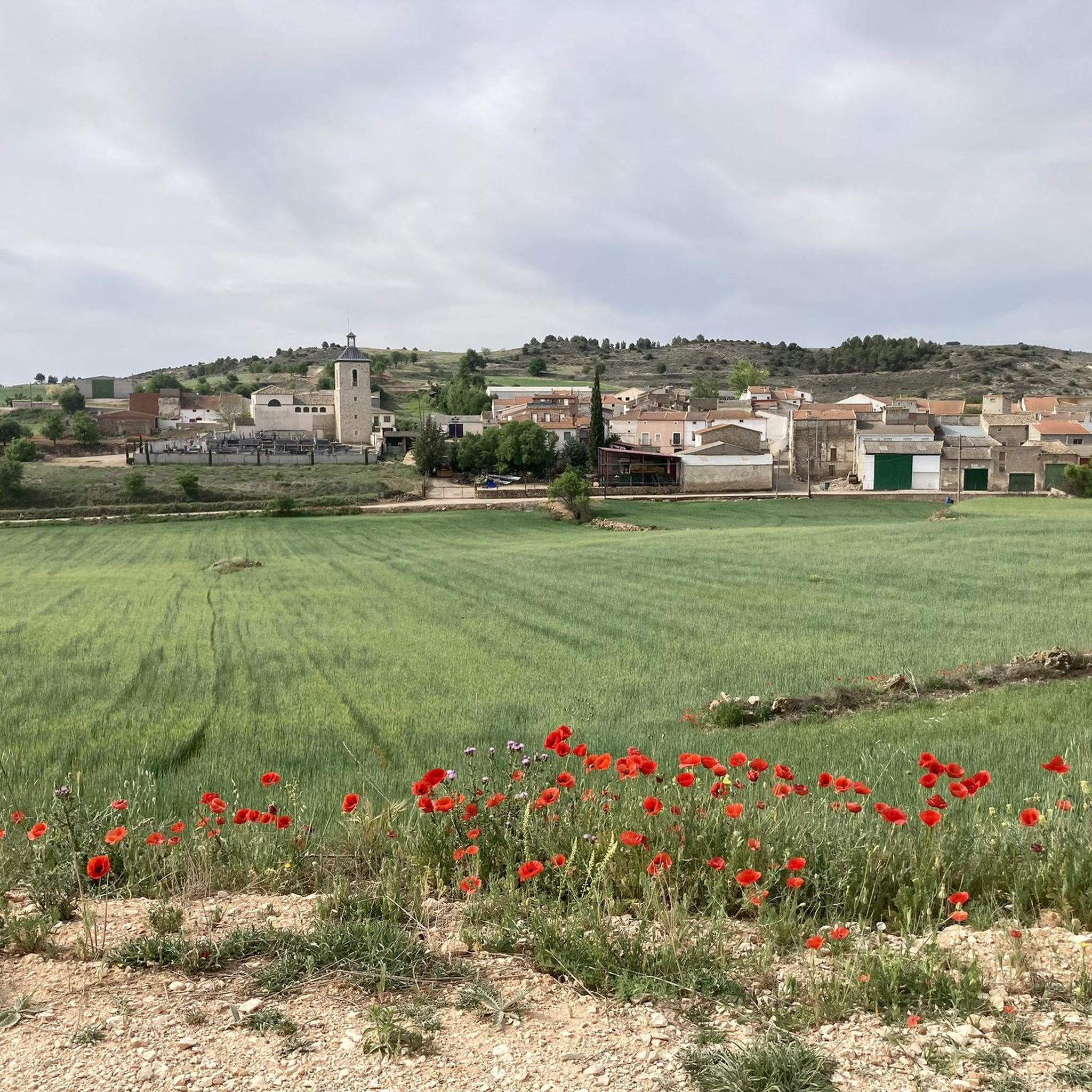
Estremera is the easternmost town in the Community of Madrid, bordering Castilla-La Mancha. It has a beautiful church, as well as accommodation, restaurants and shops.
1
0

This source has an important historical significance, since the first inhabitants of the town settled around this spring, located in the heart of the alcarria.
9
0
It is the most unique historical building in the municipality. The Church of Nuestra Señora de la Asunción built at the beginning of the 16th century, took advantage of the construction of the previous temples, the oldest construction could be traced back to the 4th century.
6
0
Frequently Asked Questions
What kind of terrain can I expect on hiking trails around Driebes?
Driebes offers a diverse range of landscapes. You'll find picturesque riverside paths along the Tajuña River, especially on the Vía Verde del Tajuña. Beyond the river, the region features unique arid environments with clayey hills and whitish marls, creating a desert-like, steppe landscape. Strategic hills like Cerro de la Muela also present gypsiferous ravines, offering a contrasting hiking experience.
Are there any easy hiking trails suitable for beginners or a relaxed walk?
Yes, Driebes has options for easier walks. The Almoguera Castle loop from Almoguera is an easy 5.1 km route, perfect for a less strenuous outing. Overall, there is 1 easy route available, making it accessible for various fitness levels.
What historical sites or landmarks can I see while hiking in Driebes?
Driebes is rich in history. You can explore ancient settlements, including an Iberian fort on a strategic hill. The region also features ruins like the Hermitage of Nuestra Señora de la Muela and fragments of Celtiberian or Iberian ceramics near the Tajo River. The Camino de Uclés – Estremera loop from Estremera, for instance, leads through historical areas and marked paths, often with signage featuring the Cross of the Order of Santiago. You might also encounter a picturesque bridge or the Road Along the Tajuña River, which has its own historical significance as a former railway.
Are there any circular hiking routes in Driebes?
Yes, many of the trails in Driebes are designed as loops. For example, the Ambita and the Vía Verde de Tajuña — round trip is a popular circular route following the scenic Tajuña River greenway. Other loop options include the Hiking loop from Mondéjar and the Camino de Uclés – Estremera loop from Estremera.
What natural features or points of interest can I discover on the trails?
Beyond the Tajuña River, you can explore unique natural monuments. Highlights include the Fuente del Arca, the distinctive Alcarrias of the Tajo: Gypsum, Marl, and Esparto, and ancient trees like the Ancient Holm Oak of Ambite and the Quejigo del Robledal. There's also the intriguing Cueva de la Sima to discover.
Is there a nature center or visitor information point in Driebes?
Yes, the Vega del Tajuña Nature Center, located in a former train station, serves as a central hub for outdoor enthusiasts. It provides essential amenities such as maps, local information, picnic areas, a bar, parking, and bicycle rentals, making it an excellent starting point for your adventures.
What do other hikers say about the trails in Driebes?
The hiking routes in Driebes are highly rated by the komoot community, with an average score of 4.7 stars from 6 reviews. Hikers often praise the blend of natural beauty and cultural interest, particularly the scenic riverside paths and the unique arid landscapes.
Are there any trails that feature Roman ruins or aqueducts?
Yes, you can explore historical Roman elements in the area. The Fuente del Arca – Roman Aqueduct Ruins loop from La Vega is a moderate route that specifically highlights Roman aqueduct ruins, offering a glimpse into the region's ancient past.
What is the typical difficulty level of hiking trails in Driebes?
Most of the hiking trails in Driebes are considered moderate, offering a good balance of challenge and accessibility. There is also one easy route available for those seeking a more relaxed experience. There are no difficult trails listed, making the area suitable for a wide range of hikers.
Can I find trails that follow old railway lines?
Absolutely. A significant feature of the Driebes region is the Vía Verde del Tajuña, which is a former train track converted into a greenway. Trails like the Ambita and the Vía Verde de Tajuña — round trip follow this scenic path, allowing you to enjoy the countryside and cross old railway bridges.
How many hiking routes are available around Driebes?
There are over 4 hiking routes available around Driebes, offering a variety of experiences from easy walks to moderate challenges across diverse landscapes.
Most popular attractions around Driebes

Get inspired with the komoot mobile app


Explore more
Browse the best Hikes in other regions.
