The best cycling routes around Driebes
5.0
(17)
159
riders
10
rides
Touring cycling routes around Driebes traverse the gentle, rolling landscapes of Spain's La Alcarria region, offering diverse terrain for cyclists. The area features repurposed railway lines, such as the Vía Verde del Tajuña, which provide smooth surfaces and minimal elevation changes. Cyclists can explore quiet roads winding through meadows and riverine forests along the Tajuña River, with some routes extending towards more rugged areas. The region's varied topography includes both accessible greenways and more challenging sections.
Best touring cycling routes…
Last updated: May 15, 2026
21
riders
Hard bike ride. Very good fitness required. Mostly paved surfaces. Suitable for all skill levels.
5.0
(2)
12
riders
49.7km
03:00
380m
380m
Moderate bike ride. Good fitness required. Mostly paved surfaces. Suitable for all skill levels.

Sign up for free
7
riders
45.0km
03:32
340m
340m
Moderate bike ride. Good fitness required. Mostly paved surfaces. Suitable for all skill levels.
5
riders
88.0km
07:21
870m
870m
Hard bike ride. Very good fitness required. Mostly paved surfaces. Suitable for all skill levels.
5.0
(1)
4
riders
46.7km
04:13
520m
510m
Hard bike ride. Very good fitness required. Mostly paved surfaces. Suitable for all skill levels.
Get access to more routes and recommendations from other explorers.
Sign up for free
Already have an account?
Our route recommendations are based on thousands of hikes, rides, and runs completed by other people on komoot.
Start today with a free account
Your next adventure awaits.
Login or Signup
Popular around Driebes
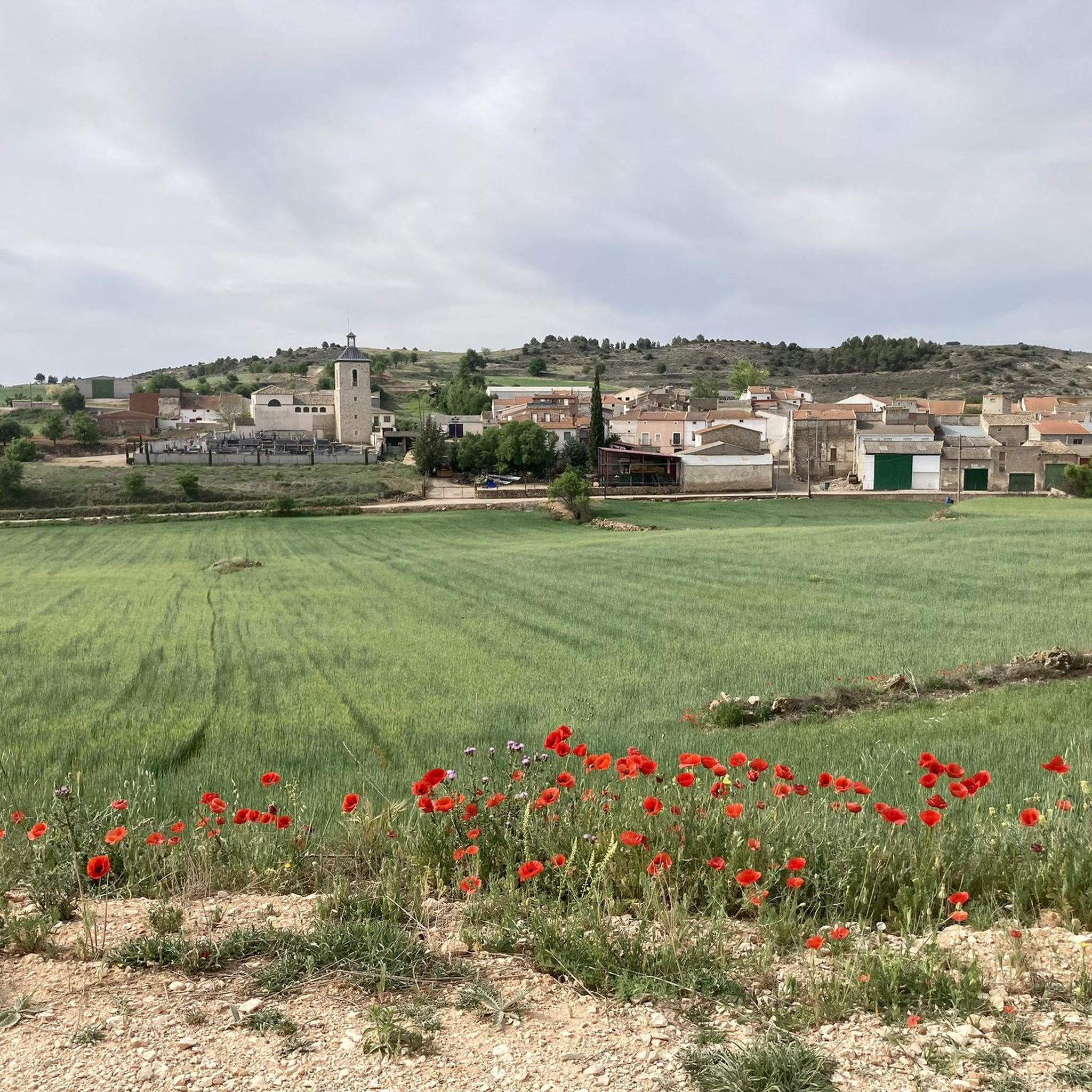
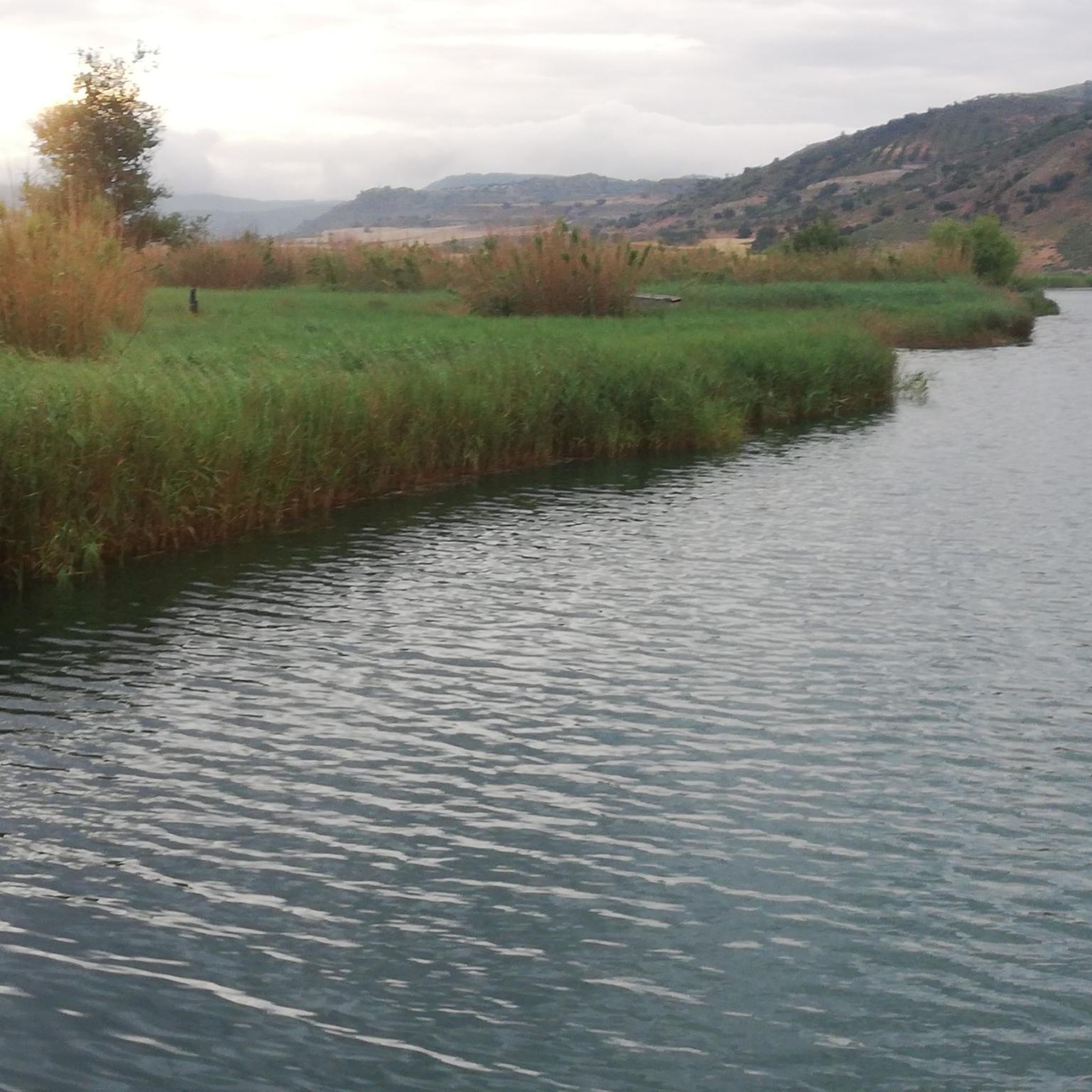

Tips from the Community

The paved section ends here.
0
0

The white and blue signs of the Camino de Uclés are paired with the yellow arrows of the Camino de Santiago de Uclés, one of the variants of the Jacobean routes that leaves for Santiago de Compostela from the Monastery of Uclés, one of the heads (Caput Ordinis) of the Order of Santiago from the 13th century.
0
0

The Monastery welcomes you at the top of the village with a stunning view from the road leading to Uclés. After a long bike ride, it is a good reward.
0
0

Built by the Order of Santiago, construction began in 1529 while Charles I reigned and was completed in 1735 under the reign of Philip V. Monumental construction that leaves no one indifferent, and that during the civil war was first a hospital for one side and later a prison for the other. You can visit it by paying an entrance fee and it is no longer used as a guest house because only one monk lives there, who possibly does not reside there at the time I write this chronicle.
2
0
This spectacular building built by the Order of Santiago is the end of the route or pilgrimage path that starts from the Church of Santiago in Madrid, and is usually done by numerous pilgrims both on foot and by bike.
1
0
The fountain, like all the architecture of the place, is a beautiful carved stone with its metal decorations that inexorably suffer the passage of time.
2
0

In the agricultural wastelands of Valdaracete, a striking journey towards the Tagus River begins through a curious landscape of clay hills and whitish marls in a desert and steppe environment, especially in the hard slides of Cerro de la Muela, a desert in Las Vegas, where the gypsum gullies that can become hell for pedaling on rainy days. The sensation of navigating a bicycle through distant and exotic latitudes ends when the road leaves the valley of the Valle stream, passes through the A-3 tunnel and ends in Fuentidueña de Tajo.
1
0

Church of Our Lady of Remedies (16th century). After the town of Estremera was acquired in 1568 by Ruy Gómez de Silva, he and his wife Ana de Mendoza de la Cerda financed the construction of the temple in the town.2The church was declared a historical-artistic monument (precedent of the figure of well-being of cultural interest) by order of May 11, 1982 (BOE of July 28, 1982).3 Highlights are the main altarpiece located in the chapel of San José, located in turn in the transept of the church (source: Wikipedia)
0
0
Frequently Asked Questions
How many touring cycling routes are available around Driebes?
There are over 10 touring cycling routes around Driebes, offering a variety of experiences. These routes are highly rated by the komoot community, with an average score of 5.0 stars from over 10 reviews.
What kind of terrain can I expect on touring cycling routes in Driebes?
You'll find diverse terrain, from the smooth, reddish asphalt or compacted gravel of the Vía Verde del Tajuña, which offers minimal elevation changes, to quiet roads traversing the gentle, rolling landscapes of the La Alcarria region. Some routes also follow the Tajuña River through riverine forests, and more adventurous cyclists can find challenging sections towards the Alto Tajo Natural Park.
Are there routes suitable for beginners or less experienced cyclists?
Yes, the Vía Verde del Tajuña is particularly suitable for an easy and enjoyable ride with minimal elevation changes, making it ideal for beginners or those seeking a relaxed tour. While our listed routes are moderate to difficult, the region generally offers accessible greenways that are considered family-friendly.
What about more challenging touring cycling routes around Driebes?
For experienced touring cyclists seeking a challenge, routes like the Fountain of the Five Spouts – View of the Monastery of Uclés loop from Urb. El Ballestar - Barajas de Melo offer extensive cycling with significant elevation changes. The region's proximity to the Alto Tajo Natural Park also suggests more rugged terrain for those with mountain or gravel bikes.
Are there any circular touring cycling routes in the Driebes area?
Yes, many of the touring cycling routes around Driebes are designed as loops. For example, the Picturesque bridge – Pine Forest Trail loop from Estremera and the Estremera – Forest of Painted Trees loop from Estremera are popular circular options.
What natural features and landmarks can I see along the touring cycling routes?
You can discover a variety of natural and historical points of interest. Along the Tajuña River, you might encounter highlights like the Picturesque bridge or the Road Along the Tajuña River. The area also features natural monuments such as Fuente del Arca and the Ancient Holm Oak of Ambite. The Roman site of Caraca in Driebes itself offers archaeological remains.
Is there a good place to stop for information or amenities along the routes?
Yes, the Vega del Tajuña Nature Center, a former train station, serves as a convenient hub along the Vía Verde del Tajuña. It provides maps, information, picnic areas, a bar, parking, and even bicycle rental services, making it an excellent stop for cyclists.
Are there any routes that offer panoramic views?
The region is known for its rolling landscapes and viewpoints. The Ermita de Nuestra Señora de la Muela, near Driebes, offers natural viewpoints with open panoramic views of the surrounding area, providing a rewarding stop for cyclists.
What is the best time of year for touring cycling in Driebes?
The spring and autumn months generally offer the most pleasant weather for touring cycling in Driebes, with milder temperatures. Summers can be hot, especially in July and August, while winters are typically cool but often sunny. Checking the local forecast before your ride is always recommended.
Can I combine cycling with exploring historical sites in Driebes?
Absolutely. Driebes is home to the Roman site of Caraca, an ancient city with archaeological remains of a forum, thermal baths, and an aqueduct. Integrating a visit to this significant historical point of interest into your cycling tour is highly recommended for a cultural dimension to your ride.
Are there any routes that follow old railway lines?
Yes, a major highlight for touring cyclists is the Vía Verde del Tajuña. This repurposed railway line extends into the Guadalajara province where Driebes is located, offering a smooth and enjoyable ride with minimal elevation changes. It also features historical elements like old railway bridges.
What are some longer touring cycling options in the Driebes area?
For longer excursions, routes like the Camino de Uclés – Fountain of the Five Spouts loop from Estremera cover significant distances, offering extensive cycling through varied landscapes. The Vía Verde del Tajuña itself spans approximately 60-66 kilometers, making it ideal for longer rides.
Most popular attractions around Driebes

Get inspired with the komoot mobile app


Explore more
Browse the best Cycling routes in other regions.
