Top 20 Natural Monuments around Niederschönenfeld
Natural monuments around Niederschönenfeld offer diverse natural features within the Donau-Ries district of Germany. Situated near the Danube River and the edge of the Swabian Jura, the area provides landscapes shaped by water and geological formations. Visitors can explore river confluences, ancient caves, and scenic viewpoints that highlight the region's natural heritage. The local environment is characterized by its riverine ecosystems and varied terrain.
Best natural monuments around Niederschönenfeld
- The most popular natural monuments is Mauerner Caves (Weinberg Caves), a cave that consists of natural karst formations. They are known for their historical significance, having served as a shelter since the Paleolithic Age.
- Another must-see spot is Lech estuary on the Danube near Marxheim, a river confluence. This location offers views of where the Lech River meets the Danube, providing a scenic natural setting.
- Visitors also love Confluence of the Wörnitz and Danube, a river junction. This site allows observation of the Wörnitz River flowing into the Danube, with views from nearby vantage points.
- Niederschönenfeld is known for its river confluences, caves, and historical sites often set within natural landscapes. The area offers a variety of natural monuments to see and explore, from geological formations to significant river junctions.
- The natural monuments around Niederschönenfeld are appreciated by the komoot community, with more than 300 upvotes and over 110 photos shared by visitors.
Last updated: August 4, 2026
Confluence of the Wörnitz and Danube
Highlight • River
Translated by Google •
Tip by

Mangold stone
Highlight • Natural Monument
Translated by Google •
Tip by

Sign up now to discover places like this
Get recommendations on the best single tracks, peaks, & plenty of other exciting outdoor places.
Sign up for free
Lech estuary on the Danube near Marxheim
Highlight • River
Translated by Google •
Tip by

Mauerner Caves (Weinberg Caves)
Highlight • Cave
Translated by Google •
Tip by

Wörth Castle Ruins
Highlight • Castle
Not much is left of her. The castle was used, among other things, as a quarry for the construction of the city wall.
The railway line runs right in front of the castle, which, like the castle, is now only history.
Translated by Google •
Tip by

Sign up for free to discover even more natural monuments around Niederschönenfeld.
Sign up for free
Already have an account?
Start today with a free account
Your next adventure awaits.
Login or Signup
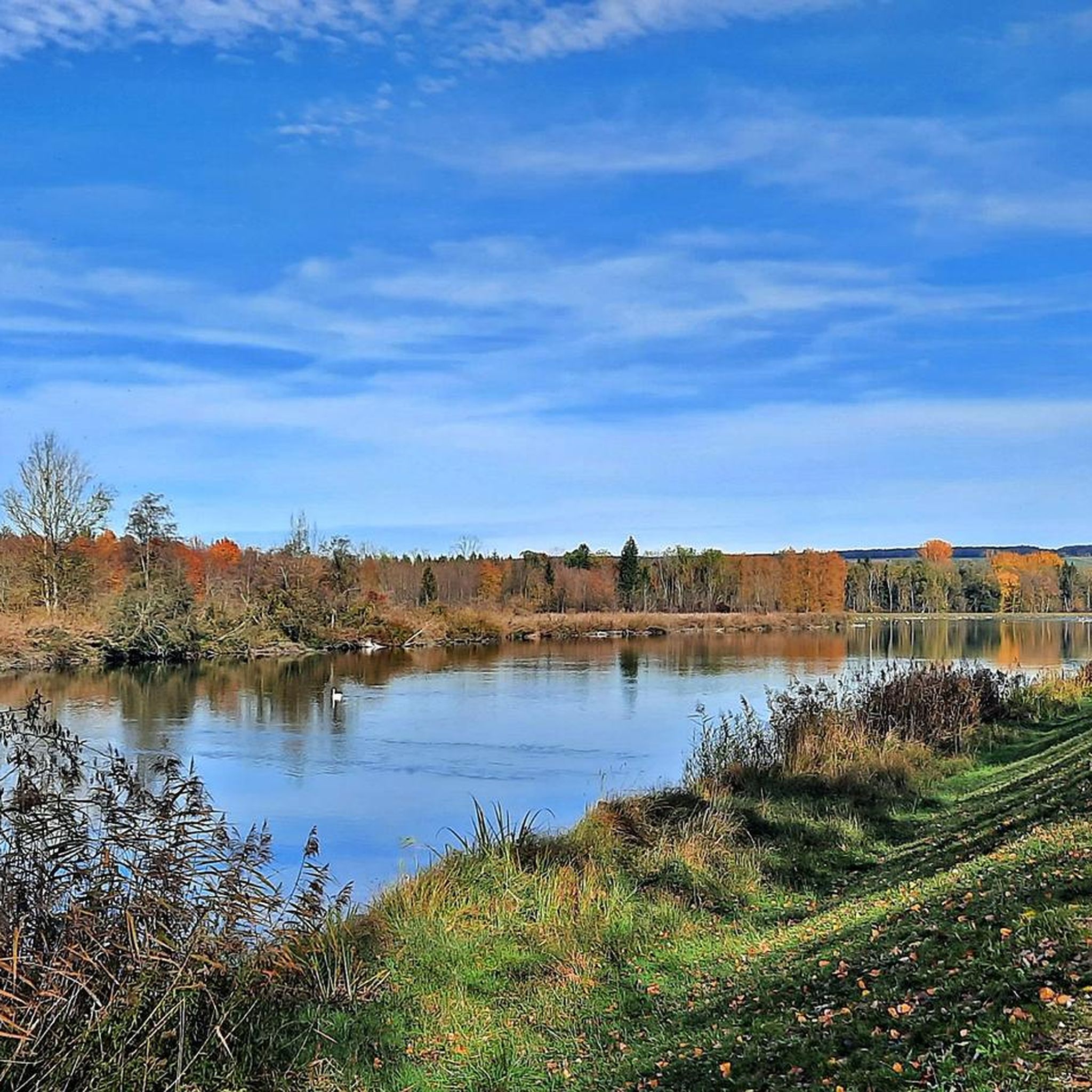
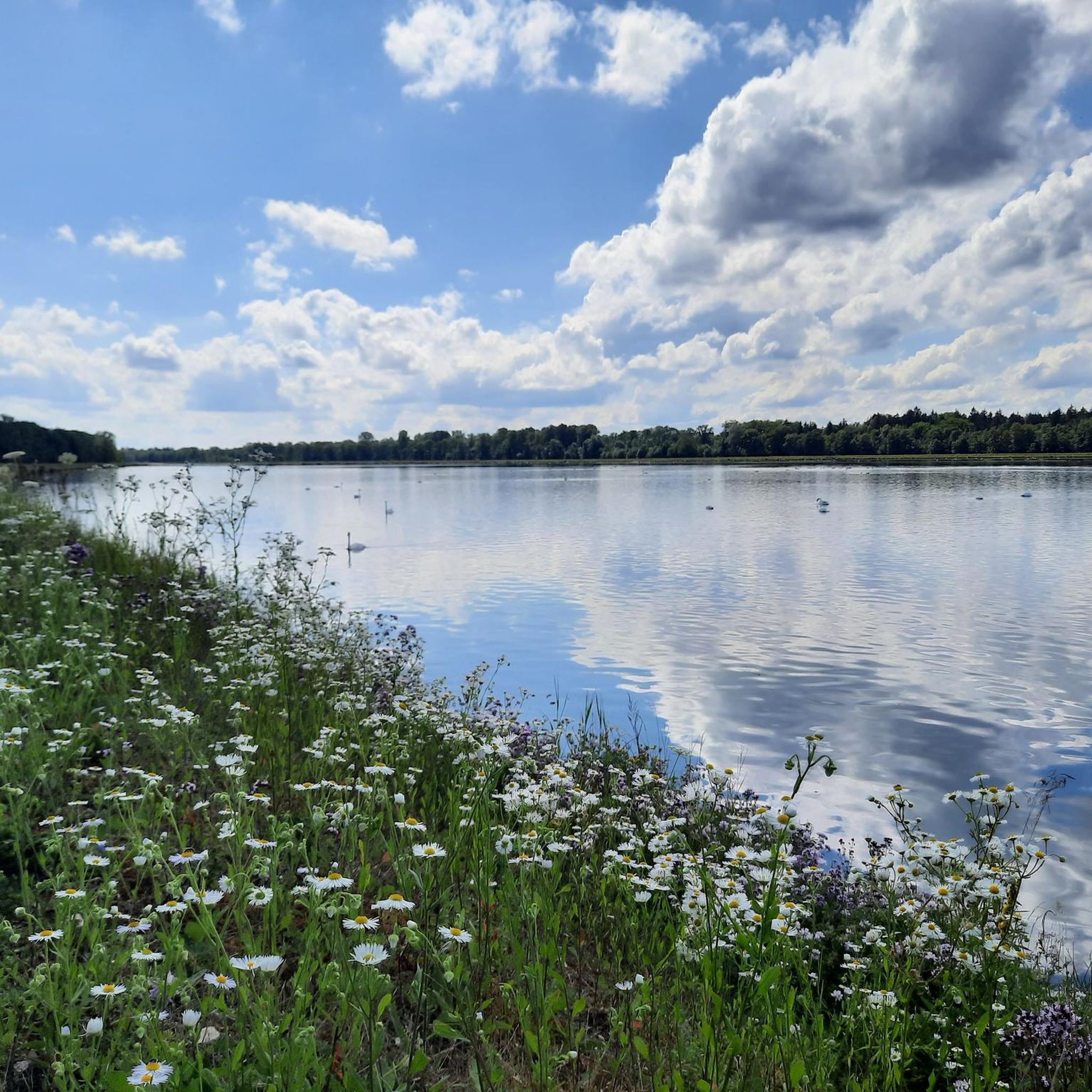
Tips from the Community

The Wörth castle ruins are considered the origin of Donauwörth. The medieval castle was probably built in the 11th century and served to secure the Danube crossing and important trade routes. Today, only a few wall remnants remain. However, it is particularly interesting that the ruins are now embedded in the open-air stage at the Mangoldfelsen. As a result, the historical remains of the castle are still used today and form an extraordinary backdrop for theatrical performances and cultural events.
4
0
The Mangoldstein is a striking rock on the Kalvarienberg and is reminiscent of the former Wörth castle, which once stood here. It was named after Count Mangold von Wörth, who is closely associated with the early history of Donauwörth.
4
0

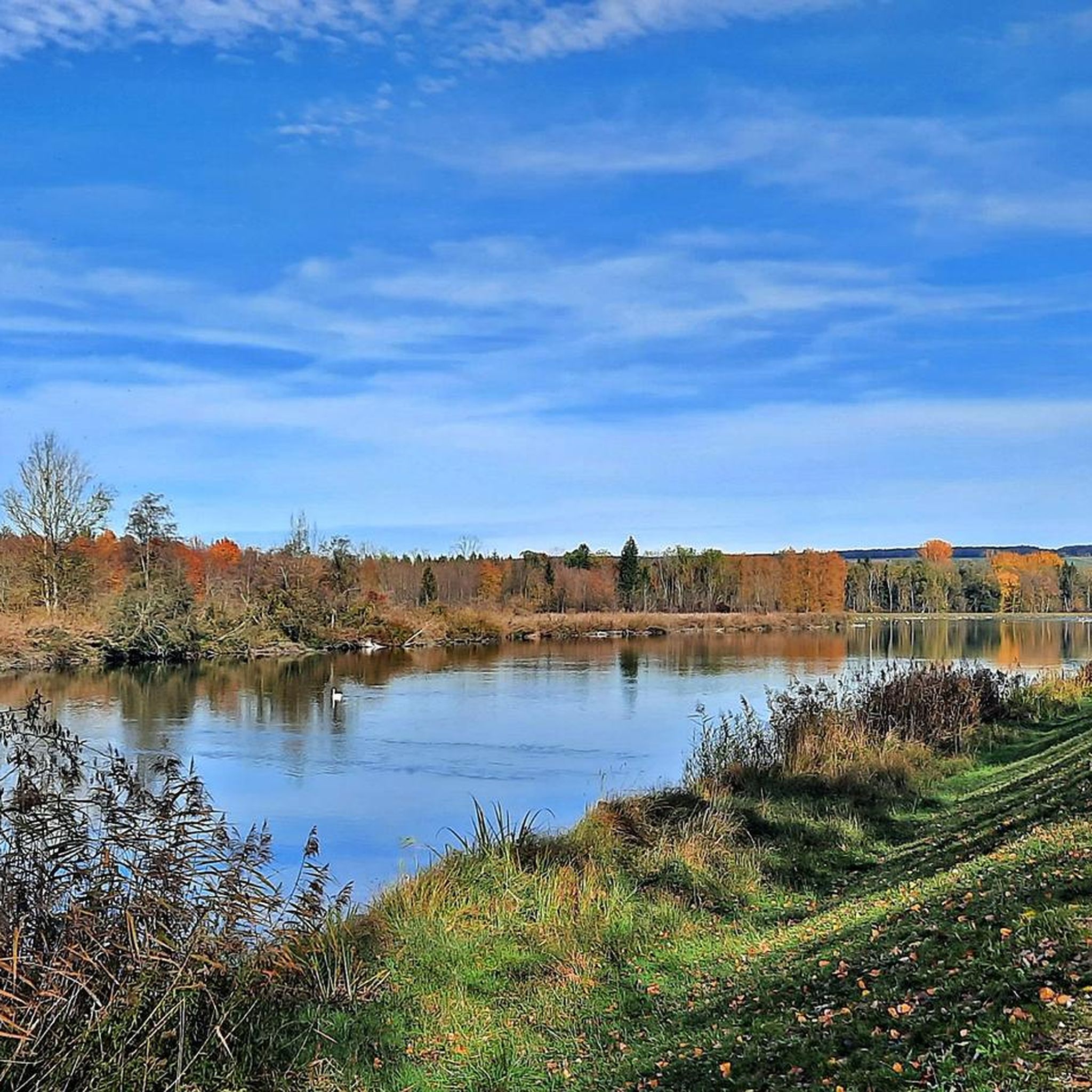
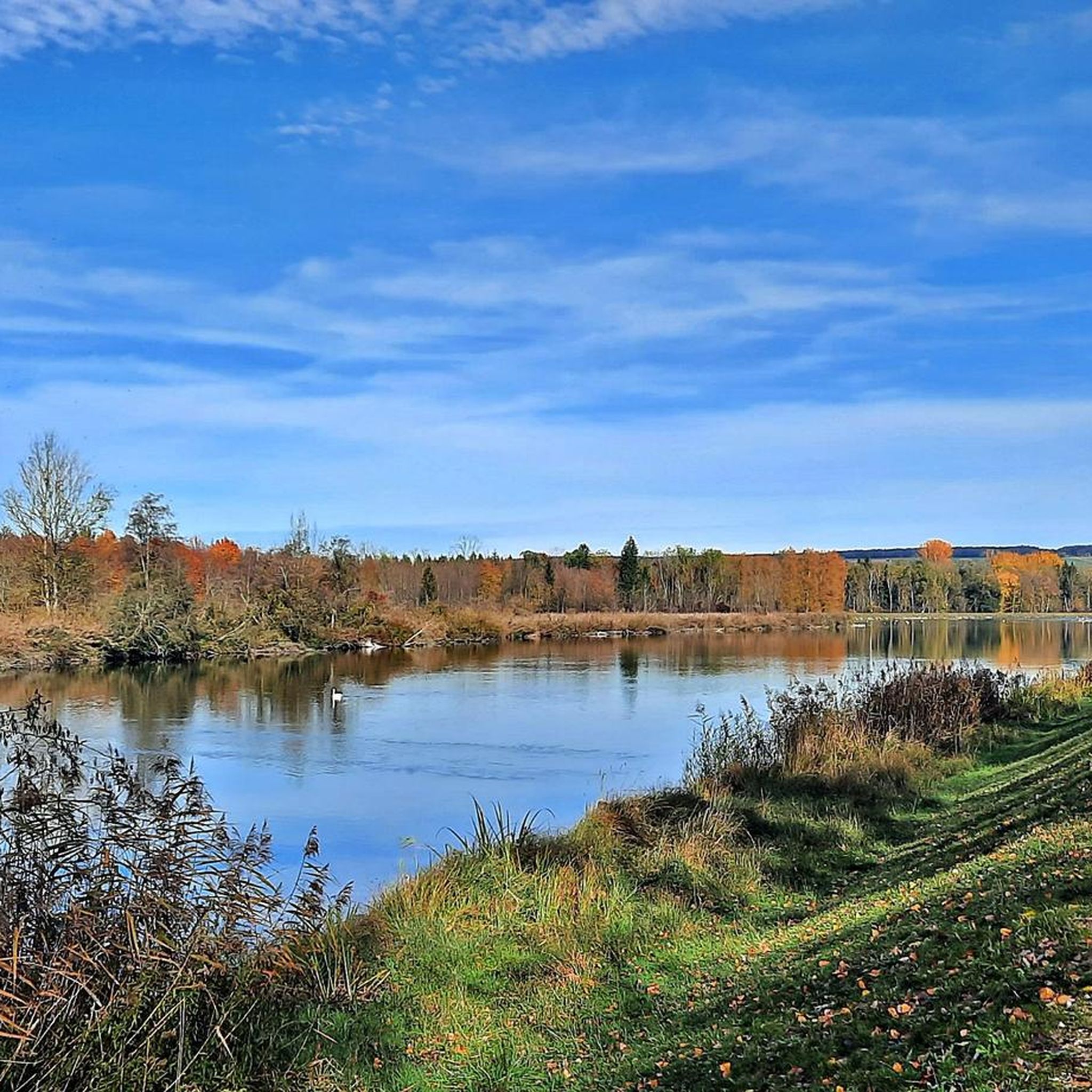
Beautiful view of the confluence of the Wörnitz and Danube rivers 🌊 - Donauwörth - Donau-Ries district
0
0

The beautiful and historically significant Mangoldfelsen. Information is available. Right next to it is the Donauwörth open-air stage!
1
0
And here is also the old Danube harbor. A beautiful walking path is currently being built.
1
0
The historic Mangoldfeksen. Thanks to information panels, you can read about its history here.
1
0

Mangoldfelsen is part of the promenade. Behind the rock is the open-air stage. The path on the right leads to the old railway tunnel.
0
0
Frequently Asked Questions
What unique natural features can I explore around Niederschönenfeld?
The region around Niederschönenfeld is characterized by its riverine landscapes and geological formations. You can explore significant river junctions like the Confluence of the Wörnitz and Danube, where the Wörnitz flows into the larger Danube, and the Lech estuary on the Danube near Marxheim. Additionally, the Mauerner Caves (Weinberg Caves) offer a glimpse into natural karst formations with historical significance.
Are there family-friendly natural monuments in the Niederschönenfeld area?
Yes, several natural monuments are suitable for families. The Confluence of the Wörnitz and Danube and the Lech estuary on the Danube near Marxheim are both marked as family-friendly, offering scenic views and opportunities for relaxation by the water. The Mangold stone, with its historical information panels and location on a promenade, is also a good option for families.
What kind of historical sites are integrated with the natural monuments here?
The natural landscape around Niederschönenfeld often intertwines with historical significance. The Mauerner Caves (Weinberg Caves) are notable for having served as a shelter since the Paleolithic Age, with archaeological finds over 27,000 years old. The Graisbach Castle Ruins, while a historical structure, is surrounded by 14 old lime trees designated as a natural monument. The Mangold stone also has a rich history, being the site where Wörth Castle was built around 900 AD.
What outdoor activities can I do near these natural monuments?
The area around Niederschönenfeld is excellent for various outdoor activities. You can find numerous routes for hiking, running, and cycling. For example, you can explore the Danube and Lech rivers on cycling tours like the 'Confluence of Lech and Danube – Danube Cycle Path loop from Rain'. Hiking trails, such as the 'Pink Crane at Rain Reservoir – Lech Lakes loop from Niederschönenfeld', offer opportunities to immerse yourself in nature. You can find more details on these activities in the Hiking around Niederschönenfeld, Running Trails around Niederschönenfeld, and Cycling around Niederschönenfeld guides.
Are there good viewpoints to observe the natural beauty of the region?
Yes, the natural monuments often double as excellent viewpoints. For instance, the Confluence of the Wörnitz and Danube offers views of the two rivers meeting, with a better perspective often found from nearby bridges. The Lech estuary on the Danube near Marxheim also provides scenic vistas, especially from park benches overlooking the river. The Graisbach Castle Ruins, situated on a hilltop, offers panoramic views of the surrounding hilly landscape.
What do visitors enjoy most about the natural monuments around Niederschönenfeld?
Visitors particularly appreciate the serene environment and the opportunity to connect with nature. Many enjoy observing the unique river confluences, such as the Wörnitz flowing into the Danube, and the picturesque scenery along the Lech estuary. The historical aspect of sites like the Mauerner Caves and the ancient trees at Graisbach Castle Ruins also adds to the appeal, offering a blend of natural beauty and cultural heritage.
Are there any natural monuments suitable for dog owners?
While specific leash rules vary, the general outdoor areas around Niederschönenfeld, including many hiking and cycling paths along the Danube and through the Swabian Jura, are typically dog-friendly. When visiting specific natural monuments, it's always advisable to keep dogs on a leash and respect local regulations, especially in protected natural areas or near wildlife.
What is the best time of year to visit the natural monuments around Niederschönenfeld?
The natural monuments around Niederschönenfeld can be enjoyed throughout the year, each season offering a different charm. Spring and autumn provide pleasant temperatures for hiking and cycling, with vibrant foliage or blooming nature. Summer is ideal for enjoying the river landscapes and outdoor activities. Even winter can offer a peaceful, picturesque experience, though some paths might be less accessible depending on snow and ice conditions.
Are there facilities like cafes or accommodation near the natural monuments?
Niederschönenfeld and nearby towns offer various amenities. For example, near the Lech estuary on the Danube near Marxheim, you can find the Brückenwirt, an old traditional tavern with a beer garden. The broader region provides options for cafes, pubs, and accommodation, particularly in larger villages and towns, allowing visitors to combine their exploration with local hospitality.
How accessible are the natural monuments by public transport or car?
Access to the natural monuments around Niederschönenfeld varies. While some locations might be reachable by local bus services, having a car often provides more flexibility for exploring the wider area, especially for sites further afield or those not directly on main public transport routes. Parking options are generally available near popular trailheads and attractions, though it's always good to check specific locations beforehand.
Can I find easy walking trails near the natural monuments?
Yes, the region offers a variety of trails, including easy options suitable for leisurely walks. The paths along the Danube River, for instance, are often flat and provide a relaxed way to experience the natural surroundings. The 'Idyllic Swimming Lake – Streams and lakes loop from Niederschönenfeld' is an example of an easy hiking route in the area. These trails are ideal for those seeking a gentle stroll amidst nature.
Most popular routes around Niederschönenfeld
Most popular attractions around Niederschönenfeld

Get inspired with the komoot mobile app


Explore more
Extend your search for the best caves by checking out these guides of the top ones around Niederschönenfeld:
