Top 14 Natural Monuments around Halbemond
Natural monuments around Halbemond, located in Lower Saxony, Germany, offer diverse natural attractions. The region features expansive salt marshes, tranquil moor lakes, and significant historical viewpoints along the North Sea. These sites showcase the dynamic interplay between land and sea, providing unique ecological areas. Visitors can explore a variety of landscapes, from coastal environments to inland forests and lakes.
Best natural monuments around Halbemond
- The most popular natural monuments is Salt Marshes of the Wadden Sea, an other natural…
Last updated: May 11, 2026
Salt Marshes of the Wadden Sea
Highlight • Natural
Finally at the Wadden Sea – the dike is climbed with anticipation. The first glimpse of the North Sea is an …
Translated by Google •
Tip by

Ewiges Meer
Highlight • Lake
Tip by

Sign up now to discover places like this
Get recommendations on the best single tracks, peaks, & plenty of other exciting outdoor places.
Sign up for free
Lütetsburg Castle Park
Highlight • Castle
Translated by Google •
Tip by

Norddeich Beach
Highlight • Beach
Translated by Google •
Tip by

Lower Saxon Wadden Sea Biosphere Reserve
Highlight • Natural Monument
Translated by Google •
Tip by

Sign up for free to discover even more natural monuments around Halbemond.
Sign up for free
Already have an account?
Start today with a free account
Your next adventure awaits.
Login or Signup
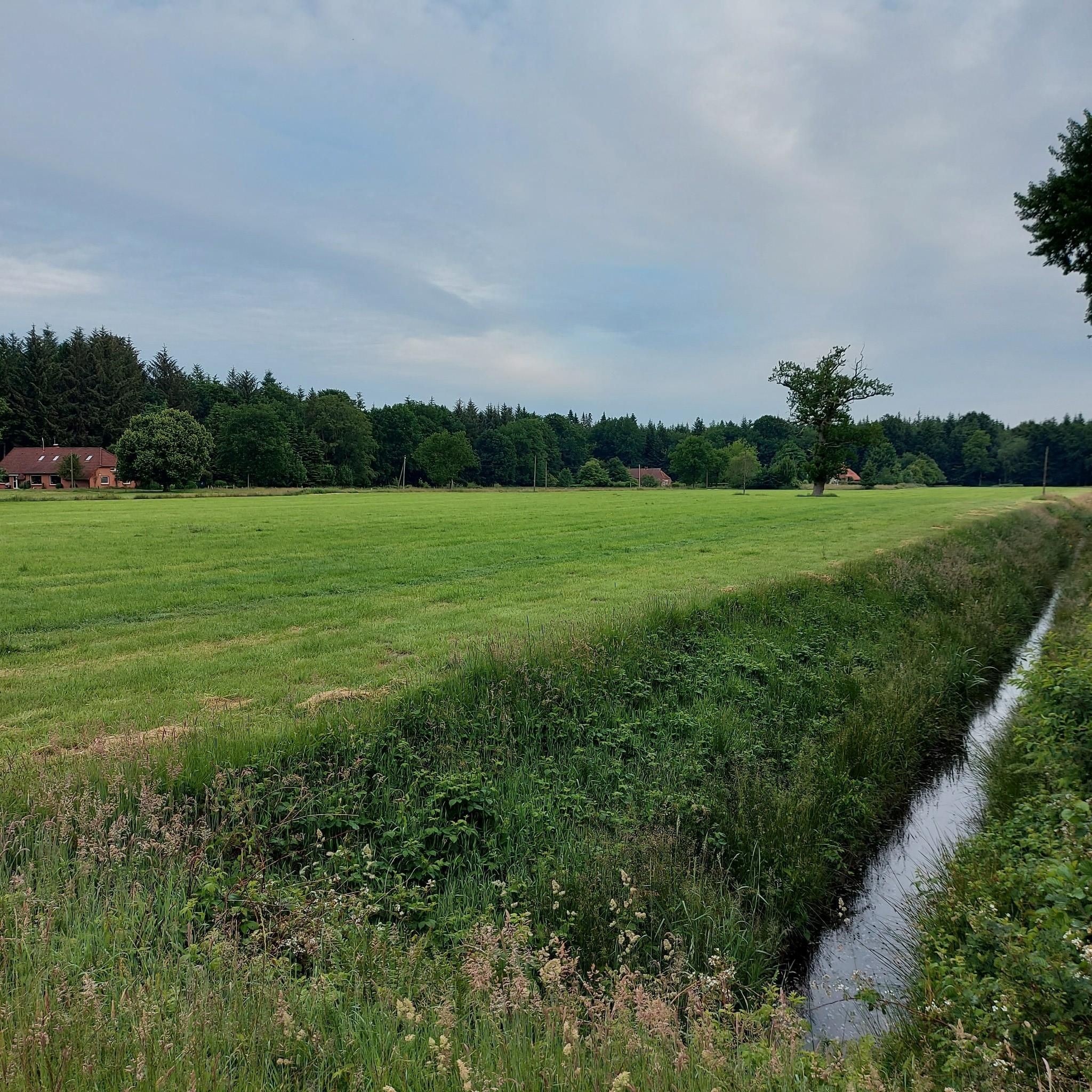
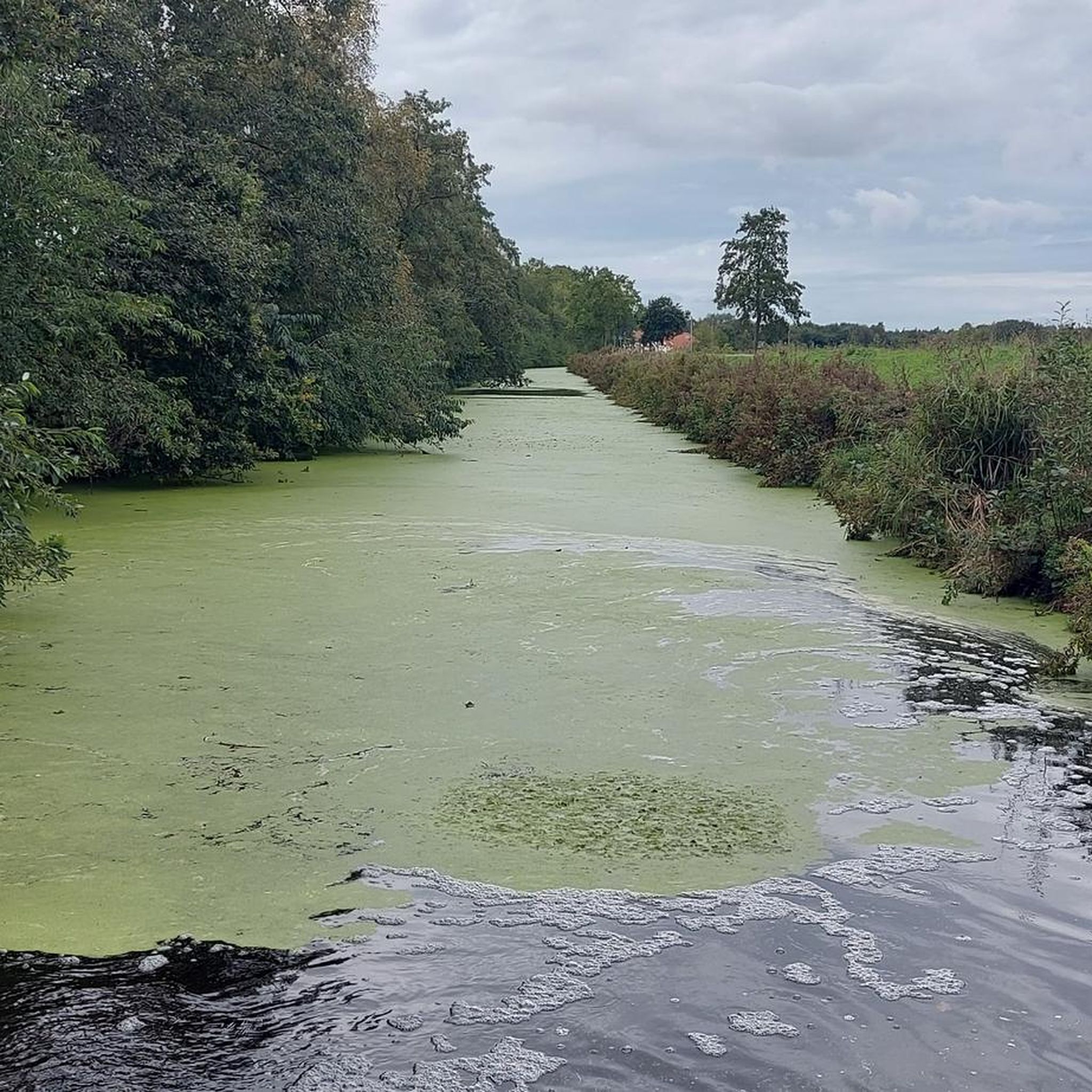
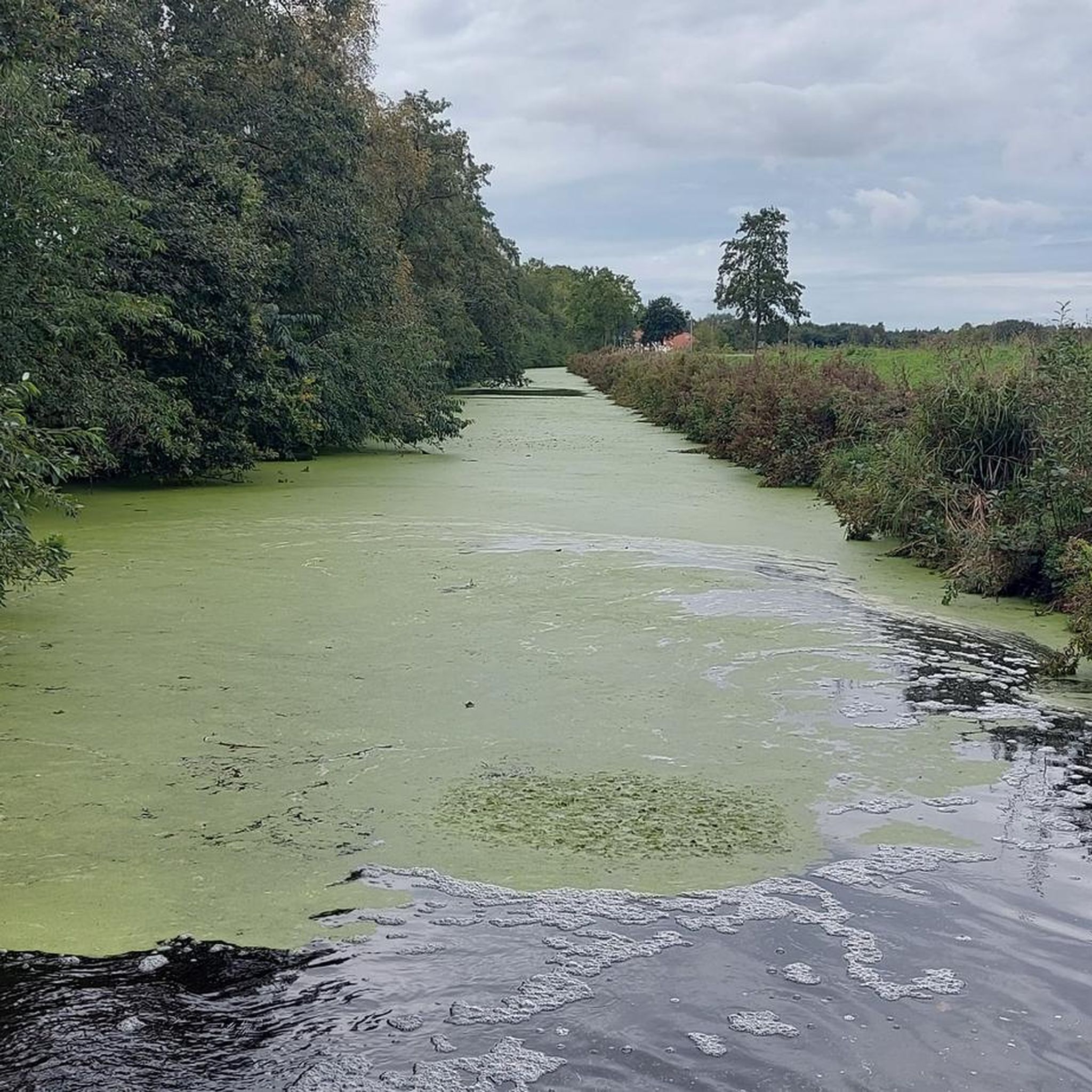
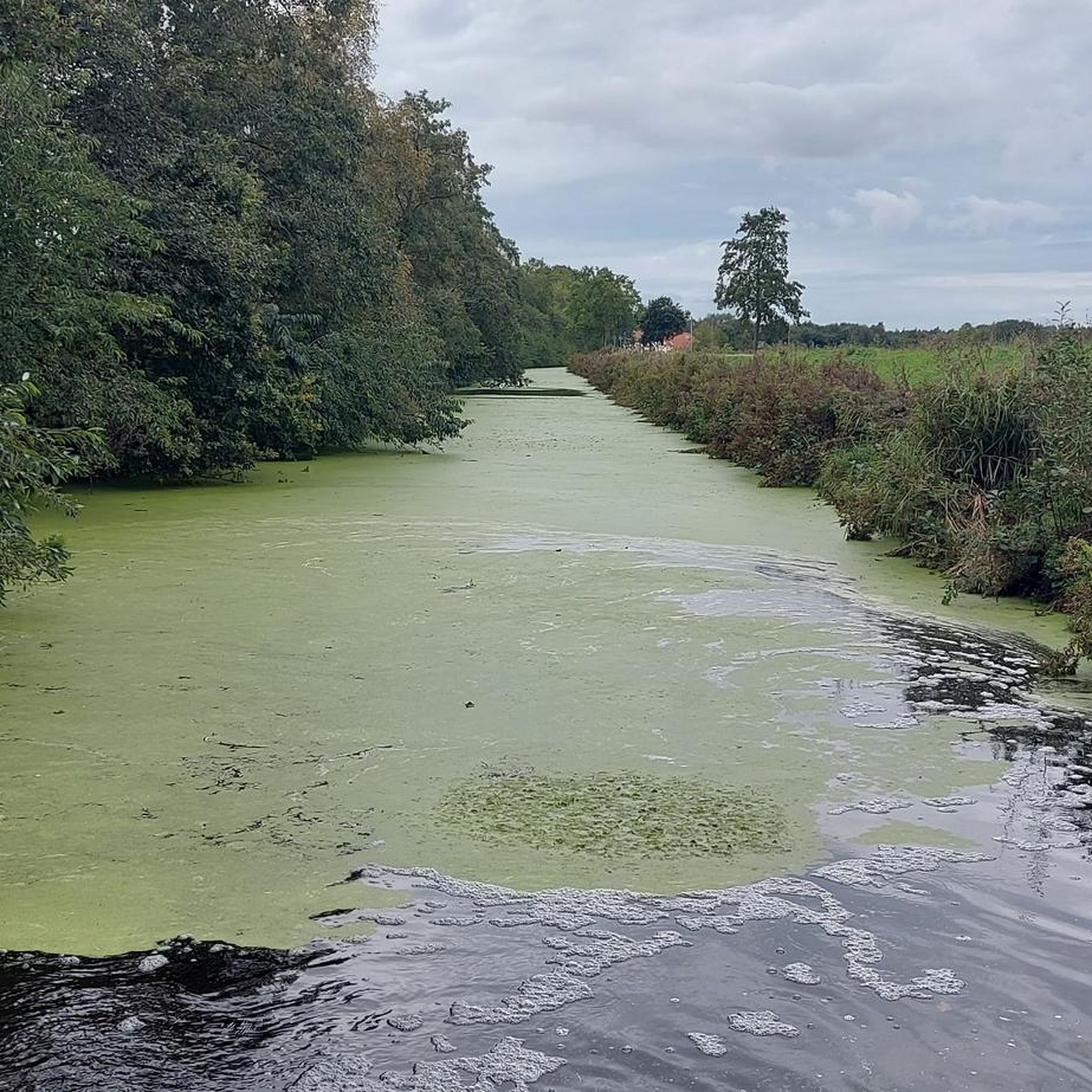

Tips from the Community

With a surface area of 89.2 hectares, the Eternal Sea is Germany's largest raised bog lake. The boardwalk around the nature reserve is currently closed. Only the path to the sea is open and can be reached from the parking lot in just a few minutes. There is a small platform and a bench.
1
0


Norden and Norddeich are wonderful places for cycling and hiking. With the frequent wind, an e-bike is of course an advantage.
2
0

The salt marshes on the promenade add further value to the area, especially since on 24 June 2010 the then Lower Saxony Minister of Economic Affairs Jörg Bode awarded the district the title of North Sea health resort, the highest level of tourist recognition, and it is important to give priority to nature here too.
8
0
Habitat between mudflats and dikes Salt marshes, like the mudflats that dry out at low tide, are part of the Wadden Sea ecosystem. They form the transition between sea and land and place very special demands on the plants and animals that live there, as they are only slightly above mean high tide and are still flooded by salt water. Despite the extreme living conditions, the salt marshes off the coastal dikes and on the southern sides of the islands have become a habitat for highly specialized communities. Around 50 bird species, for which the salt marshes serve as resting, feeding, and breeding grounds, and almost 2,000 insect species live here. They have adapted to the salt marsh plants and the regular flooding of this habitat, and some are found only here. The salt marshes are essential for bird migration across the East Atlantic. Millions of geese, ducks, and waders rest or overwinter here. They must gain weight quickly in the Wadden Sea to survive the long distances that lie ahead. Here you'll find a richly laid table. (Source: https://seehundstation-norddeich.de/website/waloseum/vogelwelt-der-kueste/salzwiesen/)
8
0
Before we turn off, information board 7 reminds us of the need to protect the Wadden Sea as an ecologically valuable habitat for animals, nature and people. In order to preserve the dynamic natural processes of the Wadden Sea, three different protection and quiet zones have been created: specially protected areas that are not allowed to be entered (e.g. salt marshes, dunes), so-called buffer areas where considerate entry is permitted and finally the bathing beaches, which can be entered without restrictions. (Source: https://www.norddeich.de/poi/salzwiesen-und-watt)
6
0

Salt Marshes - Silting Zone of the North Sea Finally at the Wadden Sea – the dike is climbed with anticipation. The first glimpse of the North Sea is an unforgettable experience on any vacation. But a real surprise awaits many visitors who enjoy this view for the first time: expansive, colorful meadows lie between the dike and the mudflats. And these meadows are something very special. Their name: salt marshes. Their special feature: Depending on their altitude, they are flooded more or less regularly by the North Sea's seawater. Salt marshes form the so-called silting zone of the North Sea. This is where the water meets the land. The regular flooding and the high salinity of the seawater require true plant specialists. They have adapted to the conditions in the salt marshes and, together with around 400 animal species, form a unique habitat.
9
0

The beach promenade in Norddeich is really worth seeing.
2
0
Frequently Asked Questions
What unique natural features can I explore around Halbemond?
Halbemond offers diverse natural features, including the expansive and colorful Salt Marshes of the Wadden Sea, which are regularly flooded by North Sea seawater. You can also visit the Ewiges Meer Boardwalk and Moor Lake, a tranquil moor lake with a wooden circular route. Additionally, the region features the scenic Lütetsburg Castle Park with its old trees and numerous small ponds, and the Upgant-Schott Forest Area for dense woodlands.
What is special about the Salt Marshes of the Wadden Sea?
The Salt Marshes of the Wadden Sea are expansive, colorful meadows situated between the dike and the mudflats of the North Sea. They are unique because they are regularly flooded by seawater, creating a special habitat for plant specialists and around 400 animal species. These marshes form the natural transition and biological boundary between land and sea, making them an essential part of the Wadden Sea ecosystem.
Are there any moor lakes to visit near Halbemond?
Yes, the Ewiges Meer Boardwalk and Moor Lake is a notable moor lake near Halbemond. It features a beautiful wooden circular route that provides an interesting tour of the moor, complete with information points and seating, some directly on the lake itself. It's an ideal spot for those who appreciate peace and quiet.
What kind of wildlife can I expect to see in the natural monuments around Halbemond?
The natural monuments around Halbemond, particularly the Salt Marshes of the Wadden Sea, are rich in wildlife. The salt marshes alone are home to around 400 animal species and serve as resting, feeding, and breeding grounds for approximately 50 bird species, including millions of geese, ducks, and waders during migration. The Upgant-Schott Forest Area is also ideal for birdwatching.
Are there hiking trails near the natural monuments around Halbemond?
Yes, there are several hiking opportunities. For example, you can explore the area around the Ewiges Meer Boardwalk and Moor Lake with its wooden circular route. The Lütetsburg Castle Park also offers leisurely walks. For more structured routes, you can find various hiking trails in the region, such as the 'Avenue of Trees – Lütetsburg Castle loop' or the 'Lock on the Berumerfehn Canal – Motodrom Halbemond loop'. You can find more details on these and other routes on the Hiking around Halbemond guide page.
What other outdoor activities are available near Halbemond's natural monuments?
Beyond hiking, Halbemond offers various outdoor activities. Cycling is popular along the Seaward Dike Maintenance Path, which provides excellent views. The Lütetsburg Castle Park has sections suitable for both mountain bikes and normal cyclists. For more specific routes, you can explore MTB trails like the 'Lütetsburg Castle – Deichmühle (Norden) loop' or running trails such as the 'Berumerfehn Canal loop'. Detailed routes for these activities are available on the MTB Trails around Halbemond and Running Trails around Halbemond guide pages.
Are there family-friendly natural monuments around Halbemond?
Yes, several natural monuments are suitable for families. The Lütetsburg Castle Park is a great option for leisurely walks amidst nature, and it even has a café. The Deichschluss memorial stone on the North Sea dike offers a nice vantage point that families can enjoy. The Seaward Dike Maintenance Path is also an easy and accessible cycling route, even with children.
Can I bring my dog to the natural monuments in Halbemond?
While specific dog rules can vary, generally, dogs are welcome in many outdoor areas around Halbemond, often on a leash. For instance, the Seaward Dike Maintenance Path is suitable for walks with dogs. When visiting sensitive ecological areas like the Salt Marshes of the Wadden Sea, it's crucial to keep dogs on a leash to protect wildlife. Always check local signage for specific regulations at each location, especially in nature reserves or private parks like Lütetsburg Castle Park.
Are there any wheelchair-accessible natural monuments?
Yes, the Ewiges Meer Boardwalk and Moor Lake is noted as wheelchair-accessible, offering a great way to experience the moor landscape. The boardwalk provides a smooth path, making it easier for visitors with mobility challenges to enjoy the natural beauty.
What is the best time to visit the natural monuments around Halbemond?
The best time to visit depends on your interests. Spring and summer are ideal for enjoying the vibrant colors of the Salt Marshes of the Wadden Sea and the rhododendrons in Lütetsburg Castle Park. These seasons are also great for cycling and hiking. Autumn offers beautiful foliage in areas like the Upgant-Schott Forest. For birdwatching, especially during migration, spring and autumn can be particularly rewarding at the Wadden Sea.
Where can I park when visiting the natural monuments?
Parking is generally available near popular natural monuments. For the Lütetsburg Castle Park, there are designated parking areas, typically with a small fee. Access points to the Salt Marshes of the Wadden Sea and the dike paths usually have parking available nearby. For specific locations like the Ewiges Meer Boardwalk and Moor Lake, look for visitor parking at the trailheads.
How can I reach the natural monuments around Halbemond by public transport?
While some areas are more easily accessible by car, public transport options exist. For example, local bus services might connect Halbemond to nearby towns like Norden, from where you could potentially reach areas closer to the Wadden Sea or Lütetsburg. However, direct public transport to all natural monuments might be limited. It's advisable to check local bus schedules and routes for specific destinations before your visit.
Are there any historical viewpoints among the natural monuments?
Yes, the Deichschluss memorial stone on the North Sea dike is a notable man-made monument that serves as a historical viewpoint. It offers a great view over the Wadden Sea and the large salt marsh of the Leybucht, combining historical significance with natural scenery.
Most popular routes around Halbemond
Most popular attractions around Halbemond

Get inspired with the komoot mobile app


Explore more
Extend your search for the best caves by checking out these guides of the top ones around Halbemond:
