Top 20 Natural Monuments around Waltrop
Best natural monuments around Waltrop are situated in a region characterized by its blend of natural spaces and historical industrial heritage, positioned between the Ruhr Valley and Münsterland. The area offers opportunities for experiencing nature through various recreational areas and trails. These spaces often feature a mix of natural beauty and transformed industrial landscapes. Visitors can explore green areas and waterways that have undergone ecological restoration.
Best natural monuments around Waltrop
- The most popular natural monuments is Restored Emscher, a river that has undergone significant ecological conversion. This project aims to transform the river from an industrial sewer back into a natural waterway, with wastewater now transported underground.
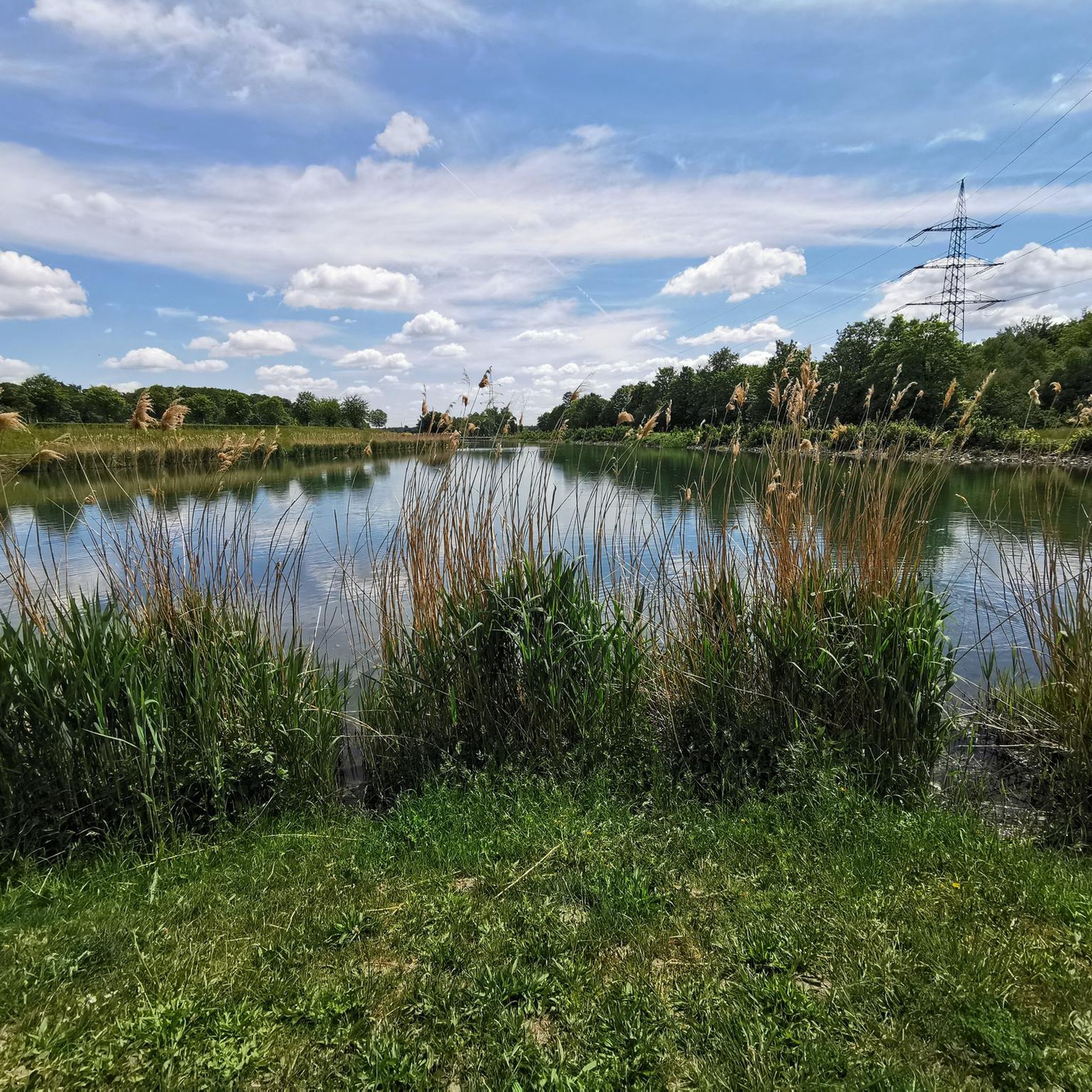
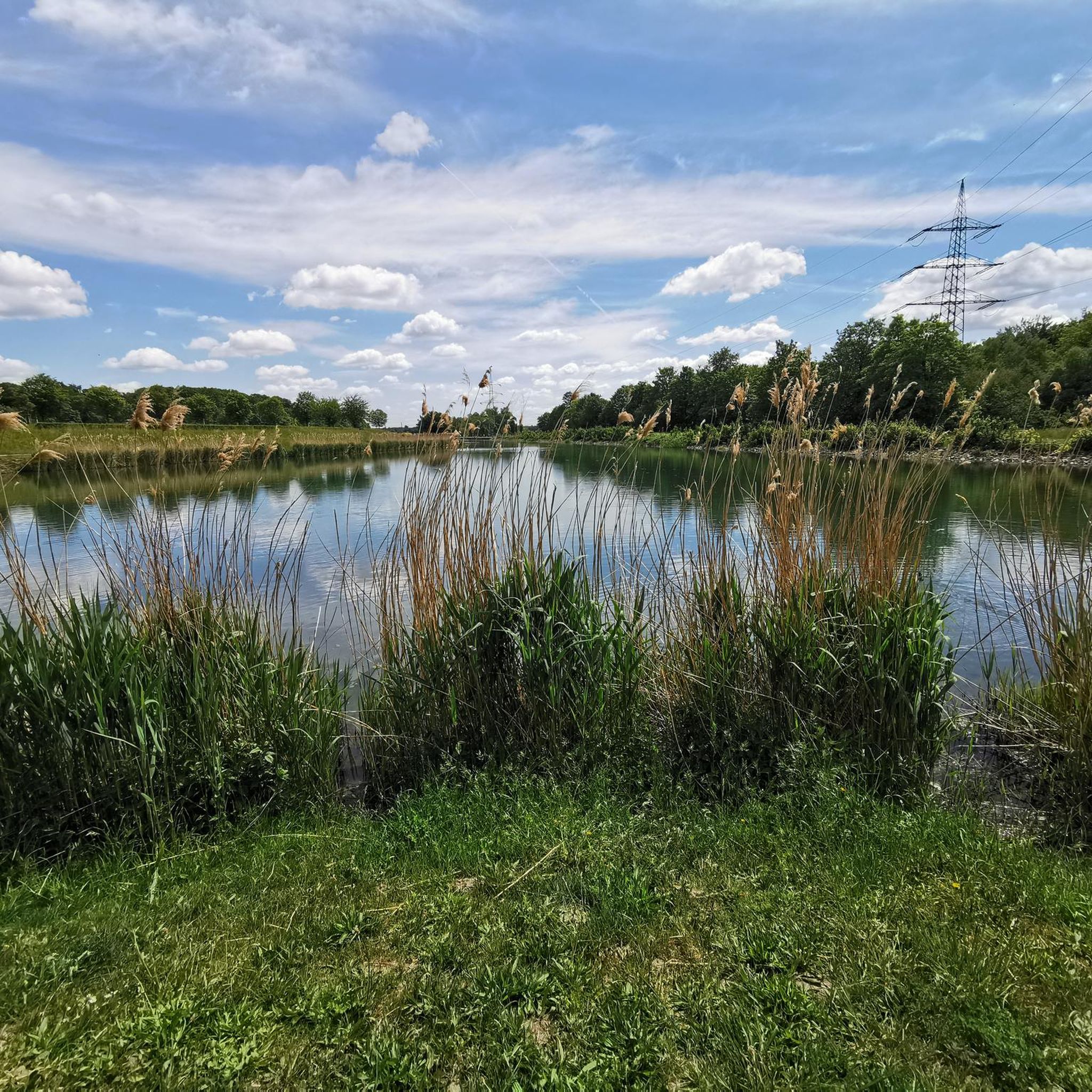
- Another must-see spot is Alte Fahrt between Datteln and Olfen, a disused branch of the Dortmund-Ems Canal. This section features historic canal bridges and has become a closed biotope, inviting exploration on foot or by bike.
- Visitors also love The Haard, a large forest area. It is suitable for hiking and cycling, offering a variety of trails and a forest nature trail.
- Waltrop is known for its rivers, forests, and other natural areas. The region offers a variety of natural monuments, including restored waterways, disused canal sections, and extensive forest landscapes.
- The natural monuments around Waltrop are appreciated by the komoot community, with more than 2900 upvotes and over 580 photos shared by visitors.
Last updated: August 17, 2026
Alte Fahrt between Datteln and Olfen
Highlight • River
Translated by Google •
Tip by

Restored Emscher
Highlight (Segment) • River
Showing Translation
Tip by

Sign up now to discover places like this
Get recommendations on the best single tracks, peaks, & plenty of other exciting outdoor places.
Sign up for free
The Haard
Highlight • Forest
Translated by Google •
Tip by

Pöppinghauser Wald nature reserve
Highlight • Natural
Translated by Google •
Tip by

Dellwiger Bach in the Dellwiger Bachtal Nature Reserve
Highlight (Segment) • River
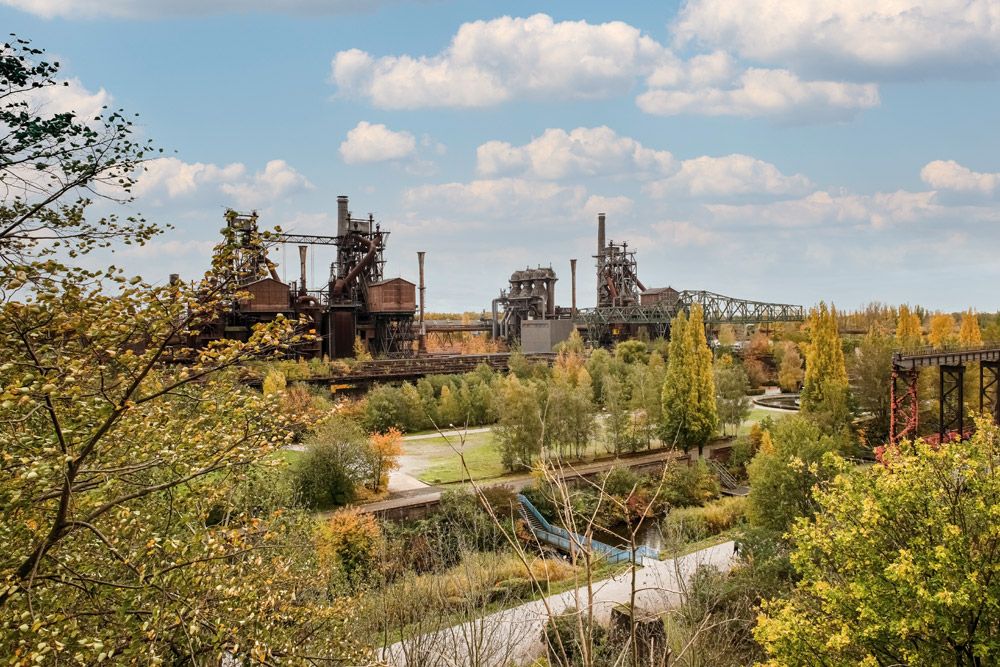
Furthermore, here at several points the transition from industrial use to nature reserve can be well understood. The most noticeable is certainly the stockpile of the Zeche Zollern, which is recaptured by nature at high speed.
I can recommend a trip here!
Translated by Google •
Tip by

Sign up for free to discover even more natural monuments around Waltrop.
Sign up for free
Already have an account?
Start today with a free account
Your next adventure awaits.
Login or Signup
Other adventures around Waltrop

Tips from the Community

The renaturation of the Emscher, previously known as the dirtiest river in Germany, is an outstanding example of environmental restoration work. Through this initiative, the river has transformed from a former industrial wastewater pipeline to a natural body of water. This change underlines the success of sustainable environmental projects and their positive impact on local flora and fauna. It impressively demonstrates how previously polluted areas can be revitalized through targeted measures.
9
1

Very nice route through the forest.
2
1

In the middle of the industrial landscape, the last attempt to regain some nature, wedged between streets, bridges, tunnels and weathered goods stations along the fences....
3
0

In the north-west of Castrop-Rauxel, north of the Rhine-Herne Canal, there is a wooded open space complex with a large excavation site and an extensive wetland area that was created by subsidence and is divided into various sub-areas by roads. Southwest of Pöppinghausen lies the structurally rich forest area of the Nettheide, characterized by a near-natural oak-beech hall forest with little undergrowth with only a few developed herb layers, alternating with pure oak forests with a densely developed herb layer (from locally dominant blackberries with bracken herds and carpets from the lawn smithy. In the center To the south and south-east of Pöppinghausen, birch, oak and beech forests grow at groundwater sites, supplemented by a swampy alder floodplain forest. Along the Rhine-Herne Canal, extensive subsidence area with open water areas, extensive gray willow bushes, sedge and reed beds. The willow shrubs are locally towered
10
1

The Emscher has been beautifully renatured. The paths are wide and partly passable. However, there are very few places to rest.
4
1

From Zeche Zollern there is a "rapid" descent into the Dellwiger Bachtal
2
0
Restoration of the near-natural Emscher
5
0

The Old Ride is a disused section of the Dortmund-Ems Canal. The 8 1/2 km long section extends from the Datteln canal junction to behind Olfen. A beautiful footpath and cycle path leads directly along the water.
11
0
Frequently Asked Questions
What types of natural features can I expect to see around Waltrop?
Waltrop, known as a 'residential town in the green,' offers a blend of natural spaces and transformed industrial landscapes. You can explore ecologically restored waterways like the Restored Emscher, disused canal sections that have become biotopes such as the Alte Fahrt between Datteln and Olfen, and extensive forest areas like The Haard. The region also features urban green spaces like Stutenteichpark and various hiking trails that showcase both natural beauty and historical industrial heritage.
Are there extensive forest areas for recreation near Waltrop?
Yes, The Haard is the largest contiguous forest area in the region, perfect for hiking and cycling with a variety of trails and a forest nature trail. Another notable forest area is the Pöppinghauser Wald nature reserve, which features a structurally rich forest and wetland areas.
What outdoor activities are popular near Waltrop's natural monuments?
The area around Waltrop is excellent for various outdoor activities. You can find numerous hiking routes, including easy walks and more challenging trails. Cycling is also very popular, with options for road cycling and mountain biking through forests and along canals. Many trails allow you to explore the blend of natural beauty and industrial heritage.
Are there easy walking paths or hiking trails suitable for all levels?
Absolutely. The easy hikes around Waltrop include paths like those around the Henrichenburg Boat Lift or the Waltrop Observation Tower. The Alte Fahrt between Datteln and Olfen, a disused canal section, is also ideal for leisurely walks or bike rides. Additionally, the Stutenteichpark in Waltrop is being enhanced with barrier-free access for recreation.
Are the natural monuments around Waltrop suitable for families with children?
Many natural areas are family-friendly. The Restored Emscher and Alte Fahrt between Datteln and Olfen offer easy paths for walks and cycling. The Haard forest features a forest nature trail and a great forest playground in Flaesheim. The Stutenteichpark in Waltrop is also designed with multifunctional green and open areas for recreation, suitable for all ages.
Are dogs allowed on trails near Waltrop's natural monuments?
Yes, some natural areas are dog-friendly. For instance, the Dellwiger Bach in the Dellwiger Bachtal Nature Reserve is known to be dog-friendly, offering extensive deciduous forests and wetlands for exploration. It's always a good idea to check local signage for specific leash requirements.
When is the best time of year to visit the natural monuments around Waltrop?
Waltrop's natural areas are enjoyable throughout the year, offering different experiences with each season. Spring brings blooming flora, summer is ideal for longer walks and cycling, autumn showcases beautiful fall foliage in areas like The Haard, and even winter can offer serene, crisp walks. The region's focus on outdoor recreation makes it a good destination in most weather conditions.
Where can I find good viewpoints to enjoy the natural scenery?
Several natural monuments offer excellent viewpoints. The Pöppinghauser Wald nature reserve provides a great view of wetlands and nature development directly from the adjacent canal path. In The Haard, you can find several observation towers (fire watchtowers) that offer panoramic views of the extensive forest. The Brockenscheidt slag heap, though not a natural monument itself, also offers views and features the Spurwerk tower.
Are there any natural areas with barrier-free access in Waltrop?
The Stutenteichpark, an urban green space within Waltrop, is undergoing enhancements as part of a climate adaptation strategy. Plans include creating barrier-free access to improve the city's recreational value and quality of stay for all visitors.
What makes the Restored Emscher a significant natural monument?
The Restored Emscher is a remarkable example of ecological conversion. Once an industrial sewer, it is being transformed back into a natural waterway. Wastewater is now transported underground, allowing the river to be renatured and guided above ground. This ongoing project aims to restore the river's ecological health and make it a pleasant excursion destination.
What is unique about the Alte Fahrt between Datteln and Olfen?
The Alte Fahrt between Datteln and Olfen is a disused branch of the Dortmund-Ems Canal. This section features historic canal bridges and has evolved into a closed biotope, offering a unique environment for discovery tours on foot or by bike. It's a fascinating blend of historical infrastructure and natural regeneration.
Can I combine a visit to the natural monuments with exploring local industrial heritage?
Yes, the region around Waltrop uniquely blends natural beauty with its rich industrial history. Many hiking and walking trails lead past former industrial sites, such as the Waltrop Colliery, which has been transformed into recreational spaces, or along the Datteln-Hamm Canal. The Brockenscheidt slag heap, with its Spurwerk tower, is another example of this integration.
Most popular routes around Waltrop
Most popular attractions around Waltrop

Get inspired with the komoot mobile app


Explore more
Extend your search for the best caves by checking out these guides of the top ones around Waltrop:
