Top 20 Natural Monuments around Harmannsdorf
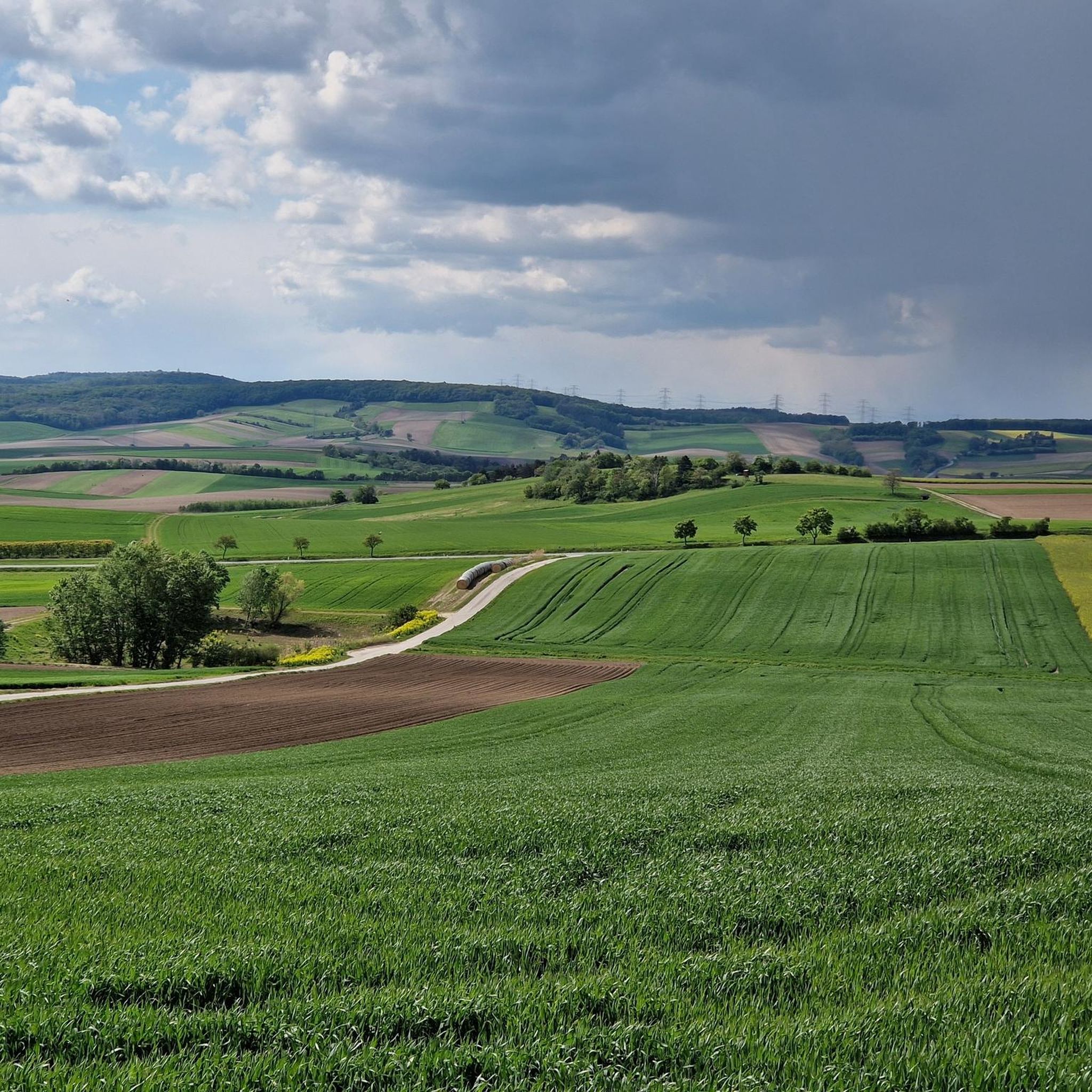
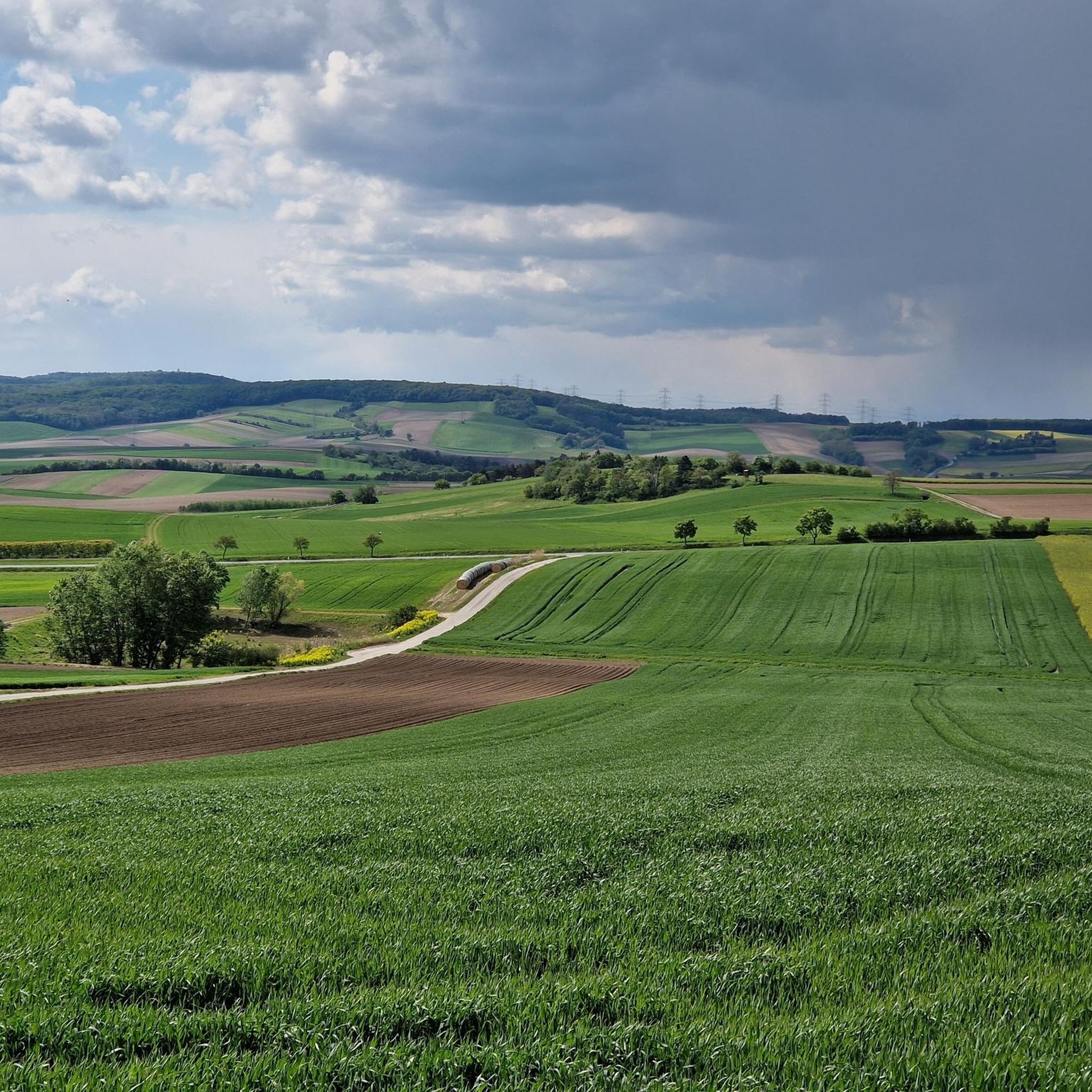
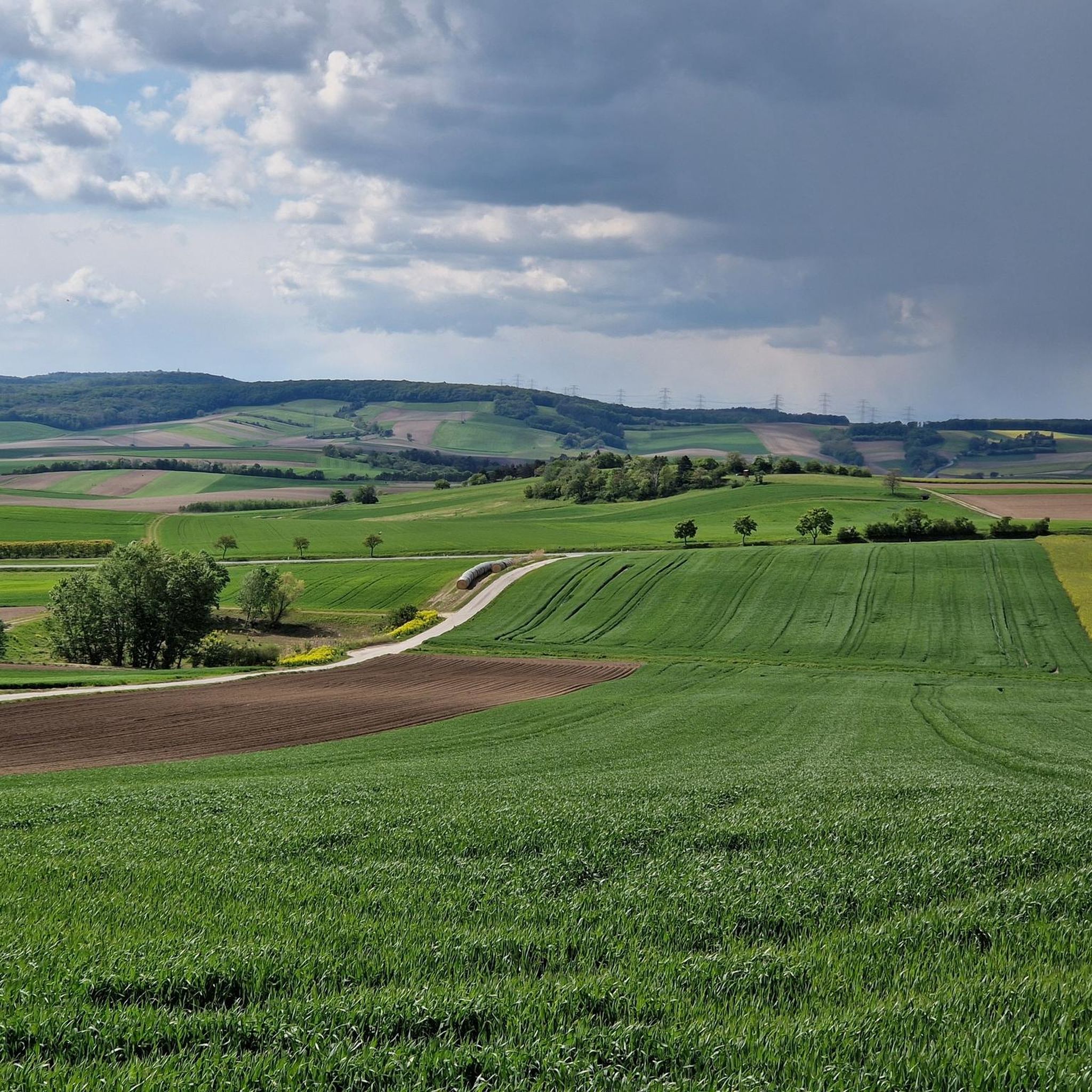
Best natural monuments around Harmannsdorf are located in the Weinviertel region of Lower Austria, characterized by rolling hills, agricultural landscapes, and significant forested areas. The municipality itself features over a quarter of its land covered by forests, offering tranquil natural environments. While specific, officially designated natural monuments are not widely detailed, the area provides diverse natural features for exploration. Visitors can experience a serene natural setting ideal for walking, cycling, and appreciating Central European landscapes.
Best natural monuments around Harmannsdorf
…Last updated: June 24, 2026
Greifenstein Danube Oxbow
Highlight • Lake
Translated by Google •
Tip by

Summit cross on Waschberg
Highlight • Summit
Translated by Google •
Tip by

Sign up now to discover places like this
Get recommendations on the best single tracks, peaks, & plenty of other exciting outdoor places.
Sign up for free
Golden Spring Inn
Highlight • Restaurant
Translated by Google •
Tip by

Fish Passage Greifenstein (Tullnerfelder Danube Floodplains)
Highlight • Structure
Translated by Google •
Tip by

Leeberg Burial Mound, Niederhollabrunn
Highlight • Historical Site
Translated by Google •
Tip by

Sign up for free to discover even more natural monuments around Harmannsdorf.
Sign up for free
Already have an account?
Start today with a free account
Your next adventure awaits.
Login or Signup
Tips from the Community

The Greifenstein fish ladder is an ecological structure on the Danube in Lower Austria that restores more space for natural fish migration. It was built as part of the ecological restoration of the Greifenstein Danube power plant and allows fish to overcome the sections of the river separated by the power plant. The structure consists of a long series of pools that gradually equalize the difference in elevation between the upstream and downstream water. This allows numerous fish species – including huchen, barbel, and nase – to migrate through the Danube again in a natural way. The fish ladder is located directly on the Danube Cycle Path and can be reached via a short detour. From there, visitors can gain an interesting insight into the connection between energy production and nature conservation; information panels explain its operation and the migrating fish species. The structure is considered a successful example of ecological river restoration on the Austrian Danube.
0
0

The “Goldens Bründl” is a spring that was first mentioned in 1385. According to legend, there is a golden ring at the bottom of the spring. Rudolf von Habsburg is said to have received this from a mermaid. Legend also says that people who have never lied can see the ring at the bottom of the spring.
7
0

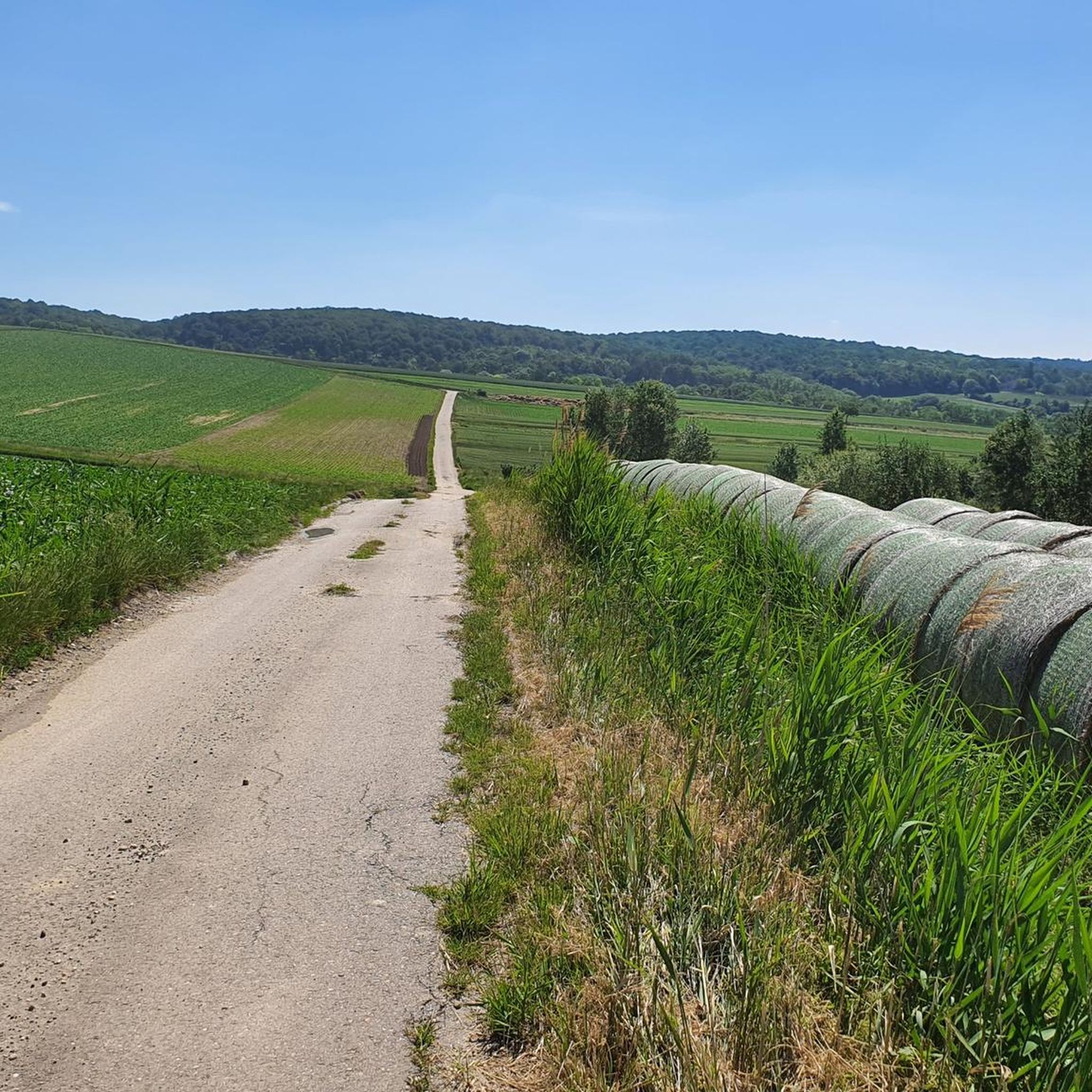
Nice place to jump into the water, well paved, but very narrow in places. Drive carefully!
1
0

nice to drive, - luckily the weather wasn't so good, so we got through.
1
0

Ideal for a break including cooling off
1
0

If you want to eat really well in the Weinviertel, you should definitely drop by the Goldenen Bründl - but I would recommend reserving in advance
8
0

Always a highlight. Belongs to it several times a year.
2
0
Frequently Asked Questions
What kind of natural features can I expect to see around Harmannsdorf?
The Harmannsdorf region, part of the Weinviertel in Lower Austria, is characterized by rolling hills, agricultural landscapes, and significant forested areas. You'll find diverse natural features such as oxbow lakes, scenic summits, and historical springs. Over a quarter of the municipality is covered by forests, offering tranquil natural environments.
Are there any specific natural monuments worth visiting near Harmannsdorf?
Yes, several natural monuments are appreciated by visitors. The Greifenstein Danube Oxbow is a popular lake for swimming and relaxation. For panoramic views of the Danube valley and unique flora, visit the Summit cross on Waschberg. You can also explore the area around the Golden Spring Inn, which is located near a historical spring with a local legend.
What are some family-friendly natural monuments or activities in the area?
The Greifenstein Danube Oxbow is excellent for families, offering opportunities for swimming and relaxation. The Golden Spring Inn is also family-friendly, providing a pleasant stop near a historical spring. Additionally, the Fish Passage Greifenstein offers an interesting insight into nature conservation and fish migration, which can be educational for children.
Are there hiking opportunities near the natural monuments in Harmannsdorf?
Absolutely. Harmannsdorf offers various hiking trails. You can find routes like the 'Golden Spring Inn – Michelberg loop' or the 'Schauerkreuz Memorial – Golden Spring Inn loop'. For more options, explore the Hiking around Harmannsdorf guide, which includes trails of varying difficulties.
What is the best time of year to visit the natural monuments around Harmannsdorf?
The natural monuments around Harmannsdorf can be enjoyed throughout the year. Spring and autumn offer pleasant temperatures for hiking and cycling, with vibrant foliage in autumn. Summer is ideal for activities like swimming at the Greifenstein Danube Oxbow. Even in winter, areas like the Danube Oxbow can be beautiful for ice skating, weather permitting.
Can I bring my dog to the natural monuments and on trails?
Many outdoor areas and trails around Harmannsdorf are dog-friendly. However, it's always recommended to keep your dog on a leash, especially in nature protection areas like the dry grasslands on Waschberg, to protect local wildlife and flora. Always carry waste bags and clean up after your pet.
Are there any historical or cultural sites integrated with the natural monuments?
Yes, the region blends natural beauty with history. The Golden Spring Inn is situated near a spring first mentioned in 1385, steeped in local legend. Additionally, the Leeberg Burial Mound in Niederhollabrunn is a historical site and a natural monument, featuring valuable Pannonian dry grasslands.
What kind of wildlife might I encounter near Harmannsdorf's natural monuments?
The area is home to diverse wildlife. On the Waschberg, you might spot a colony of endangered ground squirrels and various rare plant species in its dry grasslands. The forested areas and the Danube region also support a variety of birds and other small animals typical of Central European landscapes.
Are there options for cycling or mountain biking near these natural monuments?
Yes, the Weinviertel region is excellent for cycling. The wider area includes access to the well-known Danube Cycle Path. For mountain biking enthusiasts, there are trails around Harmannsdorf, such as those mentioned in the MTB Trails around Harmannsdorf guide, offering routes like the 'Untere Innerthalen Trail' or 'Bisamberg Natural Bike Park'.
Where can I find refreshments or a meal near the natural monuments?
The Golden Spring Inn (Goldenes Bründl) is a highly recommended restaurant located on the edge of the forest, offering a beautiful terrace and excellent food. It's a perfect spot to relax after exploring the nearby spring and trails.
What makes the <a href="https://www.komoot.com/highlight/380275" target="_blank" rel="noopener">Summit cross on Waschberg</a> special?
The Summit cross on Waschberg offers breathtaking panoramic views of the Danube valley, stretching from Vienna to Stockerau. It's also ecologically significant as a dry grassland habitat, home to impressive fauna and flora, including rare plant species and a colony of ground squirrels. There are also some fun and steep trails leading down from the summit.
Is there anything unique about the <a href="https://www.komoot.com/highlight/1341921" target="_blank" rel="noopener">Fish Passage Greifenstein</a>?
The Fish Passage Greifenstein is an ecological structure designed to restore natural fish migration on the Danube. It consists of a series of pools that allow various fish species, including huchen and barbel, to overcome the elevation difference caused by the Greifenstein Danube power plant. It's a successful example of ecological river restoration and offers informative panels for visitors.
Most popular routes around Harmannsdorf
Most popular attractions around Harmannsdorf

Get inspired with the komoot mobile app


Explore more
Extend your search for the best caves by checking out these guides of the top ones around Harmannsdorf:
