The best cycling routes around Harmannsdorf
4.6
(3986)
22,349
riders
21
rides
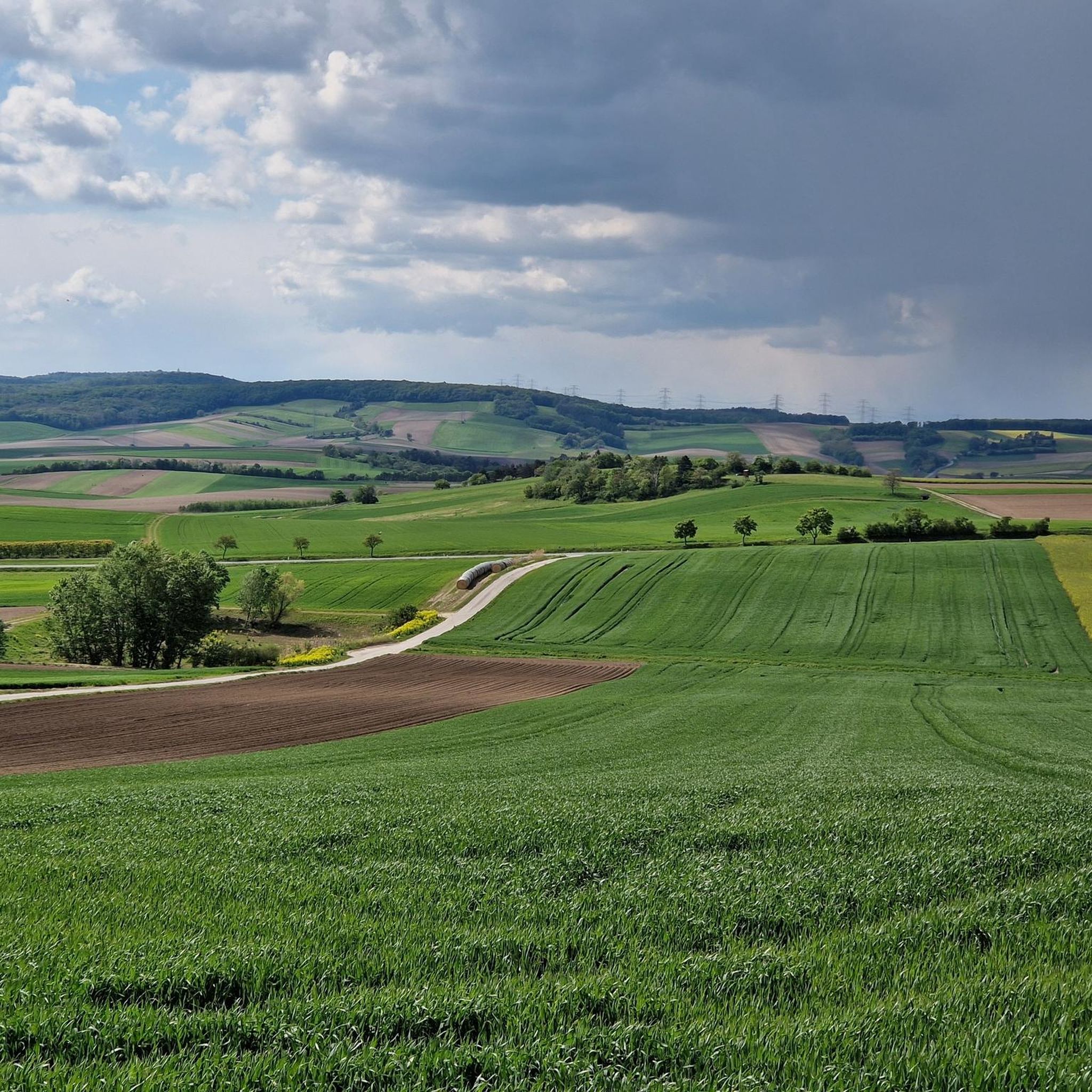
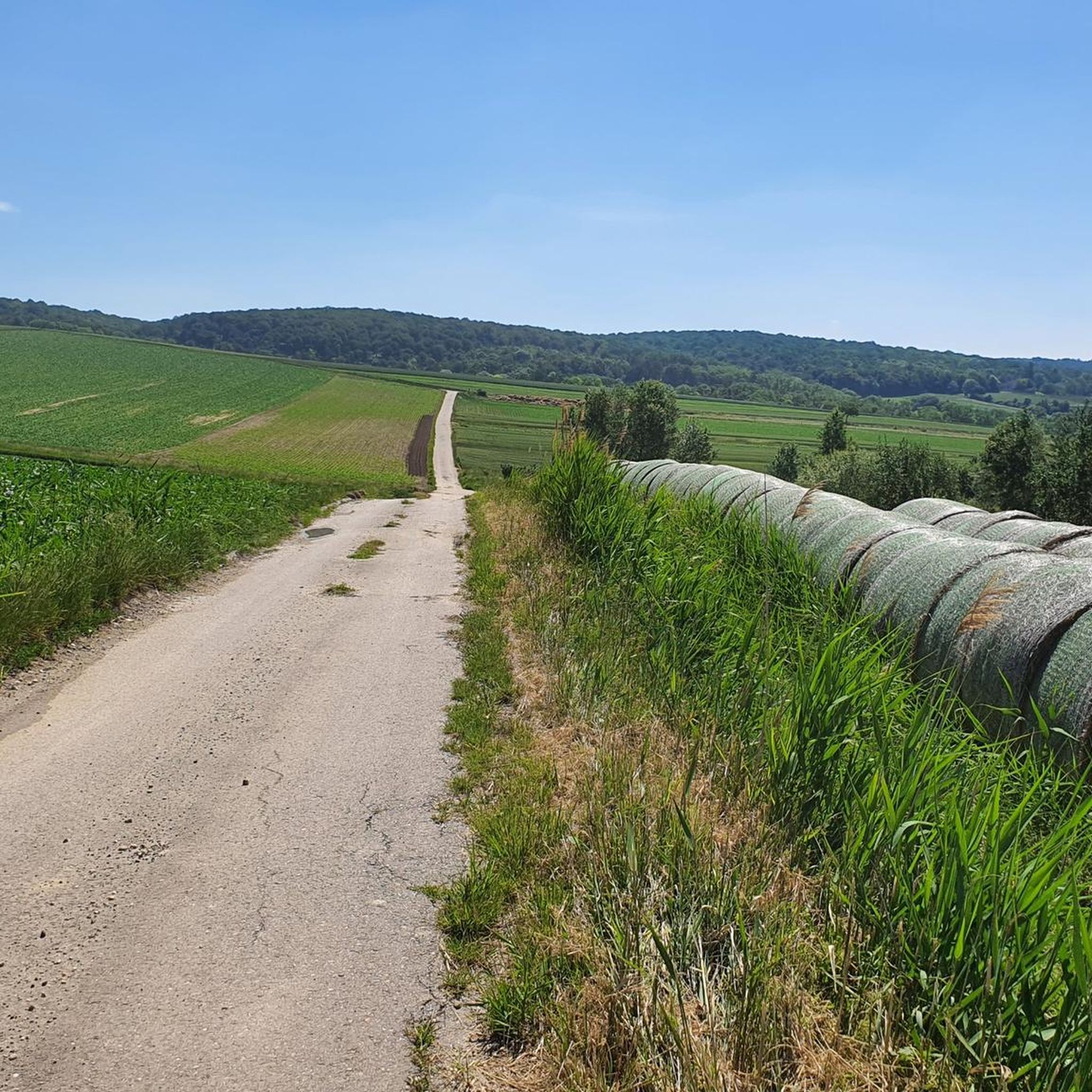
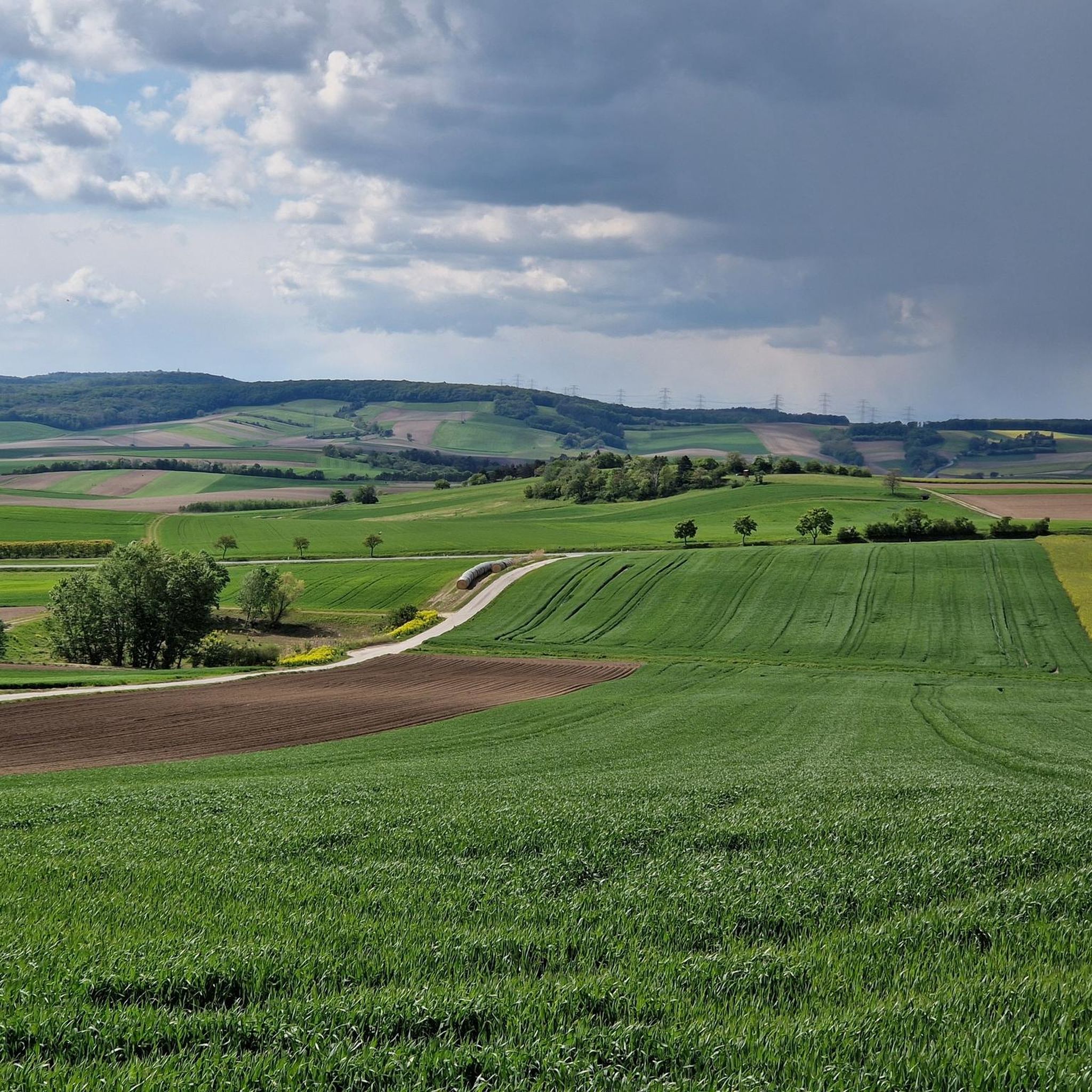
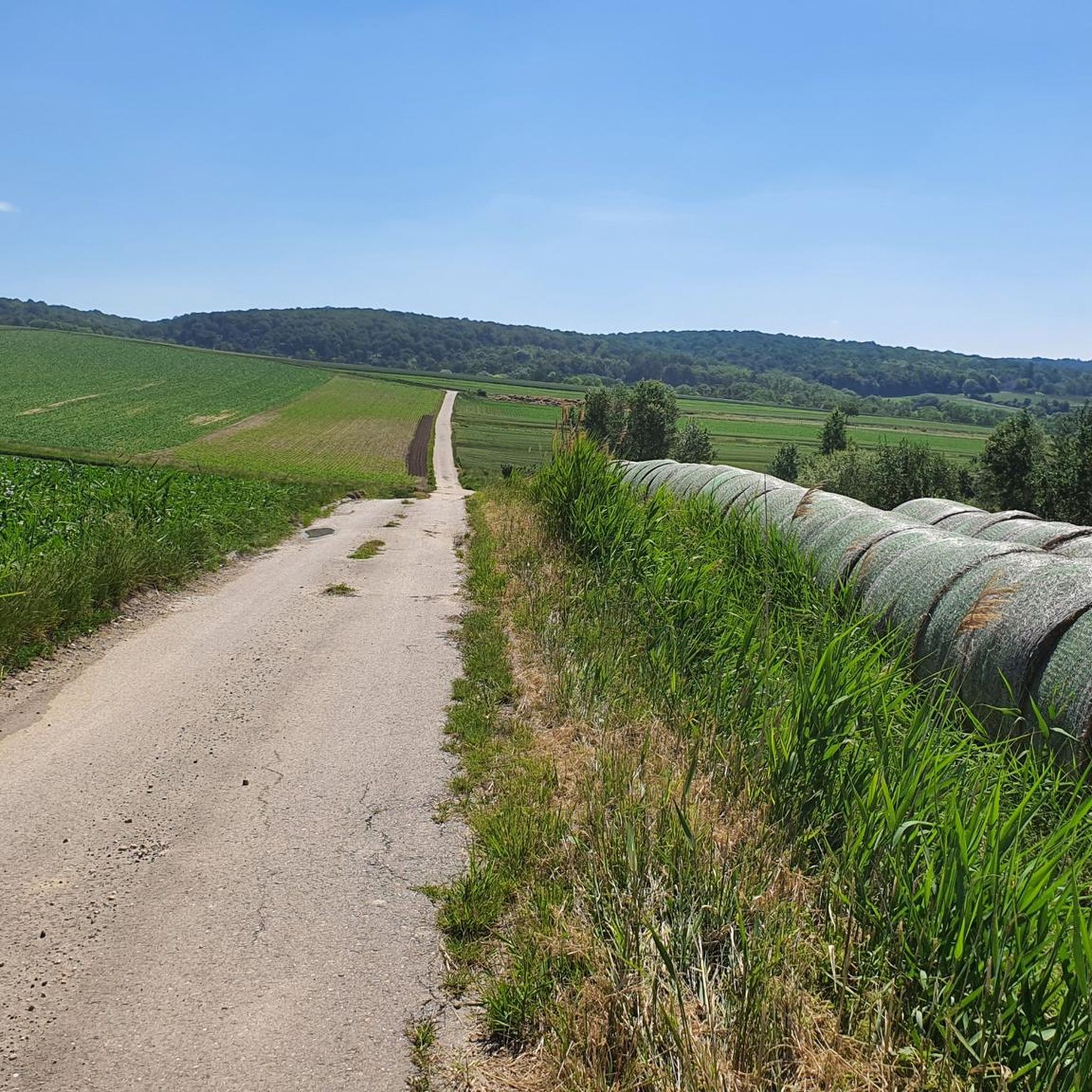
Touring cycling around Harmannsdorf, located in the Weinviertel region of Lower Austria, offers a diverse landscape characterized by extensive vineyards and rolling hills. The area features a mix of paved and unpaved segments, providing varied terrain for cyclists. Approximately 27.59% of the municipality is forested, contributing to the scenic beauty, and the nearby Danube River offers additional routes. This region combines natural features with historical attractions, making it suitable for various outdoor activities.
Best touring cycling routes around Harmannsdorf
- The…
Last updated: June 24, 2026
4.3
(3)
60
riders
25.9km
01:33
140m
140m
Easy bike ride. Great for any fitness level. Mostly paved surfaces. Suitable for all skill levels.
4.1
(7)
43
riders
Moderate bike ride. Good fitness required. Mostly paved surfaces. Suitable for all skill levels.

Sign up for free
5.0
(1)
30
riders
Easy bike ride. Great for any fitness level. Mostly paved surfaces. Suitable for all skill levels.
5.0
(15)
25
riders
Moderate bike ride. Good fitness required. Mostly paved surfaces. Suitable for all skill levels.
5.0
(2)
19
riders
23.6km
01:26
200m
200m
Moderate bike ride. Good fitness required. Mostly paved surfaces. Suitable for all skill levels.
Get access to more routes and recommendations from other explorers.
Sign up for free
Already have an account?
Our route recommendations are based on thousands of hikes, rides, and runs completed by other people on komoot.
Start today with a free account
Your next adventure awaits.
Login or Signup
Tips from the Community

The Pied Piper Fountain in Korneuburg, located on the main square in front of the town hall, was erected in 1898 to commemorate the 50th anniversary of the reign of Emperor Franz Joseph I. It was designed by Max Kropf, and the statue of the Pied Piper is by the sculptor Emanuel Pendl. The fountain is made of white Kaiserstein and commemorates the local Pied Piper legend: A mysterious minstrel is said to have freed the town from a rat plague in 1646, but was only inadequately rewarded by the city fathers, whereupon he carried off the town's children. Today, the fountain is an important monument and cultural symbol of Korneuburg, as well as a popular photo opportunity for locals and visitors.
1
0
Korneuburg's town hall, located on the main square, is a neo-Gothic building constructed in 1894/95 according to plans by the architect Max Kropf. The medieval town tower from the 15th century, which originally served as a fire and enemy signaling tower, was incorporated into the new building and is now a landmark of the town. The town hall serves not only as an administrative center but also as a cultural meeting place, with a wedding hall for up to 26 people and a ballroom for up to 120 people, which is used for weddings and events. The building also houses the restaurant "Das Rathaus – Restaurant, Café & Bar," which offers classic Viennese dishes, seasonal and international specialties. Its outdoor garden makes it a popular meeting place for locals and visitors, especially during the warmer months.
5
0
The "Zum Weißen Rössl" inn in Korneuburg was a traditional inn with a long gastronomic history. The building, a late historicist house with an onion dome, was rebuilt in 1903 after a major fire and today houses the Korneuburg Town Hall and the Grünzweig Café (ice cream parlor). A popular eatery, formerly known as the Wiener Rössel, it now offers a wide selection of homemade ice cream, including vegan options, as well as paninis, burgers, salads, and coffee. The café features indoor and outdoor seating, modern furnishings, and is a popular meeting place for both locals and visitors. It is open year-round, but opening hours vary depending on the season.
3
0
Korneuburg's Town Tower is a historic landmark of the town. It was built between 1440 and 1447 above the chancel of the former St. Nicholas Church and originally served as a watchtower to protect the town fortifications under Duke Albrecht V. During the Thirty Years' War in 1646, the tower was heavily damaged. At the end of the 19th century, it underwent extensive restoration, which included historicizing changes. In 1894/95, it was integrated into the neo-Gothic town hall according to plans by the architect Max Kropf. With a height of 47 meters and 128 steps leading up to the observation platform, the tower today offers visitors an impressive view of Korneuburg and the surrounding area. A red chalk inscription was found inside, presumably documenting the year of construction in 1445. Today, the town tower is part of the town's cultural life, hosting events such as the Town Tower Run.
3
0
Korneuburg's main square is the historic heart of the town and a worthwhile stop on a bike tour. Dominating the square is the neo-Gothic town hall, into which the medieval town tower has been incorporated. In front of the building, the Pied Piper Fountain commemorates the Korneuburg legend, and the 18th-century Holy Trinity Column features saints and reliefs from regional history. Surrounded by historic buildings such as the Town Hall, the Bankmann House, and the Bogner House, the square offers a lively insight into the town's architecture and history. Numerous cafés and shops invite you to linger before the tour continues.
5
0
The Church of the Blessed Sacrament in Korneuburg, now known as the Augustinian Church, is a striking example of late Baroque architecture. It was built between 1745 and 1773 according to plans by the Viennese architect Johann Enzenhofer, and the interior was designed from 1764 onwards under the direction of Franz Anton Maulbertsch. The church was consecrated in 1773. After its deconsecration in May 2023, the building will be used for exhibitions on art and culture. The church is a significant cultural heritage site in Korneuburg and of particular interest to visitors who appreciate architecture, art, and history.
3
0
The Plague Column on Korneuburg's main square, also known as the Trinity Column, was donated in 1747 by the merchant Johann Michael Jochinger and erected in Zogelsdorf sandstone by the sculptor Franz Leopold Farmacher. It was created as a token of thanks for the end of a plague epidemic and today stands on the site of the former pillory. The late Baroque column has a three-sided floor plan and is richly decorated with figures: In the lower zone, there are saints such as John the Baptist, Giles, and James the Elder, as well as reliefs depicting scenes of the plague saints Sebastian, Rochus, and Rosalia, depictions of the virtues, and the flight of the Holy Family. Above it stand the archangels Gabriel, Michael, and Raphael, while the top depicts the coronation of Mary by the Holy Trinity. The column is considered a landmark of Korneuburg and has been restored several times over the centuries, most recently in 2020.
5
0

Not only in Hameln on the Weser but also on the Danube
1
0
Frequently Asked Questions
How many touring cycling routes are available around Harmannsdorf?
There are over 20 touring cycling routes around Harmannsdorf, offering a variety of experiences for different skill levels. These routes are highly rated by the komoot community, with an average score of 4.5 stars from over 40 reviews.
What kind of terrain can I expect on touring cycling routes in Harmannsdorf?
The routes around Harmannsdorf feature a diverse landscape with extensive vineyards and rolling hills, characteristic of the Weinviertel region. You'll encounter a mix of mostly paved surfaces, though some segments may be unpaved. Approximately 27.59% of the municipality is forested, adding to the scenic beauty.
Are there routes suitable for beginners or those looking for an easy ride?
Yes, Harmannsdorf offers several easy touring cycling routes. An excellent option is the Korneuburg Town Hall – Korneuburg Market Square loop from Harmannsdorf, an 11.5-mile (18.6 km) path that explores the town of Korneuburg. Another easy route is the View of Kreuzenstein Castle – The Golden Bründl loop from Obergänserndorf, which is 16.0 miles (25.8 km) long and offers scenic views.
What are some notable landmarks or attractions I can see along the cycling routes?
Many routes offer views of the prominent Kreuzenstein Castle. You can also explore the unique Schwedenhöhlen (Swedish Caves) or visit the Kunstfeld Hetzmannsdorf. The nearby Danube River also provides scenic viewpoints, including the Greifenstein Power Plant and the northern tip of the Donauinsel.
Are there any circular touring cycling routes in the Harmannsdorf area?
Yes, many routes are designed as loops. For instance, the Schloss Großrußbach loop from Hetzmannsdorf is a 10.3-mile (16.5 km) trail. The View of Kreuzenstein Castle – View of Kreuzenstein Castle loop from Mollmannsdorf offers a longer 39.2 km ride. The regional Kreuttal Cycling Route is also a picturesque circular path.
Can I combine cycling with culinary experiences in Harmannsdorf?
Absolutely! The Weinviertel region is known for its culinary delights. Many routes, like the Danube Veltliner wine cycling route, pass through charming wine cellar lanes and vineyards, offering opportunities to stop at traditional wine taverns. You can even arrange a Weinviertel picnic with regional delicacies to enjoy at a scenic rest stop.
What is the best time of year for touring cycling in Harmannsdorf?
The region is particularly beautiful during spring and autumn when the vineyards are vibrant with new growth or rich with harvest colors. Summer also offers pleasant conditions, though it can be warmer. It's always advisable to check local weather forecasts before heading out.
Are there options for e-bike rentals in the Harmannsdorf area?
Yes, e-bike rentals are available in the region. This allows visitors to comfortably navigate the hilly landscape and vineyards, making longer or more challenging routes accessible to a wider range of cyclists.
What are the options for finding food or rest stops along the routes?
You'll find various options for food and rest. The region has traditional wine taverns and restaurants. For example, the Gasthaus am Michelberg and Fischerhütte.Le are popular spots. There are also self-service rest areas like the Traubengarten Self-Service Rest Area (Hollingstein).
Are there any routes that pass through historical villages or towns?
Yes, several routes allow you to explore historical areas. The Korneuburg Town Hall – Korneuburg Market Square loop from Harmannsdorf takes you through the town of Korneuburg. The '7-Orte Weg' cycling route passes through all seven municipal subdivisions of Harmannsdorf, offering glimpses of local life and parish churches.
What is the overall rating for touring cycling in Harmannsdorf by the komoot community?
Touring cycling around Harmannsdorf is highly rated by the komoot community, with an average score of 4.5 stars from over 40 reviews. Cyclists often praise the diverse landscapes, well-maintained paths, and the combination of natural beauty with cultural sights.
Are there any routes that offer views of the Danube River?
Yes, the nearby Danube River provides additional opportunities for scenic routes. You can find routes that offer views of the river, and the Greifenstein Power Plant is a notable viewpoint and a crossing option over the Danube.
What is the difficulty level of the touring cycling routes in Harmannsdorf?
The routes in Harmannsdorf cater to various ability levels. While there are easy options like the Crucifix in Würnitz – Kunsthaus Unterolberndorf loop from Würnitz (moderate), you'll find a good mix of moderate and some more challenging routes, with 11 moderate and 8 difficult routes out of the 21 available.
Most popular routes around Harmannsdorf
Most popular attractions around Harmannsdorf

Get inspired with the komoot mobile app


Explore more
Browse the best Cycling routes in other regions.
