Top 20 Natural Monuments around Obersaxen
Best natural monuments around Obersaxen are located in the Surselva region of Graubünden, Switzerland. This area, characterized by its Walser community, features an inspiring natural environment with clear air and diverse water courses. The landscape includes prominent mountains, high-altitude plains, and dramatic gorges. It offers numerous opportunities for exploring varied natural features.
Best natural monuments around Obersaxen
- The most popular natural monuments is Kistenstöckli, a summit that offers panoramic views. The peak is described as a small plateau with…
Last updated: November 21, 2026
Kistenstöckli
Highlight • Summit
Translated by Google •
Tip by

Lai da Pigniu
Highlight • Monument
Translated by Google •
Tip by

Sign up now to discover places like this
Get recommendations on the best single tracks, peaks, & plenty of other exciting outdoor places.
Parc La Mutta Megalithic Site, Falera
Highlight • Historical Site
Translated by Google •
Tip by

Greina Plateau
Highlight • Natural
Translated by Google •
Tip by

Lag da Laus
Highlight • Lake
Translated by Google •
Tip by
Sign up for free to discover even more natural monuments around Obersaxen.
Already have an account?
Start today with a free account
Your next adventure awaits.
Popular around Obersaxen
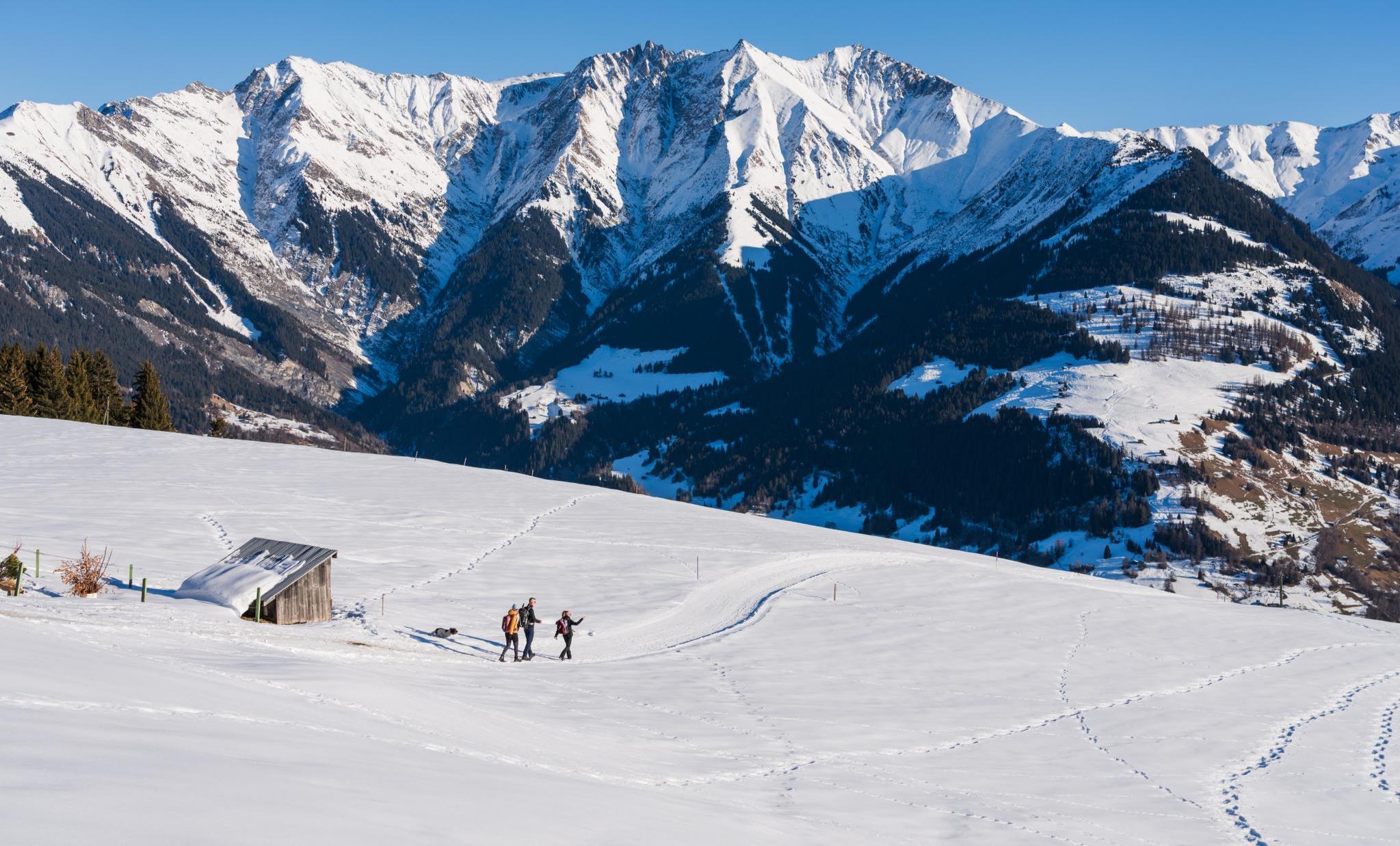
Winter Magic in the Surselva – peace, space and pure nature
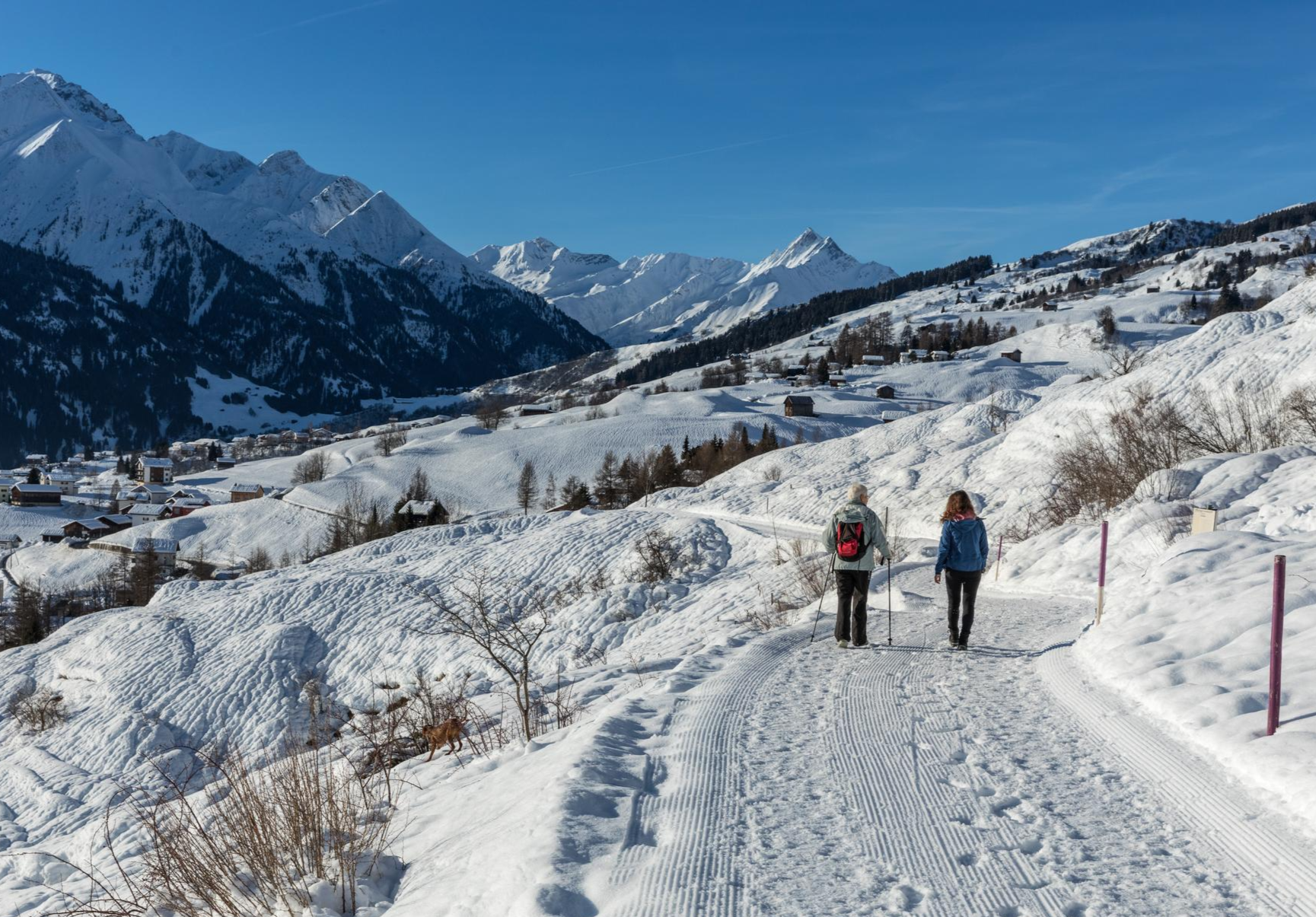
A winter mountain paradise – discover the Surselva
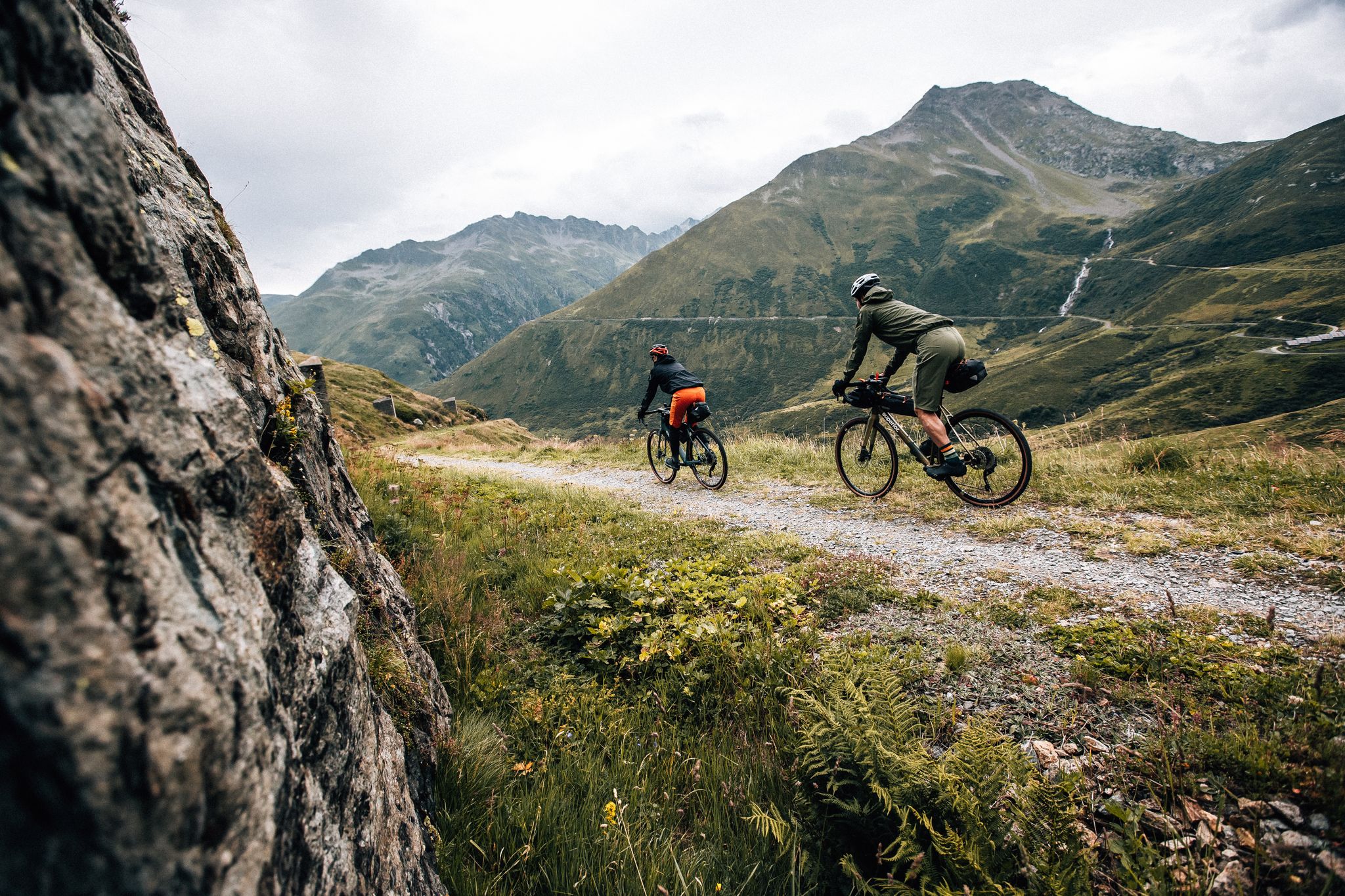
Trans Grischun – cross Graubünden on a gravel bike
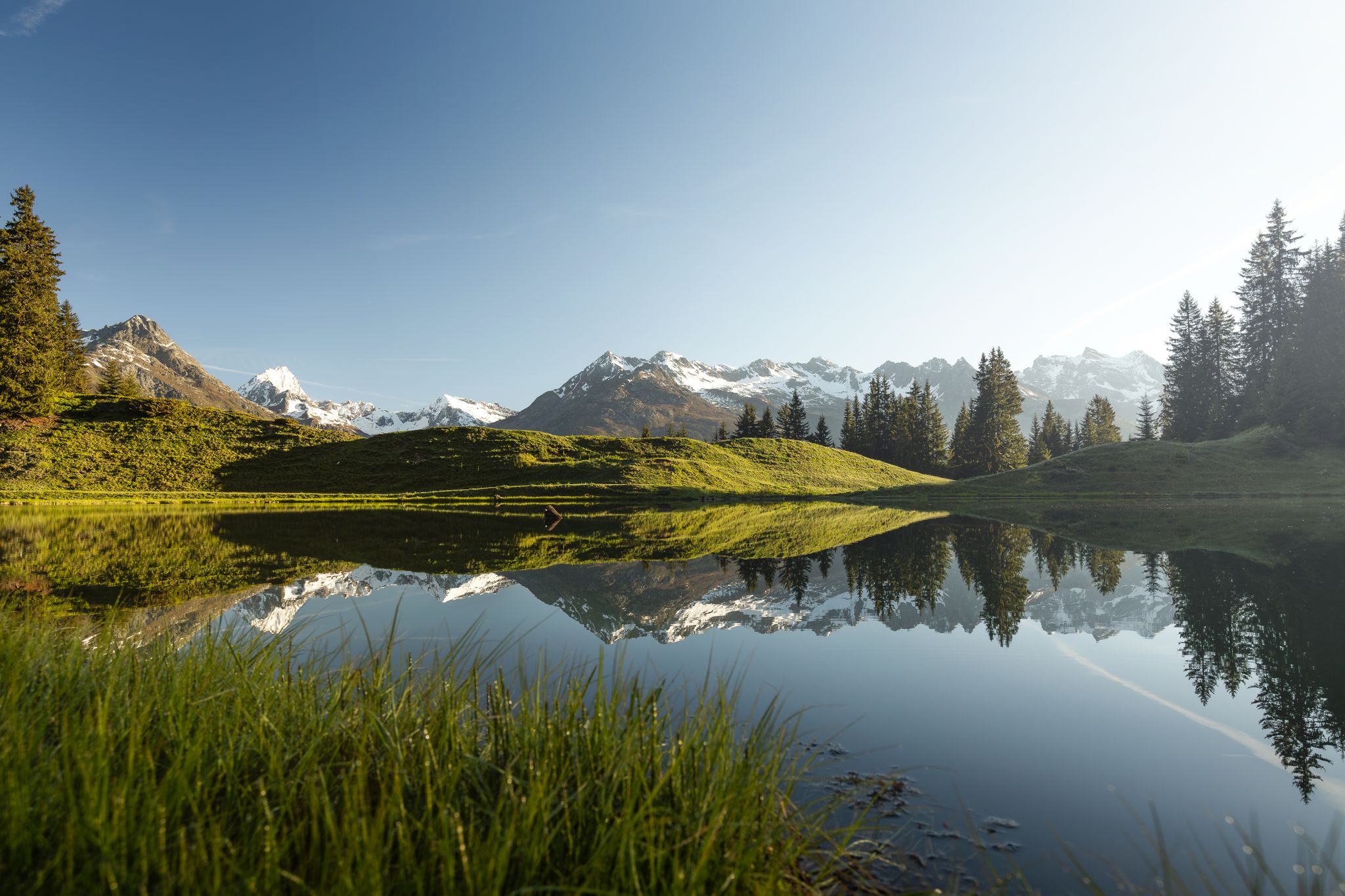
Tiefblau und unberührt – Wanderungen zu den Bergseen der Surselva
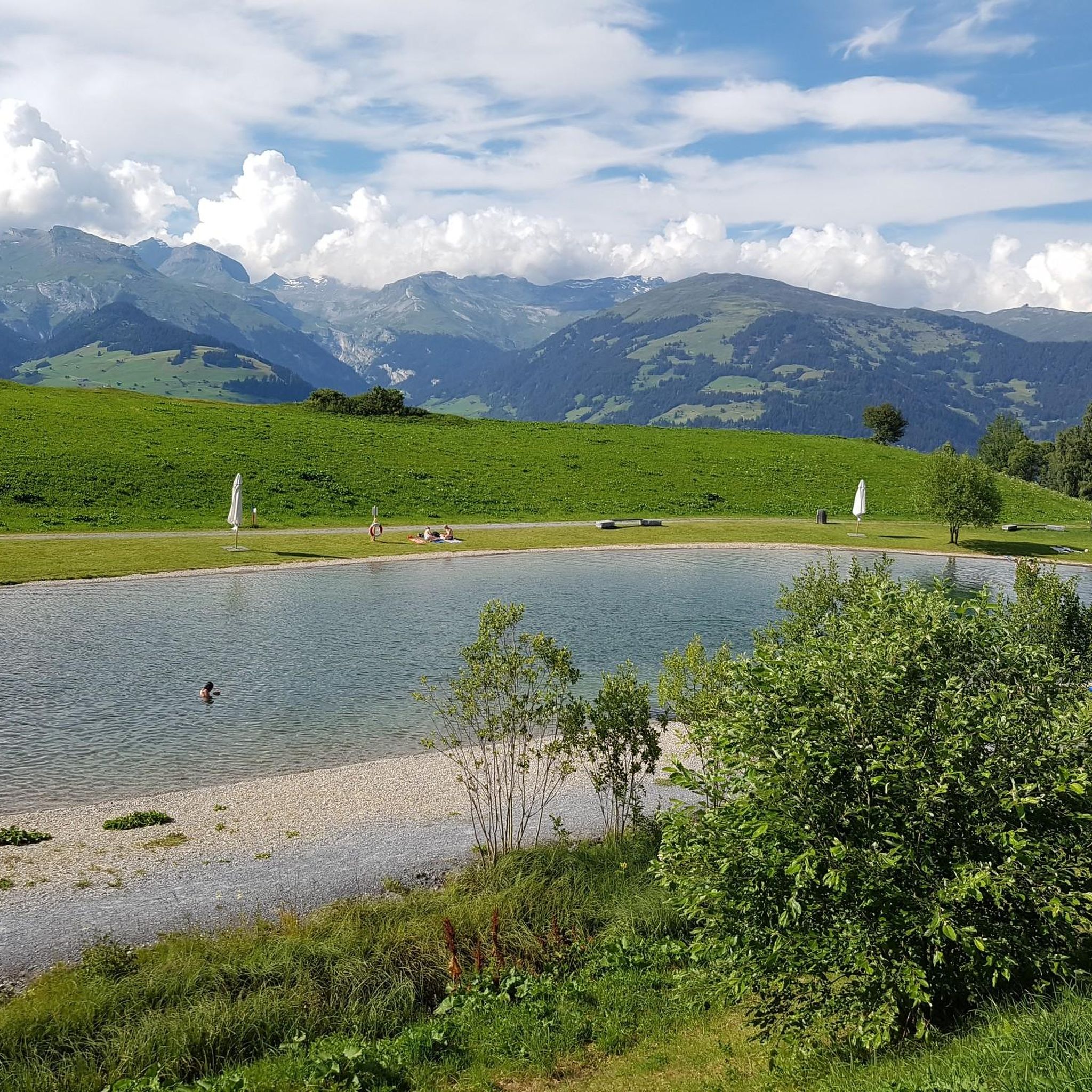
Hiking around Obersaxen
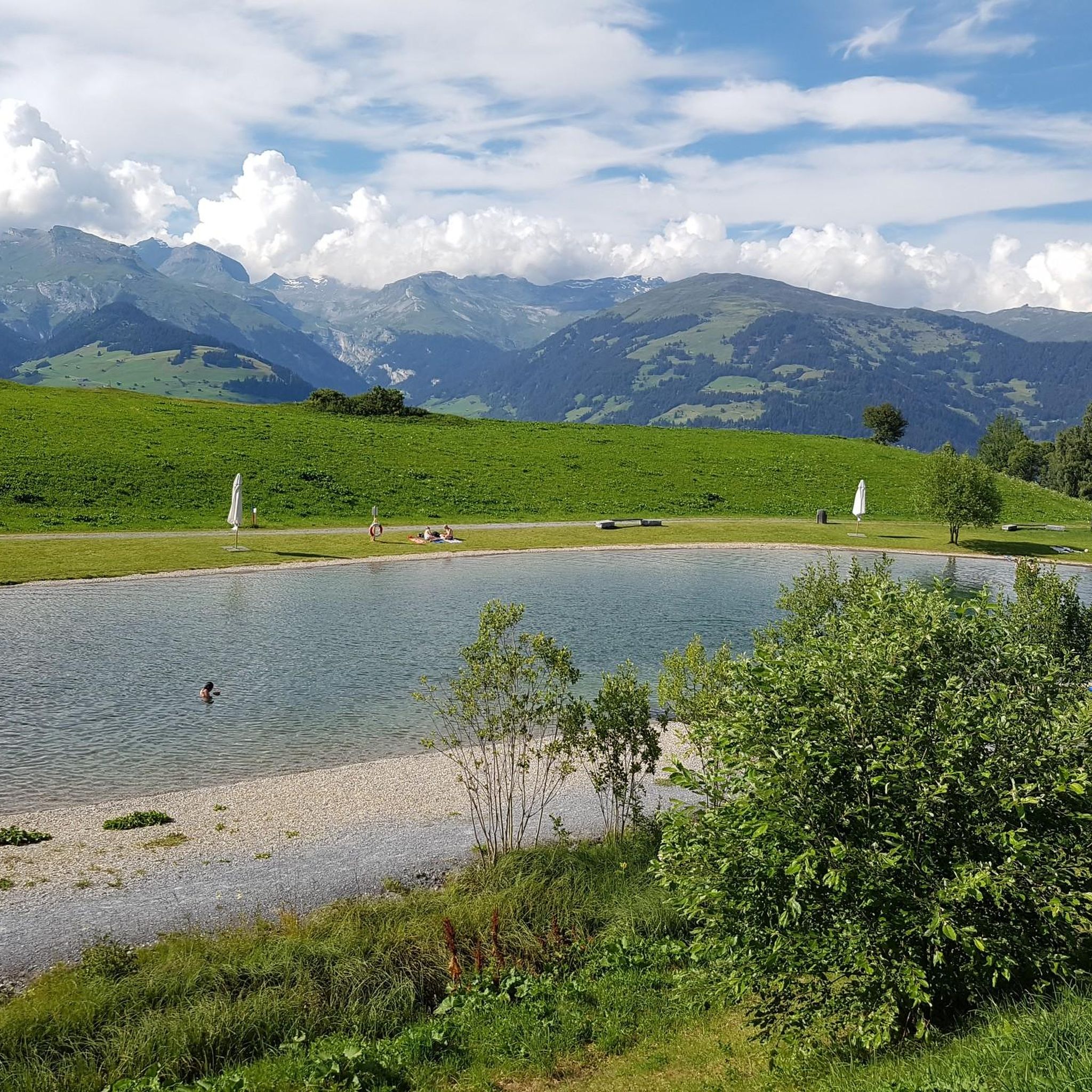
MTB Trails around Obersaxen
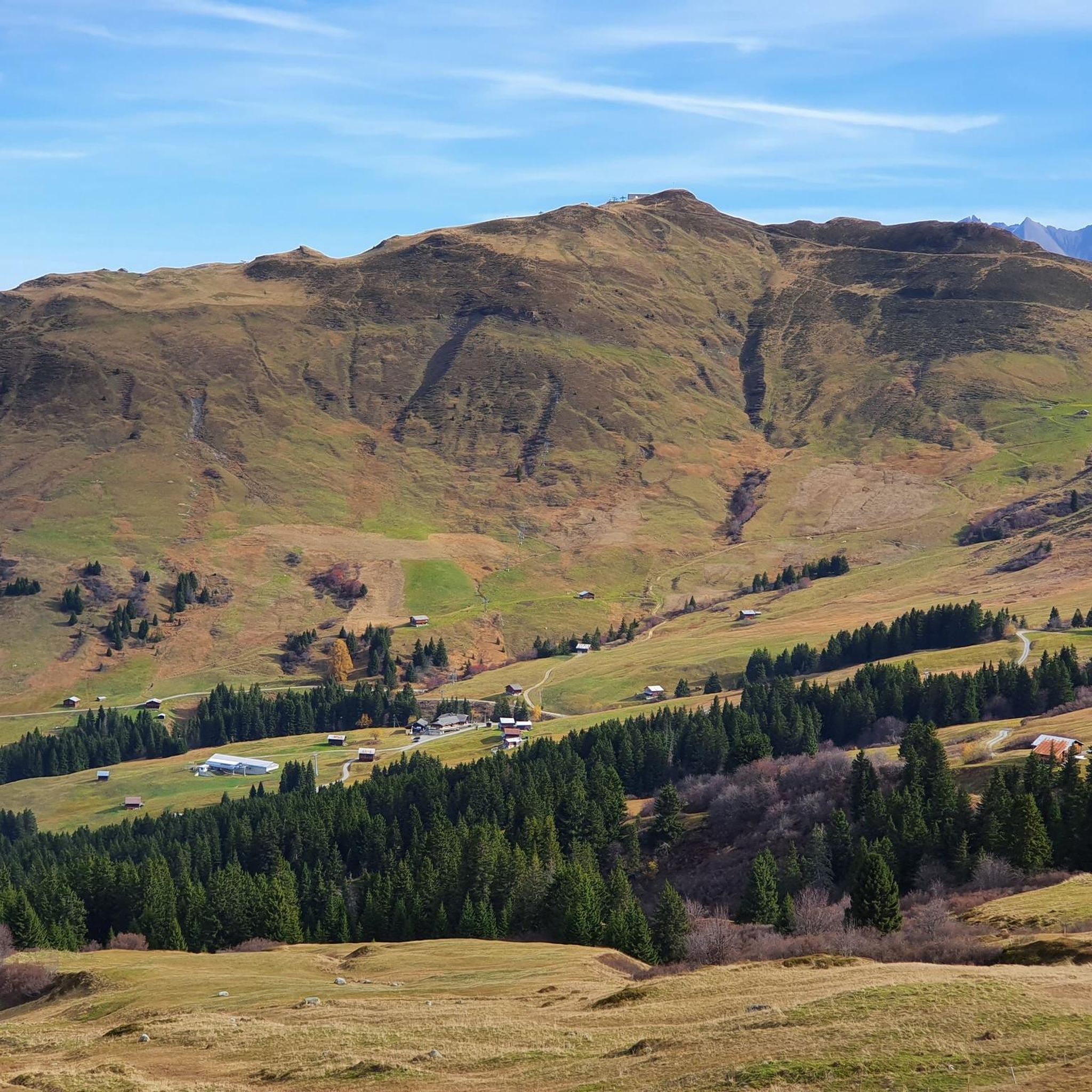
Cycling around Obersaxen
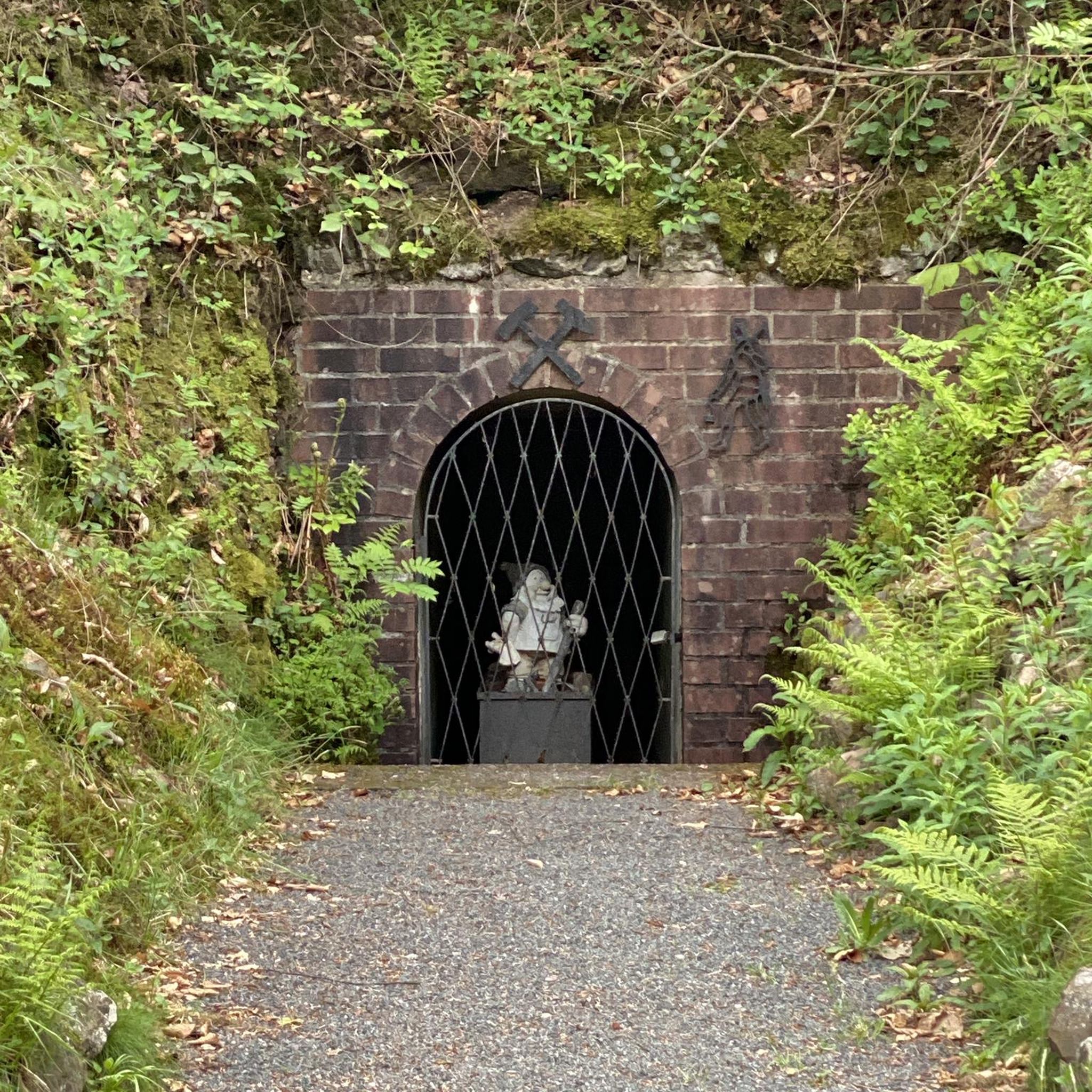
Gravel biking around Obersaxen
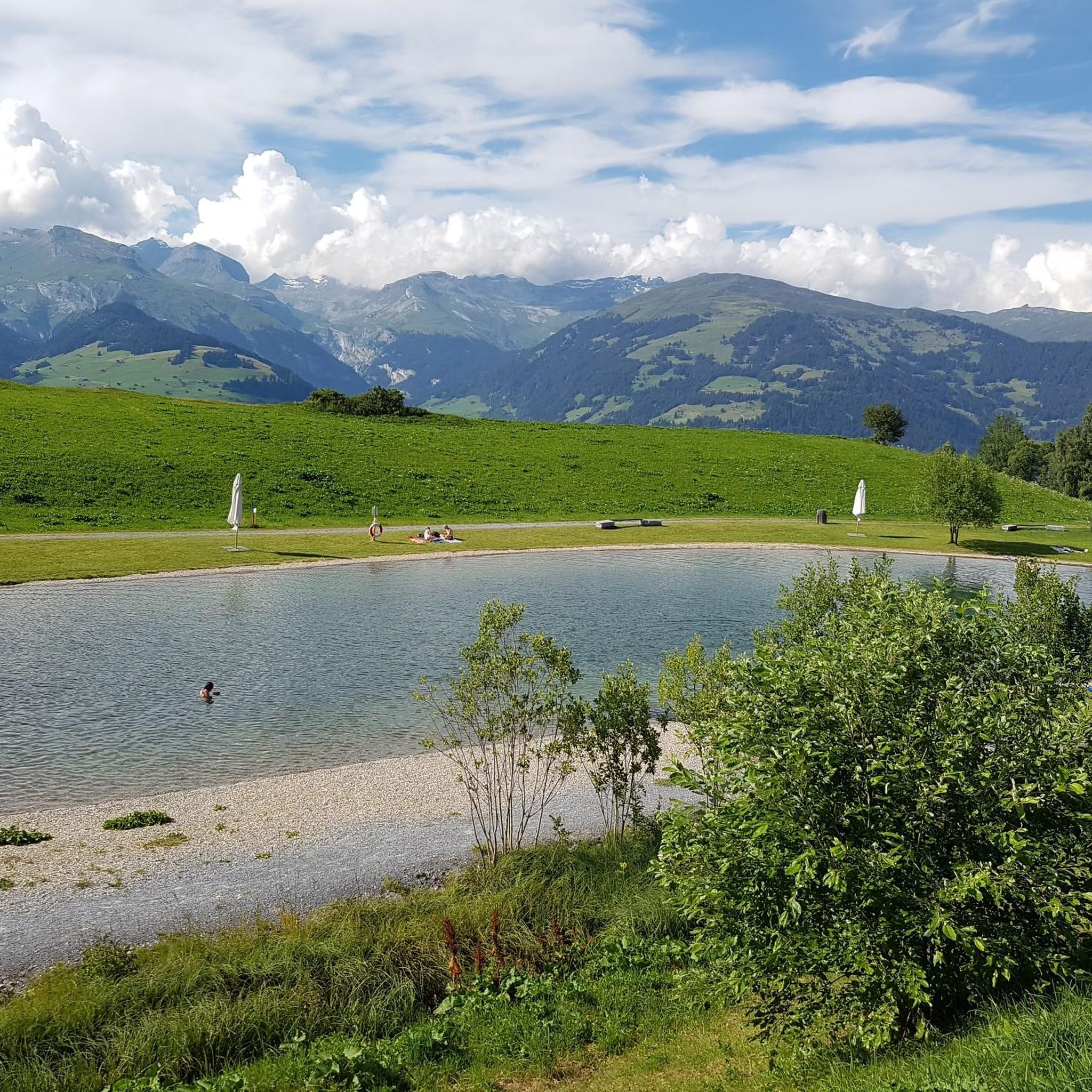
Road Cycling Routes around Obersaxen
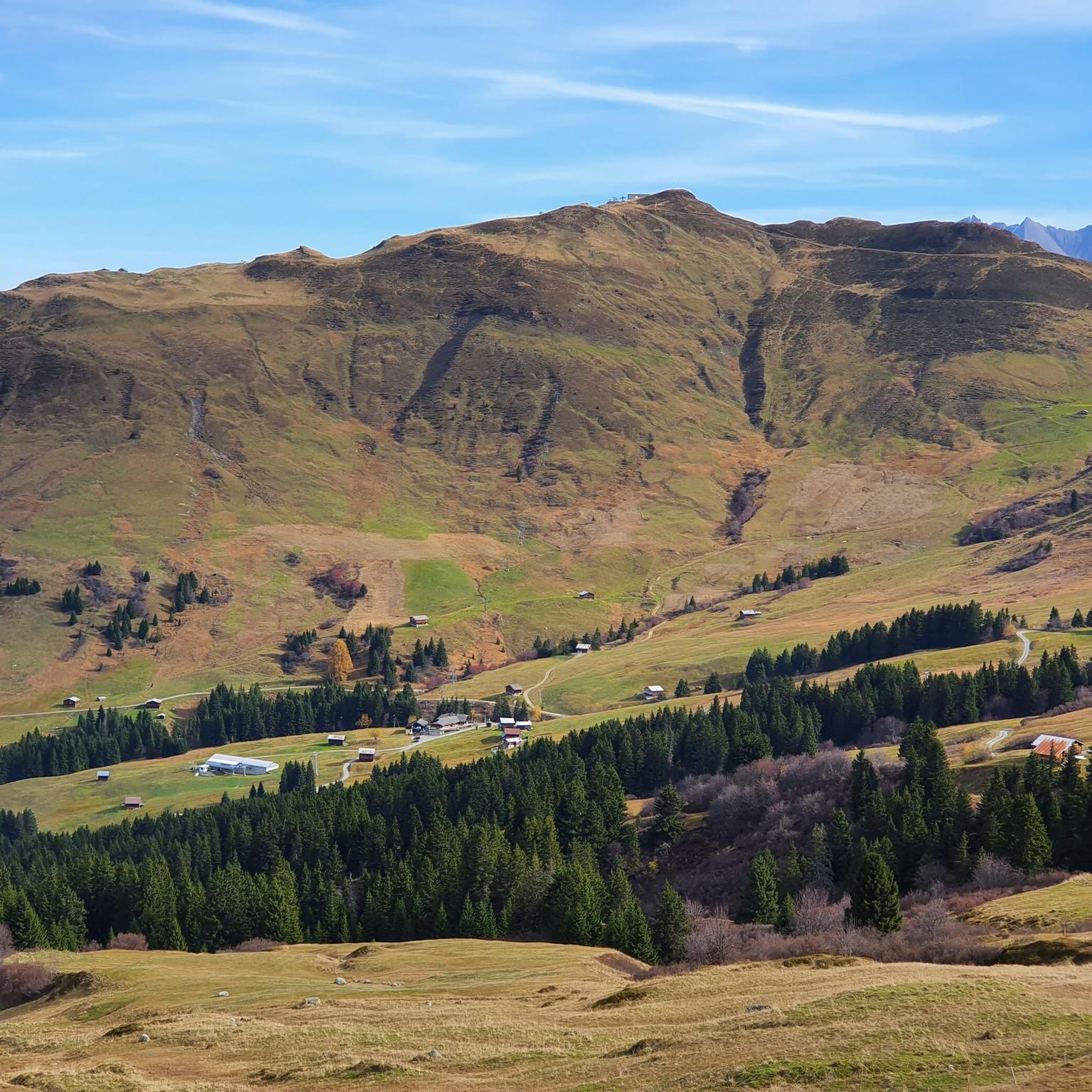
Running Trails around Obersaxen
Other adventures around Obersaxen


Tips from the Community

The Lag da Pigniu, also known as Panixersee, is beautifully nestled in an impressive alpine mountain landscape. The turquoise reservoir, the steep rock faces, and the imposing waterfalls at the rear of the lake make this place a special hiking destination. At the waterfalls, there is a nice barbecue and picnic area with tables and benches – ideal for a cozy break in the middle of nature. Important: One side of the path around the lake is currently closed. Therefore, a complete circuit is not possible at the moment. The closure must be strictly observed. Despite the restriction, the trip to Panixersee is worthwhile. Especially the waterfalls and the quiet, impressive mountain backdrop make the visit rewarding.
0
0

Imposing rock faces around the lake and its peculiar color: The Lag da Pigniu is certainly worth an excursion! It is very easily accessible by bike.
0
0
It is very steep to get up here by bike - but it is very beautiful! You can/may swim in the lake.
0
0

My daughter was crying over her algebra homework last night and I couldn't help her because it's been years since I took math. Found https://mathaisolver.net/ and scanned her worksheet with my phone. The tool not only gave the answers but showed step-by-step how to isolate variables and factor equations. We worked through three problems together following the explanations and by the fourth one she got it on her own. Absolute lifesaver for parents who forgot everything they learned.
0
1


Great view and spectacular lake. Very cold to dip. The route to it is tough, but worth it.
0
0


Easy to ride with eMTB up to the beautiful lake, then S2 up and possibly carrying passages. Only possible with MTB or Light eMTB.
0
0
Frequently Asked Questions
What are some of the most unique natural monuments to explore around Obersaxen?
The region offers several distinct natural monuments. The Greina Plateau is an unspoilt alpine area known for its diverse topographical, geological, and botanical features, including lakes and moors. Another highlight is Rein Anteriur, often called the "Grand Canyon of Switzerland," with impressive rock formations and towering white cliffs. For panoramic views, consider Kistenstöckli, a summit offering a unique experience with its small plateau and many cairns.
Are there any natural monuments around Obersaxen that are particularly good for families?
Yes, the Parc La Mutta Megalithic Site in Falera is a family-friendly option. While primarily a historical site, its unique megalithic structures and the surrounding natural setting make for an engaging visit for all ages. It's considered the largest and most important megalithic complex in Switzerland, offering insights into Bronze Age culture and astronomy.
What kind of views can I expect from the natural monuments in the Obersaxen region?
The natural monuments around Obersaxen offer spectacular vistas. From Kistenstöckli, you'll find extensive panoramic views. Piz Mundaun, a prominent mountain near Obersaxen, is renowned for its breathtaking 360-degree views extending across the Surselva region and even to the Valais and Austrian Alps. Viewpoints along the Rein Anteriur (Rhine Gorge) also provide dramatic perspectives of its towering cliffs and winding river.
What outdoor activities can I do near the natural monuments in Obersaxen?
The Obersaxen region is ideal for various outdoor activities. You can find numerous mountain hikes, including challenging routes to summits like Kistenstöckli or across the Greina Plateau. The Rhine Gorge offers hiking trails and rafting opportunities. For those who enjoy running, there are several running trails, and road cycling enthusiasts can explore various routes through the scenic landscape.
What is the best time of year to visit the natural monuments around Obersaxen?
The best time to visit largely depends on the activities you plan. For hiking and exploring the high-altitude areas like the Greina Plateau and Piz Mundaun, late spring to early autumn (June to October) offers the most favorable weather conditions. During these months, trails are generally clear of snow, and the alpine flora is vibrant. Winter provides opportunities for snowshoeing or winter hiking, especially on lower-lying trails, and the region is also popular for skiing.
Are there any historical or cultural sites integrated with the natural landscape?
Yes, the Parc La Mutta Megalithic Site in Falera is a prime example, showcasing ancient human interaction with the natural environment. Additionally, the broader Obersaxen region, as a Walser community, features the Walserweg Obersaxen, a themed trail that combines cultural history with the natural setting of the Graubünden mountains, highlighting local fauna, flora, and geology.
What makes the Greina Plateau a significant natural monument?
The Greina Plateau is an unspoilt alpine area of national importance, recognized for its exceptionally diverse biotopes. It features a unique "alpine tundra" appearance with lakes, moors, and numerous creeks. It's a protected area, offering a meditative experience in a vast, primeval landscape, accessible only on foot, and known for its geological features like the Greina Arch.
Can I find easy or beginner-friendly walks among the natural monuments?
While some natural monuments like Kistenstöckli involve steep ascents, there are easier options. The Parc La Mutta Megalithic Site offers a more accessible exploration. Many trails in the broader Obersaxen region, especially those at lower elevations or themed paths like the Walserweg, provide gentler walks suitable for beginners or those seeking less strenuous experiences amidst nature.
What is the significance of Crap la Crusc within the Greina Plateau?
Crap la Crusc, meaning 'cross-rock,' is a significant natural monument located at the center of the Greina Plateau. It symbolically unites earth and sky and is notable as a watershed between the North Sea (via the Rhine) and the Mediterranean (via the Po), with the springs of Rein da Sumvitg and Ri di Motterascio only centimeters apart in its surrounding swamps.
What kind of wildlife can be observed around the natural monuments in Obersaxen?
The diverse natural environments around Obersaxen, from alpine meadows to the protected Greina Plateau and the Rhine Gorge, support a rich ecosystem. Visitors may encounter various alpine fauna, including marmots, chamois, and ibex in higher elevations. The region is also home to diverse bird species, and the unique flora, fungi, and medicinal herbs contribute to a vibrant natural habitat.
How long should I plan for a visit to the natural monuments in Obersaxen?
The duration of your visit depends on which natural monuments you wish to explore and the activities you plan. A visit to a single site like the Parc La Mutta Megalithic Site might take a couple of hours. Exploring the Greina Plateau or hiking to Piz Mundaun can be full-day excursions. To experience multiple natural monuments and enjoy the region's hiking or cycling routes, planning a multi-day trip is recommended.
What is the Rhine Gorge and why is it a must-see natural monument?
The Rhine Gorge, or Ruinaulta, is a 14-kilometer stretch between Ilanz and Reichenau, often referred to as the "Grand Canyon of Switzerland." It was formed approximately 9,500 years ago by the enormous Flims rockslide. Its impressive rock formations, towering white cliffs up to 300 meters high, and the winding Upper Rhine river create a visually stunning and thrilling natural experience, making it a captivating destination for adventurers and nature lovers.
Most popular routes around Obersaxen
Most popular attractions around Obersaxen

Get inspired with the komoot mobile app


Explore more
Extend your search for the best caves by checking out these guides of the top ones around Obersaxen:
