Top 20 Natural Monuments in the Tuxer Alps
Best natural monuments in the Tuxer Alps are found within this mountain range, exclusively located in Tyrol, Austria. The region features impressive natural attractions with unique characteristics. Visitors can explore over 20 natural monuments that showcase the area's geological wonders and diverse landscapes. The Tuxer Alps offer a variety of natural sites for outdoor exploration.
Best natural monuments in the Tuxer Alps
- The most popular natural monuments is Schleier Waterfall, a waterfall that features fascinating plays of water and…
Last updated: May 26, 2026
Devil’s Bridge over the Tuxbach Gorge
Highlight • Bridge
Translated by Google •
Tip by

Schleier Waterfall
Highlight • Waterfall
Translated by Google •
Tip by

Sign up now to discover places like this
Get recommendations on the best single tracks, peaks, & plenty of other exciting outdoor places.
Sign up for free
Penkenjoch Reservoir and Granat Chapel
Highlight • Lake
Translated by Google •
Tip by

Weitental Falls
Highlight • Waterfall
Translated by Google •
Tip by

Patscherkofel Summit
Highlight • Summit
Translated by Google •
Tip by

Grüblspitze
Highlight • Summit
Translated by Google •
Tip by

Schrauben Waterfall
Highlight • Waterfall
Translated by Google •
Tip by

Schraubenfall (Hintertux)
Highlight (Segment) • Waterfall
Highly recommended is the 4km long waterfall …
Translated by Google •
Tip by

Kreuzjoch summit cross
Highlight • Summit
Translated by Google •
Tip by

Großer Gilfert
Highlight • Summit
Translated by Google •
Tip by

Sign up for free to discover even more natural monuments in the Tuxer Alps.
Sign up for free
Already have an account?
Start today with a free account
Your next adventure awaits.
Login or Signup
Popular around Tuxer Alps
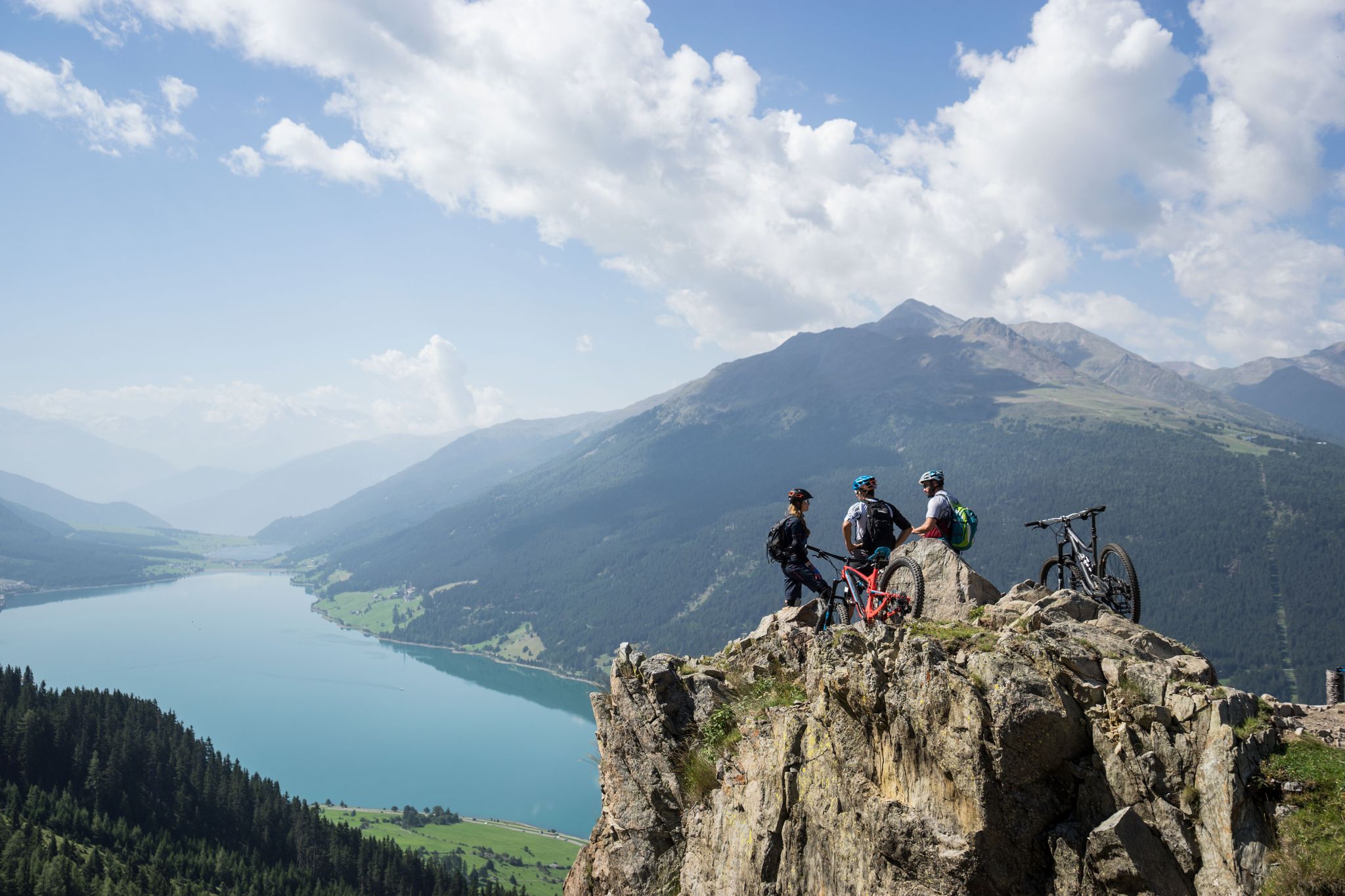
High into the Tyrolean mountain world – mountain biking in Tyrol
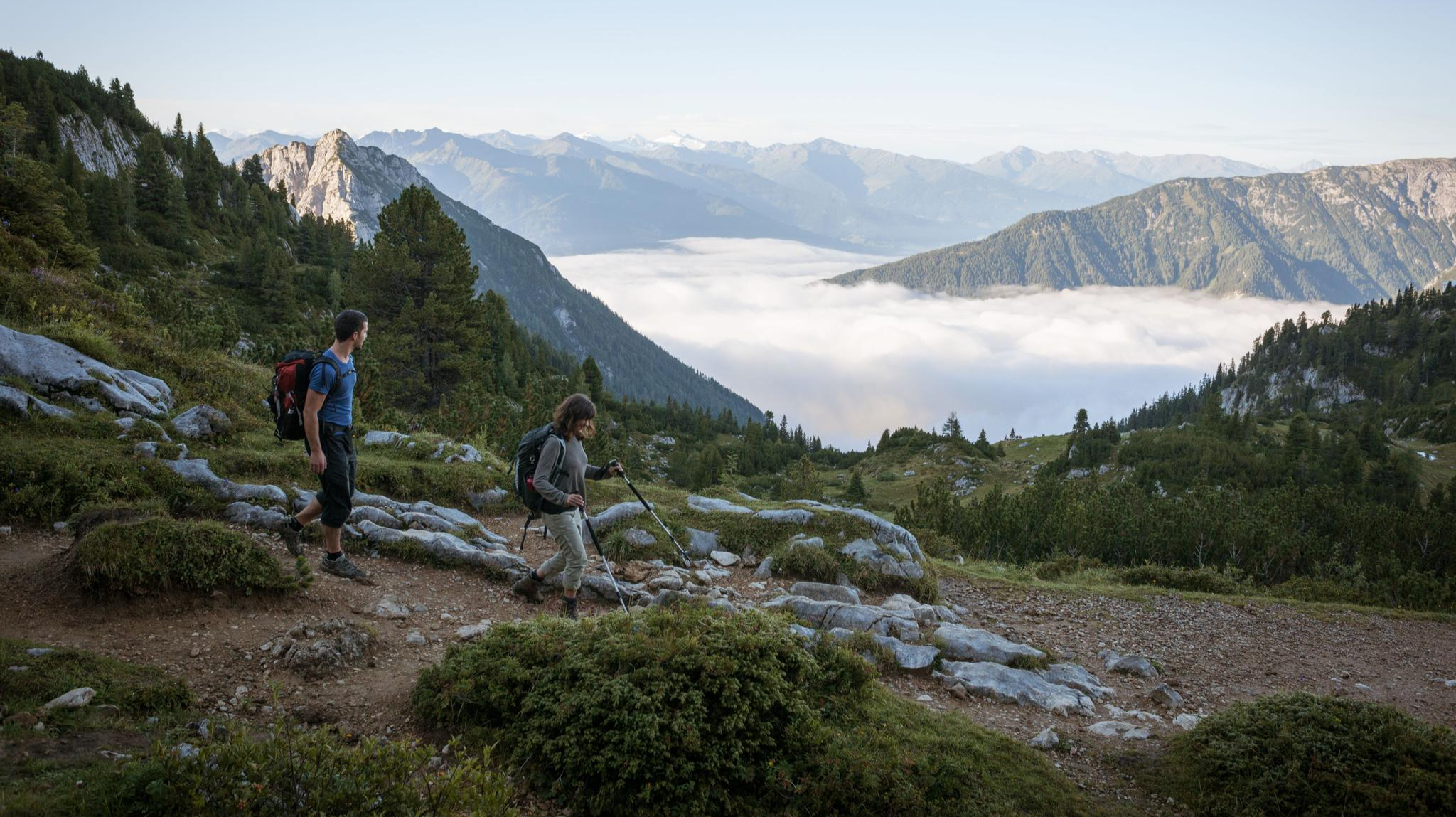
Eagle Walk – Majestic hiking along Tirol's trail
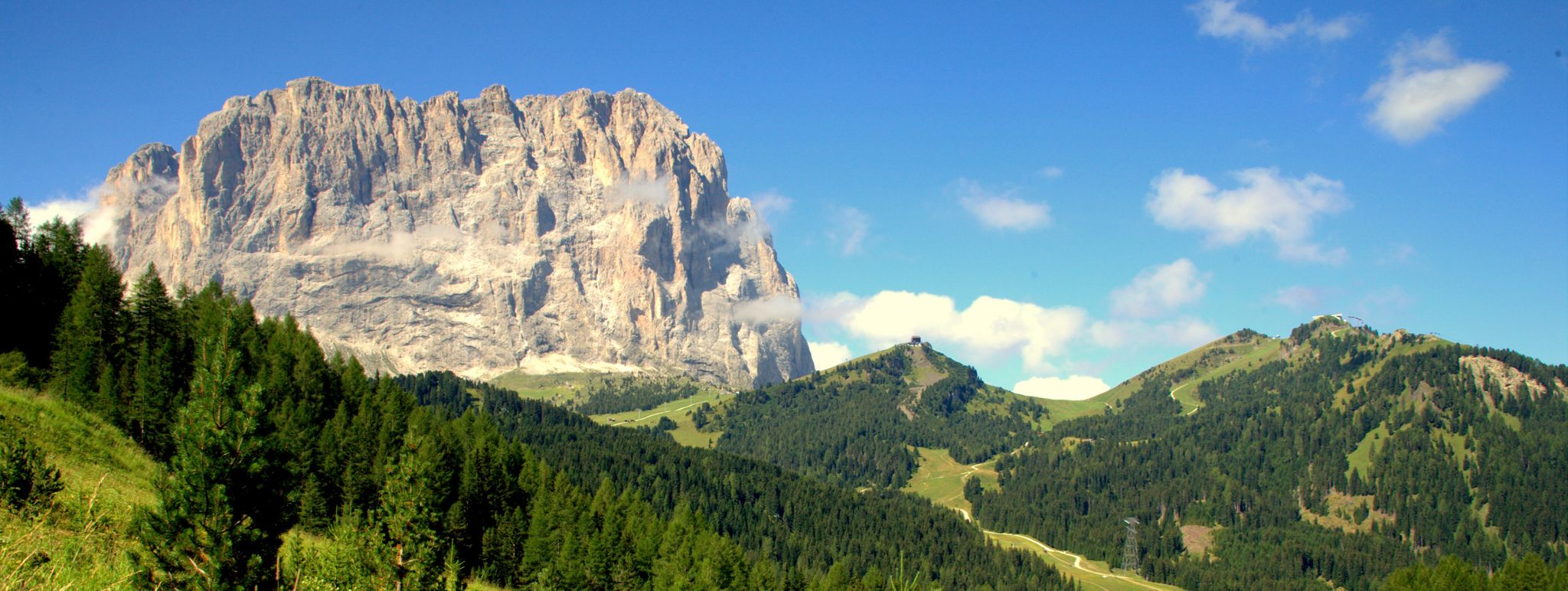
Via Venezia Alpina – hiking across the Alps to the Adriatic Sea
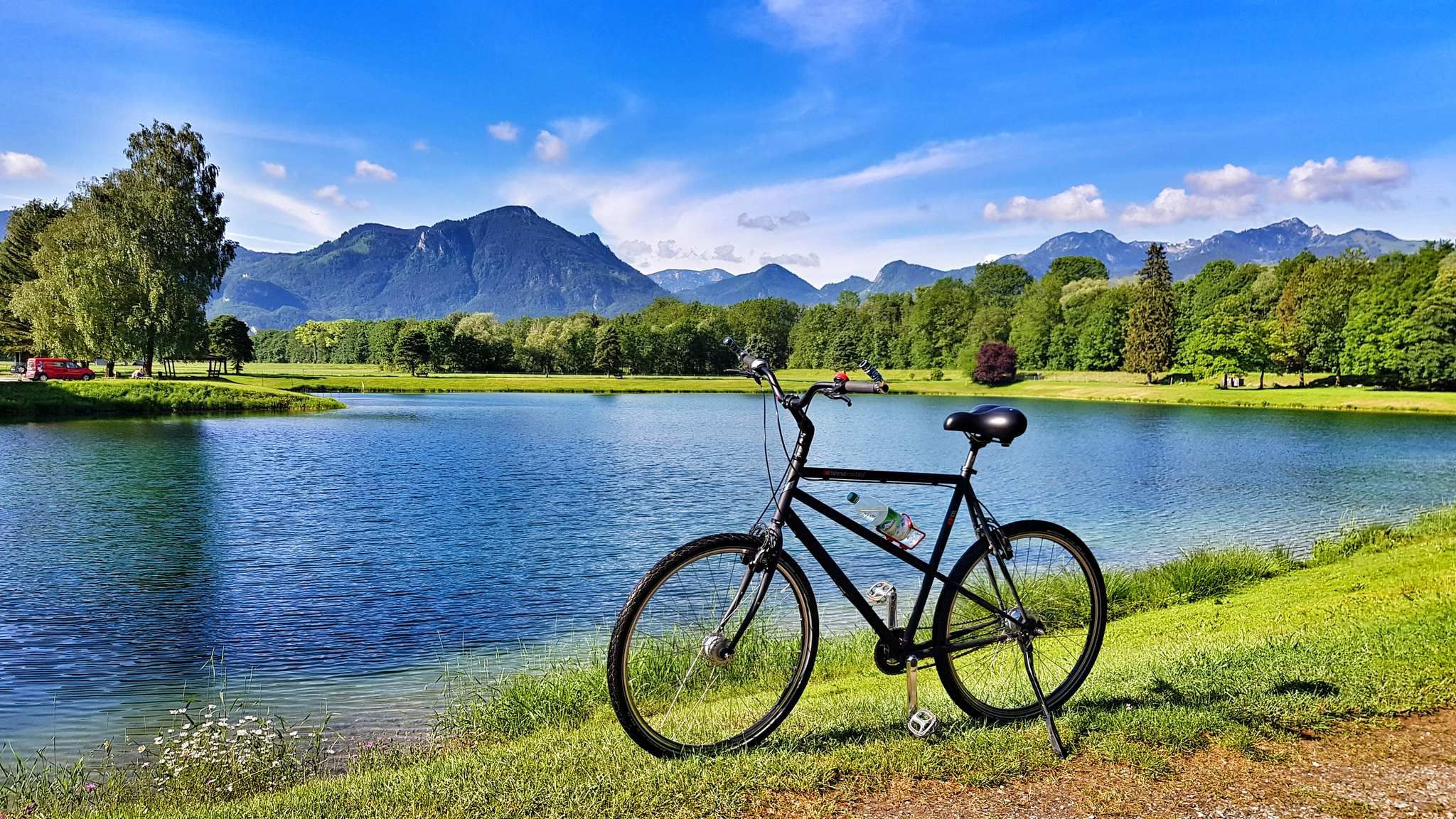
The Inn Cycle Path – From a babbling brook to a mighty river
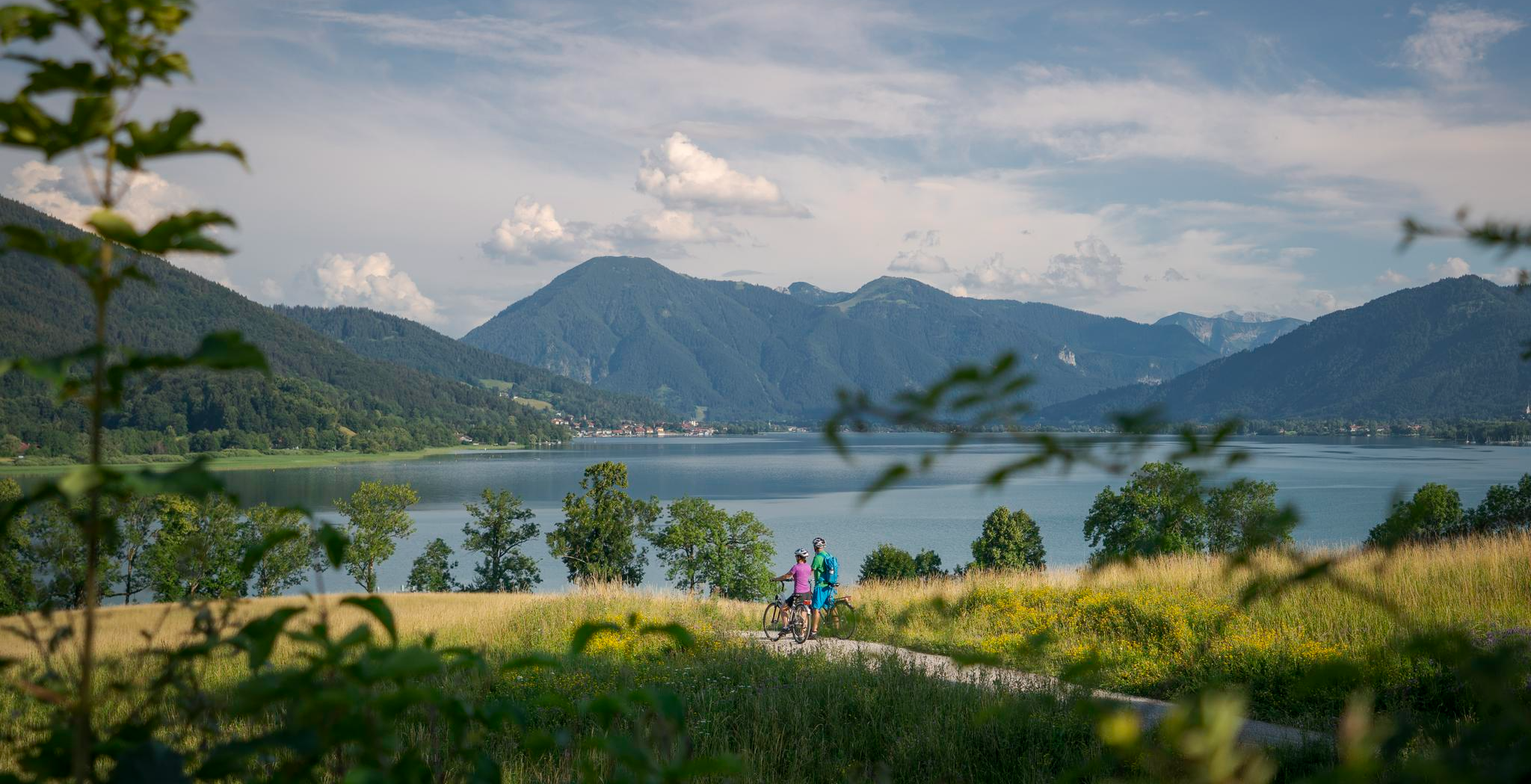
The Munich-Venice Long-Distance Cycle Path – A beautiful Alps crossing
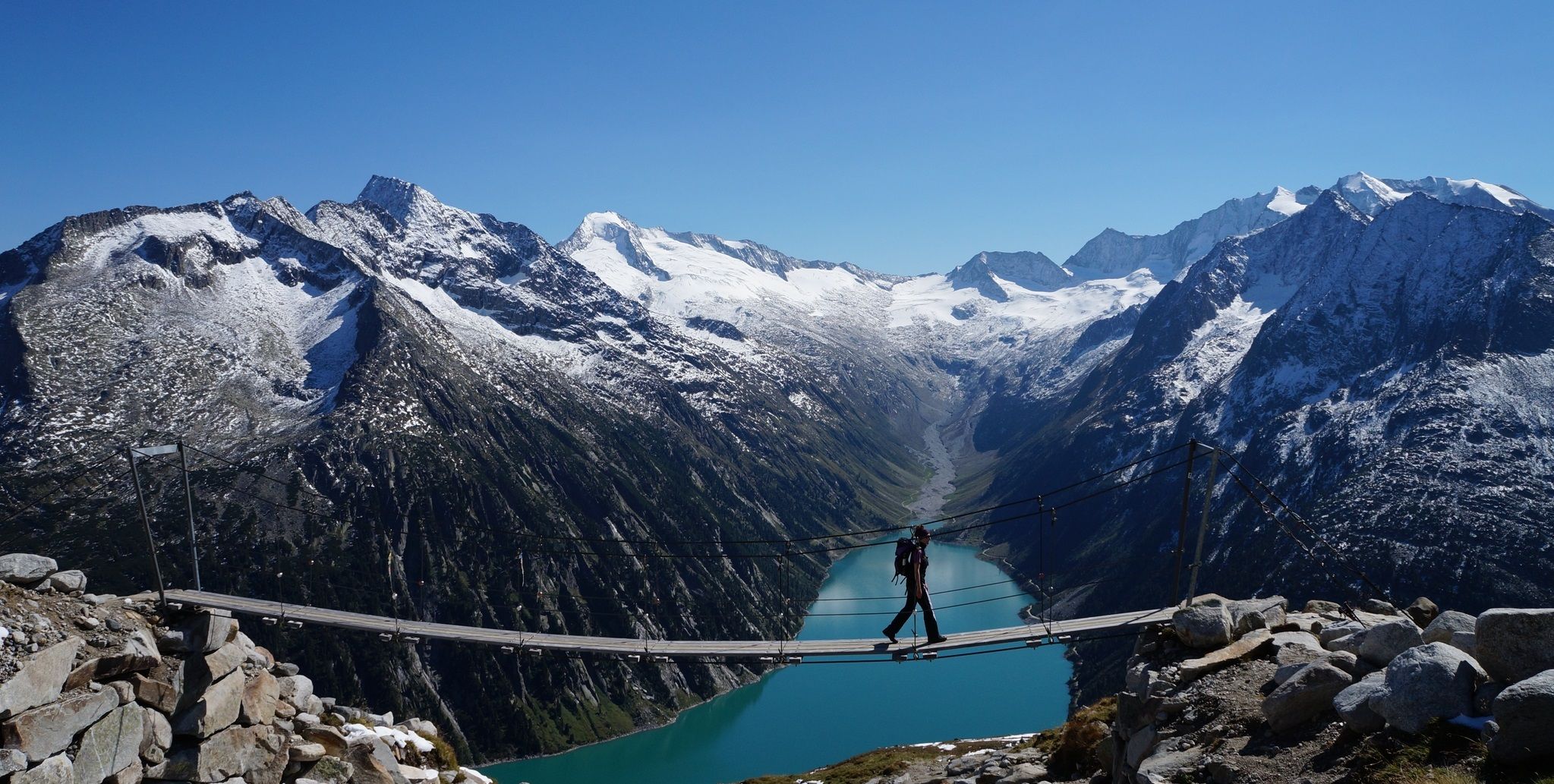
The Peter Habeler loop — an alpine trail around the Olperer
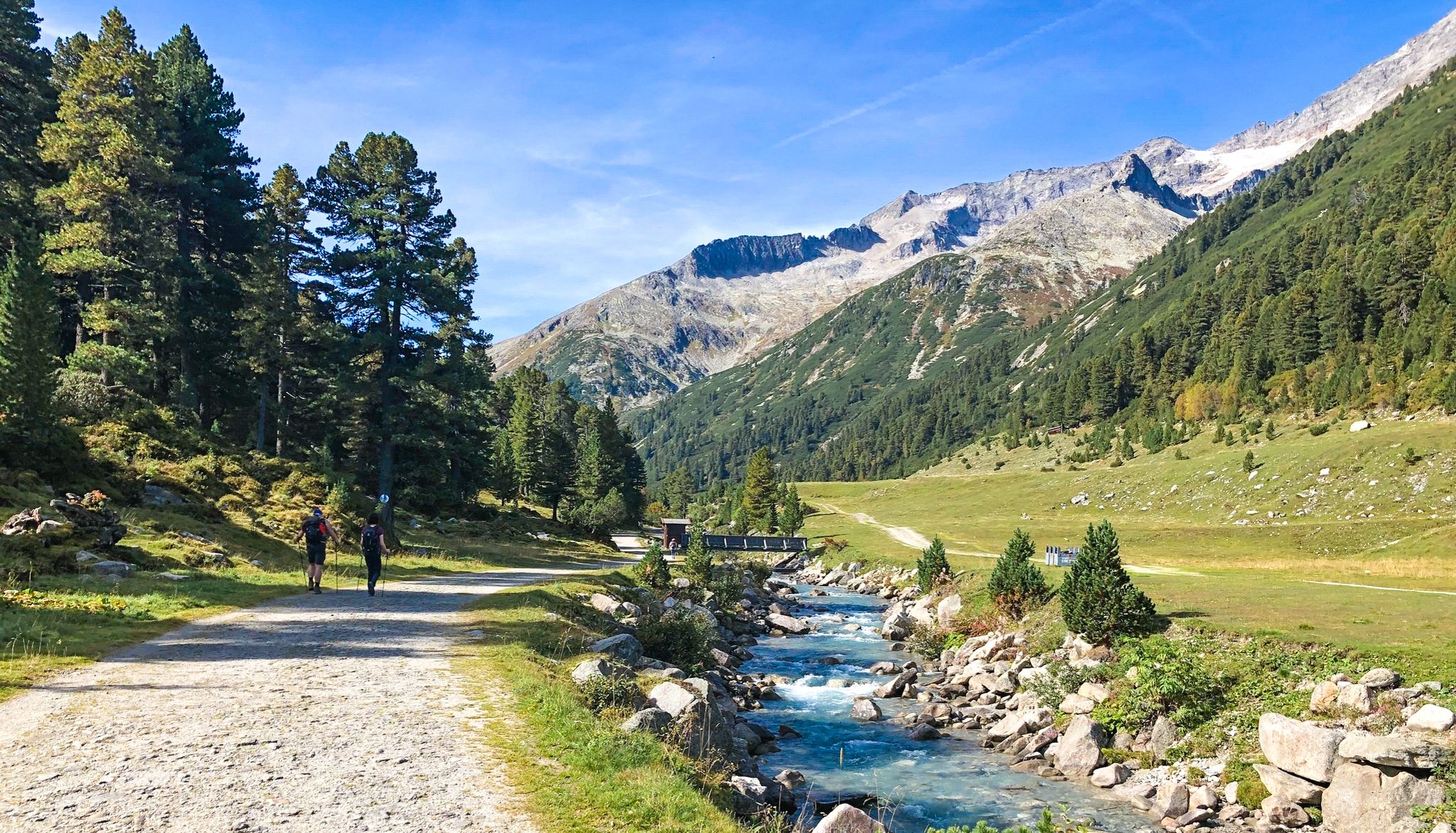
Alpine crossing for pleasure hikers – 7 stages from Lake Tegernsee to Sterzing
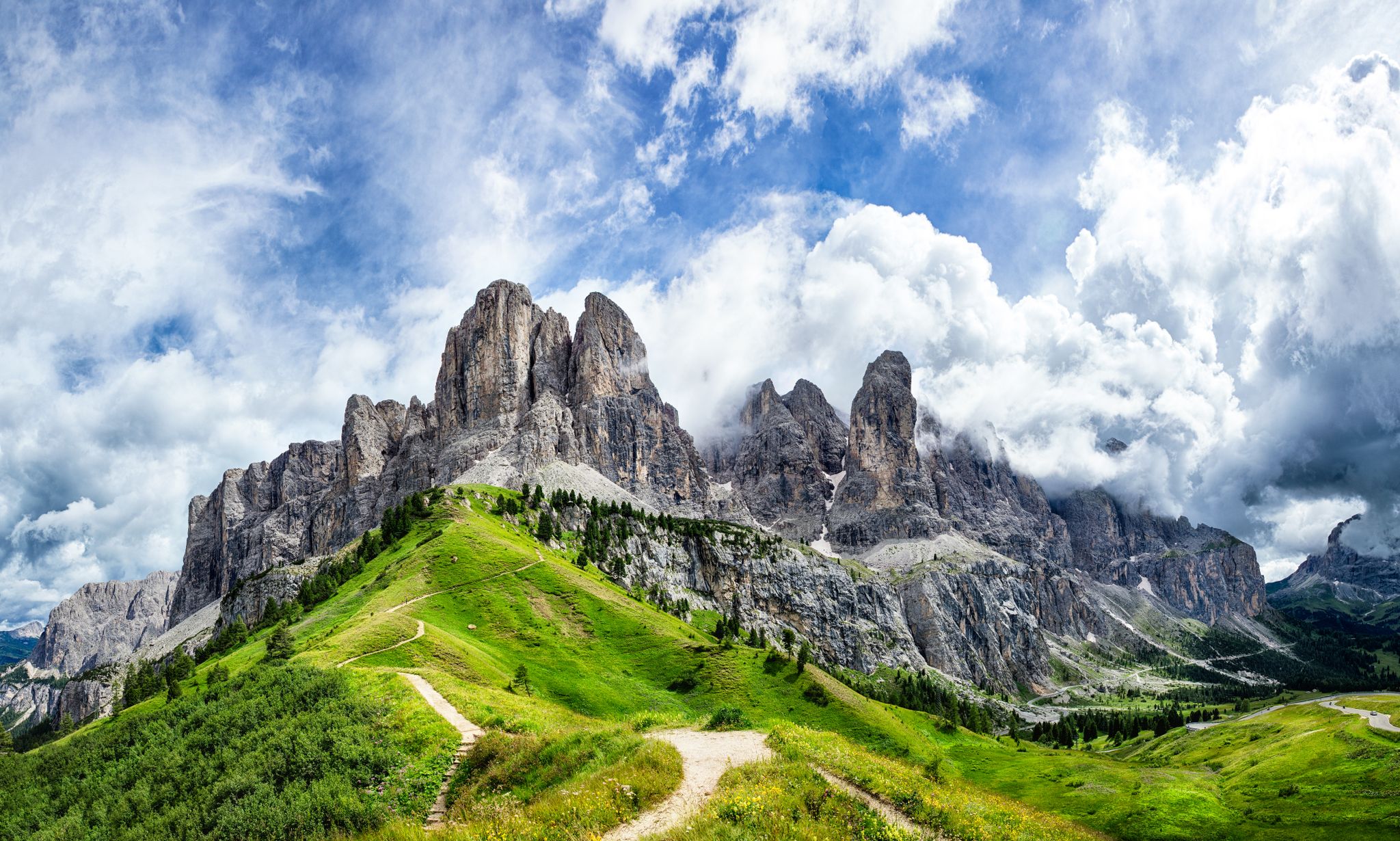
The "Dream Path" hiking trail – From Munich to Venice in 28 stages
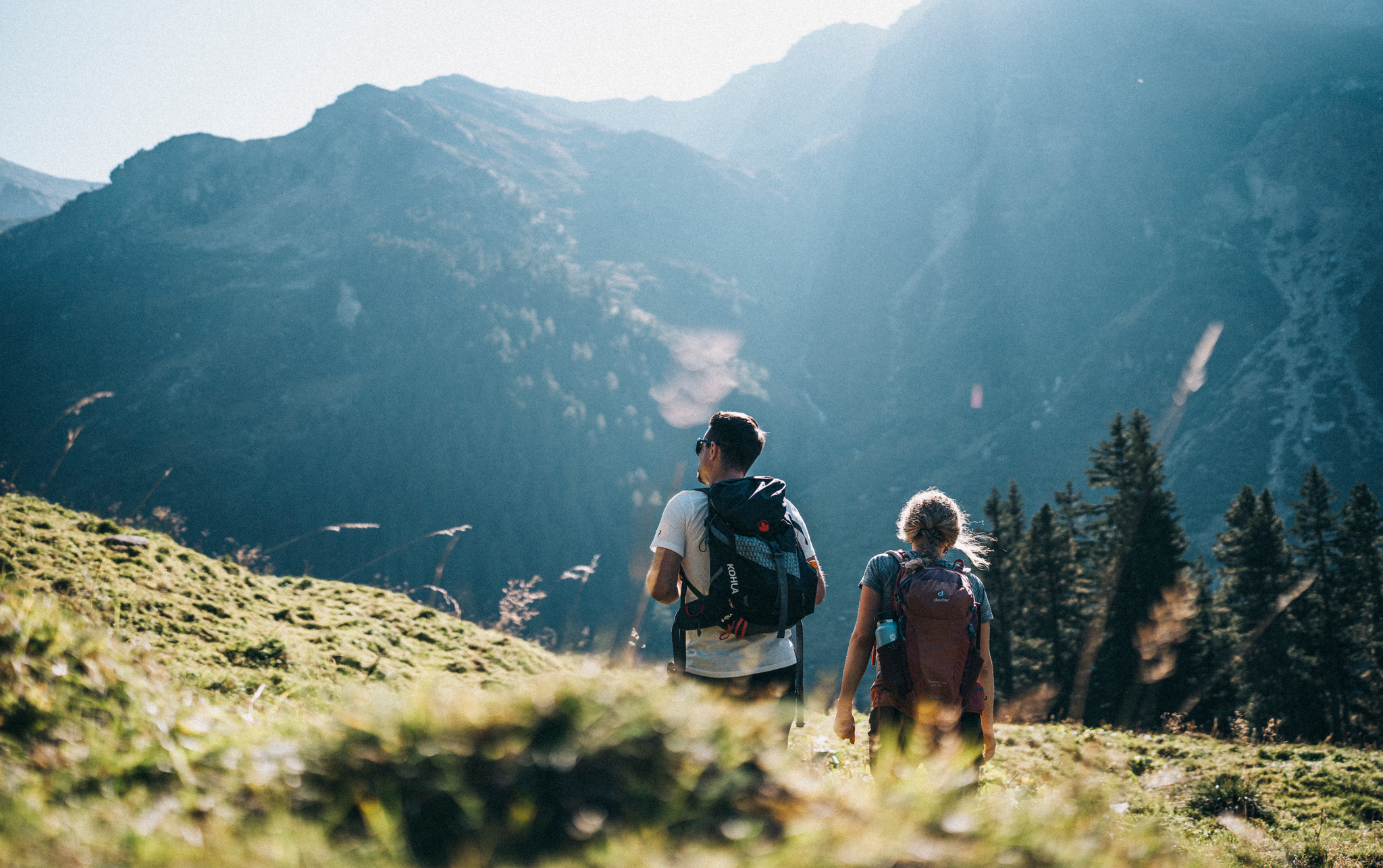
The most beautiful autumn hikes in Hall-Wattens
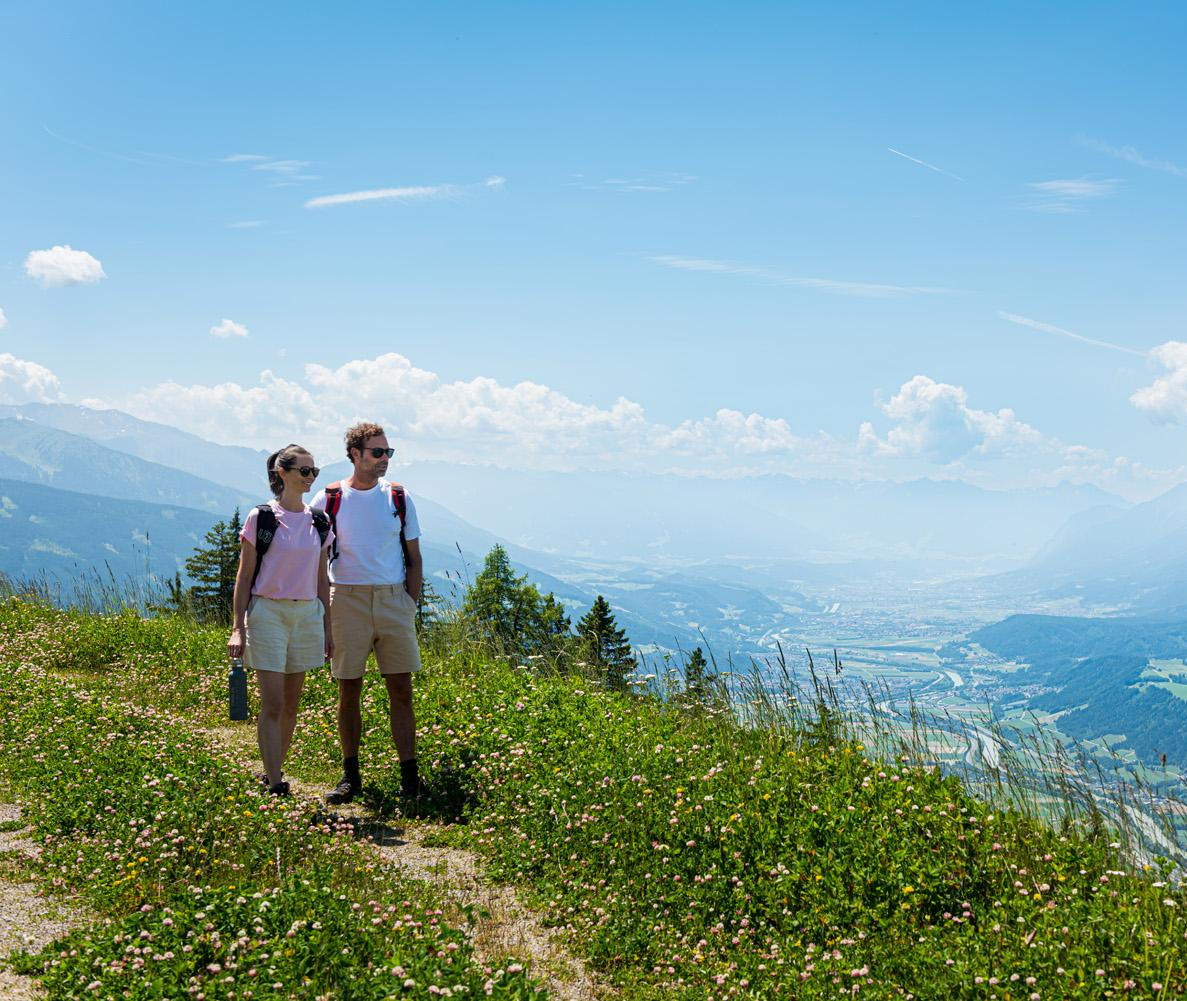
Pure enjoyment in nature – hiking in the Silberregion Karwendel
Other adventures in the Tuxer Alps


Tips from the Community

Ascent to the Rauchkofel: The final section is secured with wire ropes, but a head for heights and surefootedness are still required. It's best to plan the tour directly from Melchboden via the three peaks. The ascent with the ropes is easier than having to descend there.
0
0

It's a wonderful feeling to reach the summit cross. There's also a stamp station here.
0
0
There are several waterfalls on the Hintertux hiking trail 526 and all of them are beautiful to look at.
0
0
One of several waterfalls on hiking trail 526 in Hintertux and all of them are beautiful to look at.
0
0

The beginning of the Veil Waterfall. A small waterfall "to touch"
0
0

Very worth seeing, you have to see it
0
0

You can go right up to the waterfall and refresh yourself.
0
0

From the Grüblspitze it goes down 170HM and then you can decide between the Stoanskasern or the further climb to the Ramsjoch.
0
0
Frequently Asked Questions
What are some recommended hikes to experience the natural monuments in the Tuxer Alps?
The Tuxer Alps offer diverse hiking opportunities. For a fascinating experience, consider the trail leading to Schleier Waterfall, known for its captivating plays of water and light. Another impressive option is the path to Weitental Falls, where you might even spot marmots. For a more challenging ascent with panoramic views, the Grüblspitze summit offers a rewarding experience.
Are there easy hiking routes to natural monuments suitable for beginners?
Yes, there are options for beginners. While many trails in the Tuxer Alps can be intermediate, some sections leading to natural monuments are more accessible. For instance, the path to Schleier Waterfall is described as easy to walk on, even in winter with appropriate footwear. Always check the specific trail difficulty before heading out.
Which natural monuments in the Tuxer Alps are suitable for families?
Families can enjoy several natural monuments. The Penkenjoch Reservoir and Granat Chapel is listed as family-friendly, offering a scenic lake environment. The historic Devil’s Bridge over the Tuxbach Gorge provides an impressive view that can be enjoyed by all ages, with its unique Tyrolean timber construction.
When is the best time of year to visit the natural monuments in the Tuxer Alps?
The Tuxer Alps are beautiful year-round, but the best time depends on your preferred activities. Summer (June to September) is ideal for hiking and exploring the diverse trails through flower meadows and forests. Some natural monuments, like Schleier Waterfall, are also accessible in winter, offering a different, often serene, experience with snowshoes or sturdy hiking boots.
What geological features can I explore among the natural monuments?
The Tuxer Alps are rich in geological wonders. You can explore impressive gorges, such as the deep Tuxbach Gorge viewed from the Devil’s Bridge. Waterfalls like Schraubenfall (Hintertux) showcase the powerful forces of water shaping the landscape, revealing fascinating rock formations and natural rock bridges.
What outdoor activities can I do near these natural monuments?
Beyond exploring the natural monuments themselves, the Tuxer Alps offer a wide range of outdoor activities. You can find numerous running trails, such as the 'Lanser Kopf trail circuit - Innsbruck', or challenging mountain biking routes like the 'Patscherkofel Trail'. Cycling enthusiasts can enjoy routes like the 'Zillertal Cycle Route'. For more details on these activities, you can explore the Running Trails in the Tuxer Alps, MTB Trails in the Tuxer Alps, and Cycling in the Tuxer Alps guides.
Are there any natural monuments that offer significant viewpoints?
Absolutely. Many natural monuments in the Tuxer Alps are also excellent viewpoints. The Devil’s Bridge over the Tuxbach Gorge provides an impressive view into the deep gorge. Summits like Patscherkofel Summit, Grüblspitze, and Kreuzjoch summit cross offer spectacular panoramic views of the surrounding 3,000-meter high peaks and the Hintertux Glacier.
What kind of wildlife can I expect to see near the natural monuments?
The diverse landscapes of the Tuxer Alps provide habitats for various wildlife. Near Weitental Falls, for example, visitors often have the chance to observe marmots. The region's mountain forests and meadows are home to a variety of alpine animals and birds, offering opportunities for wildlife spotting, especially during quieter times on the trails.
How can I reach the natural monuments in the Tuxer Alps using public transport?
The Tuxer Alps region is generally well-connected. Many valleys and villages have bus services that can take you closer to trailheads and natural attractions. For specific monuments, it's advisable to check local bus schedules from towns like Finkenberg, Tux, or Hintertux, which are often starting points for exploring the area. Some higher-altitude attractions might also be accessible via cable cars, which often connect to public transport networks.
Are there any historical natural monuments in the Tuxer Alps?
Yes, the Devil’s Bridge over the Tuxbach Gorge is a notable historical natural monument. Built in 1876, this timber bridge is not only a natural landmark due to its location over the deep gorge but also a historical site, showcasing unique Tyrolean timber construction technology.
What do visitors enjoy the most about the natural monuments in the Tuxer Alps?
Visitors frequently praise the breathtaking views and the unique natural phenomena. The 'fascinating plays of water and light' at Schleier Waterfall and the 'impressive view of the gorge' from the Devil’s Bridge are often highlighted. The opportunity to observe wildlife, such as marmots near Weitental Falls, also adds to the appeal, as does the sheer beauty of the alpine landscapes.
Are there any natural monuments featuring lakes or reservoirs?
Yes, the Penkenjoch Reservoir and Granat Chapel is a prominent natural monument that includes a scenic lake. This location offers a tranquil setting amidst the alpine landscape, often combined with cultural elements like the chapel, making it a pleasant spot for relaxation and views.
Most popular routes in the Tuxer Alps
Most popular attractions in the Tuxer Alps

Get inspired with the komoot mobile app


Explore more
Extend your search for the best caves by checking out these guides of the top ones in the Tuxer Alps:
