Top 20 Natural Monuments in the Stubai Alps
Natural monuments in the Stubai Alps showcase a diverse range of geological formations and natural wonders. This mountain range in the Central Eastern Alps features powerful waterfalls, serene mountain lakes, and impressive glaciated peaks. The region offers varied experiences for hikers and nature enthusiasts, with 20 natural monuments available for exploration. These sites provide insight into the geological forces that shaped the Alps.
Best natural monuments in the Stubai Alps
- The most popular natural monuments is Burgstein Suspension Bridge,…
Last updated: May 26, 2026
Passer Gorge
Highlight • Gorge
Translated by Google •
Tip by

Stuiben Power Bridge
Highlight • Bridge
Translated by Google •
Tip by

Sign up now to discover places like this
Get recommendations on the best single tracks, peaks, & plenty of other exciting outdoor places.
Sign up for free
Stuibenfall Viewing Platform
Highlight • Viewpoint
Translated by Google •
Tip by

Burgstein Suspension Bridge
Highlight (Segment) • Bridge
Since 2013, there has been an 83m long (valley floor 220 meters) panoramic suspension bridge over the "Maurrinne" between Burgstein and Brand. The entire …
Showing Translation
Tip by

Starkenburger Hut
Highlight • Mountain Hut
Translated by Google •
Tip by

View of the Grawa Waterfall
Highlight • Waterfall
Translated by Google •
Tip by

Stieber Waterfall
Highlight • Waterfall
Translated by Google •
Tip by

Stuibenfall Waterfall and Via Ferrata
Highlight (Segment) • Waterfall
Translated by Google •
Tip by

Maria Waldrast Monastery
Highlight • Religious Site
Translated by Google •
Tip by
Elfer Walkable Sundial
Highlight • Monument
Translated by Google •
Tip by
Sign up for free to discover even more natural monuments in the Stubai Alps.
Sign up for free
Already have an account?
Start today with a free account
Your next adventure awaits.
Login or Signup
Popular around Stubai Alps
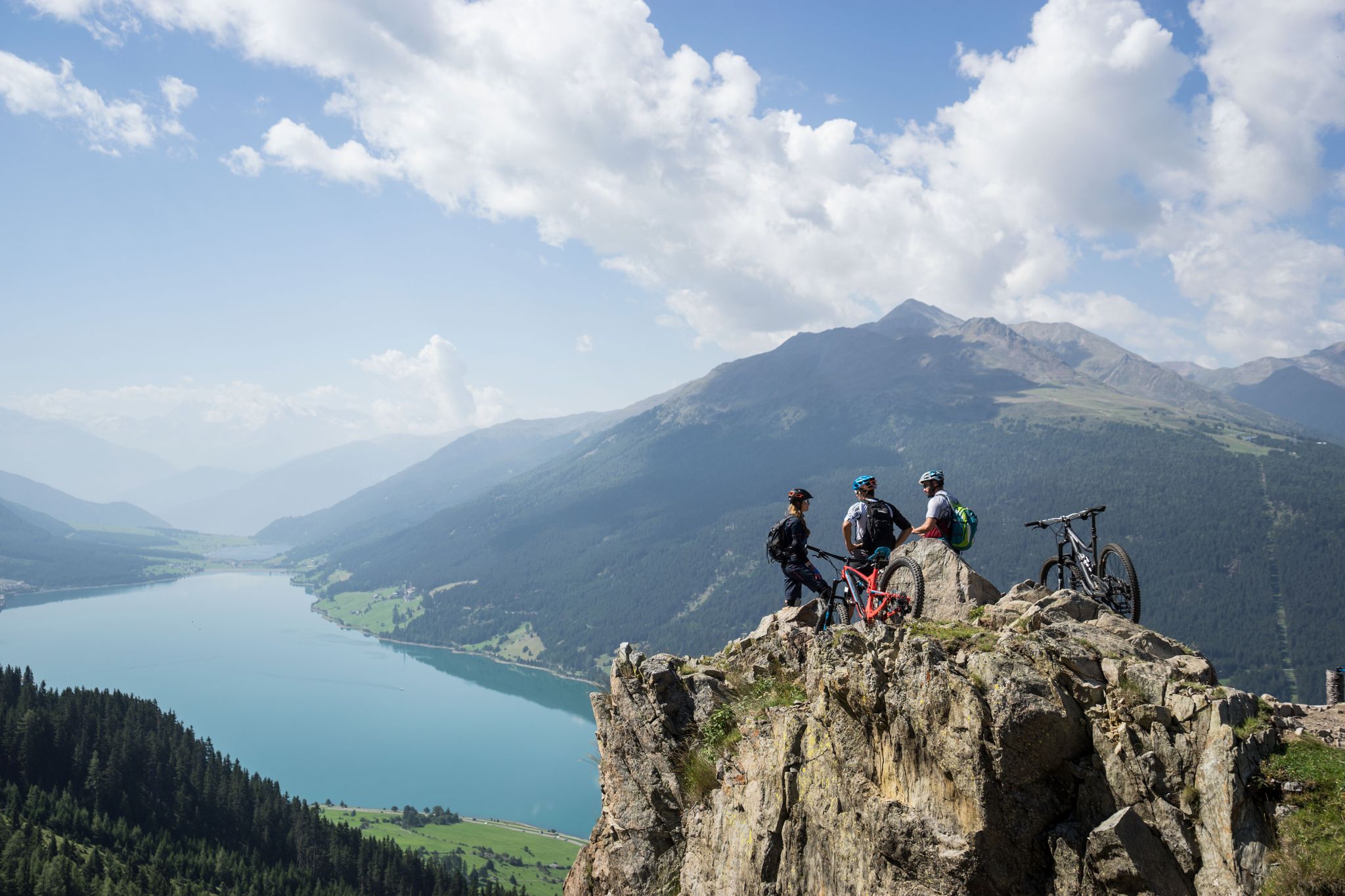
High into the Tyrolean mountain world – mountain biking in Tyrol
Via Romea Germanica – History, nature and spirituality
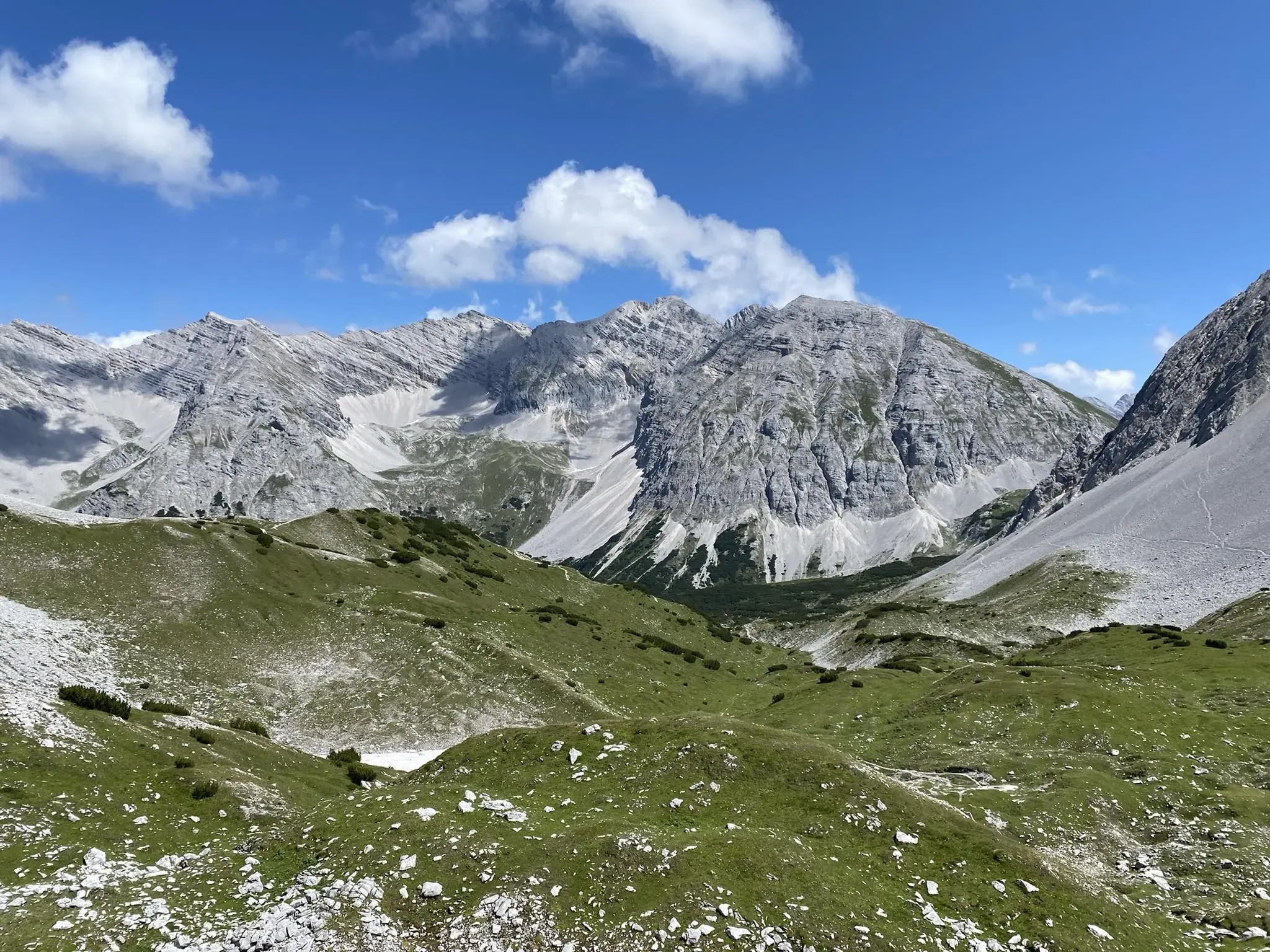
Karwendel crossing – Innsbruck to Sylvensteinspeicher
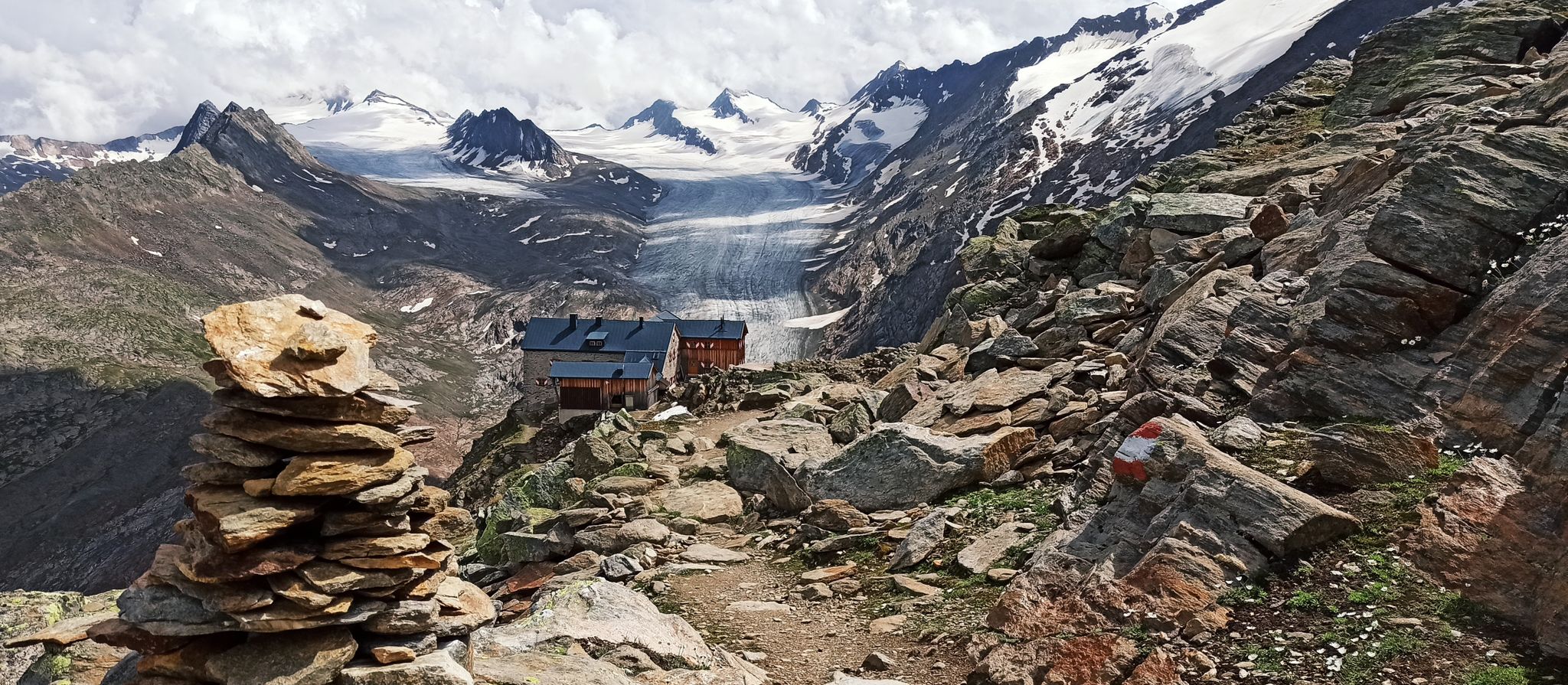
L1 from Garmisch to Brescia – Far from the classic Alpine crossings
The Inn Cycle Path – From a babbling brook to a mighty river
The Munich-Venice Long-Distance Cycle Path – A beautiful Alps crossing
4 romantic huts high above the Ötztal
The Pfunderer High Route – Alpine. Solitary. Breathtaking.
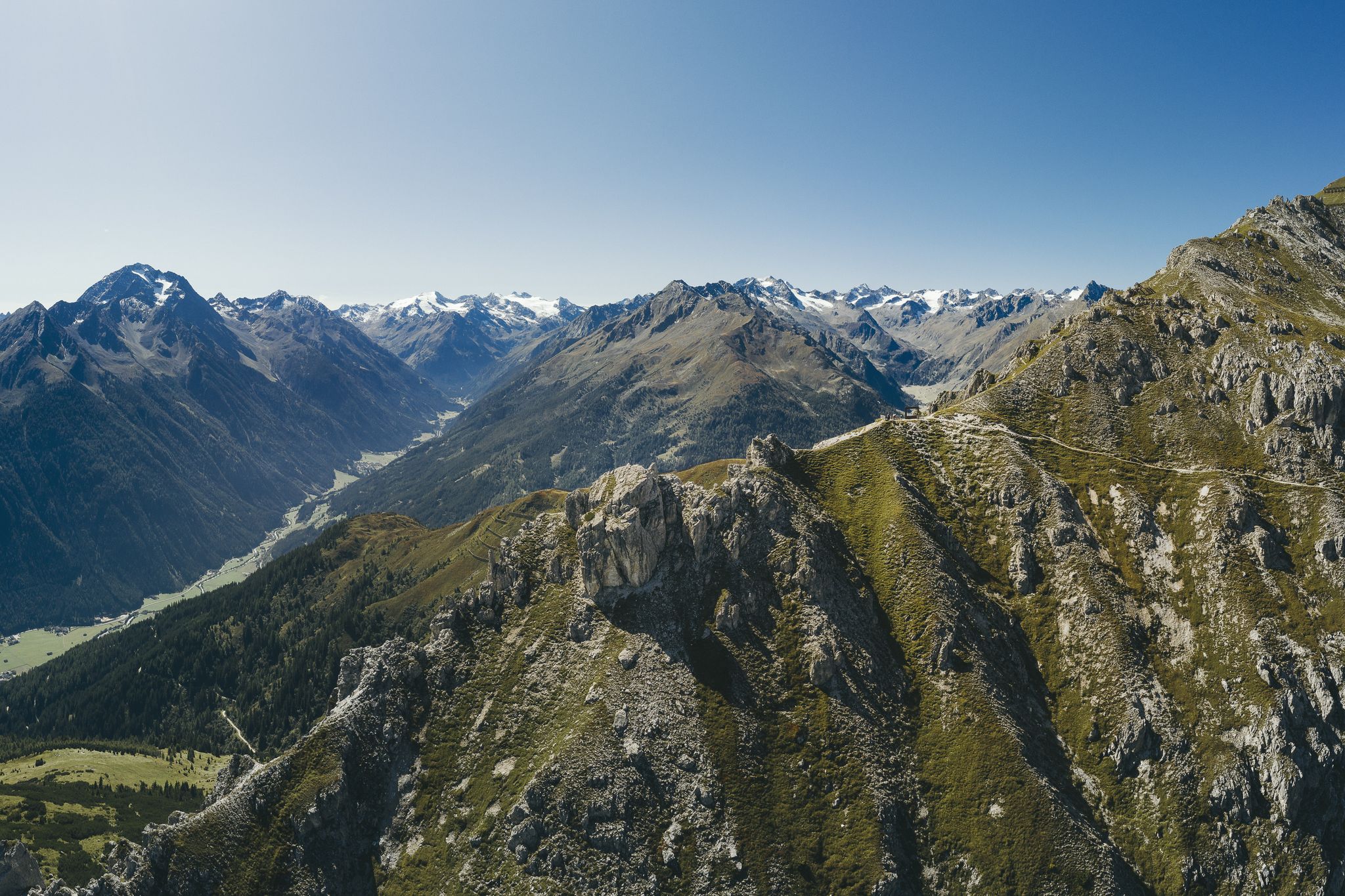
Hiking up high with the Stubai cable cars
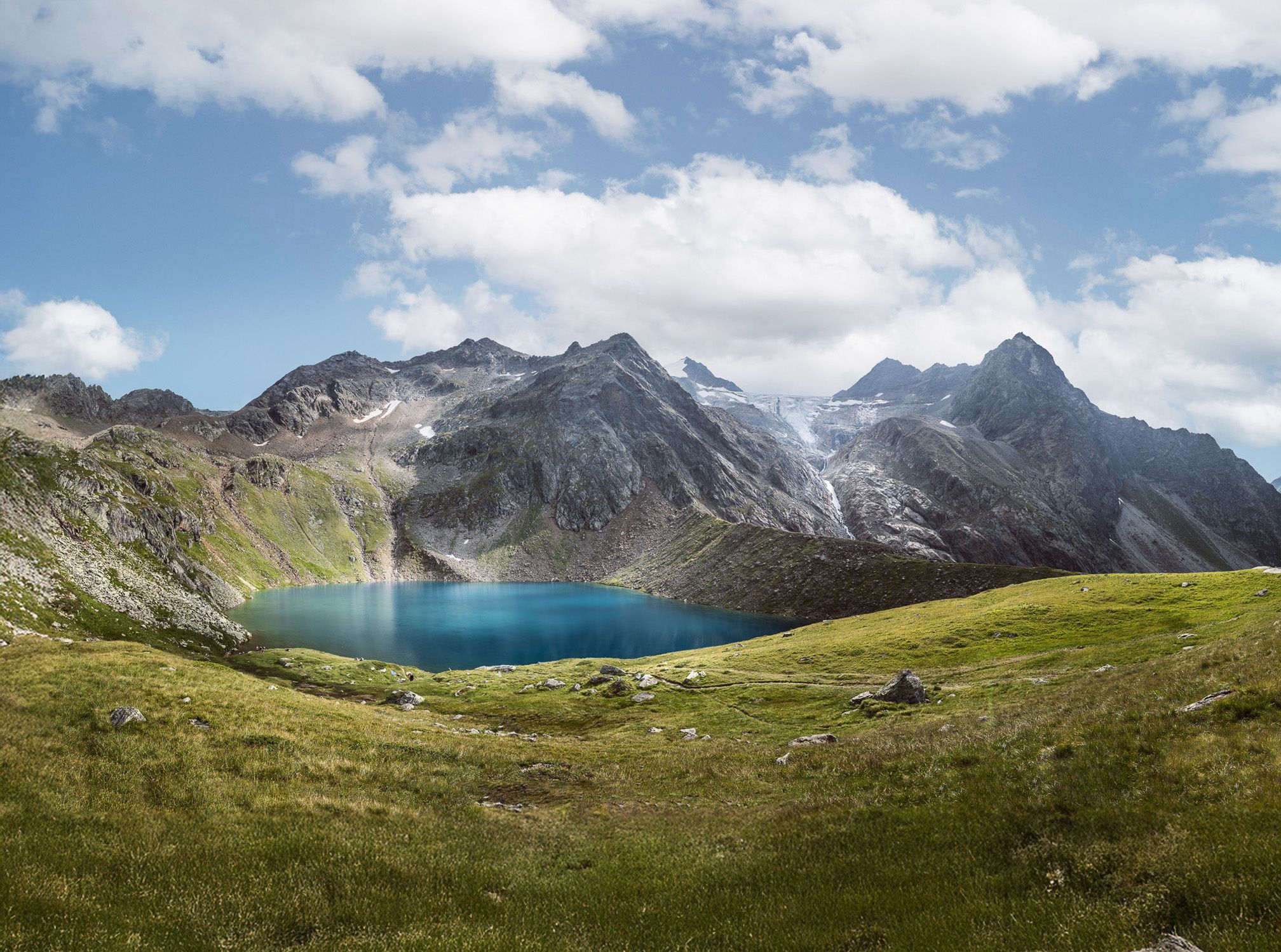
Stubai's mountain lakes – hiking to Tyrol's alpine gems
Other adventures in the Stubai Alps


Tips from the Community

Suspension bridge "Maurrinne" since 2013, Längenfeld Since 2013, there has been an 83m long (valley floor 220 meters) panoramic suspension bridge over the "Maurrinne" between Burgstein and Brand. The entire path has also been renovated and widened, so you can comfortably walk to and from Burgstein. From the bridge, you can look out over the wide valley floor of Längenfeld and the Aqua Dome thermal spa. There is also a "dog track": special metal plates have been mounted on the floor of the bridge so that the little four-legged friends do not injure their paws and can cross the suspension bridge without any problems. Text / Source: Marialuise Reindl, Burgstein 63, 6444 Längenfeld https://www.burgstein.at/?id=47&L=1
19
1

82 m long suspension bridge, around 150 m above the valley floor, over the so-called "Maurer Rinne" with a great view of the valley.
3
2


We found the rainbow 🌈 in the waterfall 👍😊
5
0

Simply a dream, I can only recommend it
2
1

Very interesting. Be sure to visit the Energy Museum, super interesting
5
0

Very beautiful viewpoints, each of which has its own charm
1
1

Rustic hut as a starting point for the Stubaier Höhenweg. Unfortunately no showers.
3
1
Frequently Asked Questions
Are there family-friendly natural monuments in the Stubai Alps?
Absolutely. Many natural monuments in the Stubai Alps are suitable for families. For instance, the Burgstein Suspension Bridge offers panoramic views and has a special "dog track" for four-legged friends, making it accessible for families. The View of the Grawa Waterfall also features an observatory with seating, allowing everyone to enjoy the impressive water volumes and refreshing mist.
What kind of geological formations can I explore in the Stubai Alps?
The Stubai Alps are rich in diverse geological formations. The Elfer mountain, for example, showcases a unique meeting point of rugged limestone towers from the Serles ridge and the primary rock of the Ötztal-Stubai crystalline. This area provides compelling evidence of the immense geological forces that shaped the Alps, with limestone deposits uplifted from the sea. You can also find the "split stone" in Pinnistal, a dolomitic giant testament to powerful rock movements.
What are some notable waterfalls in the Stubai Alps?
The region is home to several impressive waterfalls. The Grawa Waterfall is particularly renowned as the widest waterfall in the Eastern Alps. Another must-see is the Stuibenfall Viewing Platform, offering spectacular views of Tyrol's largest waterfall, which you can experience up close via a metal staircase. The Stieber Waterfall also presents an impressive natural spectacle as the Pfelderer Bach rushes into the gorge.
Can I find mountain lakes in the Stubai Alps?
Yes, the Stubai Valley is dotted with crystal-clear mountain lakes, often referred to as "jewels of the Alps." Notable examples include the Blaue Lacke, Mutterberger See, and Grünausee. These idyllic lakes are surrounded by stunning mountain scenery, perfect for relaxation and photography. A hike to these lakes is a popular activity for visitors.
What is the best time to visit the natural monuments in the Stubai Alps?
The best time to visit depends on your preferred activities. For hiking and experiencing the vibrant alpine meadows, late spring to early autumn (June to September) is ideal, especially when the alpenroses are in bloom from mid-June to mid-July. The Stubai Glacier, however, offers snow from October to June, making it accessible for glacier experiences for a longer period.
Are there opportunities for hiking near these natural monuments?
Definitely. The Stubai Alps offer extensive hiking opportunities. For example, you can explore the Passer Gorge, which is part of the Passer Gorge Trail. Many natural monuments are integrated into well-maintained hiking trails, such as the WildeWasserWeg which passes the Grawa Waterfall. You can find more hiking routes in the region by checking the Hiking in the Stubai Alps guide.
What other outdoor activities can I do near the natural monuments?
Beyond hiking, the Stubai Alps provide diverse outdoor activities. You can find numerous running trails, including the challenging STUBAI K31, or enjoy cycling routes like the Ötztal cycle path. The Stubai Glacier also offers skiing and snowboarding for a significant portion of the year.
Are there any unique viewpoints among the natural monuments?
Yes, the Stubai Alps feature several breathtaking viewpoints. The "Top of Tyrol" viewing platform on the Stubai Glacier, at 3,210 meters, offers an incredible 360-degree panoramic view of over 109 peaks exceeding 3,000 meters. Its unique architecture extends 9 meters over the rock, providing a thrilling experience. The Stuibenfall Viewing Platform also provides a unique perspective of Tyrol's largest waterfall.
What do visitors enjoy most about the natural monuments in the Stubai Alps?
Visitors frequently highlight the impressive natural spectacles, such as the thundering waterfalls and the serene beauty of the mountain lakes. The accessibility of many sites, like the Grawa Waterfall's observatory, and the well-maintained trails are also highly appreciated. The stunning panoramic views from various viewpoints, including the Stubai Glacier, are consistently praised for their grandeur.
Are there any natural monuments that are also historical sites?
While primarily natural, some sites have historical significance or are closely associated with historical structures. The Maria Waldrast Monastery, for example, is listed as a natural monument and is a historical religious site offering beautiful views. The geological formations on the Elfer also tell a deep historical story of the Earth's formation.
Can I visit the Stubai Glacier as a natural monument?
Yes, the Stubai Glacier is a significant natural monument, recognized as Austria's largest glacier ski area. Beyond winter sports, it offers the "Top of Tyrol" viewing platform, providing unparalleled panoramic views of the Alps. It's a prime example of the region's glaciated peaks and offers a unique high-alpine experience.
Are there any high moors or alpine meadows to explore?
The Stubai Valley is home to unique ecosystems including high moors, which are vital habitats for alpine animals and offer a mysterious landscape. In spring and summer, the alpine meadows transform into vibrant seas of flowers, particularly when the alpenroses bloom. These areas provide picturesque backdrops for hikes and opportunities to observe local flora and fauna.
Most popular routes in the Stubai Alps
Most popular attractions in the Stubai Alps

Get inspired with the komoot mobile app


Explore more
Extend your search for the best caves by checking out these guides of the top ones in the Stubai Alps:
