Top 20 Natural Monuments in Rhenish Hesse
Best natural monuments in Rhenish Hesse showcase a diverse landscape, often referred to as the "land of a thousand hills." This region features unique geological formations and ecosystems shaped by ancient forces and human interaction. Visitors can explore sites that highlight the area's natural history and distinct geographical features. The natural monuments offer insights into the region's varied terrain, from ancient sand dunes to geological formations.
Best natural monuments in Rhenish Hesse
- The most popular natural monuments is Mainzer Sand…
Last updated: August 16, 2026
Landskron Castle Ruins
Highlight • Castle
Showing Translation
Tip by

Rhine-Nahe-Eck
Highlight • Viewpoint
Binger Loch, Mouse Tower, Ehrenfels Castle, Niederwald Monument,... and much more can be seen here 👌😎
Translated by Google •
Tip by

Sign up now to discover places like this
Get recommendations on the best single tracks, peaks, & plenty of other exciting outdoor places.
Sign up for free
View of the Rhine, Nahe confluence, and Binger Mäuseturm
Highlight • Viewpoint
Translated by Google •
Tip by

View of the confluence of the Main and the Rhine
Highlight • Viewpoint
Translated by Google •
Tip by

Hauck's Quarries
Highlight • Structure
Translated by Google •
Tip by

Mainzer Sand Part II Nature Reserve
Highlight • Natural Monument
Translated by Google •
Tip by

Rochus Chapel
Highlight • Religious Site
Translated by Google •
Tip by

Seven ponds of the Lenneberg Forest
Highlight • Lake
Translated by Google •
Tip by

Oppenheim Krötenbrunnen
Highlight • Monument
The Oppenheim Toad …
Translated by Google •
Tip by

Hindenburganlage — Bingen Riverside Promenade
Highlight • Viewpoint
Translated by Google •
Tip by

Sign up for free to discover even more natural monuments in Rhenish Hesse.
Sign up for free
Already have an account?
Start today with a free account
Your next adventure awaits.
Login or Signup
Popular around Rhenish Hesse
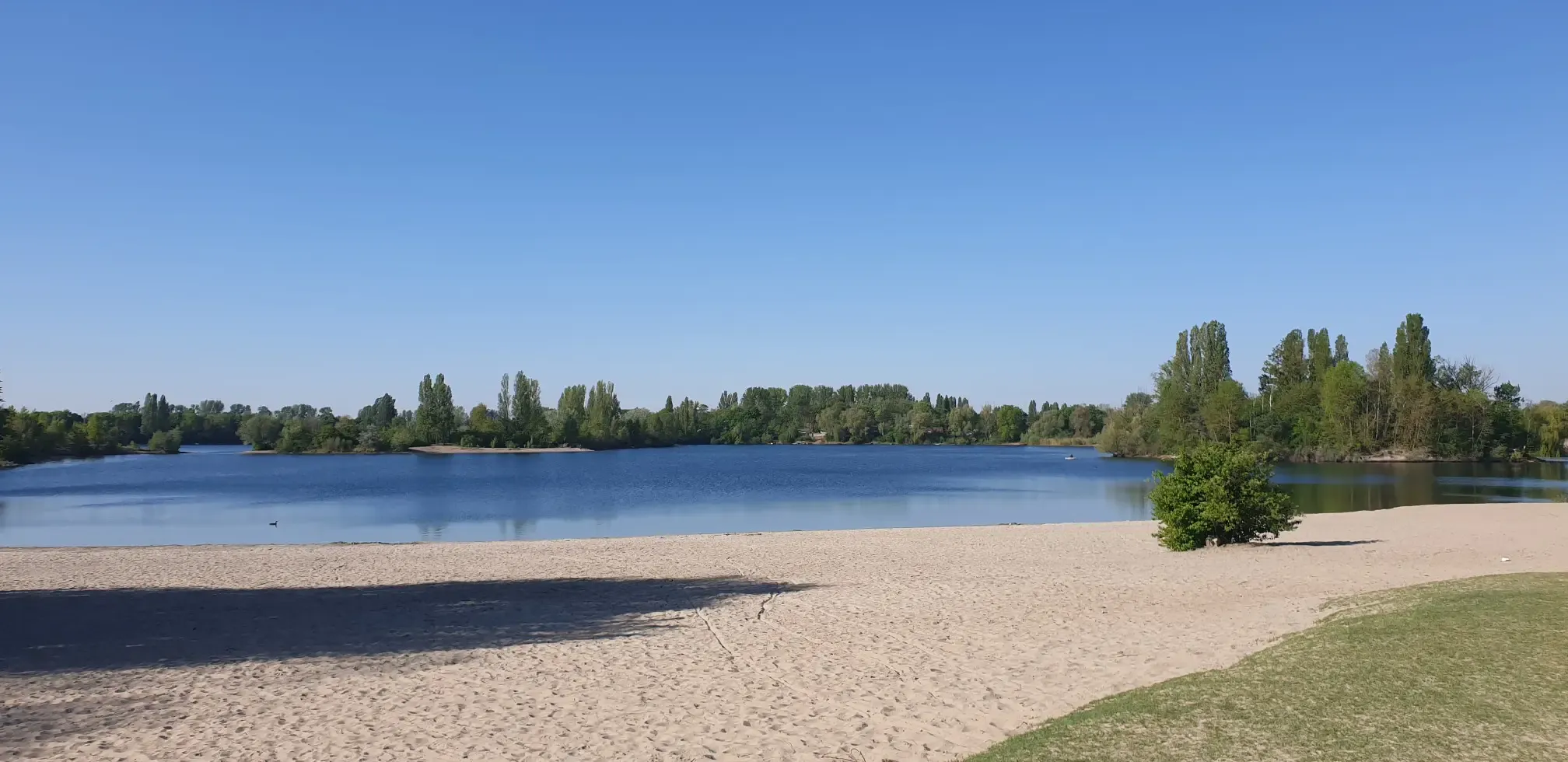
Jump right in! Swimming lakes in the Rhine-Neckar Triangle
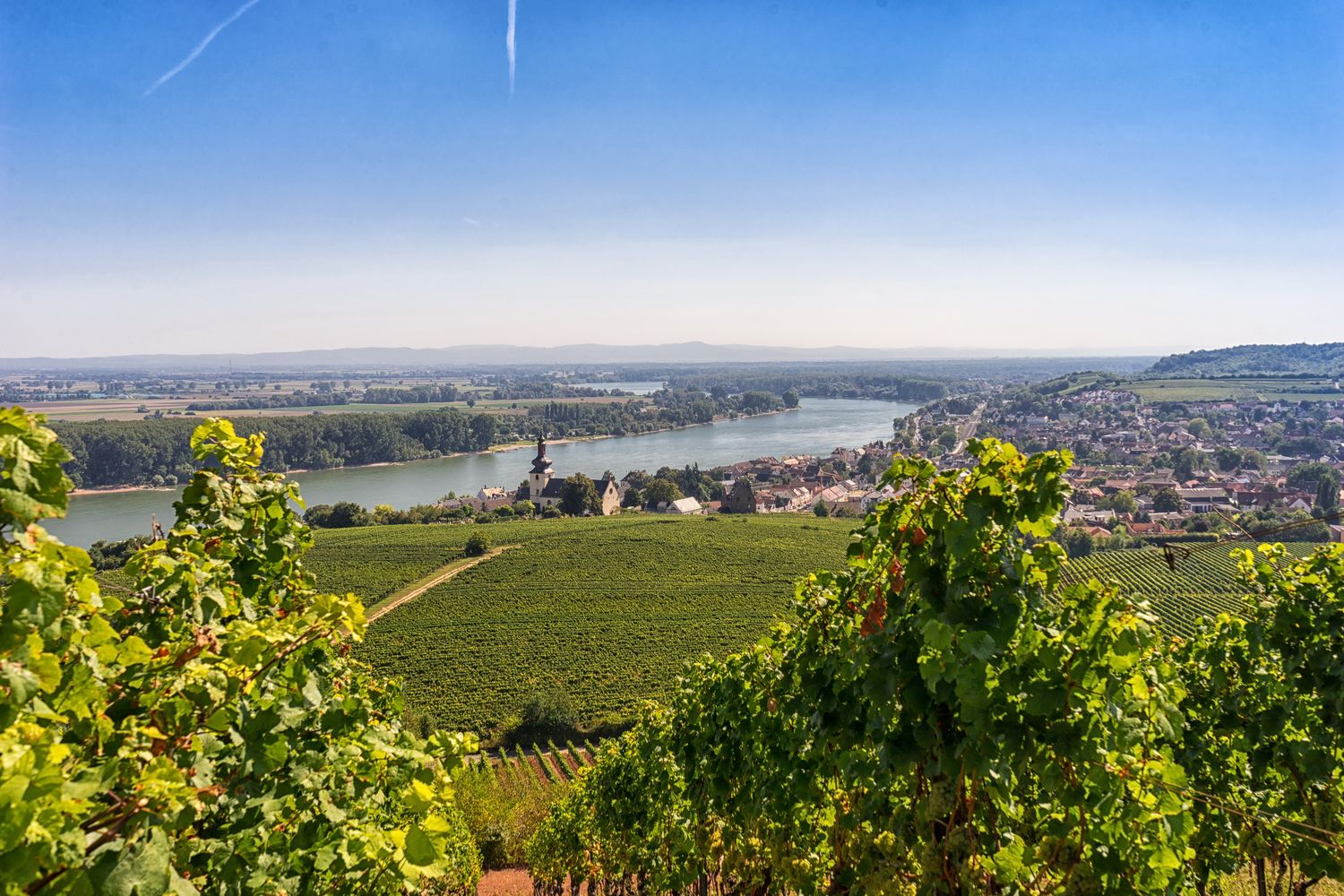
RheinTerrassenWeg – Hike through vineyards along Germany's River Rhine
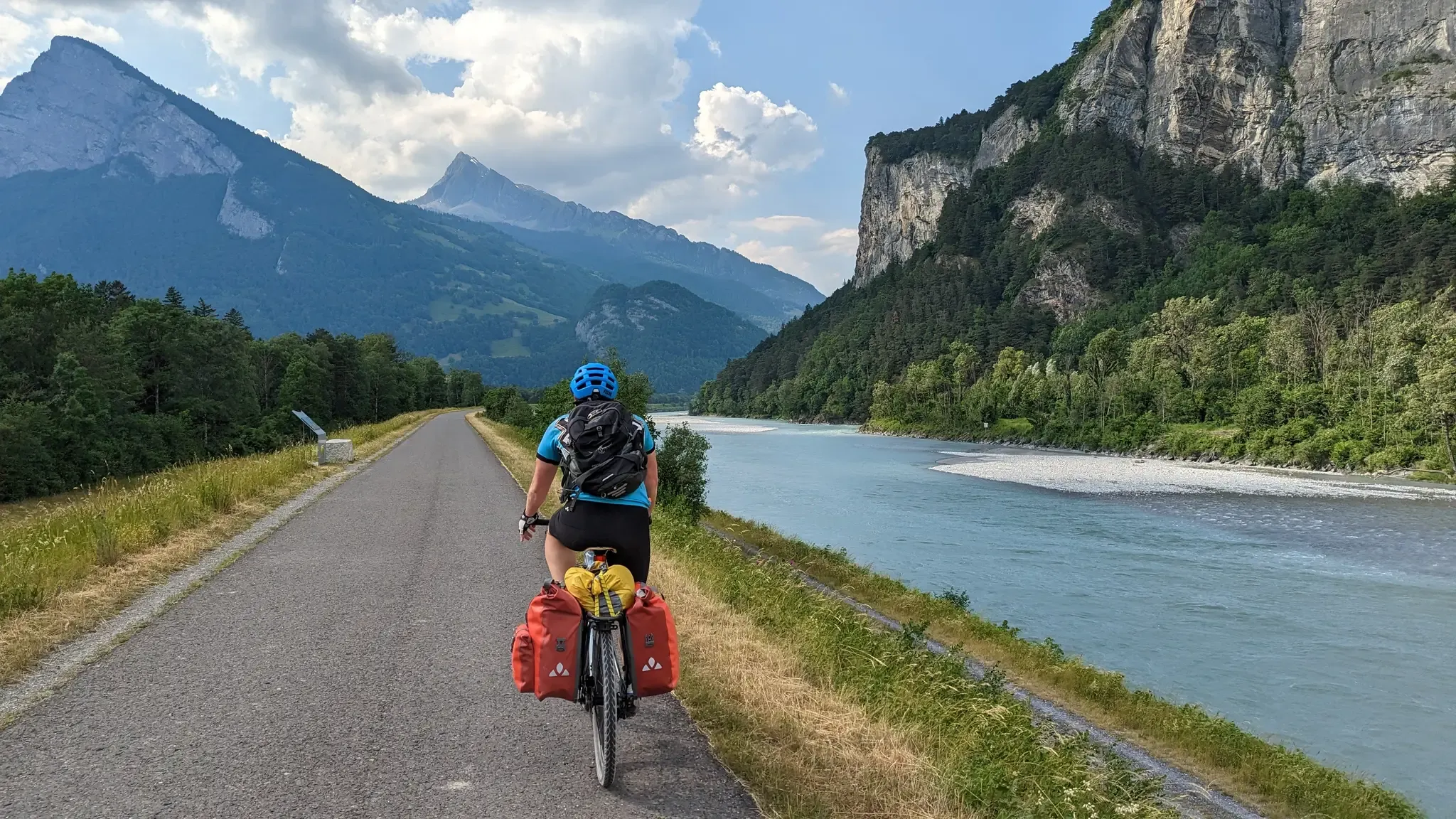
The Rhine Cycle Path — From the source to the North Sea
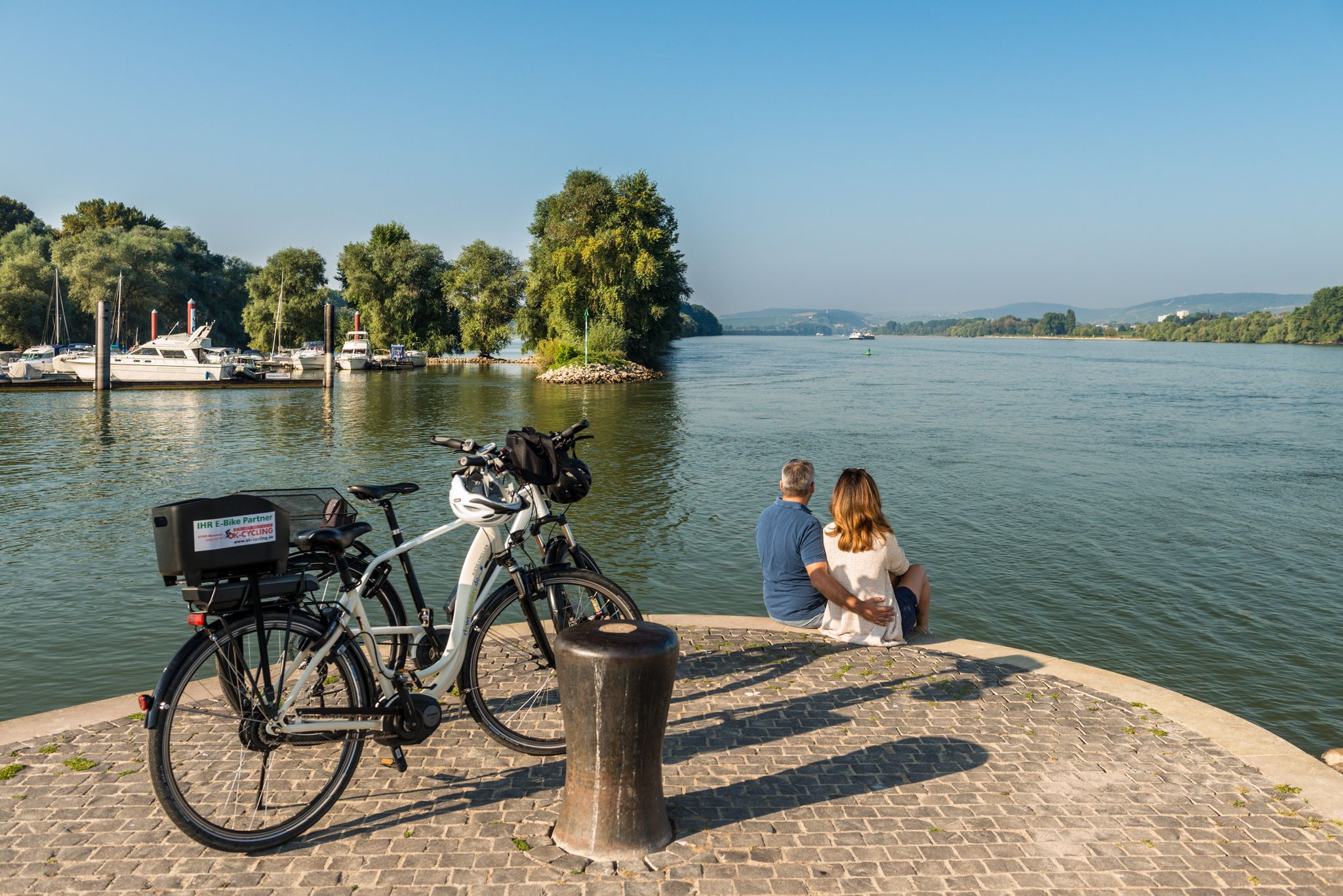
Cycling in Rheinhessen between Rhine and wine
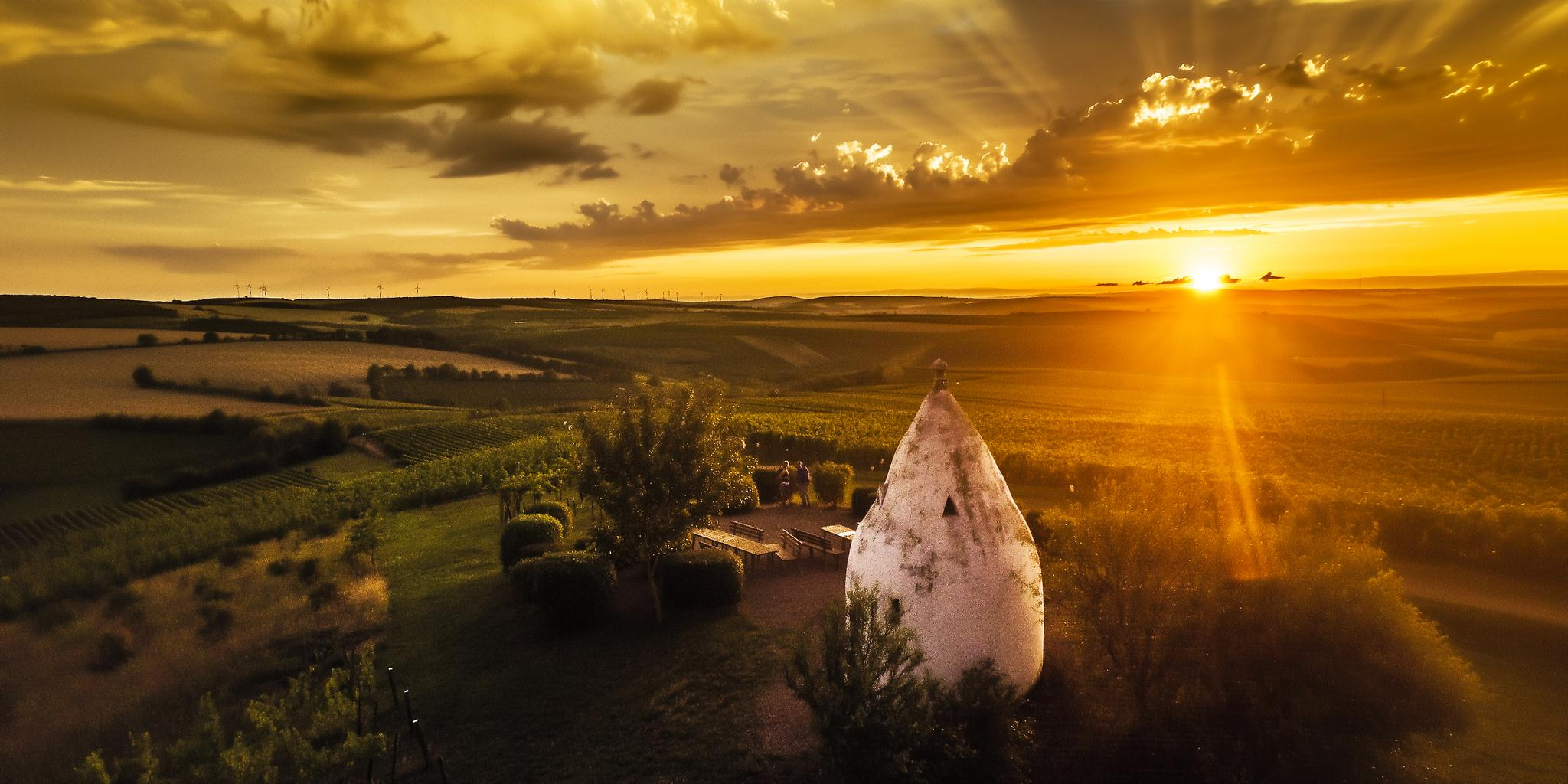
Hiking joy in Rheinhessen – experience magical moments
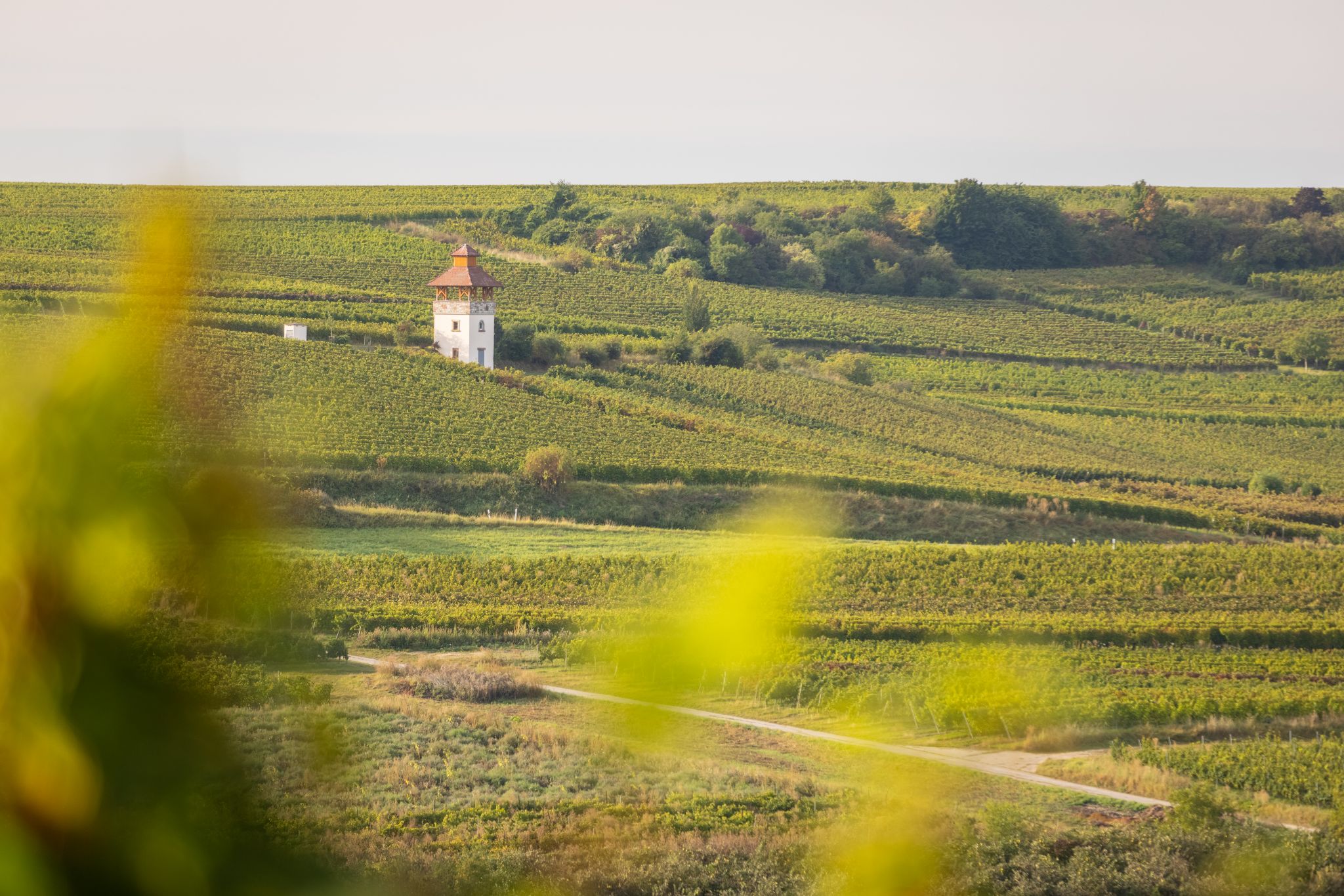
Vineyards and half-timbered houses – hiking magic in Rheinhessen
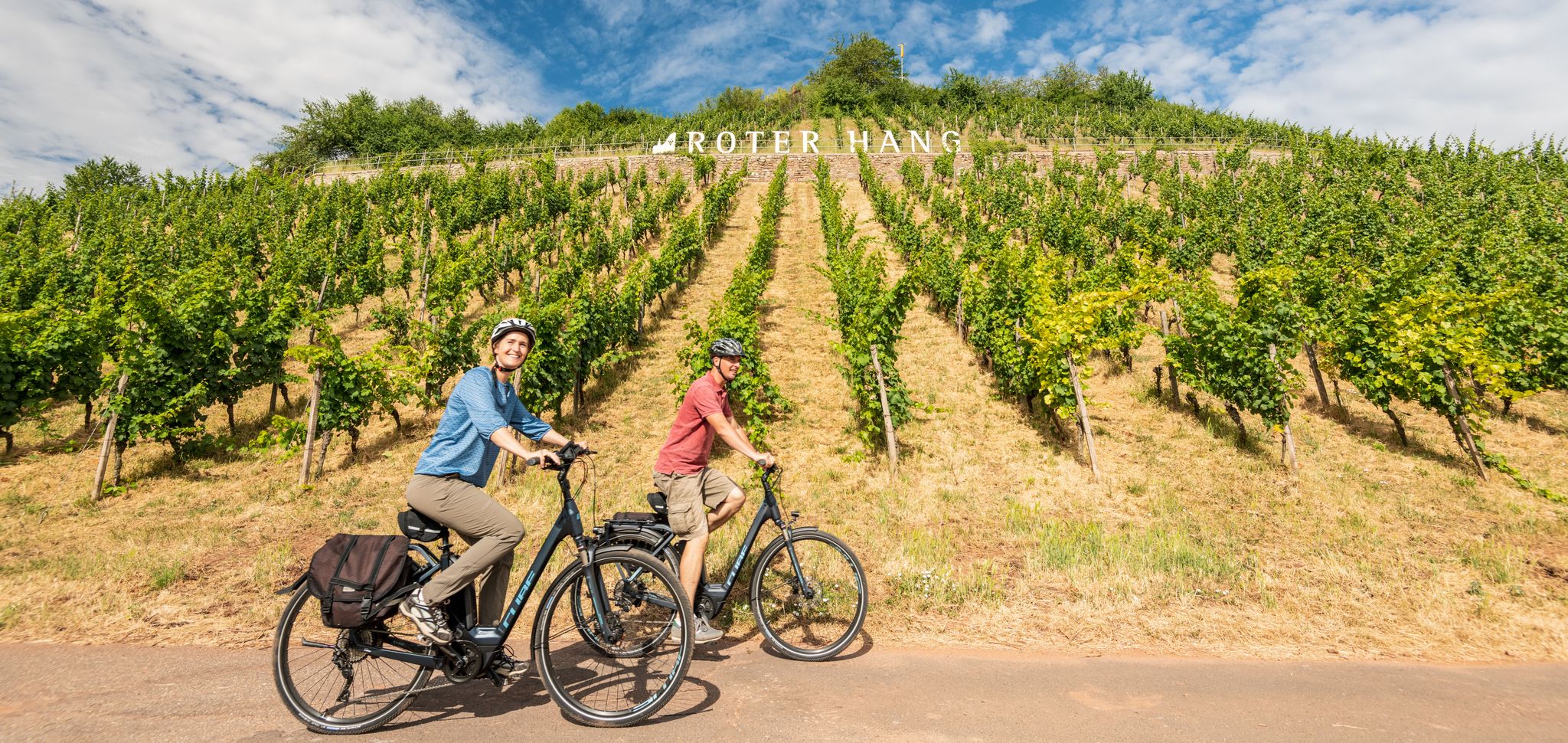
From the city to a sea of vines – cycling Tours in Rheinhessen

Winter adventures by public transport – hikes for the whole family
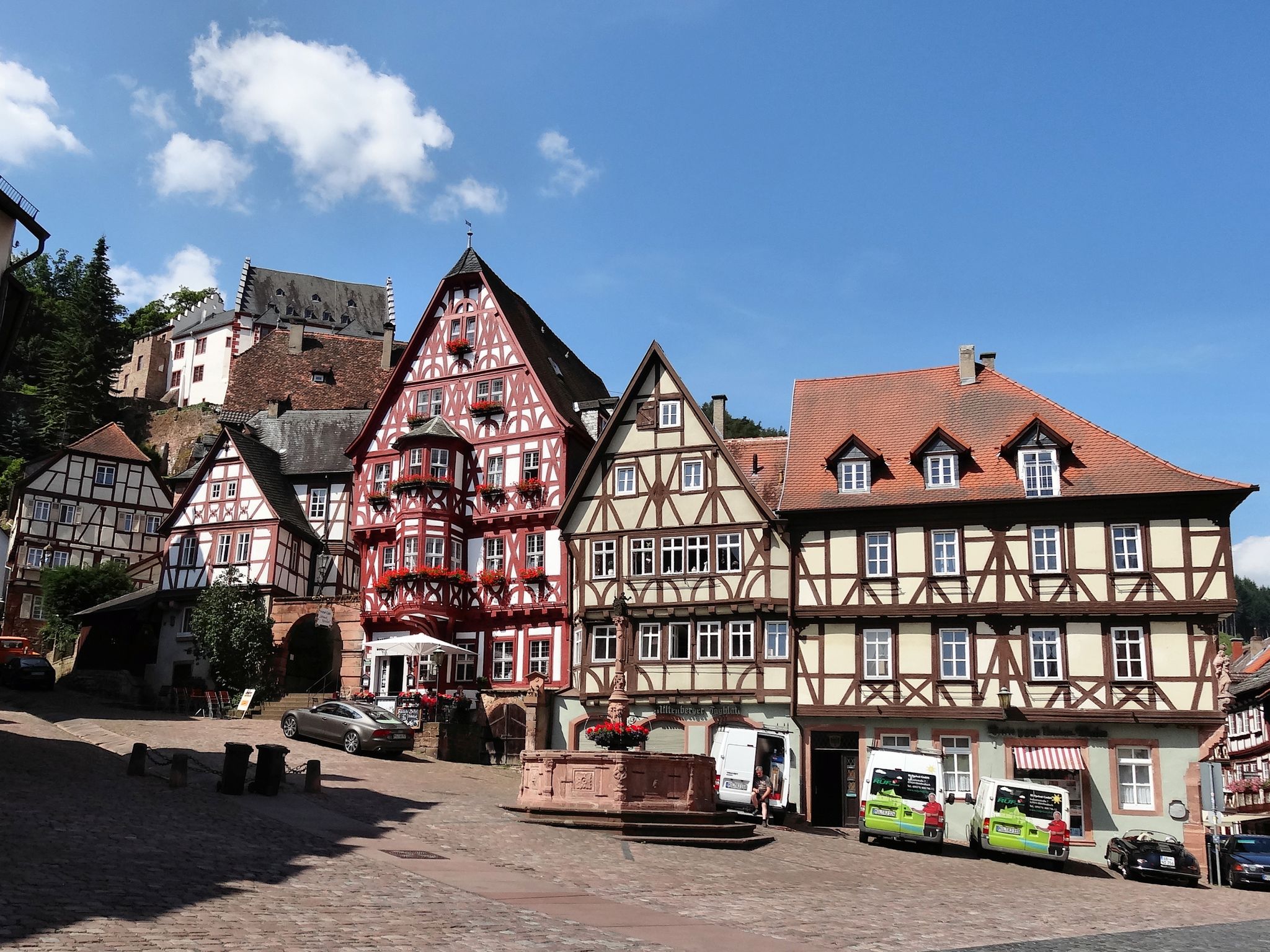
Give me four! - The Four-Country-Way
Culture and Nature in the Vorderpfalz - The Salier Cycle Path
Other adventures in Rhenish Hesse


Tips from the Community

Today, the area is divided into strictly protected nature reserves and areas that are actively used for recreation and partly still for the training of armed forces. Zoning: Mainzer Sand Part I Großer Sand, highly protected and Mainzer Sand Part II partly still militarily overlaid training area
0
0

Information about its creation and the nature there: https://de.wikipedia.org/wiki/Gro%C3%9Fer_Sand There are also information trails. Info here: https://www.mainz.de/angebote-entdecken/gruenes-mainz/naherholung/mainzer-sand
1
0

Through open terrain dotted with gnarled oaks and pines, we reach the Seven Ponds, which are arranged in a cascade. Benches invite you to linger here.
1
0

The "Mainzer Sand II" nature reserve was established in March 1997. Brief description: Calcareous sand area with open calcareous sand plains, dunes, pioneer sand vegetation, sandy heaths, fallow land, orchards, isolated trees, and old and dead wood; The Mainzer Sand landscape originated approximately 10,000 years ago and is therefore relatively young. Dunes formed from the windblown sand blown from the gravelly riverbed of the Rhine. The establishment of trees and shrubs stabilized these dunes, essentially completing their formation. The resulting landscape is very rare, as it consists of inland dunes.
1
0

You can also cycle and run over them
8
0

A truly interesting nature reserve where the geological history is visible.
0
1
The Hindenburg complex was the central exhibition area of the Bingen State Garden Show 2008.
1
0

Nature is taking back bit by bit!
1
0
Frequently Asked Questions
What unique natural monuments can I explore in Rhenish Hesse?
Rhenish Hesse offers a variety of unique natural monuments. You can visit the Mainzer Sand Part II Nature Reserve, an inland dune landscape with rare steppe vegetation. Another remarkable site is the Roter Hang near Nierstein, known for its distinctive red slate soil and world-class vineyards. The region also features unique geological formations like the Weinheimer Trift, a former seabed rich in fossils, and the fascinating Hollow Paths, carved by centuries of natural erosion and agriculture.
Are there natural monuments in Rhenish Hesse with historical significance?
Yes, several natural monuments in Rhenish Hesse have historical significance. For instance, Hauck's Quarries offer insights into the region's geological past and historical mining. The Landskron Castle Ruins, while primarily a historical site, is often considered a natural monument due to its integration with the landscape and the panoramic views it offers. The Hollow Paths also tell a story of historical agricultural practices shaping the land.
What kind of geological features can I expect to see among Rhenish Hesse's natural monuments?
Rhenish Hesse, known as the 'land of a thousand hills,' showcases diverse geological features. You can find ancient sand dunes at the Mainzer Sand Part II Nature Reserve, formed after the last ice age. The Roter Hang is famous for its 280-million-year-old red slate soil, locally called 'Rotliegend.' The Weinheimer Trift reveals a 30-million-year-old primeval seabed with rich fossil deposits, and the Hollow Paths are unique formations carved into soft loess soil.
What outdoor activities can I do near the natural monuments in Rhenish Hesse?
Near the natural monuments, you can enjoy various outdoor activities. For cycling, explore routes like the RhineWine-Tour or the Kühkopf tour. If you prefer hiking, there are options such as the Prinzenkopf – Damianskopf loop or the Rotenfels Ascent Trail. Mountain biking enthusiasts can find trails like the S0 trail in Lennebergwald. You can find more details and routes in the Cycling in Rhenish Hesse, Mountain Hikes in Rhenish Hesse, and MTB Trails in Rhenish Hesse guides.
Are there family-friendly natural monuments in Rhenish Hesse?
Yes, many natural monuments in Rhenish Hesse are suitable for families. The Rhine-Nahe-Eck offers a great panorama and is easily accessible. The Seven ponds of the Lenneberg Forest provide a lovely spot for a short rest and exploration. The View of the confluence of the Main and the Rhine is another accessible viewpoint that families can enjoy.
What is the best time of year to visit the natural monuments in Rhenish Hesse?
The natural monuments in Rhenish Hesse can be enjoyed throughout the year, but each season offers a different experience. Spring and autumn are ideal for hiking and cycling, with pleasant temperatures and beautiful colors, especially in the vineyards of the Roter Hang. Summer allows for longer days and outdoor activities, while winter can offer serene, less crowded walks, particularly in areas like the Mainzer Sand Part II Nature Reserve.
Are there any natural monuments that are particularly interesting for nature lovers?
Nature lovers will find several fascinating sites. The Mainzer Sand Part II Nature Reserve is a botanical marvel, home to rare steppe vegetation and unique flora and fauna. The Hollow Paths provide invaluable habitats for diverse animal and plant species, including wild bees and birds. The Seven ponds of the Lenneberg Forest also offer a tranquil natural setting.
Can I find viewpoints with scenic vistas among the natural monuments?
Absolutely. Rhenish Hesse is known for its scenic viewpoints. The Rhine-Nahe-Eck offers a super panorama of the Rhine and Nahe confluence. From the Landskron Castle Ruins, you get a wonderful view over the Rhine plain. The Roter Hang near Nierstein also provides breathtaking views over the Rhine and its vineyards.
What do visitors particularly enjoy about the natural monuments in Rhenish Hesse?
Visitors frequently praise the stunning views, especially from sites like the Rhine-Nahe-Eck and the Landskron Castle Ruins. The unique landscape of the Mainzer Sand Part II Nature Reserve is often highlighted as 'very interesting' and 'absolutely worthwhile.' Many also appreciate the tranquility and natural beauty of places like the Seven ponds of the Lenneberg Forest.
Are there any natural monuments that are particularly good for photography?
For photography enthusiasts, the Roter Hang near Nierstein offers striking reddish vineyard landscapes with panoramic views over the Rhine. The Trullo near Flonheim, a unique 18th-century vineyard shelter, provides a picturesque motif, especially at sunset. The Landskron Castle Ruins also offer fantastic photo opportunities with its historical architecture set against a scenic backdrop.
Is public transport available to reach these natural monuments?
Access to natural monuments by public transport varies. Some sites, like the Rhine-Nahe-Eck, are conveniently located near main train stations. For others, a combination of train and bus might be necessary, or they might be best reached by car or as part of a longer cycling or hiking tour. It's advisable to check specific routes and schedules for each monument you plan to visit.
Are there any natural monuments that are wheelchair accessible?
While many natural monuments involve uneven terrain or trails, some offer better accessibility. The Frauenlob Barke Fountain (Mainz Rhine Promenade) is noted as wheelchair accessible. For other sites, particularly those with viewpoints or along riverbanks like the View of the confluence of the Main and the Rhine, parts of the approach may be accessible, but it's recommended to check specific conditions for each location.
Most popular routes in Rhenish Hesse
Most popular attractions in Rhenish Hesse

Get inspired with the komoot mobile app


Didn’t find what you were looking for?
Find even more amazing natural monuments in Rhenish Hesse by checking out the top Highlights region by region:
Explore more
Extend your search for the best caves by checking out these guides of the top ones in Rhenish Hesse:
