Parco naturale regionale delle Dolomiti Friulane
Parco naturale regionale delle Dolomiti Friulane
Top 20 Natural Monuments around Parco naturale regionale delle Dolomiti Friulane
Best natural monuments around Parco naturale regionale delle Dolomiti Friulane are found within a UNESCO World Heritage site known for its wild, unspoiled landscapes and unique geological features. This park offers dramatic peaks, deep valleys, and significant geomorphological importance. The region is characterized by its untouched nature, providing peace and quiet amidst diverse landscapes ranging from spruce forests to lunar peaks. It presents a distinct experience compared to other Dolomite parks.
Best natural monuments around Parco naturale regionale delle Dolomiti…
Last updated: May 26, 2026
Giuliano Perugini Bivouac and the Campanile of Val Montanaia
Highlight • Mountain Hut
Translated by Google •
Tip by

Campanile of Val Montanaia
Highlight • Natural Monument
Translated by Google •
Tip by
Sign up now to discover places like this
Get recommendations on the best single tracks, peaks, & plenty of other exciting outdoor places.
Sign up for free
Forcella Scodavacca
Highlight • Mountain Pass
Translated by Google •
Tip by

Casera Mela hut and wooden sculptures
Highlight • Mountain Hut
Translated by Google •
Tip by

The Books of San Daniele
Highlight • Natural Monument
Translated by Google •
Tip by

Sign up for free to discover even more natural monuments around Parco naturale regionale delle Dolomiti Friulane.
Sign up for free
Already have an account?
Start today with a free account
Your next adventure awaits.
Login or Signup
Popular around Parco naturale regionale delle Dolomiti Friulane
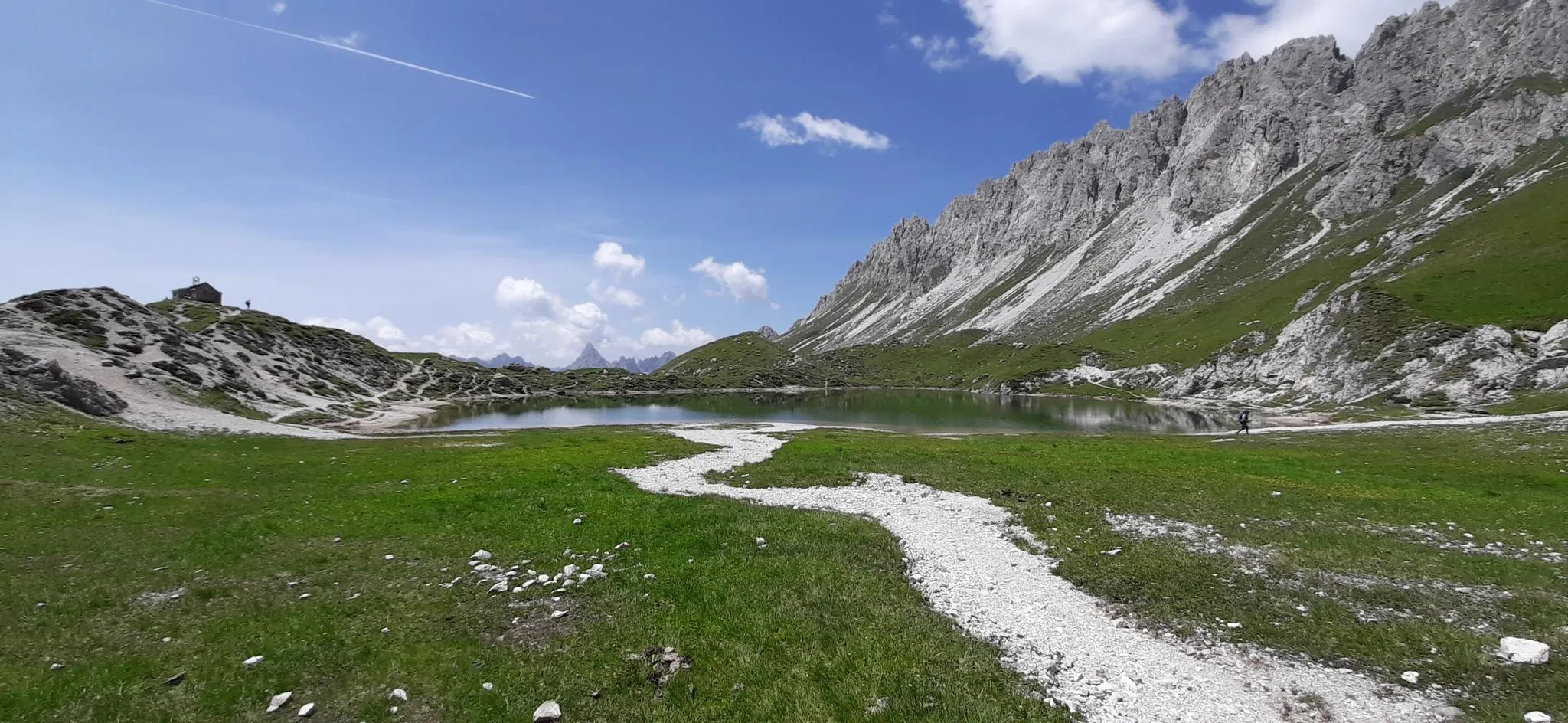
A trail running adventure in the Dolomites – Alta Via 6
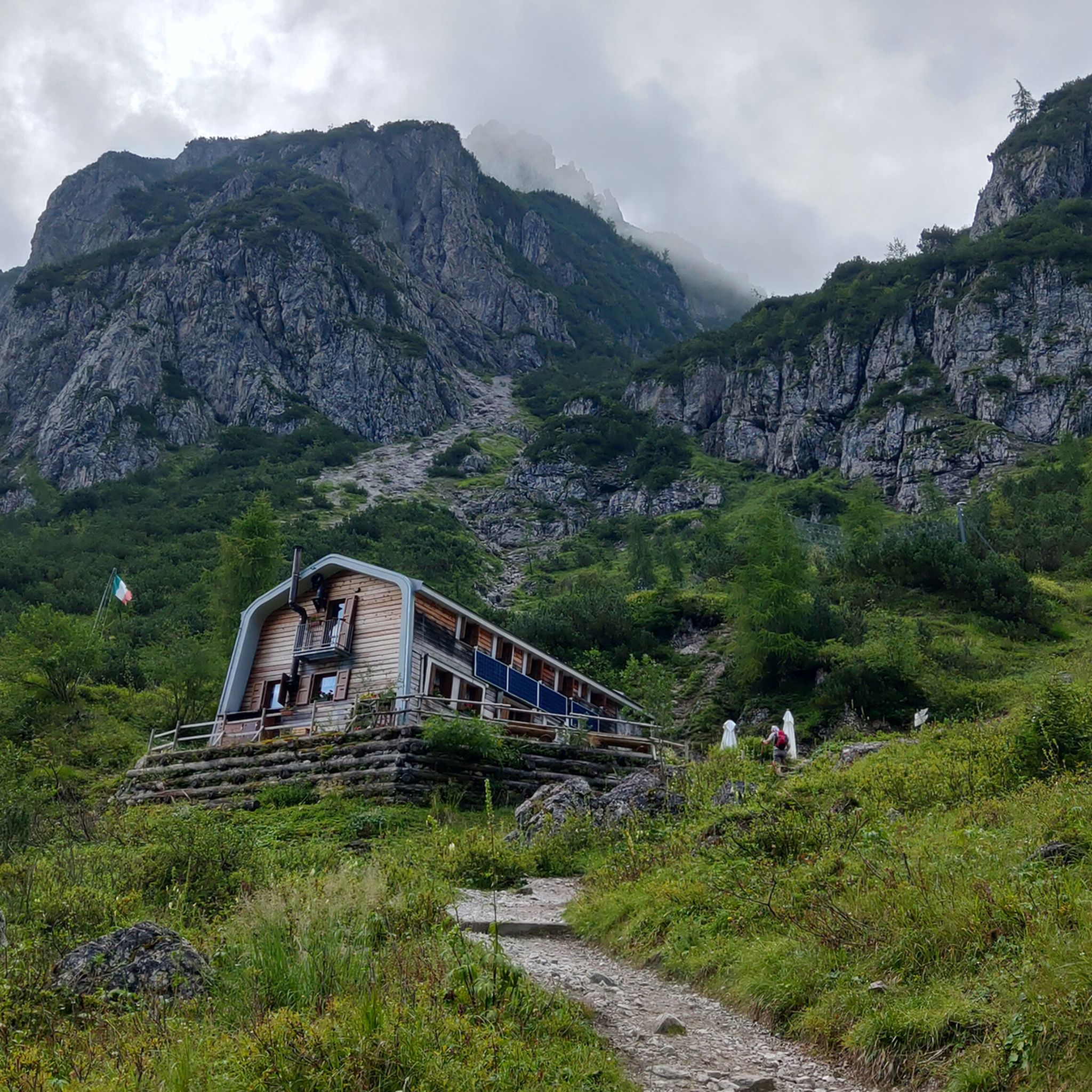
Hiking around Parco naturale regionale delle Dolomiti Friulane
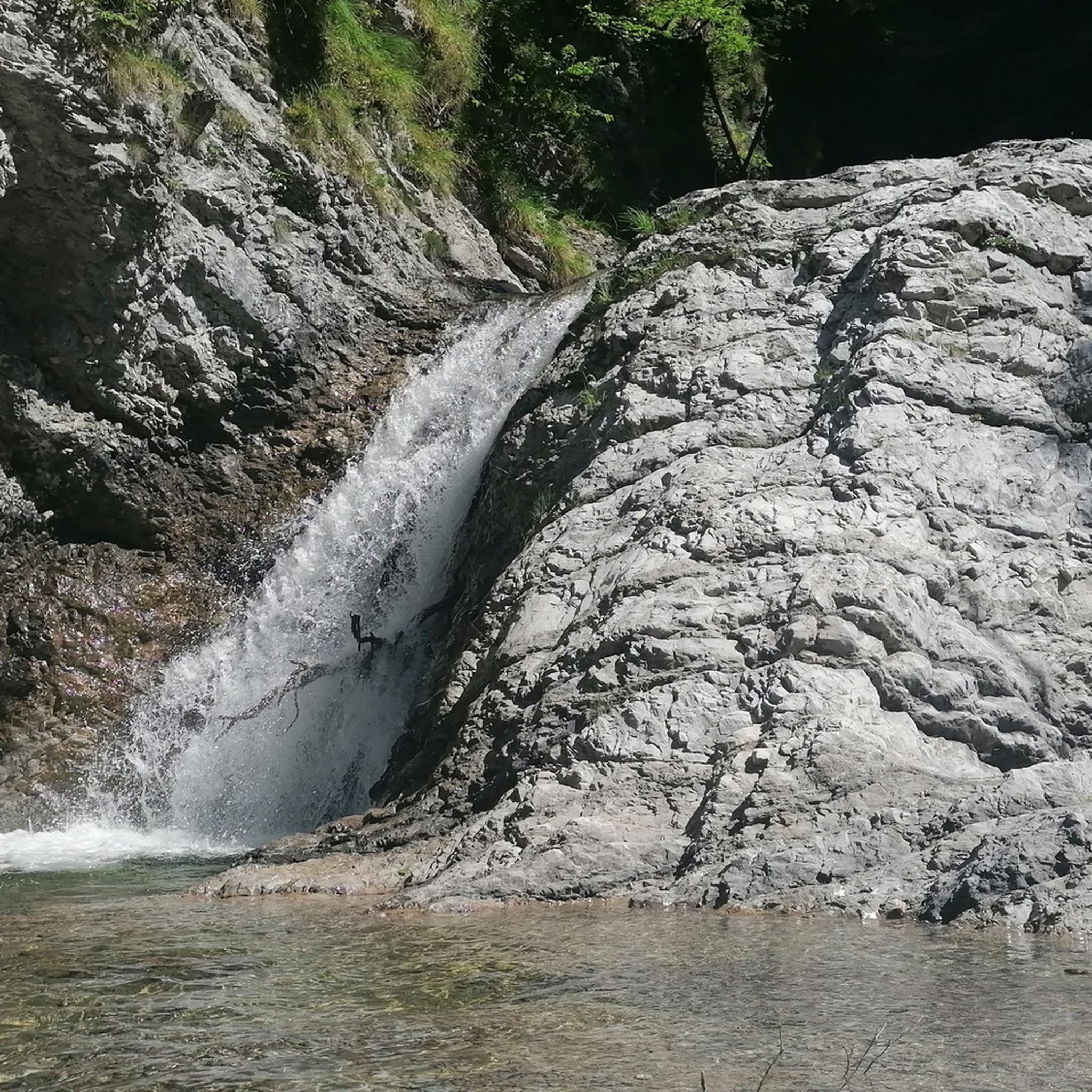
MTB Trails around Parco naturale regionale delle Dolomiti Friulane
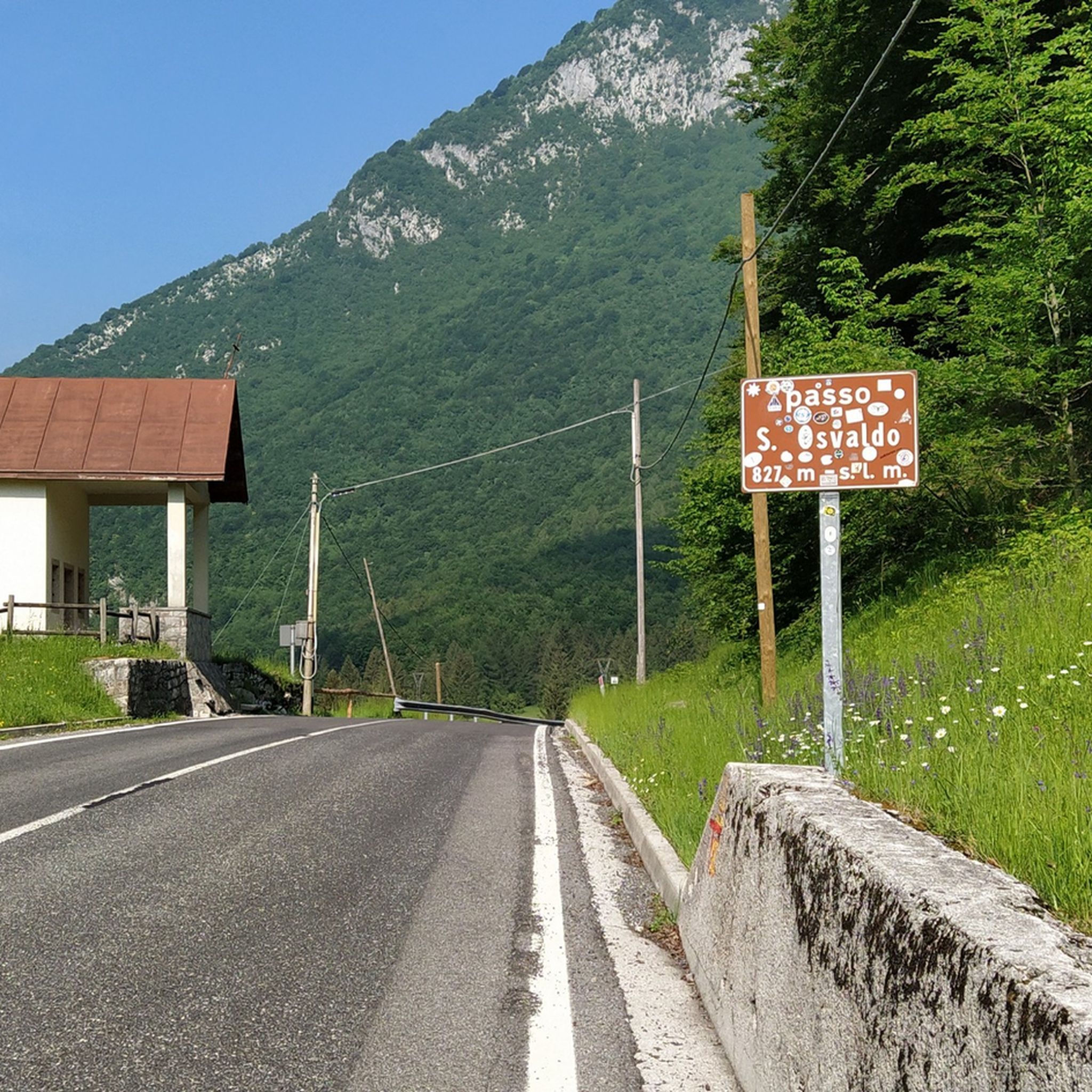
Road Cycling Routes around Parco naturale regionale delle Dolomiti Friulane
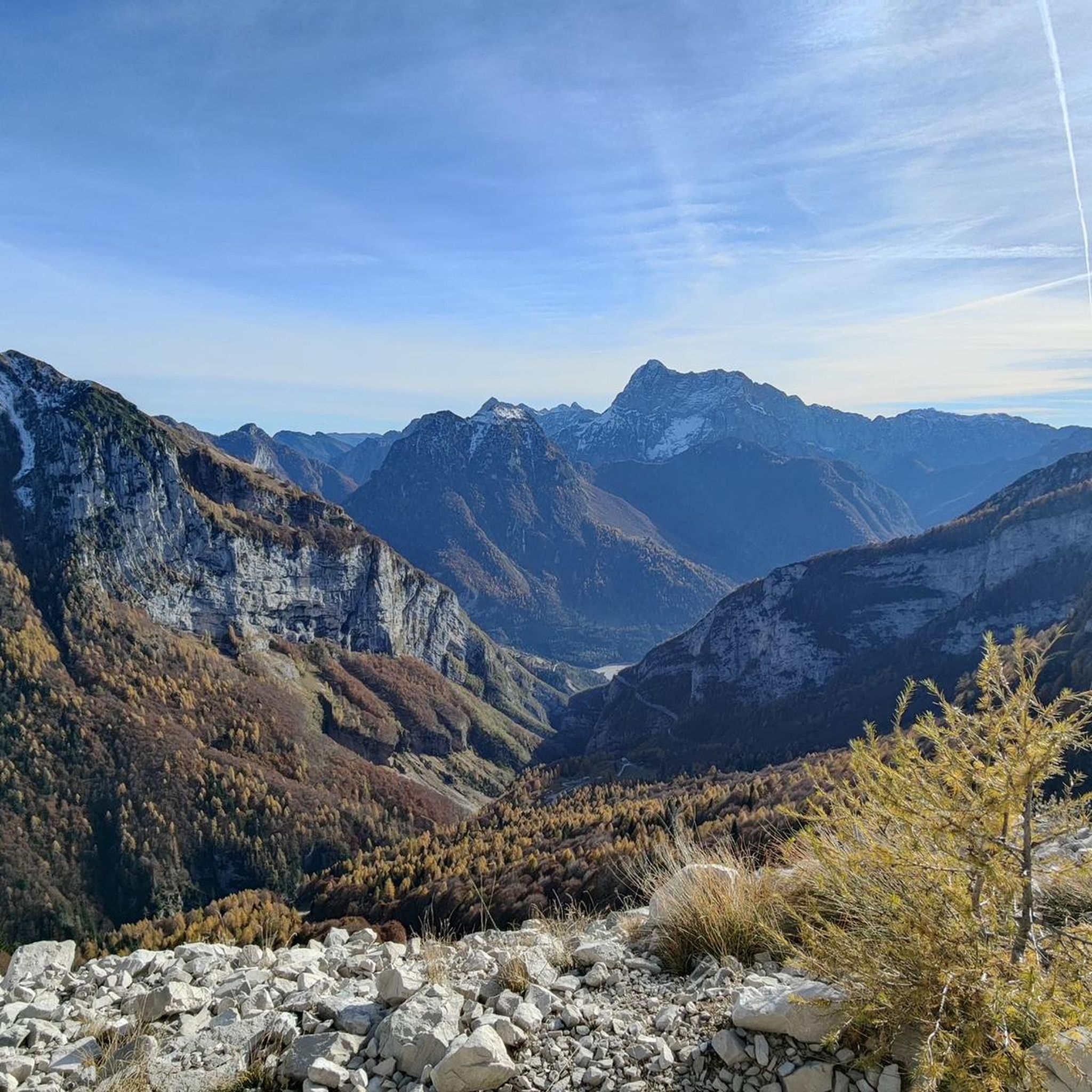
Cycling around Parco naturale regionale delle Dolomiti Friulane
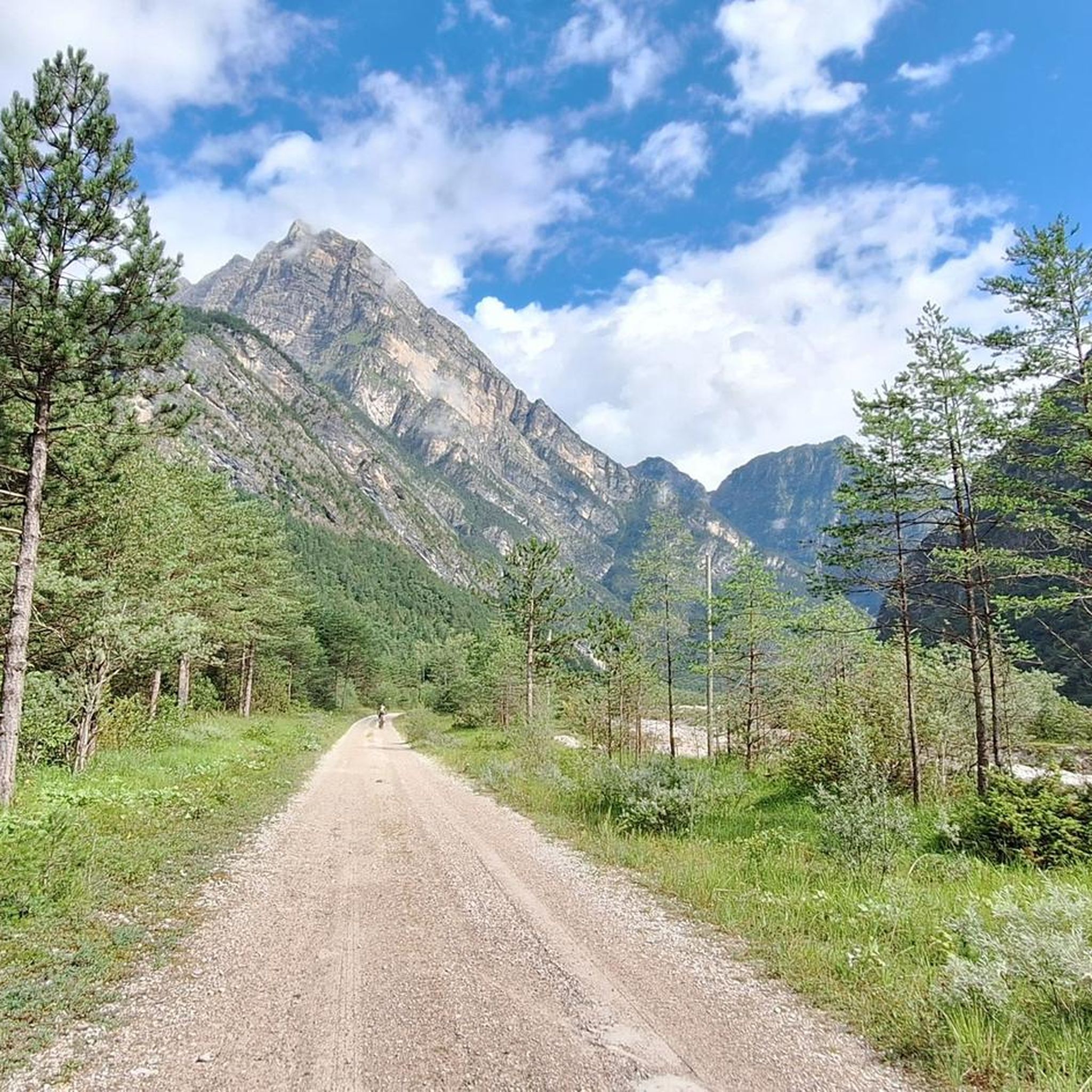
Running Trails around Parco naturale regionale delle Dolomiti Friulane

Mountain Hikes around Parco naturale regionale delle Dolomiti Friulane

Gravel biking around Parco naturale regionale delle Dolomiti Friulane
Other adventures around Parco naturale regionale delle Dolomiti Friulane

Tips from the Community

La Casera Mela is a historic alpine structure located at an altitude of 1,170 meters in the picturesque Val Vajont, within the Natural Park of the Friulian Dolomites. Reachable via a convenient dirt road starting from the Erto area, the casera is situated in a verdant clearing that offers a spectacular view of the north face of Monte Toc and the surrounding peaks. This place, now transformed into a welcoming refreshment point and agriturismo, is famous for its genuine hospitality and its cuisine linked to the flavors of local tradition. It represents a fundamental stop for those who wish to explore the trails that delve into the Duranno group, combining the wild beauty of the Friulian mountains with the historical memory of a valley profoundly marked by the events of 1963.
0
0

The bivouac and adjacent meadow are often crowded. Useful as a base for early climbing excursions.
1
0

On the crest of Borgà, and more precisely near Mount Sterpezza, you can enjoy a unique spectacle. A series of limestone blocks stacked on top of each other that have the peculiarity of looking like books of rock. The reason for this conformation is due to the structure against which the rock is formed. Layers that are more soluble in meteorological waters resting on less soluble layers cause furrows to be created between one layer and another, all of which gives the eye the vision and the sensation of being in front of cyclopean books of rock.
0
0

Casera Mela is easily reached thanks to the narrow but asphalted road for most of the route: on foot, with children or strollers, by mountain bike or by car.
0
0

Getting to the Campanil is not an easy task, but it is worth it.
0
0
Forcella Scodavacca, 2050 meters above sea level, its width and length make it peculiar compared to many other forks. It is the typical Dolomite fork.
0
1

The Scodavacca fork is the archetype of the forks and the symbol of the Forni Dolomites. Large and panoramic, it is located at an altitude of 2,043 meters and connects Carnia to Cadore. On its sides, the pass is dominated by the boldest spiers, including the Berti tower and the famous Spinotti tower, as well as Mount Cridola, the highest peak in the area. To reach it, from both sides, requires a long but rewarding climb up a narrow path that turns to gravel towards the top. You can run to the base of the Cridola peak, but to reach the summit the route becomes very technical.
2
0

From this col you can climb to the Cridola summit, but this is already an easy climb with a lot of loose rock.
1
0
Frequently Asked Questions
What unique geological features can I find in the Parco Naturale regionale delle Dolomiti Friulane?
The park is renowned for its distinctive geological formations. You can explore the spectacular Books of San Daniele, where erosion has sculpted limestone slabs into forms resembling stacked stone pages. The dramatic Cellina Gorge showcases impressive fluvial erosion, and iconic rock spires like the Campanile of Val Montanaia stand as symbols of the region's unique geology.
What makes the Parco Naturale regionale delle Dolomiti Friulane different from other Dolomite parks?
This park offers a distinct 'wilderness feel' due to its unspoiled landscapes and relatively untouched nature. It provides peace and quiet away from more crowded areas, with dramatic peaks, deep valleys, and significant geomorphological importance that set it apart.
Are there any historical or paleontological sites among the natural monuments?
Yes, the park holds evidence of ancient life. Near Claut, you can find fossilized dinosaur footprints at Casera Casavento, offering a rare glimpse into the prehistoric past of the Dolomites.
What kind of wildlife can I expect to see in the park?
The park's untouched nature supports exceptional biodiversity. Visitors often spot chamois, roe deer, marmots, wood grouse, black grouse, and deer. There's also a growing population of Alpine ibex and golden eagles soaring overhead.
What are some notable viewpoints or panoramic spots in the Friulian Dolomites?
For breathtaking views, consider reaching Cima dei Preti, the highest peak of the Oltre Piave Dolomites, or Monte Cridola, which offers panoramas extending to other famous Dolomite formations. Forcella Scodavacca and Clautana Pass also provide enchanting vistas after a rewarding climb.
What outdoor activities can I do near these natural monuments?
The park offers a variety of outdoor activities. You can explore numerous hiking trails, from easy walks to challenging ascents. For example, there are many easy hikes available. The valleys like Val Cimoliana, Val Settimana, and Val Zemola are perfect for naturalistic excursions, trekking, and even canyoning in Val Zemola. The region is also popular for cycling and gravel biking.
Are there easy natural monuments to visit for beginners or families?
While many areas are rugged, some natural monuments are more accessible. The Books of San Daniele offer a visually striking and educational experience without extreme difficulty. Exploring the lower sections of Val Cimoliana, Val Settimana, and Val Zemola also provides tranquil natural excursions suitable for families.
What are some challenging routes for experienced hikers or climbers?
Experienced adventurers can tackle the ascent to the Campanile of Val Montanaia, a significant destination for climbers. Cima dei Preti and the peaks of the Monfalconi Group (Monfalcon di Forni, Monfalcon di Cimoliana, Monfalcon di Montanaia) offer challenging ascents and immersive wilderness experiences. Reaching Forcella Scodavacca also involves a long but rewarding climb.
What is the best time to visit the natural monuments in the Friulian Dolomites?
The best time to visit is generally during the warmer months, from late spring to early autumn (May to October), when trails are clear of snow and weather conditions are more stable for hiking and outdoor activities. This period allows full access to the park's diverse landscapes and offers the best opportunities for wildlife spotting.
What do visitors enjoy most about the natural monuments in this park?
Visitors consistently praise the park's unparalleled 'wilderness feel' and the sense of peace and quiet it offers. The dramatic mountain landscapes, unique geological formations like the Books of San Daniele, and the opportunity for challenging climbs to spots like the Giuliano Perugini Bivouac and the Campanile of Val Montanaia are highly appreciated. The rich biodiversity and the absence of crowds also contribute to a deeply immersive natural experience.
Are there any iconic rock formations or spires to see?
Absolutely. The most iconic is the Campanile of Val Montanaia, a distinctive rock spire often called the 'bell tower' due to its unique shape. The Monfalconi Group also features impressive rock towers and spires, contributing to the dramatic mountain architecture of the park.
Can I explore deep valleys and pristine waterways in the park?
Yes, the park is characterized by its deep, unspoiled valleys. Val Cimoliana, Val Settimana, and Val Zemola are excellent examples, featuring vast gravelly valley floors and crystalline waters from torrents and streams. These valleys provide tranquil settings for naturalistic excursions and offer a deep connection with nature.
Most popular routes around Parco naturale regionale delle Dolomiti Friulane
Most popular attractions around Parco naturale regionale delle Dolomiti Friulane

Get inspired with the komoot mobile app


Explore more
Extend your search for the best caves by checking out these guides of the top ones around Parco naturale regionale delle Dolomiti Friulane:
